
Reviewed · PRIVATE
Private tour Tokyo – The Harmony of Modernity and Tradition
Tokyo can feel like several cities stacked together. This private tour connects the Emperor’s residence, Shinto and Buddhist worship, old market streets, a local park, and the giant pedestrian scramble at Shibuya. The most useful part is the guide’s ability to adjust the route to your group instead of forcing everyone through a fixed script.
I like the private format, especially for families or small groups with different interests. I also like the practical subway coaching. Guides such as Yoko and Xavier have helped visitors learn how to move around Tokyo, which can be more valuable than another hour of sightseeing.
The main consideration is pace. Six major areas in about eight hours means roughly 30 minutes at each listed stop, with the rest of the day spent walking and riding public transportation. You will get a broad first look, not a slow, detailed visit to every museum or shrine.
In This Review
- Key points to know before booking
- One day for Tokyo’s old soul and new energy
- Imperial Palace: a calm opening in the middle of Tokyo
- Meiji Jingu: Shinto traditions beneath the trees
- Tsukiji: food culture after the wholesale market
- Senso-ji: Tokyo’s oldest temple
- Ueno Park: more than a green break
- Shibuya Crossing: Tokyo’s famous final image
- The subway lesson may be the day’s best souvenir
- How flexible is the custom itinerary?
- Families, older visitors, and mixed-interest groups
- Booking details and practical cautions
- Should you book this private Tokyo day?
- FAQ
- How long does the private Tokyo tour last?
- What time does the tour start?
- Is hotel pickup included?
- Is hotel drop-off included?
- Is this a private activity?
- Which Tokyo sights are included in the planned route?
- Are entrance tickets included?
- How much should I budget for transportation?
- Can children join the tour?
- What happens if the weather is bad?
- Can I cancel for a full refund?
Key points to know before booking
- Six major Tokyo districts in one day: The route can include the Imperial Palace, Meiji Jingu, Tsukiji, Senso-ji, Ueno Park, and Shibuya Crossing.
- A private guide shapes the day: Your group can adjust the plan around interests, weather, age, and walking ability.
- Subway help is part of the value: The guide handles Tokyo’s complex public transportation while teaching you how it works.
- Hotel pickup keeps the morning simple: The tour starts at 10:00 a.m., with pickup offered at your Tokyo hotel.
- The day mixes old and new Tokyo: You move from imperial grounds and shrines to fish-market lanes and neon-lit Shibuya.
- Budget for transportation and meals: Food and drinks are not included, and transportation averages about JPY 1,500 per person for the day.
One day for Tokyo’s old soul and new energy
At $196.48 per person, this is not a bargain sightseeing bus. It is a private guiding service for people who want help making sense of Tokyo, particularly on a first visit.
The price makes more sense if your group values time, flexibility, and confidence on the subway. A guide can change the order of stops, shorten a visit when the weather turns, or spend more time on a subject your family actually cares about. You are also paying for a private experience, so the cost becomes easier to justify when divided among a small group.
The tour is scheduled for about eight hours and begins at 10:00 a.m. Hotel pickup is included. Transportation to and from the attractions is not, with an average cost of about JPY 1,500 per person for the day. Food and drinks are also extra.
You should think of this as a guided orientation to Tokyo. It is designed to show you how the city fits together, not to provide admission into a long list of paid attractions. The listed stops have free admission, though some nearby museums or special sites may charge separately if your guide adds them to a customized plan.
Other private tours in Tokyo


Imperial Palace: a calm opening in the middle of Tokyo
The Imperial Palace is the primary residence of the Emperor of Japan. It gives the day a quiet beginning and introduces the imperial side of the capital before you head into busier districts.
The scheduled visit is about 30 minutes, with free admission. That is enough for an introduction and a look at the setting, but not enough for a long palace-area exploration. You should also keep expectations realistic: this is a visit to the palace grounds and surrounding sights, not a guaranteed tour of private residential areas.
I like this as an opening stop because it gives you a sense of Tokyo’s scale. Wide spaces and formal grounds contrast sharply with the tight lanes and crowded crossings later in the day. Your guide can also place the palace in the larger story of Japan’s emperor and government, something that is easier to understand with context than from a quick photograph.
Meiji Jingu: Shinto traditions beneath the trees
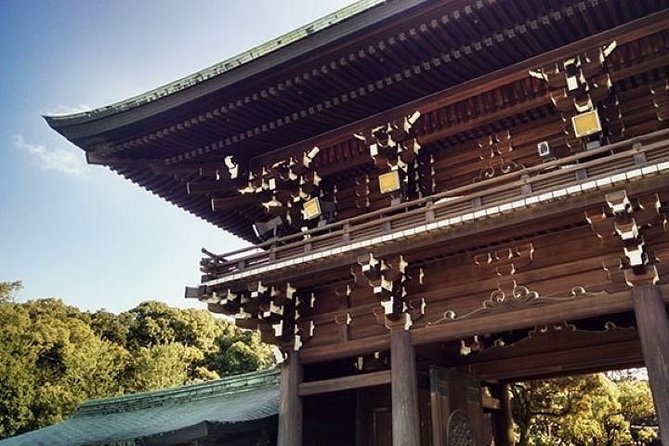
Meiji Jingu is a Shinto shrine dedicated to the deified spirits of Emperor Meiji and his wife. The stop adds a spiritual and ceremonial side to the day, following the imperial setting with a place of worship.
The planned visit lasts about 30 minutes and admission is free. That gives you time to see the main approach and shrine area, though a visitor who wants a slower look at customs, offerings, and shrine architecture may wish to discuss extending this stop.
This is one place where a private guide can be especially helpful. You can ask about proper shrine behavior, what you are seeing, and how Shinto spaces differ from Buddhist temples. The tour later visits Senso-ji, so the two stops create a useful comparison without requiring you to organize separate visits.
Tsukiji: food culture after the wholesale market
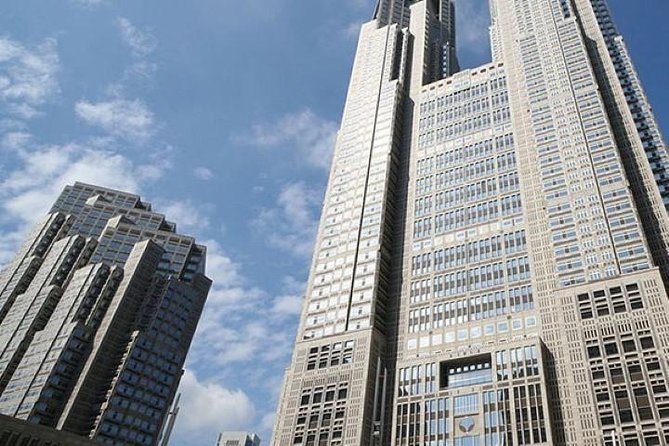
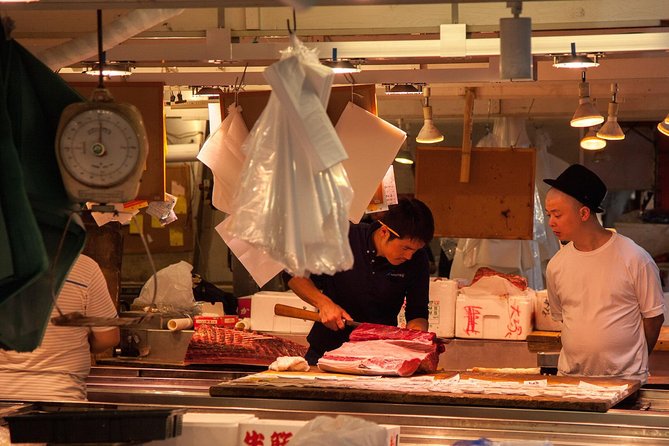
Tsukiji was once home to the world’s largest fish market. The wholesale auction operation has moved, but Tsukiji remains an important food district and a practical place to see how market culture fits into Tokyo life.
The scheduled stop is 30 minutes, and food is not included. That distinction matters. You may have a chance to browse food stalls or choose something to eat, but you should budget separately and understand that the tour price does not cover tastings or lunch.
A half-hour is brief for a market area. It works well as an introduction, especially if you want to look around and ask your guide what to try. If food is a top priority, tell the guide before the day begins. The itinerary is customizable, so your group may prefer more time here and less time at another stop.
Tsukiji also provides a welcome change in rhythm. The palace and shrine stops are about ceremony and setting. Here, the focus turns to ingredients, shopping, and everyday Japanese food habits.
Senso-ji: Tokyo’s oldest temple
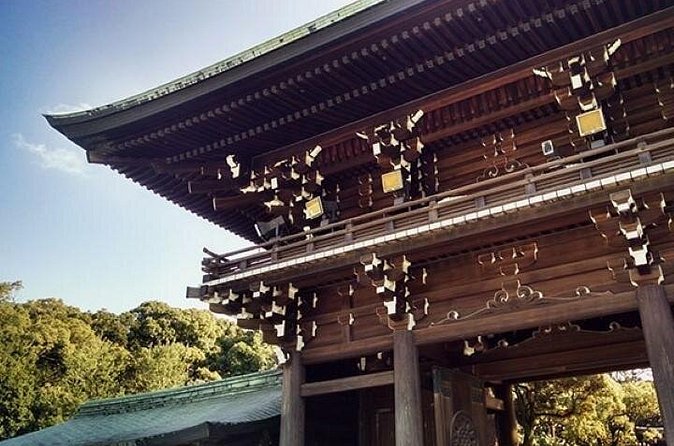
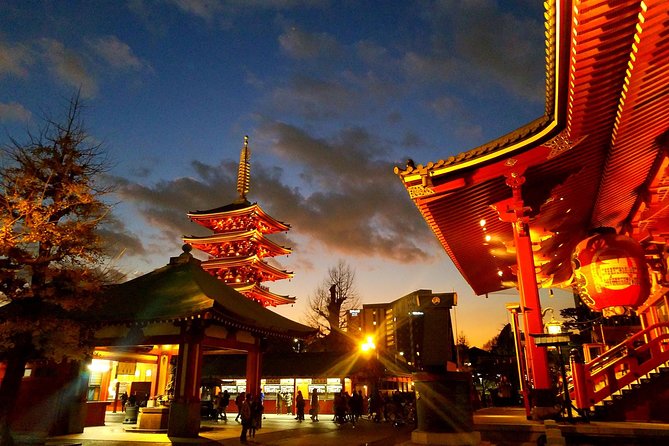
Senso-ji in Asakusa is Tokyo’s oldest temple and one of its most important. This is the day’s strongest stop for traditional urban Tokyo, with a temple setting that is closely tied to the neighborhood around it.
The planned visit is 30 minutes, with no admission charge. That is enough to get oriented and see the main temple area, but Asakusa rewards patience. If you want time for shopping, snacks, or a more careful look at the temple grounds, ask your guide to protect that time in the schedule.
The private format helps here because you can ask direct questions rather than follow a general group lecture. Families can keep moving if children lose interest, while adults who want more explanation can pause and ask about Buddhist practice and temple customs.
I would not treat this stop as a quick photograph alone. It is one of the best places on this route to notice the contrast between Tokyo’s old religious center and the modern city surrounding it. Still, crowds and walking are part of the experience, so comfortable shoes matter.

Ueno Park: more than a green break
Ueno Park is a favorite destination for Tokyo residents and contains several major attractions, including the Tokyo National Museum and Toshogu. The park can function as a rest stop, a cultural stop, or a starting point for a future visit.
The listed time is 30 minutes, with free admission to the park itself. That short window will not allow a proper museum visit. If the Tokyo National Museum is high on your list, you should say so when planning the tour, because it deserves a separate block of time and may alter the rest of the route.
Ueno is useful in this tour because it shows a less commercial side of Tokyo. You are not only moving between famous photo spots. You are also seeing a public park that matters to local residents and contains several cultural institutions.
For families, the open setting may provide a needed breather after temple streets and subway rides. For visitors focused on art and Japanese culture, it can be a preview of what to return to on another day.
Shibuya Crossing: Tokyo’s famous final image
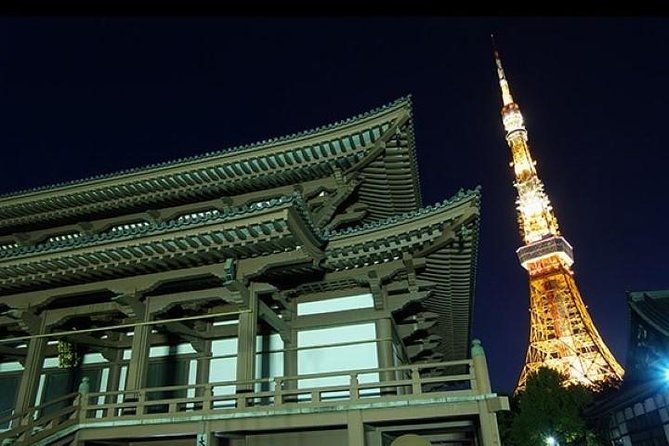
Shibuya Crossing is perhaps the most recognizable landmark in the city. When the signals change, pedestrians move across the intersection from several directions, creating the image many people associate with modern Tokyo.
The planned stop is 30 minutes and admission is free. The crossing itself is easy to see, but the private guide adds value by helping you reach it without wasting time on Tokyo’s huge station area. You can ask where to stand, how the surrounding streets connect, and how Shibuya fits into the city’s newer commercial districts.
This is a strong final stop because it leaves you with a sharp contrast to the Imperial Palace, Meiji Jingu, and Senso-ji. Tokyo is not either traditional or modern. It is both, often within the same train ride.
The drawback is that a 30-minute stop may feel short if you want photographs, shopping, or time in a nearby café. Again, tell the guide what matters most. The tour’s strength is not the promise of seeing everything. It is the ability to make sensible choices for your group.
The subway lesson may be the day’s best souvenir
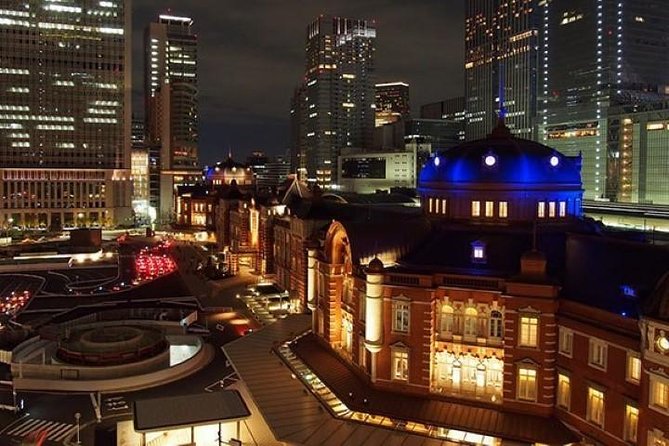
Tokyo’s public transportation system is fast and extensive, but first-time visitors can find station layouts, transfers, and payment systems intimidating. This tour includes help navigating the streets and subways, and that practical support is one of its strongest features.
Past clients have specifically appreciated guides such as Yoko and Xavier for getting groups from one district to another and showing them how to use public transportation. One family was taught how to manage the system so they could continue using it after the guided day. That is real value: you leave with a skill, not only a set of pictures.
The tour does not include transportation costs, so carry enough for fares and confirm how your group will pay. The stated average is JPY 1,500 per person for the day, but your exact amount can vary with the final route.
Expect to walk between stations, platforms, shrines, markets, and public spaces. The tour operates in all weather, so bring suitable clothing and shoes. If someone in your group has limited stamina, explain that before the itinerary is finalized. The guide can adjust the plan, but Tokyo’s size and subway stations still require movement.
How flexible is the custom itinerary?
The tour is built around your must-see locations. The six listed stops provide a strong outline, but they are not necessarily the only way to spend the day.
The guide can tailor the route to your group’s needs and interests. Past arrangements have included families with children and teenagers, adults with different priorities, visitors on short stopovers, and groups dealing with difficult weather. That suggests the service is best used as a planning conversation, not as a fixed checklist.
Before booking, prepare a short priority list:
- Two or three places you most want to see
- Foods or neighborhoods you want to explore
- How much walking your group can comfortably handle
- Any museum or shopping stop that needs extra time
- Whether you prefer temples, food, photography, pop culture, or city views
The more clearly you explain those priorities, the more useful the private format becomes. If you simply want a standard route with no decisions, a larger group tour may cost less.
Families, older visitors, and mixed-interest groups
This experience suits a group that wants one person to handle the day’s practical structure. Families with older children and teenagers can benefit from the changing subjects: emperors, shrines, food, temples, parks, and Shibuya.
The guide can also adjust the pace. One past arrangement involved a visitor with knee concerns, and the guide adapted the day while still covering a great deal. That does not remove the need for comfortable shoes or honest planning, but it shows why private touring can work better than a rigid group schedule.
Mixed-interest groups are another good match. One person can ask about Japanese culture, another can focus on food, and someone else can look for modern city sights. Guides Yoko and Xavier have also arranged longer, tailor-made Japan trips, so you may find this one-day service useful as an introduction to their wider planning help.
Still, do not book this expecting a quiet day. Tokyo is large, the route covers several districts, and the tour includes public transportation. A private guide reduces confusion, but it cannot make six neighborhoods feel like one small village.
Booking details and practical cautions
Confirmation is sent within 48 hours of booking, subject to availability. The tour begins at 10:00 a.m., and pickup is offered at your Tokyo hotel. The supplied details also describe hotel drop-off as a highlight, but because the included-services list specifically names pickup, confirm the end-of-day arrangement before you pay.
The tour is private, so only your group participates. Children must be accompanied by an adult. Most people can take part, and the tour operates in all weather.
Free cancellation is available up to 24 hours before the local start time for a full refund. Cancellations or changes made inside that 24-hour window are not accepted for a refund. The provider also says it may refuse or cancel bookings from individuals or groups arriving by cruise, so cruise passengers should confirm eligibility before making plans.
The experience is currently rated 4.8 from 24 ratings, with 96 percent recommended. The praise centers on friendly guides, careful preparation, custom routes, family support, subway instruction, and help during complicated Japan itineraries. There is also a clear warning to get prices and arrangements in writing before the tour, since one customer described confusion over quotes and billing. That is sensible advice for any private service.
Should you book this private Tokyo day?
Book it if you want a personal route through Tokyo, need help with the subway, or are traveling with a family or small group whose interests do not line up neatly. It is particularly useful on a first visit, when the city’s size can make independent planning feel like work.
You should also book it if you value cultural explanation as much as sightseeing. The sequence from palace to shrine, market, temple, park, and crossing gives you a clear picture of Tokyo’s many sides.
Skip it if you prefer to linger for hours at one museum, market, or neighborhood. The schedule is broad, and six stops in eight hours will require choices. You should also compare the total cost after adding transportation and meals.
My advice is to contact the provider with your priorities before confirming. Ask who will guide your date, request the final price in writing, clarify pickup and drop-off, and identify which stops are essential. If the answers fit your group, this private day can give you both a strong introduction to Tokyo and the confidence to explore on your own afterward.
FAQ
How long does the private Tokyo tour last?
The tour lasts approximately eight hours.
What time does the tour start?
The stated start time is 10:00 a.m.
Is hotel pickup included?
Yes. Hotel pickup is included, and pickup at your Tokyo hotel is offered.
Is hotel drop-off included?
Drop-off is presented as a tour highlight, but the included-services list specifically names hotel pickup. Confirm the end-of-day drop-off details with the provider.
Is this a private activity?
Yes. Only your group participates in the activity.
Which Tokyo sights are included in the planned route?
The route lists the Imperial Palace, Meiji Jingu Shrine, Tsukiji Fish Market, Senso-ji Temple, Ueno Park, and Shibuya Crossing.
Are entrance tickets included?
The listed stops show free admission. Food, drinks, and transportation to and from attractions are not included.
How much should I budget for transportation?
The stated average is approximately JPY 1,500 per person per day, though the final amount depends on the route.
Can children join the tour?
Yes. Children can participate, but they must be accompanied by an adult.
What happens if the weather is bad?
The tour operates in all weather conditions, so you should dress appropriately.
Can I cancel for a full refund?
Yes, if you cancel at least 24 hours before the local start time. Cancellations or changes made less than 24 hours before the start are not refunded.
More Private Tours in Tokyo

More tours in Tokyo we've reviewed





Private, compared.
 ★ 5.0Tokyo 6hr Private Tour with Government-Licensed GuideFrom $155
 ★ 5.0Private Tour to Mt. Fuji and Hakone (Fully Licenced Operator)From $497
 ★ 5.0Tokyo Customized Private Tour (Must See Places in 1 Day)From $145
 ★ 4.9Mount Fuji Full-Day Private Tour from Tokyo (Customizable)From $393
 ★ 4.8Tokyo: Private City Highlights Tour with Local GuideFrom $1064 - 8 hours
 ★ 5.0Private Custom Tour: Tokyo in a DayFrom $159