
Reviewed · NIKKO DAY TRIPS
Tokyo: Toshogu Shrine (Nikko Toshogu), Lake Chuzenji, Kegon Falls
Nikko packs ornate shrines, a mountain road with 48 bends, a high lake, and one of Japan’s best-known waterfalls into a long day from Tokyo. The highlight is Toshogu Shrine, where carved gates and bright details honor Tokugawa Ieyasu, founder of the Edo shogunate.
I like the efficient mix of culture and mountain scenery, and I like that fuel, tolls, driver service, and the Akechidaira observation stop are covered. The main caution is organization: finding your guide in a crowded meeting area may be difficult, and the shrine visit can land during the busiest part of the day.
In This Review
- Key points to know before booking
- Why Nikko works as a day trip from Tokyo
- Toshogu Shrine and the Tokugawa legacy
- Iroha Road: 48 mountain turns
- Akechidaira at 1,373 meters
- Lake Chuzenji through the seasons
- Kegon Falls, the 99-meter finale
- What the $105.99 price includes
- Finding the vehicle and handling the practical details
- Who will get the most from this Nikko tour
- Should you book this Nikko day trip?
- FAQ
- On which days does the tour operate?
- How many people are needed for the tour to run?
- How long is the experience?
- What sights are included?
- Is the Akechidaira cable car included?
- Are meals included?
- Can I cancel for a refund?
Key points to know before booking
- Four major sights in one day: Visit Toshogu Shrine, Akechidaira, Lake Chuzenji, and Kegon Falls.
- The mountain road is part of the experience: Iroha Road climbs toward Oku-Nikko through 48 turns and changing elevations.
- Akechidaira gives the big view: The three-minute cable-car ride reaches an observation deck at 1,373 meters.
- Tuesday and Saturday departures only: The outing needs at least four people to operate.
- Chinese-speaking support is provided: A local Chinese driver and guide accompany the group.
- Expect a long day in a small group: The trip lasts about 11 hours, with a maximum of 15 people.
Why Nikko works as a day trip from Tokyo
Nikko offers a sharp change from Tokyo’s dense city streets. Within one outing, you move from a grand religious complex to forested mountain roads, then to a high lake and a waterfall fed by that lake.
The tradeoff is time. Nikko is far enough from Tokyo that the drive uses a large part of the day. The tour allows about 10 hours of vehicle service under Japanese legal limits, while the full experience lasts roughly 11 hours. The remaining time covers the sightseeing stops, lunch, and other travel needs.
That makes this a practical choice if you want Nikko without arranging trains, local transport, and separate admissions yourself. It is less suitable if you want a slow shrine visit, a long meal, or several quiet walks.
The group is capped at 15 people, which is more manageable than a large coach. Still, this is a shared outing, not a private tour. Departure is offered on Tuesdays and Saturdays, and the group needs at least four people, so check that the departure has formed before you place the order.
A few more Tokyo tours and experiences worth a look
Toshogu Shrine and the Tokugawa legacy
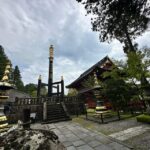
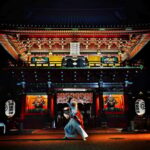
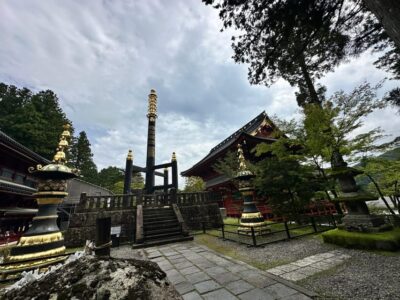
The first major stop is Nikko Toshogu, the shrine devoted to Tokugawa Ieyasu, the first shogun of the Edo shogunate. Its setting among the Nikko Mountains gives the complex a powerful sense of place before you even start studying the buildings.
You have about two hours here. That is enough time to see the main architectural features and get a feel for the site, but it is not an open-ended visit. If you enjoy carved details, symbolic design, and Japanese religious architecture, this is likely the cultural high point of the day.
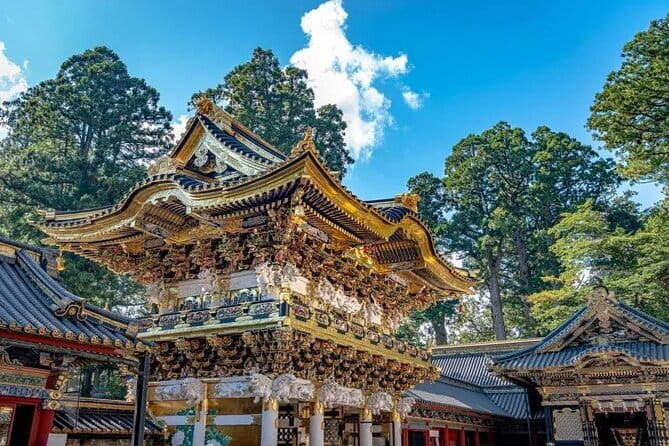
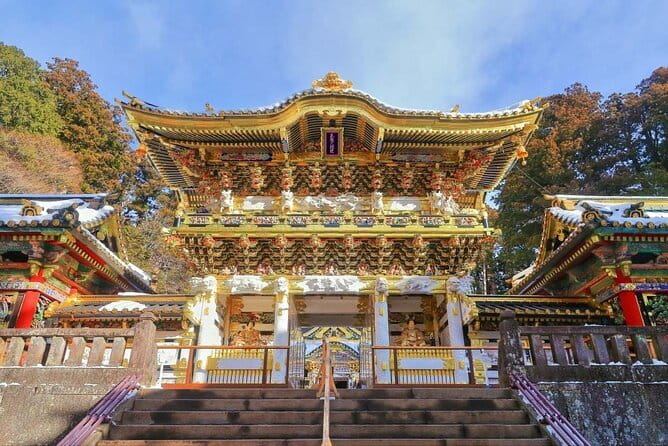
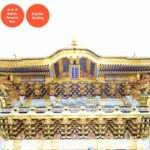
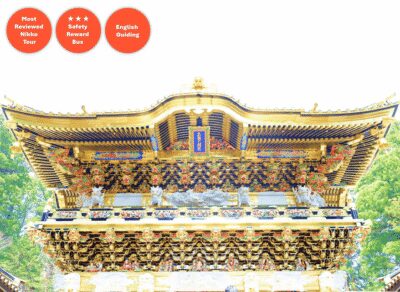
The Yomeimon Gate, described in the tour information as the Japanese-style Mingyang Gate, is one of the complex’s signature structures. The Chinese-style Tang Gate is another key feature. Their layers of carving and decorative detail reward close attention, so do not rush through the approach while trying to keep up with the group.
Toshogu is part of the Shrines and Temples of Nikko UNESCO World Cultural Heritage listing, designated in 1999. That recognition matters because the site is not simply a pretty stop. It represents the religious and political world built around Tokugawa Ieyasu and the Edo period.
The timing needs thought. Starting at the shrine can mean arriving when many other visitors are already there. That was the clearest problem in the available feedback: the sights were considered interesting, but the organization was criticized, especially the crowded beginning and the difficulty of identifying the guide.
You should also know that the listed admission for this stop is free. The tour data does not describe separate entry charges inside the complex, so carry money for personal purchases and any costs not specifically included.
Iroha Road: 48 mountain turns
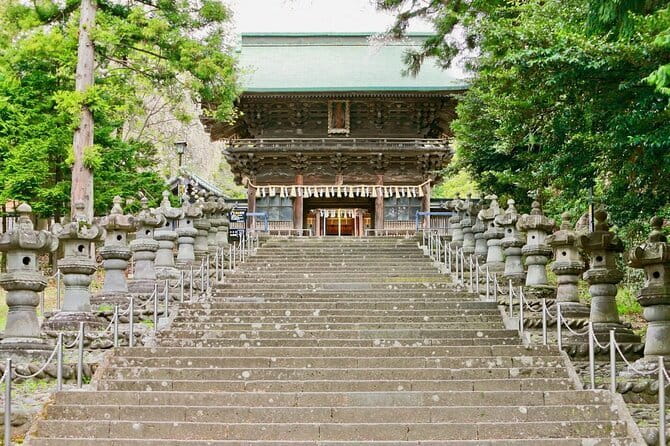
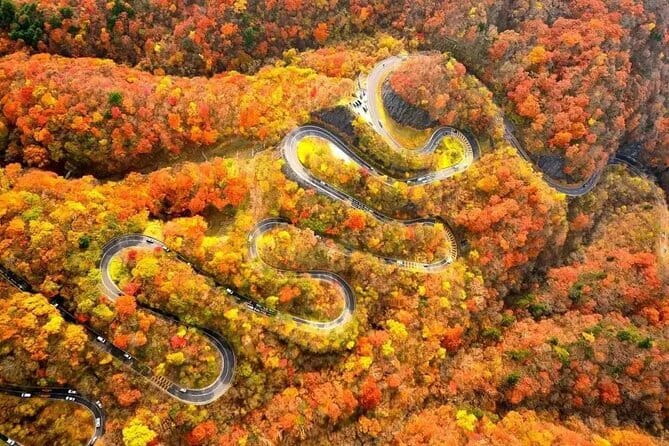
After Toshogu, the route heads up Iroha Mountain Road toward Lake Chuzenji and Oku-Nikko. This 15.8-kilometer road has 48 turns on its uphill and downhill routes, making the drive itself part of the Nikko experience.
The changing elevation gives you shifting views of the mountains. In autumn, the route is especially popular because the trees change color at different heights, creating several bands of seasonal color rather than one uniform display.
This is also where the tour’s vehicle service earns its keep. You do not need to work out the mountain transport yourself, and fuel, tolls, and highway charges are included. The road can be winding, though, so anyone prone to motion sickness should plan accordingly. The supplied information does not state whether motion-sickness medicine is available, so bring anything you normally need.
The route connects the cultural side of Nikko with its natural sights. It also explains why this excursion is difficult to reproduce comfortably in a single day without organized transport.
Akechidaira at 1,373 meters
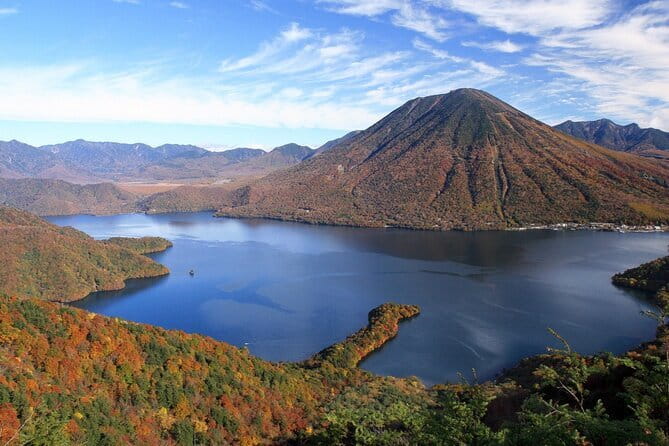
Akechidaira Observation Area is designed for the broad view. From the observation deck, you can see Lake Chuzenji and Kegon Falls together, along with Mount Nantai and the cliff formations known as Byobuiwa, or Pingfeng Rock in the supplied description.
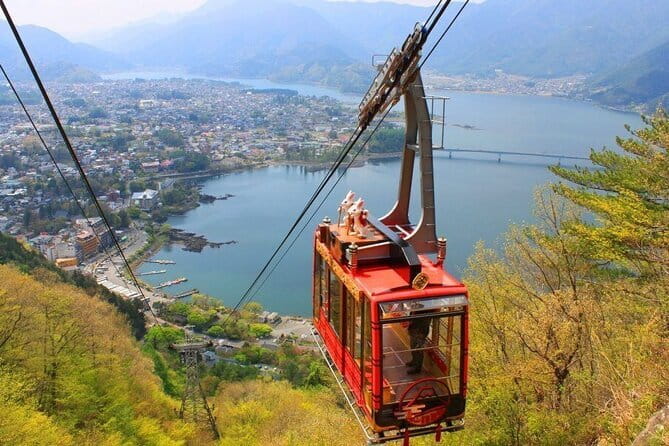
The stop lasts about an hour, and admission is included. A three-minute cable-car ride takes you from Akechidaira to the observation deck at an altitude of 1,373 meters. That short ride is one of the most distinctive parts of the outing because it changes the scale of the view quickly, from road-level mountain scenery to a high outlook over the valley.
If photography matters to you, this is the place to keep your camera ready. The view links several later stops in one frame: the lake, the waterfall, and the surrounding mountains. Weather and visibility will affect what you see, and the tour information does not promise clear conditions, so treat the outlook as an opportunity rather than a guarantee.
The observation stop also adds a welcome pause after the shrine and the mountain drive. One hour is enough for the cable car, the viewpoint, and photographs, but you will not have time for an extended walk or a relaxed café visit unless the group schedule allows it.
Lake Chuzenji through the seasons
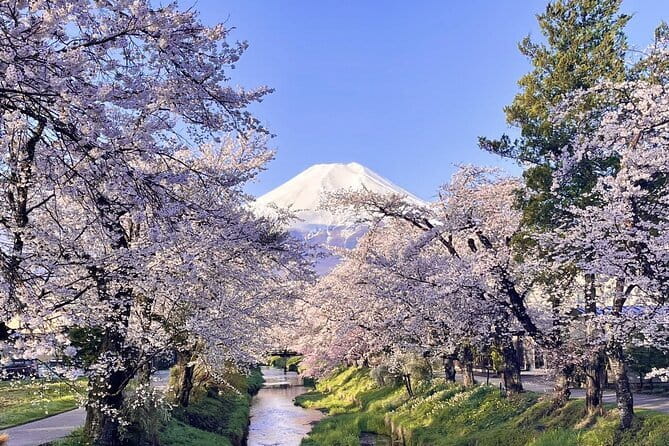
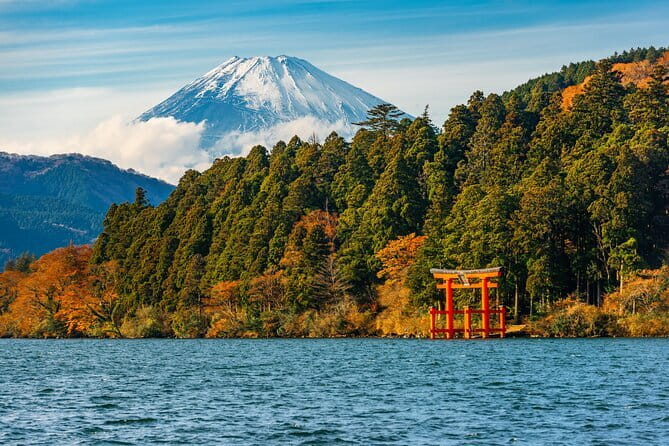
Lake Chuzenji is described as Japan’s highest natural lake. It sits in the Oku-Nikko mountain area and changes character with the season.
Spring brings azaleas. Summer offers green trees. Autumn is the busiest scenic period, with red leaves around the water and mountains. Winter brings snow. This seasonal variety is one reason Nikko works beyond the classic autumn trip, even though fall is the most visually dramatic period.
You have about an hour at the lake. The stop gives you time to take in the shoreline views and photograph the water, but the itinerary does not specify a boat ride, extended hike, or other lake activity. Do not book this tour expecting a full day beside the water. Think of it as a scenic pause within a larger circuit.
The lake is also important because it feeds the next stop. Water leaves Chuzenji at its eastern end, forming the Ojiri River before dropping through the mountain at Kegon Falls. Seeing the lake and waterfall on the same day gives the route a natural logic rather than making the sights feel randomly assembled.
A few more Tokyo tours and experiences worth a look


Kegon Falls, the 99-meter finale
Kegon Falls is one of Japan’s three famous waterfalls. Water from Lake Chuzenji drops 99 meters, with smaller streams flowing through gaps in the surrounding rock.
You have about 30 minutes here, with no separate admission listed. That is enough for the main view and photographs, but it is a brisk stop. If you prefer to stand quietly and watch the water for a long time, you may find the schedule tight.
The waterfall is especially striking in autumn, when red leaves frame the falling water. It remains a year-round sight, though, with snow in winter and fresh greenery in warmer months. The rock overhang and the smaller side falls add detail beyond the main vertical drop.
The description refers to Kegon Falls by a different translated name, Huayan Falls. At the site, look for Kegon Falls, the standard English name you are most likely to see.
What the $105.99 price includes
At $105.99 per person, this is not the cheapest way to see Nikko, but the value depends on how much transport planning you want to avoid. The price includes the vehicle, fuel, tolls, highway charges, and driver service. Admission for the Akechidaira stop is included, and the listed Toshogu and Kegon Falls stops do not add an admission charge.
Meals are not included. You will also pay for personal purchases and any local activity not named in the inclusions. Since the remaining time is allocated to travel and lunch, plan for lunch as an out-of-pocket expense.
The price is easier to justify for a family or small group that wants one coordinated day. Children under three are free if they do not occupy a seat. Families should confirm that arrangement suits their needs, since a child who requires a seat would not fit that condition.
The vehicle service is limited to 10 hours under Japanese law. The total tour time is about 11 hours, so the schedule depends on moving efficiently between stops. You are paying for coverage of the key Nikko sights, not for a flexible private car at your disposal.
Finding the vehicle and handling the practical details
The most important practical issue is meeting the group. A departure reminder is sent by email the night before, with the pickup time, vehicle registration number, and guide contact information. Guides do not initiate contact with guests, so you need to read that message carefully.
At hotel pickups, wait outside in front of the hotel. Many Japanese hotels cannot allow a vehicle to park for a long time, so staying in your room until the vehicle arrives could mean missing it.
The poor organization noted in the available feedback makes this especially important. There may be many people in the meeting area, and no distinctive sign may make the guide easy to spot. Have the vehicle number and contact details open on your phone, and arrive early rather than trying to identify the group at the last moment.
This is a mobile-ticket experience, and confirmation arrives within 48 hours, subject to availability. You should also check the minimum group requirement before ordering. Once the booking is confirmed, the date cannot be changed, and late arrival or a no-show is not refundable.
Do not bring luggage unless you need to. The tour recommends traveling without it, but one piece per person is allowed if you note it when booking. If you fail to note the luggage or bring more than one piece per person, an additional 100 yuan per item is charged.
Carry your passport and valuables throughout the day. The supplied terms place responsibility for loss, theft, or damage with you.
Who will get the most from this Nikko tour
I would choose this outing if you want to see the major Nikko sights in one day and prefer a vehicle with a Chinese-speaking guide and driver. It suits first-time visitors, families with children, and anyone who wants mountain scenery without arranging the Iroha Road route independently.
It is also a good match for photographers who want several types of scenery: ornate shrine gates, sweeping mountain views, a high lake, and a waterfall. Autumn offers the strongest color, but each season has a named appeal in the schedule.
I would hesitate if your priority is quiet sightseeing. Toshogu may be crowded when you arrive, the shrine visit is timed, and the lake and waterfall stops are short. The tour also requires a long day in transit, with lunch and travel fitted around the four main stops.
The Chinese language service may be useful, but no guide names are provided. If you need a particular guide, a specialized interpretation style, or a private pace, confirm those details before booking.
Should you book this Nikko day trip?
Book it if you want maximum Nikko coverage in one organized day and accept a fixed schedule. The route is well chosen: Toshogu supplies the cultural weight, Akechidaira supplies the wide view, Lake Chuzenji adds seasonal mountain scenery, and Kegon Falls provides a memorable final stop.
Skip it if you dislike early starts, winding mountain roads, crowded heritage sites, or firm timing. The organization at the meeting point deserves extra care, and the shrine may be busiest in the morning.
For the best chance of a smooth day, confirm the four-person minimum, read the reminder email, arrive early, keep luggage to a minimum, and treat the $105.99 price as payment for transport and convenience rather than a fully inclusive day. Cancellation is free when made at least 24 hours before the start time, but changes or cancellations inside that window are not accepted.
FAQ
On which days does the tour operate?
The tour operates on Tuesdays and Saturdays.
How many people are needed for the tour to run?
At least four people are required. You should ask customer service whether the group has formed before ordering.
How long is the experience?
The full day lasts approximately 11 hours. Vehicle service is limited to 10 hours under Japanese law.
What sights are included?
The route includes Nikko Toshogu Shrine, Akechidaira Observation Area, Lake Chuzenji, and Kegon Falls.
Is the Akechidaira cable car included?
Admission for the Akechidaira stop is included, and the itinerary describes a three-minute cable-car ride to the observation deck at 1,373 meters.
Are meals included?
No. Meals, accommodation, personal purchases, and local activities not listed in the inclusions are paid separately.
Can I cancel for a refund?
You can cancel at least 24 hours before the experience start time for a full refund. Cancellations or changes made less than 24 hours before the start time are not accepted.
More Temples & Meditation in Tokyo
More Nikko Day Trips in Tokyo
More tours in Tokyo we've reviewed



Nikko Day Trips, compared.
 ★ 4.6Nikko: Kegon Falls, Lake Chuzenji & Toshogu TempleFrom $8911 hours
 ★ 4.5Tokyo: Nikko Toshogu Shrine and Kegon Waterfall TourFrom $8410h 30m
 ★ 5.0Nikko Full-Day Private Tour with Government-Licensed GuideFrom $155
 ★ 4.9From Tokyo: Nikko World Heritage Site Private Full-Day TripFrom $4831 day
 ★ 4.3Nikko: Edo Wonderland Edomura Cultural Theme Park TicketFrom $351 day
 ★ 4.8Tokyo: Nikko World Heritage Private Day Trip Hotel Pick-upFrom $39011 hours - 1 day