
Reviewed · TOURS
Harajuku : Blend of Tradition & Pop Culture for Family Tour
Harajuku gives you two very different sides of Tokyo in one short walk: the quiet forest paths of Meiji Shrine and the candy-colored fashion world of Takeshita Street. The final stop, a micro pig café, gives children a hands-on encounter they are unlikely to forget.
I like the clear contrast between old and new, and I like the small group limit of six. Guides such as Shingo explain local customs in a friendly way, and the tour can feel more personal when your family is the only group. The main drawback is time: two hours goes quickly, and the animal café fee is extra.
In This Review
- Key points to know before you book
- Why this short Harajuku tour works for families
- Meeting at Harajuku Station
- One quiet hour at Meiji Shrine
- Thirty minutes on Takeshita Street
- Meeting micro pigs at mipig cafe Harajuku
- What the $48 price really covers
- Group size, pace, and accessibility
- Who will get the most from this experience
- Practical tips for a smoother visit
- Should you book this Harajuku tour?
- FAQ
- How long does the Harajuku tour last?
- Where does the tour begin?
- Where does the tour finish?
- What language is the tour offered in?
- What places are included?
- Is the animal café admission included in the price?
- Is lunch included?
- Is transportation included?
- Is the animal café visit guaranteed?
- Is the tour suitable for people with animal allergies?
Key points to know before you book
- Meiji Shrine comes first: Spend about an hour learning how to approach and worship at one of Tokyo’s best-known Shinto sites.
- Takeshita Street brings the color: You get 30 minutes for shops, photos, sweets, and a quick look at Harajuku’s kawaii culture.
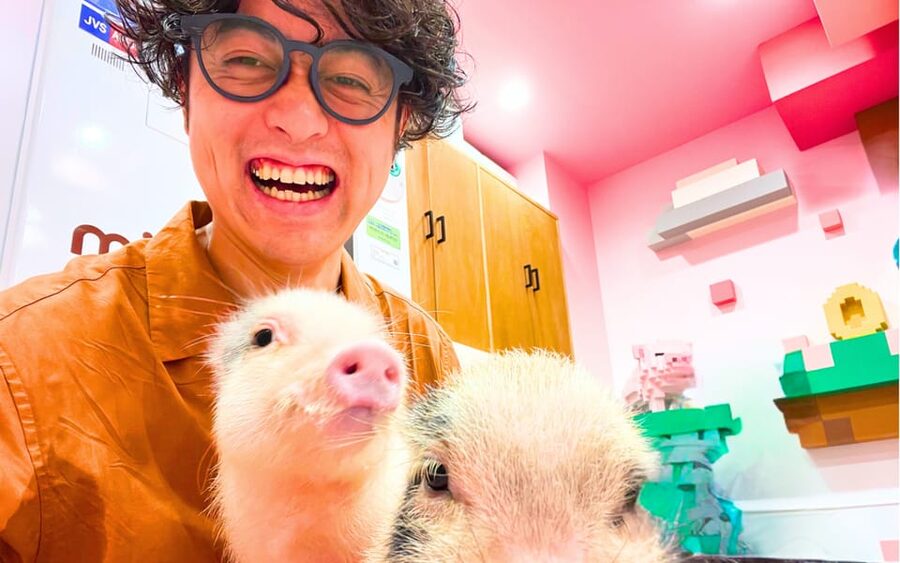
- The micro pig café is the family highlight: Expect a cozy animal encounter, but check availability and account for the separate admission fee.
- The group is limited to six: This makes questions and family pacing easier than on a large walking tour.
- The meeting points are simple: Use JR Harajuku Station’s East Exit or Meiji-Jingumae Station Exit 2.
- The price is $48 per person: That is fair for a two-hour private-feeling introduction, but lunch, transport, and the café admission are not included.
Why this short Harajuku tour works for families
Many Tokyo tours ask you to choose between a formal cultural site and a fun neighborhood full of shops. This one puts both into the same morning or afternoon. You begin with a calm walk through the Meiji Shrine grounds, then move into Harajuku’s loud, colorful center, finishing with animals that appeal to younger children.
I think that order is smart. Meiji Shrine requires a little patience and attention, while Takeshita Street and the micro pigs offer an immediate change of mood. Children get a story about Japan’s religious customs, a lively shopping street, and a memorable animal visit without spending half a day in transit.
The tour is led in English by Shingo Travel, LLC. Shingo is specifically praised for his humor, friendly manner, and ability to answer a wide range of questions. On one family booking, two guides adjusted the outing because the family was the only group. That sort of flexibility matters when children need a slower pace, more photo stops, or a little help understanding unfamiliar customs.
Still, keep your expectations realistic. This is a compact introduction, not a full Harajuku shopping tour or a long shrine study. The 30-minute stop on Takeshita Street is enough to see the main character of the area, but not enough for serious shopping.
If you're still narrowing it down, here are other tours in Tokyo we've reviewed.


Meeting at Harajuku Station
You meet at JR Harajuku Station’s East Exit if you arrive on the JR Yamanote Line. If you use the Tokyo Metro, the meeting point is Meiji-Jingumae Station Exit 2. Check your route before setting out, since Tokyo’s stations can have several exits and a wrong turn can cost precious tour time.
The route ends back at Harajuku Station, which is useful if you want to continue exploring on your own. Your guide can also recommend a place for lunch after the tour. Lunch itself is not included, so treat that recommendation as a helpful next step rather than part of the paid experience.
Wear comfortable shoes. The outing involves walking through shrine grounds and along a busy shopping street, and the weather may change during the day. Bring water and a camera. Smoking is not allowed during the activity.
One quiet hour at Meiji Shrine
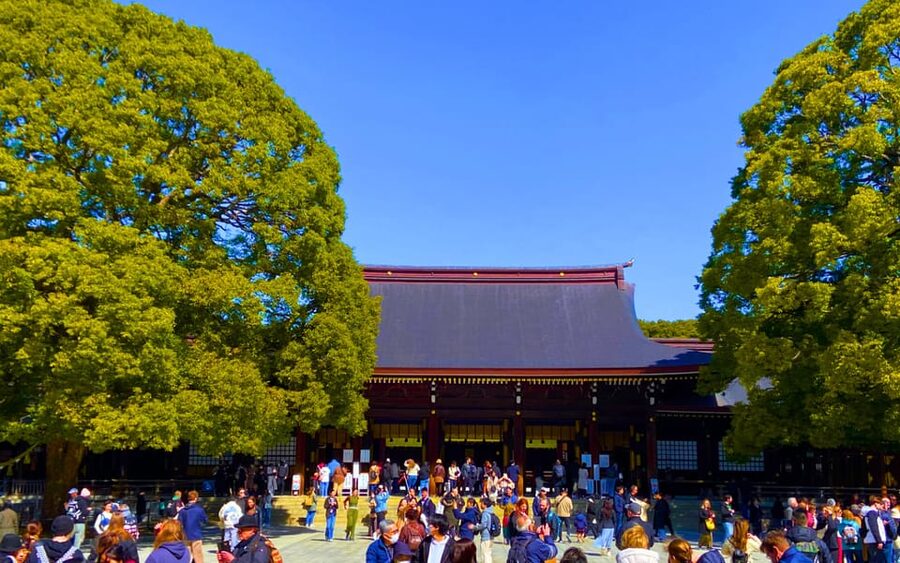
The first hour is devoted to Meiji Shrine, a major spiritual site dedicated to Emperor Meiji and Empress Shoken. The shrine sits within a large wooded area, creating a marked break from the traffic and commercial streets nearby.
That change of setting is part of the appeal. You are still close to central Tokyo, yet the pace slows as you walk toward the shrine. The guide uses this section to explain the site’s background and the role of Shinto practice in Japan.
You also learn how to worship properly. This is valuable because Japanese shrine customs can be easy to copy incorrectly if you only watch from a distance. Your guide can explain the respectful actions involved and clarify the difference between simply taking a photo and taking part in a religious visit.
The supplied information describes Meiji Shrine as reflecting the relationship between Shintoism and Buddhism in Japanese culture. Your guide can put that idea into practical terms as you walk and observe the grounds. The experience is not just a photo stop. It gives you a basic framework for understanding why shrines matter and how Japanese visitors use them.
Families should know that this part is the most measured section of the tour. Young children may find the quiet paths less exciting than the café later, but the guide’s explanations and the chance to learn a simple worship ritual help keep the visit active. I would tell children beforehand that this is a place for calm voices and respectful behavior.
The shrine portion also sets up the rest of the outing. Once you have seen a formal, sacred side of Harajuku, the sudden shift to colorful signs and youth fashion feels more dramatic. That contrast is one of the strongest reasons to choose this experience instead of a standard shopping walk.
Thirty minutes on Takeshita Street

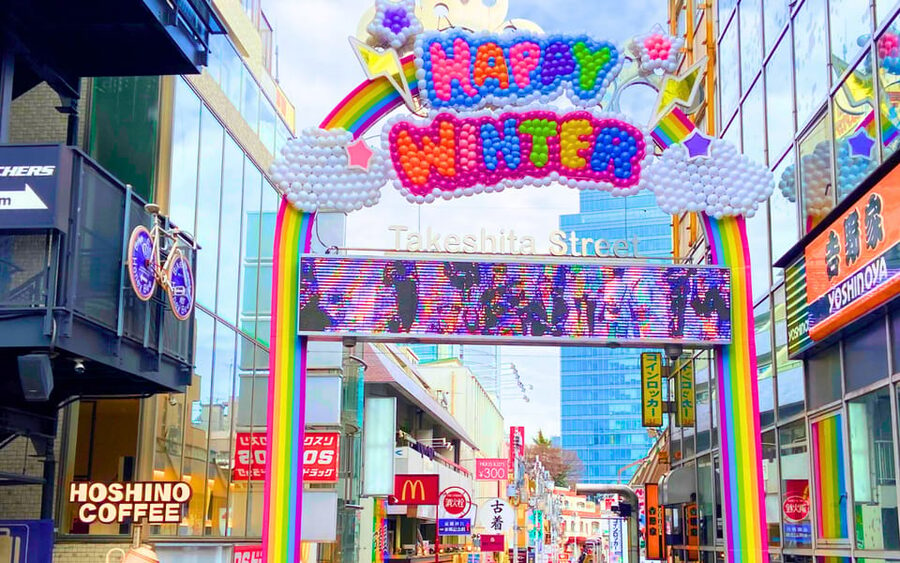
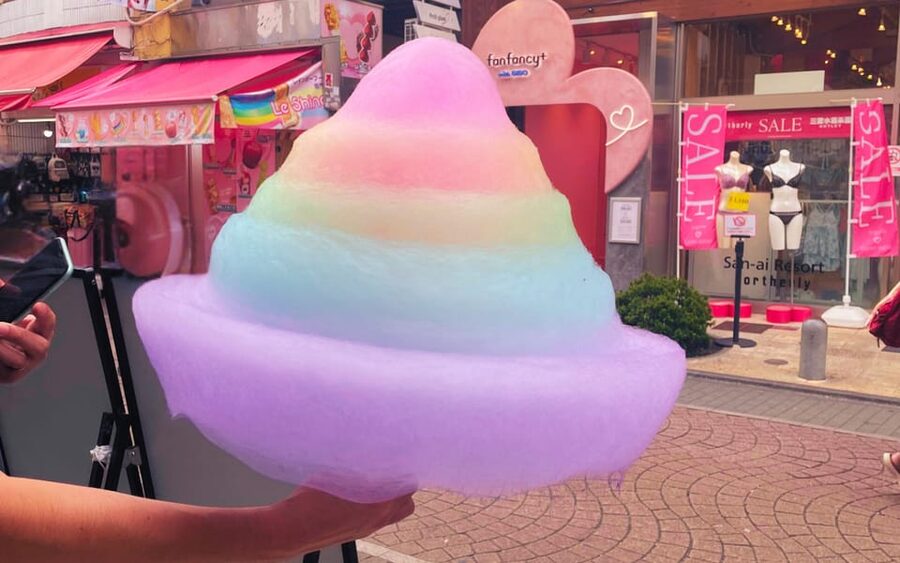
After Meiji Shrine, the group heads to Takeshita Street, the center of Harajuku’s kawaii, or cute, culture. The street is lined with quirky shops, colorful clothing, novelty goods, and places designed for quick photos.
You have about 30 minutes here. That is enough for an introduction and a few stops, but it is not enough to inspect every shop. Your guide points out the key sights and gives context for the styles and products that make Harajuku famous.
I like having a guide on this street because the appeal is not always obvious from the storefronts alone. A local can help you understand how fashion, cuteness, self-expression, and youth culture fit together. For parents, the guide can also help turn a shopping street into a cultural lesson rather than a simple parade of purchases.
The drawback is crowding. Takeshita Street is a popular place, and the group may move at a slower pace than you expect. Keep children close, especially when stopping for photos. If your family wants to shop for clothing or souvenirs, you may need to return later on your own.
The brief timing also means you should avoid planning a large meal or major purchase during the stop. Enjoy the colors, take photos, ask questions, and let the guide show you the main points. You can come back after the tour if the street catches your interest.
Meeting micro pigs at mipig cafe Harajuku
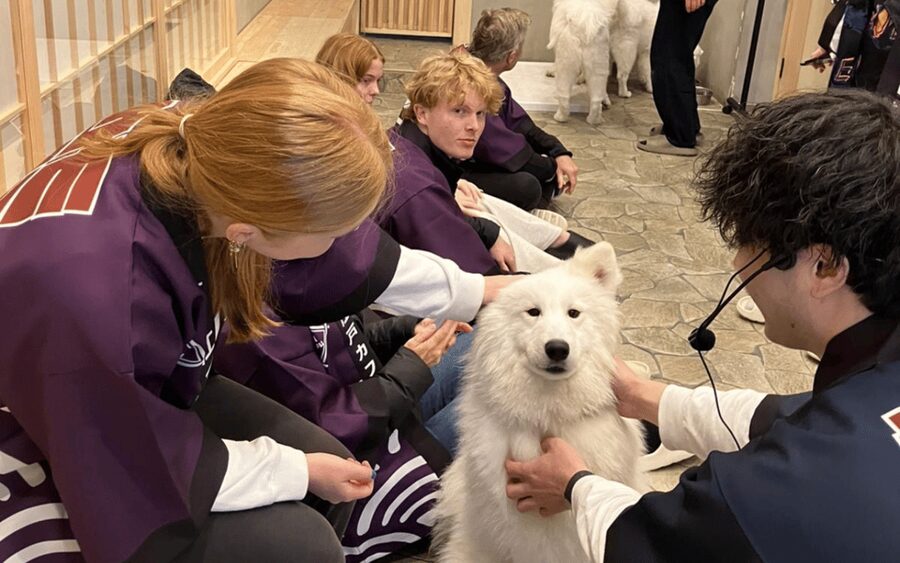
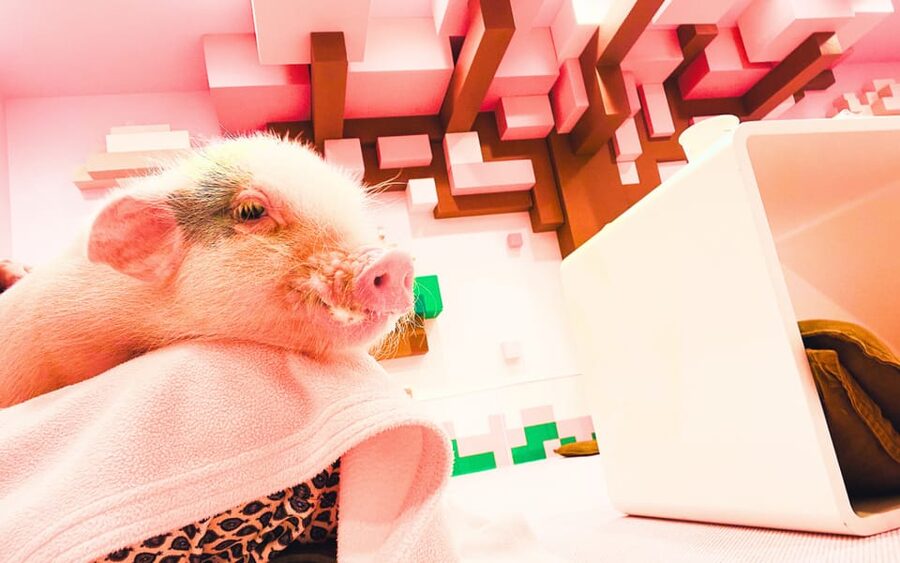
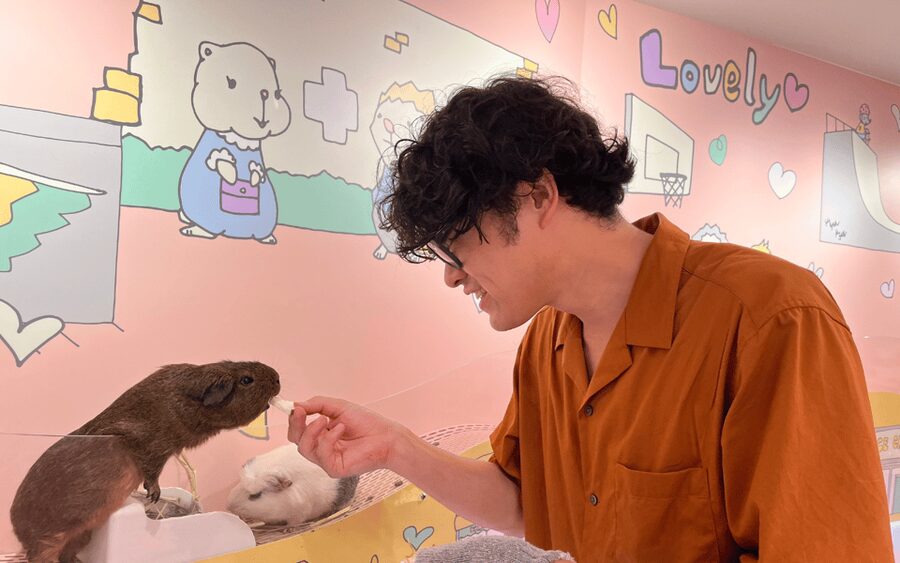
The final 30 minutes are set aside for mipig cafe Harajuku, an animal café where you can meet micro pigs in a cozy setting. For many families, this is the most exciting part of the experience. Children who have only seen pigs in books or on farms get the chance to pet them at close range.
The café visit also shows a distinctly modern side of Japanese entertainment culture. Animal cafés are built around close contact in a small, welcoming environment, and the micro pigs fit naturally into Harajuku’s cute aesthetic.
Admission is not included in the $48 tour price. The café visit is also subject to availability, so you should not treat it as an absolute guarantee when making your plans. If someone in your group has an animal allergy, this tour is not suitable.
The 30-minute visit is short, which is probably helpful for families. You get the special encounter without having to plan a long animal-focused outing. At the same time, the extra fee means the true cost per person is higher than the headline price. Check the café admission before booking if you are working with a tight budget.
Bring your camera, but keep your attention on the animals and follow the café’s instructions. The setting is cozy rather than spacious, so a small group is useful here. A group of six or fewer should be easier to manage than a large crowd, especially when children want a turn near the pigs.


What the $48 price really covers
At $48 per person, this is not the cheapest way to walk around Harajuku. You can visit Meiji Shrine and Takeshita Street without paying for a guide, and you could arrange the area yourself with a map and a little preparation.
The price makes more sense if you want interpretation and structure. You are paying for an English-speaking guide, a planned route, explanations at Meiji Shrine, help with worship customs, an introduction to Takeshita Street, and guidance to the animal café. The small group size adds value because you can ask questions and avoid the impersonal feeling of a large tour.
For a family visiting Tokyo for the first time, that convenience can be worth it. You do not need to research shrine etiquette, decide how to connect the two areas, or work out which Harajuku sights matter most. You finish near the station with lunch suggestions and the rest of the day still free.
The price is less attractive if you mainly want free time. Serious shoppers, photographers, or visitors who already understand shrine customs may prefer to explore independently. Remember to add the animal café admission and lunch to your budget. Transportation to the meeting point is also your responsibility.
Group size, pace, and accessibility
The group is limited to six participants. That is a strong feature for families because the guide can answer questions directly and may be able to adjust the pace when the group is small. A family booking can feel especially personal, as the guides have offered to customize the outing when one family was the only group scheduled.
The activity is listed as wheelchair accessible. You should still consider the practical demands of a walking route through a shrine area, a busy shopping street, and an animal café. If your group has specific mobility needs, confirm the details before booking.
The tour lasts two hours, with the time divided roughly as follows:
- One hour at Meiji Shrine
- Thirty minutes on Takeshita Street
- Thirty minutes at the micro pig café
This timing keeps the outing manageable for children, but it leaves little room for delays. Arrive at the correct meeting point on time, wear walking shoes, and avoid adding a separate appointment immediately afterward.
Who will get the most from this experience
I would recommend this tour most strongly to families who want a first look at Harajuku without spending an entire day there. The mix of shrine customs, youth culture, and animals gives children several different points of interest.
It also suits adults who want cultural context without signing up for a long lecture. Shingo’s friendly, humorous style is a plus if you like asking questions and learning through conversation rather than listening to a formal speech.
The tour is a good fit for:
- Families with children who enjoy animals and unusual cafés
- First-time visitors to Tokyo
- Anyone curious about Shinto worship and shrine etiquette
- Visitors who prefer small groups
- People with only two hours for Harajuku
It may not suit you if you have animal allergies, want extended shopping time, or prefer a self-guided visit. You should also think twice if your group dislikes walking or finds a short, tightly timed schedule stressful.
Practical tips for a smoother visit

Start by checking which station applies to your route. JR Harajuku Station and Meiji-Jingumae Station are close, but choosing the wrong exit can create needless confusion.
Dress for the weather and wear shoes you can walk in comfortably. The tour takes place outdoors for much of its duration, and the shrine grounds can feel very different from the sheltered shops on Takeshita Street.
Explain the shrine visit to children before you arrive. Tell them that the first section involves quiet observation and respectful worship, while the second section is more energetic. That simple preview can make the change in mood easier for everyone.
Keep your shopping plans flexible. Thirty minutes on Takeshita Street gives you a taste, not a full retail session. If your family finds a favorite shop, return after the tour rather than asking the group to wait.
Finally, confirm the micro pig café arrangement and budget for its separate entrance fee. The café visit depends on availability, and the animal encounter is a key part of the appeal, so this is the detail most worth checking before you commit.
Should you book this Harajuku tour?
Book it if you want an easy, family-friendly introduction to two sides of Tokyo: quiet shrine tradition and playful Harajuku pop culture. The English-speaking guide, six-person limit, and possible family customization make the $48 price reasonable for visitors who value local explanation and a well-organized route.
Skip it if you want a full shopping day, dislike animal cafés, or prefer to plan every stop yourself. Also remember that the café admission, lunch, and transportation are extra.
For most families with two free hours, I think the combination works. Meiji Shrine gives the outing substance, Takeshita Street adds color, and the micro pigs provide the story children will probably tell later. Just arrive prepared for walking, keep your schedule loose, and confirm the café visit before booking.
FAQ
How long does the Harajuku tour last?
The tour lasts two hours.
Where does the tour begin?
It begins at JR Harajuku Station’s East Exit for visitors arriving on the JR Yamanote Line, or at Meiji-Jingumae Station Exit 2 for visitors arriving by metro.
Where does the tour finish?
The tour ends back at Harajuku Station.
What language is the tour offered in?
The live guided tour is offered in English.
What places are included?
The route includes Meiji Shrine, Takeshita Street, and an animal café, mipig cafe Harajuku.
Is the animal café admission included in the price?
No. The animal café entrance fee is not included.
Is lunch included?
No. Lunch is not included, though the guide can provide local lunch recommendations after the tour.
Is transportation included?
No. Transportation to and from the meeting point is not included.
Is the animal café visit guaranteed?
The visit is subject to availability.
Is the tour suitable for people with animal allergies?
No. The tour is not suitable for people with animal allergies.
More tours in Tokyo we've reviewed










Tours, compared.
 ★ 5.0Mt Fuji and Hakone 1-Day Bus Tour Return by Bullet TrainFrom $163
 ★ 5.01-Day Tokyo Bus TourFrom $129
 ★ 5.0Tokyo: Shinjuku Food Tour (13 Dishes at 4 Local Eateries)From $86
 ★ 4.4Tokyo Mt Fuji 5th St & Hakone Cruise Bus Tour w/Bullet TrainFrom $15410 hours
 ★ 5.0Flagship 2-Hours Official Street Go-Kart Tour – Tokyo Bay ShopFrom $642 hours to 2 hours 30 minutes (approx.)
 ★ 4.7Tokyo: Mt. Fuji Tour, Hakone Ropeway, Owakudani, Lake AshiFrom $5410 hours