
Reviewed · TOKYO FOOD TOURS
Guided Tsukiji’s Local Food Tour
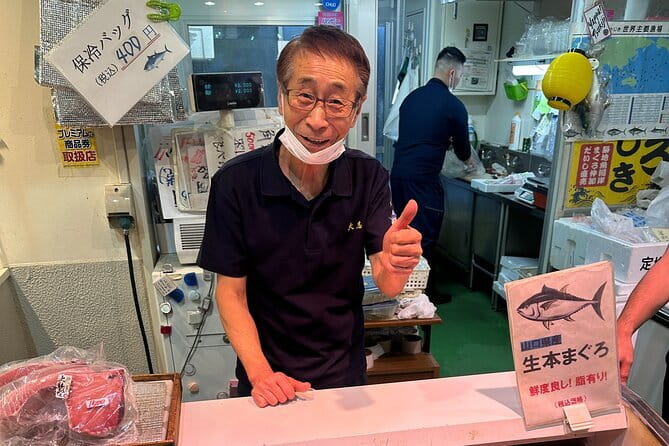
Tsukiji is best approached hungry and early. This 90-minute walk with local guide Hisayoshi Kioka, known as Yoshi, takes you through the outer market for tamagoyaki, grilled seafood, tuna, oysters, sake, and green tea ice cream. I like the maximum four-person group, which keeps the food stops personal, and I like that Yoshi points out places you could easily miss alone. The main catch is that food costs are extra, so bring about JPY 2,000 to 5,000 in cash.
I also like the useful local context. You learn how Tsukiji changed after the wholesale market moved to Toyosu, while still getting practical shop and restaurant suggestions for after the tour. The 8:00 am start helps you see the market at a good time, but it may not suit late risers or anyone who wants a slow, sit-down breakfast.
In This Review
- Key points to know before you book
- Why an early start makes sense at Tsukiji
- Finding the start at 4-chōme-8-1 Tsukiji
- Tasting Tsukiji one small dish at a time
- What Yoshi adds to the market walk
- The market’s past without a museum lecture
- Ending beside Namiyoke Shrine
- What the $32.52 price really covers
- Who will enjoy this 90-minute experience
- Practical details for a smooth morning
- Should you book the Tsukiji food tour?
- FAQ
- Where does the Tsukiji food tour start?
- What time does the tour begin?
- How long does the experience last?
- Where does the tour finish?
- How many people can join?
- Is food included in the tour price?
- What foods might I try?
- Who provides the tour?
- Can I cancel for a full refund?
Key points to know before you book
- Small group capped at four people: This is a close-up food walk rather than a large organized procession.
- Yoshi leads the experience: Hisayoshi Kioka knows Tsukiji well and helps with Japanese-only menus and local ordering.
- Food costs are separate: Plan on approximately JPY 2,000 to 5,000 for tastings, with meals and café stops extra.
- The tour starts at 8:00 am: Early timing gives you a practical way to begin a Tsukiji morning.
- The walk ends at Namiyoke Shrine: You can continue exploring the outer market after the guided portion.
- Tastings cover sweet and savory bites: Expect possibilities such as tamagoyaki, seafood, tuna, oysters, sake, and matcha ice cream.
Why an early start makes sense at Tsukiji
Tsukiji’s famous wholesale seafood operation moved to Toyosu, but the outer market remains a worthwhile food stop. Its streets still hold seafood sellers, snack counters, small shops, and long-running local specialties. The character is different from the old wholesale market, so it helps to know what you are actually visiting: this tour focuses on the outer market and its food culture.
The 8:00 am meeting time is one of the strongest practical choices here. You can begin with breakfast-style bites while many food businesses are active, then keep exploring once the 90-minute walk ends. An early start also gives you a better chance of moving through narrow market lanes before the day becomes more crowded.
I would not choose this tour if you want to sleep late and eat one large meal at a restaurant. It is built around several small tastes and short stops. That format lets you try more kinds of food, but you need to enjoy walking, standing, and making decisions one bite at a time.
A few more Tokyo tours and experiences worth a look

Finding the start at 4-chōme-8-1 Tsukiji
The listed meeting point is 4-chōme-8-1 Tsukiji, Chuo City, Tokyo 104-0045. You should allow enough time to reach the address before 8:00 am, since the tour starts promptly and the first part of the experience is orientation in the market streets.
A local guide is especially useful here. Tsukiji is made up of many lanes and individual food businesses, and Japanese-only menus can make a quick breakfast decision harder than it needs to be. Yoshi’s role is not just to walk ahead. He introduces recommended shops, helps bridge language gaps, and explains what makes each stop worth your time.
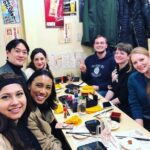
The group limit matters. With no more than four people, you are less likely to be split up at a counter or left trying to hear instructions over the market noise. You also have more room to ask about ingredients, customs, or what to order next.
Tasting Tsukiji one small dish at a time
The food is the heart of the walk. Instead of spending the full budget on one famous restaurant, you use the market as a tasting route. The exact selection can vary, but the experience is designed around several local specialties.
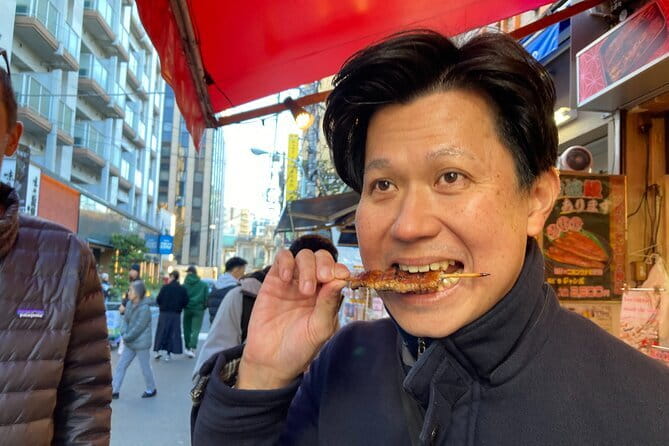
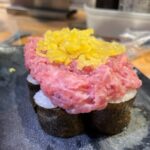
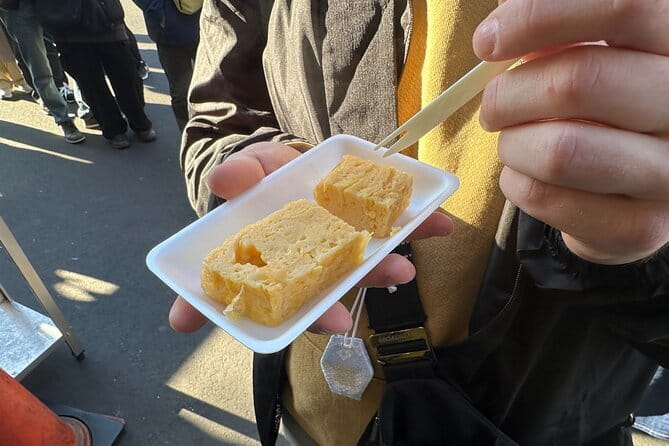
Tamagoyaki is one likely early stop. This Japanese rolled omelet is gently sweet and soft, and it makes a good introduction to the market because it is simple, portable, and different from the savory breakfast many visitors expect. You may also try grilled seafood, where the appeal is direct: fresh ingredients, quick cooking, and a snack you can eat as you walk.
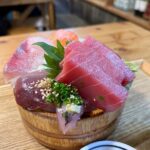
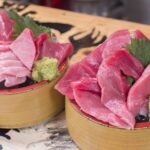
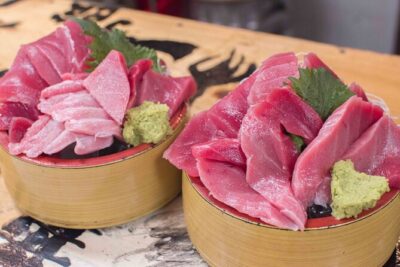
Seafood choices can include tuna and oysters. Those are not minor add-ons if you are interested in Tsukiji’s food identity. The market grew around seafood, and sampling it in the outer market gives you a clearer sense of why the area remains important to food-focused visitors even after the wholesale move.
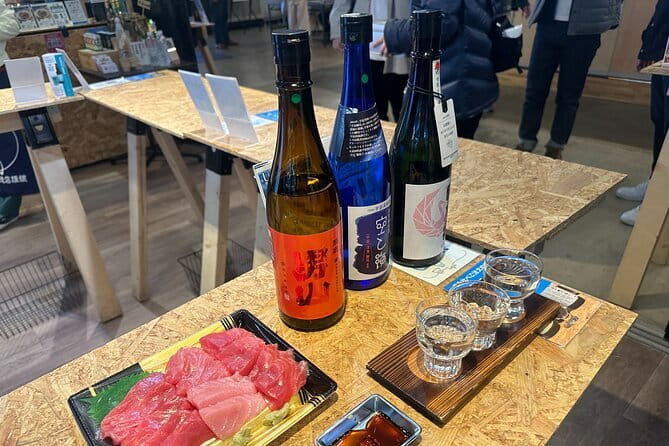
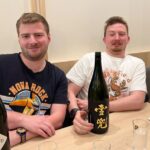
Sake may also be part of the morning food experience. That will appeal to some people, but it is worth considering the timing. If you are traveling with children, avoiding alcohol, or planning a full day of sightseeing, ask yourself how sake fits your morning. The tour information also makes clear that café or restaurant meals are not included, so you may want to add your own breakfast afterward.
Green tea ice cream, or matcha ice cream, gives the route a sweet finish. It is a useful contrast to seafood, grilled items, and tamagoyaki. I like that the tasting range is not limited to one category. You get savory, salty, sweet, and possibly alcoholic flavors in a short period.
What Yoshi adds to the market walk
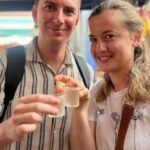
Yoshi, whose full name is Hisayoshi Kioka, is the key personal element. The experience is not simply a map of food stalls. He explains Tsukiji’s past, introduces shops he recommends, and helps you approach places you might otherwise walk past.
His local connection is particularly useful in a market where the best choice is not always the most obvious one. You may see a busy storefront and have no idea what to order, or pass a smaller counter because the signs are difficult to read. A guide who knows the area can make those decisions easier and reduce the guesswork.
The available feedback also points to two details that matter in practice: strong English communication and a friendly manner. Those qualities are important on a food tour because the guide must explain ingredients, ordering, and local customs quickly. Good communication also gives you a better chance to ask for clarification before buying something unfamiliar.
Yoshi has also led food experiences in other parts of Tokyo, including Shinjuku. That suggests a guide comfortable with both food and social conversation, though this Tsukiji tour remains focused on the market rather than nightlife. The tone appears best suited to people who like to ask questions and try foods they may not select on their own.
The market’s past without a museum lecture
Tsukiji’s history matters because the setting can be confusing. Many people still call the entire area Tsukiji Fish Market, but the wholesale seafood market moved to Toyosu. The outer market continues to operate with food shops and local specialties, and that is the part you visit here.
Yoshi’s explanation helps connect the old market reputation with the present-day experience. You are not touring the former wholesale floor. You are walking among the outer market businesses that continue to serve people looking for seafood, snacks, kitchen goods, and Japanese food culture.
That context gives the tasting stops more meaning. A grilled seafood bite is not just a snack, and a tuna sample is not just a photo opportunity. You begin to understand the market as a working food district with its own history and daily rhythm. The tour keeps this information practical rather than turning the morning into a long lecture.
A few more Tokyo tours and experiences worth a look

Ending beside Namiyoke Shrine
The official end point is Namiyoke Shrine at 6-chōme-20-37 Tsukiji, right beside the market. This is a smart finish because it gives you a clear place to regroup and continue independently.
The shrine adds a quieter note after the food stalls and narrow lanes. You can take a short pause there, then return to Tsukiji for more browsing. Since the guided portion lasts about an hour and a half, the finish does not mean your morning in the area must end.
I would plan your post-tour time before you arrive. You may want another snack, a café meal, or more market shopping, and the end point puts you close to those options. The guide can also offer suggestions for local shops and restaurants, which is one of the most useful parts of the experience for anyone with extra time in Tsukiji.
What the $32.52 price really covers
At $32.52 per person, the tour is reasonably priced for a private-feeling small-group introduction, but you must treat the advertised price as the guiding fee rather than the full morning budget. Food is not included, and the recommended cash allowance is about JPY 2,000 to 5,000 per person.
That extra amount gives you flexibility. You can choose how much to eat and which specialties appeal to you, rather than paying for a fixed meal that may not match your appetite. If you add a café or restaurant meal, your total rises beyond that estimate.
The value comes from access and judgment. You are paying for a local person to lead you through a complicated food area, explain its background, help with menus, and point out places you may not find easily. For a first visit to Tsukiji, that can save time and prevent a disappointing choice.
Still, independent visitors can walk through the outer market without buying a tour. If you are comfortable reading signs, choosing food on your own, and accepting a little trial and error, you may prefer to spend the $32.52 directly on meals. This tour makes more sense when you want guidance and conversation, not just food.
Who will enjoy this 90-minute experience
I would recommend this walk to first-time Tokyo visitors who want a clear introduction to Tsukiji without committing to a half-day activity. It also suits repeat visitors who have already seen the main sights and want a food-focused morning with a local guide.
People who enjoy variety will get the most from it. You can move from tamagoyaki to grilled seafood, then try tuna, oysters, sake, or matcha ice cream. The route lets you sample several flavors instead of guessing which single shop deserves your time.
The tour also fits solo visitors and couples who like a small social setting. With a maximum of four people, the pace should feel more personal than a standard large-group walk. Families can participate because most visitors can join, but parents should consider the early start, walking, and the fact that food purchases are extra.
I would skip it if you need a fully included meal, dislike seafood, or want a seated restaurant breakfast. It is also less suitable if you do not want to carry cash, since the food budget is separate and specifically listed as Japanese yen cash.
Practical details for a smooth morning
Confirmation is sent within 48 hours of booking, subject to availability. The tour is near public transportation, and most people can participate, but you should still arrive ready for a market walk rather than a formal indoor tour.
Bring Japanese yen. The suggested food budget is JPY 2,000 to 5,000, and personal purchases or extra café and restaurant meals cost more. A phone with the mobile ticket is useful, but you should also keep the meeting address available in case you need to check your route.
The activity requires good weather. If poor weather causes a cancellation, you are offered another date or a full refund. For your own plans, free cancellation is available when you cancel at least 24 hours before the start time. Changes or cancellations inside that window are not accepted for a refund.
Should you book the Tsukiji food tour?
Book it if you want a guided first taste of Tsukiji, prefer a group of four or fewer, and like sampling several local foods with help from a Japanese guide. Yoshi’s role is most valuable when you want recommendations, assistance with Japanese menus, and context about how the market changed.
Do not book it expecting a full meal or a tour of the former wholesale market. You will pay for tastings separately, and the 8:00 am start requires a firm morning plan.
For the right visitor, the $32.52 fee is a fair trade for a focused introduction that ends in a useful spot beside Namiyoke Shrine. Arrive hungry, carry yen, and leave room in your schedule to keep exploring after the guide says goodbye.
FAQ
Where does the Tsukiji food tour start?
The tour starts at 4-chōme-8-1 Tsukiji, Chuo City, Tokyo 104-0045, Japan.
What time does the tour begin?
The start time is 8:00 am.
How long does the experience last?
The guided walk lasts approximately 1 hour and 30 minutes.
Where does the tour finish?
It finishes at Namiyoke Shrine, at 6-chōme-20-37 Tsukiji, next to Tsukiji Fish Market.
How many people can join?
The tour has a maximum of four travelers.
Is food included in the tour price?
Food is not included. You should bring approximately JPY 2,000 to 5,000 in cash to purchase street food. Café and restaurant meals are also extra.
What foods might I try?
Possible specialties include tamagoyaki, grilled seafood, green tea or matcha ice cream, tuna, oysters, and sake.
Who provides the tour?
The experience provider is Hisayoshi Kioka, who is also known as Yoshi.
Can I cancel for a full refund?
Yes. You can cancel at least 24 hours before the start time for a full refund. Cancellations or changes made less than 24 hours before the start time are not accepted for a refund.
More Food Experiences in Tokyo
More Tokyo Food Tours in Tokyo
More Tsukiji Market Tours in Tokyo
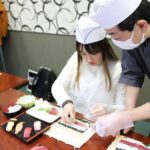
More tours in Tokyo we've reviewed









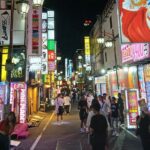
Tokyo Food Tours, compared.
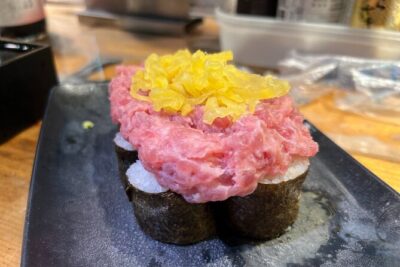 ★ 5.0Tokyo: Shinjuku Food Tour (13 Dishes at 4 Local Eateries)From $86
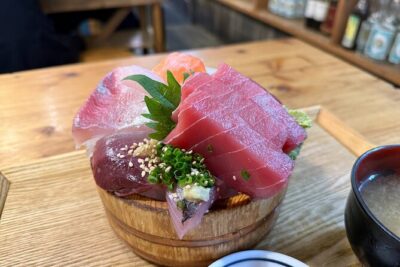 ★ 4.9Tokyo: Shinjuku Food Tour (15 Dishes and 4 Eateries)From $853 hours
 ★ 5.0Best of Shinjuku: Izakaya Food Tour (4 Stops, 14+ Tastings)From $92
 ★ 5.0Tokyo Night Foodie Tour in Shinjuku – Seasonal Sushi, Wagyu BeefFrom $111
 ★ 5.0Eat and Drink Like a Local: Tokyo Ueno Food Tour-Taverns&RamenFrom $95
 ★ 5.0Tokyo: Shibuya Food Tour (13 dishes and 4 Eateries)From $77