
Reviewed · HAKONE DAY TRIPS
Easygoing Nature Walk in Hakone Tour
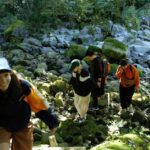
Hakone reveals a quieter side on this gentle nature walk, where flat paths replace steep mountain trails. Guide Yoshi brings binoculars for each person and points out seasonal plants, birds, insects, fish, and, with luck, animals such as deer, foxes, weasels, and raccoon dogs. I like the chance to see Hakone through local eyes, and I like that the walk suits people who want nature without a hard hike.
I also appreciate the thoughtful route. The wetland garden gives you close views of rare plants, the Susuki grass fields open up to wide views, and the Hakone Visitor Center helps explain the area’s geology and wildlife. The main drawback is that the tour depends on good weather, and you need to bring your own water, umbrella, and suitable shoes.
In This Review
- Key points to know before booking
- A gentler way to experience Hakone
- Starting among Hakone’s wetland plants
- The open sweep of Sengokuhara Susuki Grass Fields
- Learning the area at Hakone Visitor Center
- What Yoshi adds to the experience
- Wildlife watching without a steep hike
- Is the $39.19 price good value?
- Who should book this walk?
- Practical details for a smooth morning
- Should you book the Easygoing Nature Walk?
- FAQ
- How long does the Hakone nature walk last?
- What time does the tour start?
- Where does the tour begin?
- Where does the tour end?
- What places does the tour visit?
- Is admission to the botanical garden included?
- Are binoculars provided?
- Is transportation included?
- How many people can join the tour?
- What happens if bad weather cancels the tour?
Key points to know before booking
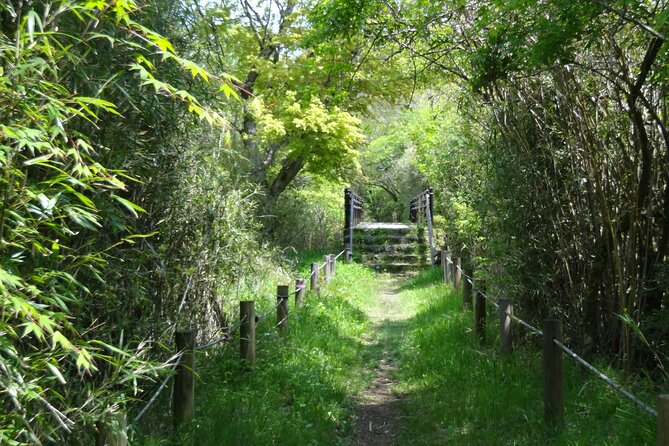
- Flat, easy walking: The route is designed for nature lovers who prefer gentle paths instead of steep mountain trails.
- Three very different stops: You visit the Hakone Botanical Garden of Wetlands, Sengokuhara Susuki Grass Fields, and Hakone Visitor Center.
- Yoshi leads the walk: He explains Hakone’s plants, birds, creatures, geology, and history in English.
- Binoculars are included: Each person can use a pair to spot wildlife and study distant features.
- Small group setting: A maximum of five people keeps the outing personal and makes questions easy.
- A practical one-way finish: The tour ends at Togendai Station, near buses, sightseeing boats, the Hakone Ropeway, and taxis.
A gentler way to experience Hakone
Hakone is often sold through its famous hot springs, ropeway rides, lake cruises, and mountain views. Those are good reasons to visit, but they can leave you with only a quick impression of the natural world around you. This tour slows things down and asks you to pay attention.
You walk through relatively flat areas with a certified professional nature guide. The focus is not on covering miles or reaching a summit. It is on noticing what grows, flies, swims, and moves through Hakone at that time of year.
That seasonal focus matters. The area has wild plants that appear only during certain months, including species found only in this part of Japan and the wider world. You may also see resident and migratory birds, insects, local fish, and small signs of larger animals.
The tour lasts about three hours and 30 minutes. That is long enough for the guide to explain what you are seeing without turning the outing into a rushed checklist. At the same time, it is short enough to fit into a day of sightseeing around Hakone.
The group is capped at five people. I see this as one of the tour’s strongest features. A small group is better for quiet wildlife watching, and you can ask Yoshi to explain a plant or geological feature without shouting over a crowd.
A few more Hakone tours and experiences worth a look
Starting among Hakone’s wetland plants
The morning begins at 9:00 a.m. at the Hakone Botanical Garden of Wetlands in Sengokuhara. This first stop takes about one hour and 30 minutes, with admission included in the tour price.
The garden contains about 1,700 wild plants, including roughly 200 marsh plants. That gives the walk a strong start because you are not simply passing through a decorative park. You are entering a carefully maintained place where Hakone’s wetland plant life can be seen in one concentrated area.
I like this stop for travelers who want detail. A mountain trail can offer grand scenery, but the garden lets you look closely. With binoculars in hand, you can also scan beyond nearby plants for birds or distant movement.
The garden has attracted attention from Japanese royal family members and from famous botanical gardens in Japan and overseas. That detail tells you something about its standing, but the real value is practical: it gives Yoshi a strong setting for explaining how Hakone’s wet habitats support unusual plant life.
Expect the guide to point out plants of the season rather than promise one fixed display. Nature does not follow a strict timetable, so what you see will depend on the date of your visit. This is a benefit if you enjoy changing conditions, but it may disappoint you if you expect specific flowers or animals to appear on cue.
The garden is also the clearest place to understand why this is not a standard sightseeing walk. Yoshi’s role is not just to lead you from one gate to another. He helps connect what you see to Hakone’s geology and local environment.
The open sweep of Sengokuhara Susuki Grass Fields
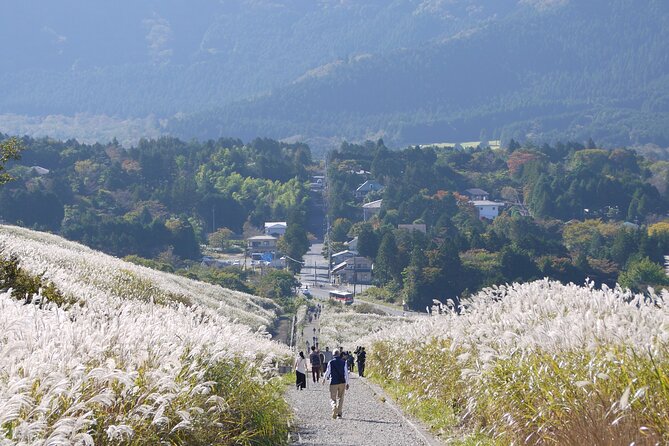
The second stop is Sengokuhara Susuki Grass Fields, also called the Hakone Pampas Grass Field. You spend about 40 minutes here, and there is no separate admission charge.
This is a very different scene from the wetland garden. The pampas grass spreads across an open hillside, giving you broad views of Sengokuhara. It is one of the remaining pampas grass fields in Japan, and that alone makes the stop more than a quick photo break.
Pampas grass once had everyday uses in Japan. People used it for roofing houses and feeding livestock. Yoshi can place the field in that older rural setting, helping you see it as part of local life rather than just a scenic patch of grass.
The open setting is also useful for binoculars. You can scan the surrounding area for birds and look toward Hakone’s distinctive geological features. The guide’s explanations help turn a pleasant view into a lesson about how the region was formed.
The best experience here depends on conditions. Wind, rain, fog, and seasonal changes can alter the view. That is not a flaw in the place, but it is worth keeping in mind when you book a nature tour. You are choosing an outdoor experience, not an indoor attraction with a guaranteed display.
The 40-minute stop keeps the walk manageable. You have enough time to appreciate the field without spending most of the morning exposed to the weather. Wear shoes with a good grip, since the tour information specifically advises hiking shoes or sneakers.
Learning the area at Hakone Visitor Center
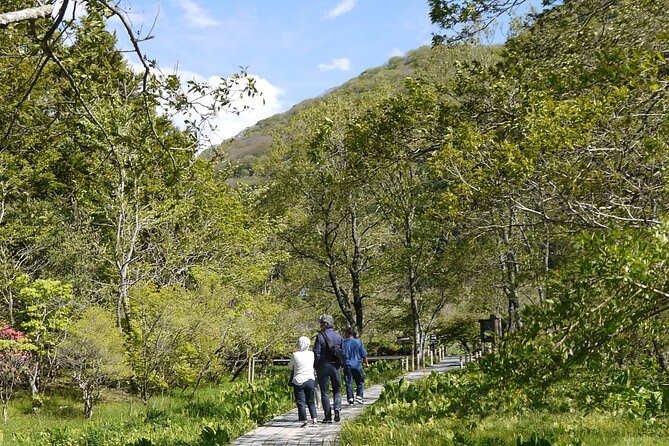
The final stop is Hakone Visitor Center, where you spend about one hour and 20 minutes. The center offers introductory leaflets and short introductory videos in English, making it especially useful if you want context without relying only on the guide’s explanations.
The center has a network of trails around the facility. The tour ends at Togendai Station, which is close to the northern shore of Lake Ashi. This gives the final part of the outing a useful sense of place. You are not simply dropped back at the start. You finish near one of Hakone’s main transport points.
I see this stop as an important balance to the outdoor sections. Plants and wildlife are easier to appreciate when you understand the setting they depend on. The Visitor Center can help you connect Hakone’s creatures and vegetation with the area’s geology and larger natural systems.
It is also a practical place to continue your day. Togendai Station serves several transport options, including public buses, sightseeing boats toward Hakonemachi and Motohakone, the ropeway toward Gora and Miyanoshita, and taxis.
The route therefore works well as part of a wider Hakone plan. You can begin in Sengokuhara and finish near Lake Ashi rather than retracing your steps. Since private transportation is not included, you should plan your route to the starting point in advance, but the finish is convenient once the walk is over.
What Yoshi adds to the experience
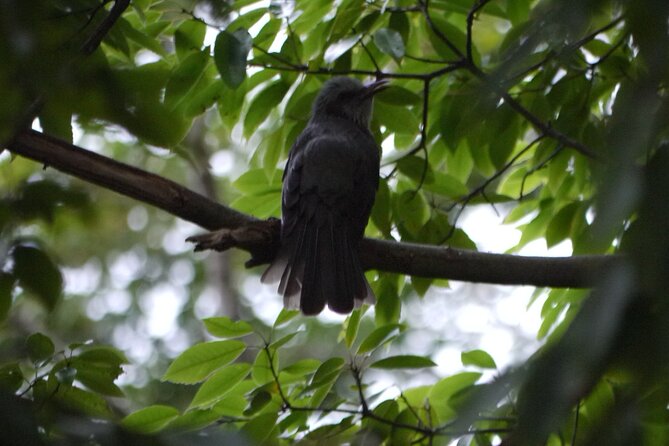
The guide is central here. Yoshi leads the tour in English and brings expertise in Hakone’s plants, birds, creatures, geography, and history. His value is not just in identifying a bird or flower. It is in explaining why that species belongs in this place and season.
Several details make his approach especially useful. He has helped people work out how to reach the meeting point from the Tokyo area, and he has adjusted parts of the route when rain made conditions less comfortable. That flexibility matters on an outdoor tour.
You should not expect a fixed performance delivered word for word. The route can respond to weather and the interests of the group. If you are fascinated by birds, plants, or geology, the small group makes it easier to spend more time on those subjects.
A guide also changes how you see familiar scenery. Without help, pampas grass may look like a pretty field and a wetland garden may look like a collection of plants. With Yoshi, you have a better chance of noticing seasonal links, animal habitats, and geological clues.
The experience seems particularly good for families and first-time nature walkers. Children can use the binoculars, search for birds and insects, and enjoy the possibility of spotting larger animals. One family found the gentle walk especially enjoyable for their boys, which fits the tour’s easy pace and hands-on approach.


Wildlife watching without a steep hike
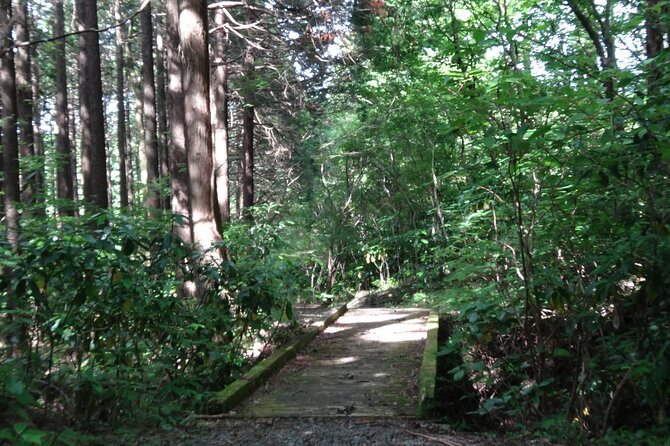
This is not a mountain trek. The tour is built around relatively flat areas, so you can spend more energy observing than climbing. That makes it suitable for people who want a closer look at Hakone’s nature but do not want a demanding trail.
Still, easy walking does not mean city shoes are ideal. The tour advises hiking shoes or sneakers, along with a bottle of water and an umbrella. Those basics will make you more comfortable if the ground is damp or the weather changes.
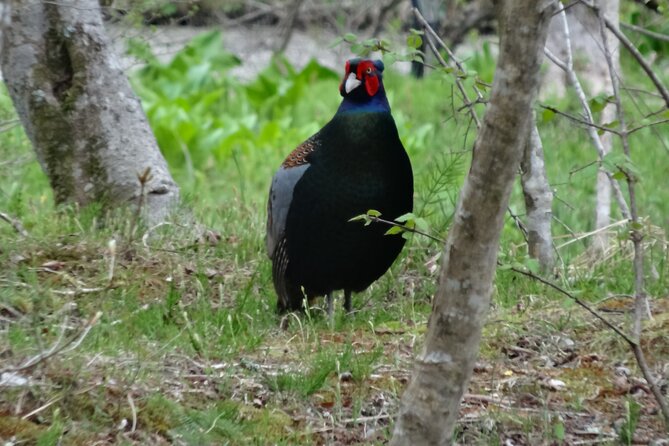
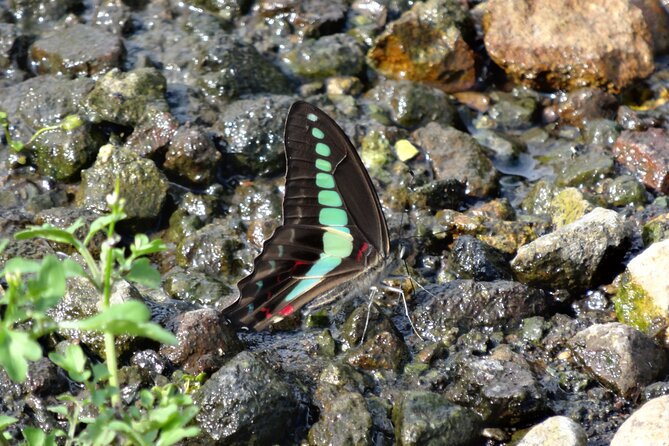
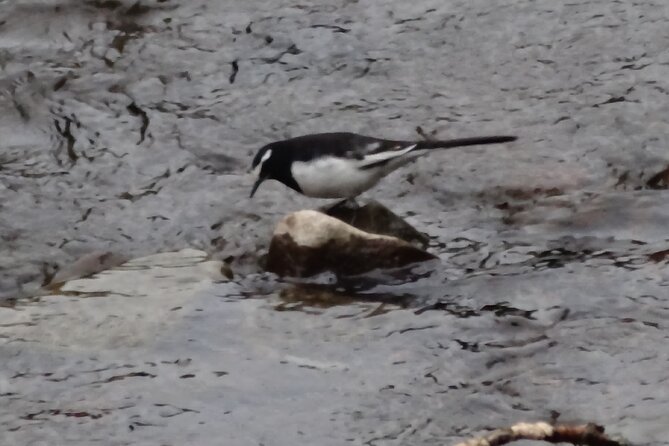
Wildlife sightings are possible but never guaranteed. The tour may include resident or migratory birds, insects, fish, and seasonal plants. With luck, you might see a weasel, deer, fox, or raccoon dog.
That uncertainty is part of the right expectation. You should book this for the pleasure of looking carefully, not because you want a guaranteed deer encounter. Binoculars improve your chances of spotting distant creatures and scenery, but they cannot control nature.
The same applies to weather. Rain can change the route, as Yoshi has adjusted courses to make the walk easier in wet conditions. If poor weather leads to cancellation, you are offered another date or a full refund.
Is the $39.19 price good value?
At $39.19 per person, the tour is reasonably priced for a three-and-a-half-hour guided outing. The botanical garden admission is included, and you also receive binoculars and an introductory handout.
The binoculars are a useful touch. Buying or packing your own pair for a single Hakone outing would be inconvenient, while sharing one pair would limit what you can see. Providing one for each person makes wildlife watching more practical.
The price also covers something you cannot get from a map: interpretation. You can visit outdoor sites on your own, but you may miss the plants, birds, and geological details that make Hakone unusual. For a small group of no more than five, the cost is a fair trade for personal guidance.
You still need to budget for transport to the start. Private transportation is not included, and the meeting point is the Hakone Botanical Garden of Wetlands at 817 Sengokuhara. Check your route before the morning begins.
Group discounts are available, which may improve the value for families or small parties. The tour is also offered with a mobile ticket, and confirmation is received at booking.
Who should book this walk?
I would choose this tour if you want a calm outdoor morning, enjoy learning about plants and animals, or prefer local interpretation to a standard sightseeing circuit. It is also a good fit if steep trails are not appealing.
Families may like the binoculars and the search for wildlife. First-time nature walkers can take part without committing to a difficult hike. English-speaking visitors gain extra value from the handouts and videos at the Visitor Center.
You should think twice if you want a fast-moving schedule or a guaranteed animal sighting. The tour asks you to slow down and notice small things. It is not the best match for someone who wants only Hakone’s biggest views or a short photo stop.
The outing is also weather-sensitive. If rain or poor conditions would spoil your morning, keep the cancellation terms in mind. You can cancel for a full refund up to 24 hours before the start time, but cancellations or changes made later are not refunded or accepted.
Practical details for a smooth morning
Meet at the Hakone Botanical Garden of Wetlands at 9:00 a.m. The tour ends at Togendai Station, not back at the garden. That one-way arrangement is useful, but you should plan your wider Hakone schedule around it.
Bring:
- Hiking shoes or sturdy sneakers
- A bottle of water
- An umbrella
- Weather-appropriate clothing
- A mobile ticket or booking confirmation
Service animals are allowed, and the tour is near public transportation. Most people can participate, but you should be comfortable with several hours of outdoor walking, even though the route avoids steep mountain hiking.
The activity is usually booked about 26 days in advance. That timing is not a rule, but it suggests you should reserve ahead if your Hakone dates are fixed, especially since the group limit is five people.
Should you book the Easygoing Nature Walk?
Book it if you want to see Hakone at a slower pace and understand what you are looking at. The combination of a wetland garden, a rare pampas grass field, and the Lake Ashi area gives you three distinct settings in one morning.
I especially recommend it for nature lovers, families, and anyone who wants a gentle route with a personal guide. Yoshi’s local knowledge, the included binoculars, and the small group size add real value at $39.19.
Skip it if you want a strenuous hike, a guaranteed wildlife encounter, or an entirely weatherproof activity. For everyone else, this is a thoughtful way to spend half a day in Hakone, with enough structure to be useful and enough quiet time to let the place speak for itself.
FAQ
How long does the Hakone nature walk last?
The tour lasts approximately three hours and 30 minutes.
What time does the tour start?
The tour starts at 9:00 a.m.
Where does the tour begin?
The meeting point is the Hakone Botanical Garden of Wetlands at 817 Sengokuhara, Hakone, Ashigarashimo District, Kanagawa 250-0631, Japan.
Where does the tour end?
The tour ends at Togendai Station, located near the northern shore of Lake Ashi.
What places does the tour visit?
The route includes Hakone Botanical Garden of Wetlands, Sengokuhara Susuki Grass Fields, and Hakone Visitor Center.
Is admission to the botanical garden included?
Yes. Admission to the Hakone Botanical Garden of Wetlands is included.
Are binoculars provided?
Yes. Binoculars are provided for each person during the tour.
Is transportation included?
No. Private transportation is not included. The tour ends at Togendai Station, which has access to buses, sightseeing boats, the ropeway, and taxis.
How many people can join the tour?
The tour has a maximum of five participants.
What happens if bad weather cancels the tour?
If the tour is canceled because of poor weather, you will be offered a different date or a full refund. You can also cancel up to 24 hours before the start time for a full refund.
More Hakone Day Trips in Hakone
More tours in Hakone we've reviewed


Hakone Day Trips, compared.
 ★ 5.0Mt Fuji and Hakone 1-Day Bus Tour Return by Bullet TrainFrom $163
 ★ 4.0Mt Fuji & Hakone Cruise, Drum Show Bullet Train 1 Day from TokyoFrom $149
 ★ 4.4Tokyo Mt Fuji 5th St & Hakone Cruise Bus Tour w/Bullet TrainFrom $15410 hours
 ★ 4.7Tokyo: Mt. Fuji Tour, Hakone Ropeway, Owakudani, Lake AshiFrom $5410 hours
 ★ 4.2Tokyo: Mt. Fuji 5th Station & Hakone Cruise 1-Day Bus TourFrom $12911 hours
 ★ 5.0Private Tour to Mt. Fuji and Hakone (Fully Licenced Operator)From $497