
Reviewed · AKIHABARA & ANIME TOURS
Akihabara – Discover the Otaku Culture & Experience the Maid Cafe
Akihabara is much more than anime posters and electronics. This four-hour walk shows you the wider otaku culture, from retro consoles and trading cards to purikura photo booths, cosplay shops, snacks, and the theatrical world of maid cafes.
I like the small maximum of eight people, which gives the guide room to adjust the pace and answer questions. I also like the choice of interests: the regular route covers games and anime, while selected tours may focus more on shrines or a Wednesday maid show.
The main caution is that the tour cannot satisfy every specialist fan. If you expect an advanced anime lecture or a tightly focused visit to one franchise, this broad introduction may feel rushed.
In This Review
- Key points to know before you book
- Akihabara beyond anime posters
- Starting with Taito Station and Japanese photo booths
- Super Potato and Akihabara’s retro game appeal
- Don Quijote and Radio Kaikan
- Junk Street, Mandarake, and Rasinban
- ONODEN and the choice of what to buy
- Japanese trading cards at Fukufuku Toreca
- One hour inside a maid cafe
- The Wednesday maid theatrical show
- How the guides shape the experience
- Price, pace, and what you receive for $103.93
- Who should book this Akihabara walk?
- Should you book it?
- FAQ
- Where does the Akihabara tour start?
- What time does the experience begin?
- How long does the tour last?
- What is the maximum group size?
- Is the maid cafe visit included?
- Are alcoholic drinks included?
- Is the Wednesday maid theatrical show included?
- Can I cancel for a full refund?
Key points to know before you book
- A small group of eight: The limited size makes it easier to ask questions and tailor parts of the walk to games, manga, Vocaloid, figures, or other interests.
- Purikura and arcade time: You do not simply pass game centers. You get time to see crane machines and experience Japanese photo booths.
- Retro games at Super Potato: This stop is useful for anyone curious about old consoles, cartridges, and the history of Japanese gaming.
- A real maid cafe visit: A non-alcoholic drink and Akihabara pop-culture snacks are included during the one-hour cafe stop.
- Wednesday theatrical option: A separate live maid performance may be available on Wednesday, but its admission is not included.
- A broad view of otaku life: The route covers anime, manga, trading cards, cosplay, electronics, food, games, and local origins rather than one narrow subject.
Akihabara beyond anime posters

Akihabara can be confusing on a first visit. Shops are packed into tall buildings, signs compete for attention, and the places that matter to fans are not always obvious from the street.
That is where this tour earns its keep. Instead of handing you a list of famous stores, the guide connects several parts of the district. You see how games, manga, figures, cosplay, trading cards, maid cafes, and electronics fit into Akihabara’s modern identity.
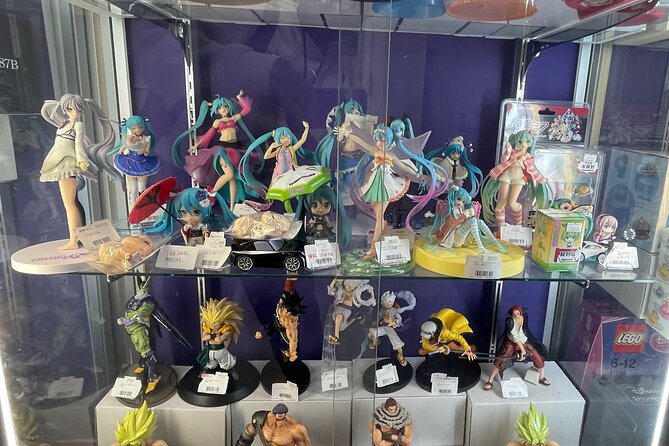
I especially like that the route does not treat otaku culture as a synonym for anime alone. The experience also makes room for retro gaming, card collecting, photo booths, crane machines, snacks, and the older electronic character of the neighborhood.
The walk lasts about four hours and starts at 1:00 pm. Because the route includes several stops and around 30 minutes of movement between locations, wear comfortable shoes and expect a fairly active afternoon.
A few more Tokyo tours and experiences worth a look



Starting with Taito Station and Japanese photo booths
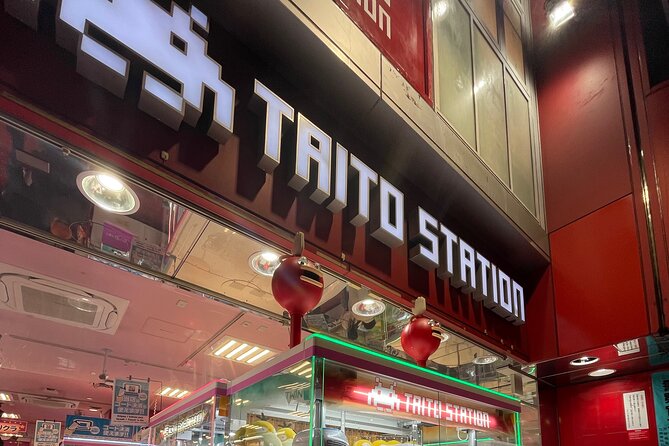
The first scheduled stop is Taito Station Akihabara, where you spend about 20 minutes looking at crane machines and trying purikura machines. This is a smart opening because it gets you involved right away rather than beginning with a long explanation.
Purikura booths are Japanese photo machines with a playful, highly edited style. You can see why they matter to youth culture and why they are different from simply taking a phone picture.
The crane machines also show a practical side of Japanese arcade culture. You get a look at how prizes, figures, and game skill meet in one place.
Twenty minutes is enough for an introduction, but it may not satisfy a serious arcade fan. If you want extended play time, you will need to return on your own after the tour.
Super Potato and Akihabara’s retro game appeal
Next comes Super Potato, a popular shop for old video games and consoles. The planned stop lasts about 20 minutes, with admission included at no extra cost.
This is one of the strongest parts of the route for fans of classic gaming. You can browse older hardware and software and get a sense of how gaming has shaped Akihabara’s identity.
Even if you do not plan to buy anything, the stop gives useful context. The tour is not only about the newest character merchandise. It shows the lasting appeal of older games and the collector culture around them.
The short time limit is the tradeoff. Super Potato can easily absorb an hour for a dedicated collector, so note anything you want to revisit later. The guide can point you toward the store, but you should not expect a full shopping session.
Don Quijote and Radio Kaikan
At Don Quijote Akihabara, you spend about 20 minutes seeing different anime categories and possibly the AKB48 Hall. The building is known for its crowded mix of goods, so having a guide can help you understand what you are looking at instead of wandering through shelves without context.
The stop is broad by design. You may see several kinds of anime merchandise rather than focusing on one title or character. That makes it useful for newcomers, families, and anyone still learning the difference between the many branches of Japanese pop culture.
Akihabara Radio Kaikan follows, with about 15 minutes devoted to the roots of the local otaku scene. This is an important pause in the route because it shifts the focus from shopping to origins.
You also see more of Akihabara’s earlier electronic identity as you move through the area. The exact details of that portion are not set out, so think of it as a guided orientation rather than a formal museum visit.
Junk Street, Mandarake, and Rasinban

The Akihabara portion of the route includes Junk Street, Mandarake, and Rasinban, plus time to see local food and possibly pick up snacks. The planned stop lasts about 25 minutes.
These shops are valuable because they show the secondhand and collector side of the district. You may find older manga, figures, goods, or other items that are not presented in the polished style of a major chain store.
This is also where the included snack element fits naturally. Akihabara pop-culture snacks are included, and you may have a chance to buy additional food if you are hungry.
Do not mistake the included snack for a full meal. The experience is designed as an afternoon introduction, not a food tour. If you need a substantial meal, plan one before or after the walk.




ONODEN and the choice of what to buy
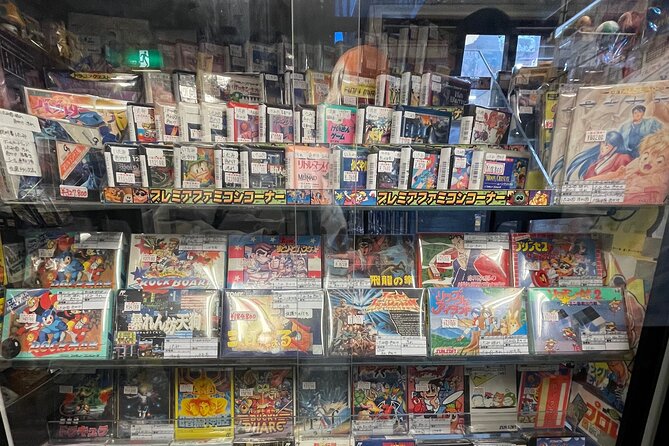
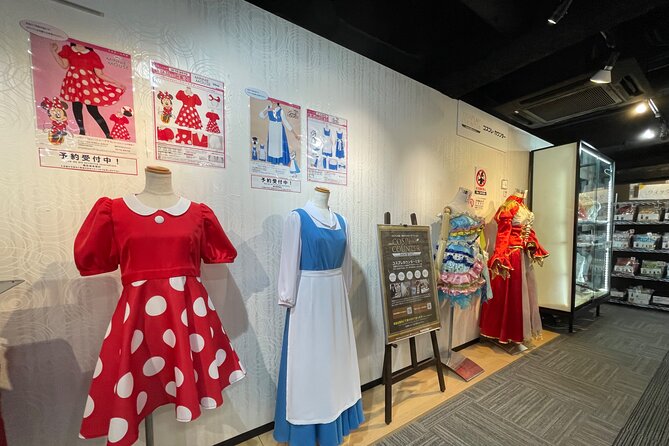
ONODEN receives about 30 minutes. The stop focuses on cosplay and anime-themed merchandise, giving you time to consider what you might want to purchase.
I like this part because it leaves room for personal taste. A guide can explain the kind of store you are entering, but you still decide what interests you. That makes the stop more useful than a forced shopping list.
The catch is that purchase advice will depend on the guide and on the interests of your group. One person may care about costumes, another about figures, and another about games. The small group helps, but the route remains a shared experience rather than a private shopping consultation.
Bring a way to record store names or items you want to find again. The route visits many places in a short period, and it is easy to forget where a particular item was located.
Japanese trading cards at Fukufuku Toreca
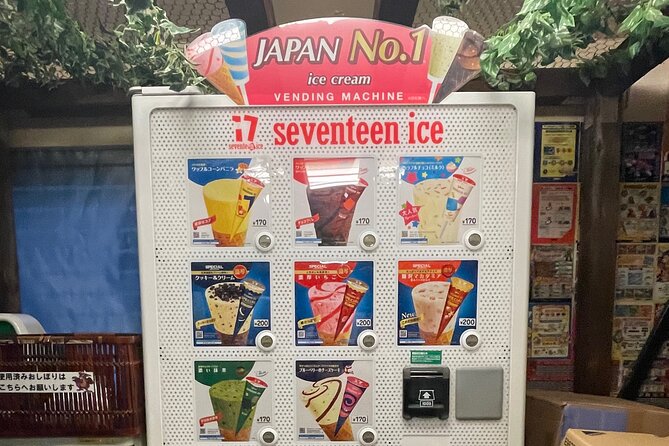
The visit to Fukufuku Toreca Akihabara lasts about 15 minutes and centers on Japanese trading card games. This adds another part of otaku culture that is easy to miss if you only follow the largest anime signs.
Trading cards appeal to a wide age range, and the stop helps explain why card shops are such a visible part of Akihabara. You get a quick look at a collecting and playing culture that differs from manga, cosplay, and console gaming.
Again, the short time is both useful and limiting. It gives you a sample, but a serious card collector will likely want to return independently. For a first-time visitor, the stop is enough to tell you if this is a subject worth pursuing.
One hour inside a maid cafe
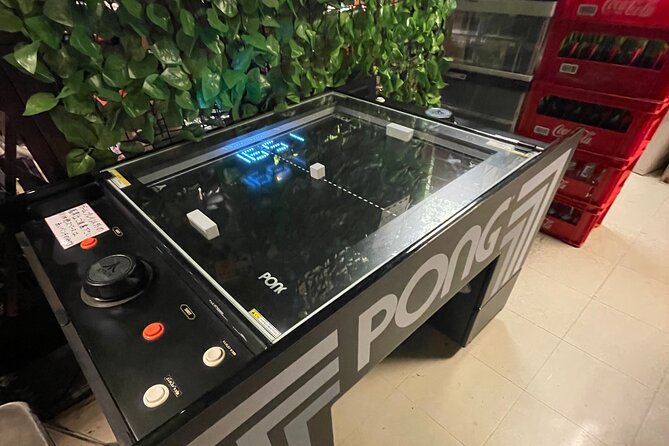
The maid cafe visit is the most unusual part of the afternoon. You spend about an hour at one of Akihabara’s major maid cafe chains and see how the fantasy setting works.
A maid cafe is theatrical rather than an ordinary coffee shop. The experience is built around service, character performance, and audience participation. The tour gives you a guided first look, which can make the format less puzzling if you have never visited one.
Coffee or tea is included, along with one non-alcoholic drink. Alcohol and any second drink cost extra, so check your order before adding anything.
The cafe stop may be a highlight if you are curious but unsure about going alone. It also gives the tour a clear finish after the shops and arcade stops.
Still, this is not the same as an anime attraction or a conventional cultural performance. The experience is intentionally playful and stylized. If that kind of theater makes you uncomfortable, you may prefer a shrine-focused option or a standard route without the cafe emphasis.
One poor rating described a rushed experience and felt the guides did not know enough about anime. That criticism matters if you are booking as a specialist fan. At the same time, the route is advertised as an introduction to otaku culture, with anime as only one part of it. I would book it for orientation and access, not for expert analysis of a single fandom.
The Wednesday maid theatrical show
A Wednesday-only option adds a one-hour maid theatrical show performed by active maids who work in real maid cafes. The supplied details list this as optional and show admission as not included.
This could be the best choice for someone specifically interested in the performance side of maid cafe culture. It takes the cafe concept beyond a short visit and gives you a dedicated stage show.
The information provided does not state the extra price or the full reservation process. If the show is the main reason you are booking, confirm those details before paying for the tour. Do not assume that the standard cafe drink or cafe admission covers the theatrical performance.
The Wednesday option also makes the timing more important. The regular tour starts at 1:00 pm, and you should make sure your later plans allow enough flexibility for the added performance.
How the guides shape the experience
The strongest praise centers on guide care and practical explanations. One guide adjusted the experience for a family and paid attention to the children’s interests. Another guide was described as efficient while explaining manga, Animate, and the stores that a first-time visitor might not enter alone.
That is the tour’s real strength. You are not just being led between famous addresses. You are getting help with the basic question of what each type of place is for.
The experience may work especially well if your group has mixed interests. A game fan can focus on Super Potato, a manga fan can ask about shops, and someone curious about Japanese youth culture can pay closer attention to purikura or the maid cafe.
I would set expectations carefully. The guides may have strong local knowledge and general cultural understanding, but the information supplied does not identify them by name or promise specialist expertise in every anime title, game series, or Vocaloid character.
Price, pace, and what you receive for $103.93
At $103.93 per person, this is not a cheap neighborhood walk. The value depends on how much help you want with Akihabara and how interested you are in the maid cafe.
You are paying for roughly four hours, a small group capped at eight, a guide, several included admissions, pop-culture snacks, and a coffee or tea drink at the cafe. You also save the time and uncertainty of locating a number of specialized stores on your own.
The value is strongest for a first visit. If you already know Akihabara well and can navigate to Super Potato, Radio Kaikan, Mandarake, Rasinban, ONODEN, and the card shops yourself, the price may feel high.
The group size improves the calculation. Eight people is small enough for questions, but it is not private. A specialist who wants every minute devoted to one interest may find the shared route less satisfying.
The tour requires moderate physical fitness and includes walking from place to place. It begins and ends at the same meeting point near public transportation, so you do not need to arrange a separate return transfer.
Who should book this Akihabara walk?
I would recommend it to first-time visitors who want structure, context, and a safe way to sample several sides of the neighborhood. Families can benefit from the guide’s ability to adjust explanations, though children should be comfortable with a four-hour walking afternoon and the theatrical cafe setting.
It also suits a mixed-interest group. You can see retro games, anime goods, cards, cosplay, snacks, arcades, and maid cafes without building your own complicated route.
I would be more cautious if you are an expert collector or a devoted fan of one franchise. The schedule allows only 15 to 30 minutes at many shops, so you will need a return visit for serious buying or detailed browsing.
Service animals are allowed, and the meeting point is near public transportation. Confirmation is sent within 48 hours of booking, subject to availability. Free cancellation is available up to 24 hours before the start time, while later cancellations and changes are not accepted.
Should you book it?
Book this tour if you want a guided first look at Akihabara’s many subcultures and like the idea of ending with a maid cafe. The small group, included snack and drink, and mix of stops make it a practical orientation to a complicated district.
Choose a Wednesday only if the optional theatrical show is important to you, and confirm its extra cost and reservation details first. Skip the tour if you mainly want long shopping sessions or expert discussion of one anime, game, or card series.
For most newcomers, the best approach is to use the tour as your introduction, then return to the shops that caught your attention. That way, you get the local explanation without giving up the slower browsing time Akihabara deserves.
FAQ
Where does the Akihabara tour start?
It starts at ジェイアール東日本コンサルタンツ 東京管理所, 1-chōme-17-4 Sotokanda, Chiyoda City, Tokyo 101-0021, Japan.
What time does the experience begin?
The tour begins at 1:00 pm.
How long does the tour last?
The experience lasts approximately four hours.
What is the maximum group size?
The tour accepts a maximum of eight travelers.
Is the maid cafe visit included?
Yes. The route includes a one-hour maid cafe visit, and one non-alcoholic drink is provided.
Are alcoholic drinks included?
No. Alcoholic drinks are not included. One non-alcoholic drink is provided, and you must pay for alcohol or a second drink yourself.
Is the Wednesday maid theatrical show included?
No. The Wednesday-only theatrical show is optional, and admission is not included. The available information does not state its additional price.
Can I cancel for a full refund?
Yes. You can cancel at least 24 hours before the local start time for a full refund. Later cancellations and changes are not accepted.
More Akihabara & Anime Tours in Tokyo


More tours in Tokyo we've reviewed









Akihabara & Anime Tours, compared.
 ★ 5.0Official Street Go-Kart Tour – AkihabaraFrom $61
 ★ 5.0Tokyo Go Kart: Asakusa, Skytree, and Akihabara **IDP MUST**From $99
 ★ 4.7Tokyo: Asakusa, Skytree & Akhihabara Go-Kart City ExperienceFrom $961h 10m
 ★ 4.5Tokyo Studio Ghibli Museum and Ghibli Film Appreciation TourFrom $193
 ★ 5.0Akihabara Anime & Game Adventure Walking Tour (Group or Private)From $90
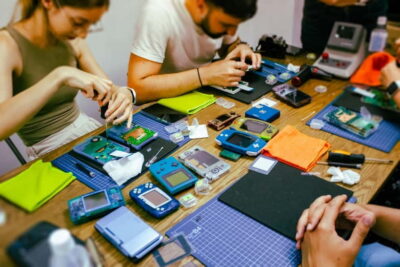 ★ 5.0Tokyo: Gameboy Mod Workshop at AkihabaraFrom $3602 hours