
Reviewed · TOKYO
Explore Local Tokyo: Buddhism & Shinto
Monzennakacho offers a side of Tokyo that many visitors miss: old water channels, neighborhood pride, Buddhist temples, and Shinto shrines in the quieter eastern part of the city. Guide Manami makes the setting easier to understand, especially when religious customs can seem confusing at first.
I like the maximum six-person group, which gives the walk a personal feel, and I like the short café presentation at the start. Manami holds a PhD and brings serious study to ordinary local places. The main drawback is that the tour lasts only about 1 hour and 40 minutes, so it offers an introduction rather than a full look at Monzennakacho.
In This Review
- Key points to know before booking
- Why Monzennakacho makes a good Tokyo break
- Starting with coffee and local context
- Water channels and the making of Shitamachi
- Fudo-son Temple and Buddhist customs
- Tomioka Hachimangu Shrine and Shinto practice
- Manami’s guiding style
- What $58.53 gets you
- Timing, meeting point, and practical details
- Who will enjoy this walk most
- Should you book Explore Local Tokyo: Buddhism and Shinto?
- FAQ
- Where does the tour begin?
- Where does the tour end?
- How long does the experience last?
- How many people can join the tour?
- Who leads the tour?
- Which religious sites are included?
- Can I watch a Buddhist fire ceremony?
- Is the Buddhist ritual included in the price?
- Can I cancel for a refund?
Key points to know before booking
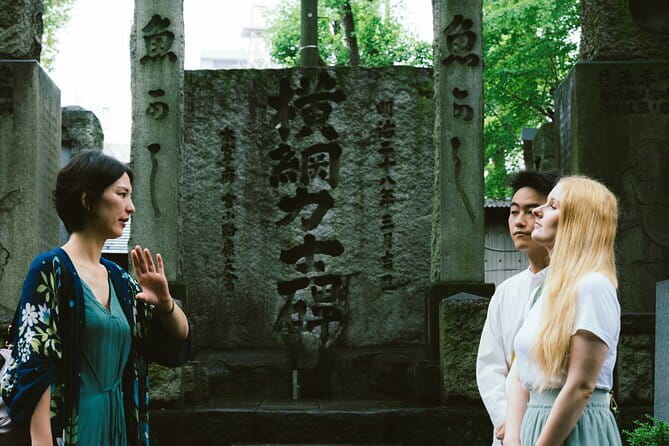
- Manami leads a small group of no more than six people, making it easier to ask questions.
- A café presentation starts the experience, giving you useful context before the walk.
- Monzennakacho’s water channels explain the area’s geography and local economy.
- Fudo-son Temple and Tomioka Hachimangu Shrine show the differences between Buddhist and Shinto practice.
- A Buddhist daily ritual is included at no extra cost, with a chance to watch a fire ceremony.
- The $58.53 price is reasonable if you want a personal cultural guide rather than a self-guided temple visit.
Why Monzennakacho makes a good Tokyo break
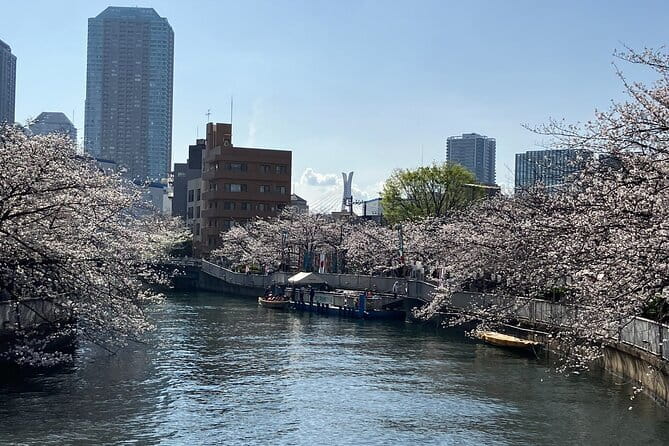
Tokyo can fill your day with neon districts, department stores, and packed train platforms. Monzennakacho gives you a quieter look at East Tokyo, an area connected with Shitamachi, the low-lying eastern part of the city between two major rivers.
The term Shitamachi carries more than a geographic meaning. Local people call themselves Edokko, a name tied to the working communities that helped build and support Edo, the former name for Tokyo, for more than 250 years. You are not simply walking through an old neighborhood. You are hearing how local people see their part of the city and why that identity still matters.
I like this focus because it moves beyond famous sights. The tour is not built around a grand viewpoint or a major ticketed attraction. Instead, it uses streets, waterways, temples, and shrines to explain how ordinary life and local belief developed together.
The tour begins at Monzen-nakacho Station, at 2 Chome-4 Monzennakacho in Koto City. Since the walk starts and ends at the same meeting point, it is easy to fit into a morning or afternoon plan. You will want to arrive ready for a walking tour, but the supplied information does not give a precise walking distance or details about the terrain.
If you're still narrowing it down, here are other tours in Tokyo we've reviewed.

Starting with coffee and local context
Before exploring, you go to a café for a short presentation from Manami. This is a smart beginning. Japanese temples and shrines have different customs, and it is easy to copy what others do without understanding why.
The café talk gives you a basic framework for the walk. You can ask about Buddhism, Shinto, local history, and proper behavior before reaching the religious sites. That matters because the tour is not just a series of photo stops. It is meant to help you recognize the difference between two traditions that often appear side by side in Japan.
The café stop is also useful for anyone who prefers a measured start rather than an immediate rush from the station. Keep in mind that the price information does not say a café drink or meal is included, so you should not assume refreshments are covered.
Water channels and the making of Shitamachi
One of the first themes is Monzennakacho’s water channels. These waterways are not treated as background scenery. Manami explains the area’s unusual geography and how it helped shape the local economy.
The eastern part of Tokyo sits in a delta area between two large rivers. That setting affected how people moved goods, worked, and built their communities. The water also helps explain why Shitamachi developed its own character and why local pride remains strong.
This is one of the tour’s best features because it connects physical surroundings with human activity. You are not asked to memorize dates or names. Instead, you learn to look at the canals and understand what they meant to the people who lived and worked here.
The information provided does not promise a boat ride or a long stop beside the water. Think of this portion as an explanation during a walking route, not a separate waterfront attraction. If you enjoy learning how geography shapes a city, this short section should add real value.
Fudo-son Temple and Buddhist customs
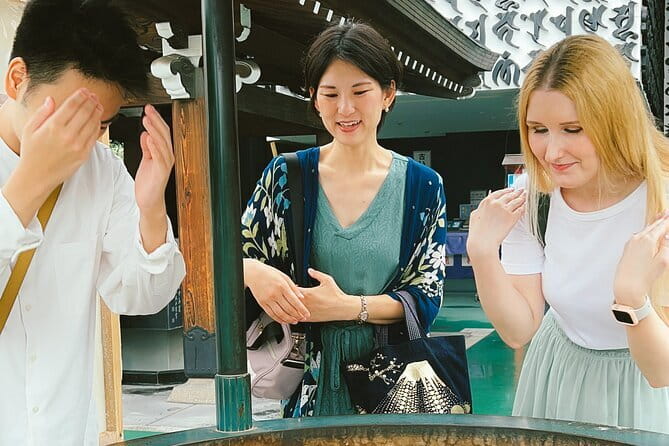
Fudo-son Temple introduces the Buddhist side of the tour. Here, Manami explains religious differences and appropriate manners, helping you approach the temple with more awareness.
For many people, temple customs can seem mysterious. You may see visitors bowing, offering coins, or performing a ritual gesture, but the meaning is not always clear. A guide can explain what you are seeing and help you avoid treating a place of worship as just another stop for photographs.
The tour includes a free visit to a Buddhist daily ritual. There is also an opportunity to watch a fire ceremony at a local Buddhist temple. The wording matters: this is an opportunity, not a guaranteed performance at every departure. Timing and temple activity may affect what you see.
A fire ceremony can be especially memorable because it gives you a look at living religious practice rather than a silent building. Still, you should approach it respectfully. Follow Manami’s instructions, keep your voice low, and remember that worship comes before sightseeing.
The supplied details do not specify the exact ceremony time, its length, or whether every group watches the full ritual. If this is your main reason for booking, confirm the current schedule before paying.
Tomioka Hachimangu Shrine and Shinto practice
The walk also visits Tomioka Hachimangu Shrine, offering a useful contrast with Fudo-son Temple. The value here is not simply seeing another attractive religious site. It is understanding how Shinto customs differ from Buddhist ones.
Manami explains manners and practices at the sites, which is helpful if you plan to visit other temples and shrines during your time in Japan. One person who had visited Japan more than 20 times placed this walk near the top of their tour experiences because of Manami’s academic background and enthusiasm. That is a strong sign that the tour can offer something to experienced Japan visitors, not only first-time visitors.
You should not expect a complete course in Japanese religion in under two hours. What you get is a practical introduction, tied to real places and actions. Afterward, you will be better prepared to notice differences at other shrines and temples instead of treating them all as interchangeable.
The supplied information does not detail every shrine ritual or building feature, so I would not book this expecting an architectural tour. The emphasis is on cultural explanation and proper conduct.


Manami’s guiding style
Manami is the central reason this experience feels different from walking around on your own. The information about her points to patience, generosity, passion for Tokyo, and strong academic training. She holds a PhD, and her explanations appear to be a major part of the experience.
That combination matters. Academic knowledge can become dry, but local affection can become vague. Manami seems to bring both study and personal connection to the walk. She explains the city as someone who cares about its neighborhoods, not just as a guide reciting prepared facts.
The small group limit of six is important here. A large group often turns cultural discussion into a one-way speech. With six people or fewer, you have a better chance to ask about customs, local identity, and anything that catches your attention.
The experience may suit you especially well if you enjoy conversation. The short presentation and walking route leave room for questions, but the quality of the day will depend partly on what you want to discuss. If you prefer a fast-paced tour packed with major sights, this may feel too gentle.
What $58.53 gets you
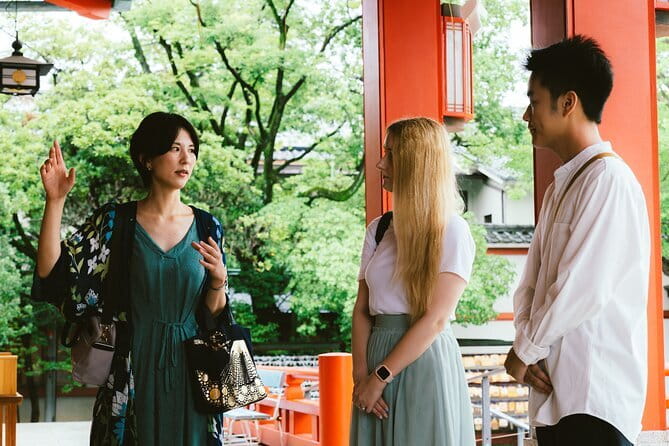
At $58.53 per person, this is not the cheapest way to spend 1 hour and 40 minutes in Tokyo. You can walk through Monzennakacho on your own for free, and entrance to the religious sites is not listed as an added cost.
The value comes from the interpretation. You are paying for Manami’s time, the very small group, the café introduction, and explanations that connect geography, local identity, Buddhism, and Shinto. Without a guide, you might see the same places but miss the reasons they matter.
I consider the price fair for visitors who want cultural understanding and personal attention. It is less compelling if you only want to photograph temples and shrines or if you already have extensive knowledge of Japanese religious customs.
Bring a few small coins if you want to make offerings at temples or shrines. Coins are not included, but offering them is not mandatory. You can take part respectfully without feeling pressured to spend more.
Timing, meeting point, and practical details
The activity lasts approximately 1 to 2 hours, with the stated route taking about 1 hour and 40 minutes. It begins and ends at Monzen-nakacho Station, making the logistics simple.
A mobile ticket is provided, and confirmation is received when you book. The meeting point is near public transportation. Since the tour returns to the starting point, you do not need to plan around a distant finish.
Most people can participate, and service animals are allowed. The supplied details do not specify whether the route is fully wheelchair accessible, how much walking is involved, or whether seating is available during the tour. If you have mobility concerns, ask the provider before booking.
The group maximum is six people. That limit is one of the strongest practical reasons to choose this experience over a large city tour. You will have a better chance of hearing clearly and asking Manami about customs that interest you.
Free cancellation is available if you cancel at least 24 hours before the local start time. Cancellations or changes made less than 24 hours in advance are not accepted for a refund.
Who will enjoy this walk most
I would recommend this tour to first-time visitors who want help understanding Japanese religious sites. It is also a good choice for repeat visitors who have seen major Tokyo sights and want a more local neighborhood experience.
It suits you if you enjoy:
- Small groups and direct conversation
- Religious customs explained in plain language
- Neighborhood history connected to geography
- Quiet cultural activities rather than major attractions
- A short tour that fits around a larger Tokyo schedule
Families and older visitors may also appreciate the limited group size, though the available details do not describe the walking distance or seating. People focused mainly on shopping, food, or landmark photography may find the subject matter less appealing.
This is not a full-day excursion, a food tour, or a broad survey of Tokyo. Its strength is narrow and clear: it helps you understand Buddhism, Shinto, and the local character of Monzennakacho through a personal guided walk.
Should you book Explore Local Tokyo: Buddhism and Shinto?
Book it if you want to see how local geography, community identity, Buddhism, and Shinto connect in one compact East Tokyo experience. Manami’s background, the six-person maximum, and the chance to observe a daily Buddhist ritual give the tour more substance than a simple temple stroll.
Skip it if you want a long sightseeing route, guaranteed access to a fire ceremony, or a schedule packed with famous Tokyo landmarks. The walk is short, and its value depends on your interest in explanation and discussion.
For many visitors, this is a smart early-Tokyo activity. Take it near the start of your trip, and you will carry a better understanding of temple and shrine customs into the rest of Japan.
FAQ
Where does the tour begin?
The tour begins at Monzen-nakacho Station, at 2 Chome-4 Monzennakacho, Koto City, Tokyo 135-0048, Japan.
Where does the tour end?
The activity ends back at the meeting point near Monzen-nakacho Station.
How long does the experience last?
The tour lasts approximately 1 to 2 hours. The stated duration is about 1 hour and 40 minutes.
How many people can join the tour?
The group has a maximum of six people.
Who leads the tour?
The experience is provided by Manami. She holds a PhD and explains Buddhism, Shinto, local history, and temple and shrine manners.
Which religious sites are included?
The route includes Fudo-son Temple and Tomioka Hachimangu Shrine.
Can I watch a Buddhist fire ceremony?
There is an opportunity to watch a fire ceremony at a local Buddhist temple, but the available information does not guarantee that it will take place on every departure.
Is the Buddhist ritual included in the price?
A free visit to a Buddhist daily ritual is included. Small coins for offerings at temples and shrines are not included, and offering coins is optional.
Can I cancel for a refund?
You can receive a full refund if you cancel at least 24 hours before the experience start time. Cancellations or changes made less than 24 hours before the start are not accepted for a refund.
More tours in Tokyo we've reviewed




Tokyo, compared.
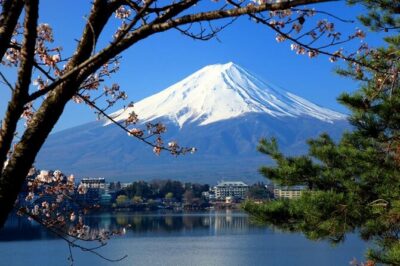 ★ 5.0Mt Fuji and Hakone 1-Day Bus Tour Return by Bullet TrainFrom $163
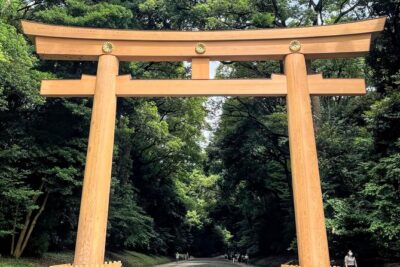 ★ 5.01-Day Tokyo Bus TourFrom $129
 ★ 4.6Tokyo: teamLab Planets TOKYO Digital Art Museum Entry TicketFrom $251 day
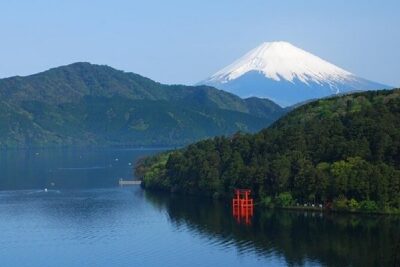 ★ 4.0Mt Fuji & Hakone Cruise, Drum Show Bullet Train 1 Day from TokyoFrom $149
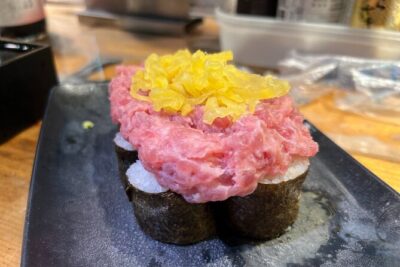 ★ 5.0Tokyo: Shinjuku Food Tour (13 Dishes at 4 Local Eateries)From $86
 ★ 4.4Tokyo Mt Fuji 5th St & Hakone Cruise Bus Tour w/Bullet TrainFrom $15410 hours