
Reviewed · TOKYO
Exclusive Ramen Kitchen Experience
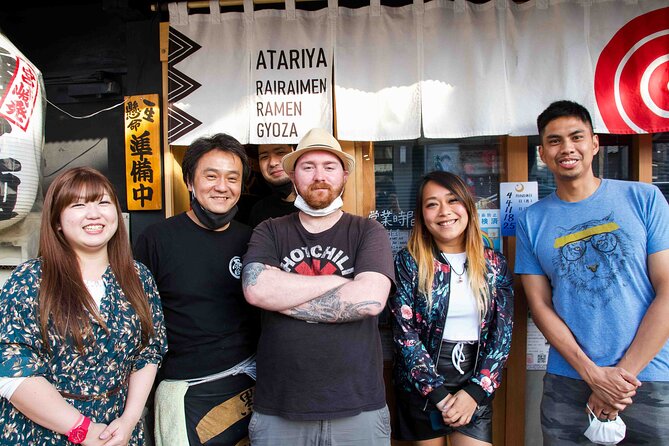
The best part of this Tokyo experience is the behind-the-counter access. You are not simply handed a bowl and told its ingredients. You step into a working ramen kitchen, learn how the noodles are handled, and finish by eating the bowl you helped prepare.
I like the hands-on noodle work, especially temomi, the art of massaging the noodles, and tebo, the quick shaking motion used to remove water. I also like the small group limit of six, which gives you a better chance to ask about recipes, ingredients, and the place of ramen in Japanese food culture. The main consideration is that this is not a full cooking class. The broth and much of the preparation are done in advance, and the ramen contains chicken, pork, and fish.
In This Review
- Key points
- What this ramen experience really offers
- Entering the professional kitchen
- Temomi: learning to handle the noodles
- Tebo and the final noodle shake
- Building and eating your own bowl
- What the one-hour schedule means
- Making sense of the location details
- Is $78.38 a fair price?
- Who should book this experience?
- A practical way to fit it into Tokyo
- My verdict on the ramen kitchen visit
- FAQ
- How long does the ramen experience last?
- How much does the experience cost?
- Where does the experience start?
- Where does the experience end?
- How many people can join the experience?
- Is the ramen made entirely from scratch?
- What techniques will I learn?
- Does the ramen contain meat or fish?
- Can I cancel for a full refund?
Key points
- Work inside an award-winning ramen shop: You get a look at a real professional kitchen rather than a standard classroom.
- Learn temomi and tebo: Massage the noodles, then shake off excess water before assembling your bowl.
- Eat the ramen you prepare: Toppings and final assembly lead directly to lunch or dinner.
- Keep the group intimate: The maximum is six people, useful for questions and close instruction.
- Plan for a quick one-hour visit: This is a focused kitchen experience, not a long meal or market tour.
- Check the meeting details carefully: The information names Nakameguro Koukashita as a stop and gives 2-chōme-12-6 Nezu in Bunkyo City as the meeting point.
What this ramen experience really offers
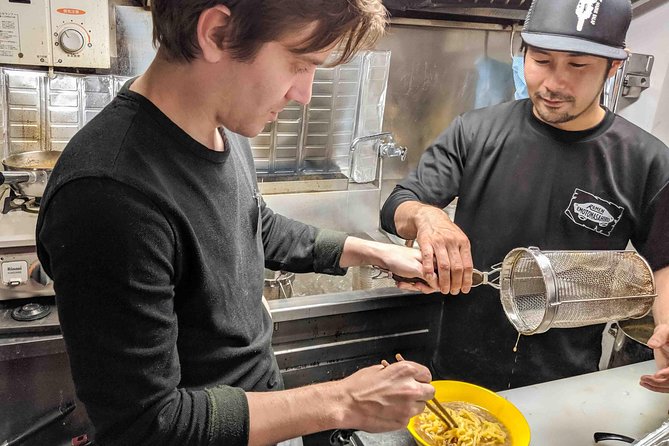
Tokyo has no shortage of ramen shops, so a simple bowl of noodles is easy to find. What is harder to find is a look at how that bowl comes together behind the counter.
This one-hour session gives you that look without asking you to spend half a day making broth. You learn what goes into ramen preparation, what each ingredient does, and how the noodles are handled before they reach the bowl. The process is shortened, but the setting is real. That distinction matters.
The broth alone takes about 10 hours to prepare. You will not be standing around waiting for it to finish, and that is a good thing for a short Tokyo itinerary. Instead, the experience concentrates on the parts you can take part in directly: noodle handling, water removal, toppings, and final assembly.
I see this as a food lesson with a meal at the end, rather than a cooking class with a meal as a side benefit. You get enough practical work to understand the craft, but not enough to recreate the entire restaurant process from raw ingredients at home.
If you're still narrowing it down, here are other tours in Tokyo we've reviewed.


Entering the professional kitchen
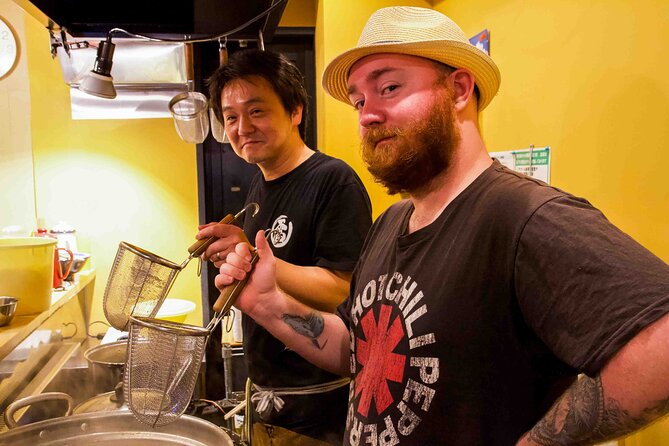
The appeal begins with the setting. You are brought into an actual ramen shop that has won several awards, with exclusive access arranged for this activity. That gives the session a different feel from a demonstration held in a hotel room or a generic cooking studio.
You can expect to take in the sounds and sights of a working ramen kitchen while learning how the shop prepares its food. The experience is designed to make you feel like a ramen cook for a short time, though the staff still handles the more demanding parts of the operation.
The chef explains the ingredients, their purpose, and where they come from. That information helps you understand why ramen is more than noodles, broth, and a few toppings thrown into a bowl. Small changes in noodles, seasoning, or garnish affect the final result.
A past session was praised for the chef’s kindness, clear help, and willingness to answer questions about recipes and ramen’s role in Japanese cuisine. That is important here. Since the activity lasts only about an hour, a patient instructor can make the difference between a rushed novelty and a useful lesson.
There are multiple guides, so the person leading your session may vary. No guide names are provided, but the format is built around direct instruction from the ramen staff and guide.
Temomi: learning to handle the noodles
The first distinctive technique is temomi, or massaging the noodles. This is one of the most interesting parts of the experience because it gives you a physical sense of how ramen noodles are prepared.
You will not simply watch someone lift noodles from a pot. You work with them and learn how gentle handling affects their texture and shape. The action may look simple, but noodle preparation is part of what gives a ramen bowl its character.
This is also the point where the session feels most different from ordering ramen at a restaurant. When you sit at a counter, the work happens quickly and out of sight. Here, you get time to notice the movement and understand that the noodle itself is an important part of the dish.
Do not expect to learn every technical detail needed to make restaurant-quality noodles at home. The experience has been shortened, and the focus is on selected steps. Still, temomi gives you a useful introduction to the care involved before the noodles meet the broth.
Tebo and the final noodle shake
After massaging the noodles, you try tebo, the technique used to shake water from them. This is the quick, controlled motion that helps prepare the noodles for the bowl.
For you, this is likely to be the most playful step. It also explains something you may notice at ramen counters across Japan: cooks often handle noodles with speed and precision because excess water can affect the broth and the finished texture.
The activity lets you try the motion yourself under instruction. That does not turn you into a seasoned ramen chef in 10 minutes, but it does help you see why noodle preparation requires timing and practice.
I like that these techniques are practical rather than purely theatrical. You are not only hearing a talk about ramen. You are using your hands, following instructions, and taking part in two specific stages of preparation.
Building and eating your own bowl
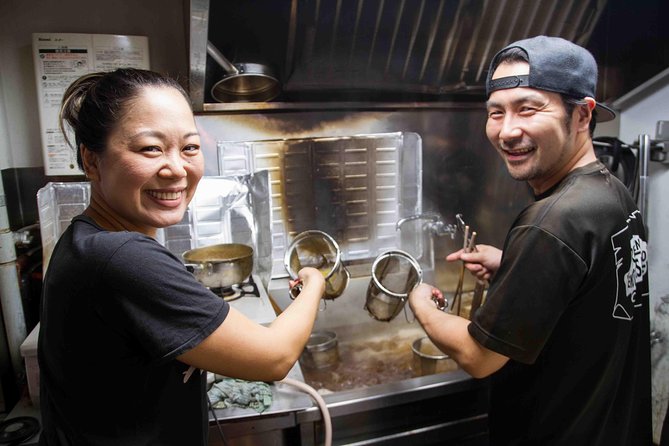
Once the noodle work is finished, you add your preferred toppings and put together your ramen. Then you eat it.
That final step gives the experience a clear payoff. You have learned about the ingredients, handled the noodles, and watched the preparation. The finished bowl is connected to the work you just did, even though the broth and much of the prep were completed before you arrived.
The ramen contains chicken, pork, and fish. This is a firm menu detail, not a dish you should treat as vegetarian, vegan, or free from animal products. If those ingredients are a concern for you, check before booking rather than assuming substitutions will be possible.
The food itself received strong praise for its flavor, and the chef’s explanations added context to the meal. You should expect a proper bowl of Tokyo ramen, but keep in mind that the price covers instruction and kitchen access as well as food.





What the one-hour schedule means

One hour is enough time for a focused introduction, but it does limit the scope. You will learn selected techniques, hear about ingredients, assemble ramen, and eat. You will not make broth from scratch or spend the day learning every stage of restaurant preparation.
I think the short format works well for a city break. Tokyo days fill up fast, and you can fit this session between neighborhoods, museums, or other meals. It is also a good choice if you want an activity with a definite ending rather than a long class that takes over your schedule.
The tradeoff is that the experience may feel brief if you already cook ramen regularly or want detailed instruction. You will get a close look at a professional kitchen, but not a complete recipe course.
The maximum group size is six people. That is small enough for questions and personal instruction, and it should feel more direct than a large food workshop. The exact guide may vary because multiple guides lead the activity.
Making sense of the location details
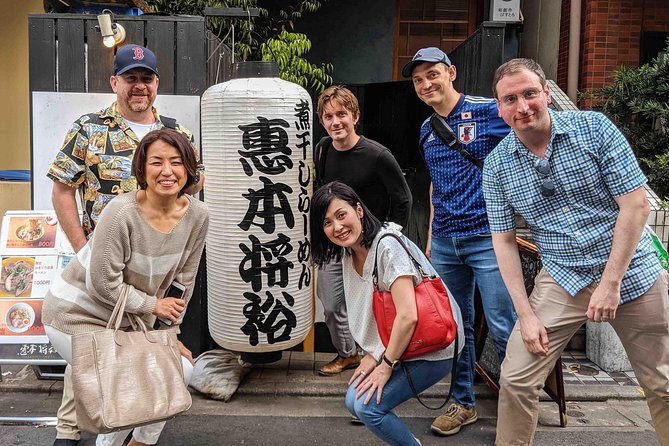
The information names Nakameguro Koukashita as the activity stop. It also gives the starting and ending meeting point as 2-chōme-12-6 Nezu, Bunkyo City, Tokyo 113-0031, Japan.
Because those details point to different Tokyo areas, I would check the confirmed meeting instructions carefully before setting out. The activity ends back at the meeting point, so knowing the correct starting place matters. A mobile ticket is provided, and confirmation arrives at booking, but you should still allow time to reach the stated address.
The activity is near public transportation, which helps, especially in Tokyo where a small location error can cost more time than expected. I would not rely only on the name of the ramen shop or the neighborhood. Use the confirmed address and local-time start details supplied after booking.
Is $78.38 a fair price?
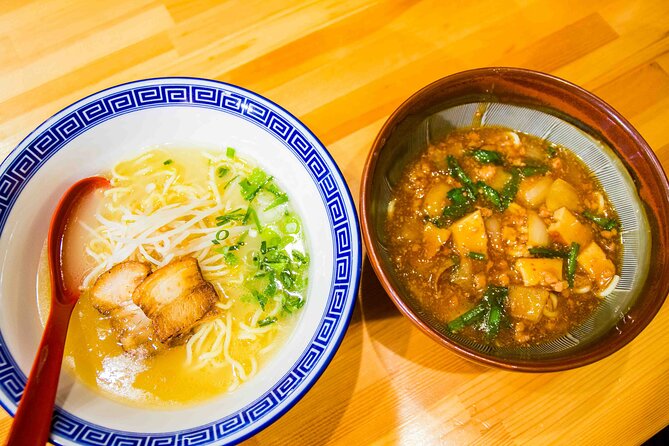
At $78.38 per person, this is not a budget ramen lunch. You can buy a bowl of ramen in Tokyo for far less. The value here comes from the instruction, the small group, and access to a professional kitchen that normally is not open for this kind of visit.
I think the price is reasonable if you care about how ramen is made and want more than a meal. You are paying for a structured experience, a guide, hands-on noodle work, explanations about ingredients, and the bowl you eat at the end.
The value is weaker if your main goal is simply to taste excellent ramen. In that case, a respected ramen shop gives you the food without the activity fee. You should also think about the one-hour length. This is a compact session, so the price reflects access and participation rather than a long class.
The strongest reason to book is the combination of a real kitchen and direct noodle preparation. The weakest reason would be expecting a full from-scratch workshop. The broth alone takes 10 hours, and the activity intentionally skips that waiting period.
Who should book this experience?
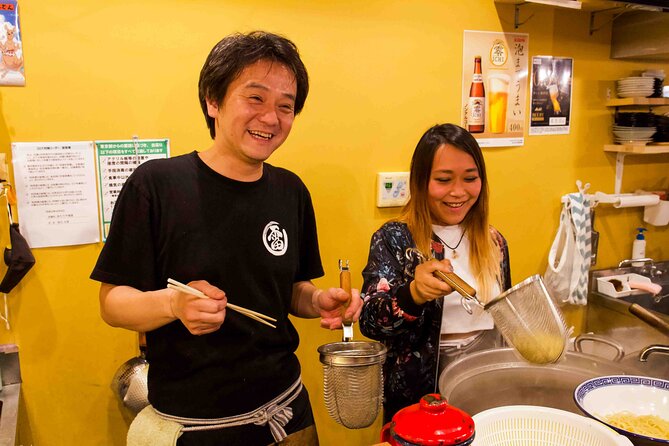
I would point this toward food-focused visitors who want to understand a familiar Japanese dish at close range. It suits first-time Tokyo visitors who want an activity with a strong local food connection, as well as repeat visitors who have already eaten plenty of ramen and want to see what happens behind the counter.
It also works for people who prefer a small group. With no more than six participants, you should have a better chance to hear the explanations and get help during temomi and tebo.
Families and mixed-interest groups may find the format useful because it is short and active. Still, the supplied information does not give a minimum age, child policy, or accessibility details, so you should confirm those points before booking if they affect your plans.
I would be more cautious if you have strict dietary limits. Chicken, pork, and fish are all part of the meal, and no alternative menu is stated. I would also look elsewhere if you want to make noodles, broth, seasoning, and toppings entirely from raw ingredients.
A practical way to fit it into Tokyo
Keep the rest of your schedule flexible around the start time. The session lasts about an hour, but transportation to the meeting point and the return afterward will add time.
Since the activity ends where it begins, you can plan your next stop from that same area. The location information needs careful checking, though, because Nakameguro Koukashita is named in one part of the details while the meeting address is in Nezu.
Book ahead if your dates are fixed. The experience is typically booked 16 days in advance, and a six-person limit can reduce last-minute availability. You receive confirmation at the time of booking and use a mobile ticket.
Cancellation is free if you cancel at least 24 hours before the local start time. Cancellations or changes inside that window are not refunded or accepted. The activity also requires a minimum number of participants, and if that minimum is not reached, you are offered another date or experience, or a full refund.
My verdict on the ramen kitchen visit
You should book this experience if you want a hands-on look at professional ramen preparation, not just another restaurant meal. Temomi and tebo give you two memorable techniques to try, the group size is limited to six, and the final bowl makes the lesson feel complete.
Skip it if you need vegetarian food, want a full recipe class from raw ingredients, or consider $78.38 too much for a one-hour activity. For everyone else, this is a focused way to connect the craft behind Tokyo ramen with the food in front of you. Just confirm the exact meeting address before you go.
FAQ
How long does the ramen experience last?
The activity lasts approximately one hour.
How much does the experience cost?
The listed price is $78.38 per person.
Where does the experience start?
The stated meeting point is 2-chōme-12-6 Nezu, Bunkyo City, Tokyo 113-0031, Japan. Nakameguro Koukashita is also named as a stop, so check the confirmed meeting details before traveling.
Where does the experience end?
The activity ends back at the meeting point.
How many people can join the experience?
The maximum group size is six people.
Is the ramen made entirely from scratch?
No. This is not a full from-scratch cooking class. The process is shortened, and the broth is prepared in advance because it takes about 10 hours to make.
What techniques will I learn?
You will learn temomi, the process of massaging the noodles, and tebo, the technique of shaking water from the noodles.
Does the ramen contain meat or fish?
Yes. The ramen contains chicken, pork, and fish.
Can I cancel for a full refund?
Yes, if you cancel at least 24 hours before the experience start time. Cancellations made less than 24 hours in advance are not refunded.
More tours in Tokyo we've reviewed






Tokyo, compared.
 ★ 5.0Mt Fuji and Hakone 1-Day Bus Tour Return by Bullet TrainFrom $163
 ★ 5.01-Day Tokyo Bus TourFrom $129
 ★ 4.6Tokyo: teamLab Planets TOKYO Digital Art Museum Entry TicketFrom $251 day
 ★ 4.0Mt Fuji & Hakone Cruise, Drum Show Bullet Train 1 Day from TokyoFrom $149
 ★ 5.0Tokyo: Shinjuku Food Tour (13 Dishes at 4 Local Eateries)From $86
 ★ 4.4Tokyo Mt Fuji 5th St & Hakone Cruise Bus Tour w/Bullet TrainFrom $15410 hours