
Reviewed · SAMURAI & NINJA EXPERIENCES
Tokyo : Authentic Samurai Experience in a Private Space.
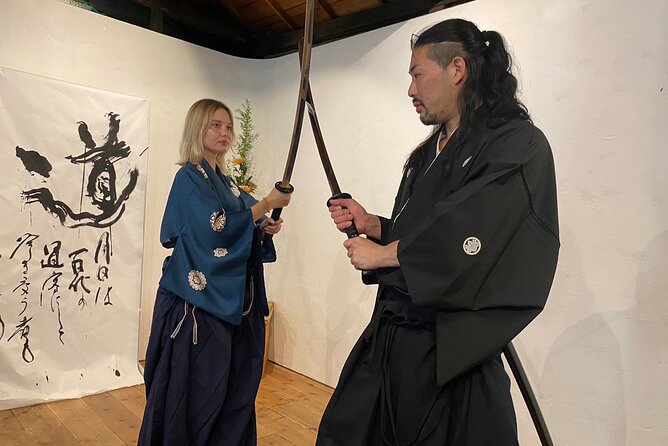
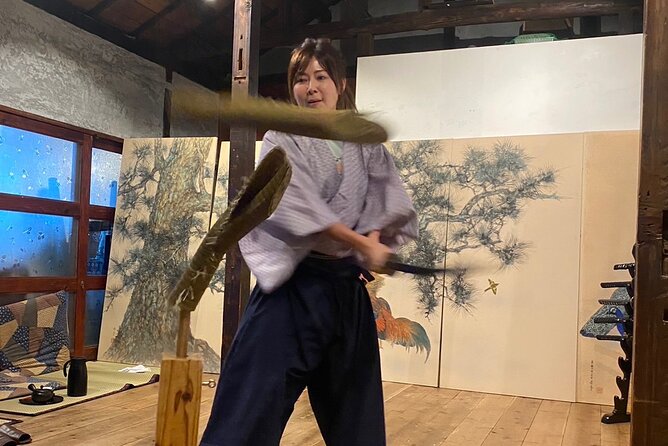
The most memorable part of this Tokyo experience is the moment the lesson moves from watching to doing. In a 100-year-old private house, you put on a kimono, learn how to draw, hold, swing, and sheath a real samurai sword, then test your control by cutting a target.
I like the very small group size, capped at four people, because you get room to ask questions and steady instruction instead of standing in a crowd. I also like the thoughtful finish: traditional Japanese tea and time to talk with the instructors make this more than a quick photo opportunity.
The main consideration is its short length. At about 90 minutes, it gives you a focused introduction rather than a full study of Bushido or Japanese swordsmanship. Sword handling also calls for attention and care, so this is not a casual activity to rush through.
In This Review
- Key points to know before booking
- A real sword lesson, not just a samurai photo
- Getting dressed at rojicoya in Adachi
- Musashi Oka and Yoshi San guide the class
- From drawing the blade to making the cut
- Why the Bushido context matters
- Tea gives the experience a calmer finish
- Is $72 a fair price?
- Timing, location, and planning advice
- Who will get the most from this samurai class?
- Should you book it?
- FAQ
- Where does the samurai experience take place?
- How long does the experience last?
- How many people can join?
- Is the experience suitable for beginners?
- Is the activity offered in English?
- What is the cancellation policy?
Key points to know before booking
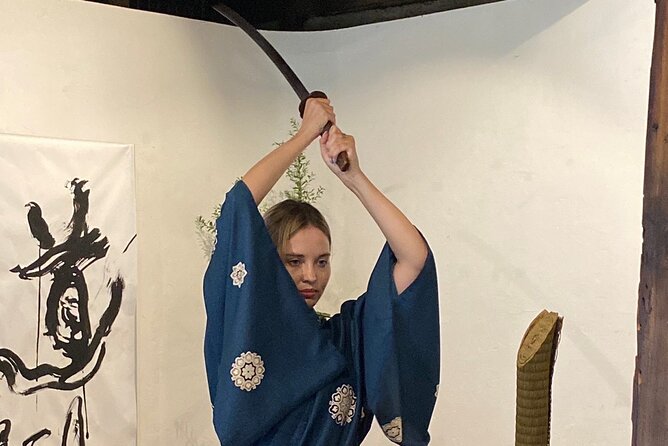
- You practice with a real samurai sword: Learn the basic movements, from drawing and gripping to swinging and sheathing.
- The group is capped at four: A small class allows close instruction and plenty of questions.
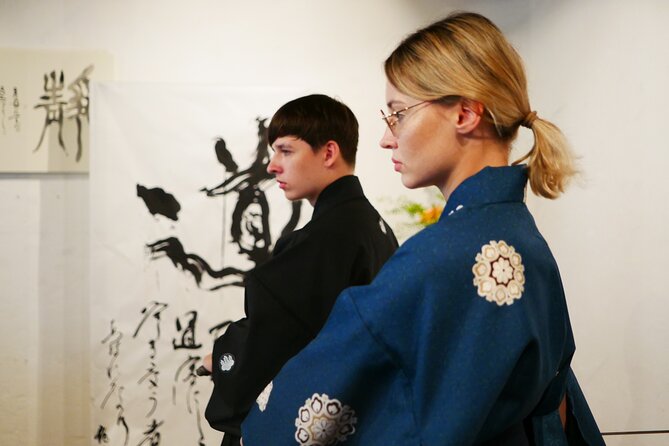
- You wear a traditional kimono: The clothing helps create a sense of ceremony and gives you a memorable photograph-friendly setting.
- The lesson takes place in an old private house: Rojicoya is at 36-1 Senjuasahicho in Adachi City, away from the central Tokyo sightseeing circuit.
- You cut a target under instruction: The activity includes cutting straw targets, with one account describing tatami cutting with a real katana.
- Tea and conversation close the session: Japanese tea provides a calm ending and a chance to ask about Bushido and local culture.
A real sword lesson, not just a samurai photo
Many samurai-themed activities stop at costumes and staged poses. This one gives you a practical lesson in sword handling. The sequence matters: you first learn how the weapon is managed, then build toward a controlled cut.
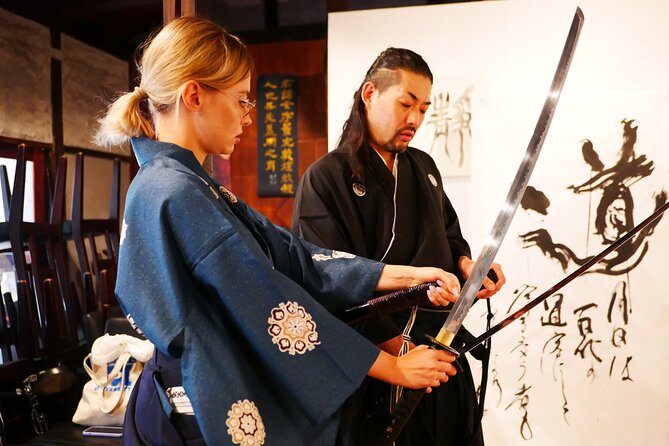
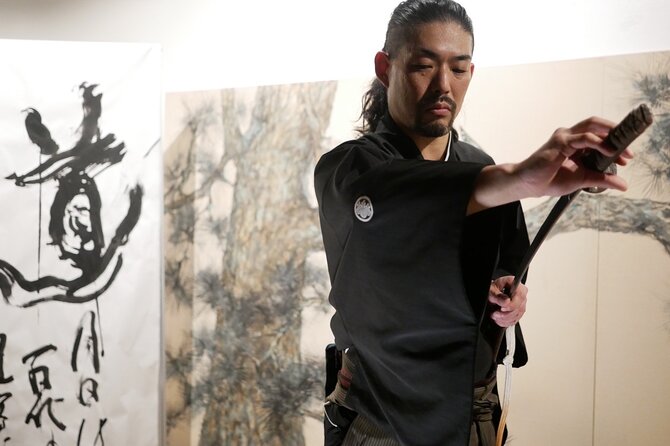
The instruction covers how to draw the sword, how to hold it, how to swing, and how to return it to its sheath. Those simple verbs hide a fair amount of discipline. You are not simply waving a prop around. The class asks you to pay attention to posture, movement, timing, and safety.
That makes the experience useful even if you know little about Bushido. You do not need previous sword experience, and beginners are continually guided through the process. The instructors demonstrate and correct you as you go, so you are not left trying to copy a movement after a quick explanation.
I especially like that the lesson connects technique with meaning. Bushido is not treated only as a costume theme. The session uses sword practice to introduce a traditional way of thinking about conduct, control, and respect. The amount of historical detail will depend on your questions and the flow of the class, but you have time to ask about points that interest you.
A few more Tokyo tours and experiences worth a look
Getting dressed at rojicoya in Adachi
The meeting point is rojicoya, at 36-1 Senjuasahicho in Adachi City. The experience starts and ends there, and the location is near public transportation. You will want to allow time to find the address, since this is not a famous central landmark with a large tour desk.
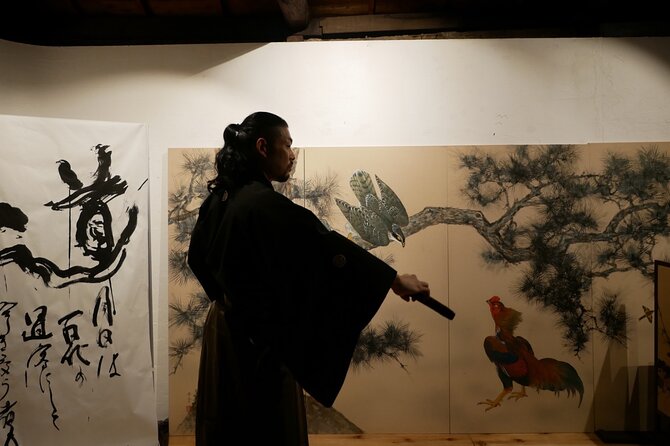
The setting is part of the appeal. Instead of entering a modern attraction built around a samurai theme, you arrive at an old private house more than 100 years old. That gives the lesson a quieter, more personal feel and helps separate it from the louder, more theatrical side of Tokyo sightseeing.
After arrival, you dress in a traditional kimono. This is not just decoration. Changing clothes signals that the activity has begun and gives the session a clear cultural frame. It also makes the experience feel special without requiring a full day in costume.
Practical details about changing facilities and clothing sizes are not provided, so contact the operator if you have specific needs. Since you will be handling a sword after dressing, wear clothes that make changing easy and avoid bringing anything cumbersome.
Musashi Oka and Yoshi San guide the class
The named instructors are Sensei Musashi Oka and Yoshi San. Their role goes beyond showing a sword movement once and sending you toward a target. The class is built around hands-on teaching, with beginners receiving ongoing help.
English is the main language of the course, and the communication is described as PokéTalk-compatible. English communication has also been specifically praised, which should reassure you if you are concerned about following safety instructions or asking questions.
Still, sword instruction depends partly on watching as well as listening. Pay close attention to demonstrations, and ask for a repeat if a movement is unclear. A small group makes that easier. With only your party, or at most three other participants, you are not competing for the instructor’s attention.
The private format is one of the strongest reasons to choose this experience. It can work well for couples, families, or friends who would rather have a shared activity than join a large class. One couple found themselves alone in the session, which made the class feel fully private. The official format already limits participation to your group, with a maximum of four people.
From drawing the blade to making the cut
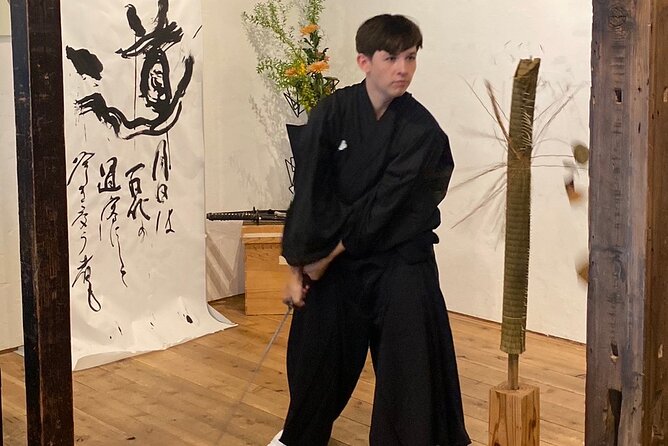
The sword portion follows a sensible progression. You first learn how to handle the sword, then practice the parts of the movement before applying them to a target. Expect instruction in four basic actions:
- Drawing the sword
- Holding it correctly
- Swinging with control
- Sheathing it safely
This order gives the class structure. You are not asked to make a cut before you understand where the sword begins and ends. The instructor’s guidance is especially important during the transitions, when a careless movement could be less controlled.
The target cutting is the moment many people will be waiting for. The activity description says you cut through straw targets. A participant also described cutting tatami with a real katana, so the target material may vary by session or by how the activity is described. Either way, the point is controlled technique, not strength.
You should treat this part seriously. The sword is real, the target is close, and the class is not a free-form play session. Follow the instructor’s directions exactly, wait until you are told to move, and keep your attention on the blade. That care is part of what makes the experience feel genuine.
If you are hoping to master swordsmanship in one visit, adjust your expectations. Ninety minutes can teach you the basics and give you a memorable first cut, but it cannot replace regular practice. I see this as a well-contained cultural lesson with a physical element, not a formal martial arts course.
Why the Bushido context matters
The word samurai can be reduced to armor, swords, and dramatic poses. This class gives you a chance to look at the tradition through behavior and practice. Learning to handle the sword with patience and control offers a more grounded way to think about Bushido.
The instructor-led format is useful here. You can ask questions while taking a break, and the conversation continues during tea. That gives you space to explore details that may not fit into the physical lesson.
The experience is not presented as a long academic lecture, and that is probably the right choice for a short Tokyo activity. You spend most of your time doing something, then use the discussion to add context. If you want a highly detailed history seminar, this will likely feel brief. If you want a clear introduction tied to an actual traditional practice, it is better suited.
I also appreciate that the session is described as suitable for both men and women. The focus is on interest and participation, not on athletic ability or prior knowledge. Beginners can start here, and people already interested in samurai culture can use the question period to ask more specific things.
Other private tours in Tokyo





Tea gives the experience a calmer finish
After the sword lesson, the instructors serve carefully selected Japanese tea. This changes the pace from concentration and movement to conversation. It also gives you time to settle down, especially after the target-cutting portion.
The tea is not a major standalone tasting session, so do not book this expecting an extensive tea ceremony. Its value is as a cultural closing ritual. You get to sit, reflect on what you have learned, and continue talking with the instructors about Japanese culture.
That final exchange may be one of the most useful parts for curious visitors. The class gives you a starting point, and the informal discussion lets you ask about Bushido, the sword, or other aspects of the tradition. With a maximum of four participants, the conversation can be more direct than it would be in a large group.
The sequence also gives the experience a satisfying shape: prepare, learn, practice, cut, and pause over tea. For an activity lasting under two hours, that is a well-used block of time.
Is $72 a fair price?
At $72, this is not the cheapest samurai-themed activity in Tokyo. The price makes more sense when you look at what is included: a 90-minute private or very small-group session, kimono dressing, instruction from named specialists, sword practice, target cutting, and tea.
The private format is the key value. If four people book together, the cost buys a shared activity with individual attention rather than a standard group demonstration. For a couple, the price is higher per person, but the chance of having the class to yourselves adds privacy and flexibility.
You are also paying for the setting and supervision. A real sword lesson needs careful instruction, and the old private house provides an atmosphere that a generic studio may not. The activity is short enough to fit around other Tokyo plans, which can help justify the price if your schedule is tight.
I would not choose it for the historical information alone. The session is strongest when you want to combine cultural context with an activity you can physically try. If your main goal is a long museum-style explanation of samurai history, spend your money elsewhere and visit a museum. If you want to handle a sword under guidance and leave with a story to remember, $72 is reasonable.
Timing, location, and planning advice
The duration is approximately one hour and 30 minutes. That makes it easy to place on a busy Tokyo day, but remember that the clock covers the whole activity, including dressing, instruction, cutting, and tea. You will not have hours for an extended discussion.
The experience begins and ends at rojicoya. Since the address is in Adachi City, plan your route carefully and do not assume it is next door to the major central attractions. The meeting point is near public transportation, but the exact station and walking directions are not provided here, so check the booking details before leaving your hotel.
A mobile ticket is provided, which is convenient for a phone-based itinerary. Confirmation arrives at booking. Free cancellation is available if you cancel at least 24 hours before the local start time. Changes or cancellations inside that window are not accepted for a refund.
Bring an alert mind more than special equipment. The operator provides the kimono and sword experience. Since the activity includes changing clothes and controlled movement, simple clothing and light luggage will make the visit easier, though specific clothing rules are not given.
Who will get the most from this samurai class?
I would recommend this for couples, families, and small groups who want to do something hands-on in Tokyo. It works especially well for people who enjoy cultural experiences but do not want to spend half a day in a formal class.
It is also a good fit for anyone with a direct interest in samurai, Bushido, Japanese swords, or traditional clothing. You do not need to arrive as an expert. The instructors keep teaching throughout the session, which makes the activity approachable for first-timers.
Families should consider the age and temperament of each participant before booking. The available information says the experience is suitable for men and women and welcoming to beginners, but it does not provide a minimum age or specific guidance for children. Ask the operator if you are booking for young participants.
This is less suitable if you dislike dressing up, prefer a purely passive sightseeing stop, or want a lengthy martial arts course. It also may not satisfy someone seeking a full tea ceremony. The tea is a pleasant conclusion to the sword lesson, not the main event.
Should you book it?
Book this experience if you want a short, personal introduction to samurai culture that includes real practice, careful instruction, and a traditional setting. The combination of kimono, sword handling, target cutting, and tea gives you more substance than a simple costume photo.
The best reason to choose it is the small group. Musashi Oka and Yoshi San can guide you closely, and English communication is supported. The old private house adds atmosphere without turning the session into a theatrical show.
Skip it if you want a long history lesson, a full martial arts course, or a formal tea ceremony. For everyone else, especially couples and small groups with a free 90 minutes, this is a focused and memorable way to add a hands-on cultural experience to a Tokyo itinerary.
FAQ
Where does the samurai experience take place?
The meeting point is rojicoya, located at 36-1 Senjuasahicho, Adachi City, Tokyo 120-0026, Japan. The activity ends back at the same meeting point.
How long does the experience last?
The session lasts approximately one hour and 30 minutes.
How many people can join?
This is a private activity for your group, with participation capped at four people.
Is the experience suitable for beginners?
Yes. The instructors continually teach and guide participants, so beginners can take part without previous sword experience.
Is the activity offered in English?
The course is mainly conducted in English, and the communication is described as PokéTalk-compatible.
What is the cancellation policy?
You can cancel for a full refund up to 24 hours before the experience start time. Cancellations or changes made less than 24 hours before the start are not accepted for a refund.
More Private Tours in Tokyo
More Samurai & Ninja Experiences in Tokyo
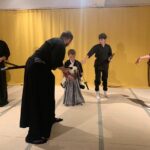
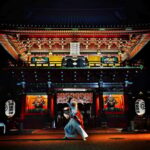
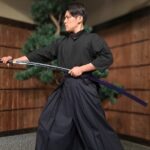
More tours in Tokyo we've reviewed










Samurai & Ninja Experiences, compared.
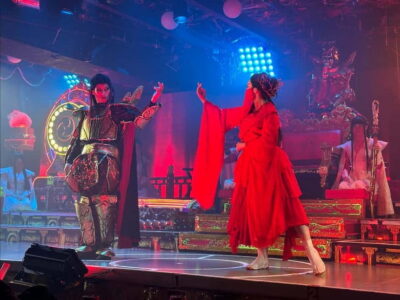 ★ 4.5Tokyo: Samurai Restaurant Show Ticket with 2 DrinksFrom $551h 30m
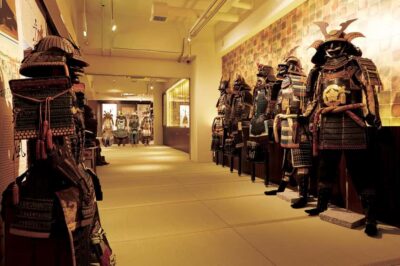 ★ 4.6Tokyo: Samurai Ninja Museum Guided tour and ExperienceFrom $27
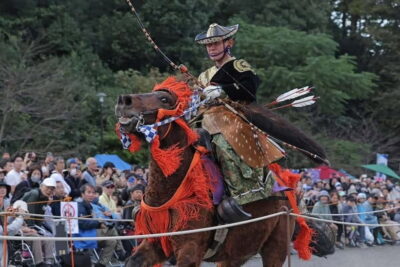 ★ 5.0Tokyo: Samurai Sword & Archery Class from Samurai DescendantFrom $1933 hours
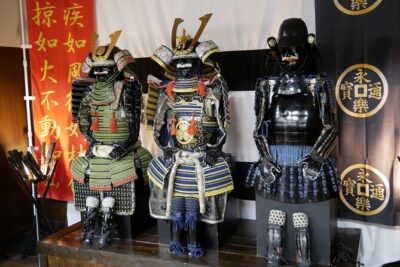 ★ 5.0Best Samurai Experience in TokyoFrom $65
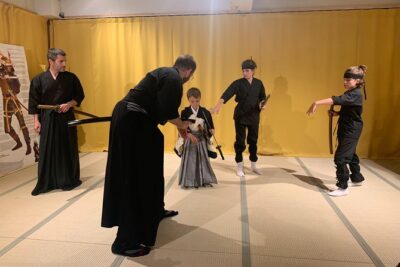 ★ 5.0Ninja Experience (Family Friendly) at Samurai Ninja Museum TOKYOFrom $47
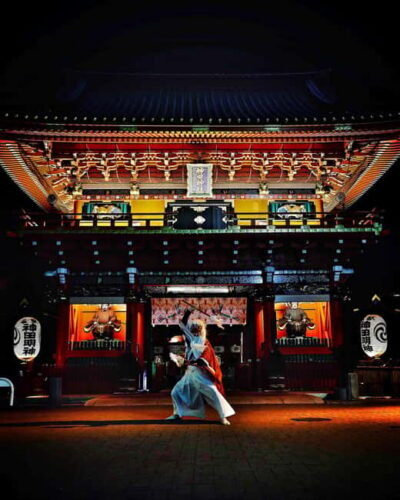 ★ 4.6Tokyo: Samurai Entertainment Night Show in Kanda ShrineFrom $412 - 3 hours