
Reviewed · TOKYO FOOD TOURS
Cook Favorite Japanese Dishes with a Tokyo Mom
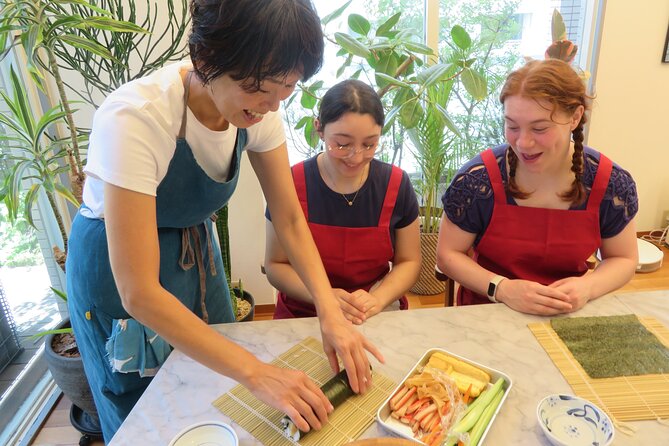
The best part of this Tokyo cooking class is that you learn the food Japanese families actually prepare at home, not just restaurant showpieces. In a cozy kitchen, an English-speaking host named Aki guides you through dashi, sushi or onigiri, miso soup, vegetables, and one main dish.
I especially like the from-scratch dashi, since it teaches a basic Japanese cooking skill you can use long after your trip. I also like the personal teaching style, with pictures, brief food history, and careful attention to both beginners and confident cooks.
The main consideration is the fixed 2.5-hour format. You choose one main dish, not all three, and you must reach the meeting point in Shinjuku on your own. At $120 per person, this suits people who want a personal cultural activity, not simply a cheap meal.
In This Review
- Key points to know before booking
- A Tokyo kitchen instead of a cooking show
- Starting with dashi, the quiet heart of the meal
- Making norimaki or choosing onigiri
- Picking one of three main dishes
- Seasonal vegetables and a bowl of miso soup
- What the teaching style is really like
- Is $120 per person a fair price?
- Meeting in Shinjuku and planning your time
- Who will enjoy this class most
- Should you book Tokyo Mom’s Kitchen?
- FAQ
- How long does the cooking class last?
- Where does the activity begin and end?
- Is transportation included?
- What dishes will I prepare?
- Which main dishes can I choose?
- Can I choose onigiri instead of sushi?
- Is a vegetarian option available?
- What is included in the price?
Key points to know before booking
- Cook with Aki in a private group: Only your party takes part, so the pace and questions can stay personal.
- Make real dashi from scratch: This traditional soup stock gives miso soup and other dishes their depth without additives.
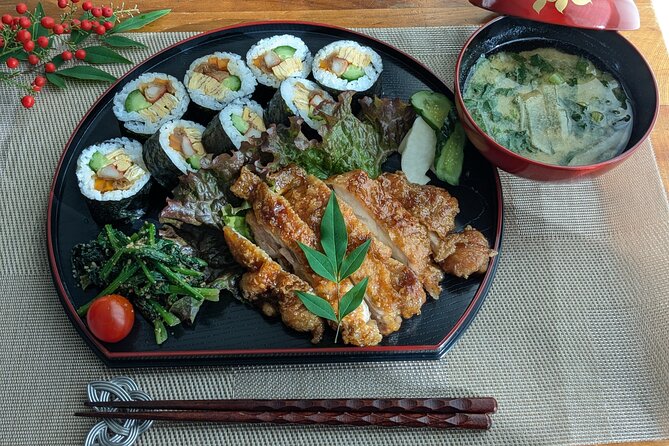
- Choose your main dish: Pick teriyaki chicken, saikyo yaki fish, or pan-fried gyoza.
- Norimaki can become onigiri: You can make a sushi roll or choose the simpler rice ball option.
- Seasonal and vegetarian-friendly: Natural ingredients and seasonal vegetables shape the class, with a vegetarian option available by request.
- Everything needed is supplied: Ingredients, kitchen tools, an apron, and a digital recipe sheet are included.
A Tokyo kitchen instead of a cooking show
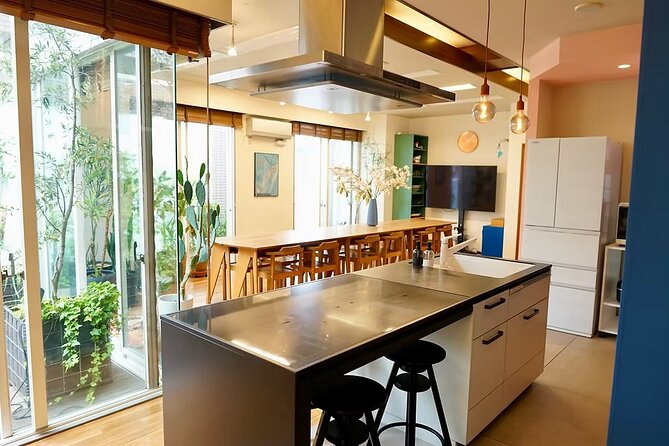
This experience works because it puts you close to the everyday side of Japanese food. You are not watching a chef perform behind a counter. You are preparing a family-style meal with an English-speaking Japanese host who has cooked these dishes for her own household.
That difference matters. Japanese cuisine can look simple on the plate, but small choices make a big difference: the stock, the balance of soy and sweetness, the handling of rice, and the way seasonal vegetables are prepared. A home kitchen gives those details room to breathe.
Aki’s teaching style is one of the strongest reasons to book. She uses pictures and short explanations about the food being prepared, then walks you through each step. I like that combination because it helps a beginner understand what to do without turning the class into a long lecture.
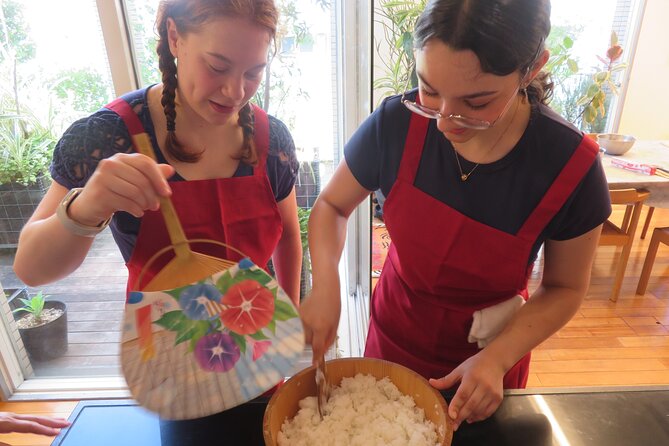
You also get room to work with the food yourself. One of the class highlights is making each item from scratch, rather than receiving a finished dish with a quick demonstration. The preparation feels useful at home, which is a better souvenir than a paper fan or another plastic charm.
A few more Tokyo tours and experiences worth a look
Starting with dashi, the quiet heart of the meal
The class begins with dashi, Japanese soup stock. This may sound less exciting than sushi or gyoza, but it is arguably the most valuable lesson of the day.
Dashi provides the savory base for many Japanese dishes. Here, you make it without additives, learning a technique that can improve soups, sauces, and other home meals. The class description does not specify the exact ingredients or method, so you should expect an introduction to the process rather than assume a particular regional style.
I like this opening because it sets the tone for the rest of the meal. Instead of treating Japanese food as a collection of attractive dishes, the class shows how flavor is built from basic ingredients. You get a practical skill and a better sense of why miso soup can taste so different from one kitchen to another.
If you are already comfortable cooking, dashi may seem familiar, but the value is in seeing how it fits into a Japanese home meal. If you are new to Japanese food, this is a useful place to begin.
Making norimaki or choosing onigiri
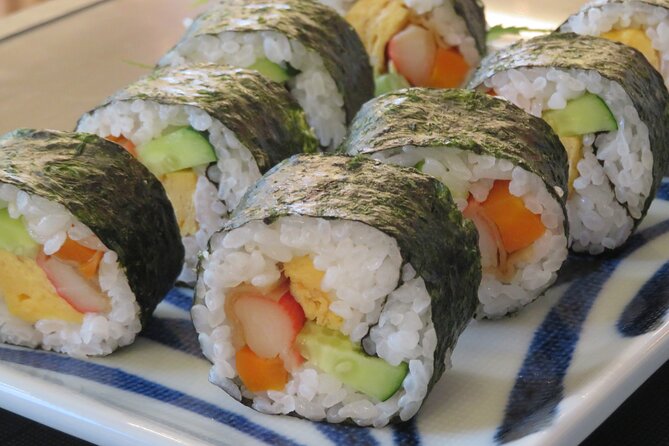
Every menu includes a traditional norimaki, a rolled sushi preparation. You can also request onigiri, the hand-shaped rice ball, instead.
Norimaki gives you practice with rice, fillings, seaweed, and careful shaping. The finished roll is familiar to many people, but making one yourself exposes the small details that are easy to miss when you buy sushi. The class focuses on home cooking, so this is not presented as a lesson in high-end sushi craftsmanship.
Onigiri is the better choice if you want something more casual or less fiddly. It is one of Japan’s classic home foods, and shaping a rice ball can be more approachable than rolling and slicing norimaki. The option also makes the class easier to tailor to your interests.
The available information does not list the exact fillings or seasonings. That is worth keeping in mind if you have a very specific sushi preference. You are choosing between two Japanese rice preparations, not selecting from a large menu of ingredients.
Picking one of three main dishes
The main dish is where you personalize the class. You choose one of three options, each showing a different part of Japanese home cooking.
Teriyaki chicken is the most familiar choice for many people. You prepare tender chicken with a sweet and savory soy-based glaze. It is a good pick if you want a straightforward dish that can become a regular weeknight meal at home.
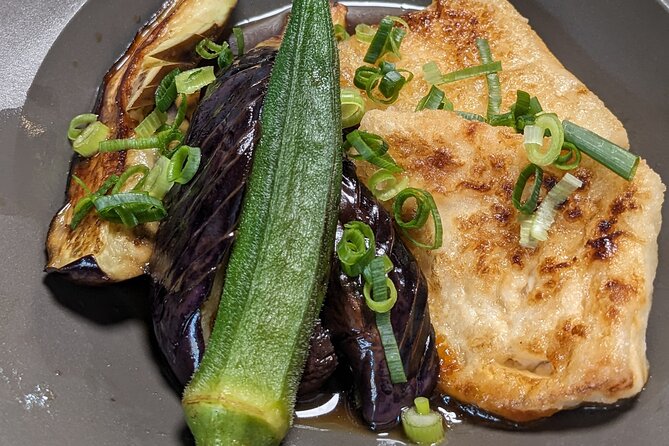
Saikyo yaki uses fish marinated in Saikyo miso, then grilled. It offers a gentler, more delicate flavor than the stronger sauces many people associate with Japanese food. Choose this if you want to learn something less common outside Japan.
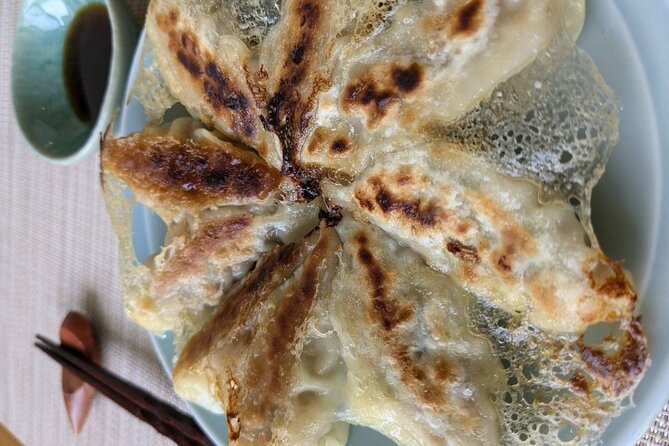
Gyoza gives you a hands-on dumpling lesson. You fill the wrappers with ground pork and vegetables, then pan-fry them. This choice involves more shaping and handling than the other options, so it may be especially satisfying if you enjoy making food with your hands.
You prepare only one of these main dishes. That limit is sensible in a 2.5-hour class, since making all three would turn the session into a rushed survey. Still, check your preference when booking or before the class so the host can plan accordingly.
Seasonal vegetables and a bowl of miso soup
The class also includes a seasonal vegetable dish. Natural ingredients and the time of year guide this part of the menu, though the specific vegetable is not provided in advance.
That uncertainty is part of the home-cooking appeal, but it may matter if you have allergies or firm food preferences. Ask about ingredients ahead of time if you need to avoid something. A vegetarian option is available upon request, but you should make that request before the activity rather than wait until you arrive.
Miso soup completes the meal. Since you begin with homemade dashi, the soup also gives you a chance to taste the stock in its simplest useful form. It is a modest dish, but it ties the menu together and shows how Japanese meals often balance rice, soup, a main item, and smaller vegetable dishes.
I like that the class does not stop with a single headline dish. Sushi alone can make a cooking class feel like a one-trick activity. Adding soup, vegetables, and a main dish gives you a clearer picture of how a Japanese family meal comes together.





What the teaching style is really like
The class is designed for both novices and experienced cooks. Aki explains the process step by step and uses visuals to make the work easier to follow. That is important in a kitchen setting, where a quick movement or unfamiliar ingredient can be hard to catch through spoken English alone.
The feedback from the class points to an engaging, adaptable session. One group prepared sushi, gyoza, and miso soup and found the food excellent. Another praised the well-prepared premium ingredients, pictures, brief food background, and Aki’s ability to teach people with different skill levels.
Those details suggest a class with structure, but not a stiff script. Aki has also adapted a menu to personal tastes, which is useful if you have preferences that fit within the available choices.
You should not expect a large commercial cooking school with several teams working around a demonstration island. This is a private activity for your own group. That usually means more direct help and less time waiting for a turn, though the experience will depend on the size of your party and the pace you bring to the kitchen.
Is $120 per person a fair price?
At $120 per person, this is not the budget way to eat lunch in Tokyo. You can find a bowl of noodles or a set meal for far less. The price makes more sense when you count the private format, the ingredients, the teaching, the apron and equipment, and the recipe PDF you can use later.
You are also paying for access to a personal side of Tokyo that is difficult to find through ordinary sightseeing. A restaurant lets you taste the finished food. This class lets you ask why the food is made that way and then practice the technique yourself.
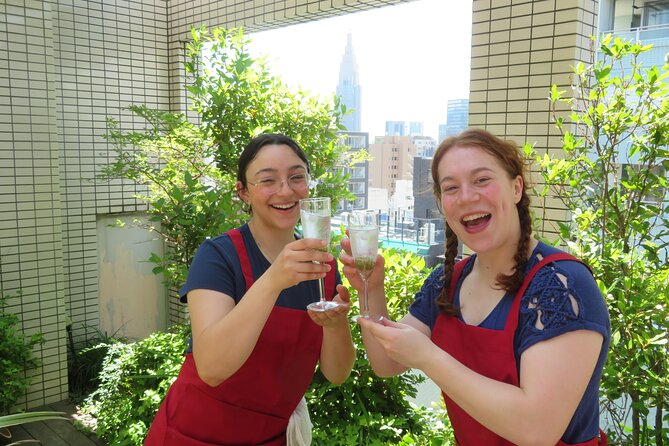
The value is strongest for couples, families, and small groups who want an activity with conversation and participation. It is also a good use of time on a rainy day. One session went ahead during monsoon weather, and the indoor setting kept the focus on cooking rather than sightseeing conditions.
The value is weaker if you only want to eat, or if you have already taken several Japanese cooking classes. You may find the 2.5-hour schedule too short for advanced instruction, especially since you select only one main dish. Think of it as a friendly home-cooking introduction with several useful techniques, not professional culinary training.
Meeting in Shinjuku and planning your time
The meeting point is at アイ・ディール株式会社, 1-chōme-24-7 Shinjuku, Shinjuku City, Tokyo 160-0022, Japan. You need to make your own way there because private transportation is not included.
The activity lasts about two hours and 30 minutes and finishes back at the meeting point. Since the class includes several dishes, dashi preparation, cooking, and eating, give yourself enough time to arrive without rushing. The experience is near public transportation, but the supplied information does not name a particular station or provide a station-to-door walking route.
Mobile ticketing makes the booking simple. Confirmation normally arrives when you book, although reservations made within two days of the activity may require up to 48 hours for confirmation and remain subject to availability.
You can cancel for a full refund if you do so at least 24 hours before the local start time. Changes made inside that period are not accepted, so make your menu choice and schedule carefully.
Who will enjoy this class most
I would recommend this class to you if you want to understand Japanese food through daily habits rather than restaurant presentation. It suits first-time cooks because Aki explains each step, and it also gives experienced cooks enough practical detail to stay interested.
Families may like the choice between norimaki and onigiri, while food-focused adults may prefer saikyo yaki or dashi. Gyoza is a natural choice if you enjoy shaping and pan-frying. Couples and small private groups will benefit from the personal format.
Vegetarians can request an option, but you should contact the provider in advance. Anyone with allergies should also ask about the planned ingredients, since the seasonal vegetable and exact dish components are not listed.
This is less suitable if you want a broad menu, a professional kitchen, or a class focused only on sushi. It is also not the right pick if you need hotel pickup or a guided transfer. You come directly to the Shinjuku meeting point and return there when the meal is finished.
Should you book Tokyo Mom’s Kitchen?
Book it if you want a warm, personal introduction to Japanese home cooking and you value learning techniques you can repeat at home. The homemade dashi, seasonal vegetable dish, choice of main course, and Aki’s patient instruction give the class more substance than a quick sushi-making demonstration.
The strongest reason to choose it is the private, home-style setting. You get to cook, ask questions, and build a complete meal rather than watch someone else do all the work. At $120, the price is fair for that personal attention, provided you see the class as a cultural activity as well as a meal.
Skip it if your main goal is a low-cost lunch, a large selection of dishes, or advanced chef training. For everyone else, especially first-time visitors who want a taste of ordinary Tokyo life, this is a practical and memorable way to spend an afternoon.
FAQ
How long does the cooking class last?
The class lasts approximately two hours and 30 minutes.
Where does the activity begin and end?
It begins at アイ・ディール株式会社, 1-chōme-24-7 Shinjuku, Shinjuku City, Tokyo 160-0022, Japan, and ends back at the same meeting point.
Is transportation included?
No. You must travel directly to the venue, and private transportation is not included.
What dishes will I prepare?
All menus include norimaki or onigiri, one selected main dish, a seasonal vegetable dish, and miso soup. You also make dashi from scratch.
Which main dishes can I choose?
You can choose teriyaki chicken, saikyo yaki, or gyoza.
Can I choose onigiri instead of sushi?
Yes. The norimaki can be substituted with an onigiri rice ball.
Is a vegetarian option available?
Yes. A vegetarian option is available upon request.
What is included in the price?
The price includes all cooking ingredients, use of kitchen tools, an apron rental, a digital recipe sheet in PDF format, and an English-speaking Japanese host.
More Tokyo Food Tours in Tokyo

More tours in Tokyo we've reviewed







Tokyo Food Tours, compared.
 ★ 5.0Tokyo: Shinjuku Food Tour (13 Dishes at 4 Local Eateries)From $86
 ★ 4.9Tokyo: Shinjuku Food Tour (15 Dishes and 4 Eateries)From $853 hours
 ★ 5.0Best of Shinjuku: Izakaya Food Tour (4 Stops, 14+ Tastings)From $92
 ★ 5.0Tokyo Night Foodie Tour in Shinjuku – Seasonal Sushi, Wagyu BeefFrom $111
 ★ 5.0Eat and Drink Like a Local: Tokyo Ueno Food Tour-Taverns&RamenFrom $95
 ★ 5.0Tokyo: Shibuya Food Tour (13 dishes and 4 Eateries)From $77