
Reviewed · TOKYO
Tokyo:Celebrate Unique Japanese New Year Tradition Festivity
Tokyo’s Oji Fox Parade turns New Year’s Eve into an old Japanese folktale. More than 200 people in fox masks and kimono carry glowing lanterns toward Oji Inari Shrine, recalling the foxes said to gather here under the night sky.
I like the reserved viewing area, which takes the guesswork out of finding a good spot in a packed crowd. I also like the chance to visit Oji’s shrines and hear about Japanese New Year customs instead of spending midnight in a standard city countdown. The main caution is organization: parts of the evening may feel improvised, and the guide’s explanations can be brief.
In This Review
- Key points to know
- A fox legend comes to life in Oji
- Meeting at JR Oji Station
- The optional izakaya stop and what you get for the price
- Otonashi Water Park in the winter dark
- Oji Shrine and the meaning of New Year
- Reserved viewing for the midnight procession
- What the guide service adds, and where it falls short
- Choosing two hours or three
- Who will enjoy this New Year’s Eve activity
- Should you book the Oji Fox Parade tour?
- FAQ
- Where does the tour meet?
- Can I reach the meeting point by Tokyo Metro?
- How long does the activity last?
- What is included in the shorter option?
- What is included in the longer option?
- What languages are available?
- What should I bring?
- Is the activity suitable for children or wheelchair users?
Key points to know
- Foxfire lanterns: See more than 200 participants carrying lights that represent the mysterious kitsunebi, or foxfire.
- Reserved parade viewing: A permitted viewing zone gives you a clear look at the procession without fighting for space.
- Oji’s shrine district: Visit Oji Shrine and Oji Inari Shrine while learning about local folklore and New Year rituals.
- Two tour formats: Choose a two-hour procession and shrine visit, or add an hour at a local izakaya with snacks and one drink.
- Midnight atmosphere: Expect a lantern-lit gathering and countdown rather than a large downtown fireworks show.
- Important limitations: The activity is not suitable for children under 12, wheelchair users, or people with back, heart, or serious medical conditions.
A fox legend comes to life in Oji
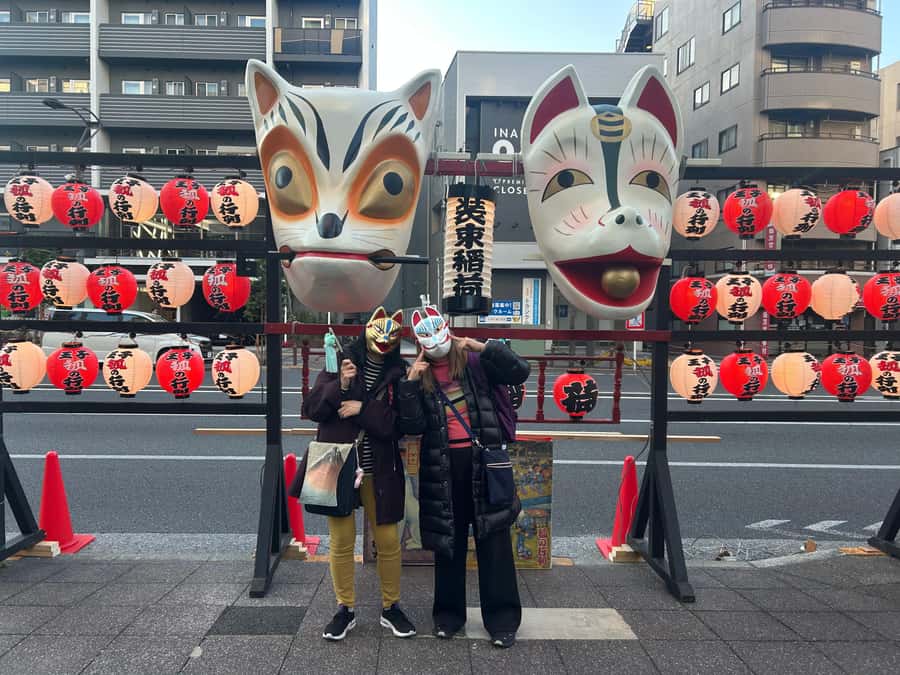
The Oji Fox Parade is based on a famous ukiyo-e woodblock print showing foxes gathering near Oji Inari Shrine on New Year’s Eve. The modern event gives that story a physical form. People dress in fox masks and kimono, carry lanterns, and make their way through Oji as the year changes.
This is not a conventional sightseeing walk. The appeal lies in seeing a local festival with strong ties to Japanese folklore, then watching the city take on a strange, quiet glow. The lanterns are the key detail. In Japanese tradition, foxfire refers to mysterious lights associated with fox spirits. Here, the lights are part of the procession’s visual drama.
You should not expect a polished stage show with constant announcements. This is a public New Year’s gathering, and the evening depends on crowd movement, timing, and the atmosphere around the shrines. The tour gives you a place in the action, but your enjoyment will depend partly on your interest in ritual and street-level local culture.
If you're still narrowing it down, here are other tours in Tokyo we've reviewed.

Meeting at JR Oji Station

The tour begins at the north entrance of JR Oji Station on the Keihin-Tohoku Line. If you arrive by Tokyo Metro, use Oji Station on the Namboku Line, take Exit 3, and walk to the ground-level north entrance of the JR station.
The guide identifies the group with a fox mask. That is a useful detail at a busy station on New Year’s Eve, when the meeting area may be crowded and noisy. Arrive ready to walk, rather than expecting a vehicle-based tour. The route includes a bar, a park, shrines, and a parade viewing point.
English and Chinese guiding are available. The experience is aimed at visitors who want some cultural background, but you should keep expectations measured. The guide may explain the shrines and customs well, yet the evening can also move quickly from one place to another. One practical concern is that the guide may not give much running commentary during every stage of the night.
The optional izakaya stop and what you get for the price
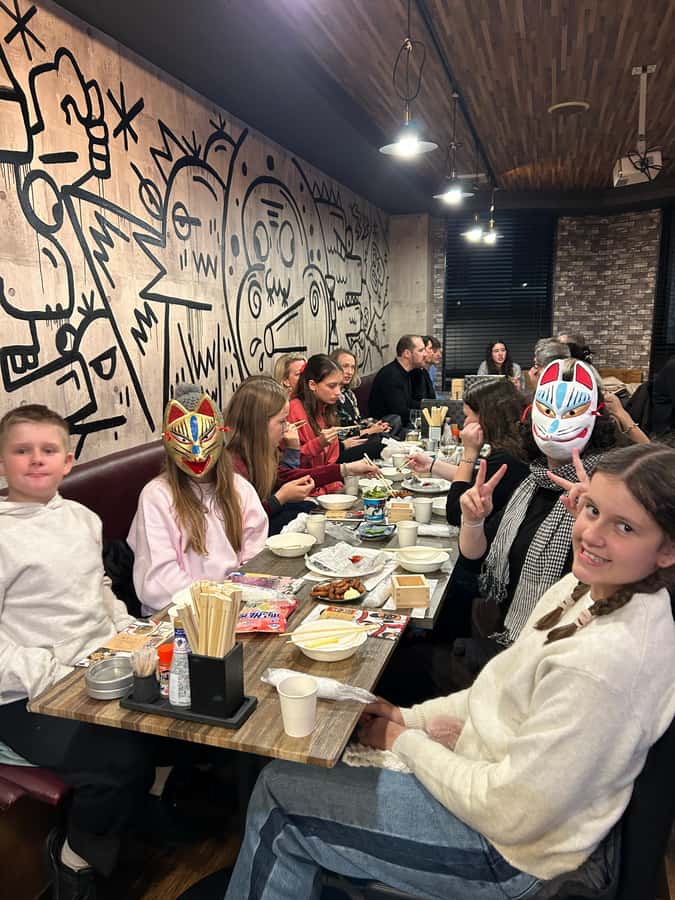
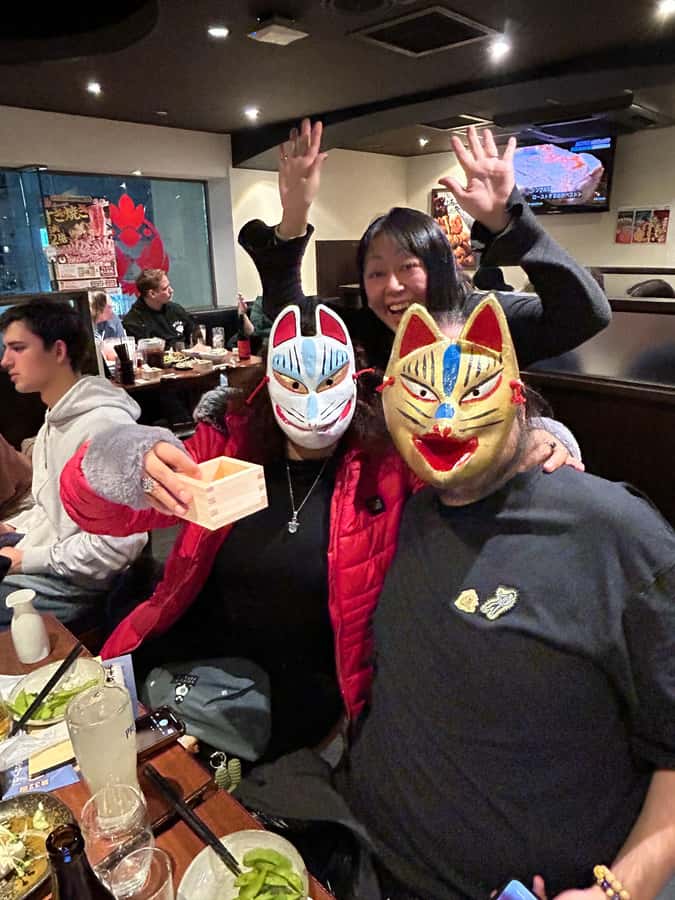
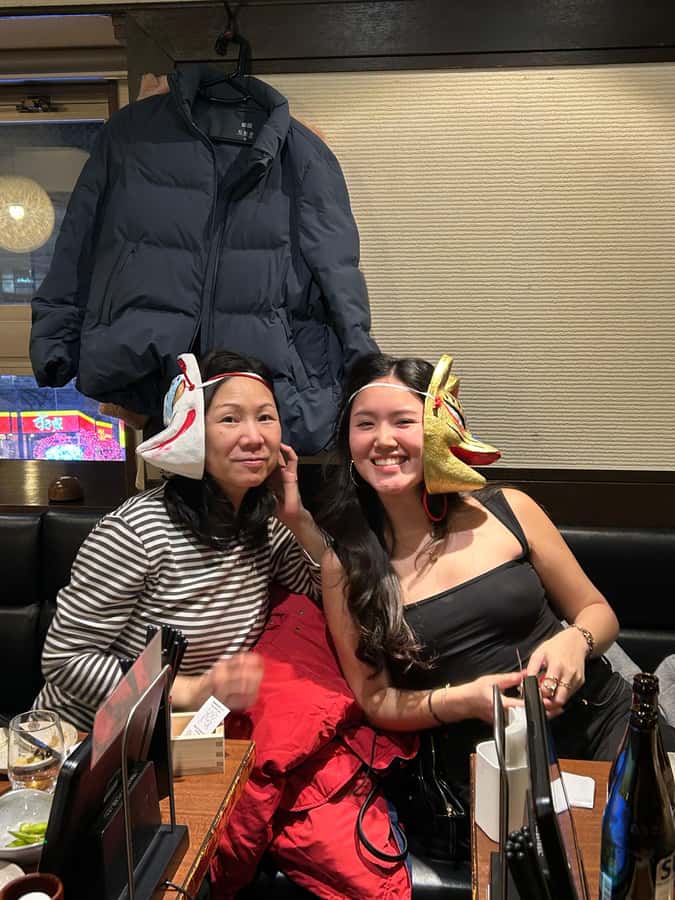
The longer version begins with about an hour at a local bar or izakaya. It includes snacks and one drink, with beer, wine, or another local drink listed among the choices. This is a sensible way to begin a cold winter night. You can warm up, eat something, and meet the people in your group before heading outside.
The food is described as plentiful, and the hosts at the restaurant are friendly. The meal is casual rather than a formal Japanese tasting menu. You may receive several local snacks, but explanations of each dish are not guaranteed. If you want a detailed food lesson, this may feel limited. If you mainly want a warm seat, a drink, and enough food before midnight, it serves that purpose.
The shorter option lasts two hours and includes the fox procession viewing and shrine visit, but not the bar, snacks, or drink. The listed prices are JPY 10,000 for the shorter version and JPY 15,000 for the longer version. The headline price is also shown as $64 per person, so check the exact option and final amount when booking. The difference matters: the longer version adds roughly an hour of food and social time, not a different parade route.
For value, the reserved viewing area is the main reason to pay for this activity. You could visit Oji on your own, find a restaurant, and try to watch the parade independently. The tour’s practical service is putting those pieces together and securing a permitted viewing position. If you are comfortable handling a crowded Japanese festival alone, the shorter option may seem expensive. If a clear view is important and you do not want to work out the logistics at midnight, the cost is easier to justify.
Otonashi Water Park in the winter dark
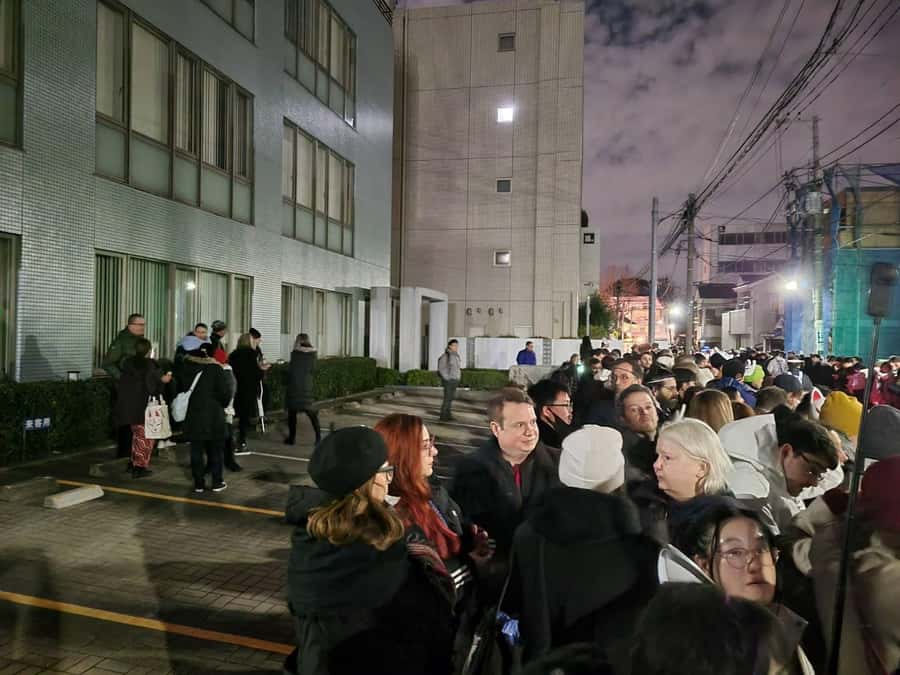
After the izakaya, the group visits Otonashi Water Park for about 15 minutes. Do not picture a long park stroll or a major attraction. This is a short stop within the Oji area, giving you a chance to see one of the local places connected with the route before the main shrine visit.
The brief timing tells you what to expect. You will not have much time for a relaxed walk or detailed independent exploration. Wear shoes that are comfortable on pavement and keep your hands free for your camera and warm clothing. The stop adds local setting to the evening, but the fox parade remains the central reason to book.
Oji Shrine and the meaning of New Year
The shrine visit lasts about 45 minutes. This is where the cultural side of the outing has the most value. Japanese New Year is closely tied to shrine visits, prayers, good-luck customs, and the start of a new cycle. A local guide can help you understand why shrines become such important places at this time of year.
Oji Shrine and Oji Inari Shrine are not simply backdrops for the parade. They give the evening its religious and folkloric setting. The fox is an important figure in Inari traditions, often connected with Inari, the deity associated with rice, agriculture, prosperity, and business. The exact interpretation of fox figures varies by setting, but the connection helps explain why the procession belongs in Oji.
You should listen for information about the difference between shrine customs and the parade’s theatrical side. The event is visually playful, with masks and costumes, but it also draws on older beliefs. That mix is what makes the night more interesting than a costume parade alone.
The guide’s role matters here. If you receive clear explanations, the shrine visit can turn a striking scene into a meaningful one. If commentary is sparse, you may mainly get directions and time at the site. Before the group moves on, ask direct questions about the shrine, fox symbolism, and New Year practices. That is the best way to get more from the cultural part of the tour.




Reserved viewing for the midnight procession
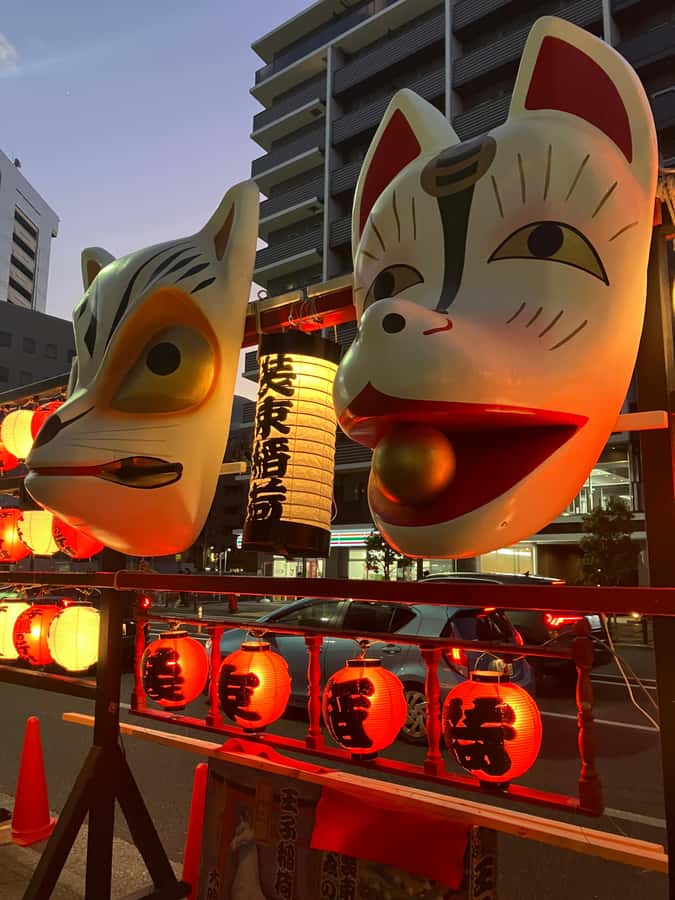
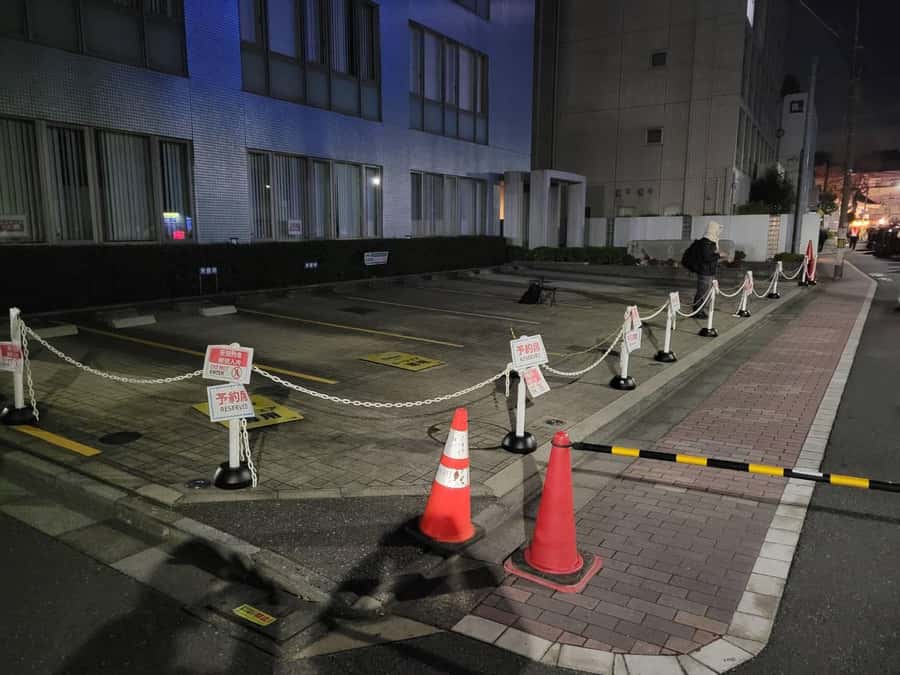
The parade viewing point is the strongest practical feature. The tour includes access to a government-permitted reserved zone, described as a crowd-free area with a front-row view. That can be a major advantage at midnight, when Oji’s streets and public viewing spots are likely to fill.
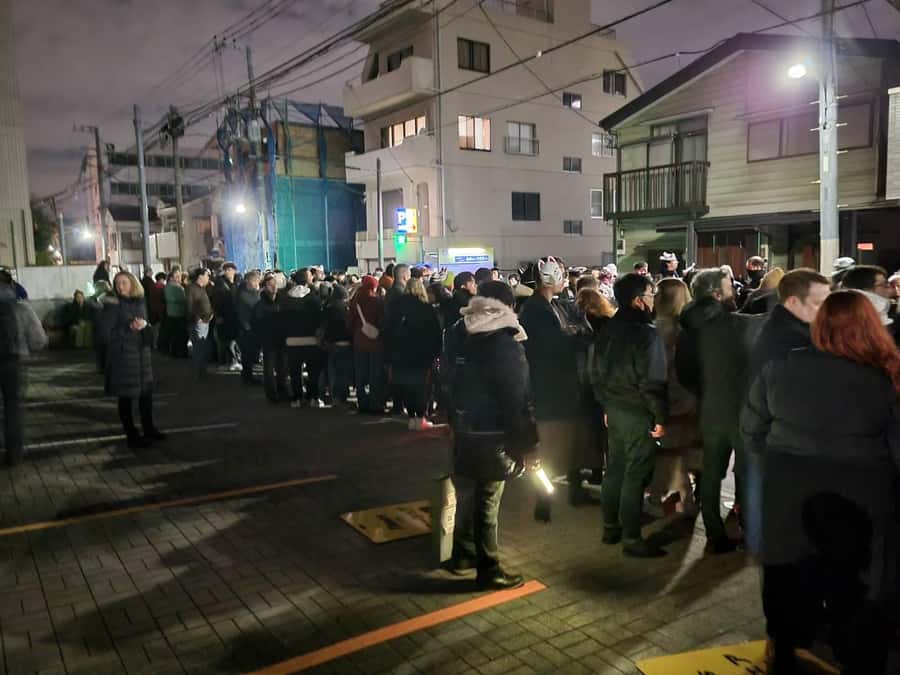
The group may wait at the viewing area for around 20 minutes before the countdown. This pause is part of the experience, but it can feel long if you do not know what is happening. Bring a warm layer, gloves, and patience. The activity is outdoors, and winter in Tokyo can feel colder when you are standing still.
When the procession begins, look for the details rather than expecting nonstop movement. More than 200 participants may appear in traditional clothing and fox masks, carrying glowing lanterns. The lights represent foxfire, creating an eerie effect against the dark streets. This is a good moment for photographs, but flash photography is not allowed. Use your camera’s low-light setting and be considerate of people around you.
The reserved position helps you see the parade, but it does not turn the event into a private performance. Other people will be nearby, and the festival itself remains a public celebration. You may get excellent sightlines while still hearing the general crowd and moving with the schedule set by the event.
What the guide service adds, and where it falls short
A guide is most useful before and between the major moments. You need help understanding why the fox procession exists, how it relates to Oji Inari Shrine, and what the lanterns represent. The guide can also keep the group together and lead you through the evening’s sequence.
The service is less convincing if the guide only escorts you from the station to the restaurant, then from the restaurant to the waiting area. That has happened on this experience, with limited introductions, little explanation of the food, and no clear briefing about the next step. The reserved seats still delivered a good view, but the cultural value was reduced when the group was not told what was happening.
You can improve the evening by asking questions early. Ask what you will see at Otonashi Water Park, what to look for at Oji Shrine, and when the group will leave the restaurant. Do not assume that every transition will be announced in detail. A little initiative will help you get the context you came for.
This is also why the experience has a mixed value proposition. The parade viewing and reserved position are tangible benefits. The guiding can be less consistent. You are paying for access and coordination as much as for interpretation.
Choosing two hours or three
The two-hour version suits you if the procession and shrine are your priorities. It is the cleaner choice for anyone who already has dinner plans, wants less standing around, or prefers to keep the evening short. You still receive the central elements: the parade viewing and shrine visit.
The three-hour option is better if you want a complete evening with a drink and snacks before midnight. The izakaya gives you a warm starting point and adds a social element that the shorter route lacks. It also gives you food before the outdoor waiting period.
I would choose the longer version if this is your main New Year’s Eve plan and you enjoy casual Japanese dining. I would choose the shorter version if you are sensitive to price or want to control your own dinner. Neither option removes the need for warm clothing or comfortable shoes.
Who will enjoy this New Year’s Eve activity

This outing is a good match for adults and older teenagers who like folklore, shrine visits, unusual festivals, and nighttime photography. It works especially well for you if the idea of a small local tradition appeals more than a giant countdown in central Tokyo.
The activity is not suitable for children under 12. It is also not suitable for wheelchair users, and it is not recommended for people with back problems, pregnancy, heart problems, or other serious medical conditions. The route includes walking and outdoor standing, so take those warnings seriously.
Bring a camera, but remember that flash photography is prohibited. Wear warm clothing and comfortable shoes. Smoking is not allowed, and alcohol is limited to the included drink at the bar. Alcoholic drinks are not allowed in a vehicle, although the listed route itself is built around walking and local stops.
The free cancellation policy allows cancellation up to 24 hours before the activity for a full refund. You can also reserve now and pay later, which is helpful when your New Year’s schedule is still changing.
Should you book the Oji Fox Parade tour?
Book it if you want a rare New Year’s Eve scene, value a reserved view, and are happy with a public festival rather than a polished entertainment show. The glowing fox masks, shrine setting, and lantern procession make this far more distinctive than a routine countdown.
Think twice if you mainly want a guide-led cultural lecture or precise event management. The evening may include long waits, quick transitions, and limited explanations. You can also recreate much of the plan yourself by going to Oji, eating locally, and finding a public viewing place, though you may lose the convenience of the reserved area.
My practical choice would be the two-hour version for value, unless the izakaya stop is an important part of your New Year’s Eve. Pay for the longer option when you want the meal and drink, not because it promises a better view of the parade. The best reason to book either option is simple: it gives you a prepared place to watch one of Tokyo’s most unusual midnight traditions.
FAQ
Where does the tour meet?
Meet at the north entrance of JR Oji Station on the Keihin-Tohoku Line. The guide will show a fox mask so you can identify the group.
Can I reach the meeting point by Tokyo Metro?
Yes. Take the Namboku Line to Oji Station, use Exit 3, and walk to the north entrance of JR Oji Station at ground level.
How long does the activity last?
There are two options. The shrine and procession option lasts about two hours. The option with the local bar, snacks, and one drink lasts about three hours.
What is included in the shorter option?
The shorter option includes viewing the Tokyo Fox Procession and visiting the shrine. Snacks and a drink are not included.
What is included in the longer option?
The longer option includes the fox procession viewing, shrine visit, snacks, and one drink at a local bar. Beer and wine are listed among the drink choices.
What languages are available?
Live guiding is available in English and Chinese.
What should I bring?
Bring comfortable shoes, warm clothing, and a camera. Flash photography is not allowed.
Is the activity suitable for children or wheelchair users?
The activity is not suitable for children under 12 or wheelchair users. It is also not recommended for people with back problems, pregnant people, heart problems, or other serious medical conditions.
More tours in Tokyo we've reviewed





Tokyo, compared.
 ★ 5.0Mt Fuji and Hakone 1-Day Bus Tour Return by Bullet TrainFrom $163
 ★ 5.01-Day Tokyo Bus TourFrom $129
 ★ 4.6Tokyo: teamLab Planets TOKYO Digital Art Museum Entry TicketFrom $251 day
 ★ 4.0Mt Fuji & Hakone Cruise, Drum Show Bullet Train 1 Day from TokyoFrom $149
 ★ 5.0Tokyo: Shinjuku Food Tour (13 Dishes at 4 Local Eateries)From $86
 ★ 4.4Tokyo Mt Fuji 5th St & Hakone Cruise Bus Tour w/Bullet TrainFrom $15410 hours