
Reviewed · MT FUJI DAY TRIPS
Tokyo: Mt. Fuji Hidden Gems and Aokigahara Forest Tour
Mt. Fuji is more than a viewpoint and a quick photo stop. This private day trip takes you into the mountain’s volcanic past, with lava caves, quiet lakes, and Aokigahara’s dark green forest in one long outing. I like the freedom of a private car and the chance to linger at places that big buses often skip.
I also like the variety. You get flower-framed Lake Kawaguchi, peaceful Lake Saiko, a beach on Lake Motosuko, two very different caves, and time among the trees. The catch is simple: Tokyo is a long way from Mt. Fuji, so traffic can cut into the sightseeing, and the caves are not suitable for anyone who dislikes tight spaces.
In This Review
- Key points to know before booking
- Why this Mt. Fuji day trip feels different
- Oishi Park and the first Fuji view
- Saiko Nenba-hama and a quieter lakeside pause
- Tatego-Hama Beach on Lake Motosuko
- Narusawa Ice Cave and the underground Fuji
- Fugaku Wind Cave and its practical volcanic past
- Aokigahara Forest beyond its grim nickname
- How much time do you really get?
- The driver, car, and private-group value
- Is $577 good value for five people?
- What to bring and how to prepare
- Should you book this Mt. Fuji tour?
- FAQ
- Is hotel pickup and drop-off included?
- Are entrance tickets included?
- Is food included?
- Is the tour suitable for people with claustrophobia?
- Can the tour be changed or shortened?
- What happens if the weather is poor?
Key points to know before booking
- Private car for up to five people: The $577 group price works out to $115.40 per person when five people share it.
- Two volcanic caves: Narusawa Ice Cave is cold, narrow, and formed by eruptions from Mt. Fuji. Fugaku Wind Cave offers a different look at the same volcanic setting.
- Aokigahara requires a respectful approach: The forest has a painful reputation, but it is also a quiet natural area with marked walking routes and an unusual ecosystem.
- The driver shapes the day: English-speaking drivers such as Saki, Amane, Zeeshan, and Soma have been assigned to this route, though your driver will vary.
- Tickets and food cost extra: Bring cash, snacks, water, and warm clothing. The cave interiors can feel cold even when Tokyo is mild.
- The schedule is weather and traffic dependent: The planned duration is 10 hours, but a Tokyo pickup can mean closer to eight hours of actual touring on a difficult traffic day.
Why this Mt. Fuji day trip feels different
Most Mt. Fuji outings from Tokyo focus on one famous view. This one spreads its attention across the mountain’s volcanic setting. You are not simply looking at Fuji from a distance. You are walking through rock formed by its eruptions, visiting lakes shaped by the same forces, and entering a forest growing over old lava flows.
That makes the day appealing to you if scenery alone is not enough. The route has a story: water, flowers, lava, wind, forest, and the ever-present hope of seeing the mountain itself.
The private format matters. You can adjust the pace, ask for bathroom stops, play your own music in the car, and decide how long to stay at a viewpoint. One driver, Saki, was described as offering clear explanations at each stop, while Amane was praised for flexibility and for helping arrange nearby additions. English ability and guiding style can vary, so think of this primarily as private transport with local assistance, not a formal walking tour led by a specialist guide.
The vehicle is air-conditioned, spacious, and intended for 10 hours of use. For a group of four or five, that is a more comfortable setup than joining a packed coach. For one or two people, the price is much harder to justify unless you place a high value on privacy and a custom pace.
A few more Fujikawaguchiko tours and experiences worth a look
Oishi Park and the first Fuji view
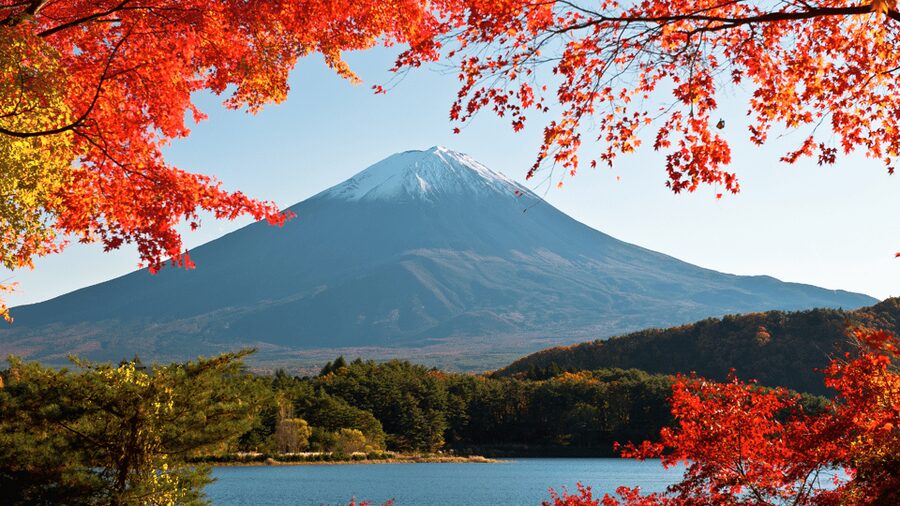
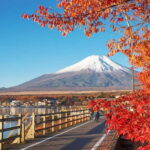
Oishi Park sits along Lake Kawaguchi and is usually the first major stop. The appeal is visual and straightforward: seasonal flowers in the foreground, the lake beyond, and Mt. Fuji rising behind it when the weather cooperates.
Flower displays change with the season, so the exact color and appearance will depend on your visit. This is a good place to take your first photographs and get a sense of the scale of the Fuji area without rushing straight into a cave.
Keep your expectations realistic. Mt. Fuji often hides behind cloud, especially later in the day or during unsettled weather. One day on this route produced plenty of enjoyable stops but no clear view of the mountain. That is not a failure of the park, but you should treat Fuji sightings as weather dependent rather than guaranteed.
You get about an hour here for a walk and photographs. I would use it to enjoy the lake as much as the volcano. The water, flower beds, and open views give this stop a gentler beginning than the darker forest and underground passages later in the day.
Saiko Nenba-hama and a quieter lakeside pause
Saiko Nenba-hama offers a calmer stop by Lake Saiko. Compared with Lake Kawaguchi, the setting feels less focused on a single famous photo point. You can walk, look across the water, and use the hour as a natural break from the car.
This is also the planned place for lunch. Food and drinks are not included, so bring snacks or be ready to pay separately. A useful detail from the day’s arrangements is the possibility of eating at HachiFuji, where the food and tea received especially warm praise. That stop is not guaranteed as part of every outing, so ask your driver about lunch plans early.
The lakes here are not interchangeable. Kawaguchi gives you the classic Fuji-and-flowers composition. Saiko feels more subdued and spacious. If the mountain is hidden, the lakes still give the day visual variety rather than leaving you with a series of empty viewpoints.
Tatego-Hama Beach on Lake Motosuko
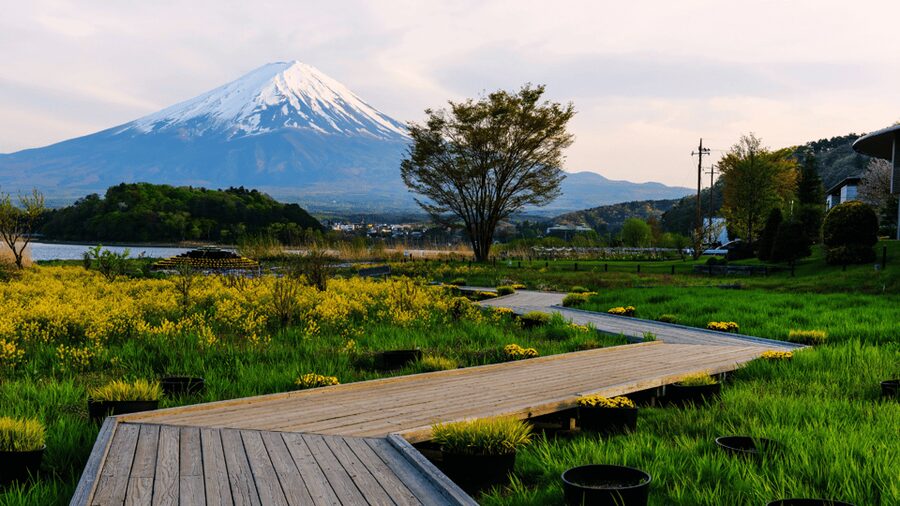
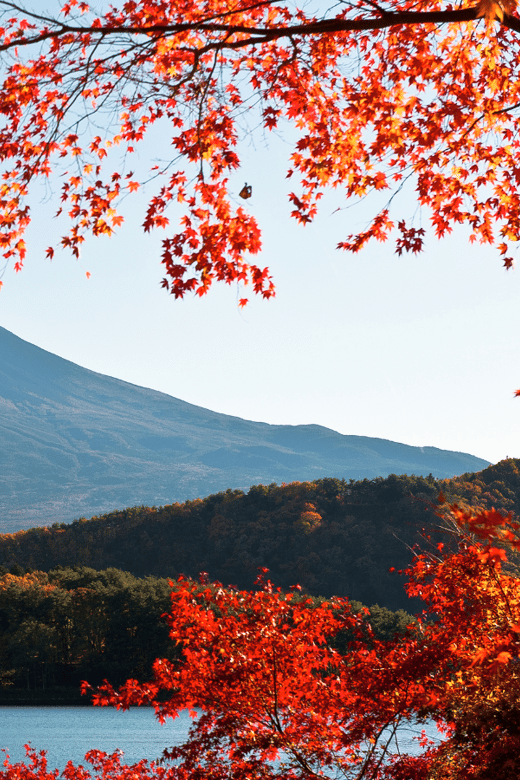
Tatego-Hama Beach is one of the most peaceful parts of the route. It sits by Lake Motosuko, known for clear water and fine views toward Mt. Fuji when visibility is good. The setting is less about facilities and more about standing near the water, breathing fresh air, and taking a slower walk.
You have about an hour here. That is generous for a simple lakeside stop, but it helps balance the caves, which involve more physical effort. You may want to use the time for photographs, a quiet snack, or simply a pause away from the car.
The main limitation is weather. The famous Fuji view can disappear completely, as it did on one outing. Even then, the beach and lake remain worthwhile, especially if your aim is a calmer day outside the city rather than a guaranteed postcard image.
Wear shoes with a firm sole. The general advice for this trip is comfortable footwear, and that matters more once the route reaches the caves and forest paths.
Narusawa Ice Cave and the underground Fuji
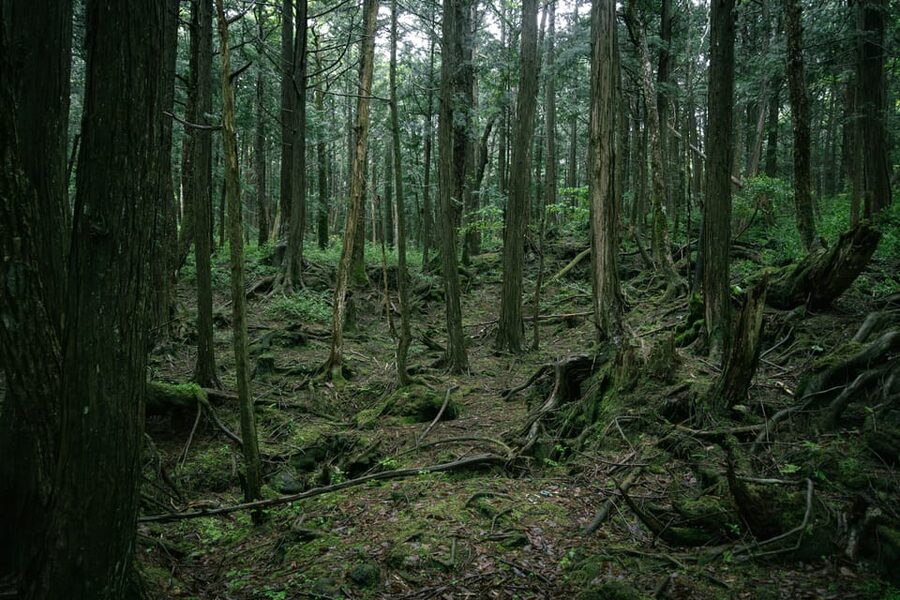
The Narusawa Ice Cave is formed in lava from Mt. Fuji’s eruptions. Inside, you encounter a narrow, cool passage rather than a polished attraction designed for easy access. The cave’s name comes from the ice that can form underground, but seasonal conditions matter.
The most important practical point is timing. Ice pillars may only be visible from February through June, and the cave can close temporarily. It was closed for a week during one December visit, which meant the stop could not be replaced or compensated. Check current operating conditions before setting out, and ask the operator to confirm the cave is open.
This is not a suitable stop for people with claustrophobia. Some sections may require crouching or crawling, which can be awkward for taller or larger visitors. It is also not suitable for wheelchair users.
The cave is best understood as a short geological experience, not a grand underground chamber. Its value comes from seeing how volcanic activity shaped the region at close range. If you enjoy natural oddities and do not mind confined spaces, it can be one of the most memorable stops of the day.
Bring a warm layer even in summer. Underground temperatures can feel sharp after time beside the lakes.
Fugaku Wind Cave and its practical volcanic past
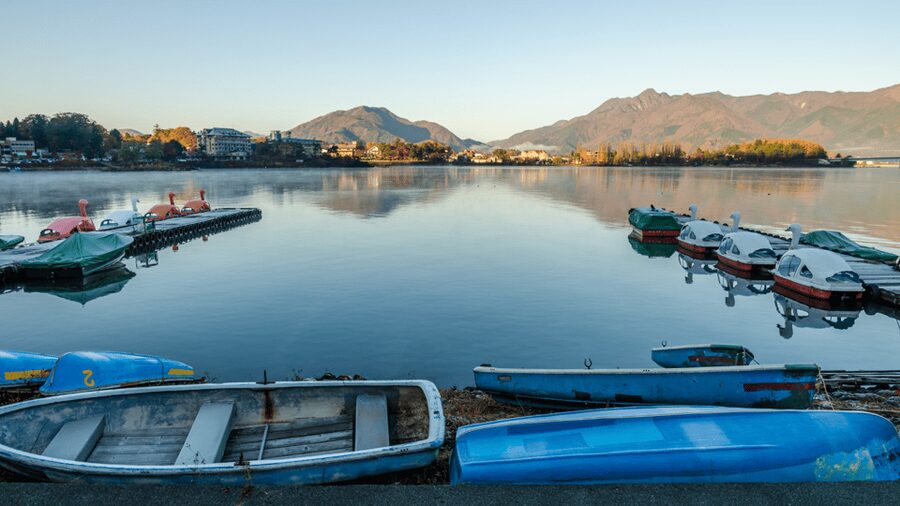
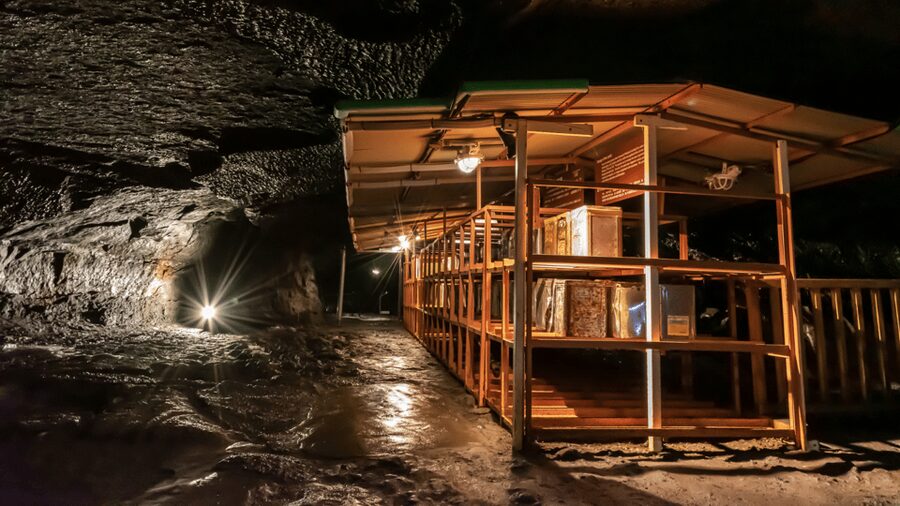
Fugaku Wind Cave gives you a different experience from Narusawa. Rather than focusing only on ice, it shows how a lava tunnel can hold a stable, cool environment. The cave was once used to store silkworm eggs, taking advantage of its natural conditions.
That small detail gives the cave a human purpose. You are not only seeing a geological formation. You are also seeing how people used the mountain’s volcanic features in everyday work.
The cave is geologically important, but the visit still involves uneven ground and confined sections. Taller visitors may need to bend or move carefully. The route between the wind cave and ice cave can include a pleasant walk through the forest, so you may spend more time outdoors than the cave names suggest.
The order of the caves may vary. Confirm which one you are visiting first, particularly if one has limited seasonal access. If Narusawa is closed, Fugaku can still provide a worthwhile volcanic stop, but it does not fully replace the ice cave experience.
Aokigahara Forest beyond its grim nickname
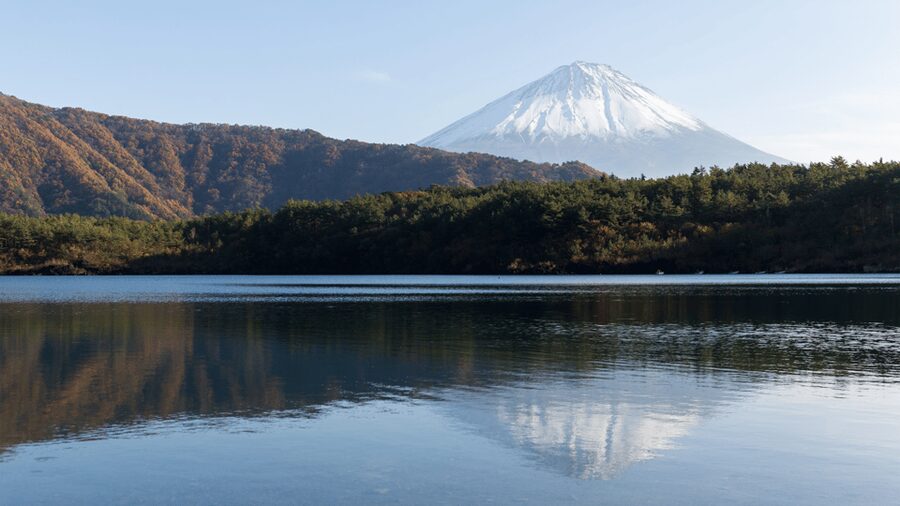
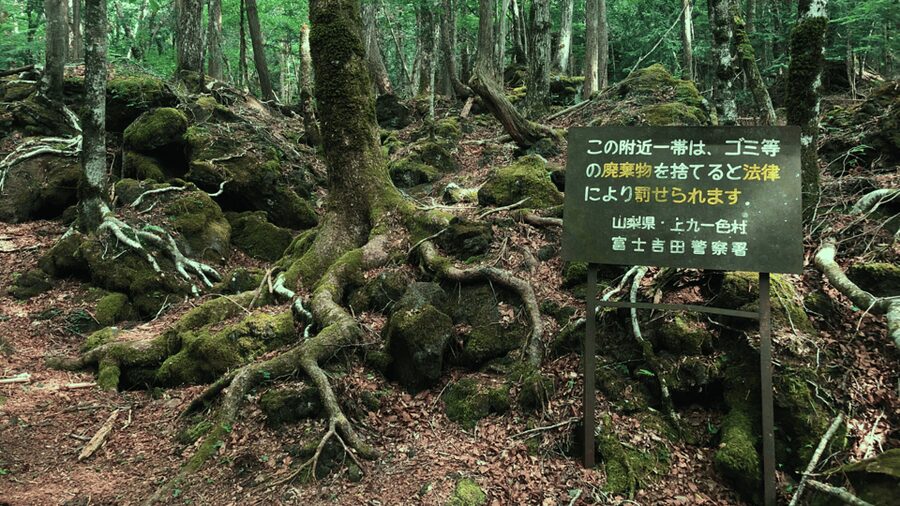
Aokigahara is often called the Suicide Forest, a name tied to real and painful events. It deserves a respectful tone, not spooky entertainment. The forest is also a quiet natural area with trails, dense growth, volcanic ground, and a strong sense of separation from Tokyo.
The planned visit lasts about 90 minutes, making it the longest walking stop. That gives you time to move slowly, look at the unusual plant life, and notice how the forest changes the mood of the day. The trees grow over old volcanic terrain, creating a setting that can feel dark and hushed even in daylight.
I would follow the marked paths and avoid treating the forest as a place for dramatic stunts or careless photographs. Your driver can help with orientation, but do not expect a full naturalist lecture. Some information signs in the Fuji area are only in Japanese, so a translation app can help if you want to read every panel.
Aokigahara is the part of the tour most likely to divide opinion. If you want light entertainment and constant photo opportunities, it may feel too solemn. If you value quiet places and want to understand a less polished side of Mt. Fuji, it adds depth to the day.
How much time do you really get?
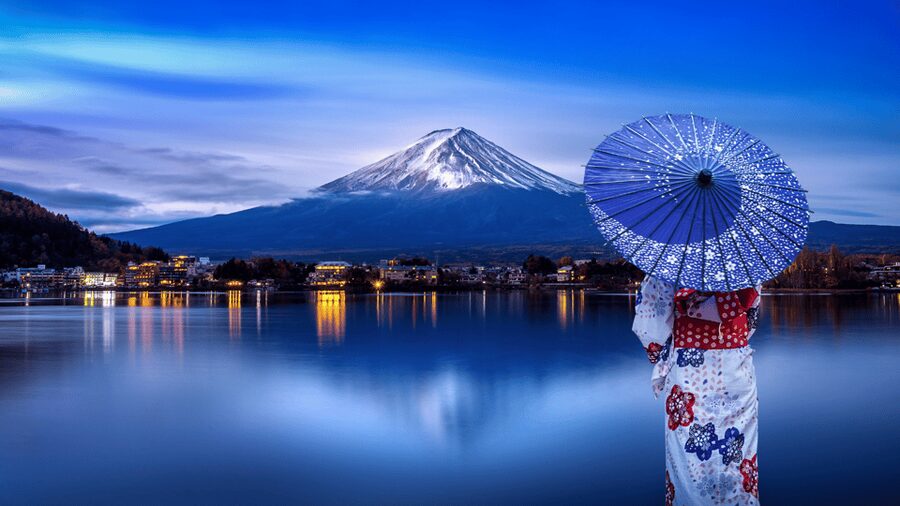
The advertised duration is 10 hours for Tokyo pickup and drop-off. The listed stops account for about six and a half hours of visits and walks, leaving time for driving, lunch, traffic, and transfers.
That sounds reasonable on paper. Tokyo traffic can change the calculation. One departure from Tokyo lasted closer to eight hours, with even less time available for actual stops after the meal. If you have a train, flight, or dinner reservation that cannot move, build in a generous cushion.
The private format helps, but it cannot remove distance or congestion. Pickup and drop-off are included within Tokyo’s 23 wards. A different pickup area can add ¥5,000 to ¥20,000, depending on location. Pickup from the Fuji or Hakone area follows a shorter schedule, generally around 9:30 to 10:00 in the morning, with a 4:00 p.m. drop-off in that area.
You can request a different drop-off within the permitted areas at no extra cost. Tell the driver on the day, but do not assume that a late change can overcome traffic or a fixed operating window.
The driver, car, and private-group value
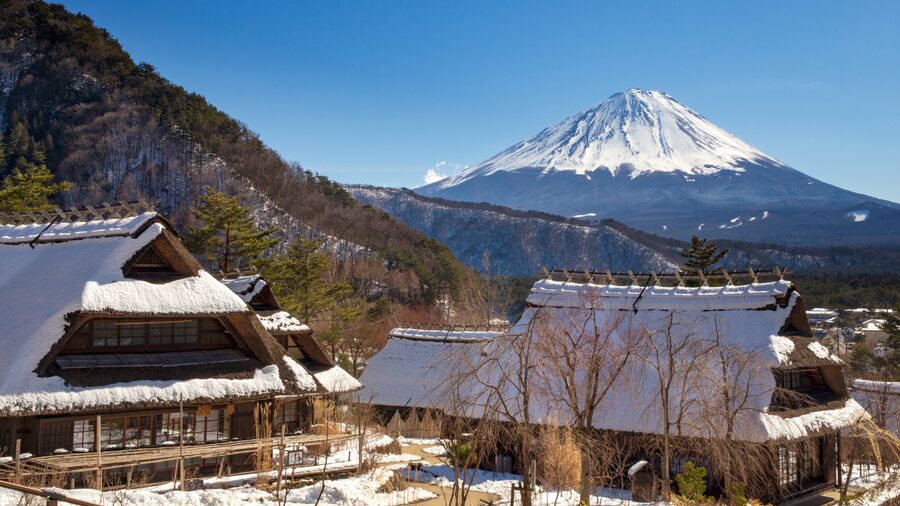
The strongest part of this experience is the transport setup. The vehicle is modern, clean, air-conditioned, and spacious enough for a private group of up to five. Drivers including Zeeshan, Saki, Amane, and Soma have been singled out for smooth driving, kindness, flexibility, or useful explanations.
Still, the service is not always a full guiding service. One account described it as transport rather than a guided tour, with a friendly driver who answered questions but did not explain every site. That distinction matters. Book this if you want a private driver who can offer advice and help, not if you require a specialist guide at every attraction.
The ability to customize the pace is a real benefit. You can stay longer at a lake, shorten a stop if the weather turns, or end early if someone feels unwell. A private car also lets you bring snacks and water, though alcohol is not allowed and a ¥7,000 cleaning charge may apply if the vehicle becomes unusually dirty.
The overtime charge is ¥2,500 per 30 minutes, payable in cash. Watch the clock, especially if you are delayed by lunch or ask to add extra stops.
Is $577 good value for five people?
At $577 per group, the arithmetic looks much better with a full group:
- One person: $577 each
- Two people: $288.50 each
- Three people: about $192.33 each
- Four people: $144.25 each
- Five people: $115.40 each
That includes hotel pickup and drop-off within Tokyo’s 23 wards, a private vehicle, and an English-speaking driver for the day. It does not include food, drinks, attraction tickets, possible pickup surcharges, or overtime.
For five people, the price can be fair because you are buying privacy, comfort, and flexibility rather than simply a seat on transportation. For a couple, compare it carefully with smaller shared trips or public transport, though those alternatives will not offer the same door-to-door service or control over the pace.
The value also depends on your priorities. If clear Fuji views are your one main goal, weather may leave you disappointed despite the price. If you want lakes, caves, forest, and a private vehicle in one day, the mix gives you more ways to enjoy the outing.
What to bring and how to prepare
Wear comfortable shoes with good grip. You will walk beside lakes, through forest areas, and inside caves where the ground and ceiling can demand care.
Pack warm clothing even during a warm season. The caves are cool, and the weather around Mt. Fuji can differ from Tokyo. Bring water, snacks, a camera, and cash for tickets, food, and possible extra charges.
The tour operates in rain unless conditions are judged unsafe. Cloud and rain can hide Mt. Fuji, but they do not necessarily cancel the caves, lakes, or forest. Contact normally comes through WhatsApp the afternoon before the trip, around 4:00 to 5:00 p.m. Japan time, so watch for that message.
You can cancel up to 24 hours in advance for a full refund, and reserve now while paying later. Smoking is not allowed in the vehicle.
Should you book this Mt. Fuji tour?
Book it if you are a small group that wants a private car, unusual natural sights, and freedom to set the pace. It is especially good for people who would rather visit lava caves and quiet lakes than spend the entire day at crowded photo stops.
Think twice if you have claustrophobia, mobility limits, a firm evening reservation, or a narrow interest in seeing only Mt. Fuji’s summit. The caves may close, ice formations are seasonal, and cloud can erase the main view. For the best value, fill all five seats, confirm cave access before departure, and keep your schedule flexible.
FAQ
Is hotel pickup and drop-off included?
Yes, pickup and drop-off are included for locations within Tokyo’s 23 wards. Other areas may incur a surcharge of ¥5,000 to ¥20,000, depending on the location.
Are entrance tickets included?
No. Attraction tickets must be purchased separately at each site.
Is food included?
No. Food and drinks are not included. You may bring snacks and water, and food is allowed in the car under the stated cleaning conditions. Alcohol is not permitted.
Is the tour suitable for people with claustrophobia?
No. The Narusawa Ice Cave and Fugaku Wind Cave include confined areas, and some sections may require crouching or crawling.
Can the tour be changed or shortened?
The private format allows some flexibility, including changing the drop-off location within permitted areas. Your driver can adjust the pace, but traffic, opening conditions, and the operating schedule still limit what can be added.
What happens if the weather is poor?
The tour operates in rain and is cancelled only when conditions are considered unsafe. Poor weather can hide Mt. Fuji, even when the lakes, caves, and forest remain open.
More Mt Fuji Day Trips in Fujikawaguchiko
More tours in Fujikawaguchiko we've reviewed
Mt Fuji Day Trips, compared.
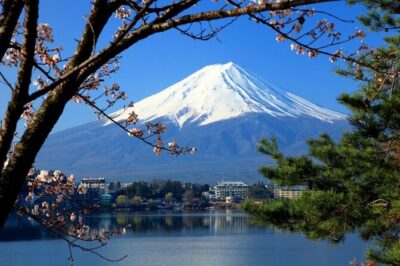 ★ 5.0Mt Fuji and Hakone 1-Day Bus Tour Return by Bullet TrainFrom $163
 ★ 4.0Mt Fuji & Hakone Cruise, Drum Show Bullet Train 1 Day from TokyoFrom $149
 ★ 4.4Tokyo Mt Fuji 5th St & Hakone Cruise Bus Tour w/Bullet TrainFrom $15410 hours
 ★ 4.5From Tokyo: Mount Fuji Full-Day Sightseeing TripFrom $6810 hours
 ★ 4.7Tokyo: Mt. Fuji Tour, Hakone Ropeway, Owakudani, Lake AshiFrom $5410 hours
 ★ 4.4Tokyo:Mt.Fuji,Kawaguchiko Oishi Park,Arakurayama Sengen ParkFrom $5410 hours