
Reviewed · BAY & RIVER CRUISES
Tokyo Bay Yakatabune Cruise with Traditional JapaneseShow Drinks
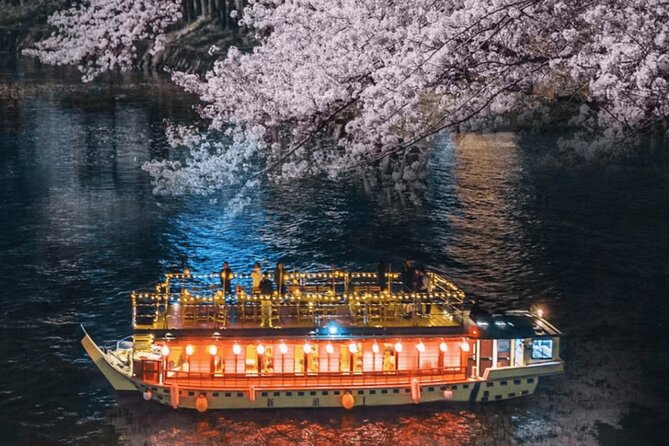
Tokyo Bay looks different from a houseboat. On this 60-minute yakatabune cruise, you glide past bridges and city lights while a surprise Japanese performance unfolds onboard. The show may be classical dance, shamisen, guqin, or another traditional art, so you will not know the program until you arrive.
I like the mix of old Japan and modern Tokyo, especially the contrast between a historic wooden-style boat and the bright towers, bridges, and waterfront skyline. I also like the friendly multilingual support, with guides available in English, Chinese, and Japanese. The main catch is simple: this is a short cruise, and meals are not included, despite some descriptions of dinner and snacks connected with similar departures.
In This Review
- Key Points to Know Before Boarding
- A Traditional Yakatabune with Tokyo Outside the Window
- What the One-Hour Route Gives You
- The Live Show Is the Heart of the Experience
- Drinks Are Included, but Bring Your Own Meal
- Seating, Shoes, and the Boat’s Social Feel
- Finding the Etchujima Meeting Point
- Daytime or Evening: Which Works Better?
- Who Will Enjoy This Cruise Most?
- Booking, Cancellation, and Weather Details
- Should You Book the Tokyo Bay Yakatabune Cruise?
- FAQ
- How long is the Tokyo Bay yakatabune cruise?
- Where does the cruise begin?
- Does the cruise return to the starting point?
- What kind of entertainment is included?
- Are drinks included?
- Is a meal included?
- Do I need to arrive early?
- Is seating assigned?
- Can I cancel for a full refund?
Key Points to Know Before Boarding
- Traditional boat setting: A yakatabune offers a cultural experience that feels different from a standard sightseeing boat.
- Surprise live show: Expect dance, shamisen, guqin, or another Japanese performance, with no fixed act guaranteed.
- Tokyo Bay views: The route includes views around Toyosuōhashi Bridge and Rainbow Bridge.
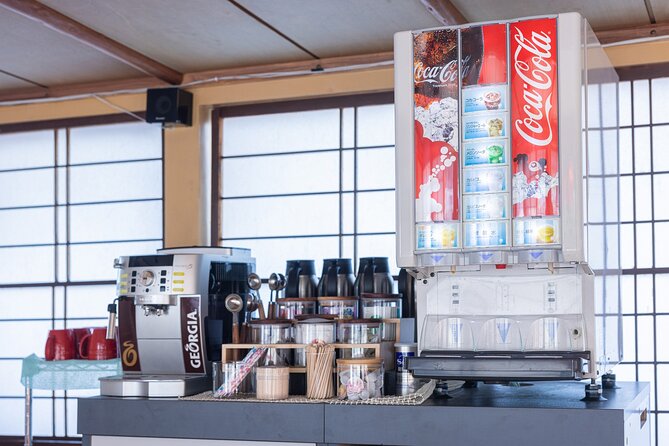
- Unlimited soft drinks: Coffee, tea, green tea, cola, juice, and soda are provided at no extra charge.
- First-come seating: Shared tables may be necessary, and seating is not assigned in advance.
- Strict arrival rule: Reach the Etchujima meeting point at least 15 minutes early, since late arrivals will not be accepted.
A Traditional Yakatabune with Tokyo Outside the Window
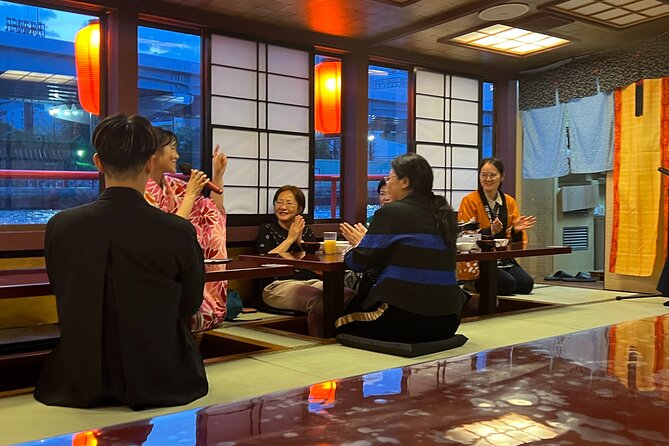
A yakatabune is a traditional Japanese houseboat once associated with samurai and nobility. Today, it gives you a chance to enjoy Japanese performance and waterfront scenery in one compact outing. You sit inside the boat, remove your shoes, and watch Tokyo slide by as the crew presents the entertainment.
This is not a long sightseeing voyage. At about one hour, the cruise works best as a focused cultural stop rather than a full evening program. You get enough time to enjoy the boat, take photographs, have a drink, and watch the show without giving up half a day of your Tokyo schedule.
The unknown performance is part of the appeal. You might see an elegant dance, hear the sharp, expressive sound of a shamisen, or watch a guqin performance. If you are hoping for one particular artist or style, this uncertainty may bother you. If you enjoy a little surprise, it keeps the experience from feeling like a fixed stage show.
A few more Tokyo tours and experiences worth a look



What the One-Hour Route Gives You
The route is built around Tokyo Bay waterfront views rather than a series of shore stops. You remain aboard, so think of the bridges and skyline as moving scenery. Your best photographs will come from watching the light change across the water and finding open sightlines from the boat.
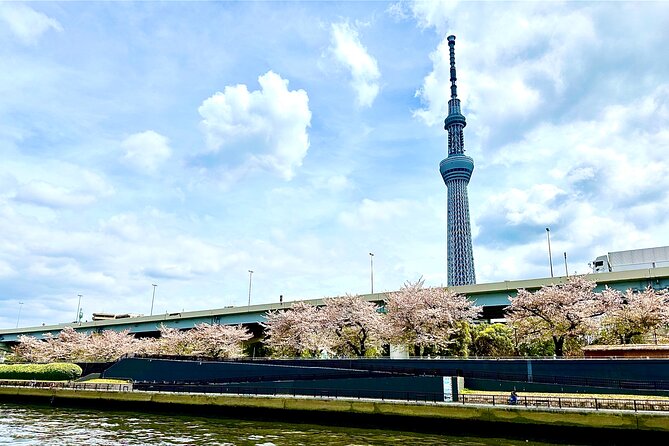
Toyosuōhashi Bridge is one of the early visual highlights. Its modern structure provides a clean contrast with the bay and the surrounding city. During the day, you can see the bridge clearly and take photographs with Tokyo’s skyline behind it. The nearby Tsukiji Outer Market adds useful context to the area, though the market itself is not a stop on this cruise.
Rainbow Bridge is the other major landmark. Completed in 1993, it stretches 3,750 meters across Tokyo Bay and is supported by two white towers rising 126 meters. At night, its lighting can appear pink, white, or green, depending on the display. From the water, you get angles that are difficult to match from land.
The route does not promise a full tour of every famous Tokyo landmark. That is worth keeping in mind. You are booking a short boat ride with cultural entertainment, not a narrated city tour. The appeal lies in the combination of views, atmosphere, and performance.
The Live Show Is the Heart of the Experience
The performance gives this cruise more character than a simple harbor ride. A traditional dance can make the boat feel like a small theater, while shamisen music adds a distinctly Japanese sound to the passing skyline. The guqin, a Chinese zither-style instrument, may also appear on some departures.
The exact program changes, so flexibility helps. You should not book this expecting a particular dance or musician. Instead, see the performance as a cultural introduction. It may be brief, but it gives you a direct connection to Japanese arts that a standard observation deck cannot provide.
The hosts also appear to play an important role in the mood onboard. Sheila is praised for being interactive and helpful, while Yoyo is described as an eloquent English speaker who keeps the experience friendly and easy to follow. Hannah has served as a master of ceremonies on some departures, helping guests understand what is happening.
Those details matter if you feel uncertain about a performance conducted partly in Japanese. The available guide support in English, Chinese, and Japanese should make the experience easier to follow. Still, the amount of explanation may vary by guide and by the performance scheduled that day.
Drinks Are Included, but Bring Your Own Meal
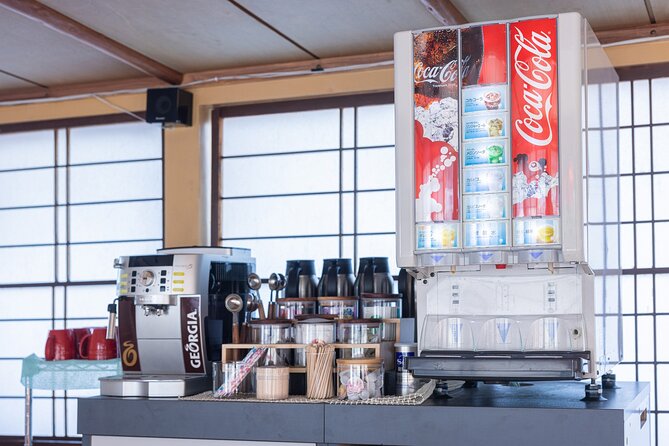
Unlimited non-alcoholic drinks are included. The choices listed are cola, hot coffee, juice, green tea, soda, and tea. This is useful on a short cruise, especially if you want something warm while sitting inside the boat or a cold drink during a daytime departure.
Meals are not included in this specific experience. Plan accordingly and eat before boarding or after returning to Etchujima. This point deserves extra attention because some feedback connected with yakatabune cruises describes sukiyaki, desserts, snacks, or a full dinner. Those comments may concern a different package or departure, so do not assume food will be served here.
At $46.24 per person, the price is reasonable if you value the boat setting and live performance. It is less attractive if you are mainly looking for a cheap way to see Tokyo Bay. A regular sightseeing boat may offer a longer ride, while a restaurant cruise may include a meal and cost more. This experience sits between the two: cultural entertainment and drinks, without dinner.
Seating, Shoes, and the Boat’s Social Feel
You will need to remove your shoes before taking part. Wear clean socks and choose footwear that is easy to slip off. This is a small detail, but it can make the boarding process more comfortable.
Seating is first come, first served. Because space is limited, you may share a table with people outside your group. The boat can hold up to 58 people, so this is not a private charter or an intimate couple-only outing.
That seating policy has two sides. You do not get to select a guaranteed window seat, but shared tables can give the cruise a friendly, social atmosphere. If you want the best chance of a preferred position, arriving early is essential. The operator specifically asks you to arrive 15 minutes before departure, and late arrivals will not be accommodated.
The boat setting is part of the experience, but it also means less personal space than you might have on a large harbor vessel. Anyone who dislikes removing shoes, sharing a table, or sitting in a compact interior should think carefully before booking.
Other boat tours in Tokyo
Finding the Etchujima Meeting Point
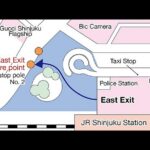
The cruise begins and ends at 1-chōme-3-23 Etchūjima, Koto City, Tokyo 135-0044. The meeting location can take some effort to find, so do not leave it until the last minute. Etchujima Station is described as roughly a 10-minute walk from the dock.
Use the mobile ticket on your phone and allow time to orient yourself. Tokyo’s waterfront streets can feel less obvious than the major tourist districts, particularly if you are arriving after dark. The 15-minute early arrival requirement is not just a formality. It protects you from missing the boat.
Since the activity returns to the starting point, you do not need to plan a separate transfer from the cruise ending. That makes it easier to connect the outing with dinner, an evening walk, or another activity in the Koto area.
The cruise is near public transportation, and most people can participate. The details do not provide a specific accessibility assessment, so if you have mobility needs, contact the operator before booking and ask about boarding, interior seating, and the shoe-removal requirement.
Daytime or Evening: Which Works Better?
A daytime departure gives you clearer views of the bridges and skyline. Toyosuōhashi Bridge will be easier to study, and photographs may show more detail in the surrounding waterfront. This is the better choice if scenery and architecture are your main reasons for booking.
An evening cruise changes the mood. Rainbow Bridge may be lit in pink, white, or green, and Tokyo’s lights become part of the show. The traditional performance can feel especially fitting once the city begins to glow outside.
The supplied details do not promise a particular departure time, so check the available option before paying. Do not assume every cruise is a dinner cruise or that every date has the same entertainment. The show, atmosphere, and views can all change with the time of day.
Who Will Enjoy This Cruise Most?
I would recommend this yakatabune outing to anyone who wants a short cultural experience without committing to a long formal tour. It suits first-time visitors who want something beyond temples, shopping streets, and observation decks. It also works well for couples, small groups, and families comfortable with shared seating.
Music lovers will appreciate the chance to hear traditional instruments in a setting that feels connected to Japanese customs. Photographers should like the bridge views, though the first-come seating policy means you cannot count on a perfect position.
This is also a useful choice if you want guide support in English, Chinese, or Japanese. Friendly hosts such as Sheila, Yoyo, and Hannah have helped make the performance easier to follow on some departures.
I would hesitate to recommend it to someone seeking a full meal, a long harbor cruise, or guaranteed entertainment. The one-hour duration is a strength for a busy itinerary, but it can feel brief if you want a leisurely night on the water.
Booking, Cancellation, and Weather Details
Confirmation is provided at booking, and the mobile ticket makes carrying your reservation simple. Check the meeting instructions carefully, then plan to arrive at least 15 minutes early.
Free cancellation is available if you cancel at least 24 hours before the local start time. Cancellations or changes made less than 24 hours before departure are not accepted for a refund. This rule is strict, so check your schedule before booking. One poor experience connected with the cancellation policy shows why last-minute changes can be costly.
The cruise depends on good weather. If the operator cancels because of poor conditions, you will be offered another date or a full refund. The same applies if the minimum number of participants is not reached. The maximum group size is 58 people.
Should You Book the Tokyo Bay Yakatabune Cruise?
Book it if you want traditional Japanese entertainment, bridge views, and a distinctive boat setting in a compact one-hour experience. At $46.24, the package offers fair value when you treat the performance and yakatabune atmosphere as the main attractions.
Before booking, remember the three practical limits: seating is first come, meals are not included, and the exact performance is not guaranteed. Arrive early, wear easy-to-remove shoes, and eat beforehand.
For a relaxed cultural outing with friendly multilingual support, this is a good choice. For dinner, a longer cruise, or a guaranteed front-row view, choose a different harbor experience.
FAQ
How long is the Tokyo Bay yakatabune cruise?
The sailing time is approximately 60 minutes.
Where does the cruise begin?
The meeting point is 1-chōme-3-23 Etchūjima, Koto City, Tokyo 135-0044, Japan.
Does the cruise return to the starting point?
Yes. The activity ends back at the meeting point.
What kind of entertainment is included?
A live traditional Japanese performance is included. Depending on the departure, it may feature dance, shamisen, guqin, or another Japanese art form.
Are drinks included?
Yes. Unlimited non-alcoholic drinks are provided, including cola, hot coffee, juice, green tea, tea, and soda.
Is a meal included?
No. Meals are not included in this experience.
Do I need to arrive early?
Yes. You should arrive at least 15 minutes before departure. Late arrivals will not be accommodated.
Is seating assigned?
No. Seating is first come, first served. Because space is limited, shared tables may be required.
Can I cancel for a full refund?
Yes, if you cancel at least 24 hours before the experience start time. Cancellations or changes made less than 24 hours before the start are not refunded or accepted.
More Boat Tours & Cruises in Tokyo
More Bay & River Cruises in Tokyo
More tours in Tokyo we've reviewed


Bay & River Cruises, compared.
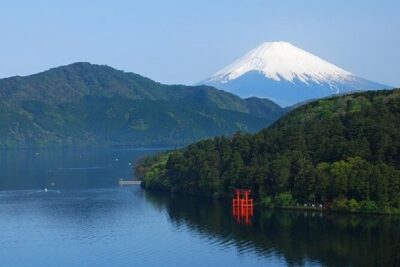 ★ 4.0Mt Fuji & Hakone Cruise, Drum Show Bullet Train 1 Day from TokyoFrom $149
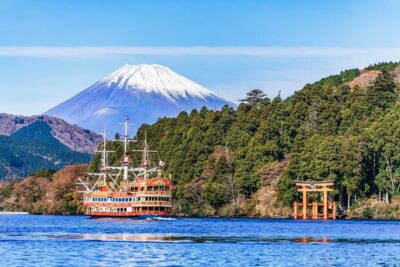 ★ 4.4Tokyo Mt Fuji 5th St & Hakone Cruise Bus Tour w/Bullet TrainFrom $15410 hours
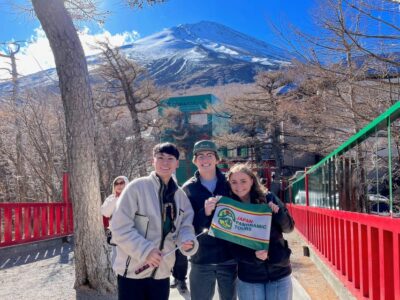 ★ 4.2Tokyo: Mt. Fuji 5th Station & Hakone Cruise 1-Day Bus TourFrom $12911 hours
 ★ 4.7Tokyo: Meiji Shrine, Asakusa, Skytree Bus Tour and CruiseFrom $12210 hours
 ★ 4.0Mt Fuji & Hakone Cruise, Drum Show Bus 1 Day from TokyoFrom $122
 ★ 4.6Sumida River: Japanese Traditional Yakatabune Dinner CruiseFrom $1032h 30m