
Reviewed · JDM & CAR CULTURE
Tokyo Night Drive: Daikoku PA Car Culture & Wangan Midnight
Tokyo’s car culture comes alive after dark at Daikoku Parking Area, where modified cars gather beneath the highway loops. This four-hour drive links that famous meetup with Rainbow Bridge, Tokyo Tower, the bayside skyline, and A PIT Autobacs, giving you both car culture and city views in one evening.
I like the small group of up to four, which makes the ride more personal, and I like that guides such as Lee and Kaku have been praised for being friendly, patient, and easy to talk with. The main drawback is price: at $93 per person, you are paying for transport and access to an unusual night out, not a long guided walking tour or a guaranteed parade of rare cars.
In This Review
- Key points to know before booking
- Why Daikoku PA is the heart of the night
- The Wangan route gives the evening its shape
- A PIT Autobacs Shinonome: the first stop
- Rainbow Bridge from the road
- Tokyo Tower at night
- What the small group changes
- Price, time, and what you are really buying
- Who will get the most from this night drive
- Practical tips for a smoother evening
- Should you book this Tokyo car tour?
- FAQ
- Where does the tour usually start?
- How long does the experience last?
- What places are included?
- Is the tour available in English?
- How many people can join?
- What do I need to bring?
Key points to know before booking
- Daikoku PA is the main event: You get about an hour to look around one of Japan’s best-known car meet locations.
- The route adds Tokyo night scenery: Rainbow Bridge and Tokyo Tower break up the drive with classic photo stops.
- A PIT Autobacs is more than a shop: You have 30 minutes to browse tuner parts, car goods, and memorabilia.
- The group is very small: With no more than four participants, you can speak directly with the guide and avoid a large coach.
- The evening is car-focused: This suits enthusiasts, photographers, and anyone intrigued by Wangan Midnight culture more than general sightseeing.
- Bring your passport: The tour requires it, and alcohol and drugs are not allowed.
Why Daikoku PA is the heart of the night
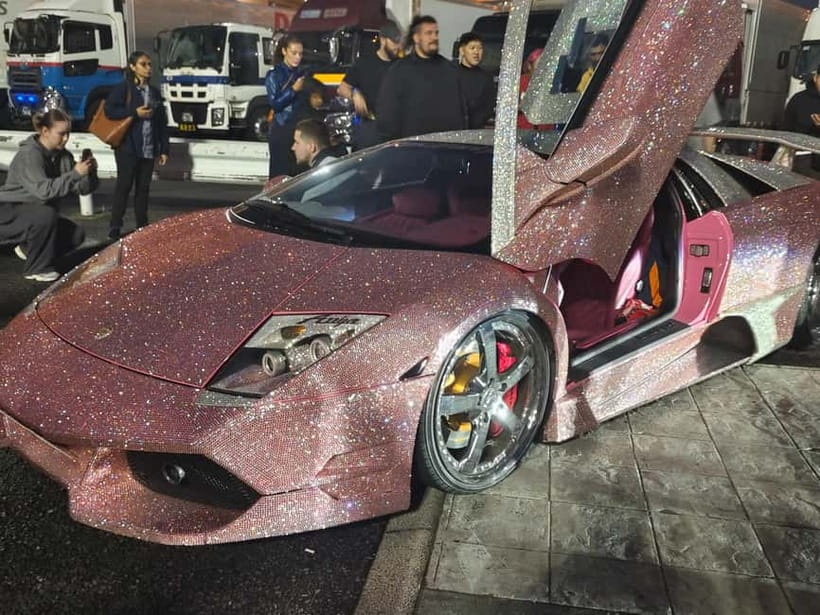
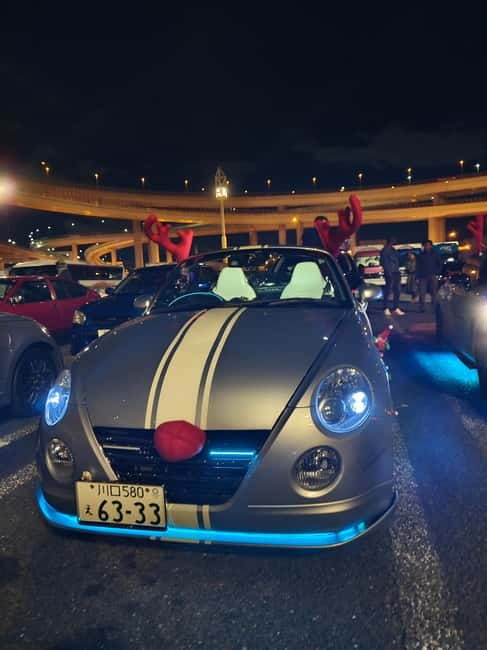
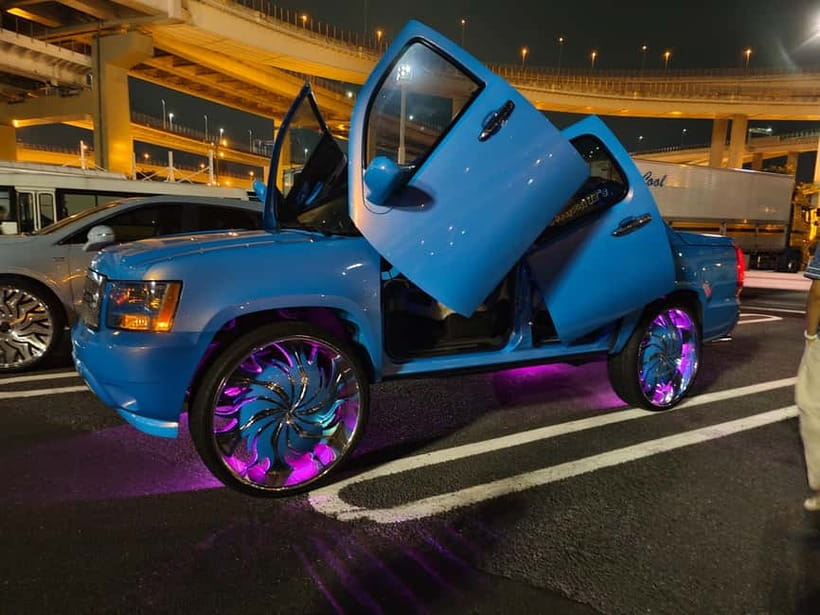
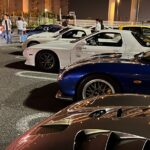
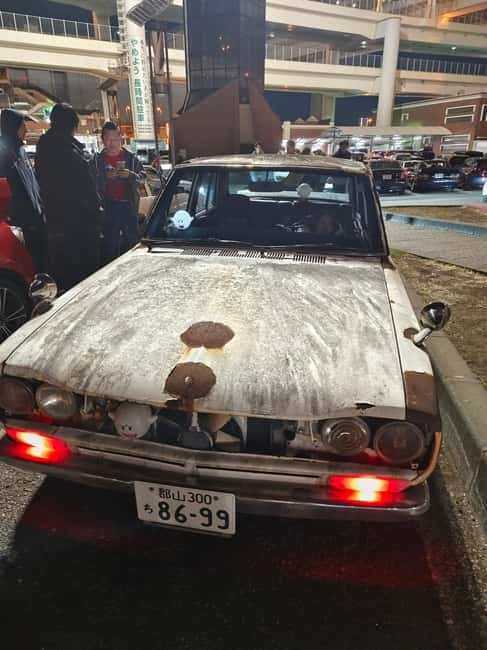
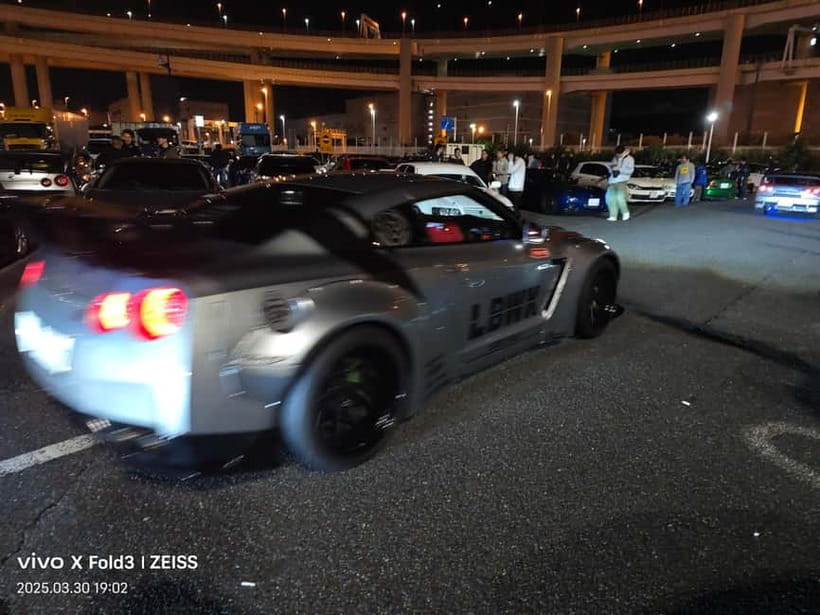
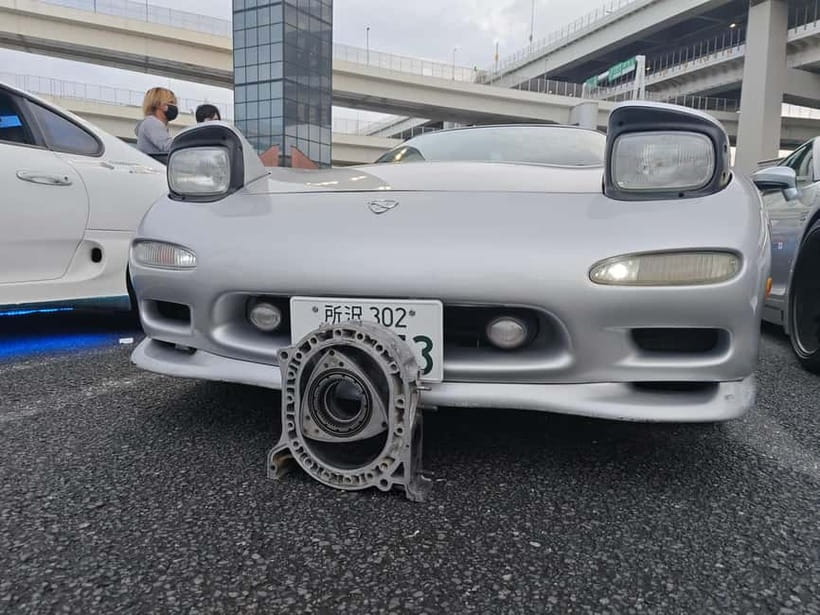
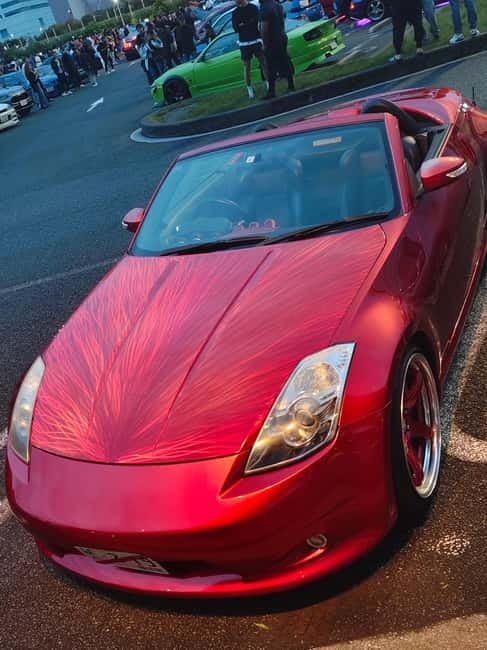
Daikoku PA is not a normal roadside rest stop. Its location within Tokyo’s highway network gives it a distinctive setting, with elevated roads curving around the parking area and city lights beyond. The space is closely linked with Japan’s custom-car scene, so the attraction is the chance to see modified vehicles gathered in one place.
You get about one hour here, enough time to walk around, study cars, take photos, and soak up the setting without being rushed through in ten minutes. The cars can range from older models to newer builds, with unusual paintwork and personal modifications. The exact lineup changes from night to night, so you should arrive with the right expectation: this is a live meeting point, not a fixed museum display.
That uncertainty is part of the appeal, but it is also the biggest variable. You may see a remarkable mix of cars, or you may find a quieter evening. No tour can promise a particular model or a huge gathering. The experience works best if you enjoy the setting and the culture, not only the hope of spotting one famous vehicle.
The sound of the highway looping around the lot adds to the mood. For fans of Wangan Midnight, the combination of expressway travel, modified cars, and after-dark city lights will feel familiar. Still, this is a sightseeing drive with street-racing atmosphere, not a race. You should not book it expecting illegal driving or high-speed stunts.
A few more Tokyo tours and experiences worth a look

The Wangan route gives the evening its shape
The drive itself is a large part of the experience. You cruise along Tokyo’s famous bayside highway route, moving between the city center, waterfront roads, and Daikoku. The tour calls up the world of Wangan Midnight, a series strongly associated with Tokyo’s expressway car culture, but the focus here is on seeing and riding through the environment.
This matters because Daikoku PA is far from the central sightseeing districts. Reaching it independently can be awkward, especially if you are not familiar with Tokyo’s highway system. The tour handles the transportation and highway travel, so you can focus on the views and the cars rather than route planning.
The ride also gives the evening a better rhythm than a single stop would. You start with a car-shop visit, pass the waterfront, stop at Tokyo Tower, then spend the longest period at Daikoku. It feels like a connected night drive rather than a simple transfer to a parking area.
The included charger is a useful small touch during a four-hour evening. You will likely use your phone for photos, maps, and communication, so keeping it powered is practical. Food and drinks are not included, however, so eat beforehand or plan around the fact that this is not a dinner tour.
A PIT Autobacs Shinonome: the first stop
The first scheduled visit is A PIT Autobacs Shinonome, with about 30 minutes to browse. For a casual shopper, it is a car accessory store. For an enthusiast, it can be one of the more interesting parts of the evening, since Autobacs is associated with Japanese car equipment, tuning culture, accessories, and motorsport-style goods.
You might find parts, clothing, small car items, and memorabilia. The stop gives you a chance to see the commercial side of the same culture that appears later at Daikoku. It is also a useful place to look for souvenirs that are more specific than standard Tokyo merchandise.
Thirty minutes is enough for a focused visit, but not enough for a long shopping session. If you want to inspect every shelf or make a serious purchase, the time may feel short. I would treat it as an introduction and a browse, not the main reason to book.
One unusual feature of the route is that A PIT Autobacs appears as both an early stop and a key part of the overall car-culture theme. The supplied schedule places it before Rainbow Bridge and Daikoku, while the experience description presents it as a memorable part of the night after Daikoku. Since the exact order can depend on the evening, confirm the sequence with your guide when they contact you.
Rainbow Bridge from the road
The Rainbow Bridge stop lasts about ten minutes. That is brief, but it adds a strong visual change after the Autobacs visit. You move from shop lights and car products to Tokyo’s waterfront, where the bridge and surrounding buildings create a clean night view.
Do not expect a long walk or a full waterfront photo session. Ten minutes is best for a quick look, a few photographs, and a chance to appreciate the route. If you need extensive time for tripod work or careful composition, you may find this stop too short.
I like this kind of short pause because it keeps the tour from becoming only a car meet. You get a slice of Tokyo’s modern bay setting while still staying on schedule for Daikoku. The stop also helps photographers build a varied set of images, with vehicles, highway lights, bridge views, and city architecture all in one evening.
Tokyo Tower at night
The Tokyo Tower visit lasts about 30 minutes, giving you more time than the Rainbow Bridge stop. The tower is one of Tokyo’s most recognizable sights, and seeing it after dark adds a classic city view to an otherwise specialist outing.
The tour description says you drive past Tokyo Tower at night, while the schedule lists a 30-minute visit. That means you should ask the guide exactly what the stop involves on your date. It is clearly part of the route, but the supplied details do not promise a particular observation deck, ticketed entry, or extended walking visit.
That distinction is important. You are booking a moving night tour, not a Tokyo Tower admission package. The value here is the chance to include one of the city’s major landmarks without giving up the car-focused purpose of the evening.
For a first visit to Tokyo, this pairing works well. Daikoku gives you a niche local interest, while Tokyo Tower provides a familiar landmark and a sense of place. You get a more rounded night than you would from spending four hours at a single car meet.
A few more Tokyo tours and experiences worth a look


What the small group changes
The tour is limited to four participants. That is a real advantage for an experience built around conversation, flexible photo stops, and a specialized subject. You can ask the guide about cars, the route, or Japanese car culture without having to speak over a bus full of people.
A small vehicle also makes the ride feel more like a private outing, though it is not advertised as a private tour. The group size can include other people, so do not assume you will have the vehicle to yourself. Still, four is small enough to make the evening easier to manage than a standard group excursion.
The guides named in the available information include Lee and Kaku. Lee has been described as communicative, relaxed, and willing to wait while participants explored. Kaku has been praised for his friendly manner and passion for Japanese car culture. Guide assignments can vary, but those details show what to look for: clear communication and a guide who lets you enjoy the stops rather than rushing you through them.
English and Japanese guiding is available. Your guide contacts you the day before by email or another method to confirm the meeting details, and the pickup information is sent through WhatsApp. Keep an eye on both forms of communication, especially because the exact meeting point and timing matter in a large city.
Price, time, and what you are really buying
The listed price is $93 per person for four hours. That includes transportation, highway travel, a guide introduction, and a charger. Food and drinks are not included.
I see the price as reasonable only if Daikoku PA is a major priority for you. The tour saves you the trouble of reaching a distant highway stop and adds Tokyo Tower, Rainbow Bridge, and A PIT Autobacs. The four-person limit also gives the experience a more personal feel than a basic transfer.
The value is less convincing if you mainly want a ride through Tokyo at night. The schedule includes roughly 30 minutes at Autobacs, ten minutes at Rainbow Bridge, 30 minutes at Tokyo Tower, and one hour at Daikoku. The remaining time is transportation, and one participant felt the paid driving portion was high compared with the amount of time spent at the main sites.
That criticism is worth taking seriously. You are not paying for four hours of continuous sightseeing, and the actual time spent moving between stops can make the evening feel transport-heavy. The tour makes more sense for a car enthusiast who would struggle to reach Daikoku alone than for someone seeking a standard Tokyo highlights tour.
There is some helpful booking flexibility. You can reserve now and pay later, and cancellation is free up to 24 hours before departure for a full refund. Those terms reduce the risk if your Tokyo plans are still shifting.
Who will get the most from this night drive
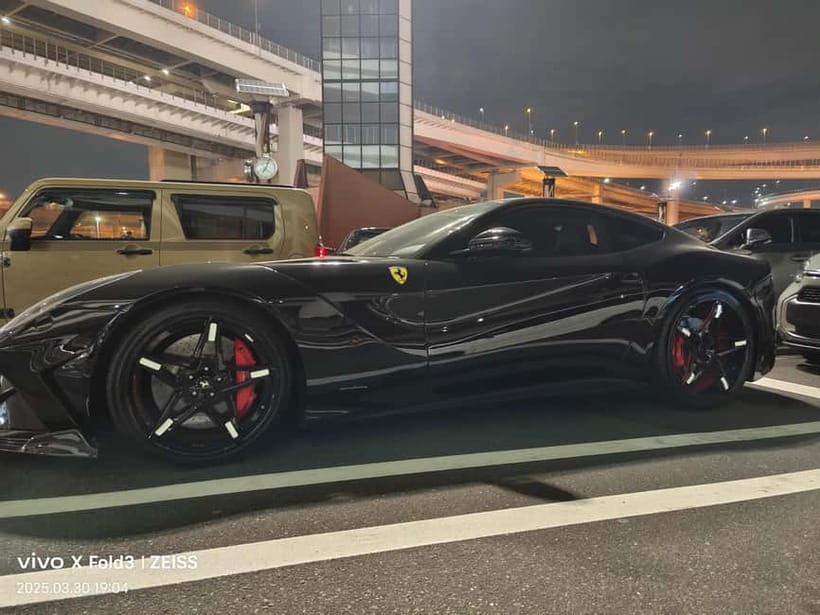
I would recommend this tour first to people who already care about cars, tuning, Japanese highway culture, or Wangan Midnight. You do not need to know every model, but the experience is built around looking closely at vehicles and enjoying the scene around them.
It also suits photographers who want a compact evening with several subjects. You can work with modified cars at Daikoku, shop interiors at Autobacs, bridge views, Tokyo Tower, and illuminated roads. The short stops mean you need to work quickly, so bring a charged camera or phone and know what kind of images you want.
Families should read the age limits carefully. Children under 10 are not suitable for the tour, and people over 70 are also excluded. Wheelchair users cannot join, according to the supplied accessibility information.
The tour can work for a teenager who is already interested in cars. One family booking described a teenager enjoying it, and the small group format can make the experience easier for families than a crowded group outing. I would not choose it as a general family sightseeing trip if some members have little interest in cars.
You can usually finish in Akihabara or Ginza, which is useful when planning the rest of your night. The stated finish point is 2-chōme-4-1 Marunouchi, so confirm the final drop-off choice with the guide rather than assuming it will match your preferred district automatically.
Practical tips for a smoother evening
Wear shoes you can comfortably use around a parking area. The schedule involves looking around rather than sitting at every stop, and Daikoku is an open roadside setting rather than a polished indoor attraction.
Bring your passport. It is specifically required, and leaving it at your hotel could create an avoidable problem at pickup or during the tour.
Eat before you go. There is no food or drink included, and the four-hour schedule is arranged around driving and sightseeing rather than a meal break. A small water bottle may be useful, as long as you follow the guide’s instructions inside the vehicle.
Keep your phone charged and watch for the day-before message. The meeting point usually begins in Akihabara, but the final details come through WhatsApp and other contact methods. The easier it is for the guide to reach you, the less time you lose at the start.
Finally, keep your expectations flexible. Daikoku’s cars are not a fixed exhibit, and the exact atmosphere can change. Go for the setting, the drive, and the chance to see what turns up that night.
Should you book this Tokyo car tour?
Book it if Daikoku PA is on your must-do list and you want transportation, highway travel, and several Tokyo night sights bundled into one small-group outing. The combination of Daikoku, A PIT Autobacs, Tokyo Tower, and Rainbow Bridge gives you a distinctive evening that is hard to reproduce with ordinary sightseeing tours.
Skip it if you want a low-cost city tour, a guaranteed lineup of famous cars, or four hours packed with long stops. At $93, the experience asks you to pay for access and convenience, not just admission. For the right car enthusiast, that can be a fair trade. For everyone else, the price may feel high for a night that includes a good deal of driving.
FAQ
Where does the tour usually start?
The tour usually starts in Akihabara. The guide sends the exact meeting details through WhatsApp, email, or another contact method before the tour.
How long does the experience last?
The tour lasts four hours. Check the available starting times when booking.
What places are included?
The route includes A PIT Autobacs Shinonome, Rainbow Bridge, Tokyo Tower, and Daikoku Parking Area. The tour begins in Akihabara and can usually finish in Akihabara or Ginza.
Is the tour available in English?
Yes. Live guiding is available in English and Japanese.
How many people can join?
This is a small-group experience limited to four participants.
What do I need to bring?
Bring your passport. Food and drinks are not included, and alcohol and drugs are not allowed.
More Evening Experiences in Tokyo
More Night Tours in Tokyo
More JDM & Car Culture in Tokyo
More tours in Tokyo we've reviewed

JDM & Car Culture, compared.
 ★ 4.7FAST&FURIOUS EXPERIENCE Tokyo Car Club membershipFrom $138
 ★ 4.8GT-R35 800hp Club Membership – secret underground car meetFrom $205
 ★ 4.8Tokyo: Fast & Furious Tokyo Drift 3 Experience (Kaila Yu SP)From $157
 ★ 4.8Tokyo: Daikoku JDM Car Meet & Night Car Culture TourFrom $984 hours
 ★ 4.8Secret Car Meet: R34 Skyline Car Club MembershipFrom $236
 ★ 4.7Tokyo Drift: Daikoku PA Supreme Car Experience 大黒PAFrom $583 hours