
Reviewed · FULL-DAY
Tokyo: Full-day Immersive Private Tour by Premium Car
Tokyo can wear you out before lunch. This 10-hour car tour solves that problem by linking far-flung sights without making you master the rail map first. You start at your hotel, ride in an air-conditioned vehicle, and leave petrol and highway tolls to the operator.
I like the flexible route, which lets you add or remove places, and I like the small personal touches, including onboard WiFi and a snack-filled goodie bag. The main caution is guide coverage: at some stops, the guide may remain with the car, leaving you to explore without much explanation. Confirm this point before booking.
In This Review
- Key points to know before booking
- Is $475 good value for a day in Tokyo?
- Starting at Senso-ji in Asakusa
- Seeing Tokyo Skytree from the ground or sky
- Walking through the Imperial Palace East Gardens
- Eating your way through Tsukiji Outer Market
- Finding quiet at Meiji Shrine
- Harajuku, Takeshita Street, and the optional extras
- Ending at Shibuya Crossing
- What the car adds to the day
- Guide service and the important limitation
- Who will get the most from this Tokyo route?
- Booking advice and final call
- FAQ
- What is included in the Tokyo car tour?
- How long does the tour last?
- Where can pickup take place?
- Is the tour private?
- Are meals included?
- Are entrance fees included?
- Which languages are available?
- Can the tour route be changed?
Key points to know before booking
- A full Tokyo sampler in one day: Senso-ji, Tokyo Skytree, the Imperial Palace East Gardens, Tsukiji, Meiji Shrine, Harajuku, and Shibuya all fit into one route.
- Hotel pickup in Tokyo’s 23 wards: The day begins at 9:00 am, with pickup from your hotel lobby.
- Useful family comforts: You get air conditioning, WiFi, toll coverage, petrol coverage, and one child seat if needed.
- Flexible sightseeing: You can request additions or removals, with the operator recommending the main sights listed here.
- Costs beyond the tour price: Meals and entrance fees are extra, including any paid Tokyo Skytree admission.
- Guide expectations need checking: English, Japanese, and Hindi support are offered, but Hindi must be requested when booking. One booking reported limited guide commentary at several stops.
Is $475 good value for a day in Tokyo?
The price is $475 per group of up to four, not $475 per person. Split four ways, that works out to $118.75 each for a 10-hour day, before meals and entrance fees.
That is a fair price if you value a car, hotel pickup, and a route built around your own group. It can be especially useful for a family, older people, or anyone who does not want to change trains all day. You also avoid the small pile of taxi fares that can build up when moving between Asakusa, central Tokyo, Tsukiji, Harajuku, and Shibuya.
The value is weaker for one or two people. Tokyo’s rail system is usually cheaper, and this plan covers several sights that can be visited independently. You are paying for comfort, time control, and a driver who handles the city roads.
There is one point to clarify. The activity is described as a private tour for up to four, but the group information also says a small group can include as many as nine participants. Ask exactly who will be in the vehicle and how the $475 price changes for groups larger than four. That answer affects the value more than the goodie bag or WiFi.
Other private tours in Tokyo

Starting at Senso-ji in Asakusa
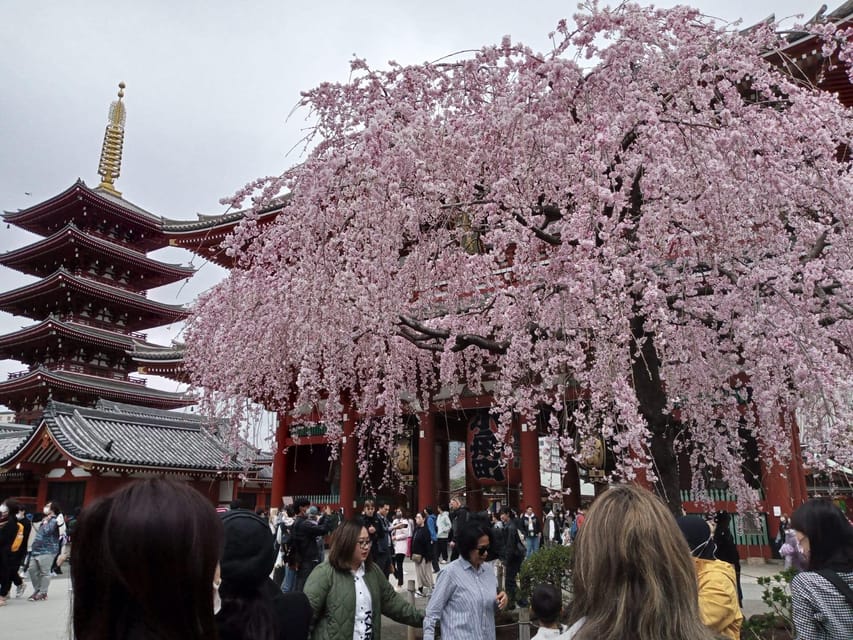
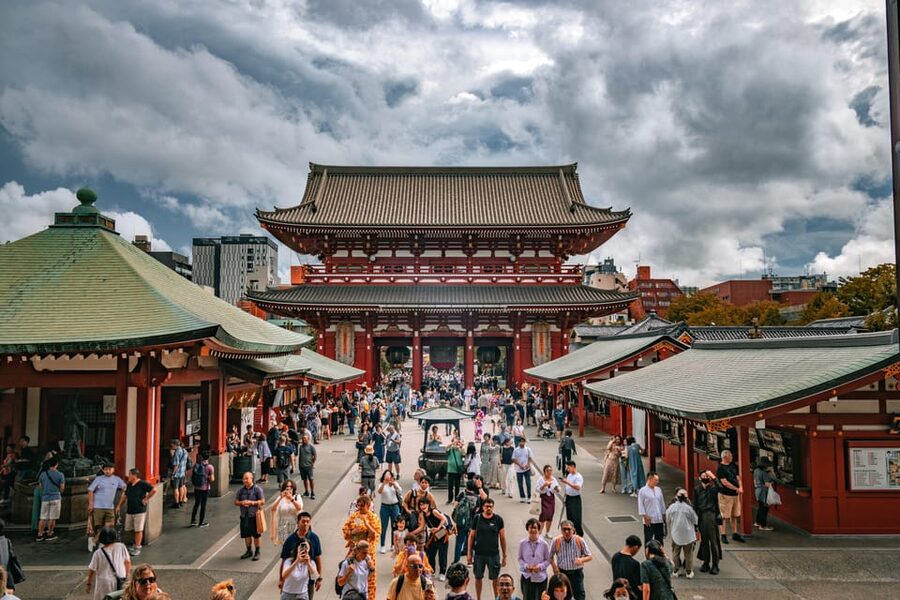
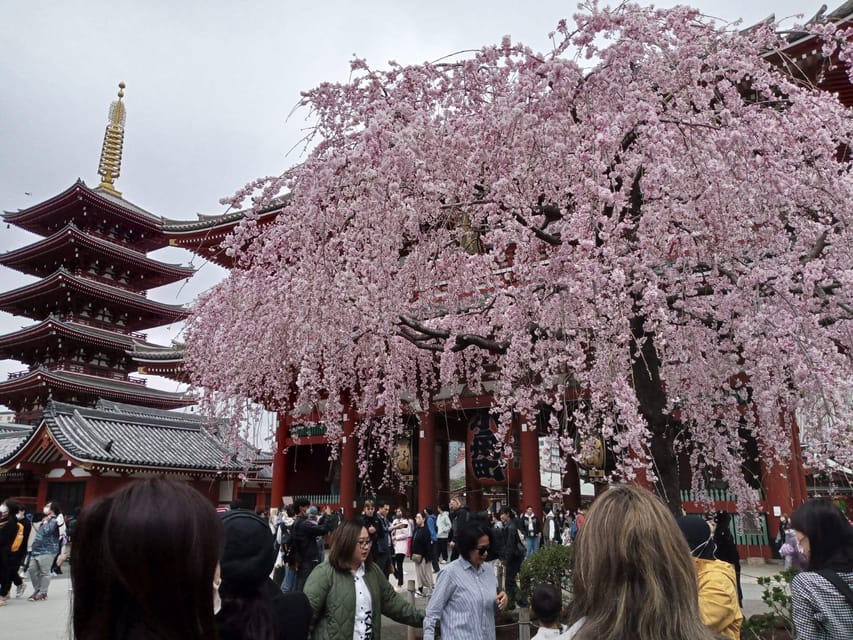
Your first major stop is Senso-ji Temple, Tokyo’s oldest and most prominent Buddhist temple. The stated visit lasts about 50 minutes, enough for a guided look and photographs, but not enough for a slow wander through every corner of Asakusa.
The temple is a strong opening because it gives you old Tokyo before the day turns toward skyscrapers and youth culture. The approach to the temple is one of Asakusa’s best-known sights, and the building itself is a symbol of the district and the city.
Expect this to be a guided sightseeing stop rather than a long religious or cultural class. If you want time for shopping or food in Asakusa, tell the guide early. The route is packed, and every extra stop has to come from somewhere.
Seeing Tokyo Skytree from the ground or sky
Next comes Tokyo Skytree, the huge broadcasting tower and one of the clearest markers of modern Tokyo. You have a choice here: visit the surrounding area and markets, or go up to the observation levels if arranged when booking.
That choice matters. A tower visit can take more time than the one-hour slot suggests once you include entry, queues, lifts, and the time you want at the top. The admission fee is not included, so budget for it separately.
If you prefer a broad city view, the upper levels may be worth adding. If you would rather keep the day moving, the area around the tower gives you a quick look without another ticket. I would decide before the morning begins, since last-minute changes may not fit the schedule.
The car makes this stop easier than trying to combine Skytree with several other distant sights by rail. Still, do not assume the tower ticket is part of the package. It is not.
Walking through the Imperial Palace East Gardens
The East Gardens of the Imperial Palace offer a change of pace after Skytree. The gardens occupy part of the former inner defenses of Edo Castle, giving you a glimpse of Tokyo’s castle-era past within the modern capital.
The planned visit is about 40 minutes. That is enough for a photo stop and a short walk, but it is not a full garden visit. You will need to keep moving if the group is to reach Tsukiji, Meiji Shrine, Harajuku, and Shibuya on time.
This is also a stop where a guide adds real value if the history is explained well. The garden itself may look calm and open, but the castle ruins and defensive layout are what give the place meaning. Ask your guide to point out the remains of Edo Castle rather than simply dropping you at a viewpoint.
The route describes scenic views on the way, but Tokyo traffic can change the timing. A car gives you a comfortable seat between stops, not a guarantee of fast travel.
Eating your way through Tsukiji Outer Market
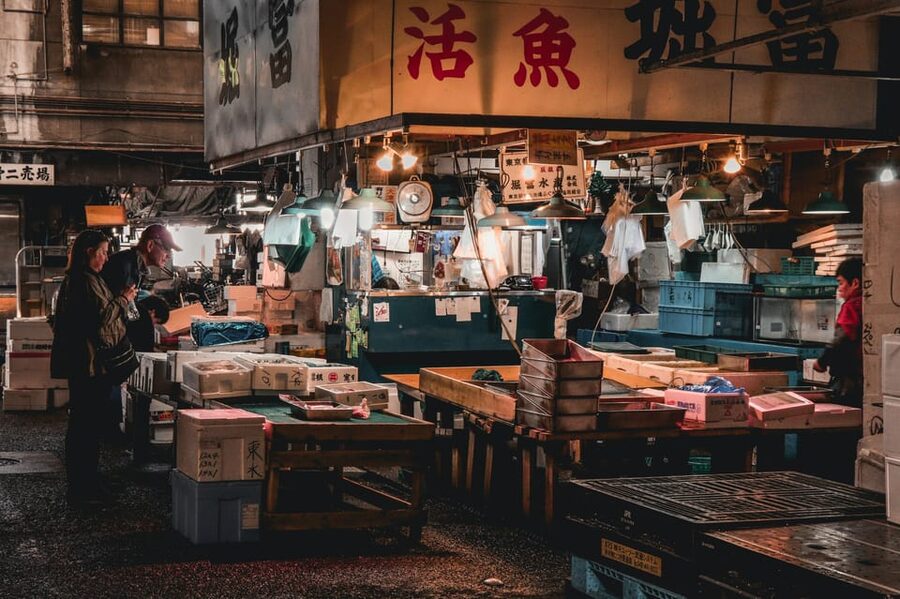
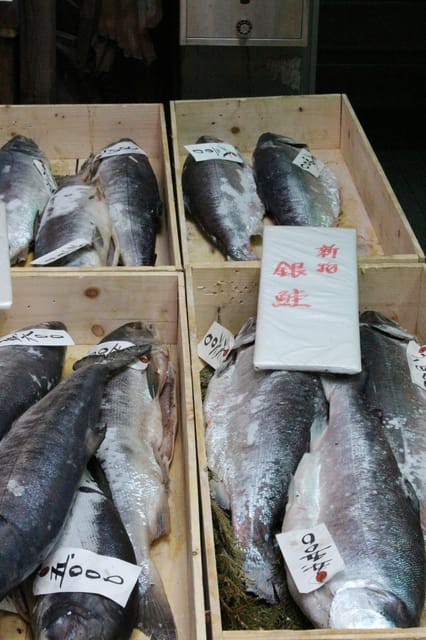
At Tsukiji Outer Market, you get about an hour for a market visit, lunch, food tasting, and sightseeing. This is the day’s natural food stop, but lunch is not included in the tour price.
Tsukiji is a useful place to build in some choice. You can look for fish, snacks, and other market foods, then decide how much you want to eat. The description promises many kinds of fish and an authentic market setting, but it does not name specific vendors or guarantee particular dishes.
Keep your expectations practical. One hour passes quickly when you need to choose food, eat, and regroup. If you want a serious market meal, tell the guide that food is a priority. If you mainly want photographs and a quick taste, the scheduled time should be more comfortable.
Food costs are your responsibility, and the tour does not include meals. That is normal for a flexible market stop, but you should carry a payment method suitable for your own purchases. The guide can offer recommendations, though the amount of help may depend on whether the guide joins you inside.
A few more Tokyo tours and experiences worth a look
Finding quiet at Meiji Shrine
The day then turns to Meiji Shrine, dedicated to the deified spirits of Emperor Meiji and Empress Shoken. Completed in 1920, the shrine honors Emperor Meiji, the first emperor of modern Japan.
The planned stop lasts 45 minutes and includes a short walk, sightseeing, and photographs. This is a good contrast with Tsukiji’s food stalls and the hard city edges around Skytree. The shrine setting gives you time to slow down, even within a busy day.
You should treat this as an introduction, not a full visit. The grounds are important to the experience, and a short scheduled stop can limit how far you walk. Wear comfortable shoes, especially if you also choose Yoyogi Park and Takeshita Street.
Yoyogi Park is optional. So is the Harajuku youth district that follows. That flexibility is helpful, but it also means the day can become too crowded with add-ons. I would choose one priority in this area rather than trying to inspect every street.
Harajuku, Takeshita Street, and the optional extras
Takeshita Street is the playful part of the route. You get roughly 30 minutes of free time, street food, and local snacks among shops aimed at young Japanese shoppers.
The street is known for colorful clothing, unusual accessories, cosplay-related style, and sweet crepes. It is not a traditional Tokyo sight, and that is exactly why it earns a place here. You see a different side of the city, one shaped by youth fashion and pop culture.
Thirty minutes is enough for a quick walk and a snack. It is not enough for careful shopping. If you want to browse shops, add Yoyogi Park, or stop for a crepe without rushing, ask how much time can be moved from another stop.
The route is most useful when you tell the guide what interests you. Someone focused on temples may want more time at Senso-ji and Meiji Shrine. Someone interested in current city life may prefer Harajuku and Shibuya. The ability to adjust the day is one of the package’s strongest features, but you need to use it.
Ending at Shibuya Crossing
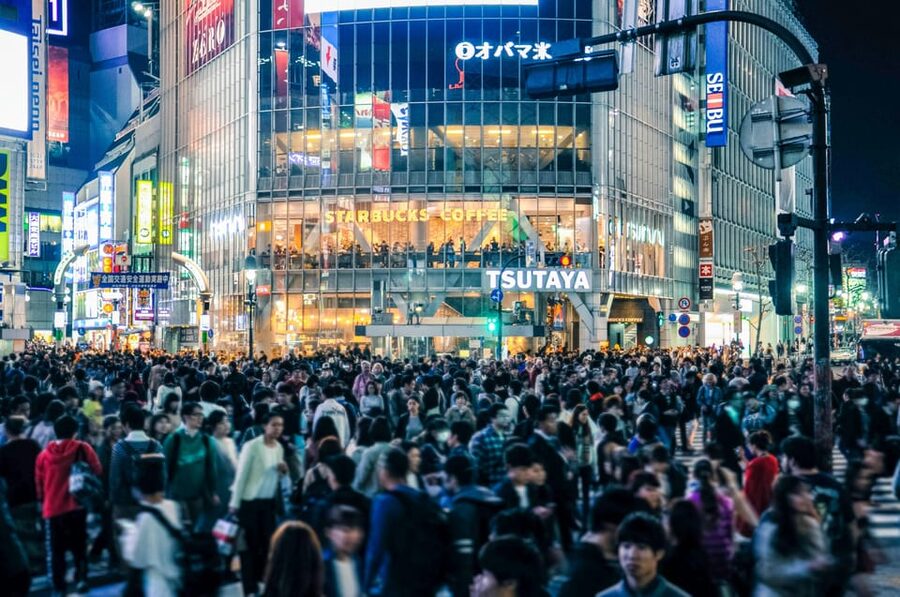
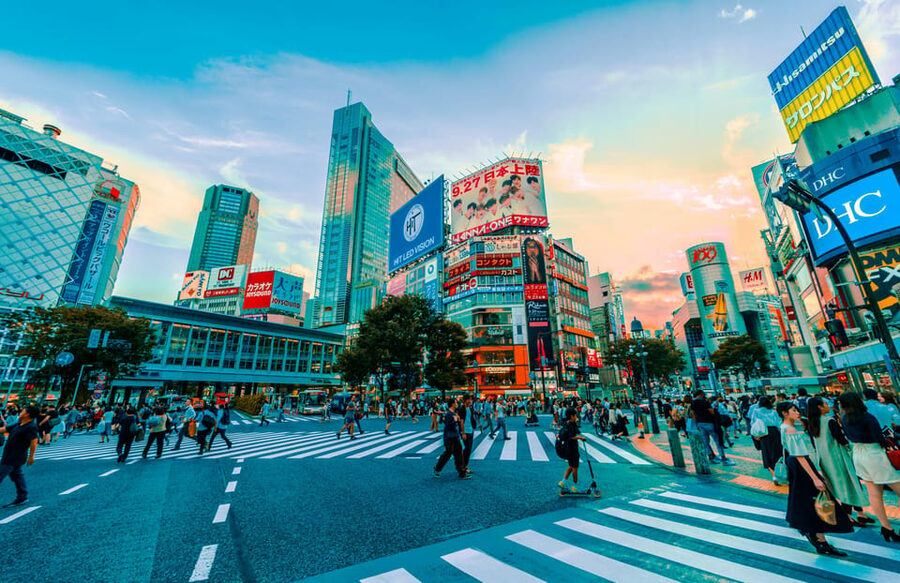
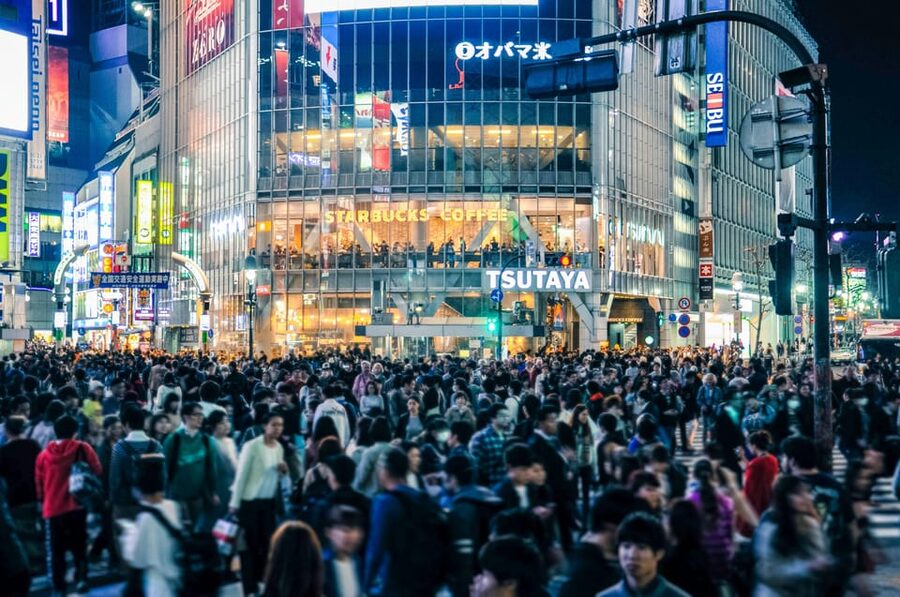
The final major stop is Shibuya Crossing, with about 40 minutes for photographs, walking, and a pass through the district. It is one of Tokyo’s classic scenes, where several streams of people cross at once beneath huge screens and city signs.
You do not need a long lecture here. The pleasure is in watching the crossing operate, then seeing the surrounding streets. The stop also gives you a fitting end to the route, moving from old temple Tokyo to the city’s modern commercial center.
The schedule lists Shibuya as a photo stop and walk, not a long shopping session. If you want a particular department store, viewpoint, or café, mention it when customizing the route. Otherwise, expect a short visit before returning to your hotel.
Traffic and walking time matter at the end of a 10-hour day. If earlier stops run long, the operator may need to shorten Shibuya or charge for overtime. Overtime is listed at 2,500 Japanese yen per hour, payable to the driver or guide.
What the car adds to the day
The air-conditioned vehicle is the central reason to choose this tour. Tokyo’s sights are spread across several districts, and the car lets you rest between stops rather than change trains with bags, children, or tired feet.
Petrol and highway tolls are included. WiFi is also provided onboard, which helps you check messages and keep your group connected during the long day. One child seat is available if required, so families should request it in advance.
The pickup area covers hotels within Tokyo’s 23 wards. You are asked to wait in the hotel lobby from 10 minutes before the scheduled pickup, with departure set for 9:00 am. Pickup is not described for locations outside those wards.
The tour is wheelchair accessible, but the route includes walks at temples, gardens, markets, shrines, Harajuku, and Shibuya. Ask how the vehicle and each stop will work for your specific mobility needs before booking. The accessible label is useful, but it does not remove the walking involved.
Guide service and the important limitation
The advertised guide support includes English, Japanese, and Hindi, with Hindi requested at booking. The guide also provides personalized suggestions, shopping stops, and photo opportunities. A good guide can make the castle ruins, shrine customs, and market choices much easier to understand.
Still, you should clarify how much guided time you receive at each stop. One booking had an awkward arrangement in which the guide stayed with the car at several destinations. The group was left to explore without much explanation, and the overall service felt closer to a private driver than a guided tour.
That does not mean every departure will work the same way. It does mean you should ask direct questions before paying: Will the guide walk into each attraction? Who handles explanations at Skytree and Tsukiji? Is the vehicle always close to the group? Clear answers can prevent disappointment.
The goodie bag is a pleasant extra, especially for families, but it should not decide the booking. The core value is transport and route planning. The guide’s involvement is the part that can change the character of the day.
Who will get the most from this Tokyo route?
I would recommend this tour to a first-time Tokyo visitor who wants the major sights in one organized day. It also suits families, small groups, and anyone who prefers a car to a long series of train changes.
It is a sensible choice after a long flight, when you want hotel pickup and a fixed starting point. The air conditioning, child seat option, WiFi, and ability to rest between districts all help.
Independent visitors may find the price harder to justify. If you enjoy planning rail routes and spending two hours at one temple or market, this schedule may feel rushed. The route favors breadth over depth.
You should also think carefully about the optional stops. Skytree admission, meals, and personal purchases cost extra. The day is not cheap once you add those items, especially for a small group of one or two.
Booking advice and final call
Before booking, send three requests: confirm the vehicle’s actual group size, ask whether the guide joins you at every stop, and choose your priorities among Skytree, Yoyogi Park, Takeshita Street, and extra food time at Tsukiji.
The cancellation policy is flexible, with a full refund available up to 24 hours before departure. You can also reserve now and pay later. Those terms help if your Tokyo plans are still shifting.
Book this tour if you want comfort, hotel pickup, and a broad first look at Tokyo without handling the transport yourself. Skip it if your main goal is detailed guiding at every site, unless the operator confirms that the guide will accompany you throughout. The route is well chosen, the car adds real convenience, and the value is strongest for four people sharing the cost.
FAQ
What is included in the Tokyo car tour?
The tour includes an air-conditioned vehicle, petrol, highway tolls, onboard WiFi, personalized recommendations, shopping stops, photo opportunities, a goodie bag, and one child seat if required. A multilingual guide or driver is also included.
How long does the tour last?
The tour lasts 10 hours. Departure is scheduled for 9:00 am.
Where can pickup take place?
Pickup is available from hotels within Tokyo’s 23 wards. You should wait in the hotel lobby from 10 minutes before the scheduled pickup time.
Is the tour private?
The experience is presented as a private tour priced for a group of up to four, but the activity information also gives a small-group limit of nine participants. Confirm the exact group arrangement before booking.
Are meals included?
No. Meals are not included. Tsukiji Outer Market is scheduled as the lunch and food tasting stop, but you pay for your own food.
Are entrance fees included?
No. Entrance fees are extra. This includes any admission you choose to purchase for Tokyo Skytree.
Which languages are available?
English, Japanese, and Hindi are listed. Hindi must be requested when booking. The live guide language is listed as English.
Can the tour route be changed?
Yes. The route can be customized, and you can add or remove locations. Yoyogi Park and Takeshita Street are specifically listed as optional, and Tokyo Skytree can be visited from the outside or entered if arranged at booking.
More Full-Day in Tokyo
More Private Tours in Tokyo

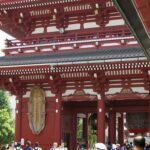
More tours in Tokyo we've reviewed











Full-Day, compared.
 ★ 4.5From Tokyo: Mount Fuji Full-Day Sightseeing TripFrom $6810 hours
 ★ 4.9Mount Fuji Full-Day Private Tour from Tokyo (Customizable)From $393
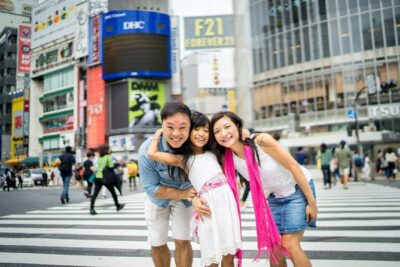 ★ 5.0Tokyo Private Full-Day Tour by Car or VanFrom $321
 ★ 4.7From Tokyo: Must-Visit Mount Fuji Highlight Full-Day TourFrom $6911 hours
 ★ 4.5Mt. Fuji, Hakone Full-Day Private Tour with English Driver GuideFrom $495
 ★ 4.8From Tokyo: Mount Fuji Full-Day Customizable Private TourFrom $48310 hours