
Reviewed · JDM & CAR CULTURE
Tokyo: Daikoku Car parking area night Meet & experience JDM
Daikoku Parking Area is not a museum or staged car show. It is a working highway rest stop that can turn into one of Japan’s most exciting car-meet spots, with customized JDM cars, European exotics, American classics, and plenty of surprises. I like the chance to reach it without sorting out the confusing highway network yourself, and I like that guides such as Ali, David, Kareem, and Mukarram have provided strong car and Japan-focused conversation. The big catch is that police may clear the lot, so no tour can promise a full night of spectacular cars.
I also like the flexible route, which can include Daikoku, Tatsumi, Autobacs Shinonome, Tokyo Tower, and photo stops along the C1 and Wangan highways. The second advantage is hotel pickup and drop-off in Tokyo or Yokohama, a real help after a late night. Just remember that you are hiring a car-focused tour in a van, not a ride in a supercar, and guide quality can vary.
In This Review
- Key points to know before booking
- Why Daikoku is worth the late-night trip
- The C1 and Wangan highways put the cars in context
- Tatsumi and other meet spots add useful insurance
- Autobacs Shinonome is more than a quick shopping stop
- Tokyo Tower closes the night with a familiar view
- What the $112 price really buys you
- Pickup, timing, and comfort details
- The guide can make or break the evening
- Who will enjoy this most
- Should you book the Daikoku night tour?
- FAQ
- How long does the experience last?
- Where can pickup and drop-off take place?
- Is Daikoku Parking Area guaranteed to have cars?
- Which places are included on the route?
- Is Tokyo Tower admission included?
- What languages does the driver speak?
- Can I cancel or pay later?
Key points to know before booking
- Daikoku is a real parking area, not a guaranteed car show: Police activity, weather, and the night’s turnout can change what you see.
- The C1 and Wangan highways are part of the show: The moving views of Tokyo and Yokohama add context beyond the parking lots.
- The route can adapt to your interests: Some guides have added another meet or spent longer at Daikoku when asked.
- Autobacs Shinonome gives you a different side of car culture: It is a chance to browse parts and accessories rather than only photograph cars.
- Pickup is available from Tokyo 23 wards and Yokohama: Airports and seaports are excluded, and outside-area pickup requires a separate inquiry.
- Expect a van, not a supercar: The value is access, local driving, and conversation rather than luxury performance driving.
Why Daikoku is worth the late-night trip
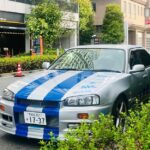
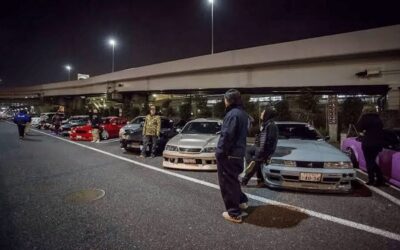
Daikoku Parking Area sits on the highway network between Tokyo and Yokohama, and its appeal comes from its role as a meeting point. Depending on the night, you might find Nissan GT-Rs, Toyota Supras, Mazda RX-7s, heavily modified street cars, older classics, and high-end European cars such as Lamborghini, McLaren, and Ferrari.
The mix is part of the fun. You are not simply looking at one brand or one era. A polished modern performance car may sit near a low, highly customized older Japanese coupe, while another corner has an American car or a European model. The range helps explain why Daikoku has become such a famous stop for people interested in Japanese car culture.
The tour allows about an hour at Daikoku, though the exact time can change with the route and conditions. That is long enough to walk around, take photos, and talk with your guide, but you should not treat it as a fixed one-hour show with a guaranteed lineup.
The most important practical point is that the police can clear the area. One evening, the lot was shut down around 8:30 p.m., leaving a participant without the expected car display. If that happens, the guide may need to move on, try another meet, or use the remaining time for Tokyo Tower and other stops. The possibility is not a small footnote. It is the main risk of booking any experience centered on a live, unofficial car gathering.
A few more Tokyo tours and experiences worth a look


The C1 and Wangan highways put the cars in context
The drive itself is more than transportation. The C1 and Wangan highways connect Tokyo’s urban core with the port and industrial areas around Yokohama, giving you a moving view of the city’s expressway system.
You can expect sweeping views of Tokyo and Yokohama along the way, with the city lights providing a strong backdrop for the night. The route also helps you understand why Japanese car culture is tied so closely to expressways, highway rest areas, and late-night meetups.
Do not expect a high-speed driving lesson or an invitation to race. The tour operates within local laws, and that is a good thing. One family specifically valued the fact that the guide respected the rules despite the reputation of these meet locations. You get the atmosphere without being asked to take part in reckless driving.
Your driver may explain the history and current state of the Japanese auto industry, as well as the scene around modified cars. The strongest part of the tour, based on the guide accounts available, is often the conversation during the drive. David was praised for his English and his insight into Japanese cars and culture, while Ali was singled out for smooth driving and clear explanations.
Tatsumi and other meet spots add useful insurance
The advertised route can include the legendary Tatsumi area and other car-culture stops. These extra locations matter because Daikoku is unpredictable. If one place is quiet or cleared by police, a flexible guide may be able to show you another gathering.
That flexibility has worked well for some bookings. Kareem took one group to several places instead of focusing only on Daikoku. Another guide added an unexpected second tuning meet, which became a welcome substitute when the planned route changed.
Still, you should ask about the route at pickup. The exact stop order can shift because of traffic, police presence, road closures, weather, or the night’s activity. The experience is best for someone who wants a chance to see the scene, not someone who needs a fixed list of cars or locations checked off one by one.
If you have already visited Tokyo and want more time at Daikoku, say so early. One group asked to stay longer, and the guide adjusted the plan. Another guest asked to skip the car-parts shop, which was also accommodated. The tour is not completely open-ended, but your preferences can shape the four hours.
Autobacs Shinonome is more than a quick shopping stop
The 30-minute stop at Autobacs Shinonome gives you a look at the practical side of Japan’s car world. This is a place to browse parts, accessories, and car-related goods, rather than simply pose beside modified vehicles.
For a serious car fan, that contrast is useful. Daikoku is about the social spectacle and the cars people bring out. Autobacs shows the retail and equipment side of the hobby. You might find the stop fascinating if you enjoy tools, tuning parts, interior accessories, and the details behind a build.
For anyone who is only interested in seeing cars at meets, 30 minutes inside a shop may feel less exciting. The stop has also been skipped when a group preferred another meet or more time elsewhere. If you are booking with children or a mixed-interest group, agree on priorities with the driver at the start.
Tokyo Tower closes the night with a familiar view
Tokyo Tower is listed as a 30-minute photo stop and visit. This gives the experience a broader Tokyo feel instead of making the entire evening about parking lots and modified cars.
You can take photos from outside, but entry tickets are not included. If you want to go up the tower, you will need to pay separately, and the schedule may not leave enough time for an extended visit. Treat this stop mainly as a city photo opportunity unless you confirm the timing and ticket plan with the operator.
The stop is also a useful backup when Daikoku does not work out. One group had to insist on using the advertised four hours after the main car stop failed, and Tokyo Tower helped fill the planned time. That experience points to a practical rule: keep your voucher handy and confirm the expected four-hour duration with your driver.
A few more Tokyo tours and experiences worth a look


What the $112 price really buys you
At $112 per person, this is not the cheapest way to look at cars in Tokyo. The value depends on how much you would otherwise spend arranging transport between Tokyo, Yokohama, Daikoku, Tatsumi, and the other highway stops.
Daikoku is not an easy place to reach as an independent visitor. The tour takes care of the driving, route planning, pickup, and return. You also get an English-speaking driver, which can turn a simple ride into a conversation about Japanese cars, local customs, and life in Japan.
The price is easier to justify for a small group that can share the vehicle cost in spirit, even though the charge is per person. It is especially useful if you are staying in Tokyo or Yokohama and want a late-night activity without arranging several separate taxis or trying to understand the highway network.
The value drops if you expect a luxury vehicle. One booking specifically clarified that the pickup was in a van rather than a supercar. Some guides have used a luxurious Toyota Vellfire, but the included service is a driver and transport, not a guaranteed Vellfire or performance car.
The other value question is the car count. If police clear Daikoku and no alternate meet is available, $112 can feel expensive for a drive, shop stop, and Tokyo Tower photo. The operator should make good use of the full four hours, but the central attraction remains outside anyone’s control.
Pickup, timing, and comfort details
Pickup and drop-off are offered from hotels, Airbnb properties, and other accommodations in Tokyo’s 23 wards and Yokohama. Airports and seaports are excluded. The driver meets you in the hotel lobby or at the address where you are staying.
The experience lasts four hours, and it can run late into the night. That matters if you have an early train, a morning flight, or a fixed dinner booking afterward. Give yourself extra breathing room rather than planning another time-sensitive activity immediately after the tour.
Wear comfortable clothes and shoes. You may spend time walking around parking areas and car meets, and the weather can change during the evening. Bring a camera, but remember that the tour does not promise any particular model or number of cars.
Smoking, alcohol, drugs, fireworks, and pets are not allowed. The experience is wheelchair accessible, though the route includes visits and walking stops, so it is sensible to discuss your needs before booking. The stated age restriction excludes people over 95.
You should also have a way to contact the driver. WhatsApp has been used for pickup communication, and local mobile service is important if your plans change or the meeting point needs clarification.
The guide can make or break the evening
The best version of this tour depends heavily on the driver. The strongest guide accounts describe people who arrived on time, drove smoothly, spoke good English, explained Japanese culture, and adjusted the route when asked.
Ali was praised for his driving and knowledge of Tokyo, Japan, and cars. David was noted for his English, his luxurious Vellfire, and his ability to discuss both Japanese culture and the car scene. Kareem was described as passionate about cars and willing to visit several locations. Mukarram communicated quickly through WhatsApp and adjusted the timing at Daikoku.
That is the standard you should hope for, but it is not guaranteed. One poor experience involved a driver who offered little car-related conversation, wanted to end early, and was criticized for weak driving. The account also raised an important point: the advertised claims about route flexibility and four hours need to match what happens on the night.
At pickup, clearly state three things:
- You want to use the full four hours.
- Daikoku is your priority, but you want an alternate plan if police clear it.
- You would prefer another meet, Tatsumi, Tokyo Tower, or Autobacs depending on your interests.
Clear communication will not create cars at Daikoku, but it can prevent confusion about what happens next.
Who will enjoy this most
I would recommend this to dedicated car fans, especially anyone who wants to see JDM, Euro, and American cars in a real social setting rather than in a formal exhibit. It also suits parents taking a car-loving teenager, since the evening can become a memorable highlight of a Japan trip.
It works well for visitors who do not want to drive unfamiliar highways at night. Hotel pickup, an English-speaking driver, and a flexible route remove much of the practical trouble.
You may want to skip it if you need guaranteed access to a car show, dislike late nights, or expect a supercar ride. It is also a weaker choice if your group has no interest in car parts, highway views, or conversations about the auto industry.
Should you book the Daikoku night tour?
Book it if you understand the bargain: you are paying for access, transport, local insight, and a chance at a great car meet, not a guaranteed display of rare cars. The best nights can include GT-Rs, Supras, RX-7s, exotic cars, another tuning meet, and striking Tokyo and Yokohama views.
Before confirming, ask who your driver will be, what happens if Daikoku is cleared, and whether you can prioritize Tatsumi, Autobacs, or Tokyo Tower. If you get a guide with the enthusiasm and flexibility shown by Ali, David, Kareem, or Mukarram, the $112 can be fair value. If your entire decision rests on seeing a packed Daikoku lot, remember that the police and the night’s turnout have the final say.
FAQ
How long does the experience last?
The tour lasts four hours. Because it is a late-night activity, you should be prepared for a return later than expected.
Where can pickup and drop-off take place?
Pickup and drop-off are available from hotels, Airbnb properties, and other accommodations in Tokyo’s 23 wards and Yokohama. Airports and seaports are excluded.
Is Daikoku Parking Area guaranteed to have cars?
No. The number and type of cars can change, and police may clear the parking area. The route may need to change if this happens.
Which places are included on the route?
The planned stops include Daikoku Parking Area, Autobacs Shinonome, and Tokyo Tower. The route may also include Tatsumi and other car-meet locations.
Is Tokyo Tower admission included?
No. Tokyo Tower entry tickets are not included. The stop is listed as a photo stop and visit.
What languages does the driver speak?
Drivers speak English and Japanese. The assigned driver may vary, and guides named in the available information include Ali, David, Kareem, and Mukarram.
Can I cancel or pay later?
You can cancel up to 24 hours before the experience for a full refund. A reserve-now, pay-later option is also available.
More Evening Experiences in Tokyo
More Night Tours in Tokyo
More JDM & Car Culture in Tokyo

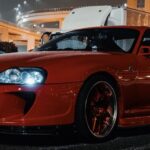

More tours in Tokyo we've reviewed


JDM & Car Culture, compared.
 ★ 4.7FAST&FURIOUS EXPERIENCE Tokyo Car Club membershipFrom $138
 ★ 4.8GT-R35 800hp Club Membership – secret underground car meetFrom $205
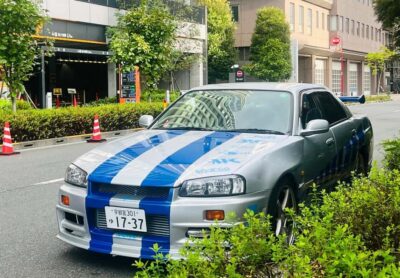 ★ 4.8Tokyo: Fast & Furious Tokyo Drift 3 Experience (Kaila Yu SP)From $157
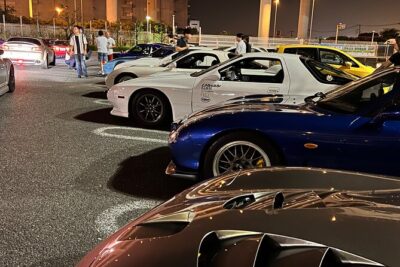 ★ 4.8Tokyo: Daikoku JDM Car Meet & Night Car Culture TourFrom $984 hours
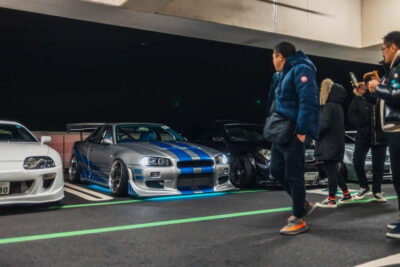 ★ 4.8Secret Car Meet: R34 Skyline Car Club MembershipFrom $236
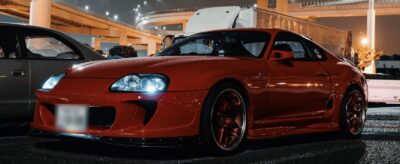 ★ 4.7Tokyo Drift: Daikoku PA Supreme Car Experience 大黒PAFrom $583 hours