
Reviewed · JDM & CAR CULTURE
Tokyo: Daikoku Car Night & Meet JDM Experience
Tokyo’s car culture comes alive after dark, when the C1 and Wangan highways turn a simple city drive into part sightseeing tour, part rolling car show. This four-hour outing takes you to Daikoku and Tatsumi, where the cars can range from tidy classics to wonderfully wild machines.
I like the mix of highway cruising and time on foot at the parking areas. I also like the human side: guides such as Shaon, Michael, Ali, Yoshi, and David bring different personalities and car knowledge to the evening. The main catch is that the cars you see depend on the night, and the car assigned to you is random.
In This Review
- Key points to know before booking
- Why Tokyo’s highways make this more than a parking-lot visit
- Daikoku Parking Area: the evening’s main stop
- Tatsumi and the wider Tokyo car scene
- Rainbow Bridge and Tokyo’s night views
- Tokyo Tower: a final photo stop
- What the guides add to the ride
- Is $112 a fair price?
- Timing, pickup, and comfort
- Who will enjoy this most?
- My verdict on this JDM night tour
- FAQ
- How long does the Tokyo JDM experience last?
- What is included in the price?
- Is hotel pickup included?
- Can I be picked up at an airport or port?
- Are Tokyo Tower tickets included?
- What language does the driver speak?
- Can I cancel for a full refund?
- Is the experience wheelchair accessible?
Key points to know before booking
- Daikoku is the main event: You get about 90 minutes there for photos, browsing, and conversation around the cars.
- The drive is part of the attraction: The C1 and Wangan routes provide Tokyo views, highway lights, and a sense of how the city’s car scene moves.
- Saturday nights may be busiest: Several outings on Saturdays had large collections of cars, but no particular make or model is guaranteed.
- Your car is assigned randomly: The vehicle may be a minivan or another enthusiast car, so book this for the whole experience rather than one specific ride.
- Hotel pickup is included in Tokyo’s 23 wards: Pickup outside the wards costs an additional 5,000 to 20,000 yen, depending on the area.
- The value comes from access and guidance: At $112 per person, the price covers private transport, an English-speaking driver, highway cruising, and visits to key car-meet locations.
Why Tokyo’s highways make this more than a parking-lot visit
A car meet at Daikoku would be interesting on its own, but the route gives the evening its shape. You leave central Tokyo, head onto the C1 and Wangan highways, and watch the city shift from dense streets to broad, fast-moving roads and industrial waterfront views.
You are not simply being driven from one point to another. The trip is built around the movement of the cars and the city itself. Guides explain Tokyo driving, highway maintenance, Japanese motoring habits, and the history of the local auto industry as you go.
The experience is especially useful if you know the names of famous Japanese performance cars but do not know how the scene works today. You can ask about tuning, classic models, current manufacturers, and the differences between Japanese car culture and the scene in your own country.
The tour does not promise a particular car list. That is important. One night may bring a large crowd and a wide mix of machines. Another may be quieter. The appeal is the chance to see what has gathered that night, not a guaranteed display of a specific Skyline, Supra, RX-7, or Honda.
A few more Tokyo tours and experiences worth a look


Daikoku Parking Area: the evening’s main stop
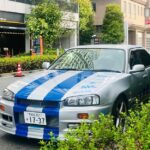
Daikoku Parking Area is the place most enthusiasts are waiting for. You receive around 1.5 hours here, enough time to walk around, take photos, study details, and talk with the guide.
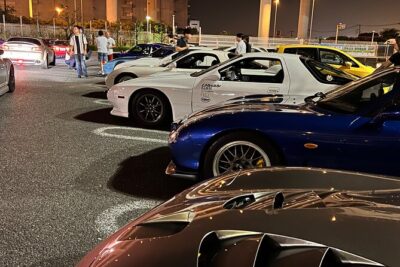
The collection can be eclectic. You might find restored classics beside heavily modified cars, unusual imports, tuned Japanese models, and builds that look as if they came straight from a video game. The supplied details describe everything from classic to absolutely wild, which is a fair expectation for the setting.
Your guide helps turn the parking area into more than a photo stop. The professionals leading these outings have more than 30 years of auto industry experience between them, along with long-running personal interest in cars. That background matters when you want context instead of a list of model names.
Some guides are especially chatty. Shaon was praised for making conversation easy and giving people plenty of time to explore. Michael was described as deeply passionate about cars. Ali was praised for his friendly personality, and Yoshi for explaining the history of the scene and pointing out places with fewer foreign visitors.
Other guides may be quieter. One outing had a guide who answered questions well but did not talk constantly. I see that as a useful expectation: you can get a conversational evening, but you should ask questions if you want a running commentary.
Daikoku is also a place where the night matters. Saturday outings had particularly strong crowds, with more cars to see and more energy around the lot. Still, the schedule and turnout can change. If you have only one night in Tokyo, book for the experience of visiting Daikoku rather than expecting a certain level of activity.
Tatsumi and the wider Tokyo car scene
The tour also includes Tatsumi, another well-known meeting point for Japanese car culture. The supplied schedule gives Daikoku the longest formal stop, but the broader outing includes several popular locations and is designed to show how the scene connects across Tokyo.
That makes this a good choice if you want more than a single parking area. The guides take you to places where car enthusiasts gather, and you have the chance to compare the atmosphere and the vehicles from one stop to another.
The experience can feel social. You may be riding in one vehicle while joining a convoy of other tuned cars, as one outing described. That does not mean every departure will form the same convoy, but it explains why the highway portion can feel like an active part of the event rather than a transfer.
One account also described seeing light drag racing during the drive. Treat that as something that happened on one evening, not as a promised feature. The tour’s stated focus is cruising, car meets, sightseeing, and conversation.
Rainbow Bridge and Tokyo’s night views
Rainbow Bridge appears as a short stop or pass-by, with roughly 10 minutes set aside for the area. It is not a long attraction visit, but it adds a strong visual break between the parking areas and the city center.
From the road, you get a different view of Tokyo than you would from a train or a walking tour. The bridge, highway lights, and waterfront setting help explain the appeal of driving in the city at night.
Keep your camera ready, since this portion is brief. You should not book the outing as a dedicated Rainbow Bridge photography tour. It is one scenic piece of a car-focused evening.
Tokyo Tower: a final photo stop
The route includes about 30 minutes around Tokyo Tower. You can take photos, pause for a break, and enjoy city views before returning to your hotel or chosen drop-off point.
Tokyo Tower gives the evening a familiar landmark to balance the more specialized car stops. If your friends or family are less interested in engines, this part may be the easiest section for everyone to enjoy.
Entry tickets for Tokyo Tower are not included. The schedule lists a photo stop and sightseeing time, so you should plan on viewing the tower from outside unless you arrange and pay for entry separately.
A few more Tokyo tours and experiences worth a look


What the guides add to the ride
The guide can make or break an experience like this. The driving routes and parking areas are the fixed framework, but the stories and explanations give the evening its meaning.
You can expect an English-speaking driver and a chance to discuss Japanese car culture alongside the scene in your own country. That exchange is one of the strongest reasons to choose a guided outing rather than trying to locate Daikoku independently.
The guides have also been praised for practical help. They explain Tokyo traffic, highway upkeep, transit systems, and the way driving works in the city. Several named guides were singled out for friendly conversation, safe driving, strong communication, or a good sense of humor.
The tone may vary. Shaon, Michael, Ali, Yoshi, and David each received especially warm praise for different strengths, but guide assignment is not specified in advance. If you want to get the most from the ride, arrive with questions about Japanese brands, modifications, racing culture, and how the current scene differs from the 1990s image many people know from films and games.
Is $112 a fair price?
At $112 per person, this is not the cheapest way to see Tokyo at night. You are paying for a specialist outing, not simply transport to a viewpoint.
The price includes hotel pickup and drop-off within Tokyo’s 23 wards, an English-speaking driver, the JDM tour experience, and entry to Koto and Daikoku parking lot. It also covers the time spent driving the C1 and Wangan routes and visiting several car-meet locations.
That package can be good value if Daikoku is high on your list. Reaching the parking area alone can be awkward for a first-time visitor, and the value here lies in having a driver who knows the route and can explain what you are seeing.
The price is less attractive if you are only mildly interested in cars. Tokyo Tower and Rainbow Bridge can be visited in other ways, and food and drinks are not included. You also pay separately for Tokyo Tower entry, if you choose to go inside.
Pickup outside the 23 wards adds 5,000 to 20,000 yen, based on the area. Airport and port pickup is not available. Check your hotel address carefully before booking so the final cost does not surprise you.
Timing, pickup, and comfort
The outing lasts four hours, but starting times depend on availability. You are asked to wait in your hotel lobby 10 minutes before pickup. Drivers can arrive late because Tokyo highway traffic is unpredictable, so a little patience helps.
The driver waits no longer than 60 minutes after the scheduled pickup time. Add the local supplier, Trektide Travels, on WhatsApp before the tour so communication is easier on the day. This is particularly useful if the driver needs to coordinate the meeting point or update you about traffic.
Pickup is available from hotels or chosen locations inside Tokyo’s 23 wards, including areas such as Shibuya, Shinjuku, Shinjagawa, Minato, Chiyoda, Taito, Koto, Setagaya, and Ota. Pickup is not offered at airports or ports.
Wear comfortable shoes. You will have time to walk around the parking areas, and the evening is better if you can move freely while looking at the cars. Bring a camera, and check the weather before departure. The tour runs outdoors at the key stops, so rain can affect how long you want to browse and photograph.
The activity is listed as wheelchair accessible. You should still confirm the exact vehicle and practical arrangements before booking if you use a wheelchair, since the tour involves vehicle transfers and outdoor parking areas.
Who will enjoy this most?
I would choose this for a serious car enthusiast, a fan of Japanese performance culture, or anyone who wants an unusual Tokyo night out. It also suits visitors who enjoy learning through conversation rather than moving from one formal attraction to another.
You do not need to know every engine code or tuning term. The guides can explain the scene, and the evening includes city views and landmarks for people who are simply curious.
This is less suitable if you need a fixed schedule, guaranteed access to a specific car, or a quiet sightseeing drive. The collection changes from night to night, the vehicle assignment is random, and the highway portion may feel intense to anyone who dislikes fast-moving traffic.
The activity is not suitable for people over 95 years old. Food and drinks are also your responsibility, so plan accordingly around the four-hour schedule.
My verdict on this JDM night tour
I would book this if Daikoku, Japanese car culture, and a night drive through Tokyo are all on your wish list. The strongest parts are the long stop at Daikoku, the chance to visit more than one car-meet area, and the access to English-speaking guides who can explain both the cars and the city.
The perfect transport score and 4.9 rating from 28 bookings point to a well-run ride, with punctual pickup, safe driving, friendly communication, and convenient hotel drop-off frequently emphasized. Still, keep your expectations flexible. The cars are different every night, the assigned vehicle is random, and the most exciting meet depends on turnout.
At $112, I see it as a specialist tour with fair value for enthusiasts, especially if you would otherwise struggle to reach Daikoku. If cars are only a small interest, spend your evening on a standard Tokyo night tour instead. If you want to see Tokyo through its highways, parking areas, tuned cars, and conversations with people who live for the scene, this is a strong choice.
FAQ
How long does the Tokyo JDM experience last?
The activity lasts four hours, including the highway drive, parking-area visits, city sightseeing, and return to Tokyo.
What is included in the price?
The price includes hotel pickup and drop-off within Tokyo’s 23 wards, an English-speaking driver, the JDM tour experience, entry to Koto, and entry to Daikoku parking lot.
Is hotel pickup included?
Yes. Pickup is included from your hotel or chosen location within Tokyo’s 23 wards. Pickup outside those wards costs an additional 5,000 to 20,000 yen, depending on the area.
Can I be picked up at an airport or port?
No. Airport and port pickup is not available.
Are Tokyo Tower tickets included?
No. Tokyo Tower entry tickets are not included. The tour provides time for a photo stop, sightseeing, and a break near the tower.
What language does the driver speak?
The driver speaks English.
Can I cancel for a full refund?
Yes. You can cancel up to 24 hours before the activity for a full refund.
Is the experience wheelchair accessible?
Yes, the activity is listed as wheelchair accessible. It is still sensible to confirm vehicle and transfer details when booking.
More Evening Experiences in Tokyo
More Night Tours in Tokyo
More JDM & Car Culture in Tokyo
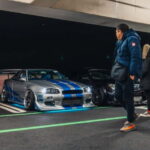
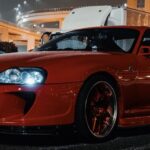
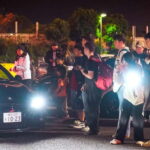
More tours in Tokyo we've reviewed

JDM & Car Culture, compared.
 ★ 4.7FAST&FURIOUS EXPERIENCE Tokyo Car Club membershipFrom $138
 ★ 4.8GT-R35 800hp Club Membership – secret underground car meetFrom $205
 ★ 4.8Tokyo: Fast & Furious Tokyo Drift 3 Experience (Kaila Yu SP)From $157
 ★ 4.8Tokyo: Daikoku JDM Car Meet & Night Car Culture TourFrom $984 hours
 ★ 4.8Secret Car Meet: R34 Skyline Car Club MembershipFrom $236
 ★ 4.7Tokyo Drift: Daikoku PA Supreme Car Experience 大黒PAFrom $583 hours