
Reviewed · SHINJUKU TOURS
Tokyo : Cute Character Bento making work shop in Shinjuku
The most appealing part of this Shinjuku class is that you do not simply watch a chef work. You make a character bento, or kyaraben, with your own hands, from savory Japanese dishes to tiny food faces. The result is lunch, craft project, and photo subject in one.
I like the private group format, since your party can work at its own pace rather than sharing a crowded table. I also like the warm, practical teaching style promised by Aya and Ayano, two Japanese guides who explain both the cooking and the cute food culture behind it. The main drawback is the price: at $78.18 per person for about 90 minutes, this is a special-interest activity rather than a cheap meal.
In This Review
- Key points at a glance
- What kyaraben reveals about Japanese home cooking
- Meeting Aya and Ayano in Shinjuku
- Preparing dashi, karaage, and tamagoyaki
- Turning lunch into an edible character
- The photo moment before lunch
- Is $78.18 a fair price for 90 minutes?
- Who will enjoy this Shinjuku class most?
- Practical details that affect your choice
- Should you book the kyaraben workshop?
- FAQ
- Where does the character bento class take place?
- How long does the workshop last?
- Is the activity private?
- What will I learn to make?
- Are meals included?
- Is transportation included?
- Are alcoholic drinks available?
- Who leads the class?
- What is the cancellation policy?
Key points at a glance
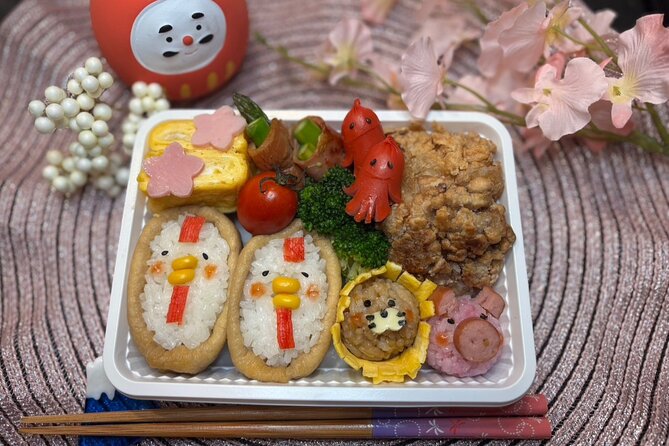
- Make a full character bento: Shape and decorate Japanese food into an edible, camera-ready design.
- Learn more than decoration: The class covers dashi, karaage, tamagoyaki, and familiar home-cooked flavors.
- Work with Aya and Ayano: Two friendly Japanese hosts lead the private class and explain each step.
- Spend 90 minutes in Shinjuku: The central location makes this easy to fit into a Tokyo sightseeing day.
- Good for families and couples: Kids enjoy the animal shapes, while adults get a close look at Japanese lunch culture.
- Bring your phone: The finished bento is designed to be photographed before you eat it.
What kyaraben reveals about Japanese home cooking
Kyaraben is short for character bento, the Japanese art of turning a packed lunch into a small scene, animal, or character. It is closely linked with family life, especially the lunch boxes prepared for children. That gives this class more substance than a simple novelty cooking lesson.
You learn how Japanese food can be both practical and playful. A bento must fit into a compact box, hold its shape, and remain appealing after preparation. The character details add another layer of care. Small pieces become eyes, ears, expressions, and animal forms.
I like this cultural angle because it gives the activity a clear purpose. You are not just making something cute for social media. You are learning about an everyday Japanese tradition that rewards patience, neatness, and attention to presentation.
The finished meal is also useful. You eat what you make, so the class connects food design with actual Japanese flavors. That balance matters. Some food workshops focus so heavily on appearance that the cooking becomes secondary. Here, the menu includes dashi, karaage, and tamagoyaki, three familiar building blocks of Japanese home-style food.
A few more Tokyo tours and experiences worth a look


Meeting Aya and Ayano in Shinjuku
The class meets at 1103, 5-chōme-18-20 Shinjuku, Shinjuku City, Tokyo 160-0022. The activity returns to the same location, so you do not need to arrange transportation between separate cooking and dining sites.
Shinjuku is a practical base for this sort of short activity. You can place the class between shopping, city walks, and other plans without giving up a full day. The stated duration is about 1 hour 30 minutes, which makes it easier to schedule than a long cooking course.
Aya and Ayano are the two Japanese hosts. Their role is not limited to passing out ingredients. They explain the steps, help with the food preparation, and share the cultural background of cute Japanese food. A detailed experience description praises the organized setup, complete tools, pre-portioned ingredients, and clear guidance from both instructors.
That setup is important in a 90-minute class. Pre-portioned ingredients mean you spend your time cooking and shaping rather than measuring everything from scratch. Complete tools also reduce the awkward pauses that can make a short workshop feel rushed.
The class is private, with only your group participating. That is a real advantage for families with children, couples who want a relaxed activity, or friends who want to concentrate on photographs and presentation. It also means the pace and conversation are likely to feel more personal than in a large public class.
Preparing dashi, karaage, and tamagoyaki
The cooking portion introduces several basic Japanese flavors. Dashi provides the umami foundation used in many Japanese dishes. Karaage brings the crisp, savory side of the meal. Tamagoyaki, the rolled Japanese omelet, adds a soft texture and a sweet-savory taste.
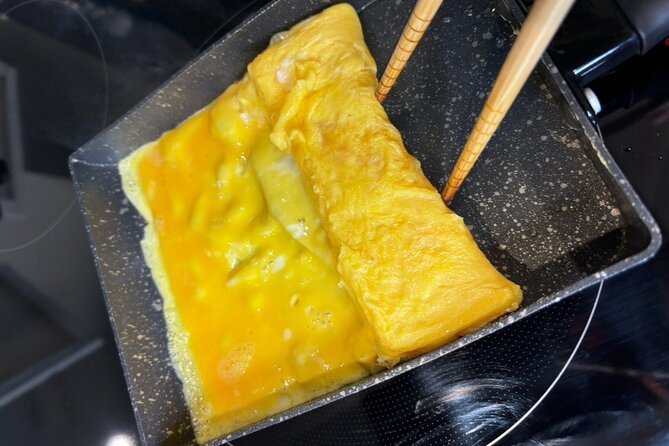
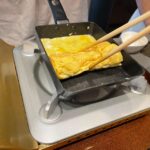
Tamagoyaki is especially useful in a class because you can see the cooking technique in action. The omelet is rolled into layers, and the shape becomes part of the final bento. Rolling it neatly takes more care than simply scrambling eggs, so this is one place where clear instruction from Aya and Ayano matters.
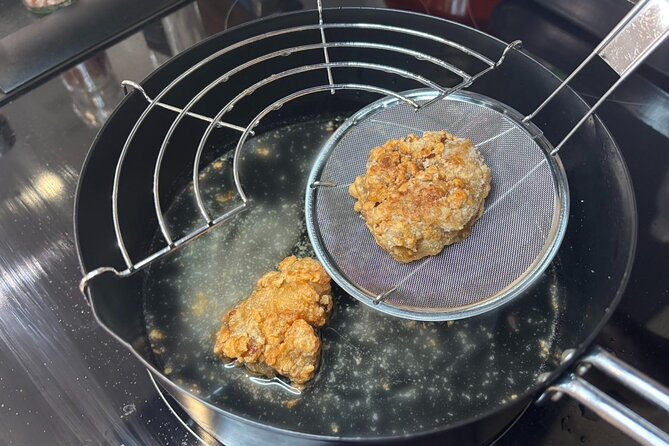
Karaage gives the bento a satisfying main item. The class description identifies it as crispy karaage, so you can expect this part to add contrast to the softer egg and rice-based components. Dashi supplies a classic Japanese flavor that helps connect the individual foods.
The exact order of the activities is not specified, so you should think of the class as a guided set of cooking and decorating tasks rather than a rigid restaurant-style meal. The focus is hands-on participation. You are expected to prepare, shape, and assemble rather than sit back while someone else handles the work.
Meals are included in the price. Alcohol is not part of the standard offering, and alcoholic drinks are served only to people aged 21 or older. Anyone under 21 is offered non-alcoholic alternatives.
Turning lunch into an edible character
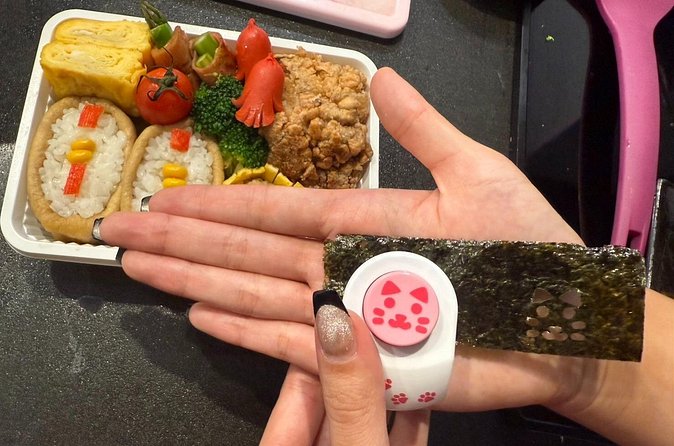
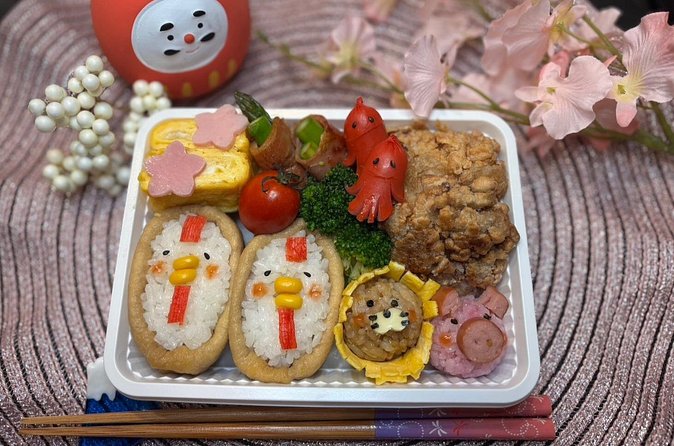
The most distinctive part comes when the prepared food becomes a character. You may work with animal shapes and small decorative details, creating a bento that is meant to look as good as it tastes.
This is where the class suits creative people. You do not need to be a serious cook to enjoy it. The appeal comes from making decisions about expression, arrangement, and color. A simple change in the position of eyes or ears can alter the personality of the finished figure.
Kids tend to connect with the animal shapes right away. Adults may appreciate the cultural lesson and the small technical challenges. Couples and friends can also make the same foods while giving each bento its own look.
I would keep your expectations realistic. The class is only about 90 minutes, and the available details do not promise a professional-level lesson in advanced Japanese cuisine. You are getting an accessible introduction to home-style flavors and character food, not formal chef training.
That is not a weakness if you choose the class for the right reason. It works best as a creative Tokyo activity with food at its center. If your goal is to master restaurant techniques, a longer culinary course would be a better match. If your goal is to make something personal and memorable, the format makes sense.
The photo moment before lunch
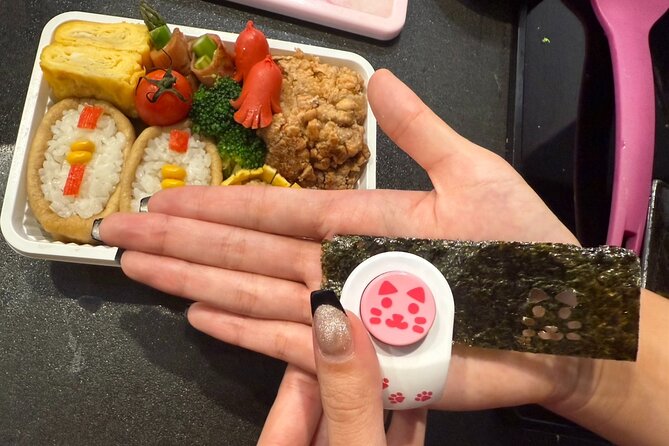
A character bento is built for pictures. The class is designed so you can photograph the process, the food details, and the final box. For anyone who enjoys Instagram, TikTok, or YouTube, the visual side is a major part of the value.
You can capture the stages of the activity rather than only the finished result. Rolling tamagoyaki, arranging the food, and adding faces give you several natural photo moments. Since the group is private, you can focus on your own images without worrying about strangers appearing in every shot.
I would bring a phone with enough storage and a charged battery. That is simple advice, but it matters here. The finished bento is an edible souvenir, so once lunch is eaten, the photographs are what remain.
The food is more than a prop. The point is to create something you can eat, not a plastic model or a display item. That makes the experience feel more connected to Japanese daily life, even though the character design adds a playful twist.





Is $78.18 a fair price for 90 minutes?
At $78.18 per person, the class is not inexpensive for a 90-minute activity. You are paying for a private experience, instruction from two hosts, ingredients, a meal, cooking tools, and the cultural element of learning kyaraben.
The value improves if you are traveling with a small private group. A family can share the experience without strangers at the table. A couple can treat it as a date activity. Friends can make food together and take home a set of photographs that feels more personal than a standard restaurant visit.
The price is harder to justify if you mainly want a quick lunch. Shinjuku offers many cheaper ways to eat, and this class takes time away from sightseeing. The meal itself is only one part of what you are buying. The rest is instruction, preparation, creativity, and the chance to make a character bento yourself.
The organized setup helps support the cost. Ingredients are pre-portioned, the tools are complete, and the instructors provide step-by-step guidance. Those details reduce wasted time and make the short class more productive.
I would compare it with the cost of other hands-on cultural activities in Tokyo, not with the price of a restaurant meal. If you value private instruction and want a food-related memory you cannot easily reproduce at home, the price can be reasonable. If you need the lowest-cost way to sample Japanese food, choose a restaurant instead.
Who will enjoy this Shinjuku class most?
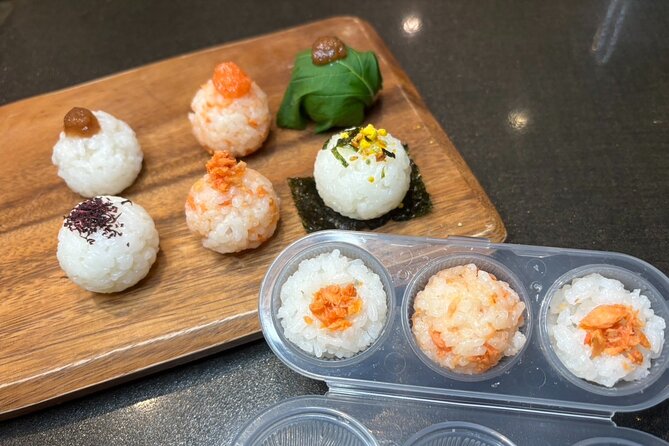
This experience has a broad audience, but some people will get more from it than others.
Families are a natural fit. Children can enjoy shaping animals and decorating faces, while adults learn about Japanese lunch traditions. The private setting should also make it easier for a family to stay together and ask for help.
Couples can use it as a hands-on date. You work on the same style of meal, but each person can give the final bento a different personality. The short length leaves time for dinner, shopping, or an evening walk afterward.
Solo visitors may also enjoy it, especially if they like food presentation and want a guided cultural activity. The private format means a solo booking would not require joining a large public class, although the supplied details do not state how solo pricing is handled.
Content creators get a clear visual theme. The food is colorful, the steps are easy to photograph, and the finished bento provides a natural final shot. Still, the class should be chosen for the cooking and cultural experience first, with content as a useful bonus.
People looking for advanced culinary instruction may find it too basic or too short. The class focuses on accessible Japanese flavors and cute presentation, not a broad survey of professional kitchen skills.
Practical details that affect your choice
A mobile ticket is provided, which is convenient for a Tokyo day when you may not want to carry printed paperwork. Confirmation is received at booking, so you can keep the activity details on your phone.
Private transportation is not included. You need to make your own way to the Shinjuku meeting point, and the activity ends there. The location is near public transportation, which helps when fitting the class into a larger itinerary.
Service animals are allowed. The experience is listed as suitable for all ages and backgrounds, but the specific information does not give a minimum age for the cooking class. The clear age rule applies to alcohol: drinks are available only to people 21 and older, with non-alcoholic alternatives for younger participants.
Cancellation is flexible if you plan ahead. You can receive a full refund by canceling at least 24 hours before the local start time. Cancellations or changes made inside that 24-hour window are not accepted for a refund.
Should you book the kyaraben workshop?
Book this class if you want a short, private, hands-on Tokyo activity that combines cooking with Japanese pop culture and home life. It is especially suitable for families, couples, friends, and people who enjoy making photographs as part of a trip.
The strongest reasons to choose it are the private group setting, the two-host instruction from Aya and Ayano, the complete pre-portioned setup, and the chance to eat a bento you designed yourself. You get a cultural activity, a meal, and an edible photo subject in one stop.
Skip it if you are watching every dollar, prefer a full-length cooking course, or simply want a cheap lunch. At $78.18, the class earns its price through participation and personal attention, not through the quantity of food.
For the right audience, it is a cheerful way to see a smaller side of Japanese food culture in central Tokyo. You leave with a meal in your stomach, new ideas about bento design, and photographs of something you made yourself.
FAQ
Where does the character bento class take place?
The meeting point is 1103, 5-chōme-18-20 Shinjuku, Shinjuku City, Tokyo 160-0022, Japan.
How long does the workshop last?
The workshop lasts approximately 1 hour 30 minutes.
Is the activity private?
Yes. Only your group participates in the activity.
What will I learn to make?
You will learn to prepare and decorate a character bento, including Japanese flavors and foods such as dashi, karaage, and tamagoyaki.
Are meals included?
Yes. Meals are included in the experience.
Is transportation included?
No. Private transportation is not included, so you must arrange your own way to the meeting point.
Are alcoholic drinks available?
Alcoholic drinks are served only to people aged 21 or older. People under 21 are offered non-alcoholic alternatives.
Who leads the class?
The class is led by Aya and Ayano, two Japanese hosts who guide the cooking and explain the character bento tradition.
What is the cancellation policy?
You can cancel for a full refund up to 24 hours before the local start time. Cancellations or changes made less than 24 hours before the start are not accepted for a refund.
More Shinjuku Tours in Tokyo

More tours in Tokyo we've reviewed








Shinjuku Tours, compared.
 ★ 5.0Tokyo: Shinjuku Food Tour (13 Dishes at 4 Local Eateries)From $86
 ★ 5.0Tokyo Bar Hopping Tour in Shinjuku (All-You-Can-Drink + Dinner)From $106
 ★ 4.9Tokyo: Shinjuku Food Tour (15 Dishes and 4 Eateries)From $853 hours
 ★ 5.0Best of Shinjuku: Izakaya Food Tour (4 Stops, 14+ Tastings)From $92
 ★ 4.9Tokyo: Shinjuku Local Bar and Izakaya Guided Walking TourFrom $343 hours
 ★ 5.0Tokyo Shinjuku Chopsticks Making ClassFrom $20