
Reviewed · TOURS
Tameike: Exploring the Heart of Japanese Politics Tour
Japan’s political world comes into focus inside the National Diet Building, where you can see the chambers, learn how voting works, and connect major events to the place where decisions are made. The tour then shifts neatly from government to religion at Hie Shrine, before ending with matcha and sweets at a long-established tea shop.
I like the small group limit of five, which leaves room for real questions rather than a speech delivered over your head. I also like the mix of subjects: Japanese politics, Shinto customs, career and matchmaking beliefs, and an old-fashioned tea break. The main drawback is the amount of walking and stairs, so comfortable shoes matter.
In This Review
- Key points at a glance
- Why the National Diet makes a better stop than a quick photo
- Meeting the guide at Kokkai-gijidōmae Station
- Inside the National Diet Building
- Walking from government to Hie Shrine
- Matcha and sweets at Dobashi-en
- What $129 means in value
- Who will enjoy this three-hour tour
- Practical details that affect your day
- Should you book the Tameike tour?
- FAQ
- Where does the tour begin?
- Where does the tour finish?
- How long does the experience last?
- Is the tour conducted in English?
- How many people can join the group?
- Is food and drink included?
- What should I bring or wear?
Key points at a glance
- A rare look at Japan’s political center: Spend about an hour inside the National Diet Building with an English-speaking guide.
- Politics explained in plain terms: Ask about government, voting procedures, current affairs, and everyday Japanese customs.
- Hie Shrine adds a cultural change of pace: See monkey guardians, monkey-themed charms, and the small Thousand Torii Gates.
- A proper tea finish: Enjoy matcha and local sweets at Dobashi-en, along with a tea souvenir.
- Small enough for conversation: Groups are limited to five, and some departures may become a one-on-one tour.
- Easy central Tokyo route: Meet at Kokkai-gijidōmae Station and finish near Akasaka-mitsuke Station after three hours on foot.
Why the National Diet makes a better stop than a quick photo
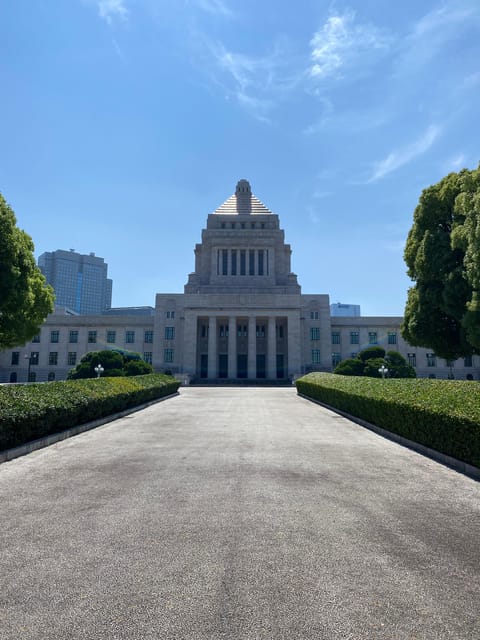
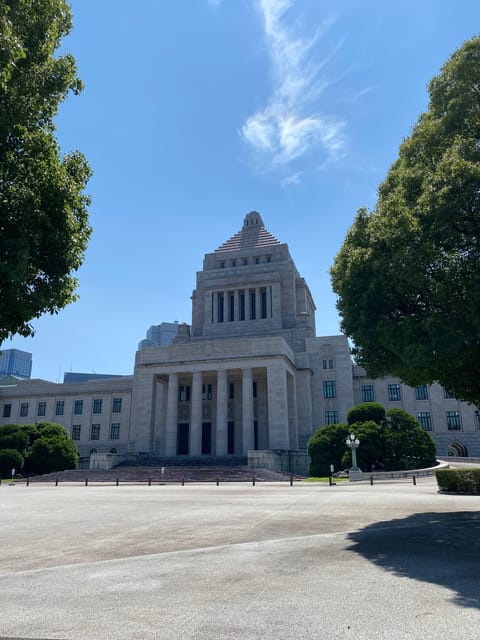
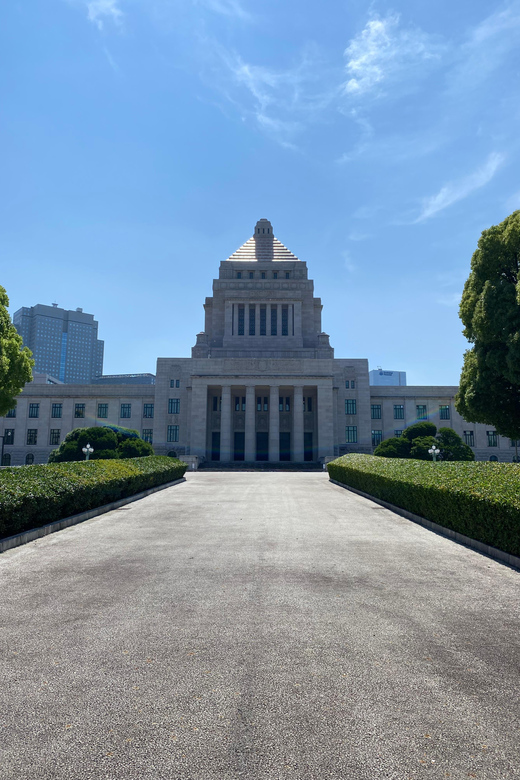
Many Tokyo sightseeing plans pass through the government district without explaining what you are looking at. This tour gives the National Diet Building a clear purpose. You are not just admiring a grand façade. You spend roughly an hour on a guided visit, learning how Japan’s political system operates and seeing the setting where national debates and decisions take place.
The building is also useful for putting Japanese history into a physical setting. Your guide can connect the architecture and chambers with key political events, voting procedures, and the way government works today. That makes the visit a good fit if you have been curious about Japan beyond temples, food, and shopping.
I especially value the chance to ask questions. Past participants used the time to discuss Japanese politics, domestic and global issues, public customs, and small everyday details such as why public parks and other places often have so few trash cans. A guide such as Megumi, who has been praised for her clear explanations and open conversation, can turn a formal building visit into a broader lesson about life in Japan.
The political material will not suit everyone. If you want a fast-moving sightseeing tour with constant photo stops, an hour focused on government may feel serious. You will get the most from this part if you arrive with a few questions of your own.
If you're still narrowing it down, here are other tours in Tokyo we've reviewed.
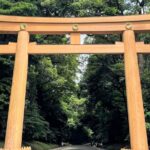

Meeting the guide at Kokkai-gijidōmae Station
The tour begins at Kokkai-gijidōmae Station, Exit 1. Look for a guide wearing a navy-blue happi, the traditional Japanese coat. This is a practical meeting point because the route starts right beside Japan’s political district.
The group size is limited to five people. That matters here. Government systems can be hard to follow when the guide is speaking to a large crowd, but a small group gives you a better chance to stop and clarify terms. The experience may even operate as a private-feeling one-on-one walk if nobody else books that departure.
Megumi has led several of the praised departures, and her role seems to be more than reciting prepared facts. She has been singled out for answering questions about both politics and ordinary Japanese life, giving the tour a useful local point of view. Her presence is not guaranteed, so book this for the subject and format rather than for a promise of one particular guide.
The tour is in English. Give yourself a few minutes to find Exit 1, and arrive ready to walk. The route uses public streets between the main stops, with about five minutes to the Diet, fifteen minutes to Hie Shrine, and another fifteen minutes to the tea shop.
Inside the National Diet Building
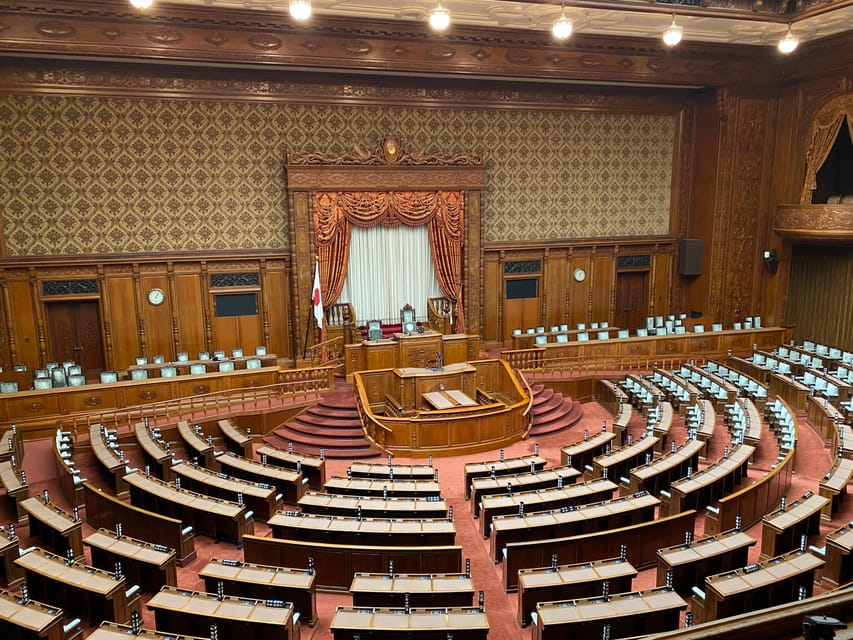
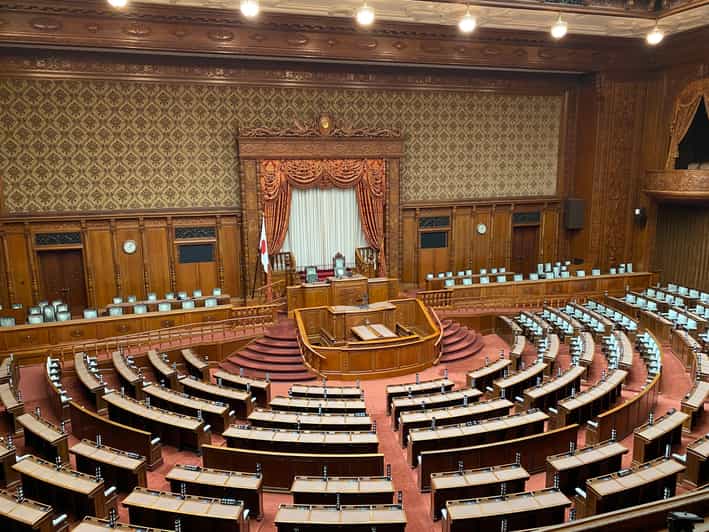
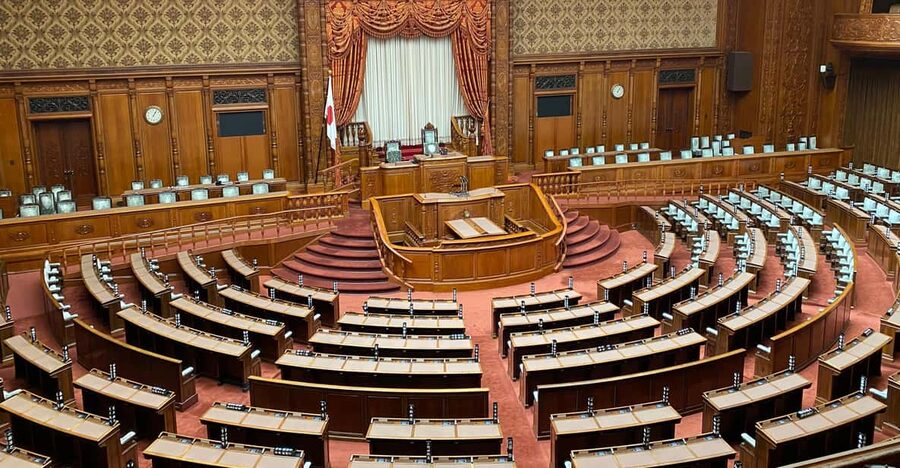
The first stop is the heart of the experience. You spend about an hour on a guided tour of the National Diet Building, including its grand chambers and important architectural features. The visit gives you a look at the place where Japan’s national political process unfolds.
The strongest part is the explanation. You can learn how the government is organized, how voting procedures work, and how political events connect to the building itself. This is much more useful than trying to pick up the basics from a guidebook caption or a quick exterior visit.
The building also gives you a visual anchor for questions that can otherwise feel abstract. Terms such as parliament, voting, and political procedure become easier to understand when you are standing in the setting where those processes take place. If you have been following Japanese news, you can use the tour to build a clearer picture of how the country’s system functions.
There are stairs at the National Diet Building. That is the main physical caution, and it is worth taking seriously because the tour continues on foot afterward. Wear shoes you can walk in comfortably, and avoid treating this as a dressed-up indoor excursion.
The supplied information does not specify every room or chamber open on every departure, so your exact route inside may vary. Still, the promised focus is clear: architecture, political history, government, and a close look at Japan’s political scene.
Walking from government to Hie Shrine
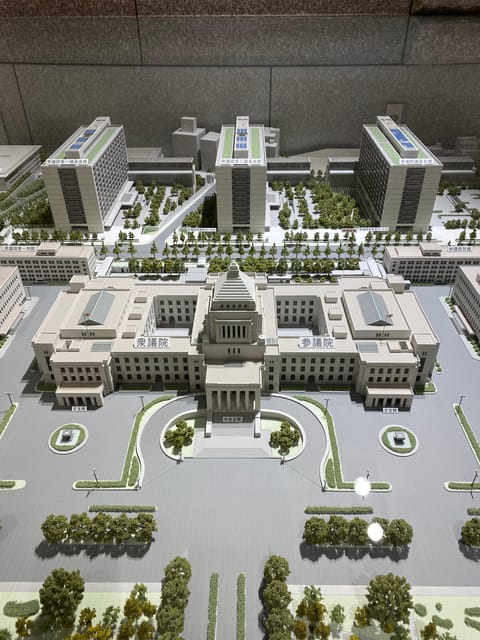
After the Diet, you walk about fifteen minutes to Hie Shrine. This change is one of the tour’s clever features. The first stop explains the formal machinery of the state. The second shows how religious practice and popular beliefs remain part of daily culture.
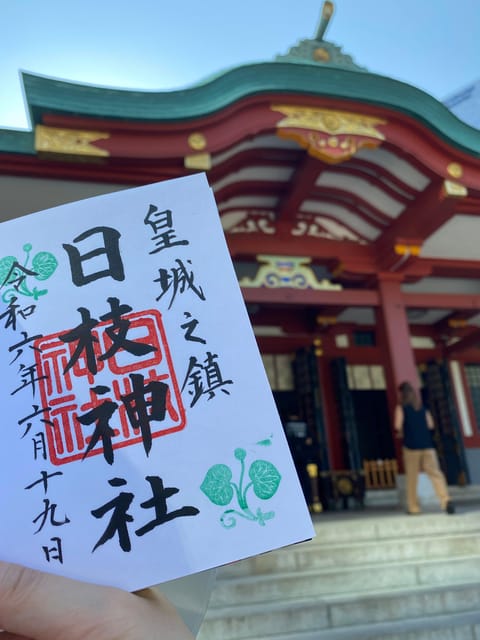
Hie Shrine is known as a power spot for career success and matchmaking. You do not need to share those beliefs to find the visit worthwhile. The shrine offers a chance to see how people connect sacred places with practical hopes, from professional progress to relationships.
Look for the guardian monkey statues at the gate and main hall. Monkey designs also appear on votive tablets and charms, giving you specific details to notice instead of simply walking through a large shrine precinct. Your guide can explain the meaning and customs behind what you see, then show you how to worship at a Shinto shrine.
The shrine’s Thousand Torii Gates are another highlight. They recall the famous rows at Fushimi Inari Shrine in Kyoto, though this is a much shorter stop within a compact Tokyo route. The gates create a photogenic passage, but the more useful reason to visit is the chance to understand how the shrine’s symbols, prayers, and customs fit together.
You spend about forty-five minutes at Hie Shrine. That is enough time for guided sightseeing without making the tour feel like a full religious-site study. Since the route includes stairs and walking, the shrine stop is best enjoyed at a comfortable pace rather than rushed for photographs.
Matcha and sweets at Dobashi-en
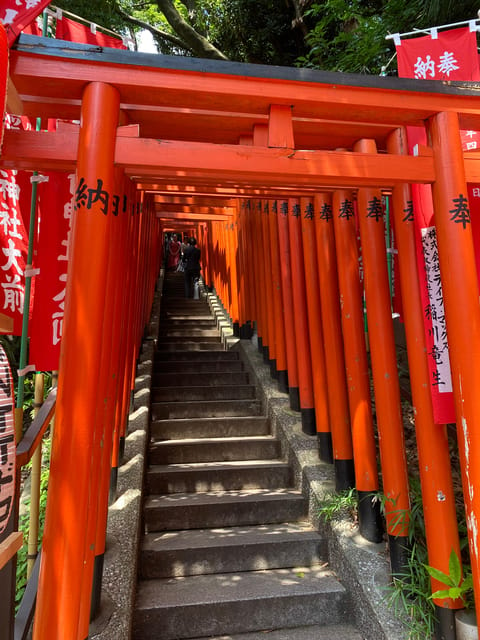
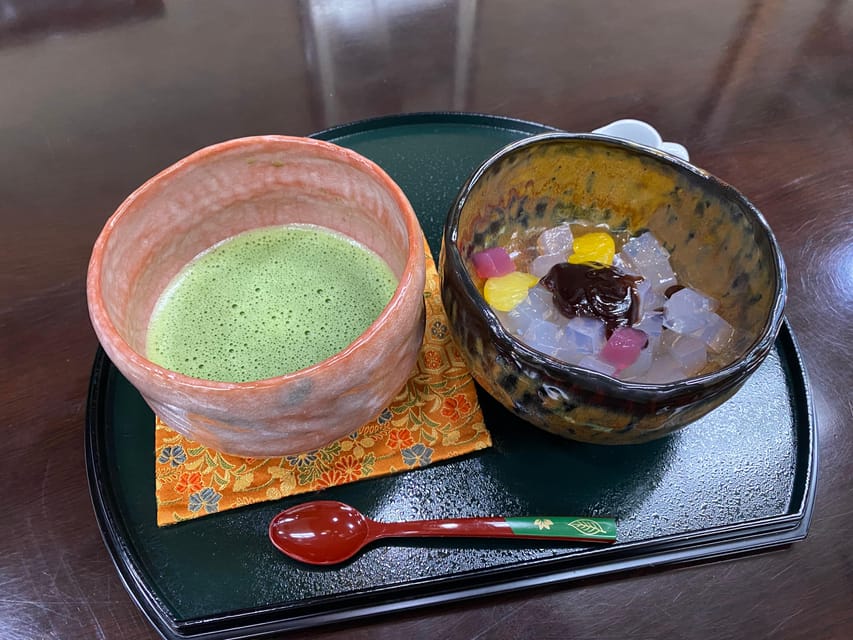
The final stop is Dobashi-en, a long-established green tea shop. Here you have about forty-five minutes for traditional matcha and sweets, plus local snacks and a tea souvenir to take with you.
This ending works because it gives the tour a quiet pause after the formal building and shrine visit. Matcha is not treated as a decorative extra. It is a chance to taste a familiar part of Japanese food culture and talk through what you have seen.
The tea shop also brings the tour back to everyday life. Politics can feel distant, and shrine symbolism can seem unfamiliar. Sitting down with tea and sweets gives you time to ask follow-up questions and connect the afternoon’s subjects in a relaxed setting.
You should carry some cash. The tour information warns that some shops may not accept cards, so do not rely entirely on a foreign credit card or phone payment. The tea and snack are included, as is the souvenir tea gift, but extra purchases at the shop may require cash.
The matcha portion may be less appealing if you do not enjoy green tea or sweet snacks. Even then, it is a modest part of a broader experience, not the sole reason to book.

What $129 means in value
The price is $129 per person for three hours. That is not a bargain-priced walking tour, but the value depends on what you want from Tokyo. You are paying for entry to the National Diet Building, an English-speaking guide, a small group, a tea and snack experience, and a souvenir.
The small group is important here. A large, inexpensive tour could cover the same route, but it would be harder to ask how Japanese voting works, what a shrine custom means, or why a particular architectural feature matters. The strongest praise for this experience centers on the guide’s time, explanations, and conversation. If that personal exchange is your priority, the price is easier to justify.
The tour also combines three experiences that you would likely arrange separately: a political building, a major shrine, and a traditional tea stop. The route is compact, so you are not spending the whole afternoon crossing Tokyo on trains.
I would not book it purely for the National Diet’s architecture or purely for Hie Shrine. There are cheaper ways to see the outside of both. I would book it if you want context, English explanations, and the freedom to ask detailed questions.
Who will enjoy this three-hour tour
This tour suits you best if you are curious about how Japan works, not just how it looks. It is especially useful for:
- People who want a clearer picture of Japanese government and voting.
- Visitors who enjoy history and architecture but want more than a photo stop.
- Anyone interested in Shinto customs and the beliefs connected with career success or matchmaking.
- Solo visitors and couples who value a small group and direct conversation.
- Repeat visitors to Tokyo looking for a less predictable cultural activity.
- Travelers who want an English-language tour with a calm tea stop at the end.
It may be a weaker match if you dislike political topics, cannot manage stairs, or want a tour built around shopping and food. The three-hour timing is manageable, but it is still an active walking experience.
The route is also not designed as a full tea ceremony lesson. You receive matcha and sweets at Dobashi-en, but the main purpose is to finish the cultural walk with a traditional taste and a chance to rest.
Practical details that affect your day
The activity lasts three hours and finishes at Akasaka-mitsuke Station. You meet at Kokkai-gijidōmae Station, Exit 1, then walk between all three main stops. Since the starting and ending stations differ, this is best placed into a day when you do not need to return immediately to your hotel.
Wear comfortable walking shoes. The National Diet Building includes stairs, and the route also involves outdoor walking between the stops. You should also avoid attending if you feel unwell on the day.
The tour offers free cancellation up to twenty-four hours before the start for a full refund. You can also reserve now and pay later, which helps if you are building a Tokyo schedule before every detail is fixed. Starting times vary, so check availability for your date.
The group language is English, and the format is a live guided tour. The maximum of five participants is one of the most useful details for anyone who prefers conversation over a standard script.
Should you book the Tameike tour?
I would book this tour if you want one afternoon that explains Japan through its institutions, beliefs, and everyday customs. The strongest feature is the combination of a serious political visit with Hie Shrine and a tea shop. It gives you three different ways to look at Tokyo without making you spend a whole day in transit.
The tour is particularly good for first-time visitors who want context, and for repeat visitors who have already seen the usual major sights. Megumi has received especially warm praise for her clear explanations, kindness, and willingness to discuss both politics and daily life, though guide assignments can vary.
Skip it if you want a cheap, photo-focused walk or if stairs and fifteen-minute walks between stops would be uncomfortable. For everyone else, $129 is a fair price for a five-person English tour that includes admission, refreshments, and a rare look at Japan’s political center.
FAQ
Where does the tour begin?
It begins at Kokkai-gijidōmae Station, Exit 1. Look for a guide wearing a navy-blue happi coat.
Where does the tour finish?
The tour ends at Akasaka-mitsuke Station after the tea stop at Dobashi-en.
How long does the experience last?
The tour lasts three hours. The National Diet Building visit takes about one hour, Hie Shrine about forty-five minutes, and Dobashi-en about forty-five minutes, with walking time between stops.
Is the tour conducted in English?
Yes. It is a live guided tour in English.
How many people can join the group?
The group is limited to five participants. On some departures, you may be the only participant.
Is food and drink included?
Yes. Traditional matcha and sweets at Dobashi-en are included, along with a tea souvenir.
What should I bring or wear?
Wear comfortable walking shoes because the tour includes outdoor walking and stairs at the National Diet Building. Bring cash because some shops may not accept cards.
More tours in Tokyo we've reviewed




Tours, compared.
 ★ 5.0Mt Fuji and Hakone 1-Day Bus Tour Return by Bullet TrainFrom $163
 ★ 5.01-Day Tokyo Bus TourFrom $129
 ★ 5.0Tokyo: Shinjuku Food Tour (13 Dishes at 4 Local Eateries)From $86
 ★ 4.4Tokyo Mt Fuji 5th St & Hakone Cruise Bus Tour w/Bullet TrainFrom $15410 hours
 ★ 5.0Flagship 2-Hours Official Street Go-Kart Tour – Tokyo Bay ShopFrom $642 hours to 2 hours 30 minutes (approx.)
 ★ 4.7Tokyo: Mt. Fuji Tour, Hakone Ropeway, Owakudani, Lake AshiFrom $5410 hours