
Reviewed · PRIVATE DRIVERS
Shuttle Van Tokyo-Tour, for 4 Hours or 6 Hours+Transfer Time
Tokyo is a city where a private shuttle can save precious time. With a driver handling the roads, you can link the Imperial Palace, Asakusa, Shibuya, and other major sights without learning several train routes or hauling bags through stations. I like the flexible route and the useful transfer choices between Tokyo, Yokohama, and Narita.
I also like that you pay $312 per group of up to five, not per person, and that a manual wheelchair is welcome. The main tradeoff is important: this is a driver-led tour, not a full guiding service. English is conversational, and one review specifically found the driver helpful but limited as an English-speaking guide.
In This Review
- Key points to know before booking
- A private way to see Tokyo when time is short
- Imperial Palace: Tokyo’s quiet central landmark
- Asakusa: old Tokyo atmosphere and souvenir shopping
- Shibuya Scramble: a fast look at modern Tokyo
- Meiji Jingu: a calm shrine break near Harajuku
- Tsukiji Outer Market: food culture without the old wholesale market
- Choosing the 4-hour route
- Choosing the longer route with transfer time
- What the driver service is really like
- Price, group size, and luggage limits
- Who should book this Tokyo shuttle?
- Should you book it?
- FAQ
- How much does the private Tokyo shuttle cost?
- How long does the experience last?
- Where can the shuttle pick me up and drop me off?
- Does the driver speak English?
- Are meals, drinks, and entrance fees included?
- Can I cancel the booking?
Key points to know before booking
- A private car links Tokyo’s far-flung sights: You can cover Imperial Palace, Asakusa, Shibuya, and Harajuku without changing trains.
- Flexible pickup and drop-off options: Choose Tokyo or Yokohama pickup, with drop-off in Tokyo, Yokohama, or Narita on selected plans.
- The driver, not a tour guide, shapes the day: You get local route advice and practical help, but not a long historical explanation at every stop.
- The 4-hour route covers the essentials: Imperial Palace, Asakusa, Shibuya, and Harajuku form the usual short itinerary.
- The longer route adds Meiji Jingu and Tsukiji: These extra stops give you more contrast between shrine, market, and modern city life.
- Luggage affects capacity: The vehicle holds up to four people with six pieces of luggage, or five people if you have no luggage.
A private way to see Tokyo when time is short
Tokyo spreads across a huge area, and its most famous sights are not arranged in one neat walking route. The Imperial Palace sits near the center, Asakusa lies northeast, and Shibuya and Harajuku are farther west. A private vehicle makes that geographic problem easier.
This experience is built around transport and flexible sightseeing. You tell the operator which plan fits your day, then the professional driver arranges the route around traffic and timing. The driver speaks English or Japanese, but you should think of the service as a private chauffeur outing with some local explanation, rather than a traditional guided tour.
That distinction matters. If you want detailed stories about imperial ceremonies, shrine rituals, or Tokyo’s urban history, you may want a separate guide. If you want to see several major areas without wrestling with train connections, this setup makes good sense.
The advertised duration ranges from 270 to 510 minutes, or roughly 4.5 to 8.5 hours including transfer time. The booking information also describes 4-hour and 5-hour choices, so check the exact option carefully before paying. The plan you select determines both the sightseeing time and the pickup and drop-off arrangement.
A few more Tokyo tours and experiences worth a look


Imperial Palace: Tokyo’s quiet central landmark
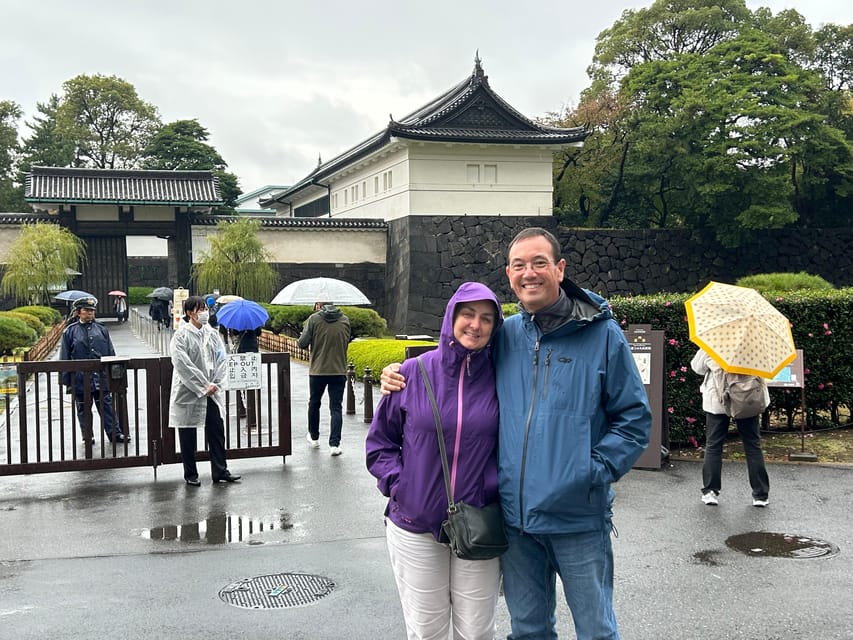
The Imperial Palace is a natural first stop because it sits near the center of Tokyo and represents the modern imperial household. The grounds and surrounding views offer a calmer start than the city’s packed shopping districts.
Do not expect a full palace tour included in the price. The offered stops are free, and entrance fees are not included if a paid site is added. Your driver can bring you to the palace area, but the value here is mainly seeing the setting and taking in one of Tokyo’s best-known central sights.
I like this stop for first-time visitors because it gives you a sense of Tokyo’s scale. High-rise districts, broad roads, formal palace grounds, and older stone features all meet in one area. Since you are traveling by private vehicle, you can spend the time you want taking photos before moving on.
The limitation is time. The palace grounds are not a quick single-photo stop if you want to walk far. Tell the driver in advance how much time you want here, especially if the tour also includes Asakusa, Shibuya, and Harajuku.
Asakusa: old Tokyo atmosphere and souvenir shopping
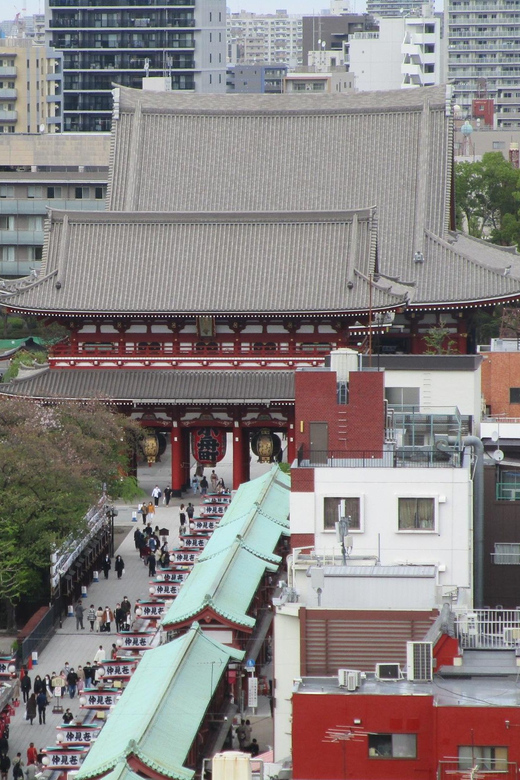
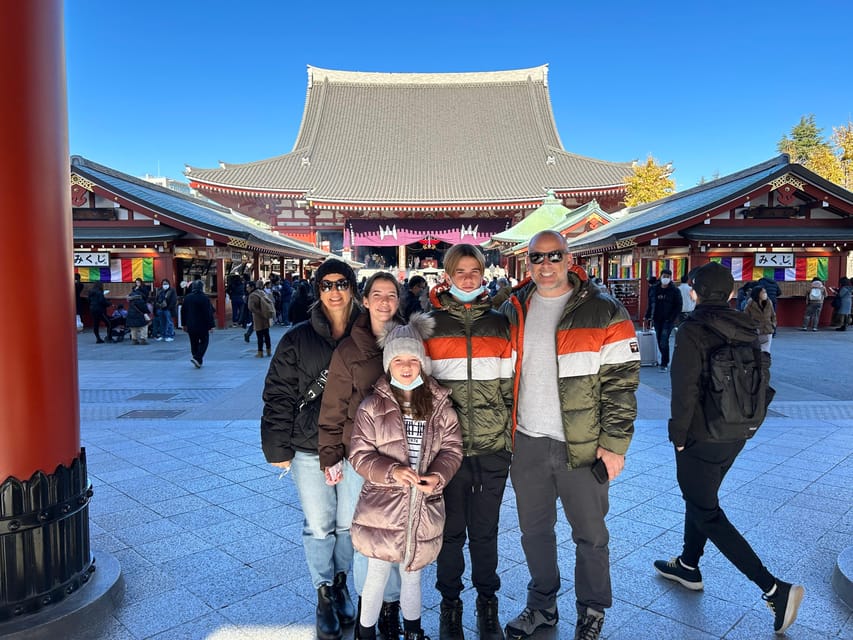
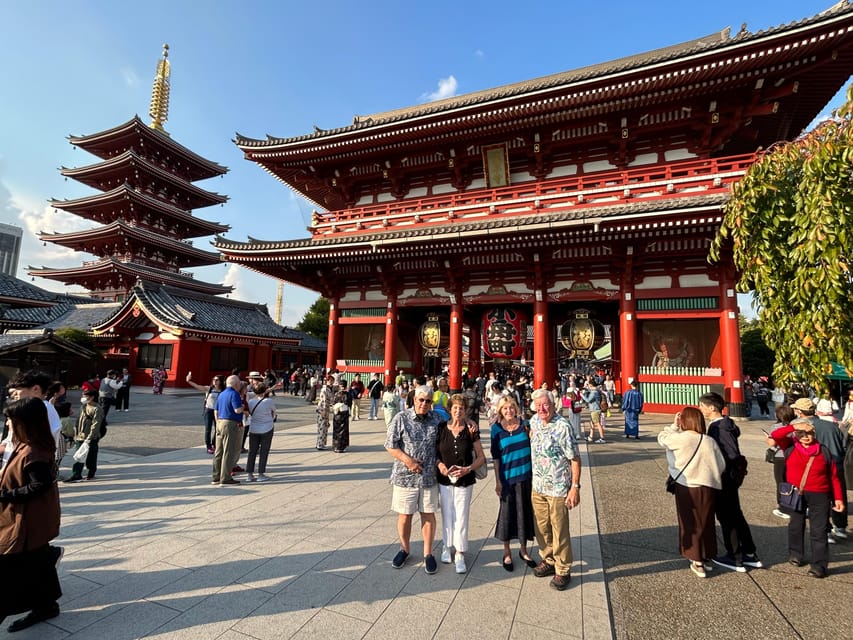
Asakusa provides the strongest contrast with Tokyo’s newer districts. It is known for its older entertainment character and souvenir shops, making it a practical place to browse traditional-style goods and experience a different side of the city.
The area is well suited to a short private tour because you can choose between a quick look and a longer wander. You might spend your time shopping, taking photographs, or simply walking through the older streets. The tour information does not promise a specific temple visit or admission, so confirm the exact stopping point with your driver.
Asakusa is also one of the better places to leave the vehicle and walk for a while. A car gets you there, but the atmosphere comes from being on foot. Wear comfortable shoes and keep track of the meeting point so your flexible sightseeing does not turn into a rushed return to the vehicle.
For families or first-time visitors, Asakusa is an easy choice. It offers something visual and immediate, with shops and traditional surroundings rather than a long museum visit. It also gives your route a useful change of pace after the formal Imperial Palace.
Shibuya Scramble: a fast look at modern Tokyo
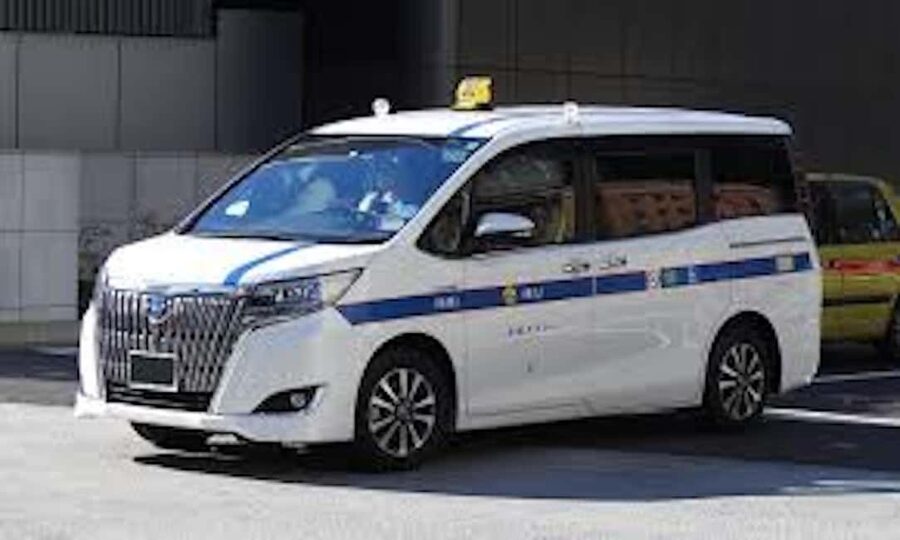
Shibuya Scramble is Tokyo’s famous crossing, where people move toward the center from several directions when the signals change. It is a short stop in physical size, but it captures the speed and energy of the modern city.
Your driver can bring you close to the area, but this is another place where the best part happens outside the vehicle. You will want time to cross, take photos, and look at the surrounding streets. The experience does not include a reserved viewing platform or admission to a particular building.
The crossing itself can be crowded, and the stop is more about atmosphere than a long sightseeing visit. If you prefer quiet streets and detailed historical sites, Shibuya may feel hectic. If you want one unmistakably modern Tokyo image, it earns its place on the short route.
The nearby Harajuku area is paired with Shibuya in the suggested itinerary. That pairing works well because the two districts offer pop culture, shopping, and contrasting city scenes. Your driver can help arrange the order based on traffic, but the amount of time at each stop depends on your chosen duration.
Meiji Jingu: a calm shrine break near Harajuku
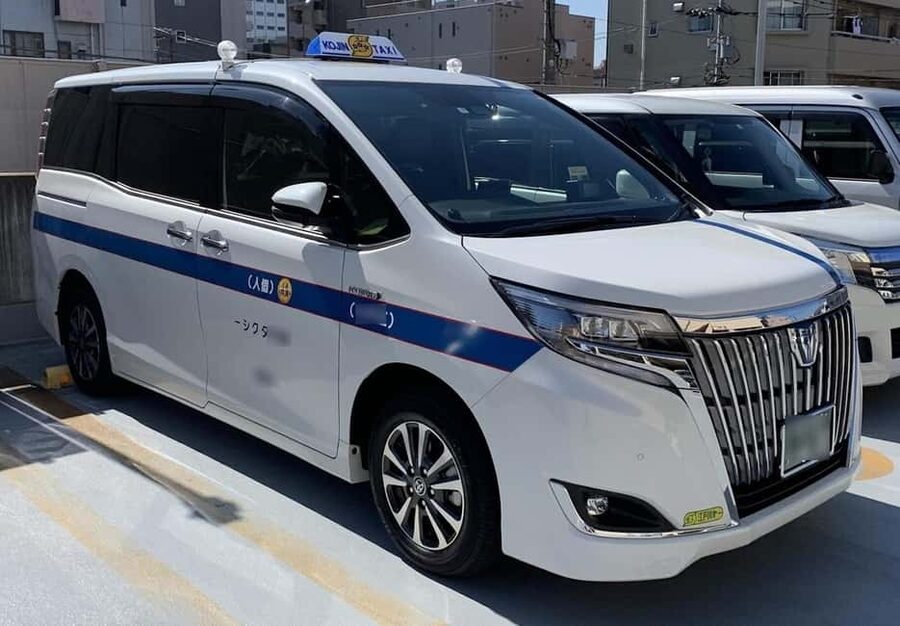
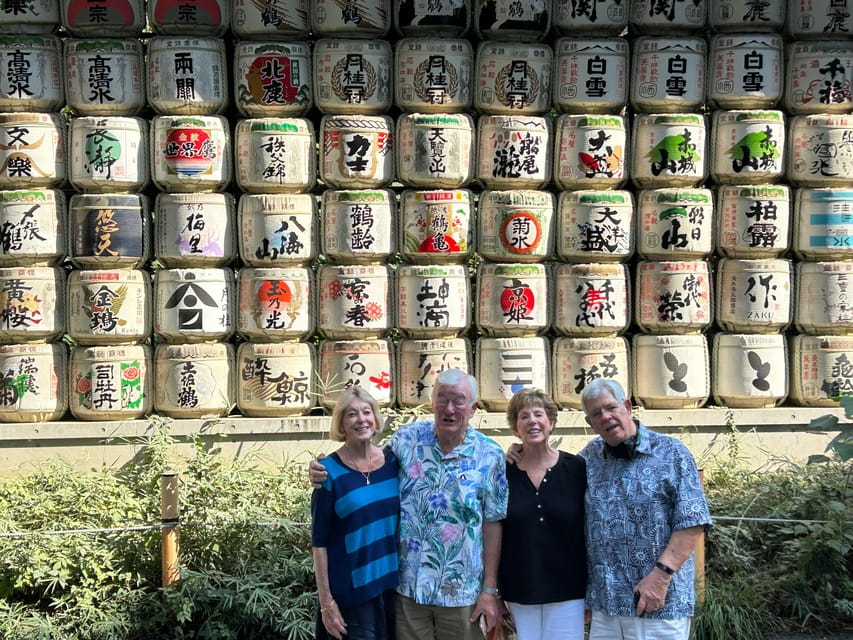
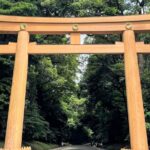
Meiji Jingu is described as Japan’s most famous Shinto shrine and is a key addition to the longer route. It sits near Harajuku, so adding it after the modern districts creates a strong contrast between fashion-oriented Tokyo and traditional religious space.
The shrine is free to visit, but it is not a drive-by attraction. You need time to walk from the entrance area through the grounds and approach the shrine buildings. If you are taking the longer route, ask the driver to protect enough time for the visit rather than squeezing it into a few minutes.
I find this stop especially useful for people seeing Tokyo for the first time. It introduces Shinto architecture and customs without requiring a full day outside the city. You can take in the setting at your own pace, though the tour does not provide a guaranteed religious or historical lecture.
Because the tour is private, you can tell the driver if Meiji Jingu matters more to you than shopping in Harajuku. That flexibility is one of the service’s real advantages. A fixed group tour would usually give you less control over that choice.
Tsukiji Outer Market: food culture without the old wholesale market
Tsukiji was once Tokyo’s largest fish market. The wholesale market has moved, but the outer market remains a place to visit for food-related shops and an older market feel.
The tour specifically includes the Tsukiji Fish Outer Market on the longer itinerary, not the former wholesale auction operation. Keep that difference clear so you arrive with the right expectations. This is a market visit, not a behind-the-scenes tour of the old fish auction.
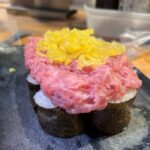
Food and drinks are not included, so plan to pay for anything you eat. The market can be a good place to add a meal or snack, but personal expenses remain your responsibility. One booking included a local lunch stop with delicious tonkatsu, showing that the driver may help arrange a practical meal stop when the schedule allows. That is not listed as a guaranteed inclusion, so ask before relying on it.
Tsukiji works best when you have enough time to browse. If your transfer schedule is tight, a short stop may feel hurried. For a longer Tokyo outing, it adds a food-focused finish and gives you something different from shrines, palaces, and major crossings.
Choosing the 4-hour route
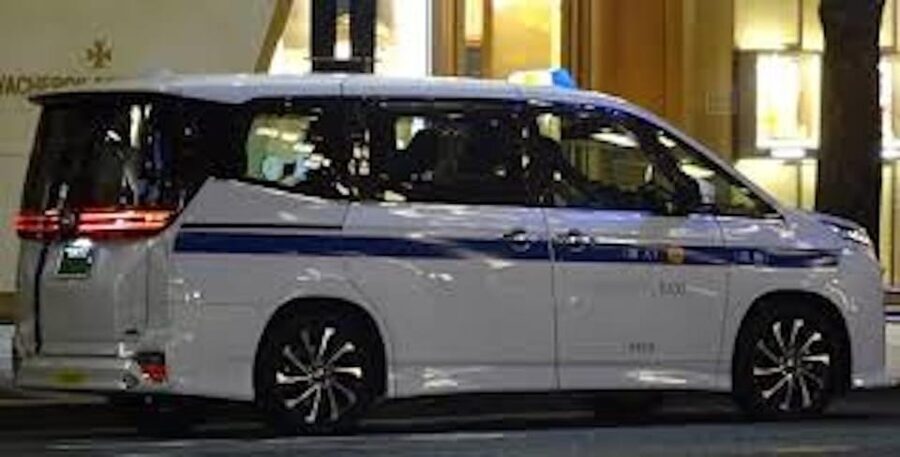
The popular 4-hour plan begins from Tokyo or Yokohama and usually visits the Imperial Palace, Asakusa, Shibuya, and Harajuku. This is a sensible first look at the city, but it is also a brisk route.
You are covering several districts separated by Tokyo traffic. At each stop, you will need to balance photographs, walking, shopping, and time in the vehicle. The route is best for a first visit when you want the major names rather than a slow, detailed exploration.
I would choose this option if you have only a short window before a flight or after arriving from a cruise port. It is also a good fit if you already know Tokyo and want a simple private transfer with sightseeing along the way.
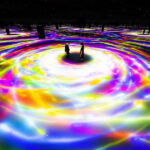
Do not add too many extra places to a short plan. Tokyo Skytree and TeamLab Planets are mentioned as popular choices, but both require advance booking. Adding one of them may mean removing another district, and a reserved admission time can make the day less flexible.
Choosing the longer route with transfer time
The longer option adds Meiji Jingu and Tsukiji Outer Market to the shorter route. It gives you a better spread of Tokyo experiences: imperial, traditional, modern, religious, and food-focused.
This route is the better choice if you want Tokyo’s major contrasts in one outing. It also makes more sense when the vehicle is serving as a transfer between Yokohama, Tokyo, and Narita. You can turn unavoidable travel time into useful sightseeing, provided your schedule leaves a safe margin.
The booking choices include Tokyo pickup and drop-off, Tokyo pickup with Narita drop-off, Yokohama pickup and drop-off, Yokohama pickup with Tokyo drop-off, and Yokohama pickup with Narita drop-off. Select carefully. A wrong pickup or airport option could create a serious problem on a departure day.
Your driver is due to wait 10 minutes before the meeting time. You receive the driver’s name and vehicle plate number three days before pickup, then show your booking details at the meeting point. That information is particularly useful in a busy port, hotel, or airport setting.
What the driver service is really like
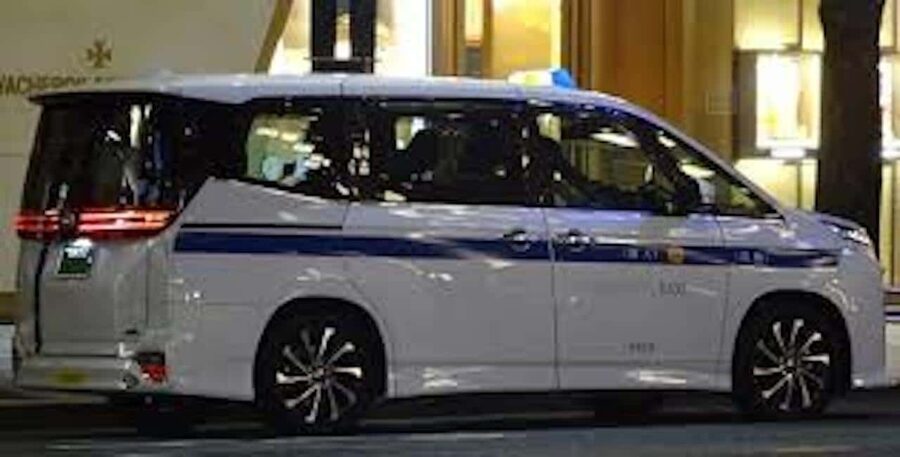
The driver’s main strengths are route planning, traffic handling, punctuality, and flexibility. Kim is specifically praised for being accommodating, helpful, on time, and able to build a good route during a short visit. Another booking described excellent service from chauffeur Kim.
The human side of the service can vary. One English-speaking customer found Kim hardworking and accommodating but felt his English needed improvement. You should be comfortable using simple English, short requests, and your written itinerary if you need to explain a change.
The driver has practical knowledge of Tokyo now and in the past, but this does not mean you receive a full narration at every landmark. I would prepare a short list of priorities before pickup. Mark which stops are essential, which are optional, and how much walking you can manage.
The private format gives you more say than a standard group tour. You can ask to include a favorite location, and the operator says the driver can arrange the full route and schedule. Popular places such as Tokyo Skytree and TeamLab Planets must be booked ahead, so secure those tickets yourself before asking to add them.
Price, group size, and luggage limits
At $312 per group of up to five, the price can be reasonable for a family or small party. Split five ways, that is about $62 per person before any paid admissions or food. For two people, it is a much higher per-person cost, but you are paying for private transport and route control rather than a seat on a large coach.
The capacity rule deserves attention. The vehicle can take four people with up to six pieces of luggage. If you have no luggage, five people can ride. This makes the service particularly useful for airport or cruise transfers, but only if your bags fit within that limit.
All transfer expenses are included. Personal purchases, meals, drinks, and entrance fees are not. The listed sights are free, but a custom route may include places that charge admission.
Who should book this Tokyo shuttle?
I would recommend it most strongly to:
- Families who want a private vehicle and a simple route
- Cruise passengers transferring between Yokohama and Tokyo or Narita
- First-time visitors with only a few hours
- Small groups carrying luggage
- People who prefer a flexible driver service to a fixed group itinerary
- Returning visitors who already know which neighborhoods they want to see
I would be more cautious if you want detailed English commentary, a specialist history guide, or long visits inside paid attractions. The driver can help you get around and communicate at a practical level, but the service is not designed as a lecture-led cultural tour.
Manual wheelchairs are welcome, but electric wheelchairs are discouraged because of vehicle capacity. Alcohol and drugs are not allowed. These rules are simple, but they matter when you are arranging a transfer with luggage or mobility equipment.
You can cancel up to 24 hours before the activity for a full refund, and reserve now while paying later. Those terms give you some flexibility, though you still need to confirm the correct duration and route option before booking.
Should you book it?
Book this private shuttle if your main goal is to see Tokyo’s headline districts efficiently, especially with a port, hotel, or airport transfer attached. The strongest value comes when three to five people share the cost and when luggage or limited time makes train travel less appealing.
Choose the longer route if Meiji Jingu and Tsukiji matter to you. Choose the shorter plan if you mainly want the Imperial Palace, Asakusa, Shibuya, and Harajuku. Before pickup, write down your must-see stops, confirm your luggage count, and remember that the driver’s English may be conversational rather than fluent.
For a first visit under time pressure, this is a practical way to get a broad look at Tokyo. For deep cultural explanation, pair it with your own research or book a separate guide.
FAQ
How much does the private Tokyo shuttle cost?
The price is $312 per private group of up to five people. The vehicle can carry up to four people with six pieces of luggage, or five people if there is no luggage.
How long does the experience last?
The listed duration ranges from 270 to 510 minutes, including possible transfer time. The booking information also describes 4-hour and 5-hour choices, so check the exact option selected during reservation.
Where can the shuttle pick me up and drop me off?
The available plans include Tokyo pickup and drop-off, Tokyo pickup with Narita drop-off, Yokohama pickup and drop-off, Yokohama pickup with Tokyo drop-off, and Yokohama pickup with Narita drop-off.
Does the driver speak English?
The driver speaks English or Japanese. English ability is conversational, and the service is primarily driver-led rather than a full English-language guiding service.
Are meals, drinks, and entrance fees included?
No. Meals, drinks, personal expenses, and entrance fees are not included. The main offered sights are free to visit.
Can I cancel the booking?
Yes. You can cancel up to 24 hours in advance for a full refund. The booking also allows you to reserve now and pay later.
More Private Drivers in Tokyo

More tours in Tokyo we've reviewed





Private Drivers, compared.
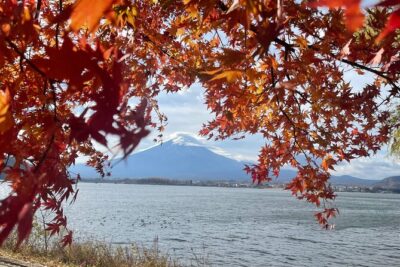 ★ 5.0Mt Fuji Private Tour with English Speaking DriverFrom $415
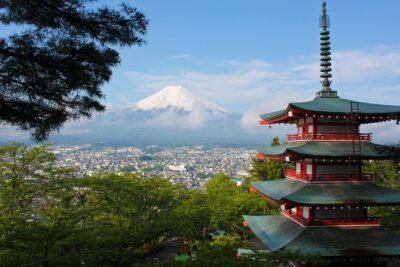 ★ 4.5Mt. Fuji & Hakone Private Day Tour with English-Speaking DriverFrom $453
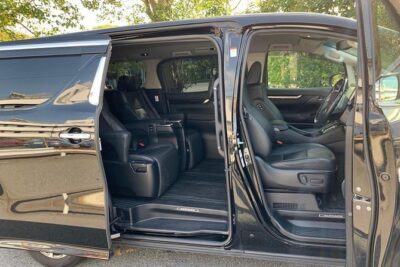 ★ 4.5Haneda Airport (HND) Private Transfer to Central TokyoFrom $104
 ★ 4.5Mt. Fuji, Hakone Full-Day Private Tour with English Driver GuideFrom $495
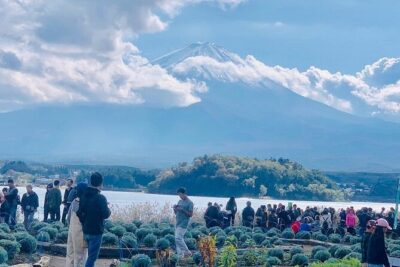 ★ 5.0Mt. Fuji Day Trip from Tokyo with English Speaking Driver GuideFrom $497
★ 4.5Mt. Fuji Private Tour with English Speaking DriverFrom $464
★ 5.0Mt. Fuji Day Trip from Tokyo with English Speaking Driver GuideFrom $497
★ 4.5Mt. Fuji Private Tour with English Speaking DriverFrom $464