
Reviewed · MT FUJI DAY TRIPS
Mt Fuji and Kawaguchiko Private Tour
Mt. Fuji is the star, but the best part of this 10-hour day is the way it links several very different places: a pagoda viewpoint, a sacred shrine, mountain roads, spring-fed ponds, and Lake Kawaguchiko. You get a full day in Fuji country without wrestling with train changes or bus schedules.
I like the private vehicle and hotel pickup, especially for a 7 a.m. start from Tokyo. I also like the choice at Lake Kawaguchiko, where you can select the Fuji Panoramic Ropeway, Kubota Itchiku Art Museum, or Ide Sake Brewery. The English-speaking guides, including guides such as Machiko, Meg, Silvia, and Yuka Yoshida, have also earned especially warm praise for their care and flexibility.
The main drawback is the price: $846.98 per person is a serious outlay, particularly for a solo booking. Weather is another real factor. Mt. Fuji’s 5th Station can close from mid-December to late April, and clouds can hide the mountain even when the tour operates.
In This Review
- Key points to know before booking
- Why this private Fuji day works from Tokyo
- Arakura Fuji Sengen Shrine and the classic pagoda view
- Reaching Mt. Fuji’s 5th Station at 2,300 meters
- Oshino Hakkai and its spring-fed ponds
- Lake Kawaguchiko and your one included choice
- Lunch, language help, and the human side of the day
- Is $846.98 per person fair value?
- Timing, clothing, and weather planning
- Who should book this Fuji tour?
- Should you book it?
- FAQ
- What time does the tour start?
- How long does the tour last?
- Is Mt. Fuji’s 5th Station always included?
- Which Lake Kawaguchiko attraction can I choose?
- Is lunch included?
- Is this a private tour?
Key points to know before booking
- Private Tokyo pickup at 7 a.m.: Your group travels in a private, air-conditioned vehicle, with hotel drop-off at the end.
- Five distinct Fuji-area experiences: Expect Arakura Fuji Sengen Shrine, the 5th Station when conditions allow, Oshino Hakkai, and Lake Kawaguchiko.
- One Kawaguchiko choice is included: Pick the ropeway, Kubota Itchiku Art Museum, or Ide Sake Brewery in advance.
- Lunch is included: A local restaurant meal breaks up the long day, though extra food and drinks are not covered.
- Weather controls the mountain stop: The vehicle goes as high as conditions permit if the 5th Station is closed.
- Best for small groups: A minimum of two people is required, and the private setup makes the high price easier to justify when shared.
Why this private Fuji day works from Tokyo
Mt. Fuji looks close on a clear Tokyo morning, but reaching its best viewpoints is not as simple as pointing south and catching a train. You need to connect several routes, time local transport, and keep an eye on mountain access. This tour removes that work.
Your guide and driver collect you at your Tokyo hotel at about 7 a.m. and take you toward the Fuji area in a private, air-conditioned vehicle. That matters more than it may sound. You can leave your luggage and day bags in the vehicle, settle into the ride, and adjust the pace for your own group instead of following a fixed public tour schedule.
The day lasts about 10 hours, so this is not a quick photo stop. You should expect a long outing with several short walks, changing temperatures, and plenty of time on the road. Comfortable shoes are a must, and a jacket is wise even if Tokyo feels mild.
The private format is also useful if your group has a particular interest. A guide can spend more time explaining Shinto customs at a shrine, help with questions in English, or adjust the day when weather changes. Past guides named Machiko, Meg, Silvia, and Yuka Yoshida have been singled out for strong communication and personal care. One guide even helped arrange a blessing at a shrine, though you should not assume a private priest meeting is guaranteed.
A few more Tokyo tours and experiences worth a look
Arakura Fuji Sengen Shrine and the classic pagoda view
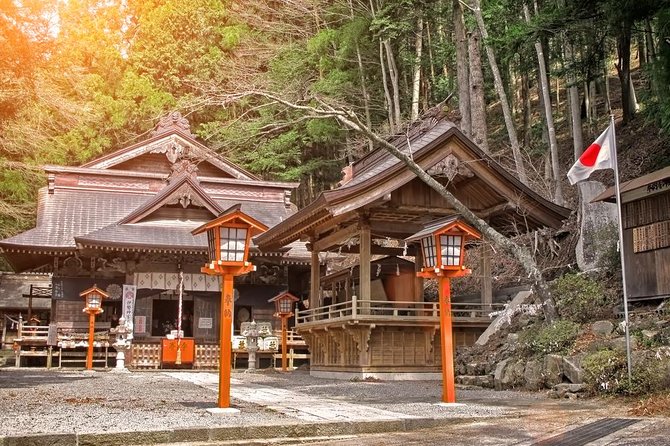
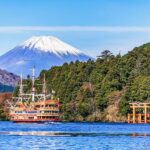
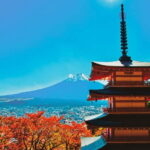
The first scheduled stop is Arakura Fuji Sengen Shrine, with about an hour to explore. The shrine is known for its view of Mt. Fuji and its pagoda, making it one of the most recognizable photo settings in the region.
This is more than a quick picture stop. The shrine introduces you to the religious side of the mountain. Mt. Fuji has long been linked with pilgrimage, and Sengen shrines are connected with worship of the volcano. Your guide can give context to the setting and help you understand why people came here before Mt. Fuji became a famous image on calendars and postcards.
The stop requires a moderate amount of walking. The exact effort can feel greater if the weather is cold, wet, or snowy, so wear shoes with a good grip. Knees and shoulders should be covered when entering temples and shrines, and modest clothing is recommended.
The reward is the combination of architecture and mountain scenery. On a clear day, the pagoda and Fuji make a powerful pairing. On a cloudy day, the shrine still gives you a worthwhile cultural stop, but the famous view may be partial or absent. Do not judge the entire day by this first photograph. Fuji weather can change quickly.
Reaching Mt. Fuji’s 5th Station at 2,300 meters
The 5th Station sits at about 2,300 meters, or 7,546 feet, and is a popular starting point for people climbing Mt. Fuji. It is also the highest scheduled viewpoint on this tour when the road is open.
The air and temperature can feel very different from Tokyo. Take the guide’s advice about extra layers seriously. Check the weather the night before and bring a jacket, since the mountain can be cold even during warmer months.
At the 5th Station, you will have about 30 minutes to take in the views, photograph the peak, and look across the surrounding area. The stop is short, but its value is clear: you are seeing Fuji from high on the mountain rather than only from the lakeside.
Access is seasonal and weather-dependent. From mid-December through late April, snow generally closes the 5th Station. Between May and October, the tour may visit it if weather and road conditions permit. If the road is closed, the vehicle goes to the highest point allowed, and the itinerary changes to another option, such as the Fuji Panoramic Ropeway.
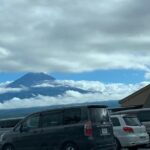
That flexibility is helpful, but it also means you should book this tour for the wider Fuji experience, not for a guaranteed 5th Station visit. Even when the road is open, low cloud can block the peak. One account of a cold, rainy, overcast day described only brief glimpses from a lower station, yet patience allowed the group to see Fuji later. The lesson is simple: leave room for luck.
Oshino Hakkai and its spring-fed ponds
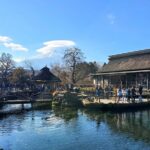
Oshino Hakkai gives the day a different rhythm. Instead of a high mountain lookout, you visit a group of ponds fed by spring water, surrounded by traditional thatched-roof farm buildings.
The stop lasts about 30 minutes, so think of it as a compact cultural and scenic break rather than a long village visit. The ponds are one of the notable water features in the Fuji area, and the traditional buildings help show what rural life around the mountain has looked like.
This is a good place to slow down after the mountain road. Look closely at the clear spring water, the old-style roofs, and the relationship between the village and Mt. Fuji. If the peak is hidden, Oshino Hakkai still gives you something specific to see rather than another generic viewpoint.
The short timing can feel limiting if you want to browse carefully or linger over photographs. Still, the private vehicle keeps the stop practical because you do not need to work out your own connection to the next attraction.
Lake Kawaguchiko and your one included choice
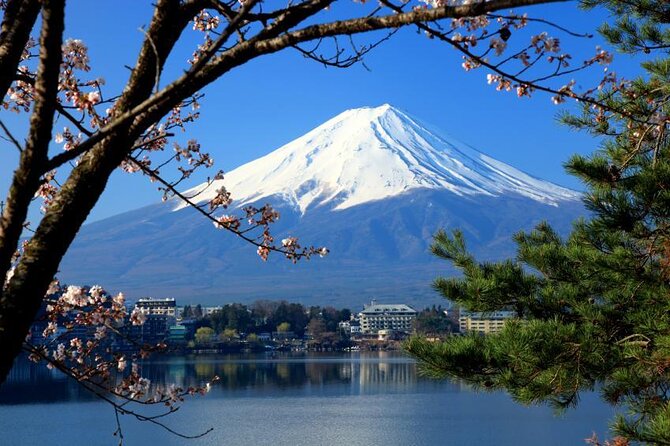
The final major area is Lake Kawaguchiko, where you spend about an hour. The lake gives you a lower viewpoint of Mt. Fuji and a chance to see how the mountain shapes the region below.
Here you choose one of three included options:
- Fuji Panoramic Ropeway: A strong pick if your priority is another elevated view over the lake and toward Mt. Fuji.
- Kubota Itchiku Art Museum: Best suited to you if traditional Japanese textile art interests you.
- Ide Sake Brewery: A practical choice if you would rather focus on local drink-making and a regional business.
Tell the operator your choice ahead of time so the day can be planned properly. Do not assume you can decide at the last second without affecting the schedule.
The ropeway is the most obvious choice for scenery, but it may overlap with your interest in the 5th Station. If the mountain is hidden, the museum or brewery could provide a more reliable experience. On the other hand, the ropeway gives you a different angle on Fuji and the lake, and one highly praised outing included both a railway and boat ride as memorable parts of the day. The exact activities can depend on the selected inclusion and conditions, so confirm what is available for your date.
Other private tours in Tokyo


Lunch, language help, and the human side of the day
Lunch at a local restaurant is included, which is useful on a 10-hour excursion. You do not have to spend valuable sightseeing time finding a place to eat, and the meal gives you a proper pause between stops.
Extra food and drinks are not included unless specified, so bring some water or plan to pay for additional refreshments. The supplied details do not identify a single fixed restaurant or menu, meaning the meal may vary by date and local arrangements.
The guide is central to the experience. You are not simply being driven between viewpoints. Your English-speaking guide explains the geology and history of Mt. Fuji, interprets the shrine setting, and helps smooth over language barriers at restaurants and cultural sites.
Several guide names appear in the strongest personal accounts. Machiko was praised for adjusting the tour for a family group. Meg was credited with staying patient through poor weather, while Silvia was appreciated for her explanations and a memorable meeting connected with the priest at Sengen Shrine. Yuka Yoshida was also described as making the excursion unforgettable. These details suggest that the quality of your day depends partly on the guide assigned to you, as with any private tour.
One caution is worth making clear. The wording around an exclusive priest visit has caused at least one mismatch in expectations. You may be invited to take part in a ceremony or blessing, but that is not the same as guaranteed private time with a priest. If that moment matters to you, ask exactly what is included before departure.
Is $846.98 per person fair value?
At $846.98 per person, this tour is expensive. The value depends heavily on the size of your group and how much you value convenience.
For two people, the cost is difficult to call a bargain. You are paying for a private vehicle, a dedicated guide, hotel pickup and drop-off, lunch, admission to included attractions, and a full day away from Tokyo. You also avoid buying several separate transport tickets and solving the route yourself.
For a larger family or group, the private format makes more sense. Group discounts are offered, and the per-person cost may become easier to accept as the vehicle and guide are shared. The ability to keep your own group together, ask questions freely, and return directly to your hotel also has real value after a long day.
The tour is particularly worthwhile if you have only one practical day for Mt. Fuji and do not want to gamble on complicated connections. It is less compelling if you are comfortable with public transport, prefer to move slowly, or want to spend many hours at one lake or shrine.
The included lunch and attraction admission help, but this is still not a low-cost outing. I would compare it with the cost of arranging a private car and guide separately, especially if you are traveling with several people.
Timing, clothing, and weather planning
Start with the weather forecast for the Fuji area, not just Tokyo. Conditions can differ sharply, and a clear morning in the city does not guarantee a visible peak.
Bring:
- A warm extra layer, even outside winter
- Comfortable walking shoes
- Modest clothing covering knees and shoulders
- Water and money for extra drinks or snacks
- A phone or camera with enough battery for repeated viewpoints
The tour requires a moderate amount of walking, but most travelers can take part. The minimum age is 12, and anyone 18 or younger must be accompanied by an adult. A minimum of two passengers is required per booking.
The itinerary can change if an attraction is closed or weather affects the roads. That is not a minor footnote here. Mt. Fuji is an active mountain environment, and road access to the 5th Station is not fully within the operator’s control.
You can cancel for a full refund up to six full days before the start time. Cancellations two to six days ahead receive a 50 percent refund, while cancellations less than two full days ahead are not refunded. If poor weather or an insufficient number of bookings cancels the tour, you are offered another date or experience, or a full refund.
Who should book this Fuji tour?
I would recommend it most strongly to families, couples, and small groups who want one well-organized Fuji day from Tokyo. It suits you if hotel pickup matters, if English-language help will make the day easier, or if you want several different stops rather than one isolated viewpoint.
It is also a good fit for anyone who places a high value on personal attention. A private guide can explain the shrine, respond to your interests, and help you make the best of a cloudy day instead of simply following a large group onward.
I would be more cautious if your main goal is a guaranteed photograph of Mt. Fuji. No tour can control cloud, snow, or road closures. You should also think twice if the $846.98 price is being paid by only one or two people and you are comfortable arranging transport yourself.
Should you book it?
Book this tour if you want a full Fuji-area day with private transport, a guide, lunch, and a mix of scenery and culture. The strongest parts are the easy Tokyo pickup, the flexible private setting, the shrine visit, and the choice of attraction at Lake Kawaguchiko.
Before paying, confirm the assigned guide, the likely 5th Station access for your date, and your preferred Kawaguchiko option. Treat the mountain view as weather-dependent, not promised. If you can accept that, this is a polished and useful way to see far more than a single Mt. Fuji photo stop.
FAQ
What time does the tour start?
The tour starts at 7:00 a.m. Hotel pickup is provided in Tokyo.
How long does the tour last?
The experience lasts approximately 10 hours, including the return to your Tokyo hotel.
Is Mt. Fuji’s 5th Station always included?
No. Access depends on weather and road conditions. The 5th Station is generally closed from mid-December to late April because of snow. When access is unavailable, the vehicle goes to the highest point allowed and the itinerary changes to an alternative option such as the Fuji Panoramic Ropeway.
Which Lake Kawaguchiko attraction can I choose?
You may choose one of the Fuji Panoramic Ropeway, Kubota Itchiku Art Museum, or Ide Sake Brewery. You should inform the operator ahead of time.
Is lunch included?
Yes. Lunch at a local restaurant is included. Additional food and drinks are not included unless specified.
Is this a private tour?
Yes. Only your own group participates. A minimum of two passengers is required, and the minimum age is 12. Anyone 18 or younger must be accompanied by an adult.
More Private Tours in Tokyo
More Mt Fuji Day Trips in Tokyo
More tours in Tokyo we've reviewed











Mt Fuji Day Trips, compared.
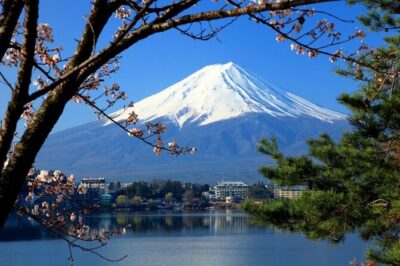 ★ 5.0Mt Fuji and Hakone 1-Day Bus Tour Return by Bullet TrainFrom $163
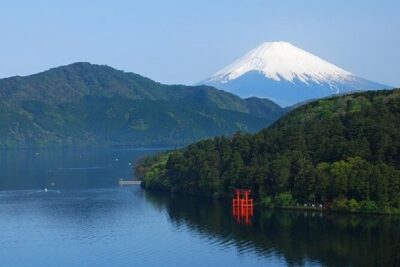 ★ 4.0Mt Fuji & Hakone Cruise, Drum Show Bullet Train 1 Day from TokyoFrom $149
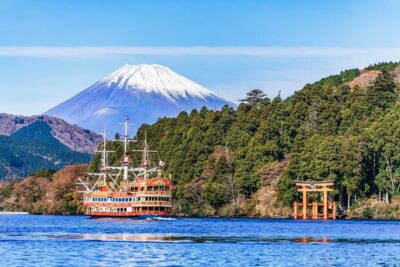 ★ 4.4Tokyo Mt Fuji 5th St & Hakone Cruise Bus Tour w/Bullet TrainFrom $15410 hours
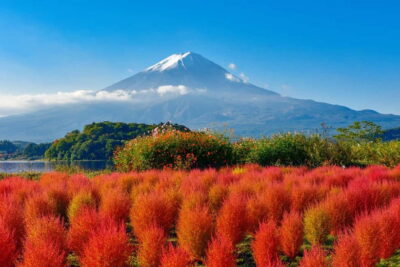 ★ 4.5From Tokyo: Mount Fuji Full-Day Sightseeing TripFrom $6810 hours
 ★ 4.7Tokyo: Mt. Fuji Tour, Hakone Ropeway, Owakudani, Lake AshiFrom $5410 hours
 ★ 4.4Tokyo:Mt.Fuji,Kawaguchiko Oishi Park,Arakurayama Sengen ParkFrom $5410 hours