
Reviewed · MT FUJI DAY TRIPS
Mt. Fuji 6 Attractions Tour: Lake Kawaguchi, Oshino Hakkai
Mt. Fuji reveals itself in pieces on this well-packed day trip: from a five-story pagoda above Fujiyoshida, from a quiet clock shop street, from clear springs fed by snow, and from Lake Kawaguchi. The mountain may be Japan’s biggest attraction, but the real pleasure is seeing how faith, village life, and scenery fit around it.
I like the 398-step climb at Arakura Sengen Shrine, which earns you one of Japan’s classic views, and the easy mix of sacred sites with ordinary places such as Honcho Street and a Lawson convenience store. Guides such as Anna and Evita add useful history, photo advice, and practical help, including support for families with children.
The main caution is weather and traffic. Mt. Fuji can hide behind clouds, and the usual return to Tokyo around 5 to 6 PM may stretch as late as 9 PM in busy seasons. You also need to keep pace with the group and arrive early, since the bus leaves on time.
In This Review
- Six details that shape the day
- Why this $50 Mt. Fuji day trip works
- 8:00 AM from Tokyo, with the countryside ahead
- Arakura Sengen Shrine and 398 steps to Shinkurayama
- Honcho Street and the Hikawa Clock Shop
- Oshino Hakkai and the mountain’s clear water
- Lake Kawaguchi and Oishi Park’s seasonal frame
- Lawson Convenience Store, a modern Fuji viewpoint
- The 4:00 PM return and the traffic question
- Who should book this experience
- Should you book the Mt. Fuji six-attraction tour?
- FAQ
- How much does the Mt. Fuji six-attraction tour cost?
- What attractions are included?
- Is Mt. Fuji always visible?
- How many steps lead to the pagoda viewpoint?
- What languages are available?
- When will I receive the guide and bus details?
- Is lunch included?
- Should I bring cash?
- What time does the tour return to Tokyo?
- Is the tour suitable for wheelchair users?
Six details that shape the day
- 398 steps to the pagoda view: Arakura Sengen Shrine gives you the famous Fuji, pagoda, and town panorama, but the climb takes effort.
- Eight clear springs at Oshino Hakkai: Snowmelt from Mt. Fuji filters through the mountain before reaching this traditional village.
- Four distinct Fuji viewpoints: You see the mountain from a shrine, a historic street, a lakeside park, and a modern convenience store.
- Seasonal scenery matters: Cherry blossoms, autumn maples, or a snow-covered summit can change the feel of the whole trip.
- A multilingual coach tour: English, Chinese, and Japanese support is available, with the exact guide assigned the evening before departure.
- Strong value at $50: Transport, a professional driver, guide service, and attraction admission are included, while food and personal purchases are extra.
Why this $50 Mt. Fuji day trip works
At $50 per person, this is a useful way to reach several Mt. Fuji sights without arranging regional trains, local buses, and separate admission details yourself. The price includes an air-conditioned tourist coach, a professional driver, a guide, pickup and return at the meeting point, and attraction admission.
That matters in the Fuji Five Lakes area, where scenic stops are spread across rural roads. You can spend the day looking out the window instead of checking connections. The tradeoff is a fixed schedule. You will not linger for an hour at the spot you love most, and you must return to the bus when called.
Meals and drinks are not included. Bring cash, since some small shops and attractions may not accept cards. A lunch option may be available on the bus, and there is also a McDonald’s beside one stop, but you should treat food as your own responsibility and carry something simple if you prefer not to lose time.
The tour suits you best if you want a broad first look at Mt. Fuji rather than a slow village visit. It also works well for a first Tokyo stay, when you want a major day out but do not want to manage the transport yourself.
A few more Tokyo tours and experiences worth a look
8:00 AM from Tokyo, with the countryside ahead
The day begins at a designated meeting point in Tokyo. The exact point can change according to the option you book, so read the final instructions carefully and arrive early. The bus leaves on schedule, and a late arrival is treated as a no-show without a refund.
The coach ride gives you a break from Tokyo’s tight streets. You can settle into an air-conditioned seat and watch the city give way to the countryside. The schedule is ambitious, with the first major stop around 10:30 AM, so this is not a leisurely departure.
Your guide and bus details arrive by email by 9:00 PM the night before. Check your inbox rather than assuming you will receive a call or message at the meeting point. English, Chinese, and Japanese support may be available, though the assigned language mix can vary.
Arakura Sengen Shrine and 398 steps to Shinkurayama
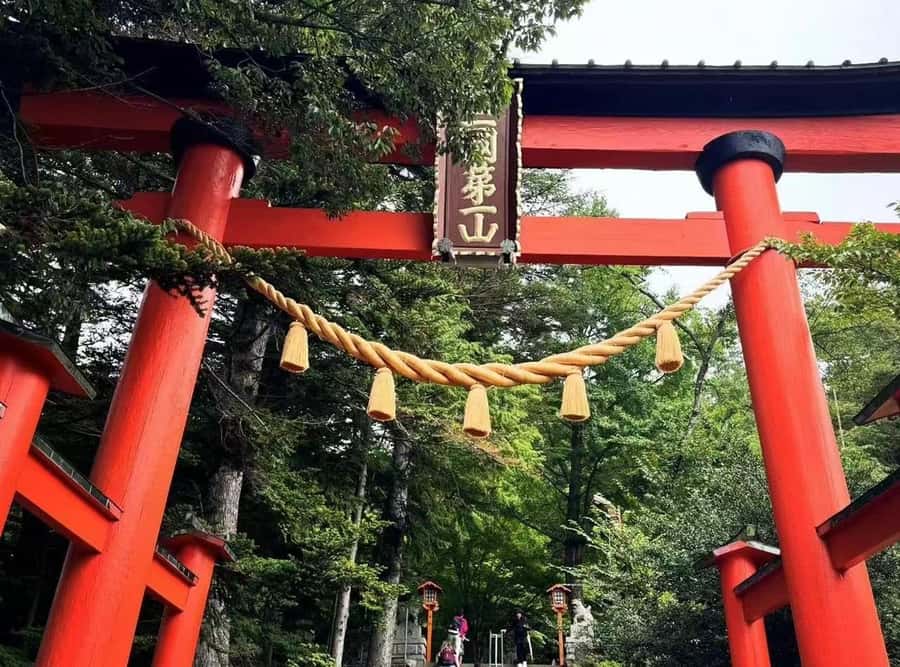
The first stop begins on what is described as Mt. Fuji’s Path of Faith. Arakura Sengen Shrine and Shinkurayama Sengen Park are important not only for the view but also for the way they connect the mountain with Shinto worship and pilgrimage.
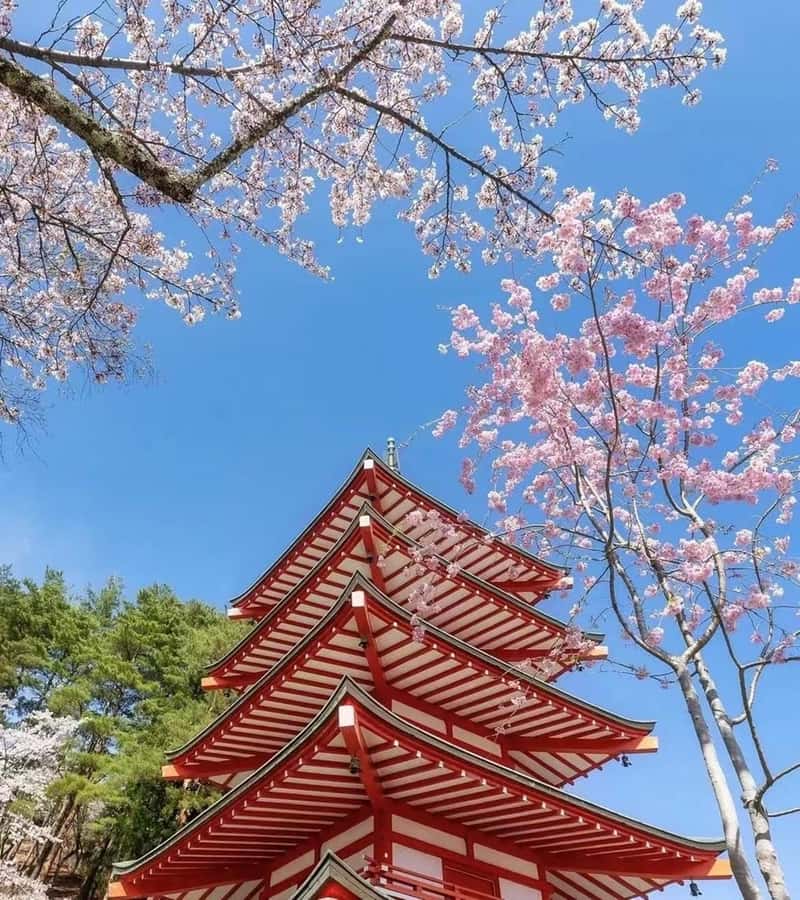
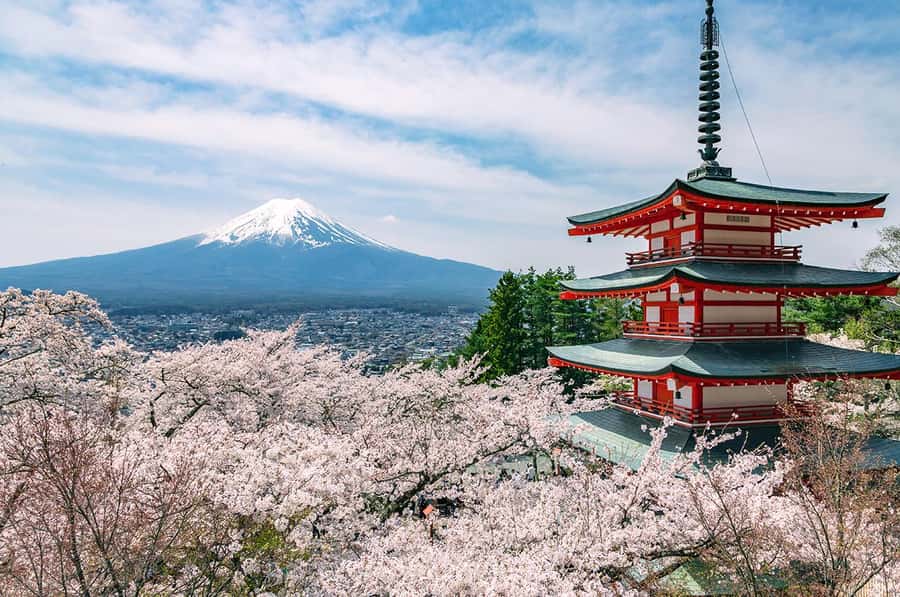
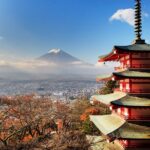
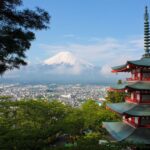
The well-known photo point shows Mt. Fuji behind a red and white five-story pagoda, with Fujiyoshida spread below. The composition is almost too perfect, but the setting feels more meaningful when you understand that the shrine sits along an old route used by people approaching the mountain with religious purpose.
You reach the main overlook by climbing 398 steps. That number is specific enough to help you judge the effort. I would wear comfortable shoes and avoid treating this as a quick hop off the bus. The climb may be manageable for many people, but it is not suitable for wheelchair users, and anyone with limited mobility should consider the stairs carefully.
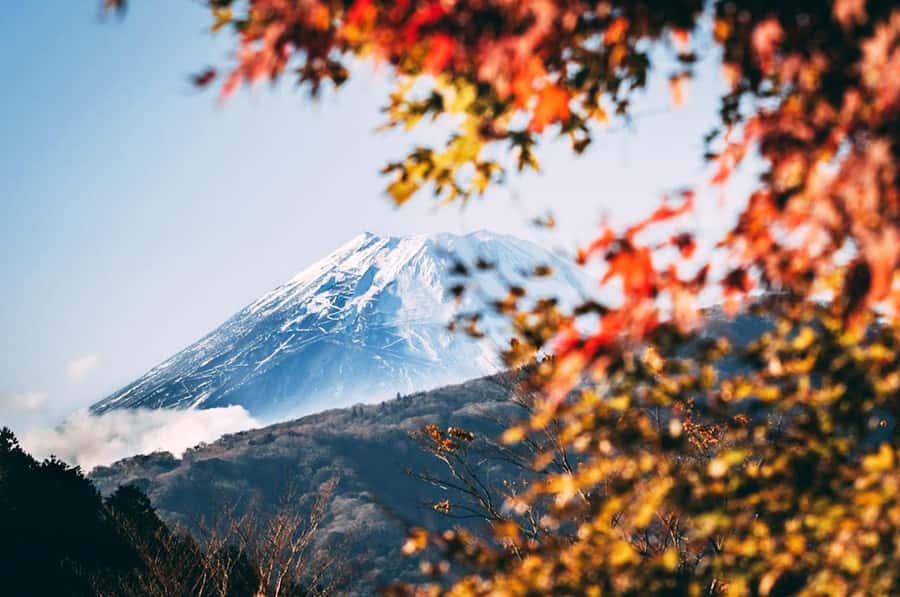
The reward changes with the season. In spring, cherry blossoms soften the pagoda and mountain view. In autumn, leaves add warm color. In winter, the snow on Mt. Fuji creates a clean, spare scene. Summer is useful for trekking, although clear summit views still depend on the weather.
Your guide can help point out photo angles and explain the religious setting. Anna, one of the guides assigned on some departures, is particularly attentive about keeping the group together and offering photo tips. Guide assignments are not guaranteed, but the personal guidance is valuable here because the best view is easy to miss if you simply follow the crowd.
Honcho Street and the Hikawa Clock Shop
Around 11:40 AM, the group moves into Fujiyoshida for a very different view of Mt. Fuji. Near the Hikawa Clock Shop, Honcho Street is known for its long sightline toward the mountain. The road and rooftops create the impression of a ladder pointing upward to Fuji.
This is one of the day’s more interesting stops because it feels less like a formal attraction. The shopfronts and older buildings give you a glimpse of a working town shaped by mountain tourism, pilgrimage, and everyday Japanese life. The street has a quiet Showa-era character rather than the polished feel of a major scenic park.
The idea behind the view is appealing: Mt. Fuji looks close enough to reach, yet remains distant and sacred. That tension appears again and again around the mountain. You can see it clearly from the street, but you cannot reduce it to a backdrop.
Stay aware of traffic and follow the guide’s instructions. The street is a photo stop, not a pedestrian-only museum. Your time here is likely enough for pictures and a short walk, but not for an extended shopping break.
Oshino Hakkai and the mountain’s clear water
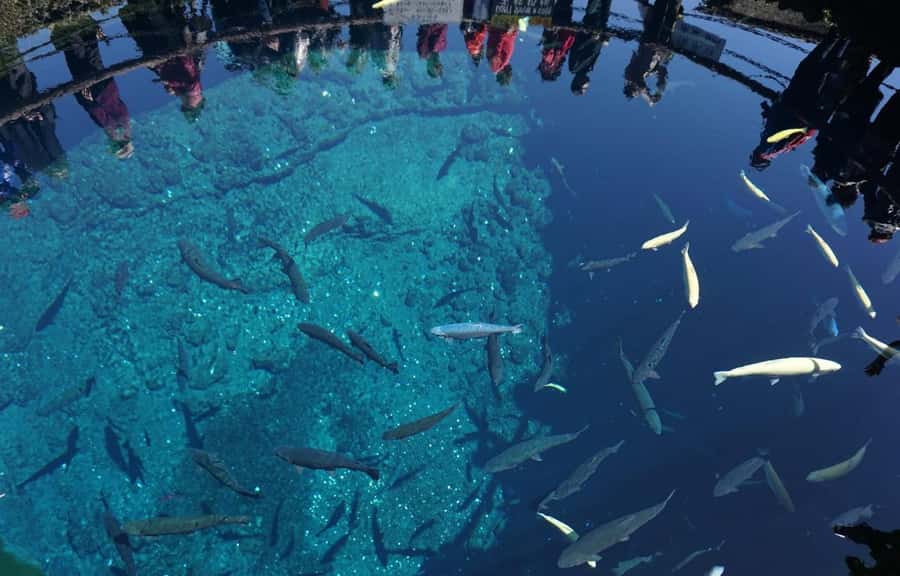
At about 12:30 PM, you reach Oshino Hakkai, a rural village built around eight springs. The water begins as snow on Mt. Fuji, then filters through volcanic layers over many years before emerging clear and cold. That slow journey gives the springs their sense of purity and explains their religious importance.
The village is recognized as a Natural Monument and forms part of the Mt. Fuji UNESCO World Heritage site. Here, the mountain is not just something to photograph. It supplies the water, shapes the farmland, and gives the village its spiritual character.
Oshino Hakkai is a good place to slow down for a few minutes, even within a busy schedule. Look at the springs, traditional buildings, and rural setting. The water is the star, but the surrounding village helps you understand why Mt. Fuji has mattered to local communities for centuries.
You may have time to buy food or small items, but do not assume every shop accepts cards. Cash is the safer choice. If lunch is not arranged on the bus, use this stop carefully, since the afternoon schedule continues to Lake Kawaguchi.
The stop can feel busy at peak times. That is the cost of visiting one of the area’s best-known sites. Still, it offers something different from the shrine and pagoda: instead of looking toward Mt. Fuji, you are seeing what the mountain produces.

Lake Kawaguchi and Oishi Park’s seasonal frame
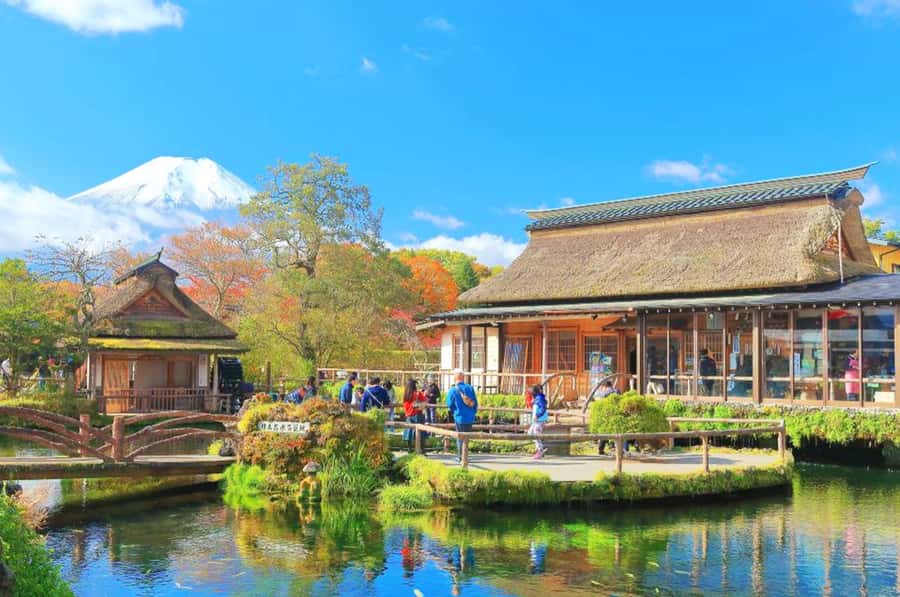
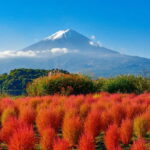
Around 2:30 PM, the coach reaches Oishi Park on Lake Kawaguchi’s northern shore. This is the broad scenic pause of the day, with water, open views, flowers, and Mt. Fuji often arranged in a single frame.
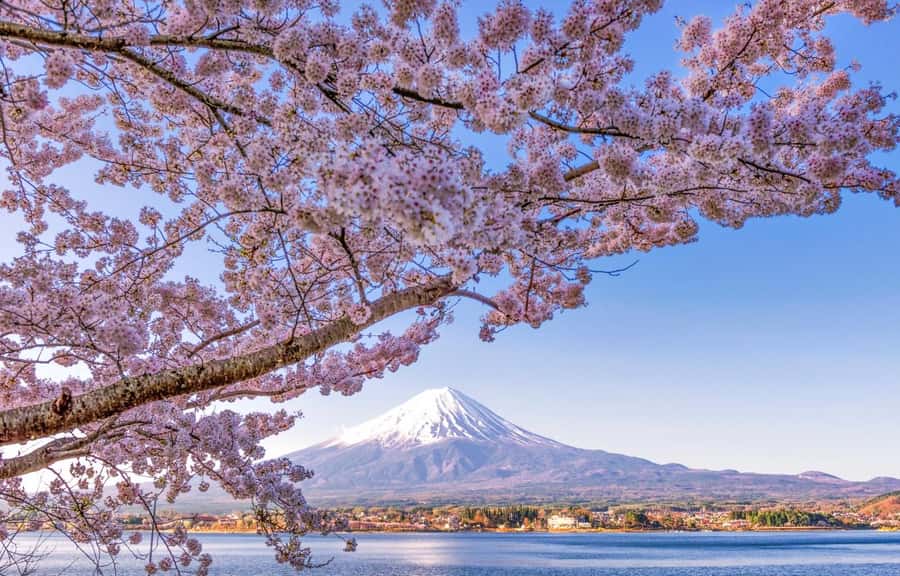
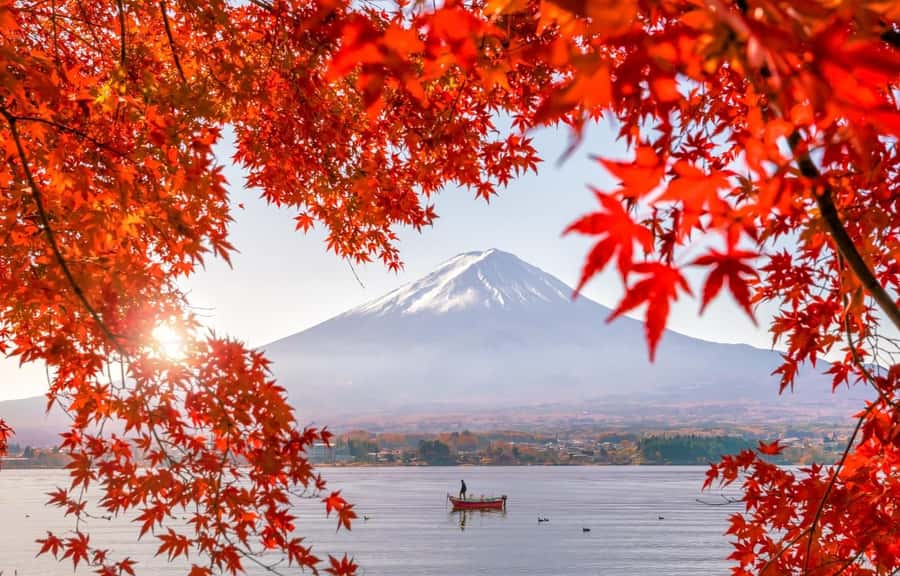
The view changes sharply through the year. Spring brings cherry blossoms and reflections across the lake. Autumn brings colorful foliage, especially around the Kawaguchiko Maple Corridor. Winter gives you a snow-covered summit and a cleaner, more dramatic outline. Summer can offer clear summit views and is the best season for those planning a Fuji trek, though the tour itself is not a climbing trip.
The park also contains the Mt. Fuji Assembly Memorial Monument, made with rocks gathered from across Japan. It adds a symbolic detail to an otherwise simple park visit. I like this stop because it gives you time to take in the scale of the setting rather than framing Fuji through buildings and streets.
The biggest variable is visibility. Mt. Fuji is famous for disappearing behind cloud cover, even on a clear-looking day. No tour can promise the mountain will appear. If the summit is hidden, the lake, flowers, and park still provide a pleasant stop, but the central photograph may not happen.
During the cherry blossom season, the Fuji Kawaguchiko Cherry Blossom Festival takes place along the northern shore. The popular image here combines Mt. Fuji, Lake Kawaguchi, and pink blossoms. In the maple season, the red foliage creates a similarly strong contrast with the snow-covered peak.
Because seasonal color depends on exact dates and weather, do not book solely for a guaranteed blossom or maple scene. Treat those views as a bonus. The park remains worthwhile for its location and open outlook.
Lawson Convenience Store, a modern Fuji viewpoint
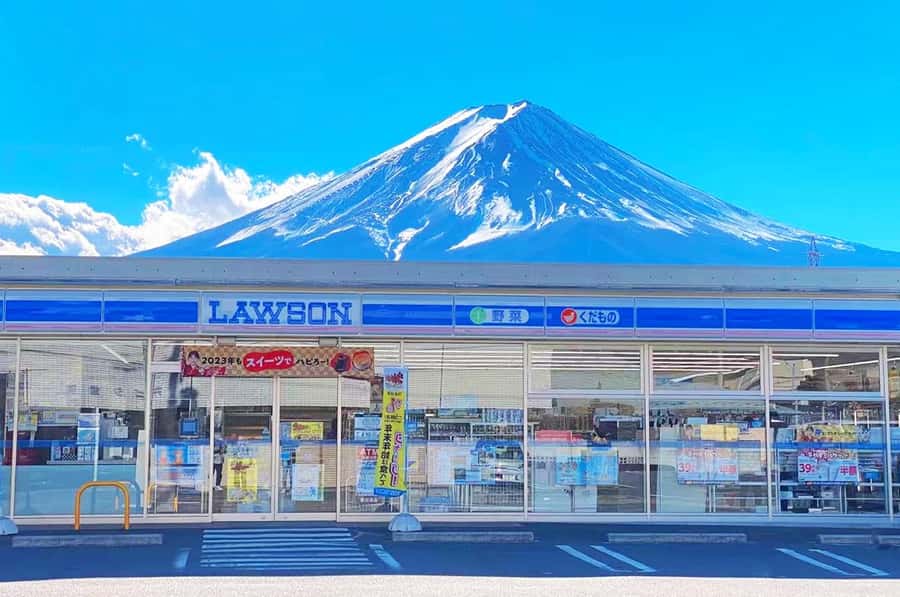
At 3:40 PM, the tour pauses at a Lawson convenience store near Lake Kawaguchi. At first glance, this may seem like an odd addition to a day of shrines, springs, and historic streets. That is exactly why it works.
The stop shows Mt. Fuji from a modern roadside setting. You can use the parking area for another angle on the mountain, buy a drink or snack, and take a short rest before the return journey. Japan’s convenience stores are part of daily life, and this stop gives you a small taste of that ordinary side of the country.
It is also a practical photo stop. You do not need to commit to a long walk, and the guide can help you find the view quickly. Keep the visit brief and respect any local rules around photography, traffic, and the shop entrance.
The Lawson stop will not replace the pagoda or lake view, but it adds variety. A day made only of grand shrines can feel staged. A convenience store puts Mt. Fuji back into modern Japan, where sacred mountains and fast snacks share the same road.
The 4:00 PM return and the traffic question
The coach leaves for Tokyo around 4:00 PM, with an expected arrival near 6:00 PM. That timing is only a guide. Traffic, pickup locations, and seasonal crowds can push the return as late as 9:00 PM.
This matters if you have a restaurant booking, theater ticket, airport transfer, or evening train. I would keep your night flexible and avoid scheduling anything important immediately after the tour. The longer return is not a sign that the sightseeing has gone wrong. Roads around Mt. Fuji and Tokyo can simply move slowly during popular seasons.
A coach is more comfortable than piecing together public transport, especially after the shrine stairs and a full day outdoors. The guide also helps gather the group and keep the timetable moving. Anna is noted for being clear, considerate, and attentive to families with children, while Evita has also been praised for her friendly manner. Since guides vary, expect the same general service rather than a specific person.
Who should book this experience
I would choose this tour if you want several classic Mt. Fuji views in one day and value simple transport over independent flexibility. It is a solid match for first-time visitors, families who prefer a guided day, and anyone who wants cultural stops mixed with scenery.
You should also like taking photographs, since almost every stop offers a different composition. The pagoda gives you the iconic image, Honcho Street gives you a town view, Oshino Hakkai gives you water and village detail, Oishi Park gives you the lake, and Lawson gives you a modern contrast.
This is not the best fit if you want to hike extensively, spend a full afternoon beside the lake, or choose your own stops. The 398 steps require some physical effort, the schedule is fixed, and a multilingual group tour may include explanations in several languages rather than a long talk in English alone.
The tour is not suitable for wheelchair users or people over 95 years old. You should also be comfortable walking between stops, climbing stairs, and returning to the bus at the appointed time.
Should you book the Mt. Fuji six-attraction tour?
Book it if you want a reasonably priced, well-organized introduction to Mt. Fuji with more substance than a single photo stop. The combination of sacred sites, a rural spring village, a lakeside park, and a convenience store gives you a fuller picture of the area.
Skip it if your priority is a guaranteed view of the summit or a relaxed day with no schedule pressure. Weather can hide Fuji, and Tokyo traffic can lengthen the return. For most people with one free day, though, $50 is strong value for the transport, guide, driver, and range of stops. Keep your evening open, bring cash, wear comfortable shoes, and arrive early. That is the formula for enjoying the day.
FAQ
How much does the Mt. Fuji six-attraction tour cost?
The tour costs $50 per person.
What attractions are included?
The route includes Arakura Sengen Shrine and Shinkurayama Sengen Park, Hikawa Clock Shop and Honcho Street, Oshino Hakkai, Kawaguchiko Oishi Park, and the Lawson Convenience Store near Lake Kawaguchi.
Is Mt. Fuji always visible?
No. Visibility depends on the weather, so the summit may be hidden by clouds on the day of your tour.
How many steps lead to the pagoda viewpoint?
The climb to the viewpoint at Shinkurayama Sengen Park includes 398 steps.
What languages are available?
English, Chinese, and Japanese guide support is available. The exact language arrangement depends on the departure and assigned guide.
When will I receive the guide and bus details?
You should receive an email with the guide, bus, and driver details by 9:00 PM on the evening before departure.
Is lunch included?
No. Meals and beverages are not included. A lunch option may be available on the bus, and a McDonald’s is located beside one stop.
Should I bring cash?
Yes. Some attractions and local shops may not accept cards, so carrying cash is recommended.
What time does the tour return to Tokyo?
The usual return is around 5:00 to 6:00 PM, but traffic and pickup locations can make it as late as 9:00 PM during busy seasons.
Is the tour suitable for wheelchair users?
No. The experience is not suitable for wheelchair users, partly because the route includes the 398-step climb to the pagoda viewpoint.
More Mt Fuji Day Trips in Tokyo
More tours in Tokyo we've reviewed





Mt Fuji Day Trips, compared.
 ★ 5.0Mt Fuji and Hakone 1-Day Bus Tour Return by Bullet TrainFrom $163
 ★ 4.0Mt Fuji & Hakone Cruise, Drum Show Bullet Train 1 Day from TokyoFrom $149
 ★ 4.4Tokyo Mt Fuji 5th St & Hakone Cruise Bus Tour w/Bullet TrainFrom $15410 hours
 ★ 4.5From Tokyo: Mount Fuji Full-Day Sightseeing TripFrom $6810 hours
 ★ 4.7Tokyo: Mt. Fuji Tour, Hakone Ropeway, Owakudani, Lake AshiFrom $5410 hours
 ★ 4.4Tokyo:Mt.Fuji,Kawaguchiko Oishi Park,Arakurayama Sengen ParkFrom $5410 hours