
Reviewed · IMPERIAL PALACE & SHOGUN TOURS
Imperial Palace and Political Landmarks The Heart of Tokyo Tour
Tokyo’s Imperial Palace is more than a grand residence. It is the former Edo Castle, the seat of the Tokugawa shogunate from 1603 to 1868, and this tour uses that setting to explain how Japan’s political center changed over time. You’ll walk through one of Tokyo’s most important historic areas with a private guide rather than simply circling the outer walls alone.
I like the private format, since your group receives the guide’s attention and can ask questions as the story unfolds. I also like the easy transit plan: meet at Starbucks in Wadakura Fountain Park and finish at Sakuradamon Station on the Yurakucho Line. One caution: a review reports that a National Diet visit did not happen because the compound was closed, and the guides were not aware of its opening hours.
In This Review
- Key Points to Know Before You Go
- Why the Former Edo Castle Matters
- Starting at Wadakura Fountain Park
- Walking Through the Imperial Palace Grounds
- The Political Landmark Question
- Ending at Sakuradamon Station
- Is $65 a Fair Price?
- Who Will Get the Most From This Tour?
- Practical Details That Matter
- Should You Book It?
- FAQ
- Where does the tour start?
- Where does the tour end?
- Which train line serves Sakuradamon Station?
- How long does the experience last?
- How much does the tour cost?
- Is palace admission included?
- Is this a private tour?
- Is a mobile ticket provided?
- Can I cancel for a full refund?
Key Points to Know Before You Go
- Former Edo Castle: Learn how the Imperial Palace site once served the Tokugawa shogunate.
- Private group setting: Only your party participates, which allows a more personal pace.
- Two-hour walking visit: Plan for roughly two to two and a half hours from start to finish.
- Free palace admission: The $65 fee pays for the guided experience, not an admission ticket.
- Convenient finish: The tour ends in front of Sakuradamon Station, served by the Yurakucho Line.
- Political-site caution: A National Diet visit may not take place if the compound is closed.
Why the Former Edo Castle Matters
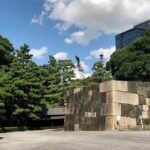
The best reason to book this experience is the setting. Tokyo’s Imperial Palace occupies the site once known as Edo Castle, where the Tokugawa shogunate governed Japan during the Edo era from 1603 to 1868. That gives you a useful way to connect Japan’s past with its present political identity.
The Imperial Palace is also the residence of the Emperor of Japan, known as the Tenno, and serves as a symbol of the nation’s cultural heritage. A guide can help you see both sides of the site: the older military and governmental center of Edo, and the modern imperial institution that occupies the grounds today.
I find this kind of setting more rewarding than a simple photo stop. The stones, gates, gardens, and buildings are not isolated sights. They are pieces of a story about power, government, and the changing role of Japan’s rulers. If you arrive without context, it can be hard to understand what you are seeing. The tour’s main purpose is to supply that context.
The available information does not name the individual guides, so you should not expect a particular guide by name. It does confirm that this is a private activity, meaning only your group takes part. That is a useful distinction in central Tokyo, where a crowded group can make it harder to hear explanations or ask follow-up questions.
A few more Tokyo tours and experiences worth a look

Starting at Wadakura Fountain Park
The meeting point is the Starbucks Coffee in Kokyo Gaien Wadakura Fountain Park, at 3-1 Kōkyogaien in Chiyoda City. This gives you a clear place to begin, but I would still allow time to find the correct Starbucks and meet your guide before the scheduled start.
The location places you beside the Imperial Palace area rather than at the palace residence itself. That matters because the grounds are broad, and the first few minutes can otherwise be spent sorting out where to meet. A mobile ticket is provided, so keep the booking confirmation available on your phone.
The tour lasts about two hours to two and a half hours. The stated itinerary gives two hours at the Imperial Palace, so the extra half hour may allow for meeting, walking between points, or a slightly slower explanation. Do not treat this as an all-day palace visit. It is a focused introduction to the area.
Since the activity is private, you may have a bit more control over questions and pacing than you would on a large group outing. The information does not promise a custom route, however, so I would ask at the start which historic sites are included and whether any political landmarks outside the palace grounds are planned.
Walking Through the Imperial Palace Grounds
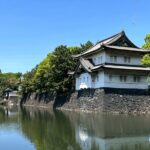
The central stop is the Tokyo Imperial Palace, formerly Edo Castle. The tour presents the site through its buildings, gardens, and historical stories, with the guide explaining how the grounds relate to the Tokugawa government and the imperial household.
Admission to the palace stop is listed as free. That is important when judging the $65 price. You are not paying a large entrance fee. You are paying for a private guide, historical interpretation, planning, and the convenience of seeing the main area in a structured way.
I would expect the experience to be strongest for someone who wants the basic political story of Tokyo explained while walking through the actual setting. You will likely gain more from the guide’s account of the Edo era than from trying to identify every wall or garden feature on your own.
The supplied details do not list individual buildings, gates, or garden names beyond the Imperial Palace itself. That means you should avoid booking this expecting a detailed architectural tour of every corner. The promise is a broad introduction to the historic grounds and their background stories.
The palace is also a working imperial site, not simply a museum. Access can depend on official openings and closures. That is a practical point to keep in mind when the tour includes political locations or compounds beyond the main palace area.
The Political Landmark Question
The experience is presented as a tour of the heart of Tokyo, with an emphasis on history and politics. One review states that a planned visit to the National Diet did not take place because the compound was closed, and the guides did not appear to know its opening hours.
This is the main weakness I would consider before paying. If your reason for booking is specifically to enter or visit the National Diet, ask the provider to confirm that point before the tour. The available itinerary names the Imperial Palace as the actual stop, and it does not clearly promise National Diet access.
That distinction can prevent disappointment. Seeing the Imperial Palace and learning about Edo Castle is one experience. Entering or touring Japan’s National Diet is another. The two places both relate to government, but they are not interchangeable.
The problem may have been a closure on one particular day, not a permanent flaw in every departure. Still, a guide should know the operating schedule for a political compound that forms part of the planned route. If the National Diet matters to you, treat it as a question to settle in advance rather than an assumption.
The provider responded with an apology and said the concern would be taken seriously. That is encouraging, but it does not change the practical advice: confirm the current route and opening conditions before you go.
Ending at Sakuradamon Station
The tour concludes in front of Sakuradamon Station, at 1 Chiyoda in Chiyoda City. The station is served by the Yurakucho Line, so the finish is useful if you plan to continue sightseeing by subway.
Ending at a station is better than being left at an unfamiliar corner of the palace district. You can continue on your own without arranging another transfer from a remote meeting point. It also gives the walk a clear endpoint after the final historic site.
The route is not described in enough detail to calculate the exact walking distance. I would wear comfortable shoes and allow some flexibility in your schedule. Even a two-hour city walk can feel longer if you stop often for explanations or photographs.
If you have mobility concerns, the official information says most people can participate and that service animals are allowed. It does not provide a detailed surface or step-by-step accessibility assessment. Contact the provider directly if you need specific information about walking conditions.

Is $65 a Fair Price?
At $65 per person, this tour sits in a reasonable range for a private, guided city walk, but the value depends on what you want from it. Palace admission is free, so the fee goes toward the guide’s time and the private format rather than tickets.
For a solo participant, the price may feel high compared with walking around the palace area independently. You can see the exterior setting without paying an admission charge. What you cannot easily reproduce on your own is a planned explanation of the site’s role in the Edo era, the Tokugawa shogunate, and the imperial household.
For two or more people, the private arrangement becomes easier to justify because the fee buys a shared guide rather than a seat in a large group. You also avoid the uncertainty of wandering through a major historic area without knowing which details matter.
I would book it for the interpretation and convenience, not for a long list of included attractions. The confirmed core is a guided visit to the Imperial Palace area lasting about two hours. If a National Diet visit is essential, the price is harder to judge until that part is confirmed.
The experience is booked an average of 25 days ahead. That suggests you should not leave it until the last minute if your dates are fixed. It is not proof that every departure sells out, but advance planning is sensible for a private activity.
Who Will Get the Most From This Tour?
I would recommend this tour to first-time visitors who want a clear introduction to Tokyo’s political center. It suits anyone who enjoys learning why a place matters, rather than collecting photographs without much explanation.
It also fits people who prefer a private guide. Families, couples, and small groups can ask questions without competing with a large party. The two-hour length is manageable if you want to keep the rest of the day open for other parts of Tokyo.
History-minded visitors may appreciate the link between Edo Castle and the Tokugawa shogunate. The tour also gives you a way to think about the Emperor’s present symbolic role alongside the site’s earlier use as the center of shogunal government.
I would be more cautious if you want deep access to palace interiors, a long garden visit, or a guaranteed National Diet tour. The supplied details do not promise those features. This is a focused outdoor historical and political walk, not a full-day tour of every government building in central Tokyo.
Practical Details That Matter
You receive confirmation at the time of booking, and the ticket is mobile. Keep your phone charged and have the meeting address ready, since the starting point is a specific Starbucks in Wadakura Fountain Park.
The activity is near public transportation at both ends. You meet in the Imperial Palace district and finish at Sakuradamon Station on the Yurakucho Line. That makes it easy to pair with other Tokyo plans, though you should leave enough time to reach the starting point without rushing.
Most people can participate, and service animals are allowed. No specific age restriction, equipment requirement, or meal inclusion is provided. Plan this as a walking and explanation-focused activity.
Free cancellation is available if you cancel at least 24 hours before the local start time. Cancellations or changes made less than 24 hours before the start are not accepted for a refund. That policy is fairly flexible, but note the deadline if your Tokyo schedule is still changing.
Should You Book It?
Book this tour if you want a private, compact introduction to the Imperial Palace and former Edo Castle, with a guide to explain the political story behind the grounds. The free admission and convenient subway finish help, but the real value is having someone connect the site’s buildings and gardens to the Tokugawa era and the Emperor’s present role.
I would not book it solely on the expectation of visiting the National Diet. One reported departure did not include that stop because the compound was closed, and the published core route centers on the Imperial Palace. Confirm that detail first.
For a history-focused visitor, a private group, or anyone who wants a structured first look at central Tokyo’s political heart, $65 can be fair. For an independent explorer happy to read the background alone, the free grounds may be enough.
FAQ
Where does the tour start?
It starts at Starbucks Coffee in Kokyo Gaien Wadakura Fountain Park, 3-1 Kōkyogaien, Chiyoda City, Tokyo 100-0002, Japan.
Where does the tour end?
The tour ends in front of Sakuradamon Station at 1 Chiyoda, Chiyoda City, Tokyo 100-0001, Japan.
Which train line serves Sakuradamon Station?
Sakuradamon Station is served by the Yurakucho Line.
How long does the experience last?
The tour lasts approximately two to two and a half hours. The Imperial Palace portion is listed as two hours.
How much does the tour cost?
The price is $65 per person.
Is palace admission included?
Admission to the Imperial Palace stop is listed as free. The $65 price covers the guided activity rather than a separate palace admission ticket.
Is this a private tour?
Yes. Only your group participates in the private activity.
Is a mobile ticket provided?
Yes. The experience includes a mobile ticket, and booking confirmation is received at the time of booking.
Can I cancel for a full refund?
Yes, if you cancel at least 24 hours before the experience start time. Cancellations or changes made less than 24 hours before the local start time are not accepted for a refund.
More Imperial Palace & Shogun Tours in Tokyo

More tours in Tokyo we've reviewed










Imperial Palace & Shogun Tours, compared.
 ★ 5.0Tokyo: Imperial Palace and Shogun Historical Walking TourFrom $22
 ★ 4.9Tokyo: Imperial Palace Japanese History Walking TourFrom $32
 ★ 4.9Tokyo: Imperial Palace and Shogun Walking TourFrom $162 hours
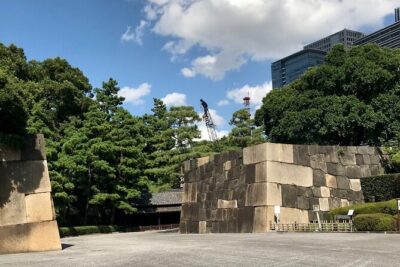 ★ 5.0Imperial Palace East Garden and Edo Castle Walking Tour in TokyoFrom $25
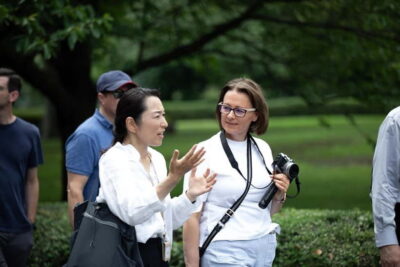 ★ 4.8Tokyo: Imperial Palace East Gardens Walking TourFrom $192h 30m
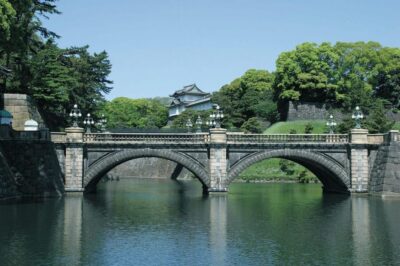 ★ 4.5Tokyo: Imperial Palace, Sensō-ji Temple, & Tokyo Tower TourFrom $404 hours