
Reviewed · YOKOHAMA
Tokyo Full Day Tour with Licensed Guide and Vehicle from Yokohama
Tokyo is too large for a tidy one-day checklist, so this tour takes a smarter approach: you choose three or four sights and let a licensed guide and private vehicle connect the dots from Yokohama. That matters when your time is short, especially if you are arriving by cruise ship and do not want to spend the day figuring out Tokyo’s rail network.
I like the freedom to shape the day around your interests, and I like having a guide who can explain the difference between old Tokyo and new Tokyo as you move across the city. Guides such as Atsushi Kayukawa, Toshi, An, Fumiko, and Noripy have been praised for careful planning, cultural insight, and personal attention. The main drawback is the price: $854.91 for up to two people is a serious spend, and entrance fees, lunch, and personal costs are extra.
In This Review
- Key points before you book
- Why a private car makes Tokyo possible in one day
- Asakusa and Senso-ji: the best opening to old Tokyo
- The Imperial Palace: grand setting, limited access
- Shinjuku Gyoen and Tokyo’s garden choices
- Shibuya, Harajuku, and Meiji Shrine
- Tsukiji Outer Market: food with a practical warning
- Akihabara and Roppongi Hills: two versions of modern Tokyo
- Tokyo Skytree and Odaiba for broad city views
- Tokyo National Museum and the old neighborhoods
- What the guide adds to the day
- Price, group size, and what you really receive
- Practical details to settle before departure
- Should you book this Tokyo day tour?
- FAQ
- How long does the Tokyo tour last?
- How many sights can I visit?
- Is transportation provided?
- Is the Imperial Palace interior included?
- Are admission fees and lunch included?
- Can I cancel for a refund?
Key points before you book
- Choose three or four stops: The long menu includes temples, gardens, food markets, museums, shopping districts, and city viewpoints.
- Start from Yokohama: A private vehicle saves you from managing Tokyo’s vast subway and rail system during a tight day.
- Expect a private experience: Only your own group participates, with a licensed local English-speaking guide.
- Guides adapt the day: Past guides named Atsushi, Toshi, An, Fumiko, Minoru, Ryuta, Seizo, and Noripy have tailored routes to shopping, food, temples, gardens, and family interests.
- Short visits are normal: Many listed stops allow only 15 to 30 minutes, so this is a highlights tour rather than a slow, thorough visit.
- Extra costs matter: Admission fees, lunch, and personal purchases are not included. Guide entry is covered only at sights listed in the tour information.
Why a private car makes Tokyo possible in one day
Tokyo is a huge urban area, and Yokohama sits outside the central sightseeing districts. On public transport, a day can disappear into station corridors, transfers, and route planning. A private vehicle does not remove traffic, but it gives you a place to regroup between stops and leaves your guide to handle the route.
That is especially useful if you are coming off a cruise and have a firm return time. One guide worked with a group whose visit was shortened by disembarkation delays, while another arranged extra stops with help from an experienced driver. The lesson is simple: tell the guide your hard deadline at the start of the day.
This is not a tour where you are dropped at 10 places and hurried through them all. The provider expects you to select three or four sights from the much longer list. That keeps the plan practical, though the exact amount you see depends on traffic, the distance between your choices, and how long you want to spend at each place.
Pickup is offered, and the vehicle is private for your group. The advertised price covers up to two people, so the cost feels steep for a couple but can make more sense if you value comfort, personal planning, and time saved.
Other guided tours in Yokohama

Asakusa and Senso-ji: the best opening to old Tokyo
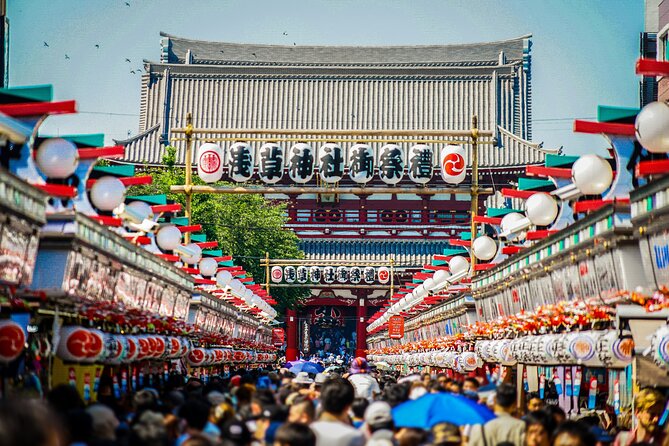
Asakusa is one of the strongest choices for a first stop. It preserves the feel of shitamachi, Tokyo’s old downtown, and gives you a direct introduction to Buddhist temple culture.
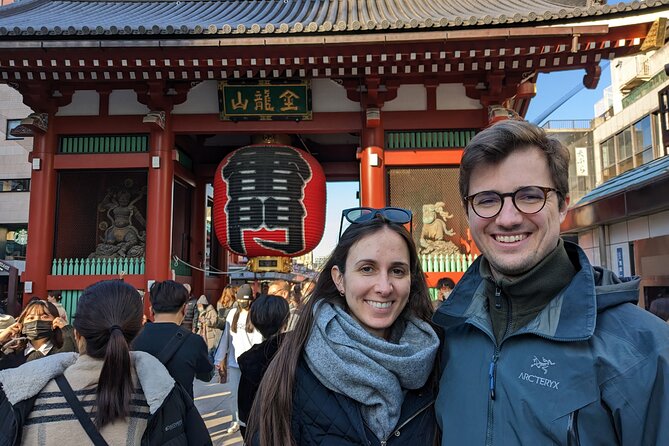
Senso-ji is the main draw. Its long-running religious tradition, colorful temple grounds, and central role in Asakusa make it an easy place for a guide to explain customs, architecture, and the story behind the district. The visit is listed as free, though you should expect to spend only about 30 minutes at the main Asakusa stop.
Senso-ji also appears as a separate option with a 15-minute visit. In practice, you would want to clarify whether your plan includes the broader Asakusa area, the temple itself, or both. A short temple stop can work well as part of a busy day, but it will not leave much time for side streets, snacks, or shopping.
The Imperial Palace: grand setting, limited access
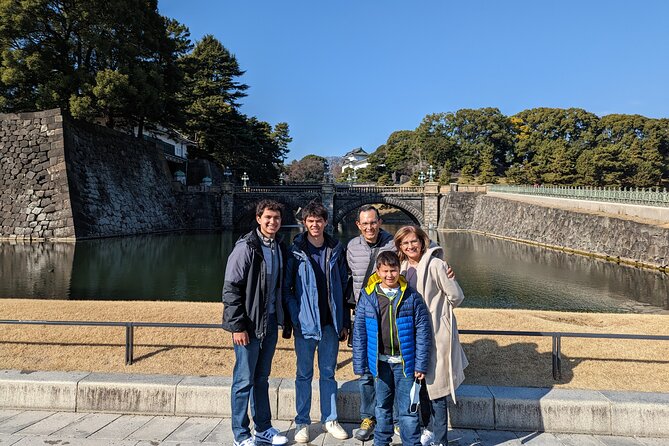
The Imperial Palace occupies the former site of Edo Castle, with broad park areas, moats, and large stone walls. It gives you a sense of Tokyo’s political center and the scale of the old fortified city.
There is an important limitation: this tour does not include entry inside the Imperial Palace. The listed visit lasts about 30 minutes, and admission is not included. You are mainly seeing the exterior setting and surrounding grounds, not touring the palace interiors.
I would choose this stop if you want a quick look at central Tokyo’s formal side or if your guide can connect it to the city’s past. I would skip it if your priority is entering historic buildings or spending time in gardens, markets, or neighborhoods.
Shinjuku Gyoen and Tokyo’s garden choices
Shinjuku Gyoen offers a pause from the city’s hard edges. It is one of Tokyo’s best-known public parks, with open lawns, walking paths, and quiet scenery near Shinjuku Station.
The listed visit is only 15 minutes, and admission is extra. That is enough for a quick walk and a breath of fresh air, but not enough to cover much of the park. If you want a proper garden visit, ask about Koishikawa Korakuen, Rikugien, or Hama Rikyu instead.
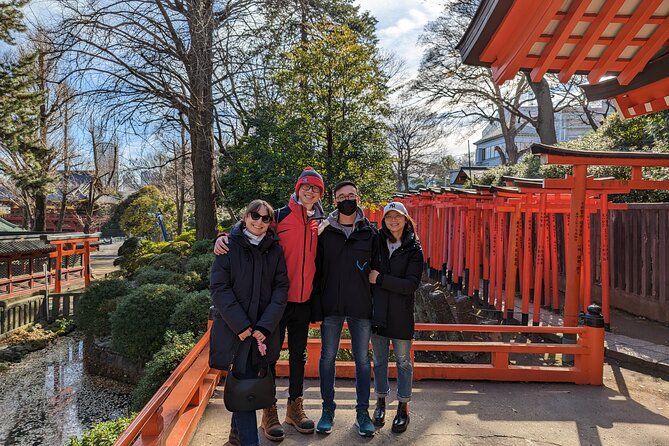
Koishikawa Korakuen is one of Tokyo’s oldest Japanese gardens, created during the Edo period for the Mito branch of the ruling Tokugawa family. Rikugien was built around 1700 and is known for garden scenes linked to six classical poems. Both are listed at roughly 15 to 30 minutes, with entry fees extra.
Hama Rikyu has a different character. Beside Tokyo Bay, it includes seawater ponds affected by the tides and a teahouse. It pairs well with a waterfront route and gives you a view of Tokyo that feels less urban than the central streets.
The catch is time. A 15-minute garden stop may be too short to justify an admission charge unless you mainly want a quick look. Ask the guide to recommend one garden rather than trying to squeeze in several.
Shibuya, Harajuku, and Meiji Shrine
Shibuya Scramble Crossing is one of Tokyo’s familiar modern scenes. Pedestrians cross in several directions when traffic stops, and the area around Shibuya Station’s Hachiko exit gives you a fast look at the city’s modern rhythm.
The itinerary does not assign a fixed duration to the crossing, so confirm how long you will have there. It works best as a brief photo and orientation stop, not as a full neighborhood visit.
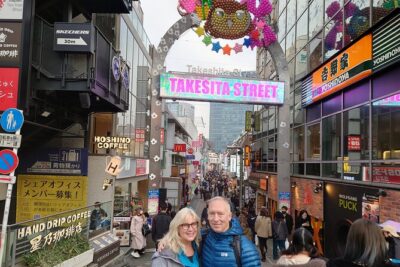
Nearby Harajuku offers a sharp contrast. Takeshita Street is associated with youth fashion, shopping, and Japan’s teenage styles. The listed visit lasts 30 minutes and admission is free. You can see the street’s character quickly, but shopping time will be limited.
Meiji Jingu Shrine gives the area a calmer, more ceremonial side. Dedicated to the deified spirits of Emperor Meiji and Empress Shoken, it sits beside busy Harajuku Station yet offers a very different setting. The visit is listed at 30 minutes and admission is free.
I like this trio for a first-time introduction to Tokyo because it shows three sides of one central area: modern crowds at Shibuya, youth culture at Takeshita Street, and Shinto tradition at Meiji Jingu. It is also a sensible combination if you want variety without crossing the entire city.




Tsukiji Outer Market: food with a practical warning
Tsukiji Outer Market occupies the area beside the former wholesale market site. Narrow lanes hold retail shops, food businesses, and restaurants, creating one of the day’s most useful stops if you want to eat or browse Japanese ingredients.
The visit is listed at 30 minutes and admission is free. That is enough to see the market and perhaps make a quick purchase, but lunch is not included. If you want a meal here, discuss timing and budget with your guide before setting off.
Tsukiji works well for people who want a sensory stop rather than another monument. It also gives your guide a chance to point out foods and customs that are easy to miss when you are walking alone. Still, a short visit can feel rushed if the lanes are crowded or you want to sit down for lunch.
Akihabara and Roppongi Hills: two versions of modern Tokyo
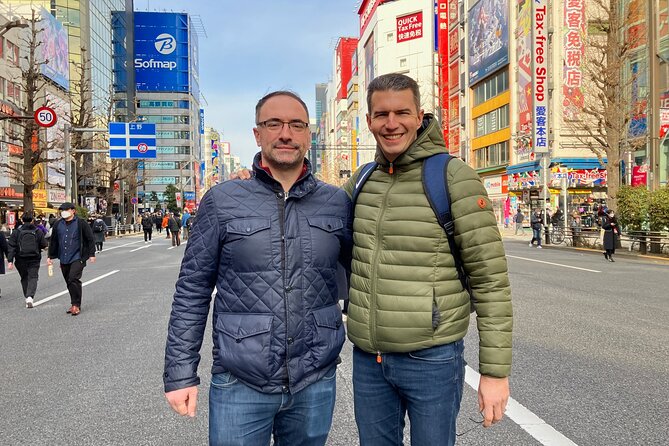
Akihabara is known for electronics shops and has become a center of Japanese pop culture. The suggested visit is 30 minutes, free of admission, and best for a quick look at the district’s specialized shops and signs.
Do not expect a long shopping session in half an hour. If you have a precise purchase in mind, tell the guide in advance so the stop can be planned around it. Otherwise, Akihabara is a good choice for a visual introduction to a part of Tokyo that feels very different from Asakusa or Meiji Shrine.
Roppongi Hills offers another modern city experience. Opened in 2003, the complex combines offices, apartments, shops, restaurants, a hotel, and art spaces. It is effectively a city within the city, making it useful for dining or a polished urban stop.
The listed time is 30 minutes and entry is free, though food and purchases are your responsibility. I would choose Roppongi Hills if you want restaurants, shopping, or contemporary Tokyo rather than traditional sights.
Tokyo Skytree and Odaiba for broad city views
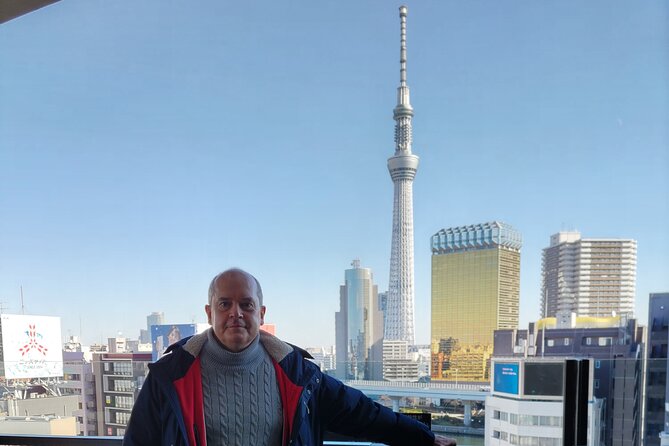
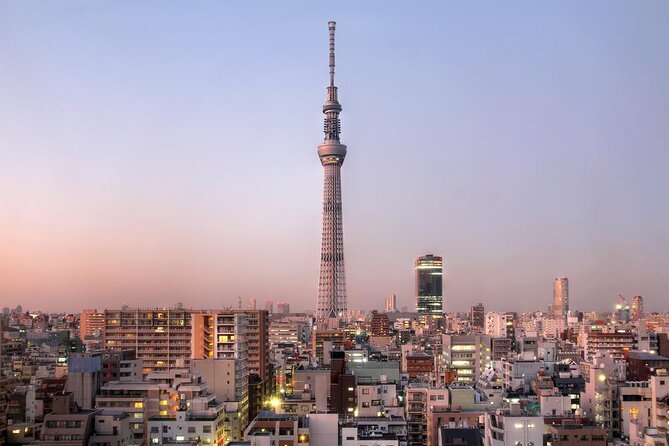
Tokyo Skytree is both a broadcasting tower and a major Tokyo landmark. It is near Asakusa in Sumida Ward and sits at the center of Tokyo Skytree Town.
The stop is listed at 30 minutes, with admission not included. That detail is important. A quick exterior visit costs nothing, but going up the tower requires extra time and an entrance fee. Ask the guide how much of the stop is intended for the tower itself before committing to it.
Odaiba is a shopping and entertainment district on a man-made island in Tokyo Bay. Its origins are connected to defensive fort islands, and its present-day character is modern and recreational. Like Skytree, it can add a different visual side of Tokyo to your day, but reaching the waterfront area may reduce time available for central neighborhoods.
I would not pair Odaiba with several far-apart gardens unless you are happy with short visits and more time in the car. It is a better choice as part of a waterfront-focused plan.
Tokyo National Museum and the old neighborhoods
The Tokyo National Museum is Japan’s oldest and largest museum of its national type. It is in the Ueno area and can provide useful context for Japanese art and culture.
The suggested visit is only 15 minutes, with admission extra. That is not enough for a real museum visit. Choose it only if you want a quick look at the institution or have a particular reason to enter. If you want to spend serious time inside, this private day tour may not be the right format.
Shibamata offers a different experience. At Tokyo’s eastern edge near the Edogawa River, it retains an old-fashioned neighborhood feel. A 30-minute stop here can give you a more local sense of Tokyo than the major central districts, though its location makes it a less efficient choice if you also want western Tokyo.
Nezu, along with nearby Yanaka, preserves parts of old Tokyo that escaped major damage from war and natural disasters. The area retains a last-century character and suits you if quiet lanes and older neighborhoods appeal more than major landmarks.
These eastern and northern options are valuable precisely because they are less obvious. The tradeoff is distance. Pick one area and explore it properly rather than scattering your day across the map.
What the guide adds to the day
The licensed English-speaking guide is the heart of this experience. The guide is not simply there to point out buildings. The best use of the service is to explain why a temple matters, help you compare Shinto and Buddhist sites, steer you toward a practical lunch option, and adjust the route when your timing changes.
Named guides have helped groups build days around temples, gardens, busy city scenes, local dining, shopping, and Japanese culture. Fumiko organized a family itinerary around the interests of adults and young adults. An contacted a group before the tour and shaped the plan to suit them. Noripy was praised for planning communication, lunch, and additional stops, while Toshi was noted for bringing humor and enthusiasm to the day.
Guide assignments can vary, so do not assume you will receive a particular person. Still, the pattern is clear: this tour is strongest when you communicate your priorities early. Say if you care most about food, gardens, anime, shopping, architecture, traditional culture, or photo stops.
Price, group size, and what you really receive
At $854.91 per group of up to two, this is not a budget sightseeing option. You also pay for entrance fees, lunch, and personal expenses. The guide’s entry fees are covered only for sights listed in the tour information, so ask about any special request before the day begins.
The value comes from private service and time control. You avoid public transport planning, travel with only your own group, and can build the day around three or four priorities. If a missed train connection could cost you a ship departure, that peace of mind has real value.
For two people, the cost is easier to justify if you strongly prefer private guiding. For a larger family or small group, the fixed group price may look better per person, though the advertised rate specifically covers up to two, so confirm the correct booking arrangement.
The tour has a five-star rating from 26 published ratings and a 100 percent recommendation figure. Those numbers suggest a strong record, but they should not hide the main limitation: Tokyo in eight hours still means choosing what to leave out.
Practical details to settle before departure
The tour lasts about eight hours, offers pickup, and uses a mobile ticket. Confirmation is provided at booking, and it is a private activity for your group only.
Most people can participate, and service animals are allowed. Only a limited number of car seats and booster seats are available, and rear-facing car seats are not provided. Contact the provider directly if you need child seating.
You can cancel for a full refund up to 24 hours before the start time. Changes or cancellations made inside that 24-hour window are not accepted or refunded.
Before the day, send the guide:
- Your top four choices, ranked in order
- Any must-have meal or shopping stop
- Your return deadline to Yokohama
- Mobility or child-seat needs
- Any museum or tower you plan to enter
That small amount of planning will prevent the day from becoming a string of rushed photo stops.
Should you book this Tokyo day tour?
Book it if you are staying in Yokohama, have only one day, dislike navigating a huge rail system, and want a private guide to connect traditional and modern Tokyo. It is particularly useful for cruise passengers, families, and couples with a firm schedule.
I would also choose it if you want help building a personal route around three or four priorities. Asakusa, Meiji Jingu, Shibuya, and Tsukiji make a strong first-day mix. A garden, museum, or old neighborhood can replace one of those if you prefer a slower cultural focus.
Skip it if you want long museum visits, extended shopping, or a low-cost day on public transport. The price is high, and the short stop times mean you must accept a highlights approach.
For the right person, the tour’s strength is not seeing every famous address. It is using a private vehicle and a thoughtful guide to make one very large city manageable in a single day.
FAQ
How long does the Tokyo tour last?
The experience lasts approximately eight hours.
How many sights can I visit?
The tour includes a customizable plan built around three or four sites from the available options.
Is transportation provided?
Yes. A private vehicle and a licensed local English-speaking guide are included, and pickup is offered.
Is the Imperial Palace interior included?
No. The tour does not include access inside the Imperial Palace.
Are admission fees and lunch included?
No. Entrance fees, lunch, and personal expenses are not included. Guide entry fees are covered only for sights listed in the tour information.
Can I cancel for a refund?
Yes. You can cancel at least 24 hours before the experience start time for a full refund. Cancellations or changes made less than 24 hours before the start time are not accepted or refunded.
More Guided Tours in Yokohama
More tours in Yokohama we've reviewed






Yokohama, compared.
 ★ 4.9Tokyo: Best Price Daikoku Parking Area JDM Car MeetFrom $763h 30m
 ★ 4.9Daikoku & Tokyo Private JDM Tour by 700HP R34 GT-RFrom $586
 ★ 5.0Tokyo 8hr Private Tour with Licensed Guide from YokohamaFrom $201
 ★ 5.0Shuttle Van Transfer, Yokohama(Port)⇒Tokyo, Narita, Haneda, TDRFrom $122
 ★ 5.0Japanese Tea Ceremony at Private Home in Yokohama, suburban TokyoFrom $52
 ★ 4.8Daikoku & Tokyo JDM Night Tour in R34 or TopSecret R35 GT-RFrom $3873 hours - 210 minutes