
Reviewed · YOKOHAMA
Let’s make Wagashi at private home in Yokohama, suburban Tokyo
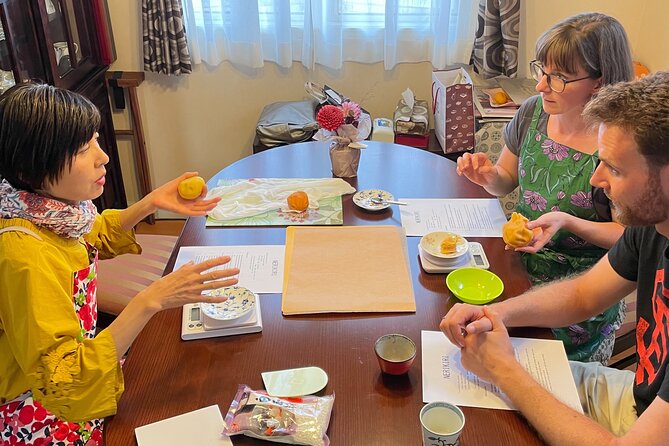
The most unusual part of this Yokohama activity is the setting: you enter Ikuyo’s private Japanese home near Azamino Station and learn to make wagashi at her kitchen table. This is not a quick pastry demonstration. You shape five seasonal sweets, then eat one with matcha that Ikuyo prepares for you.
I like the small group size, capped at four, and the hands-on format. I also like the clear take-home bonus: you keep four of your five sweets. The main consideration is location. Azamino is in suburban Yokohama, not central Tokyo, so you will need to allow time for the trip.
In This Review
- Key points to know before booking
- Why making wagashi feels different from a normal cooking class
- Meeting Ikuyo at her Yokohama home
- The first hour and a half: shaping five seasonal sweets
- Seasonal design is the heart of the lesson
- Eating one wagashi with freshly made matcha
- What the $52.03 price buys you
- Who will enjoy this activity most
- A few practical planning tips
- FAQ
- Where does the wagashi class meet?
- How long does the activity last?
- How many wagashi do I make?
- Who teaches the class?
- Is matcha included?
- Can I cancel for a full refund?
- Should you book this wagashi class?
Key points to know before booking
- A private home in Yokohama: Meet at Azamino Station and continue to a real Japanese home rather than a standard cooking school.
- Five wagashi per person: You make five sweets, eat one with matcha, and take the remaining four home.
- Seasonal designs: The shape and appearance follow the Japanese seasons, with nerikiri, gyuhi, manju, and other sweets possible.
- A skilled host: Ikuyo has studied Japanese tea ceremony for more than 40 years and has taught wagashi making for 15 years.
- Small and personal: The class accepts a maximum of four people, allowing close guidance at each stage.
- Simple planning: The session lasts about two hours, costs $52.03 per person, and offers free cancellation up to 24 hours before the start time.
Why making wagashi feels different from a normal cooking class
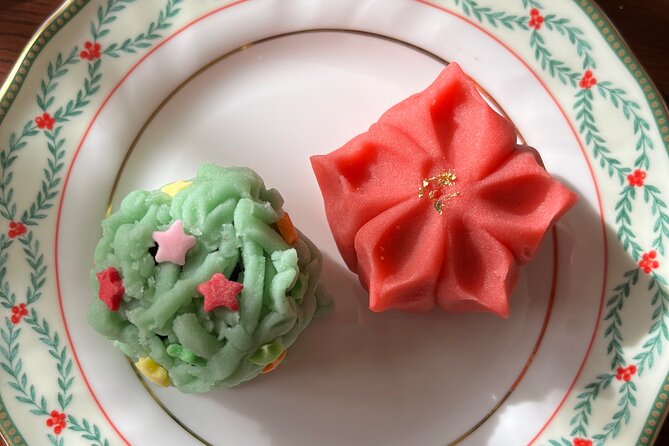
Wagashi are Japanese sweets, but the craft is about more than sweetness. Their colors and shapes often suggest a season, a flower, a leaf, or another small detail from nature. You are not simply mixing ingredients and baking a finished product. You are working with dough by hand and trying to make something attractive enough to serve with tea.
The likely centerpiece here is nerikiri, one of the best-known wagashi styles. The dough contains white bean paste and mochi, with red bean paste or white bean paste inside. You form the outer layer around the filling, then shape the sweet into a seasonal design.
That process gives the class its appeal. Wagashi can look delicate and precise, yet the basic work is approachable. You learn how to handle the dough, place the filling, and form the final shape. Your first flower may not look like Ikuyo’s, and that is part of the fun. The finished sweet still belongs to you.
The class can also include gyuhi and manju, depending on the season. The exact sweets are not fixed year-round, so the lesson changes with the calendar. That gives you a more genuine connection to Japanese food culture than a standard recipe repeated in every month.
Other private tours in Yokohama


Meeting Ikuyo at her Yokohama home
The meeting point is Azamino Station, at 2 Chome Azamino in Yokohama’s Aoba Ward. The activity ends back at the meeting point area. Public transportation is nearby, and pickup is offered, though you should confirm the practical details when booking.
Azamino is a suburban setting, not a central sightseeing district. That is both the attraction and the trade-off. You get away from the usual Tokyo route and visit a part of the greater city that many short-term visitors never see. In exchange, this class works best when you plan it as a two-hour appointment with travel time on both sides.
Allow extra time to find the station meeting point and settle in. Confirmation is sent within 48 hours, subject to availability, so do not leave this booking until the last minute if your schedule is tight. The activity is booked, on average, 16 days ahead, which is a useful sign that planning early makes sense.
Ikuyo has studied Japanese tea ceremony for more than four decades and has taught wagashi making for 15 years. That background matters because she can explain the sweets as part of a larger tradition. You are learning a food craft from someone who also understands how wagashi fits beside matcha and tea ceremony.
Her husband may also be present at the home. The small group limit helps keep the meeting personal rather than turning it into a crowded demonstration.
The first hour and a half: shaping five seasonal sweets
The making portion takes about 90 minutes. Ikuyo guides you through the process, explaining each step before you try it. The pace should give you time to watch, copy, and correct your technique instead of rushing through a fixed recipe.
You will work with dough that includes bean paste and mochi. The filling may be red bean paste or white bean paste, depending on the sweet being prepared. Most wagashi are vegan and gluten-free, though you should still raise any dietary concern before the session if you need strict assurance about ingredients or preparation.
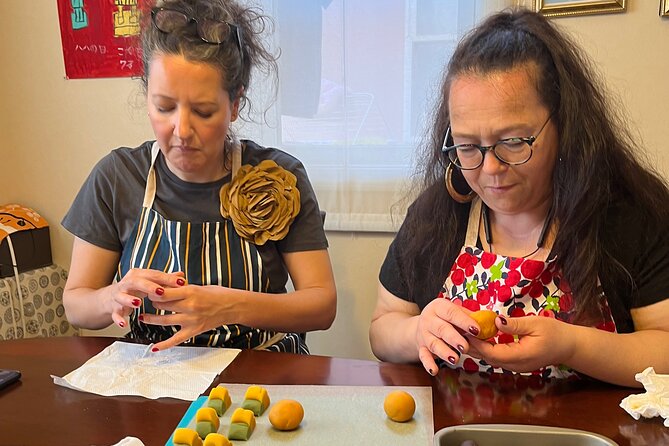
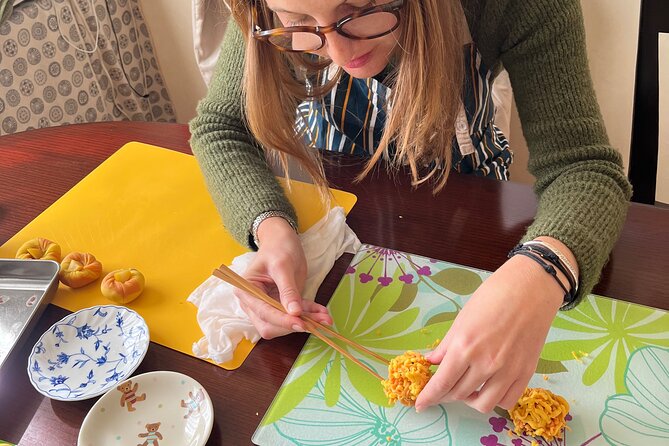
The most interesting lesson is the shaping. Nerikiri is prized for its appearance, so the outer dough needs to be handled carefully. You may press, pinch, roll, or form it into a seasonal design. Small changes in pressure affect the final look.
This is a good activity for people who enjoy making things with their hands. It also works for families and couples who want a shared task, as long as everyone is comfortable following careful instructions. The maximum of four people gives Ikuyo room to watch each person’s work.
You make five pieces per person. That number is generous for a two-hour class. One piece is reserved for eating with matcha, while four go home with you. The take-home portion gives the class practical value, especially if you are planning a full day of sightseeing and want a small edible souvenir for later.
Do not expect every sweet to look perfect. The point is not to produce a shop display. The charm comes from learning the method and seeing how your own shapes improve as you go. The careful comparison between your work and Ikuyo’s demonstration can be amusing, too.
Seasonal design is the heart of the lesson
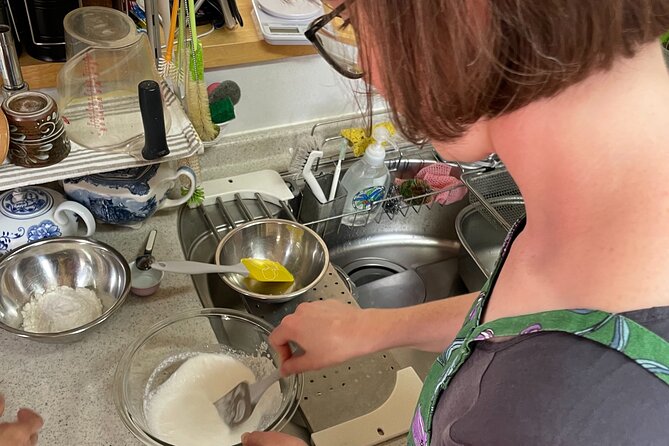
Japanese sweets often mark the time of year through color and form. A spring class may use a flower-inspired design, while another season may bring different colors or shapes. The exact pattern depends on when you visit.
That seasonal approach keeps wagashi from feeling like a generic Japanese souvenir. You learn that the sweet is meant to be seen as well as eaten. Its shape is part of the message, and its connection to the season is part of the pleasure.
For a first visit to Japan, this can be an easier way to understand an important Japanese idea: presentation matters. The sweet is small, but the care put into it is not. You get to practice that care yourself rather than only looking at finished examples in a shop window.
The seasonal element also means you should not book expecting one exact design unless the host confirms it. The activity description gives examples of nerikiri, gyuhi, and manju, but the menu changes with the season. That variety is a strength, though it removes some certainty for people who want a specific recipe.
Eating one wagashi with freshly made matcha
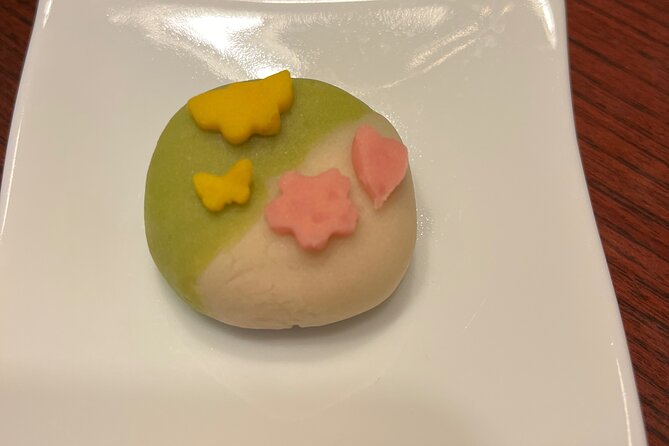
After the shaping session, Ikuyo prepares matcha for you. You eat one of your five wagashi with the tea, bringing the workshop into the setting where these sweets are traditionally enjoyed.
This final part is not a full tea ceremony class. It is a chance to taste the sweet with matcha and watch the host prepare it. If you want to mix matcha yourself or take part as a tea ceremony guest while observing the procedure, Ikuyo offers two other classes.
The pairing is useful because wagashi can taste different beside bitter matcha than it does on its own. The sweet balances the tea, and the tea keeps the experience from becoming a simple sugar stop. Even if you are not familiar with matcha, this gives you a clear introduction to the connection between the two.
You eat one piece together and take the other four home. Bring nothing special. The activity is designed to provide what you need for the making session.






What the $52.03 price buys you
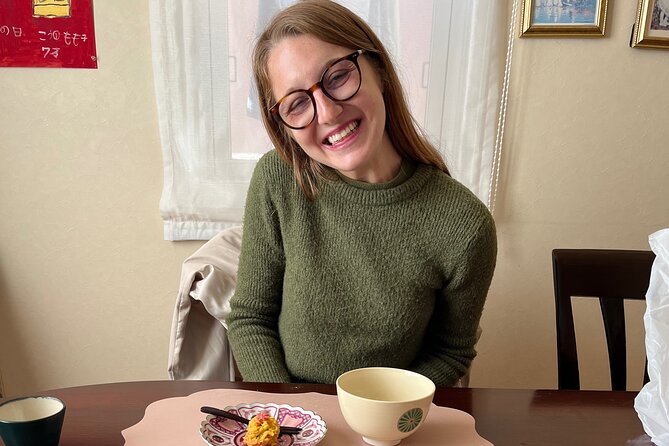
At $52.03 per person, this is not the cheapest food activity you can find in the Tokyo area. It is also not just a tasting. You receive roughly 90 minutes of instruction, make five sweets, taste one with matcha, and keep four.
The price looks strongest if you value personal instruction and setting. A larger commercial class may offer more scheduled departures or a more central location, but it may not offer the same private-home atmosphere or the chance to work closely with a host who has 15 years of teaching experience.
The small group limit is important here. With no more than four participants, your fee supports a lesson where Ikuyo can explain the process carefully and help with the fine details. That is more useful for wagashi than a large class, since shaping is the part most likely to need individual help.
The take-home sweets add another practical benefit. They are not merely samples eaten before you leave. You can save four for later, although the available information does not specify their storage life, so ask Ikuyo how soon they should be eaten.
Who will enjoy this activity most
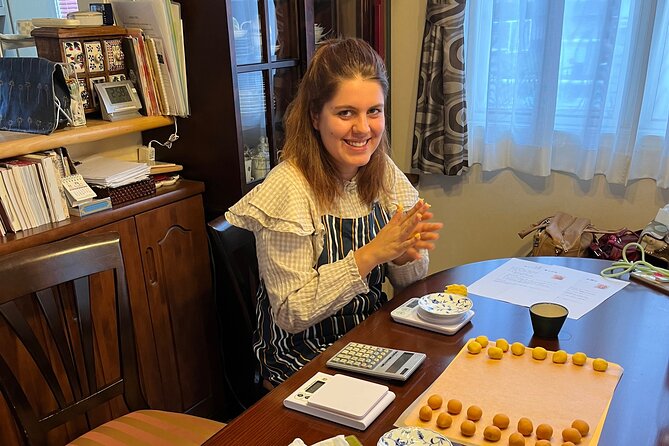
I would choose this class if you want a quiet cultural activity rather than another major attraction. It suits you if you enjoy food, crafts, Japanese seasonal traditions, or meeting a local host in a home setting.
It is especially good for:
- Couples looking for a shared activity
- Families who enjoy hands-on lessons
- Solo visitors who prefer a small group
- Matcha fans and anyone curious about tea culture
- Repeat visitors who have already seen the main central Tokyo sights
- People seeking vegan or gluten-free Japanese sweets, subject to ingredient confirmation
The session may be less suitable if you want a fast, central Tokyo stop. Azamino requires a separate trip, and the class itself takes two hours before you add transport. It is also not the right choice if you want to bake a large quantity or learn commercial pastry techniques. This is a focused lesson in traditional sweets and seasonal presentation.
The activity has a 5.0 rating from four recorded reviews, and the praise centers on the same qualities: Ikuyo’s patience, her careful explanations, the tasty sweets, and the warm atmosphere created by meeting her and her husband. One person received Japanese-design handkerchiefs, which suggests that small personal touches may be part of the welcome, though you should not book expecting a specific gift.
A few practical planning tips
Schedule this on a day when you can reach Azamino without rushing. The official meeting point is the station, and the activity ends back there, so it can fit before or after another Yokohama plan if your timing is sensible.
The nearby area also offers an optional pairing with the Shin-Yokohama Ramen Museum, said to be about 15 minutes from Azamino Station. The museum is not included in the wagashi activity, but it could help you build a food-focused day around the class.
The class is mobile-ticket friendly, and you do not need to bring special equipment. Since the group is limited to four, book ahead, especially if you have only one possible day in Yokohama.
Free cancellation is available up to 24 hours before the local start time. Cancellations or changes made within 24 hours are not accepted for a refund. That policy is reasonable, but keep your transport plans firm once the deadline passes.
FAQ
Where does the wagashi class meet?
The meeting point is Azamino Station, at 2 Chome Azamino in Aoba Ward, Yokohama. The activity ends back at the meeting point.
How long does the activity last?
The total duration is about two hours. Making the wagashi takes around one and a half hours, followed by eating one sweet with matcha.
How many wagashi do I make?
You make five pieces. You eat one with matcha during the class and take the remaining four home.
Who teaches the class?
The host is Ikuyo. She has studied Japanese tea ceremony for more than 40 years and has taught wagashi making for 15 years.
Is matcha included?
Yes. After making the sweets, Ikuyo prepares matcha for you to enjoy with one wagashi.
Can I cancel for a full refund?
Yes, if you cancel at least 24 hours before the experience start time. Changes or cancellations made less than 24 hours before the start are not accepted for a refund.
Should you book this wagashi class?
Book it if you want a personal, hands-on look at Japanese food culture and do not mind leaving central Tokyo for suburban Yokohama. The private-home setting, four-person limit, seasonal designs, and four sweets to take home give it more substance than a short tasting.
Skip it if your schedule is packed around central Tokyo or if you prefer a large cooking school with a fixed menu. For everyone else, $52.03 is a fair price for two hours of instruction with an experienced tea ceremony teacher, especially when you add the matcha tasting and take-home sweets. Plan the trip carefully, arrive ready to use your hands, and expect the best part to be the simple pleasure of making something seasonal with Ikuyo.
More Private Tours in Yokohama


More tours in Yokohama we've reviewed




Yokohama, compared.
 ★ 4.9Tokyo: Best Price Daikoku Parking Area JDM Car MeetFrom $763h 30m
 ★ 4.9Daikoku & Tokyo Private JDM Tour by 700HP R34 GT-RFrom $586
 ★ 5.0Tokyo 8hr Private Tour with Licensed Guide from YokohamaFrom $201
 ★ 5.0Shuttle Van Transfer, Yokohama(Port)⇒Tokyo, Narita, Haneda, TDRFrom $122
 ★ 5.0Japanese Tea Ceremony at Private Home in Yokohama, suburban TokyoFrom $52
 ★ 4.8Daikoku & Tokyo JDM Night Tour in R34 or TopSecret R35 GT-RFrom $3873 hours - 210 minutes