
Reviewed · MT FUJI DAY TRIPS
From Tokyo: Mt.Fuji, Lake Kawaguchi, Oshino Hakkai Day Tour
Mount Fuji is the star here, but the real appeal is how many classic viewpoints you fit into one day. You’ll see the mountain from high elevation, beside Lake Kawaguchi, through the clear ponds of Oshino Hakkai, and from the famous Arakura Fuji Sengen Shrine.
I like the low $51 price, which covers the bus and guide, and I like the short matcha session with Japanese sweets. The catch is a long day on the road, with traffic and weather able to change the schedule or remove a stop.
In This Review
- Key points at a glance
- Why this Fuji day trip works
- Starting at Tokyo Mode Gakuen in Shinjuku
- Mount Fuji 5th Station or Oishi Park
- A short matcha lesson beside Lake Kawaguchi
- Oshino Hakkai and its eight clear ponds
- Fujisan Hikawa Watch Shop and the shrine approach
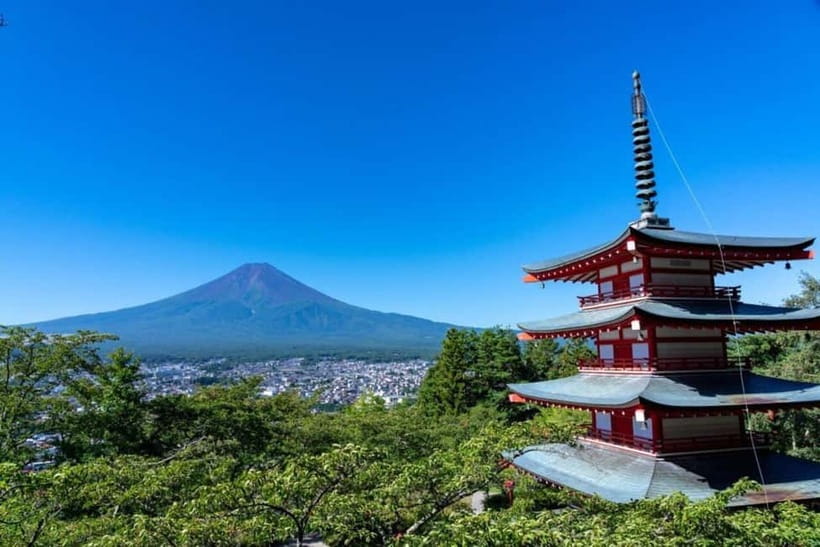
- Arakura Fuji Sengen Shrine and the famous pagoda view
- The long ride back to Shinjuku
- What the $51 price really covers
- Who should book this tour?
- FAQ
- Where does the tour meet?
- How do I reach Tokyo Mode Gakuen?
- Will I visit Mount Fuji 5th Station?
- Is lunch included?
- What languages does the guide speak?
- Is the tour suitable for wheelchair users?
- Should you book this Fuji day tour?
Key points at a glance
- Four different views of Mount Fuji: See it from the 5th Station or Oishi Park, Lake Kawaguchi, Oshino Hakkai, and Arakura Fuji Sengen Shrine.
- A simple 30-minute matcha activity: You’ll prepare Japanese matcha in a shop while a tea teacher serves traditional snacks.
- Seasonal planning matters: The 5th Station is generally used in spring and summer, while Oishi Park replaces it around late November through April.
- A guide-led day from Shinjuku: Meet an English and Mandarin-speaking guide holding an EASYGO flag at Tokyo Mode Gakuen.
- A scenic but active final stop: The walk from Fujisan Hikawa Watch Shop to Arakura Fuji Sengen Shrine takes about 25 minutes.
- Strong value for a Fuji sampler: Transportation and guiding are included, but lunch, entrance charges, and personal spending are not.
Why this Fuji day trip works
A Mount Fuji visit from Tokyo can be awkward to arrange. The mountain sits far enough away that trains and local buses can eat up much of your day, especially if you want several viewpoints. This tour solves that problem with one bus route linking the main sights.
I like the variety. You are not simply driven to one photo stop, given ten minutes, and sent back to Tokyo. The day includes a mountain viewpoint, a lake visit, a short cultural activity, traditional ponds, a shopping street, and a shrine approach.
You should still set your expectations correctly. This is a sightseeing circuit, not a quiet countryside escape. The bus ride takes about two and a half hours on the way out and roughly two hours back, and the schedule can shift with traffic.
The tour costs $51 per person. For that amount, the bus and guide do much of the practical work, which makes the price attractive if you want the major Fuji-area sights in one day. You will need to budget separately for lunch, attraction fees if charged, drinks, souvenirs, and other personal costs.
A few more Tokyo tours and experiences worth a look
Starting at Tokyo Mode Gakuen in Shinjuku
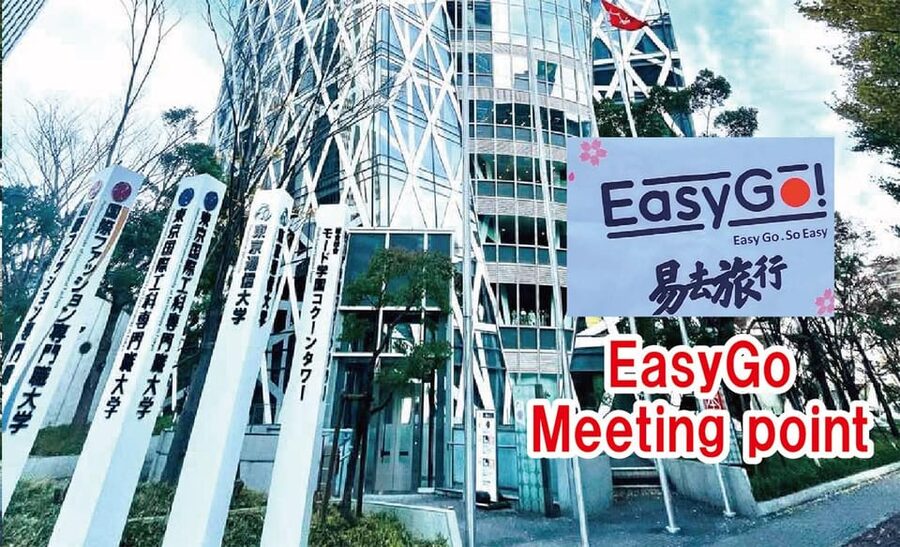
The meeting point is Tokyo Mode Gakuen, the distinctive cocoon-shaped building in the Shinjuku area. You meet at 7:50 in the morning for an 8:10 departure, so this is not a day for a leisurely breakfast.
Look for the guide holding an EASYGO flag. You can reach the meeting point from the JR Shinjuku West Exit or from Nishi-Shinjuku Station on the Marunouchi Line.
I recommend arriving early. Tokyo’s train stations can take longer to cross than the map suggests, and a late arrival can hold up a full coach. The tour does not include hotel pickup, so you must make your own way to the starting point.
Guiding is offered in English and Mandarin Chinese. The guide introduces the sights during the drive and at the stops, which helps turn a series of photo locations into a more understandable day. Guides named Arpan, Toni, and Diffany have been singled out for being friendly, helpful, and generous with travel tips. Toni, in particular, has been praised for adding historical information and suggestions for the rest of a Japan trip.
Mount Fuji 5th Station or Oishi Park
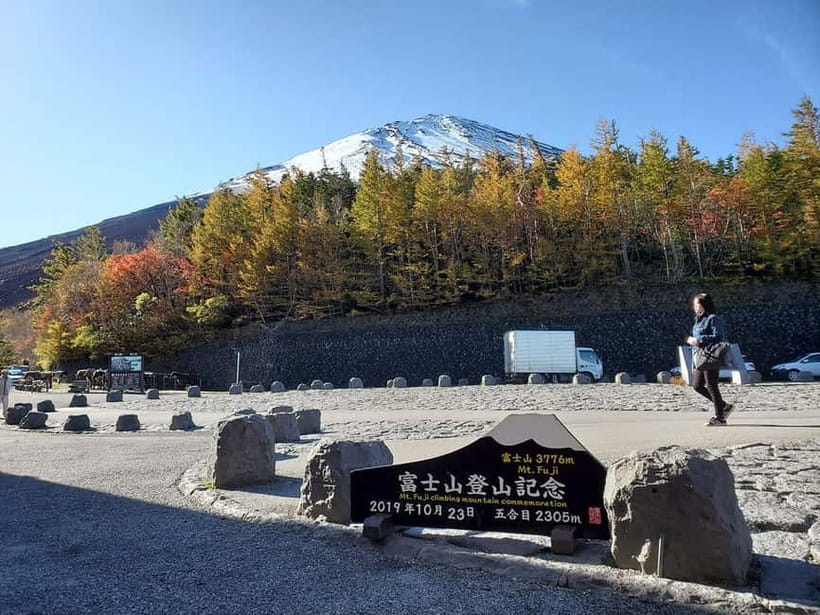
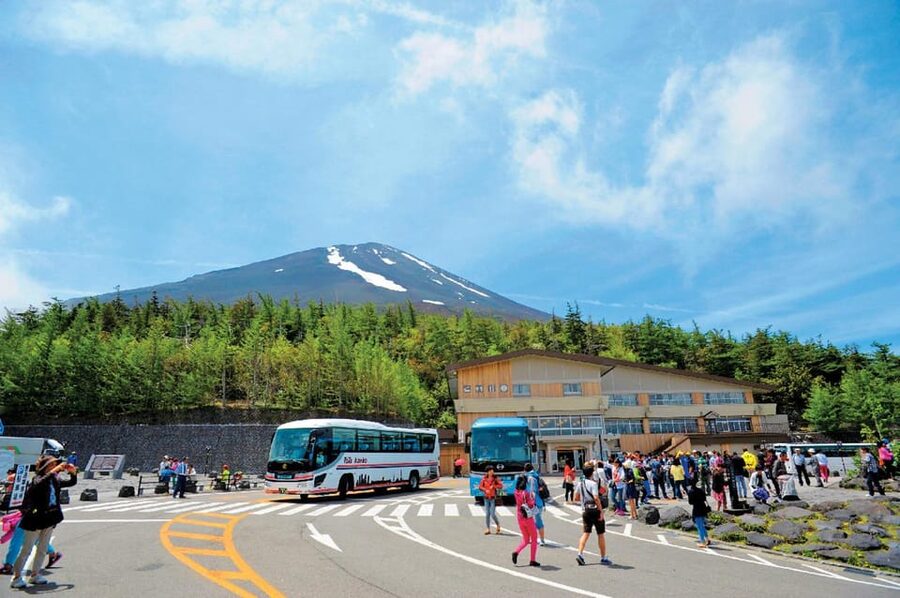
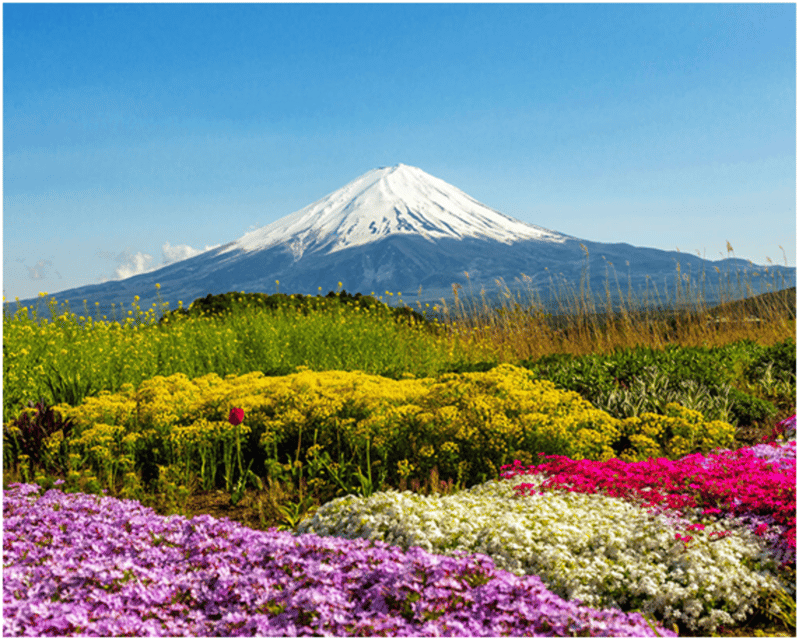
The first major stop is determined by the season and the weather. In spring and summer, the plan is usually Mount Fuji’s 5th Station. Around late November through April, the 5th Station is generally replaced by Oishi Park.
The 5th Station sits partway up Mount Fuji and gives you a high mountain viewpoint without requiring a climb. You can expect about an hour for photographs and sightseeing. On a clear day, this is a memorable place to look across the lower foothills and feel the scale of Japan’s most famous peak.
The important phrase is on a clear day. Clouds can cover the summit, and mountain weather changes quickly. The road to the 5th Station may also be affected by conditions, so the guide can switch the stop if necessary.
Oishi Park offers a different experience. It sits by Lake Kawaguchi and is known for broad views toward Mount Fuji, with gardens and seasonal scenery around the lake. It works well as a substitute because you can still get a classic Fuji photograph, though you should not assume you will visit both locations on this tour.
This seasonal change is one of the main details to check before booking. If your dream is specifically to stand at the 5th Station, choose a warmer-season date and understand that weather can still change the plan.
A short matcha lesson beside Lake Kawaguchi
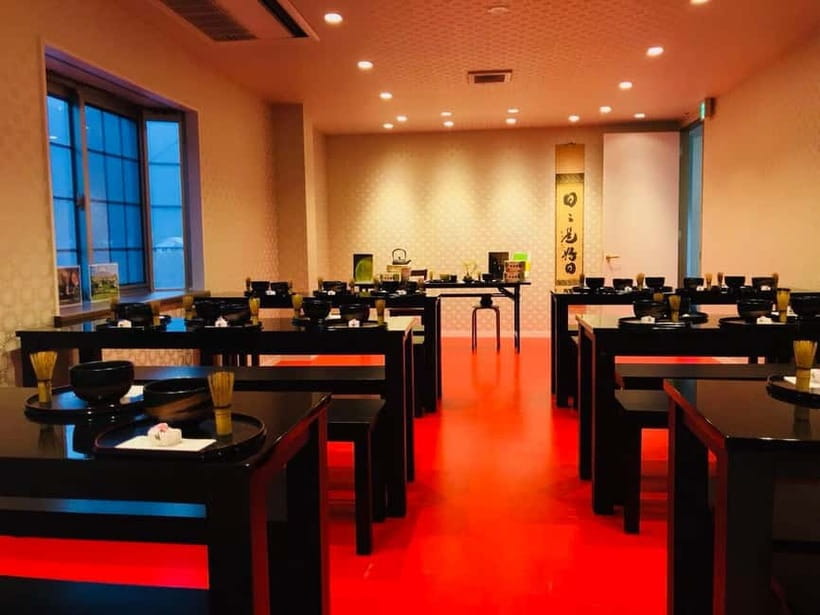
After the first Fuji-area stop, the coach continues to Lake Kawaguchi. The listed driving time is about 40 minutes, followed by a 30-minute matcha activity.
This is a compact introduction to Japanese tea rather than a formal, extended tea ceremony. A tea teacher shows you how to make Japanese matcha in a shop and prepares Japanese snacks for the group.
I like this addition because it gives the day a small cultural pause. Fuji sightseeing can become a string of viewpoints and phone cameras, while making matcha asks you to slow down for half an hour. You get a hands-on activity without committing to a full ceremonial program.
Keep the scale in mind. The session lasts about 30 minutes, so it will not cover every rule, utensil, or tradition connected with tea practice. If you want a detailed tea school or a long formal ceremony, this will feel brief. If you want to try matcha without giving up much sightseeing time, it fits the day well.
Lake Kawaguchi is also one of the best places on the route to appreciate how Mount Fuji relates to the surrounding area. The lake, mountain, and nearby towns create a more complete picture than a single roadside lookout.
Oshino Hakkai and its eight clear ponds
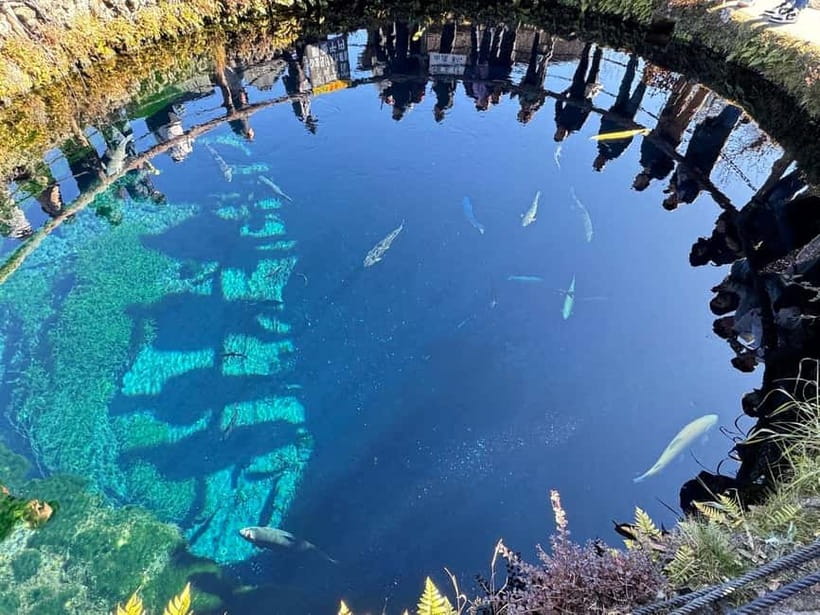
The next coach ride takes about 30 minutes to Oshino Hakkai. You have around an hour to explore this collection of eight ponds, which were formed by snowmelt and water flowing from Mount Fuji through the ground.
The ponds are the reason to come, but the setting also gives you a look at a traditional Fuji-area village. Clear water, small waterways, shops, and mountain views make this a pleasant place to walk at an easy pace.
You will have time for photographs and a short wander, but not an unhurried village afternoon. One hour is enough to see the main pond area and browse a little. It is not enough for a slow meal, extended shopping, and detailed exploration.
Oshino Hakkai can be a busy stop, especially when several tour buses arrive. The guide helps you understand where to go, but you should stay aware of the return meeting time. The water and scenery are the draw, so this stop is best enjoyed by slowing down rather than trying to cover every corner.
Lunch is not included. You can buy food during the day, but the schedule may not provide a long sit-down meal. I would carry a small snack and water, then use local food stalls or shops if the timing allows.



Fujisan Hikawa Watch Shop and the shrine approach
On the way toward the final shrine, the group stops briefly at Fujisan Hikawa Watch Shop. The photo stop lasts about ten minutes, so think of it as a quick street view rather than a shopping session.
The area is popular because the road and buildings frame Mount Fuji in a distinctly Japanese town setting. It is a different kind of photograph from the open lake and mountain views earlier in the day.
From the shopping street, you walk for about 25 minutes to reach Arakura Fuji Sengen Shrine. This detail matters more than the ten-minute photo stop because the walk is part of the experience. Wear comfortable shoes and expect the final section to be active.
Arakura Fuji Sengen Shrine and the famous pagoda view
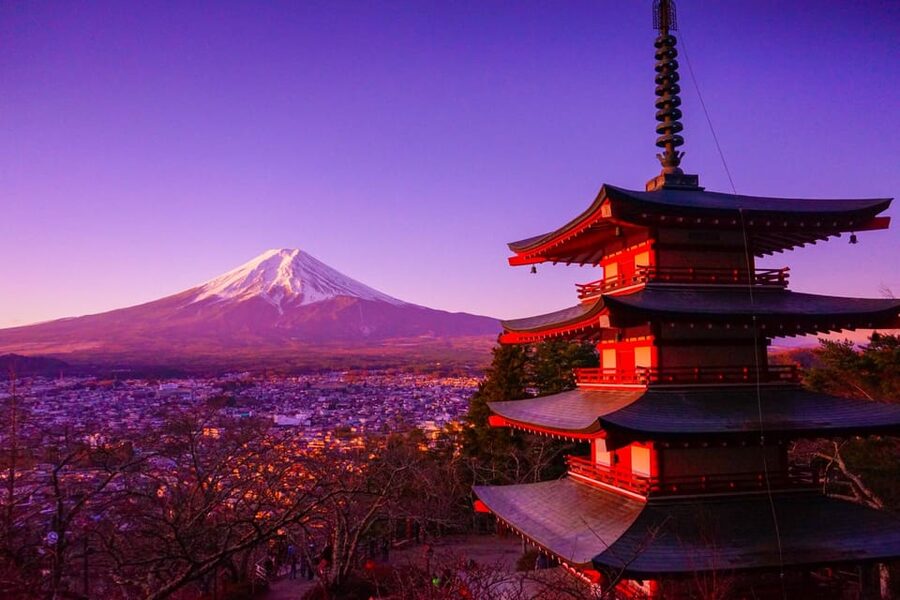
Arakura Fuji Sengen Shrine is one of the most recognizable places to photograph Mount Fuji. The shrine grounds, red Chureito Pagoda, and mountain view create the image many people associate with Japan.
The visit includes about 40 minutes for photographs, sightseeing, a guided introduction, and walking. That sounds generous until you account for the approach from the shopping street and the time needed to reach the best viewing area.
The shrine is reached by a climb, and the tour information specifically warns about the 25-minute walk from the shopping street. The tour is not suitable for wheelchair users, people over 75, or babies under one year, despite a separate note describing the activity as wheelchair accessible. Those details conflict, so I would contact the provider before booking if mobility is a concern.
Weather again controls the reward. When Fuji is visible, this can be the photographic high point of the day. When clouds cover the mountain, the shrine and pagoda remain attractive, but the famous layered composition may not appear.
Try not to treat the stop as a race to the top. The shrine approach is one of the few parts of the day where you move through a Japanese town and sacred site on foot rather than from a coach. Keep your pace comfortable and follow the guide’s timing.
The long ride back to Shinjuku
After the shrine, the return bus takes about two hours. Traffic can make it longer, particularly on a busy weekend or holiday. The overall day runs from an early morning meeting to an evening return, so you should plan for a full day rather than a quick excursion.
The bus is the tour’s biggest practical advantage and its main drawback. You can rest between stops and avoid changing trains, but you give up flexibility. If you prefer to linger at Oshino Hakkai or wait for the perfect Fuji photograph, a private trip or self-guided visit may suit you better.
The schedule is also only a guide. Traffic, road conditions, and weather can lead to adjustments or skipped attractions. That is normal for a Mount Fuji day trip, but it is worth accepting before you reserve.
What the $51 price really covers
At $51, this is priced as an efficient group day out rather than a premium private tour. The included bus transportation is valuable because the stops are spread across the Fuji Five Lakes area and the trip begins and ends in Tokyo.
You also receive an English and Mandarin-speaking guide. Good guiding makes a difference on a route like this, especially when the day has several short stops. Arpan has been described as caring and attentive, while Toni and Diffany have earned praise for friendliness, explanations, and useful Japan advice.
The price does not include lunch, attraction entrance fees, or personal expenses. The matcha experience is part of the activity, but you should still plan to pay for food and any purchases yourself.
I see this as a strong deal for first-time visitors who want the famous sights without arranging several regional buses. It is less appealing if you already know the Fuji area well or want a quiet day with plenty of time at each place.
Who should book this tour?
I would choose this tour if you have limited time in Tokyo and want to see several Mount Fuji viewpoints in one day. It also suits solo visitors and couples who prefer a guide, a fixed route, and a ready-made bus instead of working out local connections.
The tour works especially well for people who want variety. You get mountain scenery, a lake, a cultural activity, village ponds, a town street, and a shrine in one package.
Families with older children may enjoy it, but the early departure and long coach rides require patience. The walking section near Arakura Shrine also means you should be comfortable on foot.
I would think twice if you need a slow schedule, have mobility limitations, or care most about one exact Fuji viewpoint. Weather may remove the 5th Station, Oishi Park can replace it by season, and the guide may adjust the route to deal with traffic.
Free cancellation is available up to 24 hours before departure, and you can reserve now and pay later. Those terms help if your Tokyo plans are still changing, but they do not remove the need to check the seasonal stop and mobility details.
FAQ
Where does the tour meet?
The meeting point is Tokyo Mode Gakuen in Shinjuku. Meet the guide holding an EASYGO flag at 7:50 for an 8:10 departure.
How do I reach Tokyo Mode Gakuen?
You can take the JR Line to Shinjuku West Exit or use the Marunouchi Subway Line to Nishi-Shinjuku.
Will I visit Mount Fuji 5th Station?
The 5th Station is planned for spring and summer, subject to weather and road conditions. Around late November through April, it is generally replaced by Oishi Park.
Is lunch included?
No. Lunch is not included, so you should plan to buy food during the day or bring a snack.
What languages does the guide speak?
The live guide provides information in English and Mandarin Chinese. Other languages are not supported.
Is the tour suitable for wheelchair users?
The activity information includes a wheelchair-accessible note, but it also says the tour is not suitable for wheelchair users. Because the route includes walking to Arakura Fuji Sengen Shrine, you should confirm suitability with the provider before booking.
Should you book this Fuji day tour?
Book it if you want a low-cost, well-organized introduction to the Mount Fuji area and you are happy to trade flexibility for convenience. The combination of four Fuji viewpoints, a short matcha activity, Oshino Hakkai, and a guided route is hard to match at $51.
Skip it if your priority is a relaxed pace, a guaranteed 5th Station visit, or a long tea ceremony. For everyone else, this is a practical first Fuji outing, provided you arrive early, wear good walking shoes, and accept that weather and Tokyo-area traffic have the final say.
More Mt Fuji Day Trips in Tokyo
More tours in Tokyo we've reviewed








Mt Fuji Day Trips, compared.
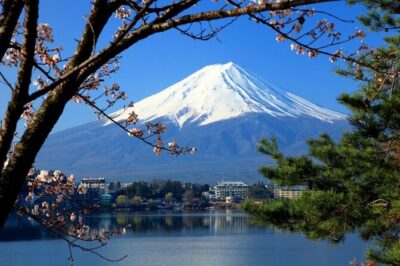 ★ 5.0Mt Fuji and Hakone 1-Day Bus Tour Return by Bullet TrainFrom $163
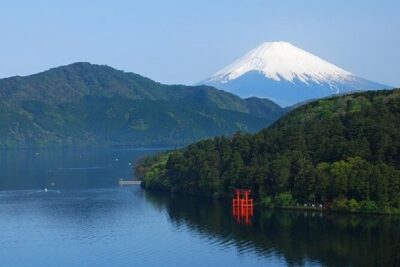 ★ 4.0Mt Fuji & Hakone Cruise, Drum Show Bullet Train 1 Day from TokyoFrom $149
 ★ 4.4Tokyo Mt Fuji 5th St & Hakone Cruise Bus Tour w/Bullet TrainFrom $15410 hours
 ★ 4.5From Tokyo: Mount Fuji Full-Day Sightseeing TripFrom $6810 hours
 ★ 4.7Tokyo: Mt. Fuji Tour, Hakone Ropeway, Owakudani, Lake AshiFrom $5410 hours
 ★ 4.4Tokyo:Mt.Fuji,Kawaguchiko Oishi Park,Arakurayama Sengen ParkFrom $5410 hours