
Reviewed · TOKYO
Experience Crafting a Flower-Adorned Mini Japanese Garden
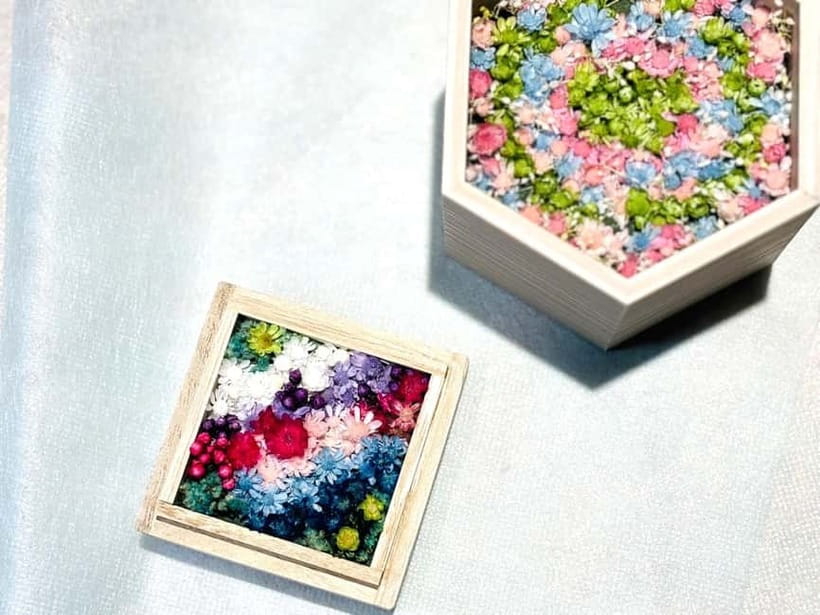
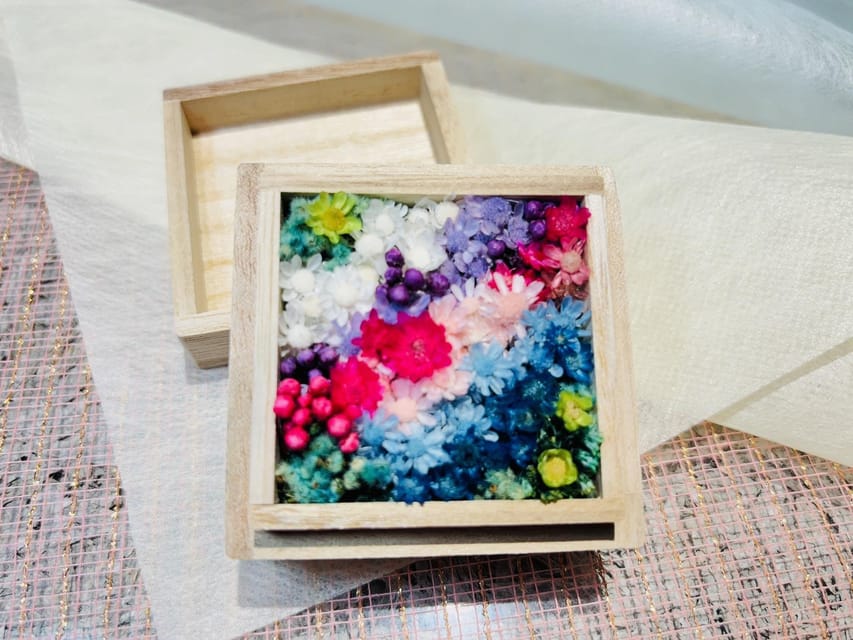
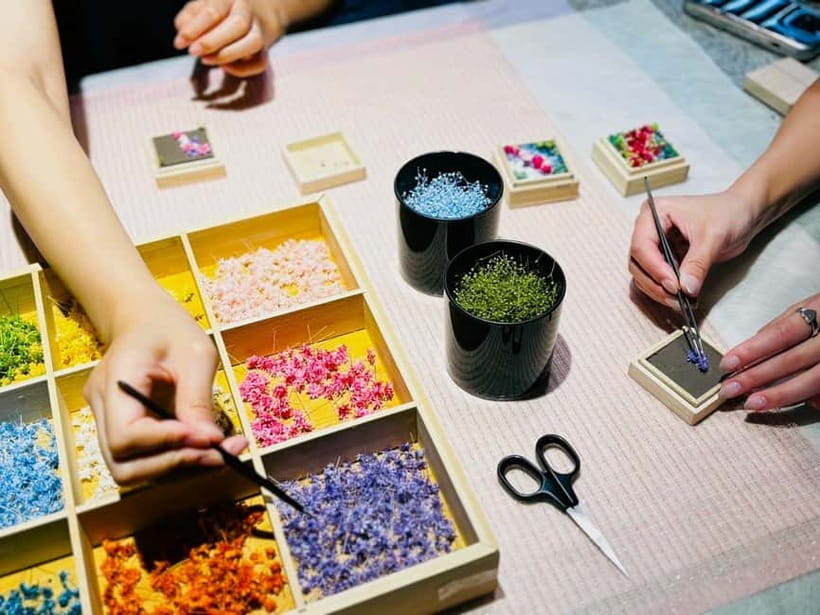
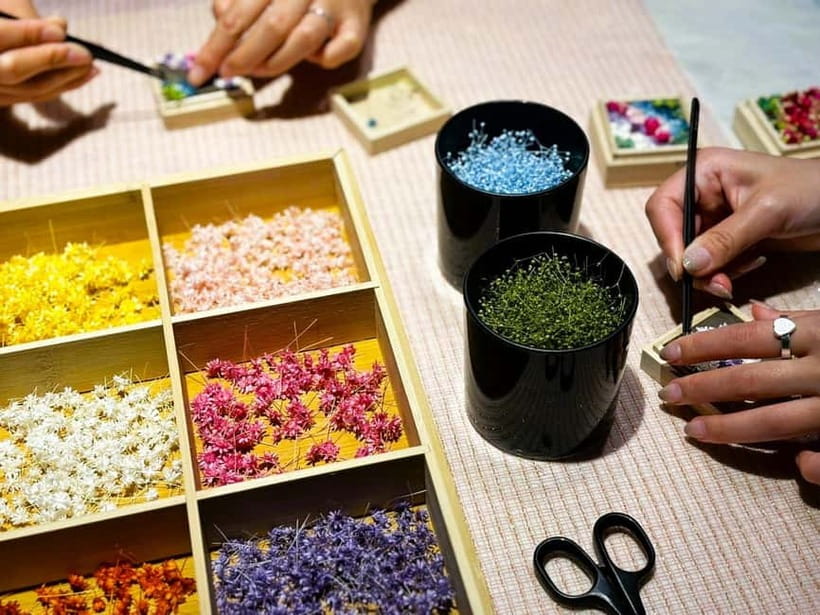
A tiny Japanese garden in a box is the main event here. You arrange preserved and dried flowers in a small container, creating a miniature scene that works as a one-of-a-kind souvenir and a sweet piece of home décor. No craft background is needed, and the English-speaking instructor explains both the materials and the process before you begin.
I like the relaxed 90-minute pace, which gives you room to think about color and placement instead of rushing through a quick tourist craft. I also like the café setting and included soft drink, since the activity feels more like a pleasant break in Shinjuku than a formal class. The main consideration is simple: at $45 per person, this is a good value only if you want a hands-on keepsake. It is not the right choice if you prefer sightseeing with lots of movement.
In This Review
- Key points to know before booking
- A miniature Japanese garden you design yourself
- What happens during the 90-minute session
- Why the café setting works well
- The instructor and the first-time experience
- A souvenir with more character than a shop purchase
- Is $45 a fair price?
- Finding Sumika in Shinjuku
- Who will enjoy this most
- Booking flexibility and practical timing
- Should you book this flower garden workshop?
- FAQ
- How long does the flower garden activity last?
- How much does the experience cost?
- Is a drink included?
- Are the flowers fresh or preserved?
- Can first-time crafters join?
- Is English instruction available?
- Where is the meeting point?
- Can I cancel for a full refund?
Key points to know before booking
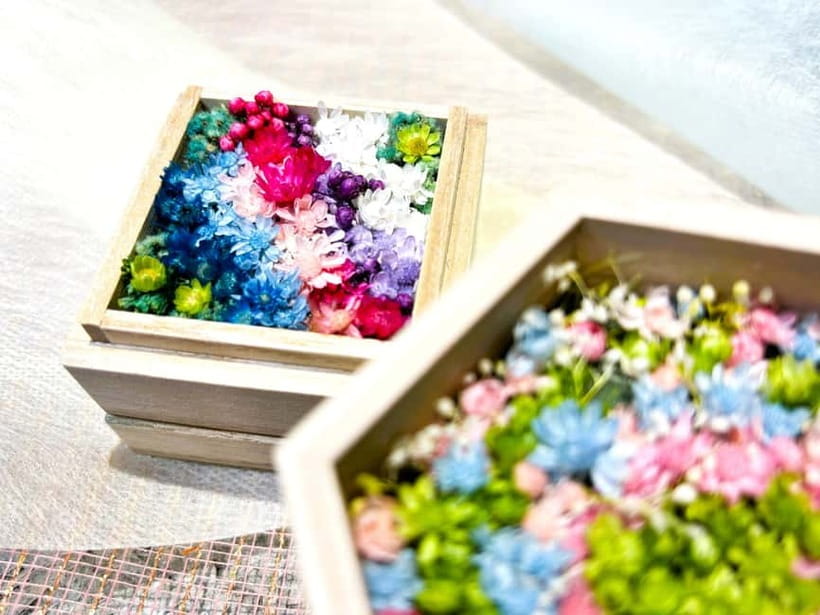
- Your garden is built from preserved and dried flowers, so the finished piece is designed to last as an interior decoration.
- The 10-person maximum keeps the class small, with an English-speaking instructor available to explain the materials and offer ideas.
- The activity takes 90 minutes, long enough to work at a comfortable pace without taking up half a day.
- You receive one soft drink, while meals, extra drinks, and transportation are separate.
- The meeting point is very close to Shinjuku Sanchome Station, but you must enter through a pachinko parlor building and take the outside elevator to the fourth floor.
A miniature Japanese garden you design yourself
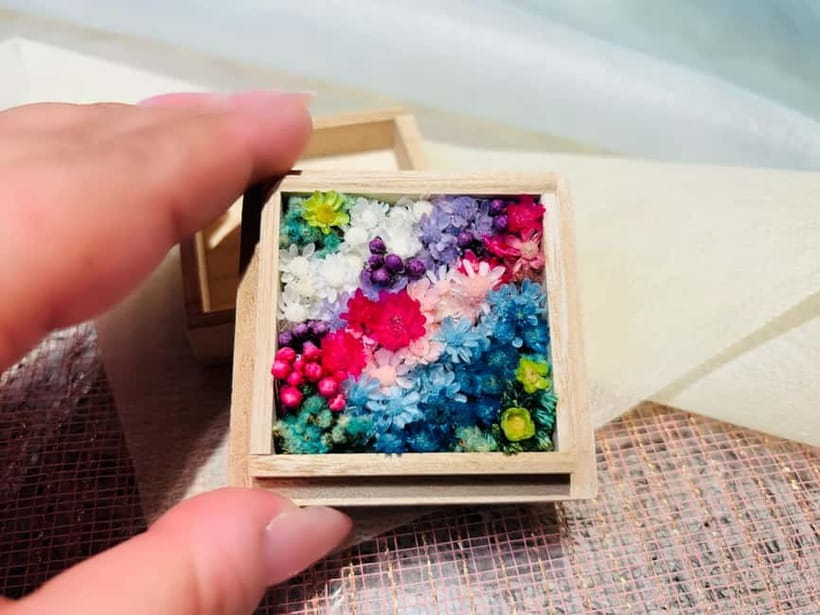
This experience turns a familiar Japanese art idea into a compact craft project. Instead of planting living greenery or shaping a full-size garden, you arrange small colorful flowers inside a box so the finished piece looks like a diorama.
That format gives you a lot of creative freedom within a clear structure. You are not simply decorating a ready-made object. You decide how the flowers sit together, which colors catch the eye, and how the small garden feels as a whole.
The flowers are preserved and dried, which matters for two reasons. First, the garden does not depend on watering or sunlight. Second, you can take it home as a lasting reminder of Japan rather than a short-lived bouquet. The final box should be treated as a decorative keepsake, not as a living plant, but that also makes it easier to display.
I especially like the difference between this and a standard souvenir purchased from a shop. A mass-produced trinket can remind you of Tokyo, but this small garden carries your own choices. The finished arrangement may not look professionally made, and that is part of its charm. It belongs to you.
If you're still narrowing it down, here are other tours in Tokyo we've reviewed.


What happens during the 90-minute session
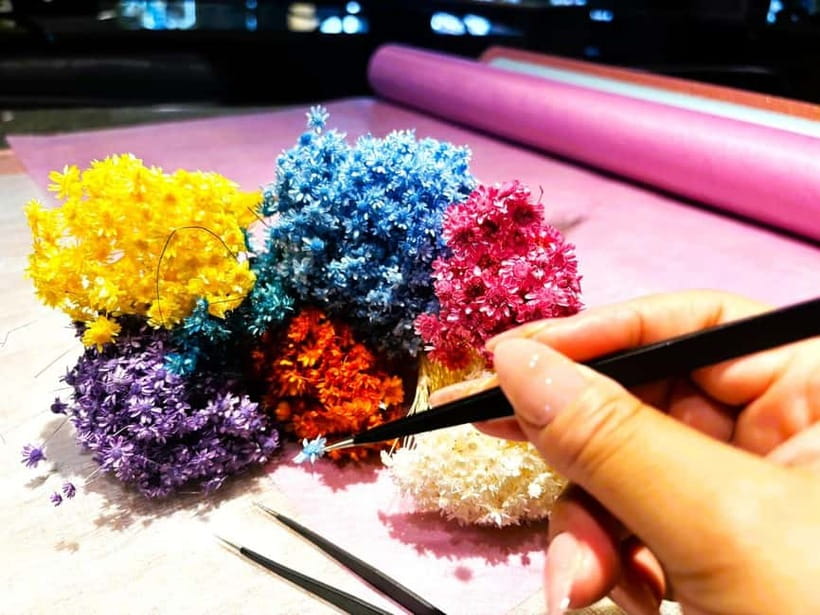
When you arrive, the instructor explains how the activity works and introduces the available ingredients. This opening is useful for first-time crafters because you can see the materials before making decisions. You do not need to arrive knowing how to build a miniature garden.
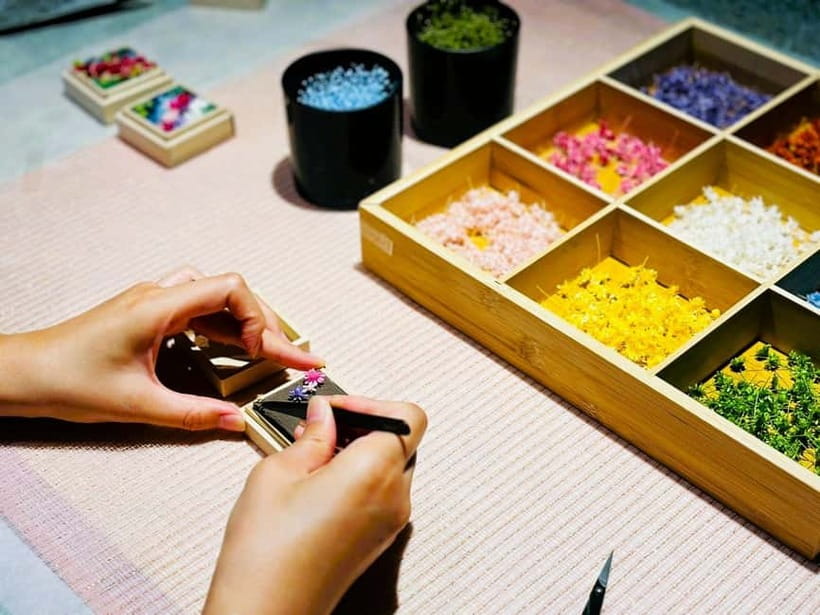
After the introduction, you begin arranging the flowers in a small container. The task is hands-on from this point, with time to place, adjust, and reconsider your design. The supplied information does not set out a rigid minute-by-minute schedule, so expect a calm workshop rather than a tightly staged performance.
The arrangement itself is the heart of the session. You work with small flowers in different colors and create a Japanese-style scene inside the box. The instructor can provide ideas if you need help, while still leaving the final design in your hands.
That balance suits a wide range of people. If you have a strong artistic plan, you can follow it. If you are unsure where to begin, you can use the instructor’s suggestions and build from there. The activity is described as easy for first-time participants, so you should not feel that artistic skill is a requirement.
A soft drink is included. It is a small detail, but it helps the 90-minute session feel unhurried. You can focus on the craft without needing to stop and find a drink elsewhere. Lunch, dinner, bottled drinks, and other food or drink purchases are not included.
Why the café setting works well
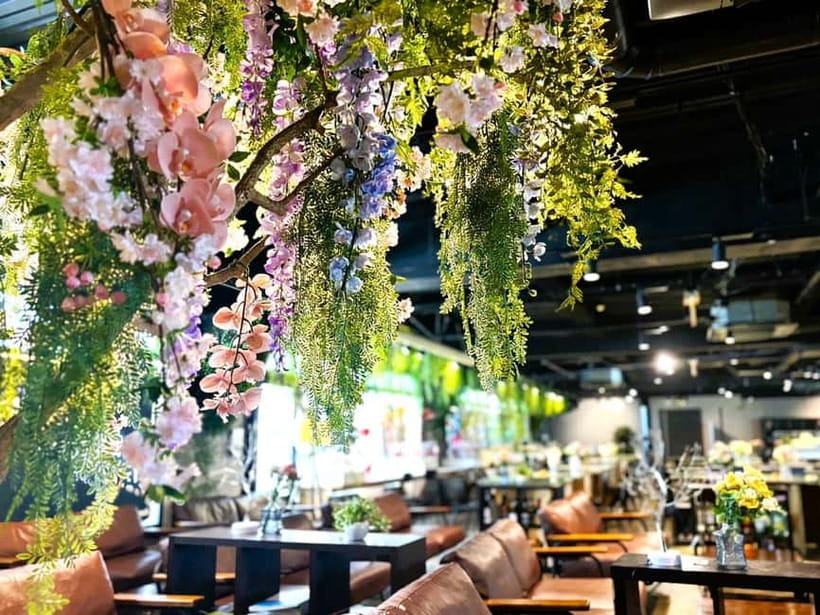
The workshop takes place at a spacious café, giving the activity a more comfortable feel than a cramped craft counter. You are not being sent from one station to another or hurried toward a final result. The setting supports the slow, careful work that a miniature garden requires.
The café also gives companions something natural to do together. Friends and families can compare color choices, help one another think through an arrangement, and leave with separate souvenirs. The small group limit of 10 people helps keep the session from feeling like a large class.
Feedback about the atmosphere is especially consistent. The experience has been described as relaxing, fun, and welcoming, with the instructors offering kind and helpful guidance. That is important here because the mood affects the craft. A rushed or stern class would take much of the pleasure out of arranging tiny flowers.
If you are visiting Shinjuku after a busy morning, this can provide a quiet change of pace. The activity does not try to compete with the district’s shopping, lights, and nightlife. It gives you a seated creative break right in the middle of one of Tokyo’s busiest areas.
The instructor and the first-time experience
Instruction is provided in English, and the group type is small. You receive an explanation of the materials and how to make the garden before starting, then can ask for ideas as you work.
No instructor names are provided, so I would not book this expecting a particular named teacher. The useful point is the teaching style described for the session: kind, welcoming, and ready to help. One especially practical detail is that the instructor can offer different ideas rather than pushing every participant toward the same design.
That makes this a sound pick if you are nervous about craft activities. You do not need to know flower arranging, miniature design, or Japanese gardening techniques in advance. The project has a clear goal, and the instructor helps you understand how to reach it.
Still, remember that this is a creative activity, not a lecture about Japanese gardens. You will learn how to make the small floral display, but the supplied details do not promise a long cultural talk or a historical lesson. Book it for the making, the atmosphere, and the keepsake.
A souvenir with more character than a shop purchase
Tokyo offers no shortage of souvenirs, from snacks to character goods. A small flower garden gives you something quieter and more personal. It is also easy to picture in your home because the box is intended for interior decoration.
The project has a useful travel advantage: unlike a living plant, preserved and dried flowers do not need care during the rest of your trip. You still need to pack the finished piece sensibly, but its purpose is to travel home as a decorative object.
The phrase one-of-a-kind is fair in the practical sense that your arrangement will be your own. The materials may be shared with other participants, but the placement and combination of flowers will differ. If you are making the garden with family or friends, each person can create a separate design rather than taking home identical items.
This also makes the session suitable for a rainy afternoon, a quieter day in Tokyo, or a trip where you want one memory that is not just a photograph. The finished garden will not replace the major sights, but it can preserve a small, personal part of the visit.




Is $45 a fair price?
The cost is $45 per person. That includes the 90-minute activity, the flowers and container used for the garden, instruction in English, all fees and taxes, and one soft drink.
For a quick souvenir-making stop, the price may feel high. You are paying more than you would for a simple purchased trinket. The value improves if you care about the guided process, the comfortable café setting, and taking home an object you made yourself.
The 90-minute duration helps justify the price. You are not simply placing one flower into a container and leaving. You have time to arrange the small garden at your own pace, request ideas, and refine the result.
The price does not include transportation to the meeting place, meals, bottled drinks, or additional food and drink. If you want a fuller café treat, one piece of practical advice comes from the experience itself: parfaits may be available as an upgrade, but they are not part of the $45 standard price. Check the available option when booking if that dessert matters to you.
For a family, the total can add up quickly. For one person or a pair who genuinely enjoy crafts, the personal souvenir may make the cost worthwhile. I would compare it with the price of other guided workshops in Tokyo, not with the cost of an ordinary souvenir.
Finding Sumika in Shinjuku
The meeting point is about a one-minute walk from Tokyo Metro Shinjuku Sanchome Station, Exit E3. That is excellent for a short activity because you do not need to set aside a long transfer or cross the city after sightseeing.
The building can be easy to miss if you are expecting a traditional craft studio. The first floor is a pachinko parlor, and the outside elevator is near the pachinko parlor entrance. Take that elevator to the fourth floor, where the shop is called Sumika.
This is the one arrival detail I would take seriously. Shinjuku has plenty of large signs, crowds, and multi-use buildings, so allow a few extra minutes to identify the entrance rather than arriving exactly at the start time. The Google Plus Code is MPR4+J9 Shinjuku City, Tokyo, which can help if a map app has trouble with the building address.
Transportation costs are not included. You are responsible for reaching the meeting point, but the short walk from Exit E3 keeps that part straightforward once you are at Shinjuku Sanchome Station.
Who will enjoy this most
I would recommend this experience to you if you like making things with your hands and want a souvenir with a personal story. It is especially well suited to:
- First-time crafters who want clear English instruction
- Friends or families looking for a shared activity
- Couples who prefer a quiet creative date to another sightseeing stop
- Visitors who want a small decoration for home
- Anyone needing a calm break from central Tokyo
- People who enjoy choosing colors and arranging small objects
It is also a good fit for mixed-age groups, based on the simple format and instructor support, though the supplied details do not specify a minimum age. If age requirements matter for your party, confirm them before booking.
I would hesitate to recommend it if you want a major cultural presentation, a full meal, or a long tour through several locations. This is a focused craft session. Its success depends on your interest in making a small floral scene, not on the number of sights packed into the schedule.
Booking flexibility and practical timing

The session lasts 90 minutes, and starting times depend on availability. That makes it easy to fit between other Tokyo plans, but you should avoid placing it directly beside a time-sensitive reservation if you want to work without watching the clock.
You can cancel up to 24 hours in advance for a full refund. A reserve-now-and-pay-later option is also available, which can help if your Tokyo schedule is still changing. These policies are useful, but check the exact booking terms for your chosen time before confirming.
The activity has a 4.7 rating from 15 submitted ratings, and the strongest praise centers on three things: the relaxing pace, the friendly instruction, and the finished flower box. Several people also singled out the parfait option as a tasty addition. That pattern tells me where the experience earns its keep: in the atmosphere and the personal guidance, not in a long list of included extras.
Should you book this flower garden workshop?
Book it if you want to slow down, make something with your own hands, and leave Shinjuku with a decorative souvenir that cannot be exactly duplicated. The English instruction, 10-person limit, nearby station, included soft drink, and gentle 90-minute pace make it easy to fit into a Tokyo visit.
Skip it if $45 feels too much for a small box, or if you would rather spend your time outdoors and sightseeing. The activity is modest in scale, but that is also its appeal. For the right person, a tiny flower garden can hold more travel meaning than another object bought from a shelf.
FAQ
How long does the flower garden activity last?
The activity lasts 90 minutes.
How much does the experience cost?
The price is $45 per person.
Is a drink included?
Yes. One soft drink is included in the activity price.
Are the flowers fresh or preserved?
The garden uses preserved flowers and dried flowers.
Can first-time crafters join?
Yes. The activity is designed to be easy for first-time participants, and the instructor explains how to make the garden and use the materials.
Is English instruction available?
Yes. The instructor provides instruction in English, and English is listed as the activity language.
Where is the meeting point?
The meeting point is a one-minute walk from Tokyo Metro Shinjuku Sanchome Station, Exit E3. The first floor is a pachinko parlor building. Use the outside elevator near the entrance and go to the fourth floor, where the shop is called Sumika.
Can I cancel for a full refund?
Yes. You can cancel up to 24 hours in advance for a full refund. A reserve-now-and-pay-later option is also available.
More tours in Tokyo we've reviewed







Tokyo, compared.
 ★ 5.0Mt Fuji and Hakone 1-Day Bus Tour Return by Bullet TrainFrom $163
 ★ 5.01-Day Tokyo Bus TourFrom $129
 ★ 4.6Tokyo: teamLab Planets TOKYO Digital Art Museum Entry TicketFrom $251 day
 ★ 4.0Mt Fuji & Hakone Cruise, Drum Show Bullet Train 1 Day from TokyoFrom $149
 ★ 5.0Tokyo: Shinjuku Food Tour (13 Dishes at 4 Local Eateries)From $86
 ★ 4.4Tokyo Mt Fuji 5th St & Hakone Cruise Bus Tour w/Bullet TrainFrom $15410 hours