
Reviewed · ASAKUSA TOURS
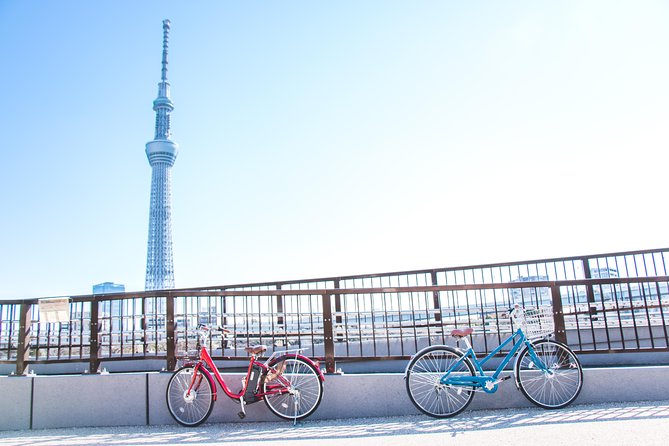
[electric bicycle tour]: 6-hour travel course by electric bicycle Asakusa, Ueno Park, Edo-Tokyo Museum, and Sky Tree. (There is a support car.)
Tokyo makes more sense from a bicycle seat, and this small-group e-bike tour links several major sights without forcing you onto trains all day. You begin around Ryogoku, study Tokyo’s past at the Edo-Tokyo Museum, stop for lunch near Sumida, then pedal through Ueno and Asakusa before an optional ride to Tokyo Skytree.
I like the support car, which can carry your bike, purchases, and luggage if your legs give out. I also like the flexible language support, with Japanese guidance and possible assistance in English, Korean, Chinese, and Vietnamese. The main caution is the price: at $283.17 per person, this is costly for a tour whose lunch and optional Skytree visit are not included.
In This Review
- Key Points to Know Before You Book
- A Bicycle Route Through Tokyo’s Old East Side
- Starting at Ryogoku and Entering Tokyo’s Past
- Lunch at Edonoren Near Sumida
- Pedaling to Ueno Park in About 30 Minutes
- Senso-ji and the Approach Through Asakusa
- Adding Tokyo Skytree for a Short Final Ride
- Why the Support Car Matters
- What $283.17 Buys You
- Who Will Get the Most From This Tour
- Practical Details for a Smoother Day
- Should You Book This Tokyo E-Bike Tour?
- FAQ
- Where does the tour begin?
- Where does the tour end?
- How long does the experience last?
- Is lunch included?
- Who can ride the electric bicycles?
- What happens if I get tired while riding?
Key Points to Know Before You Book
- A full Tokyo east-side route: Cover Ryogoku, Ueno Park, Senso-ji, and optional Tokyo Skytree in about six to seven hours.
- The support car changes the cycling equation: You can load your bicycle and luggage into the vehicle if you become tired.
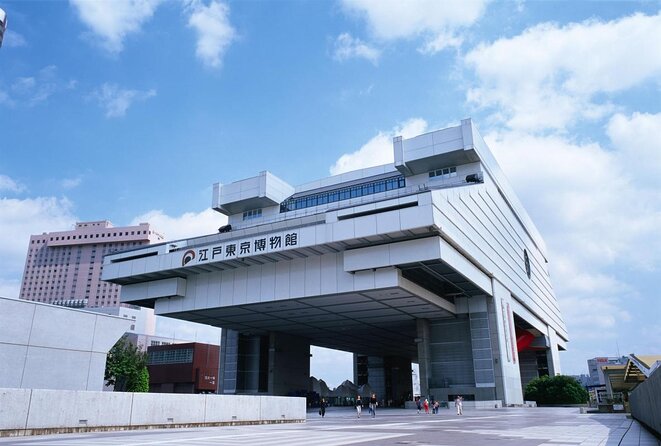
- The Edo-Tokyo Museum gets two hours: This is the main history stop, with a guide explaining Japan’s past as you walk through the museum.
- Lunch is your own expense: Edonoren offers monjayaki, okonomiyaki, sushi, tempura, soba, Fukagawa meshi, and other Japanese dishes.
- The group is capped at six people: The tour requires at least two participants to depart.
- The basic tour ends at Senso-ji: Tokyo Skytree is an optional extra stop reached by e-bike in about ten minutes.
A Bicycle Route Through Tokyo’s Old East Side
This experience is built around Tokyo’s eastern districts, where museums, temples, parks, old neighborhoods, and modern landmarks sit within a manageable cycling range. The electric bicycle removes much of the strain, but you still need to be comfortable riding in an urban setting.
The route is not a race. You spend much more time at the sights than on the bicycle. The planned riding sections are about 30 minutes to Ueno Park, 15 minutes to Asakusa, and 10 minutes to Tokyo Skytree. That makes the bicycle useful as a sightseeing tool rather than the main event.
The guide leads the way and provides historical explanations at the museum and Ueno Park. One useful point from the available feedback is that the guide was flexible and helpful, but the information given during some parts of the ride was limited. I would book this for structure, local navigation, and a broad introduction to the area, not for a nonstop lecture on every street you pass.
The maximum group size is six, which should make the day easier to manage than a large coach excursion. The tour begins with at least two people, and the operator may contact you separately if the minimum is not reached. Since the group may include people from several countries, language arrangements are worth confirming before you pay.
A few more Tokyo tours and experiences worth a look


Starting at Ryogoku and Entering Tokyo’s Past
The listed meeting point is near Toei Ryogoku Station, at 1 Chome-5 Yokoami. The tour also says hotel pickup is available from a hotel lobby within Tokyo’s 23 wards. Because both arrangements are provided, confirm the exact pickup instructions in advance rather than assuming the guide will come to your hotel.
Ryogoku is a fitting place to start. It is associated with sumo, the Sumida River area, and Tokyo’s older eastern side. You receive your bicycle and begin with the Edo-Tokyo Museum, where the scheduled visit lasts two hours.
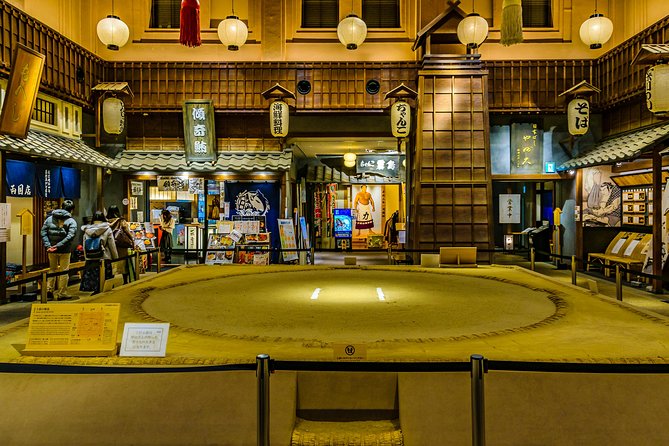
The museum is included in the tour price, and this is the most substantial guided stop of the day. Your guide takes you around the displays and explains the development of Japanese life and Tokyo’s past. Two hours gives you enough time to move beyond a quick photograph and gain a basic framework for the rest of the day.
That context matters. After the museum, temples, parks, old food traditions, and modern towers are easier to place. You are not simply hopping between famous addresses. You are moving through different chapters of the city.
Still, museum time may not suit everyone. If you prefer outdoor sightseeing and want to spend the morning riding, two hours indoors could feel long. The day’s time allocation has also been criticized as uneven, so you should expect a structured museum visit rather than a loose morning of cycling.
Lunch at Edonoren Near Sumida
Lunch takes about one hour at Edonoren, and you pay separately. The restaurant area offers a wide range of Japanese food, including monjayaki and okonomiyaki, seafood, chanko and seasonal dishes, sushi, chicken, gamecock, tempura, Fukagawa meshi, and Japanese soba noodles.
This is a useful choice for a mixed group. One person can try monjayaki, a pan-fried batter cooked with assorted ingredients, while another chooses sushi or soba. Fukagawa meshi is especially tied to Tokyo’s old waterfront food culture, so it gives you a chance to order something associated with the local area rather than defaulting to a familiar international meal.
If you want a reservation, you need to request it in advance. That detail matters because a one-hour lunch break leaves little room for a long wait. The tour description does not include a fixed meal, menu, or lunch allowance, so budget separately and tell the operator about any reservation needs before departure.
Snacks, bottled water, coffee, and tea are included, but lunch is not. The support car can hold souvenirs after you eat, which is handy if you begin buying food items or small gifts early in the day.
Pedaling to Ueno Park in About 30 Minutes
After lunch, you ride an electric bicycle toward Ueno Park. The scheduled journey takes about 30 minutes, followed by a one-hour walk in the park. This is the longest planned riding segment, so it is where the support car becomes especially useful.
Ueno Park is more than a green break between city streets. Your guide points out historic places, including Kaneiji, and gives a short account of their past. The park provides a change of pace after the museum and lunch, with walking replacing constant time in the saddle.
I like this part of the plan because it combines movement with a proper stop. You have time to walk, listen, and look around instead of simply passing the park on a bicycle. The one-hour schedule is enough for an introduction, though not for every corner or attraction in the wider Ueno area.
The cycling itself received one clear positive note: the bicycles were considered good. Electric assistance should help on the city route, but it does not remove the need to balance, brake, watch traffic, and stay with the group. Bring comfortable clothing and a backpack rather than a loose shoulder bag.
Senso-ji and the Approach Through Asakusa
The ride from Ueno Park to Asakusa takes about 15 minutes. The walking portion at Senso-ji lasts from 30 minutes to one hour, depending on the schedule and season.
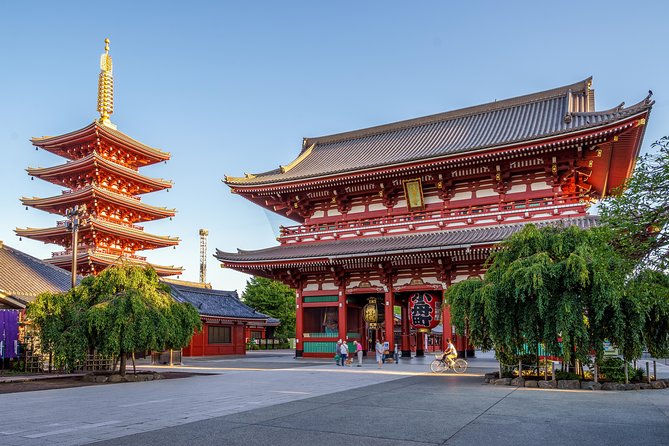
The visit begins at Kaminarimon, the large entrance gate associated with Senso-ji, then continues along the shopping street toward the temple. This gives you both the ceremonial approach and the everyday commercial side of Asakusa. The shopping street is part of the experience, not just a corridor to cross.
Senso-ji is one of Tokyo’s essential temple visits, but the guide’s role is what gives this stop shape. You can ask about the gate, the temple grounds, and the basic customs connected with visiting a Japanese Buddhist site. The supplied details do not promise an extended religious lecture, so expect a focused introduction rather than a specialist temple seminar.
The standard tour appears to finish in Asakusa after this visit. That makes the basic plan a sensible choice if you want a full day without stretching the schedule too far. The stop also works well for visitors who want to continue exploring Asakusa independently after the guided portion ends.
A few more Tokyo tours and experiences worth a look
Adding Tokyo Skytree for a Short Final Ride
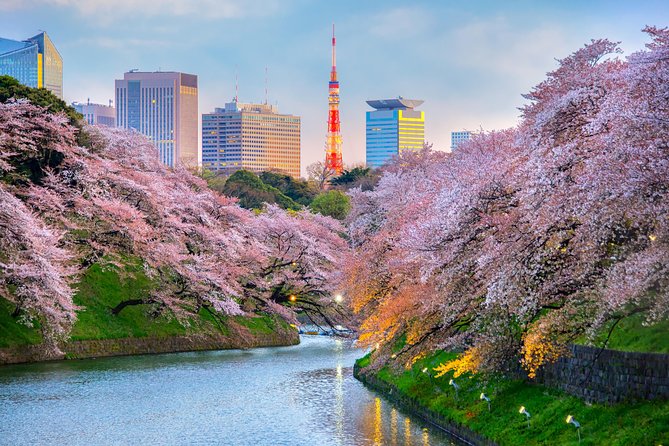
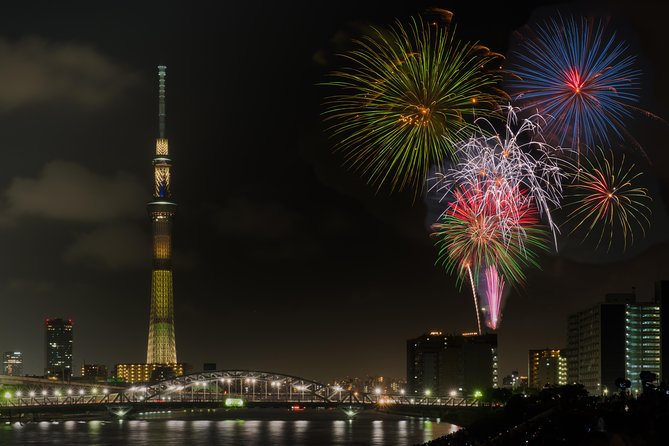
Tokyo Skytree is an optional final stop. The bicycle ride from Asakusa takes about ten minutes, and the listed stop lasts about 30 minutes. The basic plan does not require this addition, so request it if you want the modern landmark included.
This option gives the day a clear visual contrast. You begin with the Edo-Tokyo Museum and historic places in Ueno and Asakusa, then finish beside one of Tokyo’s most recognizable modern towers. It is a good choice for first-time visitors trying to connect old and new Tokyo in one day.
The supplied information does not include admission to the Skytree observation decks. The listed stop is free, and the price exclusions say personal expenses are not included. Treat the optional segment as a visit to the area unless the operator confirms that any tower admission is covered.
The ten-minute ride is short, but it extends an already full day. If you are tired after Ueno and Senso-ji, use the support car instead of forcing yourself to continue. The point of the optional stop is to improve your day, not to turn the final hour into a test of endurance.
Why the Support Car Matters
Many bicycle tours sound easy until you picture carrying your own purchases and finishing the route after several hours. Here, the support vehicle can take your bicycle and luggage if you need a break. It can also store souvenirs after you shop.
That makes this tour more forgiving than a standard cycling excursion. You can try the full route without feeling trapped by your first decision. If your energy fades, you have a practical fallback.
WiFi is listed on board, and bottled water, snacks, coffee, and tea are included. Helmet use is listed as an option, so confirm how to request one if you want it. Overseas travel insurance is recommended, and bicycle insurance is available if you ask the operator.
The age and size rules are important. Participants must be at least 11 years old and able to ride a bicycle. Riders must be between 135 and 190 centimeters tall and weigh no more than 100 kilograms. These limits should be checked carefully for every member of your group before booking.
What $283.17 Buys You
At $283.17 per person, this is not a cheap way to get from one Tokyo sight to another. You are paying for a full-day route, a guide, an electric bicycle, museum admission, support vehicle service, drinks and snacks, and the convenience of connecting several districts without arranging each transfer yourself.
The value is strongest if you want one organized day in eastern Tokyo. A private or very small group setting, hotel pickup within the 23 wards, language assistance, luggage storage, and a support car can save you planning time. The tour also gives you a guide at the museum, Ueno Park, and Senso-ji instead of leaving you to work out the connections alone.
The value is weaker if you are comfortable using Tokyo’s trains and want to choose your own meal, museum pace, and temple timing. Lunch is extra, personal expenses are extra, and the Skytree option may involve further cost if you want to enter the tower. The public rating is 3.5 from four ratings, so I would treat the experience as promising but not proven to be perfect for every style of visitor.
The uneven timing is the main practical concern. Two hours at the museum, one hour for lunch, one hour in Ueno Park, and up to an hour at Senso-ji can make the day feel more like a guided sightseeing course than a relaxed ride. Ask how much time is reserved for each stop on your date, especially if you care more about cycling than museum time.
Who Will Get the Most From This Tour
I would recommend this for first-time Tokyo visitors who want an overview of the city’s eastern side without handling every train connection. It also suits families with older children, provided everyone meets the age, height, weight, and cycling requirements.
The support car makes it a reasonable choice for people who like the idea of cycling but worry about stamina. You can ride when you feel good and use the vehicle when you need a rest. That flexibility is a real benefit, especially on a six to seven-hour day.
It is less suitable if you dislike city cycling, want a slow temple-focused visit, or prefer to spend most of your time inside museums. The guide may provide limited commentary during parts of the ride, so those seeking detailed interpretation at every stop should ask about the guide’s language and sightseeing style before booking.
The tour can respond in Japanese, English, Korean, Chinese, and Vietnamese, but the plan is guided primarily in Japanese. Confirm the language arrangement rather than relying on a general language listing. A few minutes of clarification can prevent a long day of missed explanations.
Practical Details for a Smoother Day
Wear comfortable clothing and shoes suitable for both cycling and walking. Bring a backpack, not a large suitcase, although luggage storage is available and the support car can carry purchases.
Keep your voucher with you. The exact schedule may change by season, and the operator will contact you if bad weather affects the departure. The tour runs every week, but the minimum group size is two, so a date may be changed or canceled if that number is not reached.
Free cancellation is available until 24 hours before the start time. Changes or cancellations inside that window are not accepted for a refund, and the cutoff uses Tokyo local time.
The listed operating hours are 9 a.m. to 4 p.m. Confirm the exact start time and pickup point because the meeting information gives both a Ryogoku station location and hotel pickup within Tokyo’s 23 wards. The tour ends in Asakusa, unless the final arrangements specify otherwise.
Should You Book This Tokyo E-Bike Tour?
Book it if you want a guided introduction to Ryogoku, Ueno, Asakusa, and possibly Skytree in one day, and you value the support car more than a low price. The combination of a good bicycle, small group size, museum guidance, and the option to stop riding gives you more flexibility than a typical bike outing.
Skip it if $283.17 feels high for a day with lunch and some optional costs still ahead. You may prefer to visit these districts independently by train and spend longer at the places that interest you most.
My practical choice would be to reserve this for your first or second day in Tokyo, confirm the language and hotel pickup, ask whether the helmet is supplied on request, and decide in advance if Skytree is worth adding. With those details settled, the tour offers a useful way to connect Tokyo’s old eastern neighborhoods with its modern skyline.
FAQ
Where does the tour begin?
The listed meeting point is near Toei Ryogoku Station in Sumida City. Hotel pickup is also offered from a hotel lobby within Tokyo’s 23 wards, so confirm your exact pickup arrangement before the tour.
Where does the tour end?
The listed end point is Asakusa in Taito City. The basic plan finishes after the Senso-ji visit, while Tokyo Skytree is an optional addition.
How long does the experience last?
The tour lasts approximately six to seven hours. Individual schedules can change by season.
Is lunch included?
No. Lunch is taken at Edonoren and is not included in the price. Available food choices include monjayaki, okonomiyaki, seafood, sushi, tempura, soba, and Fukagawa meshi.
Who can ride the electric bicycles?
Participants must be at least 11 years old and able to ride a bicycle. Riders must be between 135 and 190 centimeters tall and weigh no more than 100 kilograms.
What happens if I get tired while riding?
The support car can carry your bicycle and luggage if you need to stop riding. It can also store souvenirs and purchases during the tour.
More Museum Experiences in Tokyo

More Ueno & Yanaka Walks in Tokyo
More Asakusa Tours in Tokyo
More tours in Tokyo we've reviewed


Asakusa Tours, compared.
 ★ 4.8Tokyo: Japanese Dance Cabaret Theater Asakusa-Kaguwa TicketFrom $492 hours
 ★ 4.7Tokyo: Meiji Shrine, Asakusa, Skytree Bus Tour and CruiseFrom $12210 hours
 ★ 4.9Tokyo: Roll and Authentic Sushi Making Class in AsakusaFrom $581h 40m
 ★ 4.8Tokyo: Asakusa Walking Tour with Sensoji Temple VisitFrom $222 hours
 ★ 5.0Tokyo Asakusa Rickshaw TourFrom $42
 ★ 4.5Tokyo Panoramic 1 Day: Meiji Shrine, Asakusa, Odaiba and SKYTREE®From $85