
Reviewed · TOKYO
Celebrate Unique Japanese New Year Tradition Culture Festivity
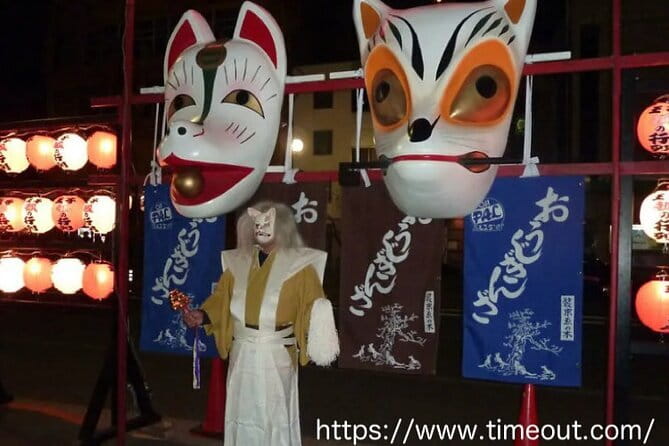
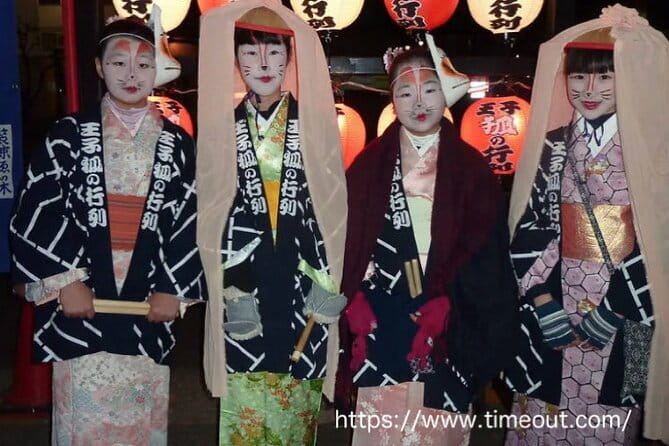
Oji’s New Year tradition is built around a wonderful old tale: foxes from across the region gathered at Oji Inari Shrine on New Year’s Eve. Today, more than 200 people bring that story to life with yellow foxfire lanterns, kimonos, fox masks, and painted faces before the midnight procession.
I like the mix of three small shrine visits and an evening at a local izakaya. I also like the sake focus, with a sommelier explaining the brewing process before you taste five varieties alongside simple Japanese snacks. The main caution is group size. The stated limit is 30 people, but one account described more than 50, so confirm the current arrangements before booking.
In This Review
- Key points at a glance
- Oji’s fox legend comes alive at New Year
- Three shrines before the main event
- Sake, hinoki cups, and an izakaya break
- The road to the fox procession
- Group size matters more than usual
- What the $106.74 price really covers
- Who will enjoy this New Year tour
- Practical details before you reserve
- Should you book the Oji Fox Pageant experience?
- FAQ
- Where does the experience begin?
- Where does the activity end?
- How long does the experience last?
- What is included in the price?
- What food is provided?
- Are alcoholic drinks included?
- What happens during the New Year celebration?
Key points at a glance
- Foxfire lanterns and ukiyo-e folklore: Learn how Oji’s procession grew from an old fox legend and Utagawa’s artwork.
- Three neighborhood shrines: See more than the main parade, with a Japanese host leading you through local religious sites.
- Sake in hinoki masu cups: Taste sake served in aromatic cypress cups after an introduction to brewing.
- Five snacks with free-flow drinks: Edamame, fried chicken, French fries, sake, beer, other alcohol, and soft drinks are included.
- Midnight procession and lion dance: Reach the parade starting point in time for traditional dances and the fox pageant.
- Check the group details: The advertised maximum is 30, but the group size may need confirmation.
Oji’s fox legend comes alive at New Year
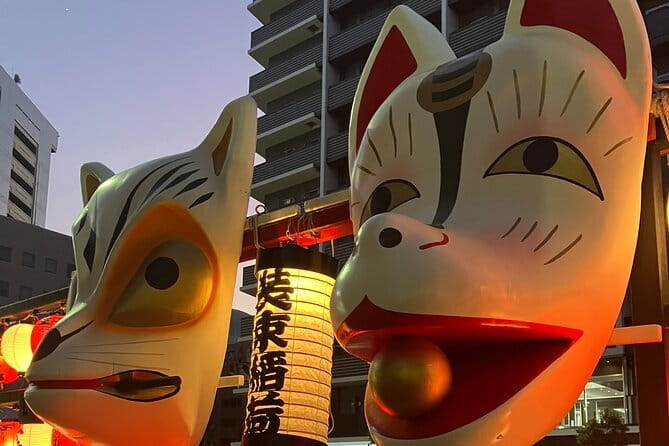
If you want a New Year’s Eve in Tokyo that feels different from a standard countdown party, this experience has a strong idea behind it. The story says that foxes from around the region came to Oji Inari Shrine on the last night of the year. In old artwork by Utagawa, the foxes appear carrying mysterious lights, a scene often linked with foxfire folklore.
Local people turned that tale into the Oji Fox Pageant. More than 200 participants take part, carrying yellow lanterns that represent foxfires. Some wear kimonos. Others use fox masks or face makeup. The result is not a theme-park show created only for visitors. It is a neighborhood New Year event shaped by local organizers and residents.
I like that the tour does not rush you straight to the parade. You first visit three shrines, then spend time at an izakaya, and only later head to the procession. That structure gives you some context before the big visual moment.
The event is also tied to Oji’s own identity. You are not simply watching a generic New Year dance in central Tokyo. You are visiting a district with a particular fox story and a ceremony built around it.
If you're still narrowing it down, here are other tours in Tokyo we've reviewed.

Three shrines before the main event
The experience begins at the north entrance of JR Oji Station. A Japanese host leads you to three local shrines. The supplied details do not name the shrines individually, so you should think of this part as a neighborhood introduction rather than a fixed list of famous monuments.
That can be a plus. New Year shrine visits in Japan are often about atmosphere, custom, and local participation rather than checking off grand buildings. Small shrines can give you a better sense of how people in Tokyo mark the holiday close to home.
The host is there to explain what you are seeing and help connect the fox story with the places around Oji. Since the tour is offered in English for international visitors, this guidance matters. Shrine customs can be easy to miss when you are on your own, especially during a busy holiday period.
Still, keep your expectations sensible. The shrine visits are one part of a three-hour experience, not lengthy guided tours with extensive historical lectures. You will likely get an accessible introduction and a look at local New Year practice, then move on to the food and sake portion.
The route is near public transportation, with both the meeting and ending point at Oji Station. That makes the start practical, but the holiday timing requires care. The published start time is 8:30 am, while the description also places the main event close to midnight. Those details do not fit neatly together for a three-hour tour, so confirm the exact date and start time in your booking confirmation.
Sake, hinoki cups, and an izakaya break
After the shrine visits, you go to a cozy izakaya for food, drinks, and an introduction to sake brewing. This is a useful part of the outing because it gives you time to sit down during what could otherwise be a long evening on your feet.
Sake is served in hinoki cypress masu cups. Traditionally, a masu is a small wooden measuring cup, and hinoki adds a fresh, woody aroma. It is a small detail, but it makes the tasting feel tied to Japanese material culture rather than just another bar stop.
A sake sommelier explains how sake is brewed before you taste five kinds. The information provided does not identify the exact labels or styles, so do not book this expecting a detailed catalog of regional producers. The value is in learning a basic framework for tasting and then trying several examples side by side.
The food is casual izakaya fare:
- Edamame
- Fried chicken
- French fries
- Five kinds of snacks served with the tasting
The exact fifth snack is not specified, and the food is more about sharing and keeping you comfortable than presenting a formal meal. If you need dinner-sized portions or have dietary restrictions, ask the operator before booking.
Adults receive free-flow sake, beer, and other alcoholic drinks. Soft drinks are provided for people under the legal drinking age. This can make the $106.74 price easier to justify, especially if you plan to drink and would otherwise pay separately for tastings and several beverages.
On the other hand, all-you-can-drink packages are not equally valuable for every person. If you do not drink alcohol, your included soft drinks may not balance the cost as well. The tour price works best for someone who wants the sake lesson, snacks, and social evening as one package.
The road to the fox procession
As midnight approaches, the host takes you to the starting point of the fox procession. This transfer is important. The parade is the reason most people will book the experience, and you do not want to spend the evening wondering where to stand or how to reach the action.
The procession features people in traditional dress, fox masks, and fox makeup, with yellow lanterns glowing in the dark. The lights symbolize the foxfires in the old story. The connection between the legend, the artwork, and the modern pageant gives the evening a clear thread.
You should expect a public event rather than a private performance. More than 200 participants join the procession, and other spectators will gather along the route. The tour takes you to the starting point, but the information does not promise reserved viewing space or priority access.
The traditional dances are another highlight. The program includes a powerful lion dance, a familiar Japanese New Year performance with a lively, dramatic character. The fox pageant gives the night its special identity, while the lion dance adds a more recognizable festival element.
I would treat the parade as the emotional peak, not as a carefully staged theater production. Crowds, movement, weather, and sightlines can affect what you see. That unpredictability is part of attending a real public celebration, but it also means you should not expect a perfectly controlled show.
Group size matters more than usual
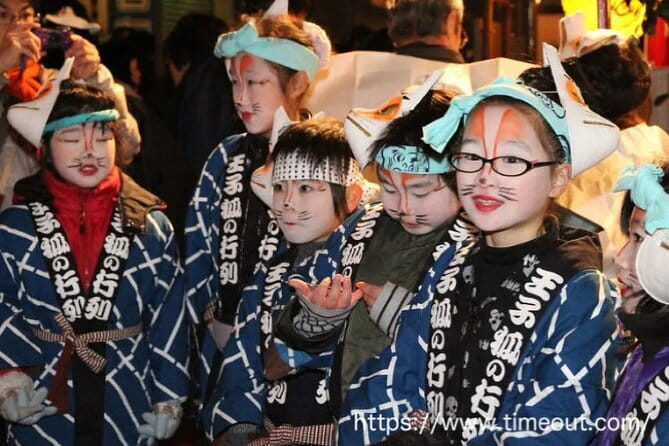
The activity states a maximum of 30 participants. That is a reasonable size for walking through shrines and moving as a group toward a public procession. A smaller group also makes it easier to hear the host and stay together in crowded areas.
But group size is the main concern here. One account describes a group of more than 50 and says it felt intrusive at the shrines. That is a serious issue, not a minor comfort complaint. Shrines are active religious places, and a large tour group can block paths, crowd small spaces, or make quiet visits feel like a spectacle.
The provider has said it works with local tourism associations and the event committee, and that the organizers welcome international interest. That cooperation is encouraging, but it does not remove the need to verify the actual head count.
I would send a message before booking and ask two direct questions:
- Is the current maximum still 30 people?
- How many people are expected on the specific New Year date?
If you prefer quiet, personal shrine visits, a large group could frustrate you. If you are comfortable with a lively group and want help finding the parade, the social side may be a benefit.



What the $106.74 price really covers

At $106.74 per person, this is not a cheap shrine walk. The price includes a guide, visits to three shrines, the sake explanation, five kinds of snacks, an izakaya stop, free-flow alcoholic drinks for adults, soft drinks for younger participants, and help reaching the fox procession.
The strongest value comes if you use several parts of the package. Someone who enjoys sake, eats the snacks, and wants a host for the shrine visits may find the price fair. The included drinks can add up quickly in Tokyo, particularly on New Year’s Eve.
The value is weaker if your main aim is simply to watch the fox procession. The public event itself may be accessible without a tour, though the supplied information does not state any independent admission or viewing arrangements. You would then be paying mostly for guidance, food, drinks, and the cultural explanation.
Timing also affects value. The experience is described as lasting about three hours, yet it includes shrine visits, an izakaya gathering, and a countdown to midnight. Because the published start time says 8:30 am, I would not rely on the timing until the operator confirms it. This could be a formatting error, a date-specific schedule, or a sign that different parts of the activity have been combined in the description.
Free cancellation is allowed up to 24 hours before the start time for a full refund. Changes made inside that window are not accepted, and poor weather can lead to a new date or a full refund. Since the activity depends on an outdoor procession, that weather rule is practical.
Who will enjoy this New Year tour
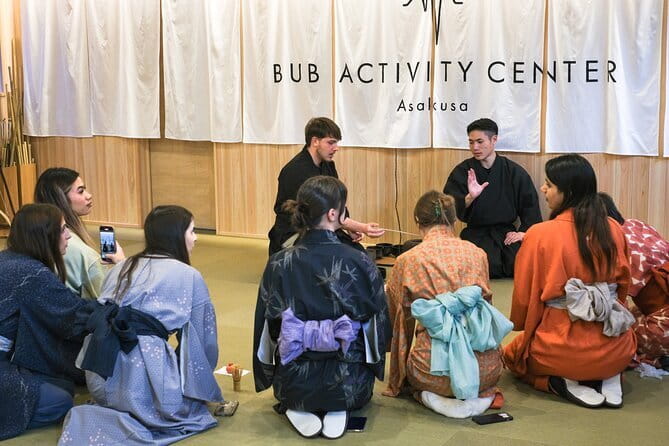
I would recommend this experience most strongly to you if you want a guided cultural evening with food and drink, rather than a silent shrine visit or a large city countdown.
It suits:
- First-time visitors who want help with Japanese shrine customs
- People interested in sake and casual izakaya food
- Photographers who enjoy lanterns, masks, kimonos, and traditional dances
- Visitors looking for a local Tokyo district rather than a major tourist landmark
- Anyone who prefers a planned route on a complicated holiday night
It may not suit you if you dislike alcohol-centered activities, crowded public festivals, or group movement. It is also a poor fit if you need a precise, slow-paced shrine tour with plenty of time at each site.
Families can participate, since soft drinks are included for people under the legal drinking age and most people can take part. The activity is near public transportation, but the supplied details do not provide specific information about step-free access or special mobility arrangements. Ask the operator if that affects your decision.
Practical details before you reserve
Meet at the north entrance of JR Oji Station, at 1-chome-10-18 Oji, Kita City, Tokyo 114-0002. The activity ends back at the meeting point, which makes your return simpler than an outing that finishes elsewhere.
A mobile ticket is provided. Confirmation arrives within 48 hours, subject to availability. Because this is a date-sensitive New Year event, I would wait for confirmation before making tight plans around it.
The advertised maximum is 30 participants. Given the reported larger group, check this point directly. A group of 20 to 30 is very different from a group of 50 when you are visiting small shrines and trying to follow a parade.
Wear shoes that are comfortable for walking and standing. The information does not specify the exact walking distance, but the outing includes three shrines and movement to the procession. Dress for the weather, since the final event takes place outside and the experience can be canceled or rescheduled in poor conditions.
Do not expect a formal dinner. Edamame, fried chicken, fries, and other snacks are included, but the food list does not promise a full meal. Eat beforehand if you need substantial food or if you do not plan to drink.
Should you book the Oji Fox Pageant experience?
Book it if the idea of lantern-lit fox folklore, local shrines, sake tasting, and traditional dancing sounds better than a standard Tokyo countdown. The combination is unusual, and the connection to Oji’s fox legend gives the evening a real sense of place.
I would pause before booking if group size, quiet shrine visits, or exact timing matter greatly to you. Confirm the start time, expected number of participants, food details, and outdoor arrangements first.
For the right person, $106.74 buys more than a parade view. You get a guided introduction to Oji, a sake tasting, snacks, drinks, and a route into a distinctive local New Year tradition. Just make sure the group is truly limited to 30 and that the schedule matches the midnight celebration.
FAQ
Where does the experience begin?
It begins at the north entrance of JR Oji Station, at 1-chome-10-18 Oji, Kita City, Tokyo 114-0002, Japan.
Where does the activity end?
The activity ends back at the meeting point near Oji Station.
How long does the experience last?
The stated duration is approximately three hours.
What is included in the price?
The price includes visits to three shrines, a sake-brewing explanation, sake tasting, five kinds of snacks, alcoholic drinks for adults, soft drinks for people under the legal drinking age, and guidance to the fox procession.
What food is provided?
The listed snacks include edamame, fried chicken, and French fries, along with two other snack items included in the five-snack tasting.
Are alcoholic drinks included?
Yes. Adults receive free-flow sake, beer, and other alcoholic beverages. Soft drinks are provided for people under the legal drinking age.
What happens during the New Year celebration?
You watch the Oji fox procession with yellow lanterns, traditional clothing, fox masks or makeup, and traditional dances that include a lion dance.
More tours in Tokyo we've reviewed





Tokyo, compared.
 ★ 5.0Mt Fuji and Hakone 1-Day Bus Tour Return by Bullet TrainFrom $163
 ★ 5.01-Day Tokyo Bus TourFrom $129
 ★ 4.6Tokyo: teamLab Planets TOKYO Digital Art Museum Entry TicketFrom $251 day
 ★ 4.0Mt Fuji & Hakone Cruise, Drum Show Bullet Train 1 Day from TokyoFrom $149
 ★ 5.0Tokyo: Shinjuku Food Tour (13 Dishes at 4 Local Eateries)From $86
 ★ 4.4Tokyo Mt Fuji 5th St & Hakone Cruise Bus Tour w/Bullet TrainFrom $15410 hours