
Reviewed · MT FUJI DAY TRIPS
Mount Fuji and Hakone Day tour with English speaking Drivers
Mount Fuji is the star here, but the real appeal is choice. You can spend the day among Fuji’s lakes, shrines, and mountain viewpoints, or trade some of those views for Hakone’s ropeway, cruise, hot springs, and art museum. That flexibility matters when weather, traffic, or personal taste gets involved.
I like the private air-conditioned vehicle with hotel pickup and drop-off, especially for a long outing from Tokyo. I also like having an English-speaking driver who can help with timing and photos. Ahmad was praised for arriving on time and driving safely through heavy traffic, while Afzal Anjum was noted for thoughtful touches, including breakfast, sweets, and photo help.
The main drawback is distance. Ten hours sounds generous, but Tokyo traffic can eat into sightseeing time, and this is a driver-led trip rather than a full guided tour. Entry fees, parking, meals, and an optional extra hour cost more, so the advertised price is not the whole bill.
In This Review
- Key points to know before booking
- Why the private ride from Tokyo matters
- Route A: Fuji views, lakes, and traditional villages
- Arakurayama Sengen Park and the classic Fuji view
- Kitaguchi Hongu Fuji Sengen Shrine
- Mount Fuji’s 5th Station
- Lake Kawaguchi and the panoramic ropeway
- Oishi Park and its seasonal scenery
- Oshino Hakkai’s springs and village atmosphere
- Saiko Iyashi-no-Sato Nenba
- Route B: Hakone’s ropeway, cruise, baths, and art
- Arakurayama Sengen Park and Oishi Park
- Hakone Ropeway
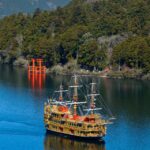
- Hakone sightseeing cruise
- Hot spring bath
- Hakone Open Air Museum
- Price, group size, and what you still pay
- Who will get the most from this day
- Should you book this Mount Fuji and Hakone tour?
- FAQ
- How long does the Mount Fuji and Hakone tour last?
- What is included in the tour price?
- Are admission fees and meals included?
- Can I choose between a Mount Fuji route and a Hakone route?
- Is a tour guide included?
- Is the tour suitable for everyone?
Key points to know before booking
- Choose between two very different day plans: Fuji Five Lakes and mountain viewpoints, or Hakone’s ropeway, cruise, hot spring, and museum.
- Private transport makes the long day easier: Hotel pickup, fuel, tolls, air-conditioning, and a Wi-Fi hotspot are included when available.
- The driver is not a tour guide: You receive an English-speaking driver, but a dedicated guide and entry tickets are not included.
- The $967 price covers a group, not each person: It is listed for up to five people, though another detail says the group is limited to six, so confirm the exact vehicle capacity.
- Traffic is a serious factor: The road from Tokyo can be slow during school holidays and busy periods.
- Bring extra money for the day: Food, drinks, parking, admission fees, and any time beyond 10 hours are separate.
Why the private ride from Tokyo matters
Mount Fuji and Hakone are not quick side trips from central Tokyo. A full-day outing involves a lot of road time, and private transport gives you a more practical base than trying to link several regional trains and buses in one day.
Hotel pickup and drop-off are included in Tokyo, along with an air-conditioned vehicle, fuel, and tolls. A Wi-Fi hotspot is available subject to service, which can help with maps, messages, and checking weather updates during the day.
The driver speaks English, Japanese, Hindi, Arabic, and Punjabi according to the activity details. That is useful for basic communication and organizing stops, but you should set your expectations correctly. This is not a guided museum tour or a private history lecture. A separate tour guide is not included.
The supplied information names Ahmad and Afzal Anjum in connection with individual bookings, but you should not assume either driver will be assigned to your group. Still, the details give you a good idea of the service style: punctual pickup, safe driving, friendly conversation, help with photos, and practical assistance throughout a long day.
Traffic can change the feel of the whole outing. One booking took place during a school holiday, with long travel and heavy roads, though the driver returned the group safely to Tokyo. I would avoid packing the schedule with extra expectations. The best approach is to enjoy the major stops you reach rather than treating every listed location as guaranteed leisure time.
A few more Tokyo tours and experiences worth a look

Route A: Fuji views, lakes, and traditional villages
The Fuji-focused option is the natural choice if your main goal is to see Japan’s most famous mountain. It combines viewpoints, religious sites, a lake, a ropeway option, parks, and traditional village scenery.
Arakurayama Sengen Park and the classic Fuji view
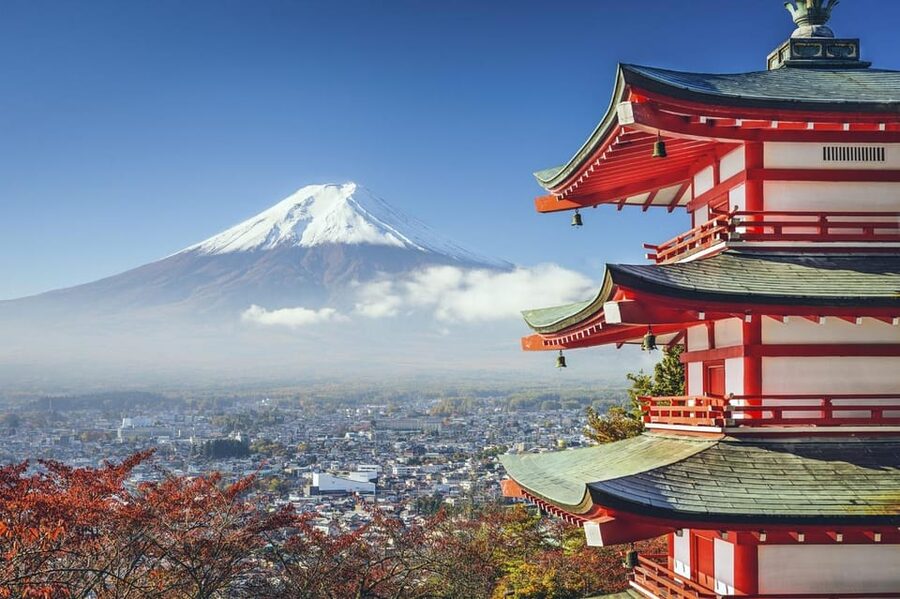
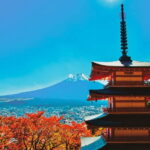
Arakurayama Sengen Park is often the first major photo stop. It pairs a pagoda-style view with Mount Fuji in the distance, creating one of the most recognizable compositions in the area.
The stop is not simply a roadside lookout. You should expect a walk, and the park is best treated as an early chance to stretch after the drive from Tokyo. The schedule allows about 40 minutes in the detailed plan, so you may need to keep moving rather than linger over every angle.
Clouds can hide Fuji, especially later in the day or during changing weather. The park still offers a pleasant setting, but your photos depend heavily on visibility. If Fuji is clear, this can be one of the day’s strongest stops.
Kitaguchi Hongu Fuji Sengen Shrine
This shrine gives the Fuji route a quieter cultural side. Rather than chasing one more mountain photograph, you get time among traditional religious buildings and wooded grounds.
The shrine is connected to historic worship of Mount Fuji, making it a useful counterpoint to the modern sightseeing stops. I like including a place such as this because it gives the day more balance. You are not only looking at the mountain from a distance; you are also seeing how it fits into Japanese spiritual life.
The visit is listed at about one hour, with time for a walk and self-guided sightseeing. Since no dedicated guide is included, you should be ready to explore at your own pace and ask the driver for practical help rather than expecting detailed interpretation at every building.
Mount Fuji’s 5th Station
The 5th Station takes you higher on the mountain and offers a closer view of Fuji’s upper slopes when conditions cooperate. It is one of the most direct ways to feel the scale of the mountain without undertaking a serious climb.
Access and visibility can vary, so do not treat a clear summit view as guaranteed. The itinerary lists roughly one hour for a visit, photo stop, and walk. That is enough for a look around, but not a long mountain outing.
This stop can also make the day feel rushed if road conditions are poor. I would ask your driver early about the day’s timing and the best order for the stops. You will get more from the tour if you understand which locations may need to be shortened.
A few more Tokyo tours and experiences worth a look

Lake Kawaguchi and the panoramic ropeway
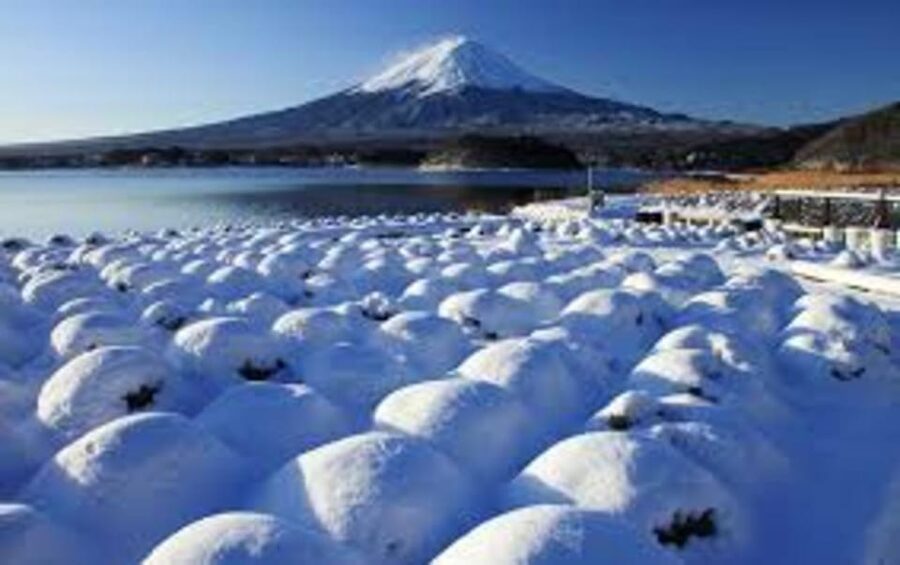
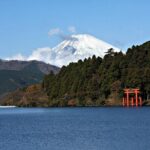
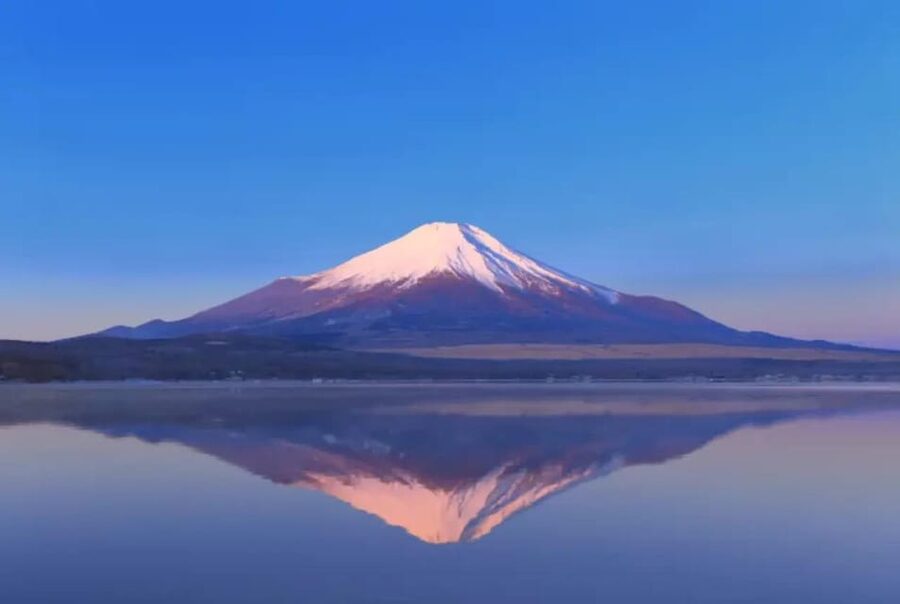
Lake Kawaguchi is one of the most rewarding places on the Fuji route because it lets you see the mountain over open water. The lakefront provides room to pause, take photographs, and enjoy a slower break after several short sightseeing stops.
The plan also offers the Mount Fuji Panoramic Ropeway. A ride can provide a broad view across the lake and toward Fuji, but the included information does not say that the ticket is covered. Entry fees are specifically excluded, so budget for the ropeway if you choose to ride it.
The detailed schedule gives Lake Kawaguchi about one hour. That means you may need to choose between a relaxed lakeside visit and fitting in the ropeway. Ask about ticket lines and available time before committing.
Oishi Park and its seasonal scenery
Oishi Park sits beside Lake Kawaguchi and is known for open views toward Mount Fuji and planted areas that change with the season. It is a straightforward stop, but its value is visual: you get another angle on the mountain without the effort of a long hike.
The visit is listed at about one hour. You can use it for photographs, a walk, or a quiet pause. If Fuji is hidden, the park remains pleasant, but its main draw is clearly the mountain view.
I would not expect every Fuji stop to feel completely different. Several are designed around seeing Fuji from another position. That repetition is useful for photography, but it can feel less exciting if clouds cover the peak all day.
Oshino Hakkai’s springs and village atmosphere
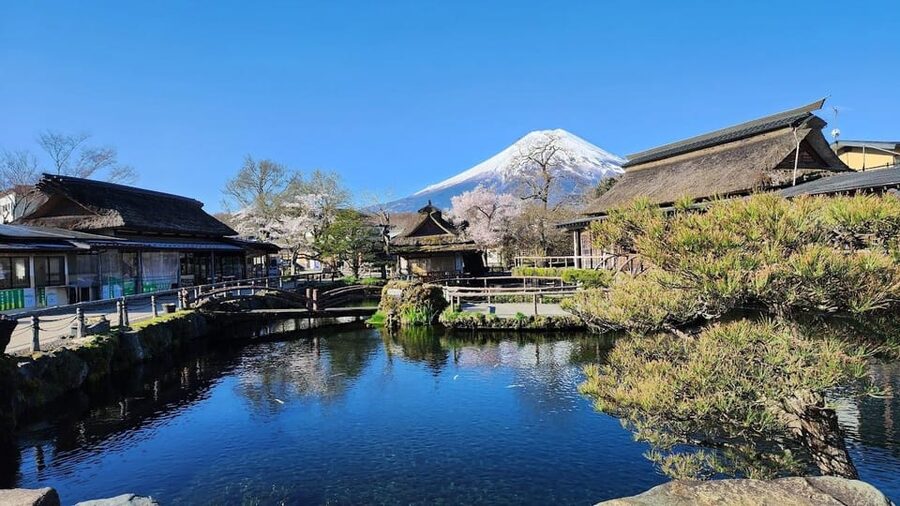
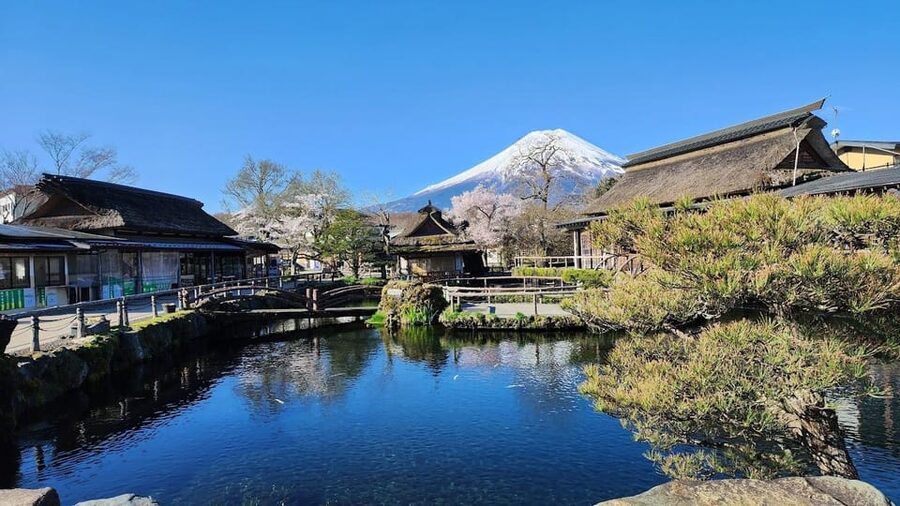
Oshino Hakkai adds a traditional village setting to the route. It is known for clear spring water, small waterways, local scenery, shopping, and walking paths.
The schedule allows about one hour, which gives you time to look around and buy something small. This is also one of the more practical places to find food or snacks, although meals are not included.
Oshino Hakkai can be busy, and the stop has a more commercial side than the shrine or lakeside parks. I would still keep it on the route because it breaks up the mountain viewpoints and gives you a taste of rural Fuji-area scenery.
Saiko Iyashi-no-Sato Nenba
Saiko Iyashi-no-Sato Nenba is listed as a shorter stop of about 30 minutes. It offers traditional-style buildings, photo opportunities, shopping, and a walk beside Lake Saiko.
With only half an hour, this is a quick look rather than a full cultural visit. You may find it appealing if you enjoy craft displays, old-style architecture, and village settings. If you prefer long walks or extended time at each place, the short allocation may feel tight.
The detailed route includes all these Fuji-area stops, but the main activity description presents Route A as a choice. Confirm the exact day plan before booking, since a 10-hour outing may not allow generous time at every location.
Route B: Hakone’s ropeway, cruise, baths, and art
The Hakone option suits you if you want more variety than repeated Fuji viewpoints. It trades some of the Fuji Five Lakes stops for transport experiences, hot spring time, and the Hakone Open Air Museum.
Arakurayama Sengen Park and Oishi Park
Route B begins with Arakurayama Sengen Park and Oishi Park, giving you two scenic stops before the day shifts toward Hakone. This keeps some of the classic Fuji-area photography in the plan.
The tradeoff is simple: you may see less of the Fuji Five Lakes than on Route A. If your priority is the mountain itself, choose the Fuji route. If you want a mixed day with art and bathing, Hakone makes more sense.
Hakone Ropeway
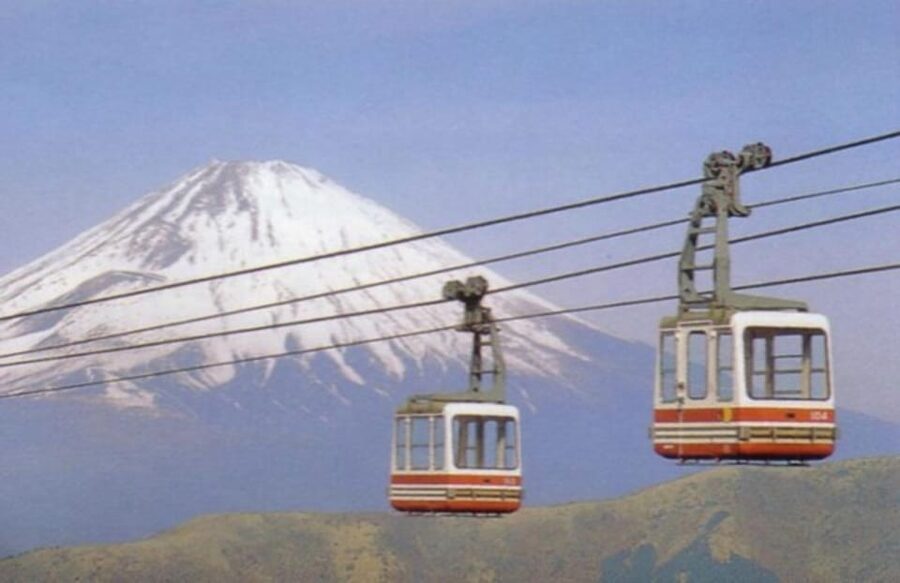
The Hakone Ropeway is one of the area’s signature sightseeing rides. You travel above the volcanic region, with wide views along the way. The ride is part of the experience, not just transport between stops.
Tickets are not included in the tour price, so check the current cost before you go. The activity details also do not promise a particular ropeway operating condition, so allow your driver to adjust the plan if needed.
A ropeway ride may not suit everyone. The tour notes that it is not suitable for pregnant women or people with high blood pressure, and you should take that warning seriously when considering this route.
Hakone sightseeing cruise
The cruise adds a change of pace after the road journey and ropeway. You get to view the area from the water rather than from a vehicle or elevated cabin.
As with the ropeway, the cruise is an additional experience with its own admission cost unless confirmed otherwise. The available information does not specify the boat schedule or sailing length, so ask for those details when arranging the day.
Hot spring bath
A hot spring bath can be the most relaxing part of the Hakone plan. It gives you time to slow down after a long drive and several sightseeing stops.
Bring a sensible attitude toward the wording. The activity includes a hot spring bath as a stop, but it does not provide details about the facility, bathing rules, towel rental, or whether a private bath is available. Ask before booking if those details matter to you.
The health restriction is important here. The tour is specifically marked as unsuitable for pregnant women and people with high blood pressure. If either applies to you, skip this experience or seek medical advice before considering it.
Hakone Open Air Museum
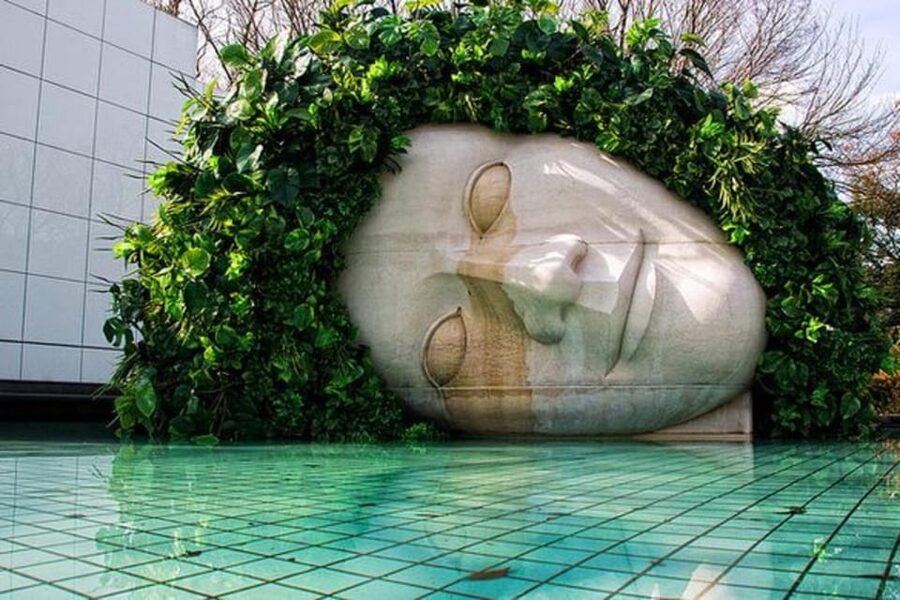
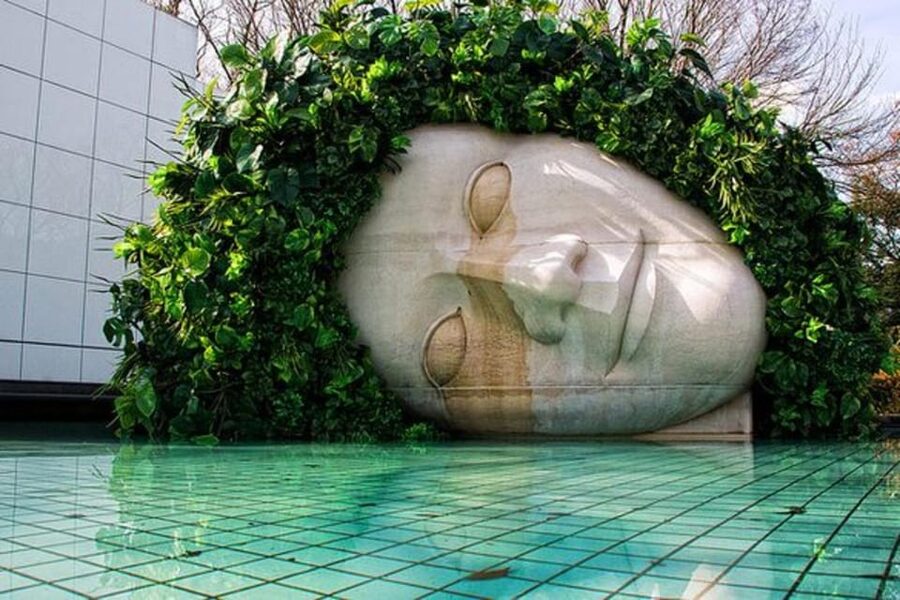
The Hakone Open Air Museum brings art into the day through outdoor displays and sculpture. It is a good choice for anyone who wants more than natural views and shrines.
Admission is not included. You also need enough time to enjoy the grounds, since a rushed pass through an art museum can feel unsatisfying. If traffic has already reduced the schedule, ask whether this stop or the bath is the better use of your remaining time.
Price, group size, and what you still pay
The listed price is $967 per group of up to five people. At full capacity, that works out to about $193 per person before separate admission, food, parking, and other costs. For two people, the per-person price is much higher, but the privacy and direct transport may still make sense compared with arranging a complicated independent day.
The group information says small group and limited to six participants, while the price is stated for up to five. That is a detail I would clarify before payment. Ask how many passengers the vehicle actually holds and whether the price changes for a sixth person.
Included costs are substantial: hotel pickup and drop-off in Tokyo, private transport, an air-conditioned vehicle, fuel, tolls, and an English-speaking driver. Parking fees are not included, and neither are entry fees for the ropeway, cruise, hot spring, museum, or other paid sites.
Food and drinks are also on you. One driver, Afzal Anjum, reportedly bought breakfast and sweets for a group, but treat that as personal service rather than part of the package. You should still plan to pay for your own meals and snacks.
An extra hour costs 4,500 Japanese yen. Because traffic can be bad, that fee is worth keeping in mind. Do not assume that a late return caused by road delays will automatically be free.
Who will get the most from this day
I would recommend this tour most strongly to a small group that wants a private vehicle and does not want to manage Tokyo’s regional transport connections. Families, couples, and friends traveling together can spread the group price across several people.
Route A is best for first-time visitors who want Mount Fuji photographs, lakes, shrines, and village scenery. Route B is better if you prefer a wider mix of transport, bathing, and art.
You should be comfortable with a long day and a flexible schedule. This is not the right pick if you want a slow, deeply explained cultural tour with long stays at each site. It is also a poor match if you need guaranteed Fuji visibility, since weather can hide the mountain.
Free cancellation is available up to 24 hours before departure for a full refund, and you can reserve now and pay later. Airport pickup and drop-off are not included, so arrange a Tokyo hotel pickup rather than expecting the service to begin at the airport.
Should you book this Mount Fuji and Hakone tour?
Book it if private transport, flexible route choice, and an English-speaking driver matter more to you than a low-cost group bus. The strongest value appears when four or five people share the $967 group price, especially because fuel, tolls, and hotel transfers are already covered.
Choose the Fuji route for the mountain, lakes, shrine, and village experience. Choose Hakone for the ropeway, cruise, bath, and outdoor art. Before confirming, ask about the exact passenger limit, which route will be followed, expected admission costs, and how the schedule will change if traffic is heavy.
FAQ
How long does the Mount Fuji and Hakone tour last?
The tour lasts 10 hours, including pickup and return to Tokyo. Heavy traffic can make the road portions longer and reduce time at individual stops.
What is included in the tour price?
Hotel pickup and drop-off in Tokyo, private transport in an air-conditioned vehicle, fuel, tolls, and an English-speaking driver are included. A Wi-Fi hotspot is available subject to availability.
Are admission fees and meals included?
No. Food, drinks, parking fees, and entry fees are not included. This can include admission for activities such as the ropeway, cruise, hot spring, or open-air museum.
Can I choose between a Mount Fuji route and a Hakone route?
Yes. The activity offers two route choices. Route A focuses on Mount Fuji and the Fuji Five Lakes, while Route B focuses on Hakone’s ropeway, cruise, hot spring bath, and open-air museum.
Is a tour guide included?
No. An English-speaking driver is included, but a separate tour guide is not. The driver can assist with transport and practical arrangements, while many visits are self-guided.
Is the tour suitable for everyone?
The activity is marked as unsuitable for pregnant women and people with high blood pressure. Baby seats are not included, and airport pickup and drop-off are not provided.
More Hakone Day Trips in Tokyo
More Mt Fuji Day Trips in Tokyo
More tours in Tokyo we've reviewed










Mt Fuji Day Trips, compared.
 ★ 5.0Mt Fuji and Hakone 1-Day Bus Tour Return by Bullet TrainFrom $163
 ★ 4.0Mt Fuji & Hakone Cruise, Drum Show Bullet Train 1 Day from TokyoFrom $149
 ★ 4.4Tokyo Mt Fuji 5th St & Hakone Cruise Bus Tour w/Bullet TrainFrom $15410 hours
 ★ 4.5From Tokyo: Mount Fuji Full-Day Sightseeing TripFrom $6810 hours
 ★ 4.7Tokyo: Mt. Fuji Tour, Hakone Ropeway, Owakudani, Lake AshiFrom $5410 hours
 ★ 4.4Tokyo:Mt.Fuji,Kawaguchiko Oishi Park,Arakurayama Sengen ParkFrom $5410 hours