
Reviewed · YOKOHAMA
Shuttle Van Transfer, Yokohama(Port)⇒Tokyo, Narita, Haneda, TDR
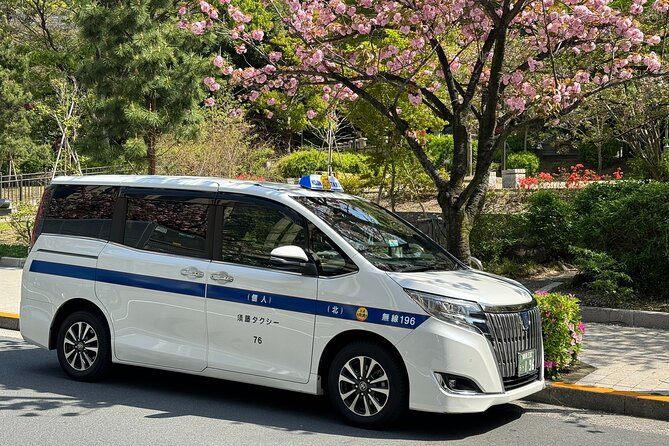
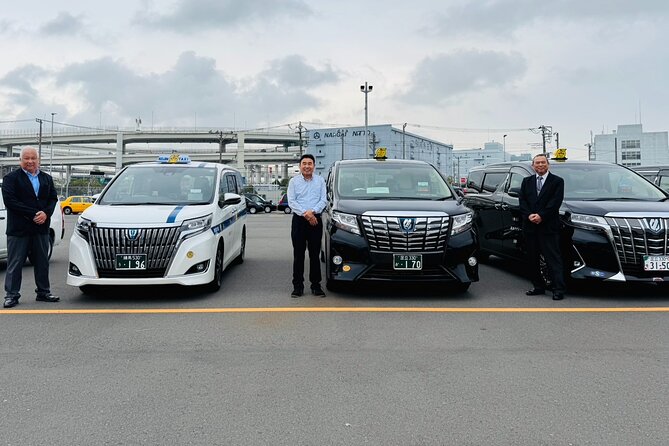
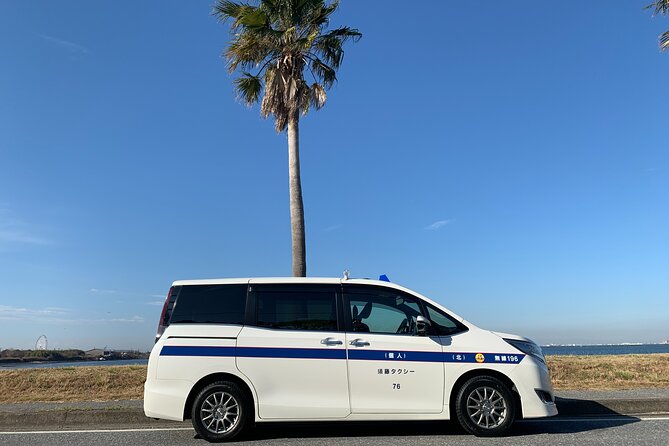
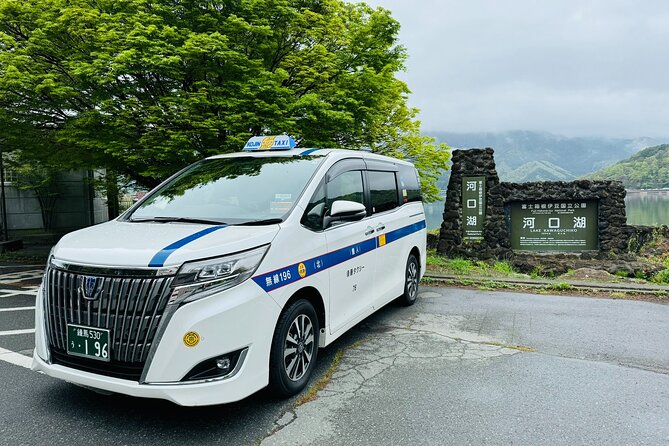
A cruise-port transfer in Japan is easiest when someone is waiting as you step off the ship. This private van service meets you at Yokohama Port and drives your group directly to Tokyo, Haneda Airport, Narita Airport, or Tokyo Disney Resort. Drivers such as Sudo have sent meeting photos, vehicle pictures, and even a photo of themselves to make the handoff clear.
I like the door-to-door convenience, especially when you have suitcases and a hotel in Shinjuku or another Tokyo neighborhood. I also like the strong communication, with drivers contacting passengers before pickup and waiting through serious cruise delays. The main consideration is capacity: the stated limit is four people with five to six suitcases, so a larger luggage load needs confirmation before you book.
In This Review
- Key points at a glance
- Leaving Yokohama Port without the station shuffle
- The pickup: where clear messages matter
- Inside the van: comfort after a long cruise
- Choosing your destination: four useful routes
- Tokyo’s 23 wards
- Haneda Airport
- Narita Airport
- Tokyo Disney Resort
- What $122.20 buys you
- Communication is the service’s real advantage
- Limits you should understand before booking
- Who should book this Yokohama transfer?
- Should you book it?
- FAQ
- How many people can ride in the van?
- Where can the van take me?
- Is pickup available directly at Yokohama Port?
- How long does the transfer take?
- How should I contact the transport company?
- Can I request a child seat or junior seat?
- What is the cancellation policy?
Key points at a glance
- Yokohama Port pickup: Meet your driver after disembarking instead of hauling bags to a station or searching for a taxi.
- Four destination choices: Select Tokyo’s 23 wards, Haneda Airport, Narita Airport, or Tokyo Disney Resort.
- Private van for your group: The service is reserved for your party, with no shared passengers listed.
- Useful cruise-delay flexibility: Drivers have waited through late arrivals and adjusted pickup timing after communication.
- Comfortable luggage-friendly ride: Vehicles are described as clean, roomy, and fitted with reclining-style seats.
- Best value for a small group: At $122.20 per group of up to four, the cost can make sense when divided among several people.
Leaving Yokohama Port without the station shuffle
The practical strength of this transfer is simple: you do not have to turn a cruise arrival into a luggage-moving exercise. After immigration and disembarkation, you meet the driver at the agreed point, then ride directly to your chosen destination.
That matters in Japan because public transportation is excellent but not always easy with several large bags. You may need to find the right platform, manage stairs or station corridors, and keep your luggage close in crowded areas. This van removes those chores at the point when you are tired, jet-lagged, or simply ready to reach your hotel.
The service is private, so only your group participates. That gives you a more direct ride than a shared shuttle, though the exact driving time depends on traffic, destination, and the port pickup. The listed duration is approximately 40 minutes to two hours, a wide range that reflects the difference between nearby Haneda and farther destinations such as Narita.
A few more Yokohama tours and experiences worth a look


The pickup: where clear messages matter
The pickup is the part that can make or break a port transfer. Cruise terminals are large, and disembarkation times can shift. Good advance communication is therefore more than a courtesy. It helps you find the right person without wandering around with bags.
The company asks you to contact it by WhatsApp or text message, not by phone call. That is important to know before departure. Make sure the mobile number on your booking can receive messages, and watch for instructions before you leave the ship.
Several drivers have used practical identification methods. Sudo has sent photographs of the meeting area, the vehicle, and himself. He has also waited with a sign showing passenger names. Iida has met passengers outside the immigration area with a large sign. These details are particularly helpful if you are arriving with family members, limited mobile data, or a lot of luggage.
Cruise schedules can be messy. A ship may arrive late, or passengers may leave earlier than expected. This service has handled both kinds of changes when the operator was kept informed. Drivers have waited hours during delayed ship arrivals, collected people earlier after early disembarkation, and adjusted arrangements after weather-related changes.
That flexibility is a major reason to use a port transfer, but do not treat it as permission to ignore the pickup instructions. If your ship is delayed or you leave the vessel early, send a message as soon as you know. Also check any amended pickup time directly with the transport company, not only through the booking platform. One scheduling change was visible on a booking confirmation but had not reached the shuttle company, creating confusion on the day.
Inside the van: comfort after a long cruise
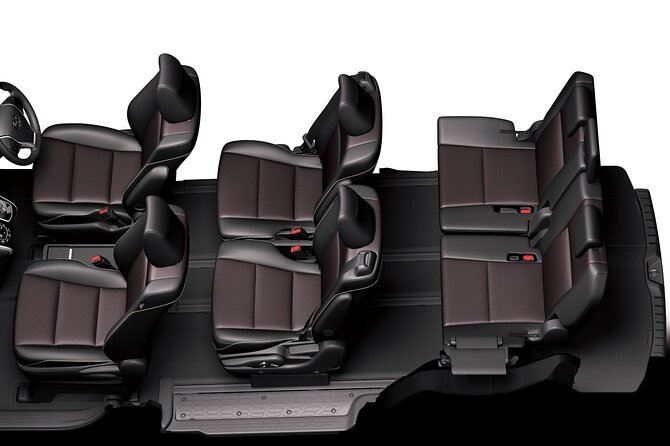
The vehicles are presented as clean, roomy, and comfortable. One particularly useful detail is the mention of reclining-style seats. After a long flight or cruise, that is more than decoration. You can settle in instead of balancing a suitcase beside you on a train.
The vans have handled four adults with substantial luggage. At the same time, the stated capacity is four passengers plus five to six suitcases when luggage is included. Without luggage, up to five people can ride. Because suitcases vary greatly in size, I would send the operator a complete count before booking if you have large cases, golf bags, strollers, or other bulky items.
Some bookings have involved four adults and seven pieces of luggage, and the driver managed the load. That is encouraging, but it should not replace the official capacity guidance. A compact collection of bags may fit differently from four large hard-shell cases. Give the company the honest version of your luggage situation.
Luggage help is another strong point. Drivers have lifted heavy cases, arranged bags carefully, and helped passengers find a hotel reception area after arrival. That kind of assistance is especially useful if your accommodation has a confusing entrance or a large lobby.
The driving itself is described as smooth, safe, and professional. You should not expect a sightseeing tour or commentary. This is transportation, and its value comes from getting you where you need to go with less effort.
Choosing your destination: four useful routes
Tokyo’s 23 wards
This option suits you if your hotel is in central Tokyo, including areas such as Shinjuku, as long as the address falls within the designated 23 wards. The direct drop-off is the key benefit. You avoid changing from port transport to a train and then from a station to a hotel.
A Shinjuku transfer can be especially worthwhile with heavy bags. The district has large stations and many exits, and the shortest route on a map is not always the easiest route with luggage. A van can bring you closer to the hotel entrance, though the exact drop-off point depends on access and local traffic conditions.
Check your hotel address carefully when selecting the Tokyo option. The description provides the 23-ward choice rather than a general all-of-Tokyo promise.




Haneda Airport
Haneda is the natural choice for a flight from Tokyo’s nearer airport. A private ride gives you a known pickup time and a direct route from the port, which is useful when you do not want to manage a new train journey before an international departure.
Build in sensible time for traffic and airport procedures. The service itself may be quick, but the listed duration can reach two hours depending on the route and conditions. Your driver can get you to the airport, but you remain responsible for choosing a pickup time that leaves enough room for check-in and security.
Narita Airport
Narita is farther from Yokohama than Haneda, so this is the option where the private van’s comfort and luggage handling may have the greatest appeal. A rail journey can be efficient, but managing bags through transfers is not everyone’s idea of a good final day in Japan.
The price is charged per group, not per person. For four people going to Narita, $122.20 works out to about $30.55 each before any separate costs. That can be a fair trade for a direct vehicle, particularly if a taxi would require more than one car.
Again, allow extra time. The listed 40-minute to two-hour range is an estimate, not a promise, and Narita trips can be affected by traffic.
Tokyo Disney Resort
Families heading to Tokyo Disney Resort can choose a direct drop-off rather than changing trains with children and luggage. If you need a child seat for a one- or two-year-old, or a junior seat for a three- or four-year-old, notify the operator with the details.
That request needs to be made in advance. The service specifically asks for child-seat information, and you should not assume the correct seat will appear automatically unless you have arranged it.
What $122.20 buys you
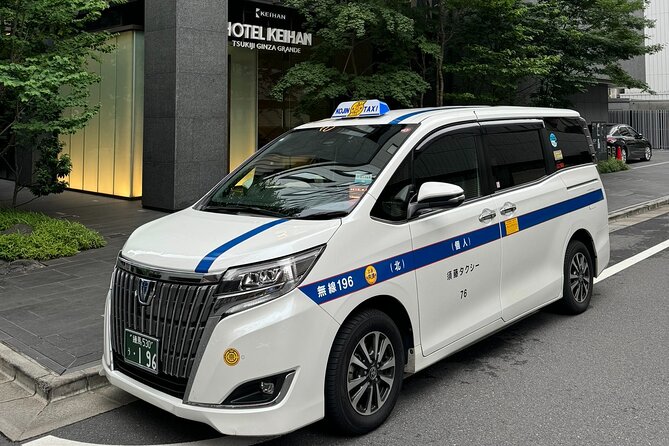
The listed price is $122.20 per group of up to four people. That makes the arithmetic much better for a full group than for one solo passenger. Four people pay about $30.55 each, while two people pay about $61.10 each.
You are paying for private transportation and convenience, not just a seat in a vehicle. The cost covers transportation-related expenses, while incidental charges are not included. Since the transfer is private, you are not sharing the ride or making several unrelated stops.
For a solo passenger, the price may feel high beside public transportation. For a family or group with several cases, the calculation changes. The real saving may be energy and time rather than cash. You are buying a simpler arrival, help with luggage, and less uncertainty at the port.
I would compare this price with the cost and hassle of multiple taxis, especially if your group would otherwise need more than one car. I would also compare it with the value of arriving at a specific hotel rather than a large station.
Communication is the service’s real advantage
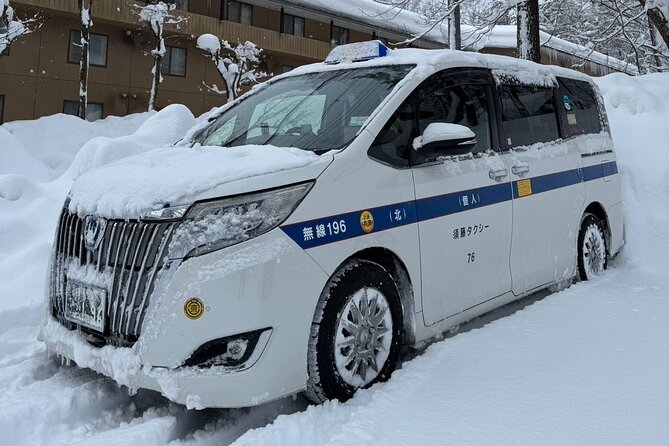
The vehicle matters, but the best part of this operation may be the follow-up. Drivers have contacted passengers one or two days before pickup, confirmed the meeting time, and provided clear directions. That gives you a chance to ask questions before the ship arrives.
Sudo appears repeatedly in the service details as a chief driver who stays in contact and gives useful visual information. He has sent photos of the ship and the surrounding pickup area, helped stack luggage, and waited with a name sign. Iida is also noted for an on-time pickup, a clean vehicle, and a polite manner. Other drivers, including Nakagawa and Kim, have helped with luggage and met passengers promptly at disembarkation.
Language may be limited with some drivers, but text-based communication can reduce the problem. Keep your messages short and specific. Include your ship name, terminal, pickup time, passenger count, luggage count, and final address.
One especially human touch involved a driver helping a passenger reach a post office so a postcard could be mailed before departure. You should not book this as a sightseeing or errand service, but it shows the kind of practical help a private driver may offer when time and routing allow.
Limits you should understand before booking
This is a transfer, not a guided excursion. There are no planned attractions, meals, walking tours, or sightseeing stops. If you want to see Yokohama or Tokyo along the way, this is not the right product.
The ride length is also not fixed. Forty minutes to two hours is a broad estimate, and traffic can affect any road journey around Tokyo. For airport trips, especially to Narita, do not schedule a tight flight connection simply because the quoted minimum time looks short.
Luggage is the other key limit. The stated arrangement is four passengers with five to six suitcases, or five passengers without luggage. Ask about your exact load if you have seven cases, oversized items, or mobility equipment.
Manual wheelchair users are welcome. The operator cannot handle some passengers who use an electronic wheelchair and cannot move independently. Service animals are allowed, and most people can participate. These details should be shared at booking so the vehicle and assistance can be matched to your needs.
Cancellation is free until at least 24 hours before the local start time. Changes or cancellations inside that window are not refunded or accepted. The service can also be canceled because of poor weather or because a minimum number of passengers is not met, with a different date or a full refund offered in those cases.
Who should book this Yokohama transfer?
I would choose this service for a group leaving a cruise ship with several suitcases, a family traveling with young children, or anyone staying far from a convenient station. It is also a good fit if your first priority is a clear handoff and a direct ride to Haneda, Narita, Tokyo, or Disney Resort.
It makes less financial sense for one person with a small bag who is comfortable using trains. Public transportation may cost less, and an independent passenger may prefer the flexibility of choosing a departure time at the station.
Your best match is a party of two to four people. That is where the group price begins to compete with other private transport options. Contact the company early if your ship has an unusual arrival time, your luggage count is above the stated limit, or you need a child seat.
Should you book it?
Book this Yokohama Port transfer if you want a calm port-to-hotel handoff, help with luggage, and a direct ride without station changes. The strongest practical features are the advance messages, name signs and photos, comfortable vans, and willingness to wait when cruise schedules go wrong.
Skip it if you are traveling alone on a tight budget, have only a small bag, and feel comfortable navigating Japanese rail stations. For everyone else, especially a full group of four heading to an airport or central Tokyo hotel, $122.20 is a reasonable price for reducing the most tiring part of the arrival day.
FAQ
How many people can ride in the van?
The stated capacity is up to four people with five to six suitcases. If you do not bring luggage, up to five people can ride.
Where can the van take me?
You can choose Tokyo’s 23 wards, Haneda Airport, Tokyo Disney Resort, or Narita Airport.
Is pickup available directly at Yokohama Port?
Yes. The service provides pickup from the port of Yokohama, with meeting instructions sent for the designated pickup point.
How long does the transfer take?
The approximate duration is 40 minutes to two hours. The actual time depends on the selected destination and road conditions.
How should I contact the transport company?
Contact the operator through WhatsApp or text message. The provided information says that phone calls are not available.
Can I request a child seat or junior seat?
Yes. Request a child seat for a one- or two-year-old, or a junior seat for a three- or four-year-old, and provide the details in advance.
What is the cancellation policy?
You can cancel for a full refund up to 24 hours before the experience start time. Cancellations or changes made less than 24 hours before the start time are not accepted or refunded.
More Private Drivers in Yokohama
More tours in Yokohama we've reviewed








Yokohama, compared.
 ★ 4.9Tokyo: Best Price Daikoku Parking Area JDM Car MeetFrom $763h 30m
 ★ 4.9Daikoku & Tokyo Private JDM Tour by 700HP R34 GT-RFrom $586
 ★ 5.0Tokyo 8hr Private Tour with Licensed Guide from YokohamaFrom $201
 ★ 5.0Japanese Tea Ceremony at Private Home in Yokohama, suburban TokyoFrom $52
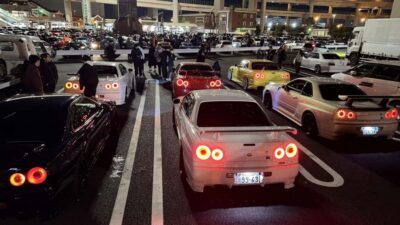 ★ 4.8Daikoku & Tokyo JDM Night Tour in R34 or TopSecret R35 GT-RFrom $3873 hours - 210 minutes
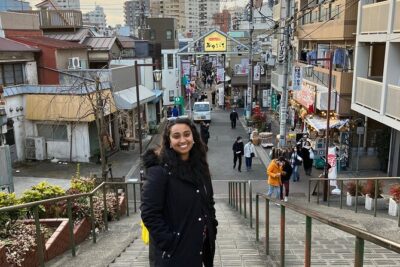 ★ 5.0Tokyo Full Day Tour with Licensed Guide and Vehicle from YokohamaFrom $854