
Do not spend one of your three days in Tokyo seeing Tokyo Tower and Tokyo Skytree. Do not spend any of them in Tokyo Disneyland — you’re here for 3 days, not 6. Do not try to “do” Shibuya, Shinjuku, and Asakusa in the same afternoon, because you will see the insides of train carriages and the rough idea of three districts from a jogger’s pace. And please, for the love of your own feet, do not buy the JR Pass for a 3-day Tokyo trip — it’s made for bullet trains across the country, not for hopping around the city.
Here’s what to actually do instead. This is the itinerary I’d give a friend flying in for their first 72 hours, with the common mistakes stripped out and the things worth your limited time left in. I’ve written it in the order I’d run it myself — shrine-side mornings, chaotic afternoons, neon nights. You can shuffle any day around, but keep the mornings early. Tokyo in the first light, before the tour buses start moving, is a different city.
In This Article
- The rules of 3 days in Tokyo
- Before you arrive
- Day 1: Shibuya, Harajuku and Meiji Shrine
- 08:00 — Meiji Shrine, south entrance
- 10:30 — Harajuku and Takeshita Street
- 13:00 — Lunch in Shibuya
- 14:30 — Shibuya Crossing and Shibuya Sky
- 19:00 — Dinner: izakaya or kaiten-zushi
- Day 2: Asakusa, Senso-ji, Skytree and Akihabara
- 07:30 — Asakusa via the Ginza Line
- 08:00 — Senso-ji and Nakamise before the crowds
- 11:30 — Walk along the Sumida River to Skytree
- 12:30 — Lunch and, maybe, the deck
- 15:00 — Train to Akihabara
- 19:00 — Dinner: Tokyo Station Ramen Street
- Day 3: Shinjuku, Shinjuku Gyoen and a flexible evening
- 08:00 — Shinjuku Gyoen
- 11:00 — Shinjuku, from the top down
- 13:00 — Lunch: tsukemen or tonkatsu
- 15:00 — Your afternoon (pick one)
- 18:00 — Sunset drinks and dinner, Shinjuku
- 22:00 — One last kaiten-zushi
- The morning before you leave
- Adjustments for different travellers
- What I’d cut if it rained for two of the three days
- Three days isn’t enough — what to add on Day 4 or 5
- Practical info at a glance
- If I had to cut it to 2 days
- What you’ll remember after three days
The rules of 3 days in Tokyo
Before the day-by-day, a few things that will save you hours. I learned most of these the hard way, including the time I queued 45 minutes for a ramen shop that had an identical, emptier branch one floor up.
- No Disney. A full Disney day eats a third of your trip and you don’t see Tokyo. Save it for a longer visit.
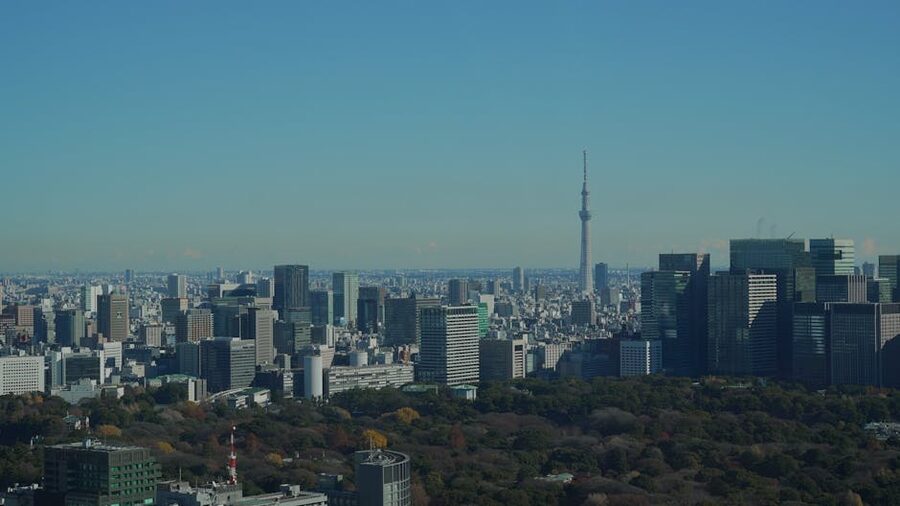
- Pick one tall thing. Tokyo Tower and Tokyo Skytree are both observation decks. Going up both is a waste of ¥3,000+ and half a day. Pick one. I’d pick the Tokyo Metropolitan Government Building, which is 202m tall, free, and open until 21:00.
- One district, morning to night. Do not combine Shibuya, Shinjuku, and Asakusa in one day. They’re on opposite sides of a city the size of metro London. Give each an anchor morning or evening and move once.
- Suica or Pasmo, first thing. Get one the moment you land. Narita and Haneda both sell them at the airport JR counters and ticket machines. Top it up with ¥3,000 to start. It works on every train, every metro, most buses, conbini, and vending machines.
- Skip the JR Pass. The JR Pass for Tokyo doesn’t pay off unless you’re riding long-distance Shinkansen. For 3 days in the city, you’ll spend maybe ¥2,500 total on trains. The pass is ¥50,000.
- Takkyubin your bag. If your Tokyo hotel check-in is at 15:00 and your flight lands at 09:00, don’t drag your suitcase through Harajuku. Send it from the airport to the hotel via Yamato (takkyubin). Roughly ¥2,000 per large case, arrives same day or next morning.
Before you arrive
Ten minutes of prep does more for your Tokyo trip than any guidebook. Here’s what I do the week before flying in, in the order I do it.
First, Suica. You can now set one up inside Apple Wallet or Google Wallet before you even land — no plastic card needed. If you’d rather the physical card as a souvenir, just buy one at the airport. Welcome Suica is a tourist version that expires after 28 days but doesn’t need a deposit.
Second, Google Maps. Download the Tokyo offline map. The app handles trains, subways, and walking directions better than anything else here, and crucially it tells you which carriage to board so you’re nearest the exit stairs at your destination — a small detail that saves 5 minutes every single ride.
Third, if you want one nice meal, ask your hotel concierge to book it the day you arrive, not the night before. Tokyo restaurants take bookings weeks out and restaurant reservations in Japan are a whole system — don’t try to wing this on a sushi omakase.
Fourth, know your check-in. Most Tokyo hotels are 15:00 for check-in, 11:00 for check-out. Plan your first day assuming you cannot drop bags until mid-afternoon. That’s why takkyubin matters.
Fifth, if you haven’t already, read the Japan do’s and don’ts piece on this site. Small things — not eating while walking, not leaving tips, how to queue — smooth the whole trip.
Day 1: Shibuya, Harajuku and Meiji Shrine
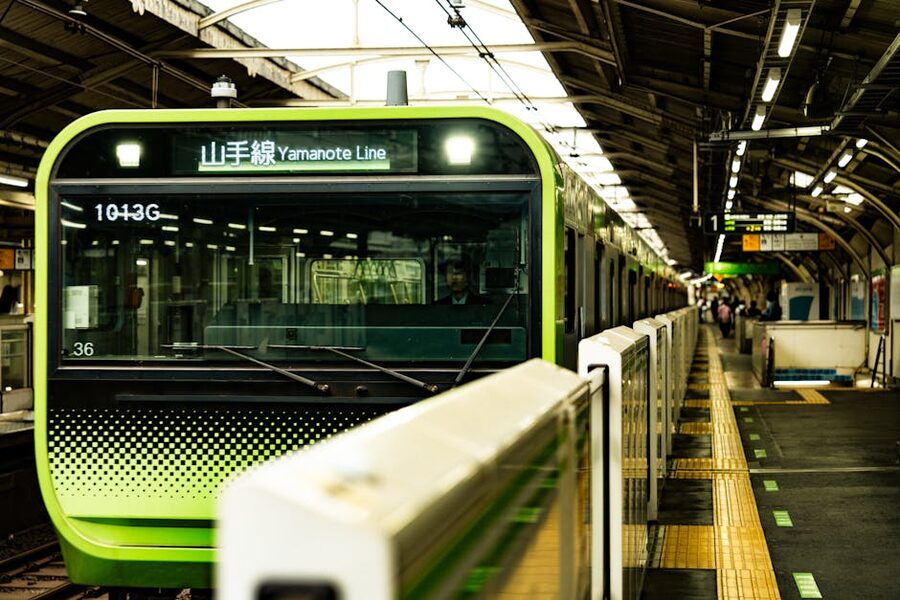
Day 1 runs on the Yamanote Line and a single stretch of Tokyo that takes you from 1920s forest to the loudest intersection on Earth in the span of one long walk. Don’t sleep in. The payoff for a 07:30 alarm on Day 1 is huge.
08:00 — Meiji Shrine, south entrance
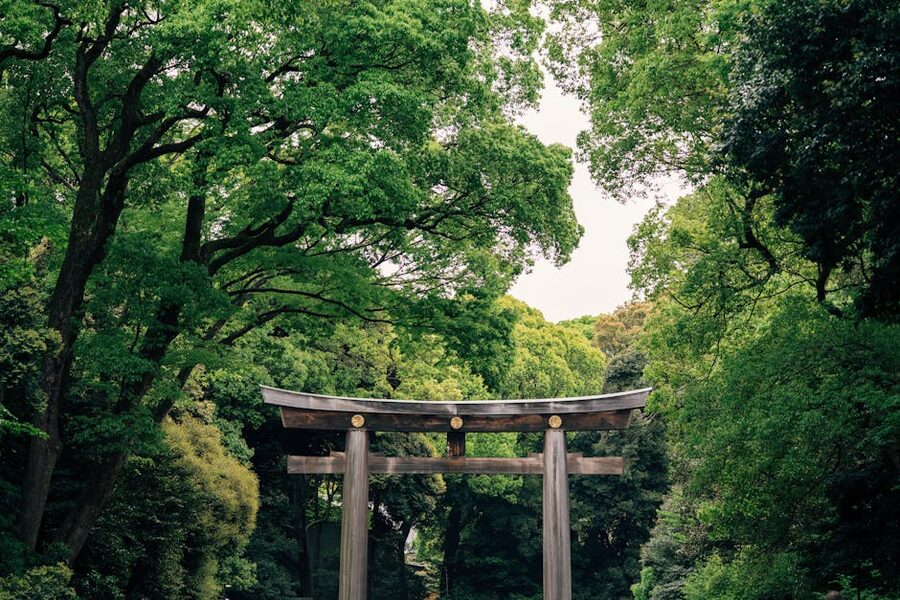
Take the Yamanote Line to Harajuku Station and go out the south exit. Cross the small plaza and you’ll see the south wooden torii almost immediately. Do the full Meiji Shrine visit properly — temizuya hand-washing, the bow-twice-clap-twice-bow-once ritual at the main hall, the sake barrels stacked along the approach. The forest was planted by volunteers in 1920 from trees donated across all of Japan. You’ll feel the hush about 50 metres in.
Give this an hour. The inner garden costs ¥500 and is worth it in June when the irises go off, but you can skip it on a 3-day itinerary.
10:30 — Harajuku and Takeshita Street
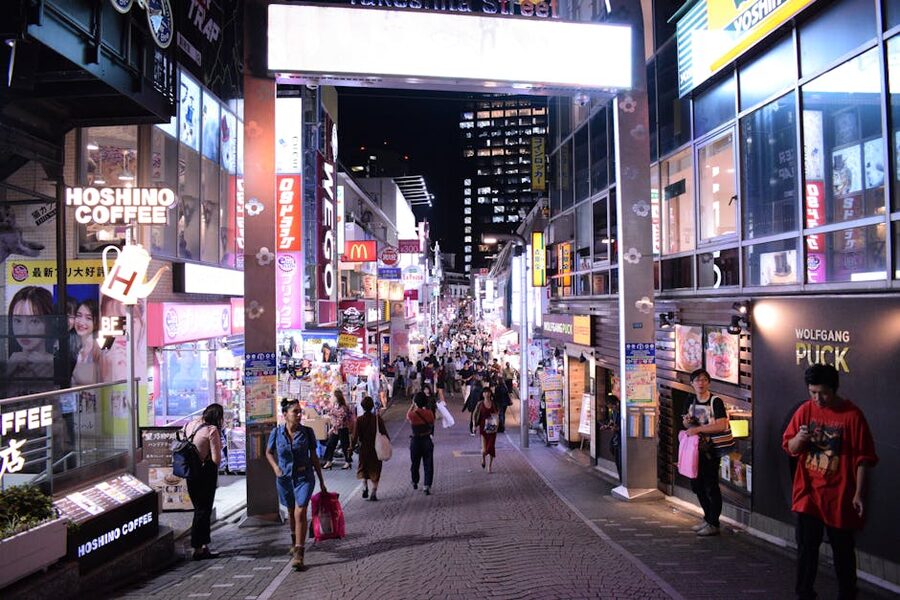
Walk back the same way and straight through Harajuku Station into Takeshita Street. This is the 400-metre pedestrian-only stretch that made Japanese street fashion famous. Ten minutes of walking, one rainbow cotton candy if you’re in the mood, then keep going. The real walk is Omotesando, the tree-lined avenue one block south. That’s where the good coffee and the serious boutiques live. Allow 90 minutes including a coffee stop.
13:00 — Lunch in Shibuya
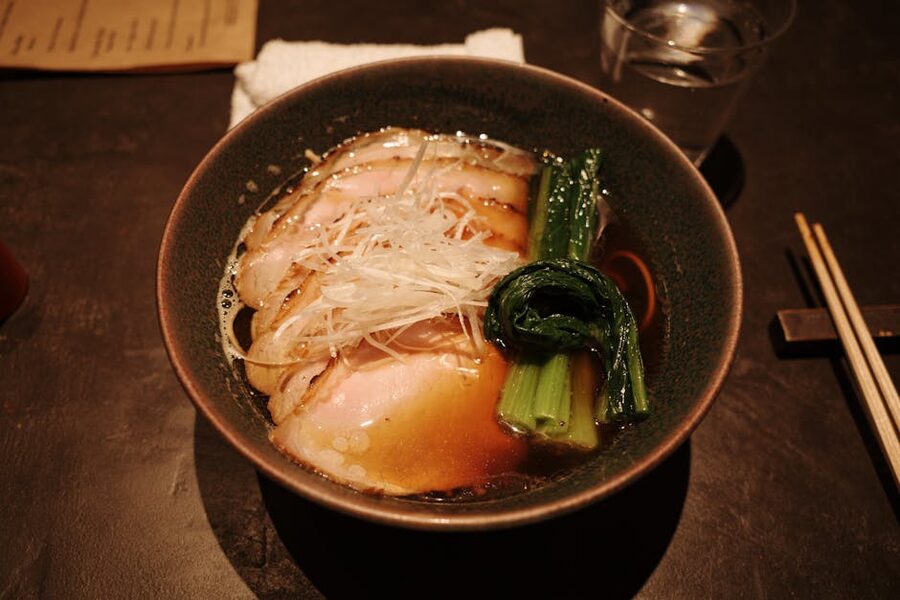
Walk or take one stop on the Yamanote south to Shibuya. Counter ramen or a conveyor sushi is ideal because you’ll be on your feet again in 40 minutes. Look for a noren curtain hanging over a half-open door — that’s a working lunch shop, not a tourist one. Don’t tip, don’t bring the bowl to your mouth with chopsticks in it, and read the dining etiquette guide if you’re new to counter meals.
14:30 — Shibuya Crossing and Shibuya Sky
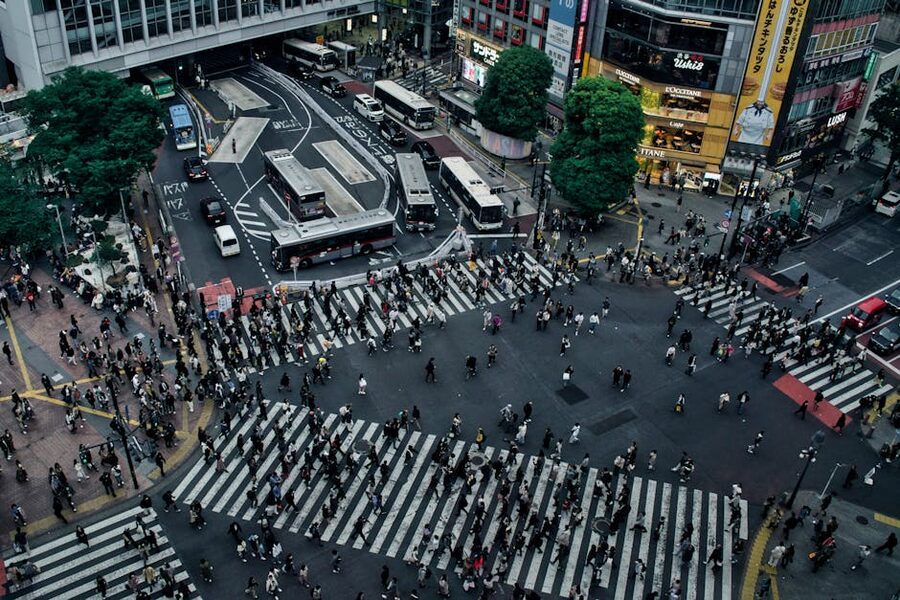
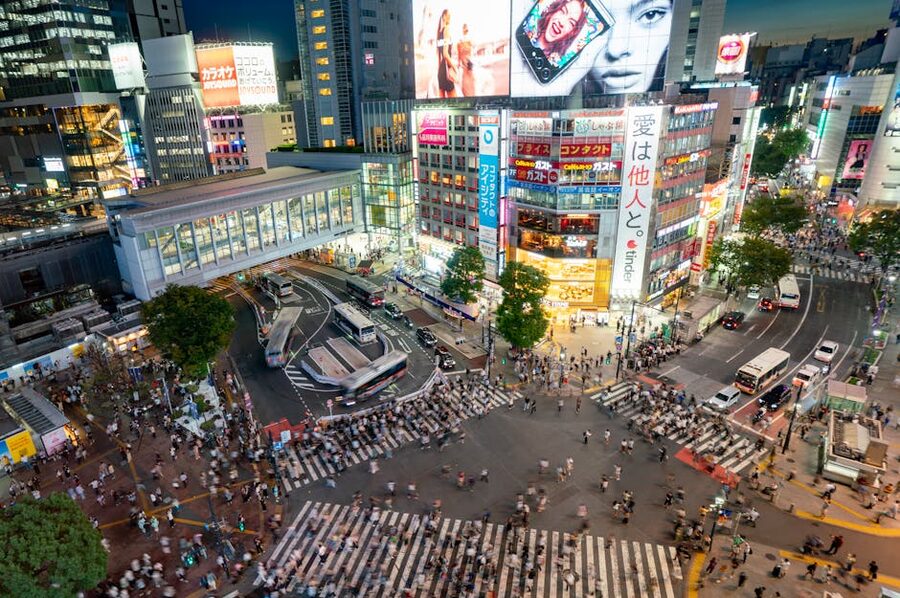
Come out of Shibuya Station at the Hachiko exit. Pat the dog statue. Cross the Shibuya Scramble once, then cross it back. Then do it a third time because the first two were just reconnaissance. The crossing peaks every two minutes on the light cycle. On a green, roughly 2,500 people cross in 45 seconds. It’s the rhythm of Tokyo in one intersection.
For sunset, Shibuya Sky. Book online about a week ahead for the 30-minute slot that starts 45 minutes before sunset — by the time you’re up, the sky is colour, then the city lights click on. Tickets are ¥3,100 weekdays. If the timed-entry slots are sold out, the Tokyo Metropolitan Government Building observation deck in Shinjuku is free and almost as good, just less dramatic.
19:00 — Dinner: izakaya or kaiten-zushi
Shibuya is full of both. For a beer-and-small-plates izakaya, look for the red lanterns (akachochin) hanging outside — that’s the signal. For conveyor sushi, Genki Sushi near Shibuya Station runs 24 hours and orders come to your seat on a little train track. It’s kitschy but the fish is fine and the kids love it. Splurge for the proper sushi on Day 2 or 3.
Day 2: Asakusa, Senso-ji, Skytree and Akihabara
Day 2 is east-Tokyo day. Older neighbourhoods, the city’s oldest temple, and — at the end of the afternoon — the loudest, most electric six-block radius in Japan. You’ll do the opposite vibe shift from Day 1: tradition in the morning, 1990s otaku subculture by 15:00.
07:30 — Asakusa via the Ginza Line
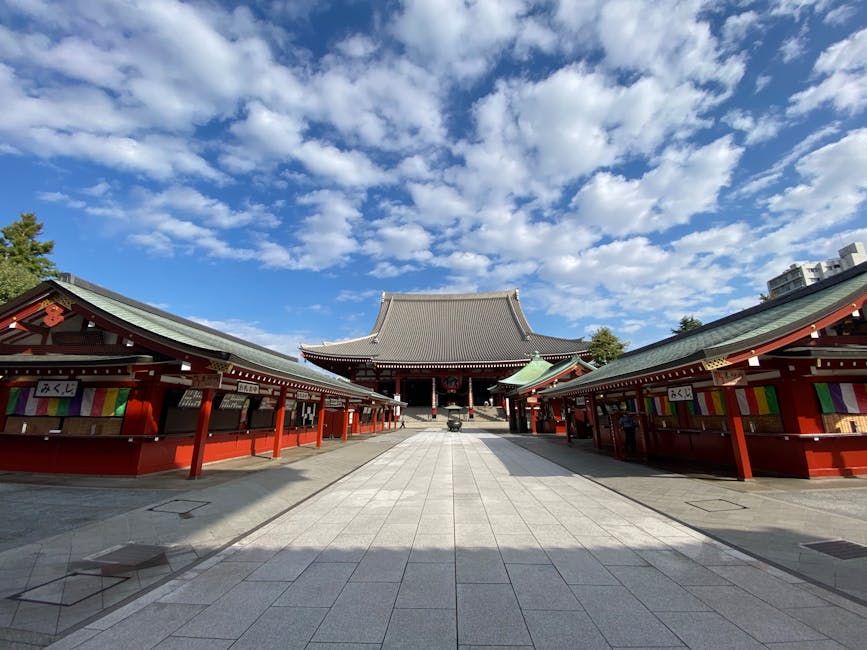
Take the Ginza Line — it’s the orange one — to Asakusa. You’re aiming to be through the Kaminarimon (the giant red lantern gate) by around 08:00. Asakusa is a tourist district, there’s no pretending otherwise, but before 09:00 it’s genuinely peaceful. Between 10:30 and 16:00 it is hell. If you come at 11:00 and complain about the crowds, I cannot help you.
08:00 — Senso-ji and Nakamise before the crowds
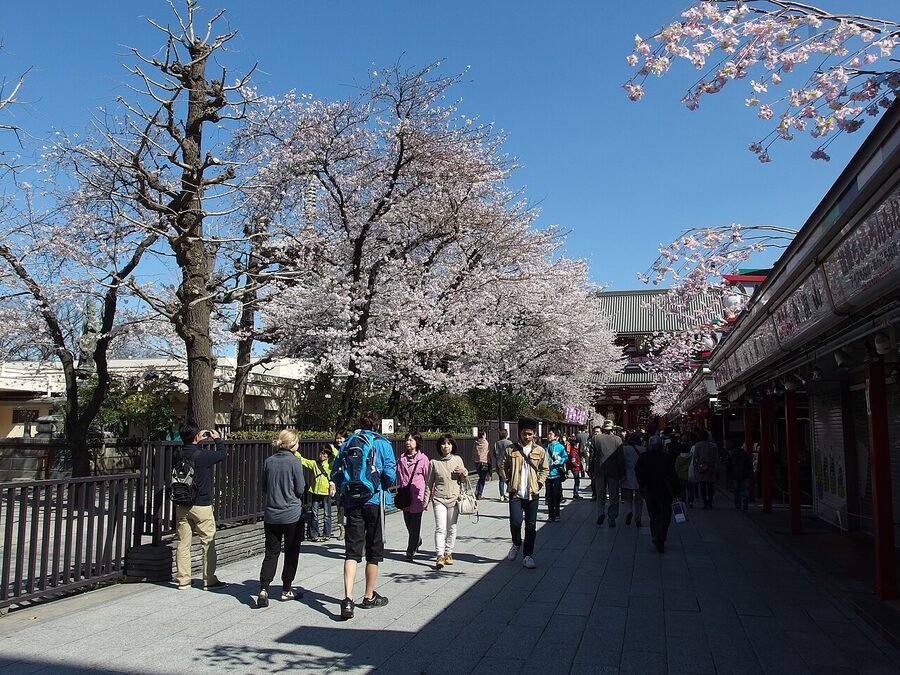
Do the full Senso-ji visit — the incense cauldron (wave the smoke over your head, it’s said to be healing), the main hall, the five-storey pagoda off to the left. Then walk back through Nakamise, the approach shopping street, and pick up a ningyo-yaki (a palm-sized sponge cake filled with red bean) from a stall mid-way. ¥600 for six, still warm.
Wander the side streets north of the temple for 30 minutes. This is where the real Asakusa lives — kimono shops, rice-cracker places, the old amusement park Hanayashiki — and you will now have beat the tour buses by exactly the right amount.
11:30 — Walk along the Sumida River to Skytree
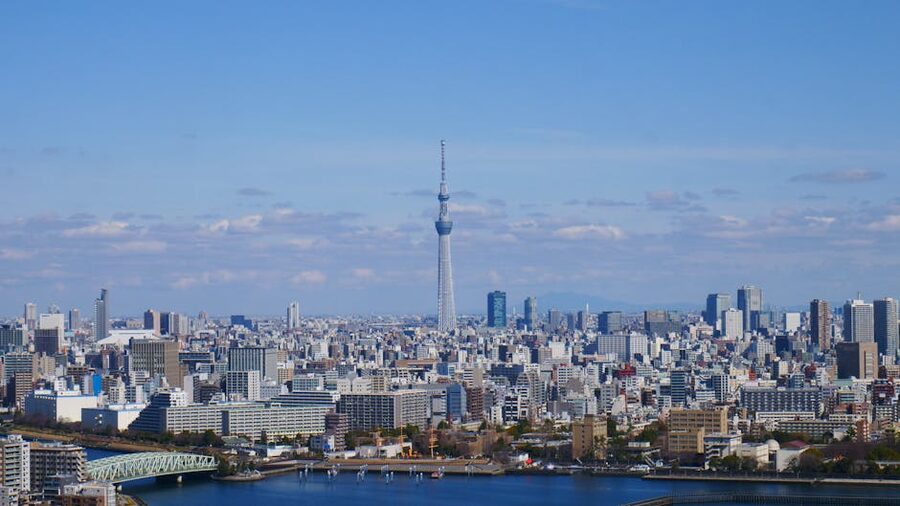
From Asakusa, walk east over the Azuma-bashi bridge. The view across the Sumida is the picture that will end up on your Instagram — the Asahi golden flame building on your left, Tokyo Skytree rising on the right. It’s a 25-minute walk to the base of Skytree at a normal pace, 15 minutes if you take the Asakusa Line one stop to Oshiage.
12:30 — Lunch and, maybe, the deck
Solamachi is the shopping mall built into the base of Skytree. Floors 6 and 7 are a long food court with everything from tonkatsu to soba. The observation deck itself is ¥2,100 for the main deck, ¥3,100 for the top deck. My take: unless the air is crystal-clear and you love observation decks specifically, skip it. You’ve seen Tokyo from above at Shibuya Sky yesterday. Have a longer lunch instead.
15:00 — Train to Akihabara
From Oshiage, the quickest route to Akihabara is the Hanzomon and Ginza line via Mitsukoshimae, or back to Asakusa and then the Tsukuba Express. Either way, aim to arrive around 15:00–15:30.
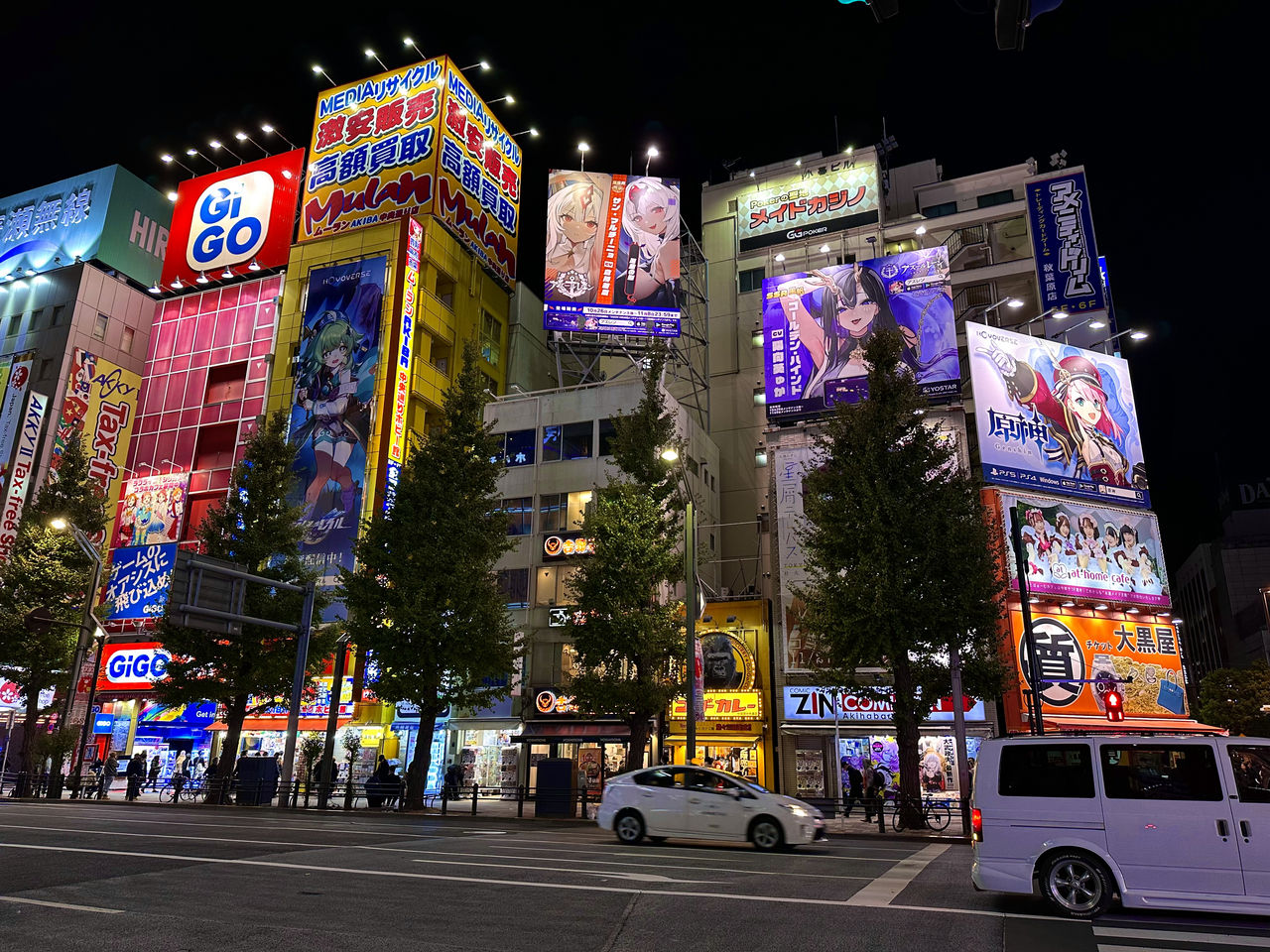
Akihabara is the electronics-and-anime six blocks. Don Quijote (the 8-storey AKB-theatre building on Chuo-dori), Mandarake for second-hand manga, Yodobashi Camera for anything plug-in. Don’t try to cover it all. Pick: electronics OR anime OR arcades. An hour on each is enough, three hours total is plenty.
For an arcade, Super Potato is the retro-gaming one everyone means when they say “the Akihabara arcade”. It’s on the 3rd and 4th floor of an unassuming building on Chuo-dori — look for the green signs.
19:00 — Dinner: Tokyo Station Ramen Street
From Akihabara, it’s two stops south on the Yamanote to Tokyo Station. Head for the B1 level of the Yaesu side — that’s Tokyo Ramen Street (Tokyo Ramen Koji), a narrow corridor of eight famous ramen shops relocated from around Japan. You’ll queue 10–20 minutes for most of them. I’d recommend Rokurinsha for tsukemen (dipping ramen) if you’re a first-timer — it’s the cleanest introduction to the dipping-noodle idea. Around ¥1,100.
Day 3: Shinjuku, Shinjuku Gyoen and a flexible evening
Day 3 is Shinjuku and choice. You’ve done east and centre-west; today is the big western side. I’d do it in this order: quiet garden morning, big-city afternoon, food-and-drinks evening. But the afternoon is the one place in the whole 3 days where I’d tell you to pick based on taste, not geography.
08:00 — Shinjuku Gyoen
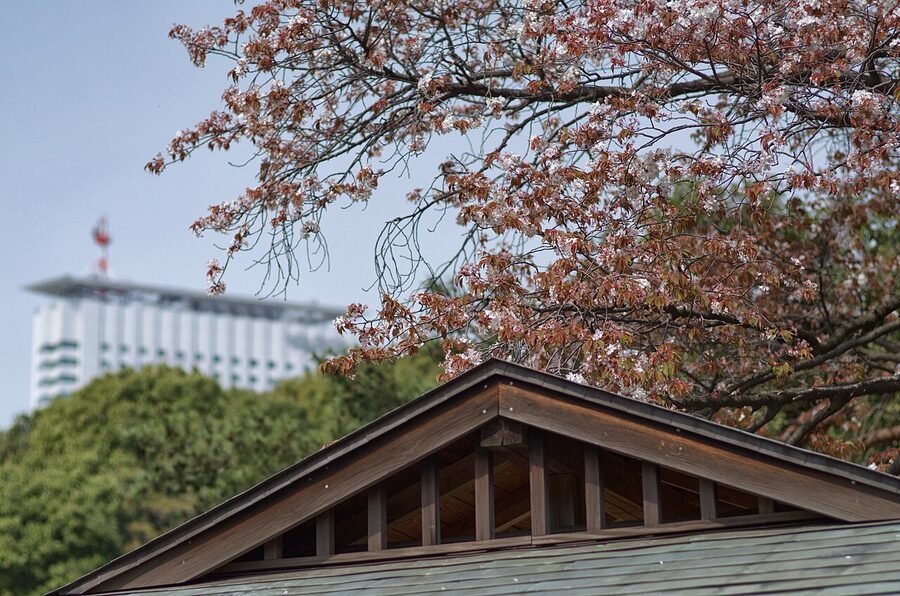
Shinjuku Gyoen opens at 09:00 most of the year but there’s usually a small queue from 08:40. ¥500 entry. Head into the English landscape garden area first, then the Japanese garden and the greenhouse. Two hours is plenty. It’s the closest Tokyo gets to the gardens of Kyoto, in a way, and — because it’s 10 minutes’ walk from Shinjuku Station — it acts as a reset before the afternoon.
If you want a similar quiet morning somewhere quieter and more local, Rikugien Garden is also a good pick, particularly in autumn for the maples.
11:00 — Shinjuku, from the top down
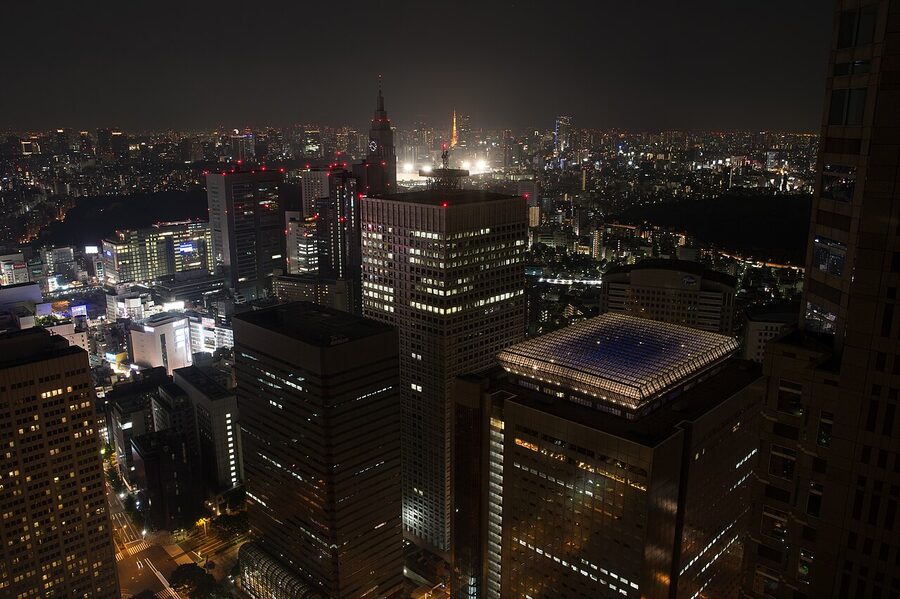
Start with the Tokyo Metropolitan Government Building’s south observation deck. It’s 202m up, it’s free, it’s open until 21:00 most days, and on a clear morning you’ll see Mt Fuji 100km to the south-west. Ten minutes from Shinjuku Station’s west exit. Walk-in.
Then do the Shinjuku department stores. Isetan is the classic — a 10-minute walk east. Head straight to the basement: a depachika is the food hall underneath a Japanese department store, a cathedral to edible things. Even if you buy nothing, walk slowly through it. Full Shinjuku shopping guide is on this site if you want the street-by-street.
13:00 — Lunch: tsukemen or tonkatsu
Shinjuku has a higher density of serious ramen shops than anywhere else in the city. For tsukemen (dipping noodles), Fuunji near the south exit is the one — the fish-and-pork broth is properly rich, and the queue moves quickly because the shop runs tight and efficient. Around ¥1,200. Save room. Day 3 dinner will be bar food in small bites.
15:00 — Your afternoon (pick one)
This is the one afternoon I’d let your personality pick the route. All four options are good. Trying to do more than one is the exact mistake from the top of this piece.
- Ginza stroll. Take the Marunouchi Line to Ginza. Three hours of flagship stores, the Ginza Six department store, and window-shopping on Chuo-dori (pedestrianised on weekend afternoons). Afternoon tea at one of the hotel lounges. Best if you like luxury, architecture, and buying nothing that costs under ¥5,000.
- Ueno Park and one museum. Yamanote Line to Ueno. The National Museum is a legitimate must-see if you have any interest in Japanese history — the Honkan building alone is a half-day if you get into it. Ueno Park itself is free and lovely.
- Odaiba and teamLab. The Yurikamome monorail over Rainbow Bridge to Odaiba. A futuristic waterfront with shopping malls, the Fuji TV building, and a long walk along the boardwalk. The new teamLab Planets location in Toyosu (not Odaiba itself, but near) is a 60-minute immersive digital-art installation. Book online 1–2 weeks ahead.
- Design district crawl. Omotesando + Aoyama + Daikanyama. Architecture, Japanese fashion flagships, and the best independent cafes in the city. Best for fashion-and-design people who have ticked the tourist boxes.
18:00 — Sunset drinks and dinner, Shinjuku
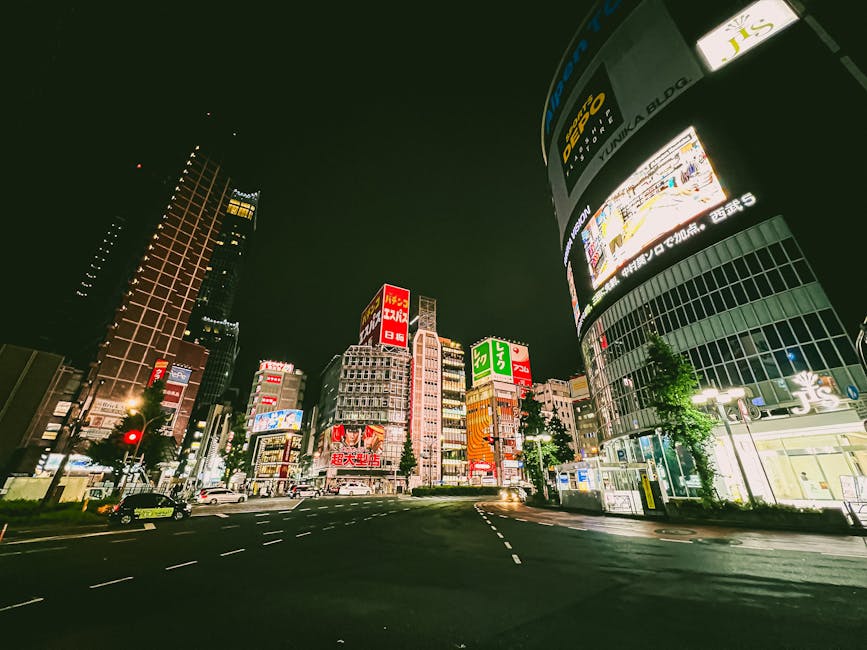
Come back to Shinjuku. Three clusters of food-and-drink in a 15-minute walk of each other:
Omoide Yokocho (“Memory Lane”, also known by a saltier old name) is a two-alley yakitori warren of 60+ tiny smoke-filled counters on the west side of Shinjuku Station. A skewer is ¥200–400, a beer ¥500. Most places seat 6 people. Go early — it’s rammed after 20:00.
Golden Gai is the legendary cluster of 200 matchbox-sized bars east of Shinjuku Station. Each bar seats 4–8 people and has its own theme — one plays only jazz vinyl, one is classic rock, one is exclusively Shōwa-era Japanese pop. Seat charges are common (¥500–1,000), so check the signs out front. Don’t wander in to four bars; pick one, stay an hour.
Kabukicho is the bigger, louder, red-light-adjacent area north-east of the station. The new Kabukicho Tower and the Godzilla Road attract tourists; the smaller bars and host clubs are generally not for casual drop-ins. Avoid the aggressive touts near the main gate; decline anyone offering you a free drink upstairs.
For a proper sit-down dinner rather than small-plates-in-alleys, you’re spoiled for choice — from 10-seat omakase to the brilliant tempura and tonkatsu shops tucked in the East side.
22:00 — One last kaiten-zushi
If you still have room, a late conveyor sushi is a classic Tokyo nightcap. Uobei and Kura Sushi are the big names — plates from ¥150, tablet ordering, arrives on a conveyor. For actual sushi, even at a good-not-amazing counter, you’re looking at ¥8,000 upwards, and you should have booked the reservation days before. Kaiten is fine. It’s more than fine — it’s the one category of food where tourist-friendly and genuinely decent overlap.
The morning before you leave
Tokyo gets two mornings from most travellers and the third one they leave for the airport bleary-eyed. Make the last morning count.
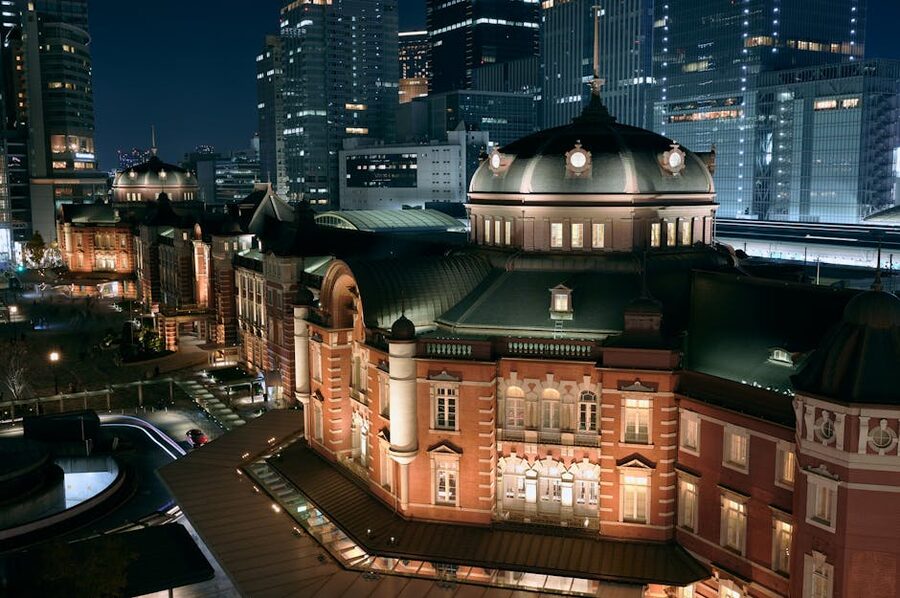
If you have 2+ hours before heading to the airport, go to Tokyo Station one more time. The Marunouchi side, specifically. The restored 1914 red-brick Marunouchi building is one of Tokyo’s best pieces of architecture, and Character Street, Ramen Street, and the depachika underneath the Yaesu side give you a last chance at 30 great food stalls in one spot. Tokyo Station has coin lockers everywhere — small 500-coin ones for day bags, larger 700-coin ones for suitcases.
If you only have 40 minutes before the airport bus, just do a convenience store haul. A conbini haul — 7-Eleven, Lawson, or Family Mart — at any Tokyo station is one of the best food experiences in the country and I am entirely unironic about this. Onigiri ¥150. Egg sando ¥220. A cold can of hot-brewed coffee (yes, both at once) ¥150. Eat it on the bus. You’ll miss it more than you’d expect.
Adjustments for different travellers
The itinerary above is the default. Here’s how I’d tweak it depending on who you are.
With kids. Swap the 20-minute standing around Shibuya Crossing for Ueno Park and the Ueno Zoo (they have pandas, which is decisive). For Day 2, skip Akihabara and do Odaiba instead — the beach, the life-size Gundam statue, and the family-friendly malls are easier with small legs.
Solo female traveller. Tokyo is one of the safest cities I’ve spent time in. My one caveat: Kabukicho late at night has touts. Stick to Golden Gai and Omoide Yokocho — both are well-lit and friendly. Shibuya at night is fine, including solo. On trains after 23:00, the women-only carriage (look for the pink floor markings) is there if you want it.
Foodie first. Re-weight Day 2 around Tsukiji Outer Market in the morning (07:00–10:00) rather than Asakusa, and book one Michelin-adjacent counter lunch or dinner using the reservations guide. Shuffle the rest to fit around it. Don’t stack three “food experiences” in one day; you’ll ruin your appetite for the big one.
Design and fashion. Swap Akihabara for an extended Omotesando–Aoyama–Daikanyama crawl on Day 2, and the Ginza option on Day 3 afternoon. You’ll see more architecture in those walks than in a week of pure guidebook sightseeing.
First-timer staying in Shinjuku vs Shibuya vs Asakusa. Where you sleep changes the order — do the closest day to your hotel on Day 1. The first-timer hotel guide walks through which base suits which traveller, and there’s a budget version too.
What I’d cut if it rained for two of the three days
Tokyo weather is unpredictable. June is rainy season, September and early October get typhoons, and winter is fine but cold. If two of your three days are wet, don’t grind through the outdoor itinerary — pivot.
Rainy Day 1 replacement. Cut Meiji Shrine and Takeshita. Keep the Shibuya afternoon indoors (Shibuya Sky has a glass enclosure, Shibuya Scramble Square has 40+ floors of shopping). Add a proper depachika lunch at Tokyu Food Show under Shibuya Station.
Rainy Day 2 replacement. teamLab Planets is a 60-minute immersive art installation in Toyosu. You’ll walk through water, through a mirrored field of orchids, through a room of floating LED balls. ¥3,800. It’s the single best rainy-day pivot in Tokyo. Book 1–2 weeks ahead.
Rainy Day 3 replacement. Tokyo Station’s underground system is endless — Character Street, Ramen Street, Gransta depachika. You can spend 3 hours here and never go outside. Chain it with the Imperial Palace East Gardens when the rain breaks, which is a 10-minute walk.
Museums, if rain is the whole trip. The Edo-Tokyo Museum in Ryogoku (currently undergoing renovation at time of writing, check ahead), the Ghibli Museum in Mitaka (book online weeks ahead), and the TeamLab Borderless rebuild in Azabudai Hills. Between them and the tokyo-station underground, you’ll have a complete rainy-day Tokyo.
Three days isn’t enough — what to add on Day 4 or 5
Here’s the truth about 3 days in Tokyo: it’s enough to come away with a strong, specific sense of the city, but not enough to feel like you’ve really explored it. If you can stretch the trip, these are the two best additions.
Kamakura day trip. One hour by JR from Tokyo Station. Giant bronze Buddha, Zen temples, a beach, a few very good soba shops. It’s the perfect contrast to three days of Tokyo density — 8th-century temples instead of 21st-century crossings. Do it as a day trip; no need to stay overnight.
Hakone. Two hours by Shinkansen or 85 minutes by Odakyu Romancecar from Shinjuku. Hot springs, Mt Fuji views if the weather cooperates (50/50 at best), a pirate ship on a volcanic lake, and open-air art museums. Best as an overnight in a ryokan with dinner — it’s worth the ¥30,000+ for one proper Japanese-inn night.
Tokyo DisneySea. If you loved Tokyo and the family is pulling for one park day, DisneySea beats Disneyland — it’s themed to water and uniquely Japanese in execution. Full day. Book online.
A second pass at the districts you skipped. If you picked Akihabara on Day 2, go to Odaiba on Day 4. If you picked Ginza on Day 3, give yourself a proper Ueno morning. Tokyo rewards going back to a district twice.
Practical info at a glance
- Food budget: ¥2,500–4,000 per day for casual eating (conbini breakfast, ramen lunch ¥1,000–1,500, izakaya or ramen dinner ¥2,000–3,000). Bump to ¥10,000+ if you’re doing one proper sushi or Michelin meal.
- Transport budget: ¥200–300 per ride, 4–6 rides a day = ¥1,500–2,000/day. Three days ≈ ¥4,500–6,000 total. Cheaper than a taxi from the airport.
- Hotel check-in: 15:00 standard. Use takkyubin (Yamato) luggage forwarding from the airport if you arrive morning-of — about ¥2,000 per large suitcase.
- Airport transfer: From Narita, the Skyliner to Ueno (¥2,520, 41 minutes) or the Narita Express to Tokyo Station (¥3,070, 53 minutes). From Haneda, the Keikyu or the Monorail are both ¥500–600 to central Tokyo. See getting from Narita or getting from Haneda.
- SIM or eSIM: An eSIM from Ubigi, Airalo, or Sakura Mobile is ¥1,500–3,000 for the trip. Airport SIM counters are more expensive. Set up before you fly.
- Cash: Tokyo is now mostly card-friendly but some small izakayas and family ramen shops are still cash-only. Keep ¥10,000–20,000 on you. 7-Eleven ATMs take foreign cards.
- Official sites: gotokyo.org (Tokyo Tourism), JNTO (national tourism), and JR East for train timetables in English.
If I had to cut it to 2 days
Drop Day 3. Rotate Shinjuku Gyoen onto Day 1 morning before Meiji (both are near Harajuku/Shinjuku), and keep Day 2 as-is. You’ll miss the TMG observation deck and the Omoide Yokocho evening, which is genuinely a shame. But you’ll still hit the three districts that matter most — Shibuya, Asakusa/Senso-ji, and Akihabara, plus Meiji Shrine. That’s a reasonable first taste.
If you’ve got 2 days and rain is forecast for one of them, keep Day 1 as the outdoor day and turn Day 2 into a teamLab + Tokyo Station food + one museum day. No loss.
What you’ll remember after three days
Not the observation deck. Not the Skytree ticket price. You’ll remember the 8am Meiji forest with nobody in it, the smell of charcoal smoke in Omoide Yokocho, the first time a Yamanote Line train glided into the platform exactly when Google Maps said it would, the cashier at 7-Eleven laughing at you for trying to bow while also holding a bag of onigiri. Three days won’t make you a Tokyo expert. It will make you someone who says, with no hedging, “I want to come back.”
Which is the whole point.