
The first warm towel handed to you in a Tokyo izakaya — oshibori, rolled up tight in a small plastic sleeve, steaming-hot in winter and ice-cold in summer — is the moment a certain kind of traveller falls for Japan. You haven’t ordered yet. You haven’t said a word beyond irasshai in the other direction. And someone has already made sure your hands are clean. It costs the restaurant about a yen. It costs you nothing. And somewhere under the rim of that towel is the whole thesis of why I keep going back: a country that treats small, invisible kindnesses as the normal way to run a society.
In This Article
- The strongest case for Japan in one paragraph
- The food, and why even the 7-Eleven is a tourist attraction
- Safety, and why this matters more than people admit
- Four seasons, each with its own ritual
- The trains, which are genuinely as good as you’ve heard
- Shokunin, and why a culture of mastery feels different to visit
- The language thing
- The cost, honestly
- What Japan is not
- Who actually shouldn’t go
- Your first three days in Tokyo, condensed
- How I’d sell Japan to a specific kind of friend
- Practical info, at a glance
- One more thing
The strongest case for Japan in one paragraph
If you’ve already been to London, Paris, or New York, Japan is objectively the most interesting country you can visit next. It is the place where a late Shinkansen is a national news story, where a ¥290 7-Eleven egg sandwich is, genuinely, better than the one at your airport lounge, where a 400-year-old sword-polisher works above a ramen shop, and where the streets of a city of 37 million can be silent at 9am on a Tuesday. It rewards people who notice small things and who like their cities to function. The cost of entry is one long-haul flight and the patience to learn three phrases. What you get back is a country that has been quietly perfecting a particular idea of hospitality — omotenashi, the art of taking care of someone without performing it — for roughly 1,200 years. That’s the pitch. Everything that follows is the proof.
The food, and why even the 7-Eleven is a tourist attraction
I want to be precise about Japanese food, because “Japan has great cuisine” is not a useful sentence. The thing that’s remarkable is the granularity — it operates at every price point at once.
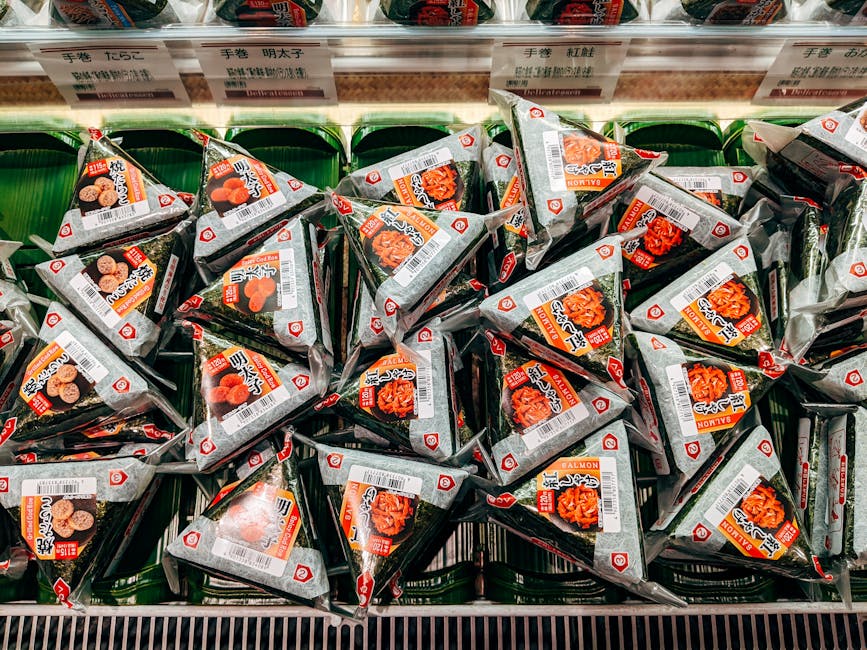
At the bottom — and “bottom” is the wrong word — is the conbini. A 7-Eleven, Lawson, or FamilyMart onigiri costs ¥160 to ¥220. Seasoned rice, a filling (tuna mayo, salted salmon, pickled plum), a sheet of nori in a plastic wrapper that keeps the seaweed crisp until you pull the red strip. The 7-Eleven egg salad sandwich — soft white bread, egg mayo, ¥290 — has its own Anthony Bourdain clip on YouTube. Watch it. He’s right.
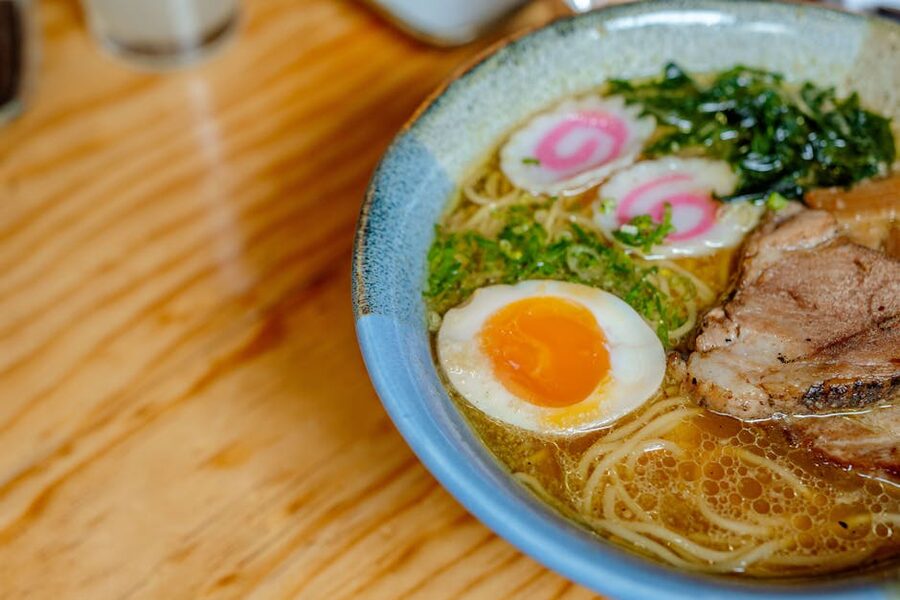
One step up is the ramen shop. A good neighbourhood ramen-ya is ¥900 to ¥1,200 for a bowl that would not be out of place in a top-10 list anywhere else in the world. You buy a ticket from the machine by the door, hand it to the cook, sit, slurp. No tip, no small talk unless you want it, ten minutes later you’re back out. The regional variations matter: Hokkaido does rich miso ramen, Kyushu does tonkotsu (a pork-bone broth cooked for 12 hours until it’s the colour of milk), Kansai does Osaka’s takoyaki (batter balls filled with octopus, ¥600 for eight), and Hokkaido also does dairy so good you’ll bring a tin of Hokkaido butter home in your suitcase. I have done this.
Above that, you’re in Michelin territory. Tokyo alone has 194 Michelin-starred restaurants in the 2025 guide — more than Paris, more than any other city on earth. A decent kaiseki lunch — the multi-course, seasonal meal Kyoto is famous for — starts around ¥8,000. But you don’t have to go there to get the story. The ¥1,400 set-menu lunch at the tonkatsu shop in a department-store basement is cooked by someone who’s been cooking tonkatsu for 30 years, and it shows.
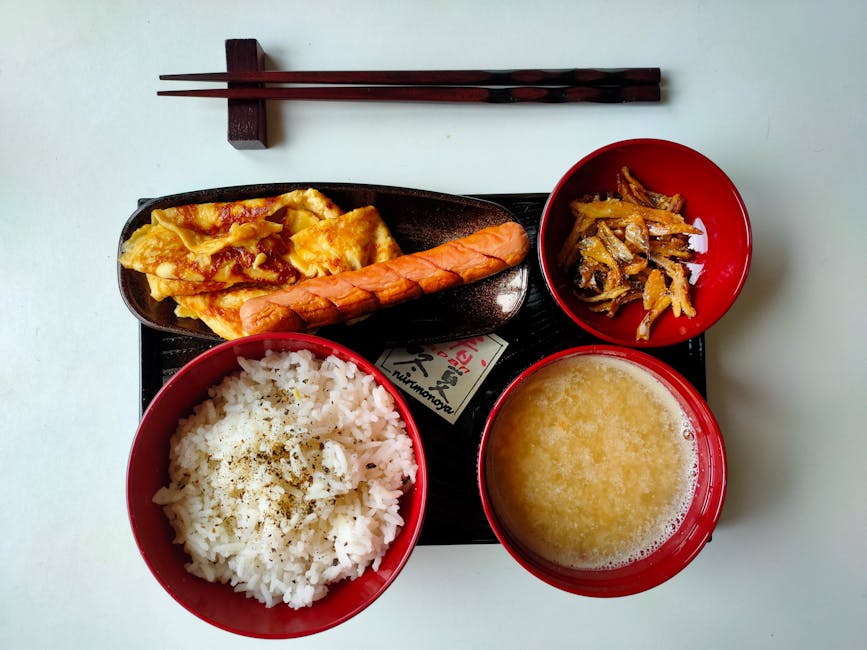
And then there’s breakfast. A ryokan tray — ten small dishes, grilled fish, tamagoyaki, miso soup, pickles, rice, tofu, green tea, and something unexpected like a piece of sweet poached pear — will rearrange what you think breakfast is allowed to be. If you have one, it ruins hotel buffets for you forever. Good.
Safety, and why this matters more than people admit
Of all the things I get asked about by friends planning a first trip, safety is the one people underweight. Japan has one of the lowest crime rates in the world, and the texture of that safety is the interesting bit.
Phones left on café tables are not stolen. Dropped wallets are taken to the nearest koban — the little police box on most major street corners — where they sit until the owner notices. Children ride the subway alone at eight years old; there’s a reality TV show, Old Enough!, built around toddlers being sent on their first solo errand. The texture of safety is also about noise. Seventy people on a Yamanote Line carriage at rush hour will produce less ambient sound than three people in a London café. Nobody is on a speakerphone. Nobody is eating. This is not a rule — it’s a norm, which is a stronger thing.
For solo female travellers specifically, you can walk anywhere, at any hour, in the main cities, and be safer than in virtually any comparable Western city. There are women-only carriages during rush hour (the pink floor markings on the platform tell you where they stop). I know one woman who left a Leica M6 on a bench in Ueno Park, realised three hours later, walked back, and found it still there. I don’t recommend testing this. But the fact that it’s a plausible story is the point.
Four seasons, each with its own ritual
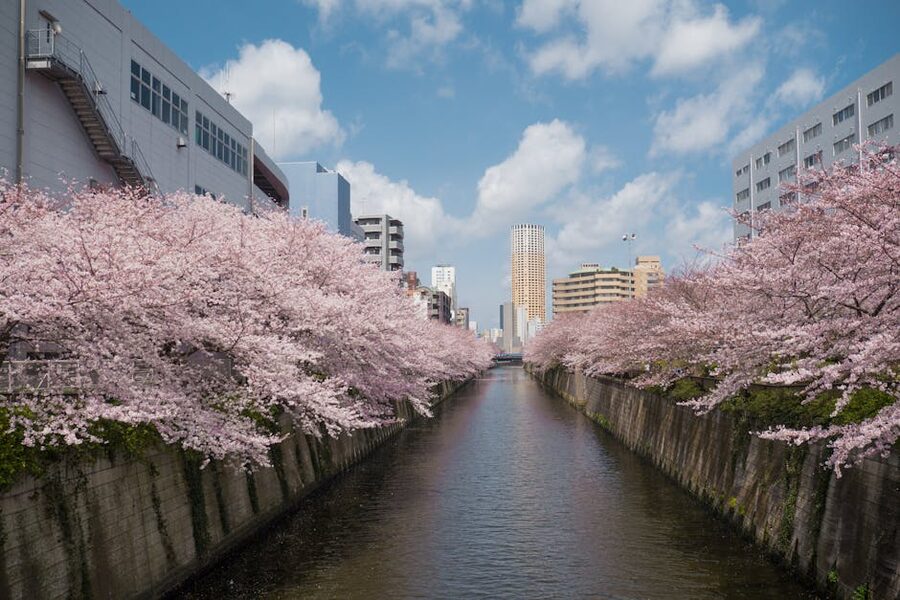
Japan has four distinct seasons, and each one has a name, a food, and a social ritual. This is not a marketing line. It genuinely structures the calendar.
Spring brings hanami — the cherry blossom picnic. Locals book spots under the trees from 6am, lay tarps down, and spend the afternoon eating konbini food and drinking cans of Chu-Hi while pink petals drop into their rice. Peak bloom is 25 March to 5 April in Tokyo, 1 to 10 April in Kyoto, late April to early May in Hokkaido. You can chase the blossoms north.
Then comes tsuyu — the rainy season, roughly early June to mid-July. Nobody promotes it. You should still come. Temples look better wet, hydrangeas peak in late June, and hotel prices drop.
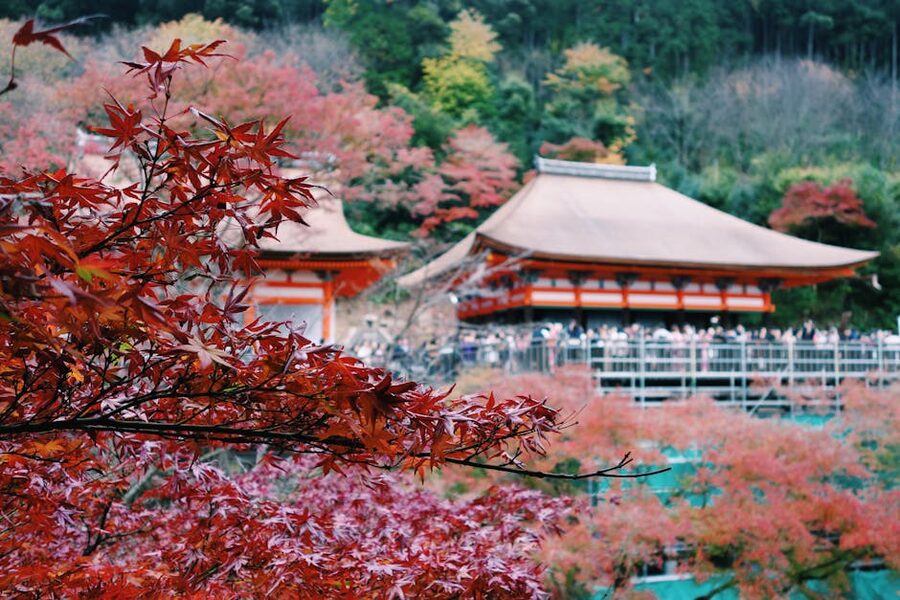
Autumn — koyo, leaf-watching — peaks in Kyoto in the second half of November. Red maple, yellow ginkgo, crisp 14°C days. Big temple gardens stay open late and light the trees after dark. It’s the best month to come, and I will die on that hill.
Winter brings powder skiing in Hokkaido (Niseko averages 14 metres of snow a year — more than Colorado, drier than the Alps), the Sapporo Snow Festival in early February, and New Year — the big family holiday. Meiji Jingu hosts three million visitors for hatsumode (the first shrine visit) in the first three days of January. Most businesses close 30 December to 3 January. Plan accordingly.
The trains, which are genuinely as good as you’ve heard
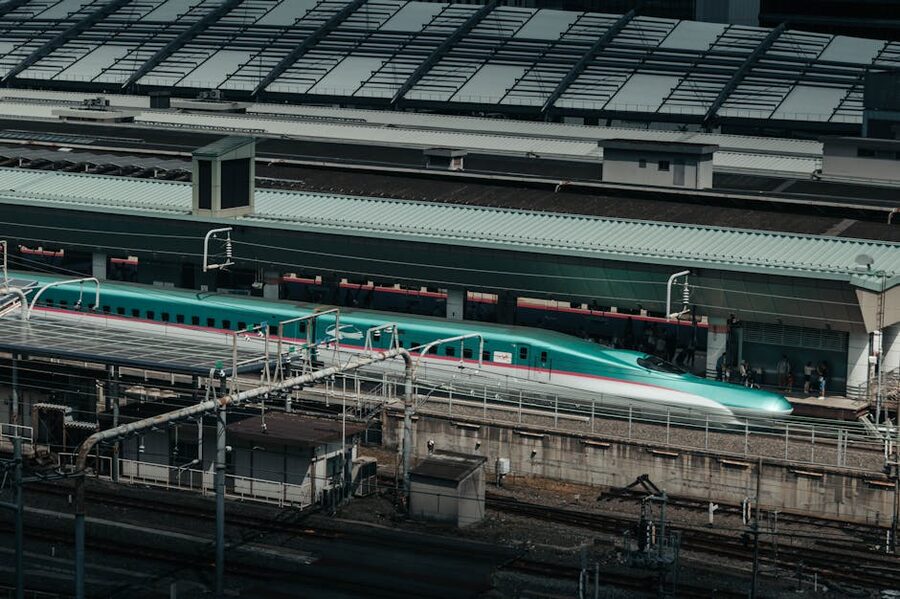
Here is what trains in Japan will do to you: they will recalibrate your tolerance for every other transport system on earth. You will come home, step onto an Underground platform, read “minor delays due to signal failure at Finsbury Park,” and feel mild, existential rage.
The Tokaido Shinkansen does Tokyo to Kyoto in 2h 15min, departs every 10 minutes, and arrives with an average annual delay of roughly 18 seconds (this is a real published statistic, not a joke). The train pulls up to the platform, stops within 30cm of the painted line, and doors open exactly where the floor markers said they would.
In the cities, you use an IC card — Suica, Pasmo, Icoca — a reloadable chip card you tap at every gate. ¥500 for the card itself, then top it up at any station machine. Once you’ve loaded ¥3,000, you can take any bus, subway, or JR line without thinking about it. The card also pays at 7-Eleven, coin lockers, and vending machines. You will realise, by day three, that not thinking about your wallet has changed your relationship with a city.
The JR Pass is worth the maths. A 7-day Pass costs about ¥50,000. A return Tokyo-Kyoto Shinkansen is ¥28,000, so if you’re doing Tokyo, Kyoto, and one more city (Hiroshima, Osaka, Kanazawa), the pass pays for itself. Rule of thumb: two or more long-distance Shinkansen trips, get the pass. Tokyo-Kyoto and back only, buy point-to-point.
Shokunin, and why a culture of mastery feels different to visit
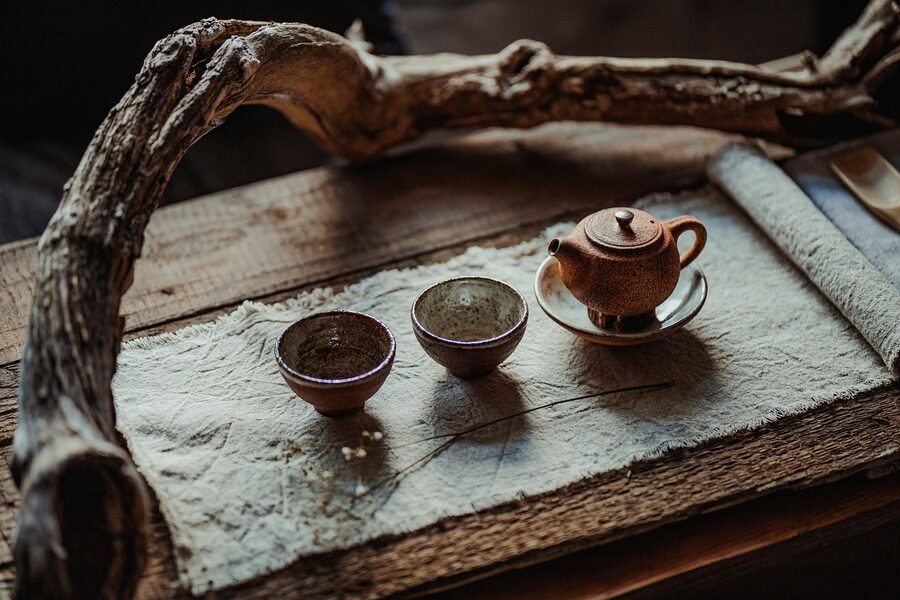
If you want to understand what makes Japan feel different, learn the word shokunin. It’s often translated as “craftsman” but that misses it. A shokunin is someone whose work is their spiritual practice. A vocation. A life.
You see this most obviously in the fifth-generation shops. A soy-sauce brewery in Kyoto that’s been in the same family since 1805. A sword-polisher in Kamakura who spent 12 years as an apprentice before he was allowed to touch a blade. The 29-year-old barista at the speciality-coffee shop near Nishiki Market who talks about beans with the quiet seriousness of someone for whom this is not a job.
A proper tea ceremony is the clearest window onto it. The bowl is warmed; the whisk is positioned at a specific angle; the guest turns the bowl three times before drinking. The vocabulary is exact — temae is the name for the choreography. Years to master the basic version, a lifetime for the formal. You sit on tatami, sip matcha whisked into foam, eat a tiny wagashi sweet, and begin to understand what it means for repetition to be a form of respect. A 90-minute introductory ceremony in Kyoto costs ¥3,000 to ¥5,000. Book one. It’s the thing you keep thinking about on the plane home.
The language thing
The language barrier in Japan is less of a problem than the internet has told you. English signage is everywhere in the main cities — every train station, every major tourist site, every chain restaurant in Tokyo, Kyoto, Osaka. Station announcements are in Japanese and English. Menus in touristy areas have photos; elsewhere the Google Translate camera handles Japanese characters by overlaying English in real time. It is one of the most genuinely useful pieces of technology released in the last decade. Use it.
Three phrases will open doors:
- Sumimasen — excuse me / sorry / thank you. A catch-all. Most flexible word in the language.
- Arigato gozaimasu — thank you, formal. Use when handed change, a bag, a bill, or a towel.
- Onegaishimasu — please, and a general “I’d like to”. Use when ordering or checking into a hotel.
That’s it. No conjugation. A small head nod is a bow. You won’t offend anyone by trying. What you’ll get, repeatedly, is staff switching into a warmer register because you made the effort. Where English thins out is the countryside — small minshuku, tiny restaurants that don’t take tourists — and there the Google Translate camera does 90% of what you need. The rest is gestures. Gestures work.
The cost, honestly
Japan is neither cheap nor ruinously expensive. If you’ve been hearing one extreme or the other, ignore both.
Food, relative to quality, is shockingly cheap. A ¥1,000 ramen bowl is better than a £20 bowl in London. An izakaya dinner — three plates, a beer, a highball — runs ¥2,500 to ¥4,000 a head. Ryokan breakfast, included in the room rate, is extraordinary. You can eat extremely well for ¥5,000 a day.
Accommodation is where the pricing bites. A mid-range Tokyo hotel is ¥18,000 to ¥30,000 a night. Business hotels (small rooms, excellent bathrooms, universally clean) start around ¥8,000. A ryokan with dinner and breakfast is ¥25,000 to ¥60,000 per person and worth it once. Hostels are ¥3,500 to ¥6,000 and genuinely pleasant.
Trains are the big line item. Daily budget, rough: ¥15,000 at the low end, ¥25,000 comfortable mid-range, ¥60,000+ if you’re ryokan-hopping and eating kaiseki.
What Japan is not
Trust is earned in the negatives. Here is what Japan isn’t, said plainly.
Japan is not a beach country. There are beaches — Okinawa has actual Pacific beaches, Chiba has surf spots — but the Mediterranean beach holiday is not Japan’s thing. Don’t come for sand.
Japan is not a sunshine-guaranteed country. The weather is temperate, humid in summer, dry in winter, and rainy in June. In a single Tokyo summer week you can have 35°C and 85% humidity. Pack accordingly. Don’t romanticise a Santorini in your head and then land in Narita.
Japan is not a party destination. There’s plenty of drinking — Tokyo’s Golden Gai has 200 micro-bars — but it’s not Ibiza. Drunk-and-disorderly behaviour by Western standards is rare. You’ll get people singing karaoke with genuine seriousness at 2am, and you’ll probably join them.
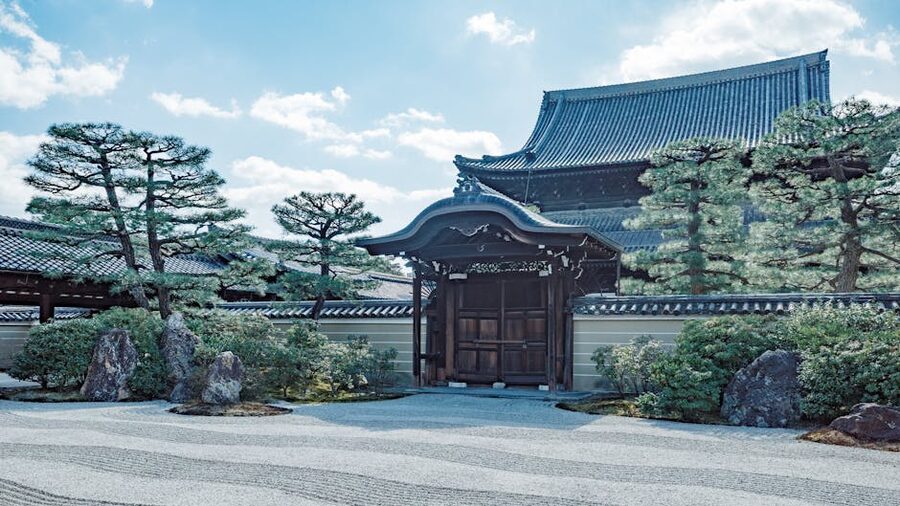
And Japan is not Instagram-wow every frame. The beauty here is small, specific, earned. A raked gravel garden. A mossy stone step. The 15 seconds of silence in a kaiseki meal between courses. If you’re chasing wide-angle viral shots, you’ll leave disappointed. If you can slow down enough to notice a tea master’s wrist rotation, you’ll find more material in one week here than you’ll process in a year.
Who actually shouldn’t go
I’ve told a lot of people to go to Japan. I’ve told two people not to.
The first wanted a beach holiday with short flights. Japan is the opposite of that. If what you want is sun and swimming an hour from home, go to Greece.
The second told me, very honestly, that being the obvious foreigner in a group makes her anxious. Japan is the most foreign place most Westerners will ever go. You’ll be the only non-Japanese person on a train carriage regularly. In my view that’s a feature — it puts you somewhere genuinely other — but if that flavour of attention bothers you, pick a country where you blend in first.
Gentler opinion: if you’ve never travelled outside your own country, Japan is a big jump. Not because it’s hard (the logistics are the easiest in Asia), but because the cultural difference is higher than anywhere in Europe. If you’re debating Japan versus a first-ever trip to Lisbon or Rome, do the European city first. Japan will be a deeper experience after you’ve been somewhere that wasn’t home.
Your first three days in Tokyo, condensed
If you want a shape for your first three days, here’s mine.
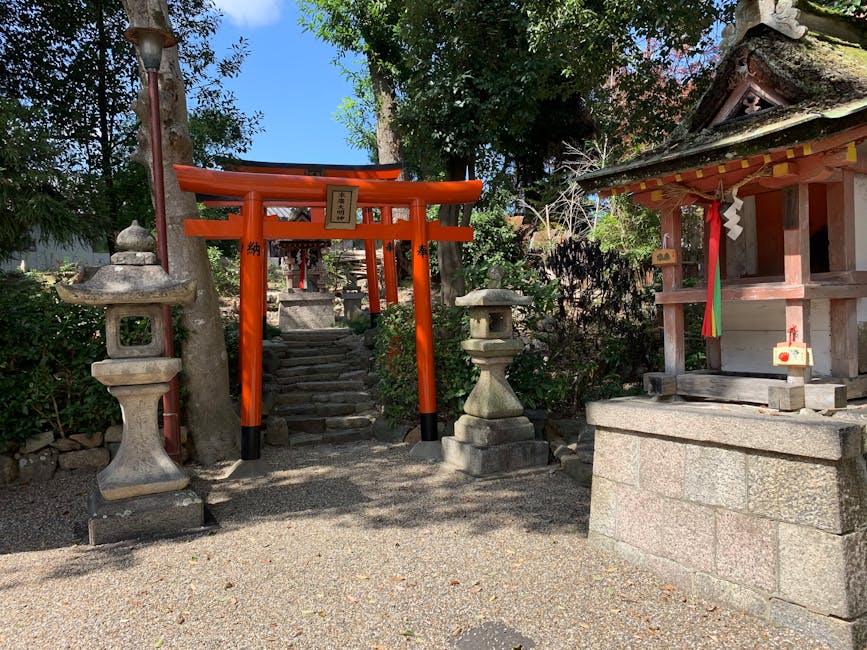
- Day 1 — Meiji Shrine, Harajuku, Shibuya. Get to Meiji Shrine for the 8am opening — the cedar forest in the middle of the city, silent at that hour. Walk out via Takeshita Street for the tonal whiplash. Lunch in Shibuya, and do the crossing at night with Shibuya Sky as a viewpoint after.
- Day 2 — Asakusa, Sensoji, a ramen lunch, an izakaya dinner. Sensoji Temple before 9am, walk the Nakamise-dori stalls, ramen for lunch in a side street, Shinjuku izakaya in the evening for the lantern-lit alley atmosphere.
- Day 3 — a quieter one. One museum (the Nezu is my favourite), one neighbourhood (Shinjuku for bright, Yanaka for quiet old-Tokyo), and one restaurant booked in advance. See the restaurant reservation guide.
If you have seven days, add Kyoto (two nights), Hakone for a ryokan night, and — in spring or autumn — a half-day for cherry blossom spotting or leaf-watching.
How I’d sell Japan to a specific kind of friend
Different friends need different pitches. Four I’ve actually used.
- To the foodie. Tokyo has 194 Michelin stars. Paris has 118. A ramen shop that opened in 1954 costs ¥1,100. You’ll eat better in five days here than anywhere you’ve been.
- To the design/minimalism obsessive. The country invented wabi-sabi as an aesthetic philosophy. There’s a garden in Kyoto that’s fifteen stones in raked gravel, and you’ll stand there for forty minutes. Every piece of signage is more thoughtfully kerned than your favourite magazine.
- To the anxious traveller. You can’t get pickpocketed, because pickpocketing isn’t really a thing. Trains tell you where to stand. Every station has English signage. Staff at every convenience store will try their best. It’s the easiest long-haul trip there is.
- To the friend who’s done everywhere. You haven’t seen a country where the culture of craft is still the organising principle of daily life. You think you have. You haven’t. This is the one.
Practical info, at a glance
- Best seasons: late March to early April for cherry blossom; late October to late November for autumn leaves; early February for Hokkaido snow and the Sapporo Snow Festival.
- Visa: most Western passports (UK, US, Canada, Australia, EU) get 90 days visa-free on arrival. See the Ministry of Foreign Affairs visa reference for exact eligibility.
- Currency: yen. 7-Eleven ATMs accept all major foreign cards, 24 hours a day. Japan is still more cash-heavy than most Western countries, but the gap is closing fast.
- Power: 100V, 50Hz (east) or 60Hz (west). Type A plugs (two flat pins). US plugs fit; UK and EU plugs need an adapter.
- Data: get a travel eSIM before you fly — Mobal, Ubigi, and Airalo all work. ¥3,000 to ¥6,000 for a two-week plan.
- Tipping: no tipping. Anywhere. Including taxis. Do not do it. It is genuinely rude in some contexts.
- Official tourism: the JNTO site and Go Tokyo are both useful for region-specific practicalities.
- Etiquette starter: take your shoes off where there’s a step at the entrance, don’t eat while walking, don’t blow your nose in public if you can help it. The full dos and don’ts guide and the dining etiquette page are where I’d start.
One more thing
I realised on the flight home, the first time, that what I was going to miss wasn’t the big set-pieces — shrines, Shinkansen, ramen. It was a small sequence that had become normal by day six. You walk into a restaurant. Someone says irasshaimase at a specific volume. A warm towel appears. Your order is taken with a small bow. Your food arrives with a small bow. You leave with a small bow. You walk back out into the street and someone is quietly cleaning the pavement outside their shop, at 10pm, because it’s their shop and they keep it clean. Nobody is performing anything. Nobody is asking for a tip. This is just how the day goes here.
That’s the bit that stays. And it’s the bit that, in my experience, nobody sells you on in advance — because it doesn’t photograph. You have to go.