
Most of what you’ll read online about dining etiquette in Japan is either wrong, overblown, or applies only to formal kaiseki dinners you will probably never eat. Everybody slurps ramen here. Nobody expects you to use chopsticks perfectly. The staff at your izakaya genuinely do not care which hand you hold your beer with, and handing over a ¥10,000 note for a ¥900 lunch is completely fine. There are two or three rules that actually matter, and they’re almost never the ones Instagram etiquette reels get worked up about.
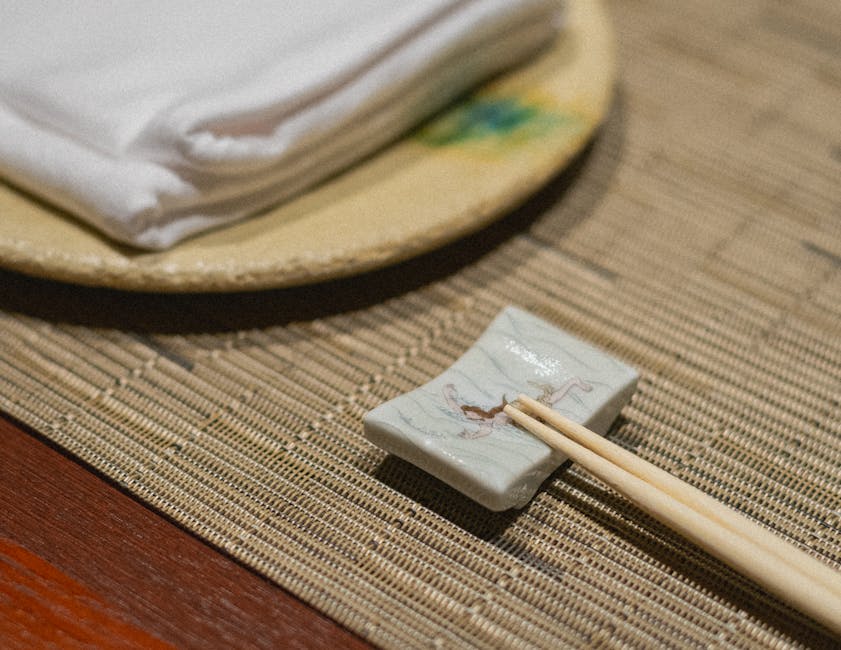
I’ve been eating out in Tokyo long enough to have watched dozens of first-time visitors panic-scroll a Lonely Planet etiquette list outside a ramen shop. I’ve also had a Japanese friend laugh at me for reading one of those lists aloud, because half of the “rules” on it were either pulled from a 1980s business-dinner handbook or invented. This article is my attempt to tell you what I wish someone had told me: which rules are actually real, which ones nobody cares about, and what you’ll trip over in real restaurants instead.
In This Article
- What actually matters (the short version)
- First, a confession
- The chopstick rules that are real
- What you can safely forget
- Slurping isn’t just allowed – it’s encouraged
- Ordering at a ramen ticket machine
- Kaiten-zushi (conveyor-belt sushi) and how billing actually works
- Izakaya and the otoshi mystery
- Tipping, cash, and ¥10,000 notes
- Oshibori: the wet towel
- Itadakimasu and gochisousama
- Kaiseki and formal dining (the one place the rules go up)
- Eating while walking – the one real taboo that shifts by neighbourhood
- A quick kaiten-zushi warning about sharing
- What I actually worry about
- Practical info block
- What I’d do on a first-week dinner in Tokyo
What actually matters (the short version)
If you read nothing else, this is the list. Four things matter in everyday restaurants. Everything else is noise.
- Don’t stab, stand-up, or pass food chopstick-to-chopstick. These three chopstick moves are linked to funeral rituals. They’re the only ones that will visibly make a Japanese person flinch. I’ll cover them in detail below.
- Don’t tip. Ever. In any restaurant. It confuses the staff and some find it mildly insulting. There’s no tip line on the bill for a reason.
- Slurp your noodles. It’s not tolerated – it’s encouraged. A silent ramen counter is a sad ramen counter.
- Try to finish your plate, especially the rice. Leaving a half-bowl of rice is the mildly impolite thing, more than anything on any etiquette list. At all-you-can-eat places it becomes a real problem.
That’s it. The other 95% of what’s online is either formal-dining trivia or pure internet telephone.
First, a confession
On my first week in Tokyo I got into an argument with myself about oshibori. The little wet towel they hand you when you sit down – I had read online that it was “only for your hands” and that wiping your face with it was a serious faux pas. So I spent ten minutes with dried ramen sweat on my forehead, politely ignoring the thing, while my Japanese colleague opposite me wiped his whole face, sighed, and folded it neatly back onto the holder. I was wrong. He was fine. The man at the counter next to him was also wiping his face. The only real rule is: don’t blow your nose into it.
That’s the energy of most Japanese dining “rules” you’ll read online. Someone once heard that someone once did something, it made it into a travel guide, and twenty years later an AI is pinging you anxiety notifications about it. Meanwhile the actual Japanese people around you are eating their food, talking about the weather, and wiping their faces.
The chopstick rules that are real
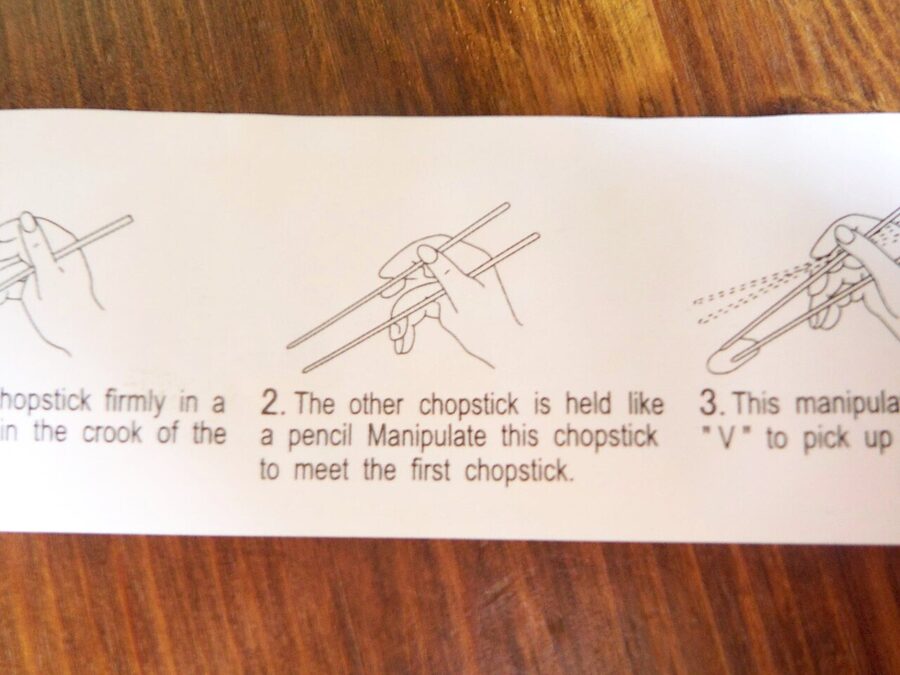
There are four chopstick habits that are worth actually avoiding in Japan. Not because the waiter will shout at you, but because they land emotionally, for the same reason you’d feel odd if a visitor to your house drew a cross on a pizza and said grace to nobody.
- Don’t stick chopsticks upright into a bowl of rice. This is called tsukitate-bashi and it’s what’s done for a deceased relative – a bowl of rice with the chopsticks standing straight up is left as an offering at the altar. If you want to put your chopsticks down, lay them across the bowl or use the hashioki (the little rest).
- Don’t pass food chopstick-to-chopstick with anyone else. This one is hashi-watashi, and it mirrors exactly what happens at a Japanese funeral, where the cremated bones of the deceased are passed between two people using long chopsticks. If someone wants to share food with you, ask them to put it on your plate. Don’t receive it mid-air.
- Don’t point at people or dishes with your chopsticks. Same as pointing with a fork in the UK – rude, but also specifically un-Japanese; pointing in general is not a polite gesture here.
- Don’t stab food with a single chopstick to lift it. This is called sashi-bashi. If you genuinely can’t pick something up, ask for a spoon or fork. Every Japanese restaurant has them, even small ones. Nobody will think less of you.
Bonus: don’t rub disposable chopsticks together. It’s a habit a lot of Westerners learn in Chinese restaurants. In Japan it’s read as saying “these chopsticks are cheap and splintery” – not the vibe you want while the owner is standing three feet away. If there are splinters, just break off the tip.
What you can safely forget
Here’s the stuff that does not matter. I’ve asked actual Japanese friends about each of these and the answer is always somewhere between “who cares” and a gentle eye-roll at the question.
- Holding chopsticks “wrong” – the high grip, the weird cross, the death grip. Nobody minds. Use them however you can.
- Eating sushi with your hands vs chopsticks. Both are fine. At high-end sushi counters most regulars use hands. At kaiten-zushi most people use chopsticks. Do whatever.
- Dipping rice-side vs fish-side in soy sauce. Yes, the rice will fall apart if you soak it. But nobody at a ¥120 plate of salmon is judging you. At a ¥15,000 omakase they might, but you’d also be getting gentle guidance from the chef.
- Asking for a fork. Completely fine. Touristy restaurants often bring one without being asked.
- Bowing wrong on the way out. A small nod at the door is enough. The full 90-degree ojigi is for apologies, not thank-yous.
- Using oshibori on your face. Fine in casual places, everyone does it. Nose-blowing is where the line is.
If someone tells you you need to bow three times at a sushi counter, they’re overthinking it. If someone tells you the waitress will be mortified by your chopstick grip, they’re probably a TikTok etiquette influencer and have not been to Japan recently.
Slurping isn’t just allowed – it’s encouraged
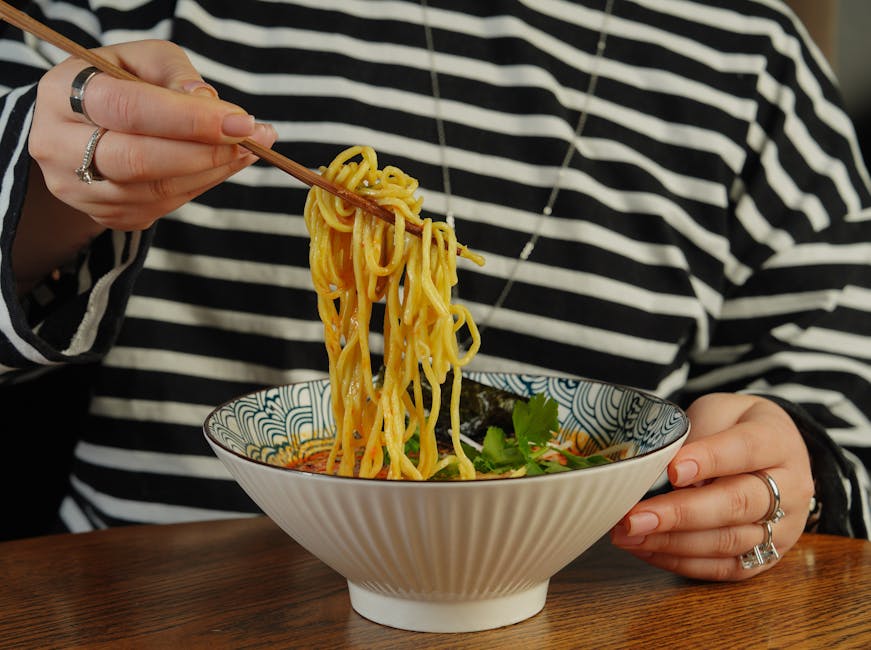
The only noodle rule that matters at a ramen counter is: make noise. Slurping is how you cool the noodle as it goes in, and it’s also how you signal “this is good” without having to put down the chopsticks and say anything. It applies to ramen, soba, and udon equally. It does not apply to spaghetti, although I’ve had Japanese friends who’ll slurp that too.
Two related things first-timers worry about: finishing the broth, and lingering. You don’t have to finish the broth – tonkotsu ramen is salt-bomb levels of rich and the shop knows not everyone can. You should try to be in and out of a busy ramen counter within 20 minutes, though. Queues form fast, and if you’re still nursing the last inch of broth while people wait outside, that’s when you get side-eye – not for the slurp.
Ordering at a ramen ticket machine
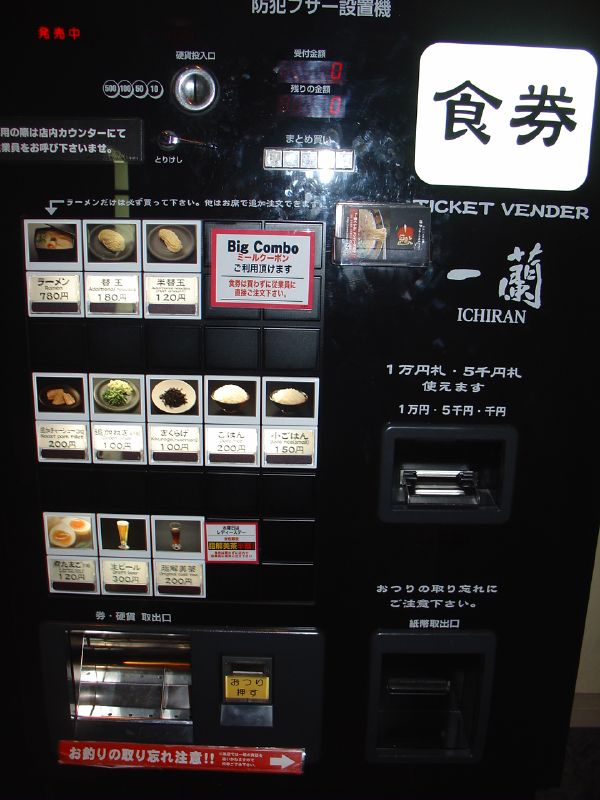
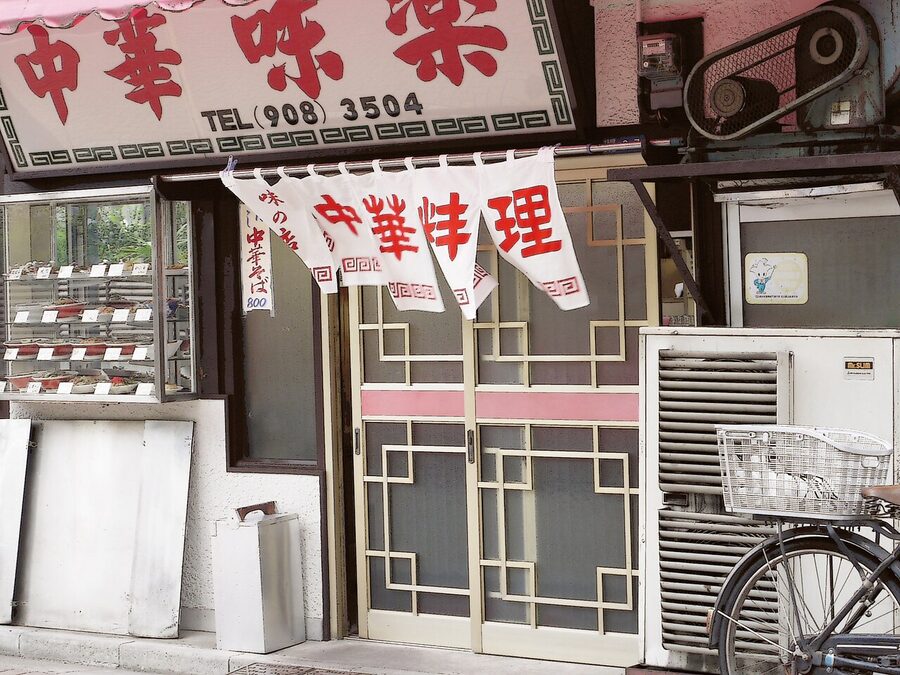
Maybe half of Tokyo’s ramen shops don’t have a traditional menu. They have a vending machine by the door. You order by pressing a button before you sit down. This throws first-timers harder than almost any other etiquette question, because Google can’t translate a physical button panel and the shop staff is often too busy to hand-hold.
The machine workflow, six steps:
- Find the English button if there is one. It’s usually on the top-right of the panel and switches the entire screen to English for 20 seconds. Chains like Ichiran and Ippudo always have one.
- If there’s no English, look for the biggest picture or the biggest button – that’s usually the shop’s flagship ramen. It’s what 80% of customers order. You’re safe picking it.
- Feed the money in first. Most machines don’t light up the buttons until they have cash. ¥1,000 notes are standard; bigger notes sometimes rejected.
- Press your ramen button. A paper ticket prints from the slot at the bottom.
- Any extras? Egg, extra pork, extra noodles usually have their own buttons in a second row. Press as many as you like – you get one ticket per button.
- Take the tickets to the counter or the staff and hand them over when you sit. In chains like Ichiran you’ll also fill in a preferences sheet – noodle firmness, broth richness, garlic, spice level, green onion amount. None of these choices are wrong, and the default on every line is always the safe option.
If you genuinely can’t work it out, stand still for a second. Staff or another customer will almost always come over – foreign-friendliness at ramen counters is higher than the internet gives them credit for.
Kaiten-zushi (conveyor-belt sushi) and how billing actually works
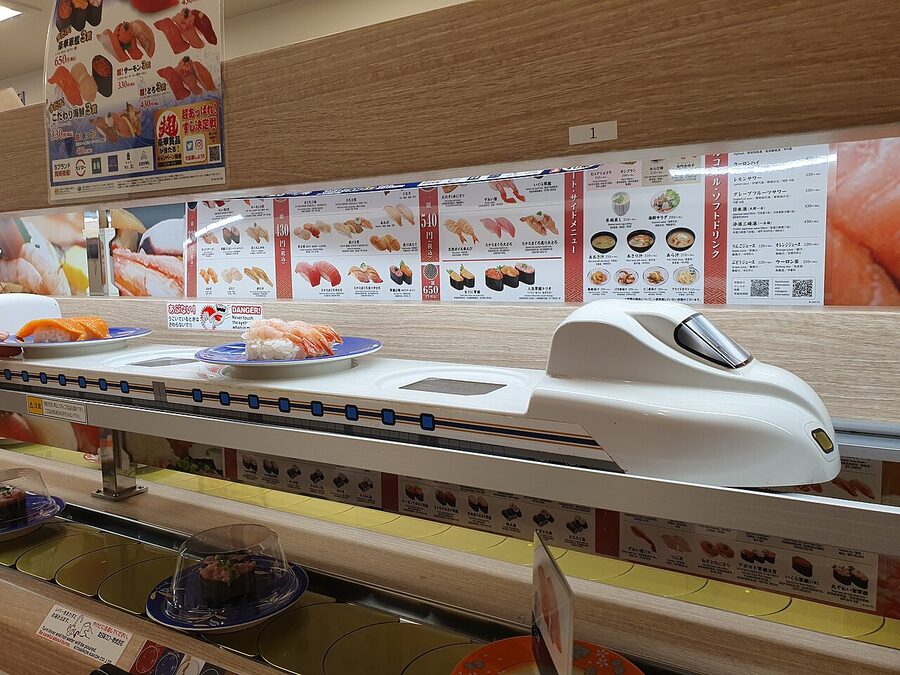
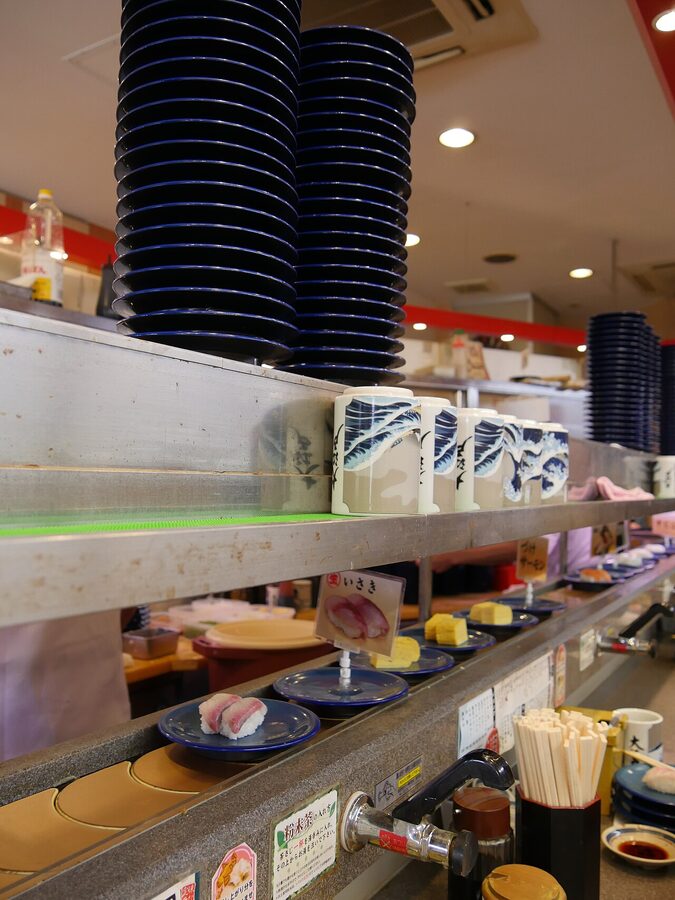
Conveyor-belt sushi in Japan is dirt cheap (¥120-¥360 a plate at the big chains), absurdly efficient, and the single venue tourists get most confused about. The biggest mistake isn’t etiquette-related at all: it’s trying to share one plate between two or three people. A kaiten plate is a portion – normally two pieces of nigiri. It’s not a family-style dish to divide.
Billing in five steps:
- Take whatever plate you want off the belt, or order from the iPad tablet at the table. Both are fine. Ordering from the iPad isn’t “cheating” – it’s actually how most Japanese customers order now, because what’s on the belt is only the most popular items.
- Stack your finished plates on the counter or in the slot on the table. Different colours = different prices. Don’t try to hide a plate – some chains now have RFID tags or cameras that count them automatically.
- Finished? Press the call button for the bill, or at some chains, press “kaikei” on the iPad.
- Staff counts your plates by colour. The number + your iPad orders go onto a bill that prints to a register at the front of the restaurant.
- Pay at the front counter when you leave, not at the table. Take the paper chit, walk to the register, IC card or cash. Never pay the sushi chef directly.
A last detail: do not touch the food on the belt with anything other than your own chopsticks. Don’t lift a plate, look at the fish, and put it back. The plate has to go on your stack if you’ve touched it. This is partly hygiene, partly “please don’t do that, actually”.
Izakaya and the otoshi mystery
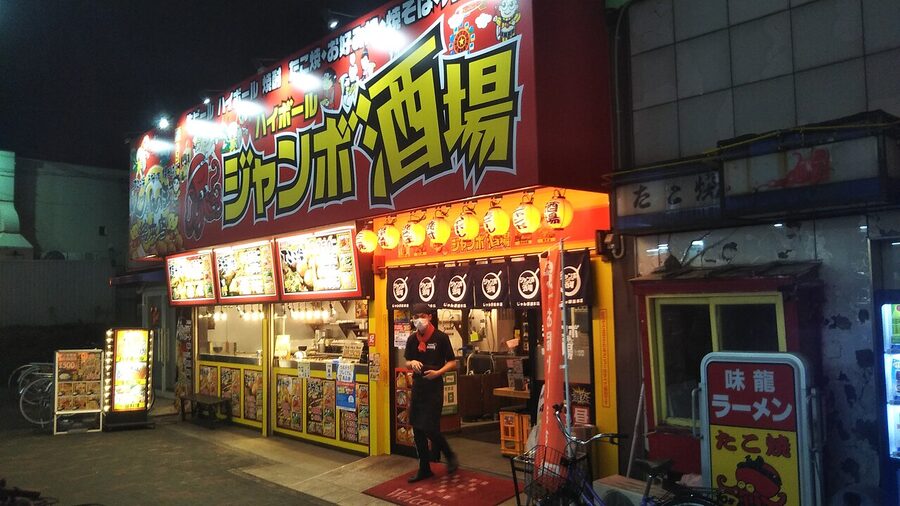
The single most common “wait, what” moment for first-timers in Tokyo is the little dish that arrives at an izakaya table uninvited. It’s almost always something small and savoury – a pile of marinated hijiki seaweed, a few pickled vegetables, a small cold tofu. You didn’t ask for it. You’re going to be charged for it.
This is called otoshi (or tsukidashi), and it’s a cover charge disguised as an appetiser. It’s usually ¥300-¥500 per person. It’s not a scam – it’s the standard izakaya business model. You’re paying to be there, and the kitchen is turning that charge into food rather than a flat “cover” line. You can’t decline it, and arguing about it at the bill is the quickest way to look rude. Just eat it. It’s usually decent.
Other izakaya quirks worth knowing:
- Nomihoudai / tabehoudai – set-price all-you-can-drink (or eat) packages, usually 90-120 minutes. Excellent value in groups, and absolutely the Japanese students’ preferred Friday-night option. The rule is that you have to order a new dish or drink within a few minutes of finishing the last one, and you can’t leave food uneaten.
- Pour for others, not yourself. This one is izakaya-specific, not a general rule. If someone’s beer is getting low, pick up the bottle and top them up. They’ll do the same for you. Hold the bottle with both hands if the person is older or senior at work – this is the genuinely warm gesture.
- Hold your glass with both hands when receiving a refill, at least for the first round. It’s the little physical bow of drinking.
- Kanpai means “cheers” and the first sip should happen after everyone has a drink and the word is said. “Kanpai” literally means “empty cup”, which is a lie, but don’t worry about it.
- Smoking is still legal inside many older, smaller izakaya. A national 2020 law banned indoor smoking, but venues that registered before the deadline and are under about 100sqm were grandfathered in. If you see a SMOKING OK sticker on the door, that’s why.
Tipping, cash, and ¥10,000 notes
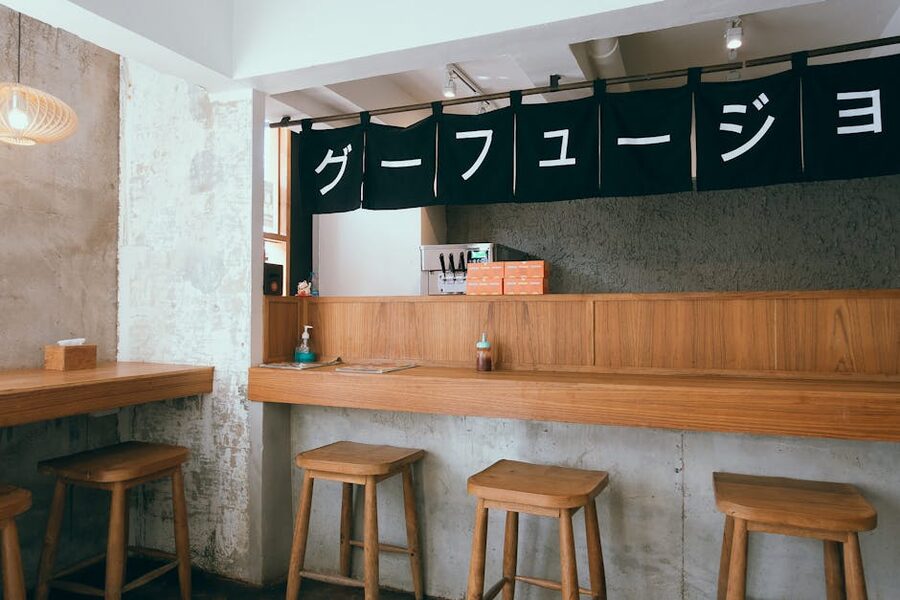
Do not tip. I know you’ve read this a hundred times. Yes it still applies. In restaurants, taxis, hair salons, hotels. There is no tip jar. Rounding up the cab fare is fine; leaving cash on the table is not. Very high-end kaiseki restaurants may add a service charge of 10-15% to the bill – that replaces tipping entirely.
On cash: most small neighbourhood places are still cash-only. Ramen shops, yakitori counters, older izakaya, market stalls. The larger chains and department-store restaurants all take cards now, as do most kaiten-zushi. IC cards (Suica, Pasmo, ICOCA) work at chains but almost never at independent counters. Carry ¥5,000-¥10,000 in cash any time you’re planning a meal.
The ¥10,000-note myth: you will see online advice that paying for a cheap meal with a ¥10,000 note is rude. It is not. Japan is still the most cash-heavy G7 country and the ¥10,000 note is the most common denomination from ATMs. Cashiers expect them. The only place it’s a mild hassle is at small vending machines (buy your ramen ticket with ¥1,000 notes) or the 100-yen coin laundry.
Oshibori: the wet towel
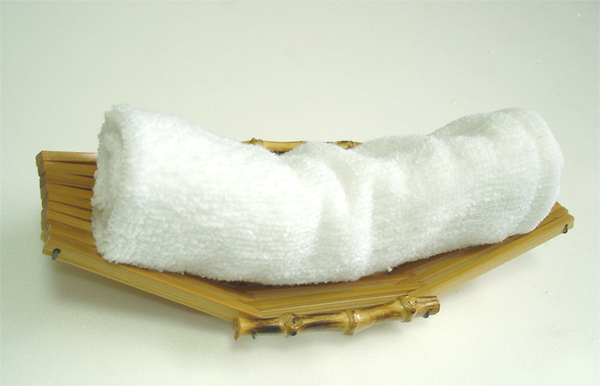
The oshibori is the rolled-up hot or cold hand towel that appears at your table before food does. In winter it’s a fresh-from-the-steamer warm roll and it genuinely helps defrost your hands after walking in. In summer it’s chilled, slightly wet, and will save your life after a subway ride. Use it to wipe your hands. Re-roll it or fold it neatly and set it aside. When dessert or more food arrives later, a second oshibori sometimes comes with it.
What not to do: don’t blow your nose into it, don’t wipe down the table with it, don’t use it as a napkin on your lap. It is specifically for skin (hands, forearms, neck, face if you’re in a casual place) and is collected back by the staff after the meal. Some shops now use disposable paper versions – those you leave on the table like a used napkin.
Itadakimasu and gochisousama
Two phrases worth knowing. Neither is mandatory. Both will make a Japanese host or restaurant owner visibly happy.
- Itadakimasu (ee-ta-da-key-mass), said before you eat. Rough translation: “I humbly receive”. You hear it at every home dinner and most school lunches. In a restaurant, say it quietly to yourself or to the table before picking up chopsticks.
- Gochisousama deshita (go-chee-so-sama deh-shta), said after you finish, to the chef or the staff on the way out. Rough translation: “that was a feast”. This one is especially appreciated by ramen chefs and small-counter sushi chefs who can see you say it.
You’ll botch the pronunciation. It’s fine. A halting “gochi-so-sama” said with eye contact is worth ten perfectly-pronounced “arigatou gozaimasu”s because the staff knows you’re trying.
Kaiseki and formal dining (the one place the rules go up)
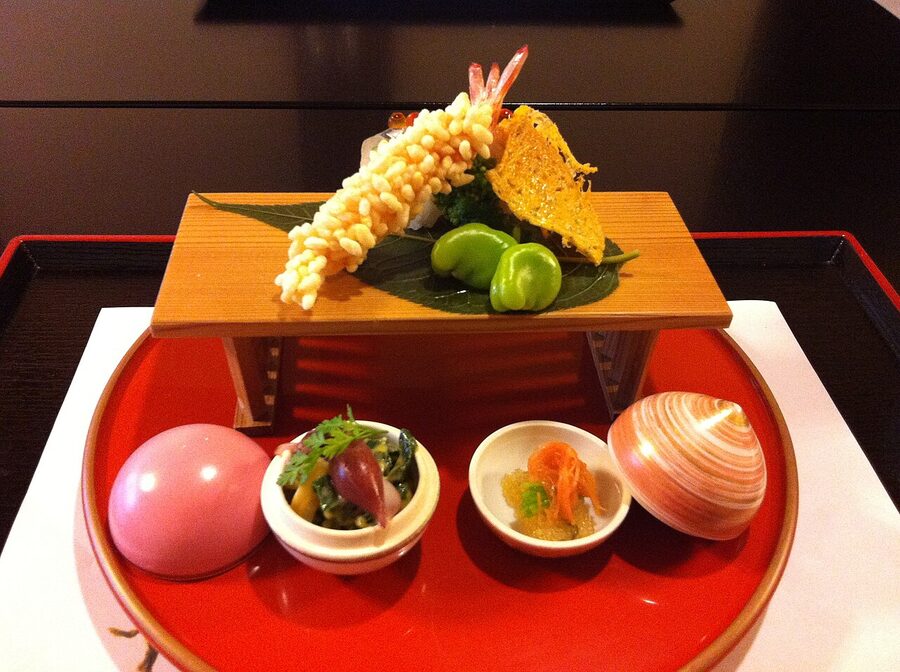
Kaiseki is Japan’s multi-course haute cuisine – typically 7 to 12 small courses, each meant to highlight a seasonal ingredient. You’ll meet it mostly at ryokans (traditional inns) and at high-end Kyoto restaurants with booking lead times of weeks. Dinners run ¥15,000-¥40,000 a head.
This is the one venue where the serious etiquette applies. Tatami floor, remove shoes at the entrance, kneel or sit cross-legged as directed. Wait to be seated. Don’t reach across the table – ask politely instead. Dishes come in a specific order, and you’re expected to eat each as it arrives rather than saving anything for later. Leaving rice or miso at the end of a kaiseki meal is considered genuinely disrespectful – it’s the one time the “finish your food” rule goes from gentle to real.
If you’re not sure what to do at any point, watch your host or the staff. They’ll often demonstrate. A good ryokan kaiseki is the kind of once-in-a-trip meal I would genuinely recommend even at its price.
Eating while walking – the one real taboo that shifts by neighbourhood
This is the cultural rule people get most wrong. Eating while walking is genuinely frowned on in most of Japan, not because it’s unhygienic but because it clutters the pavement, litter ends up on the street, and it’s seen as careless. The unwritten rule is that you stop next to the stall or shop where you bought the food, eat it there, and put the wrapper in the shop’s bin.
The one exception is street-food zones – Asakusa Nakamise Street, Harajuku’s Takeshita Street, parts of Shibuya – where everyone eats crepes, skewers and ice cream on the hoof because the stalls are designed for it. Even there, you’re expected to stand to the side, not block traffic, and find a bin within the next block. You’ll see posted signs asking you not to walk and eat. They mean it gently, but they mean it.
A quick kaiten-zushi warning about sharing
I said this at the top, but it’s the one thing I see foreign groups get most wrong at kaiten-zushi, so it’s worth spelling out. A single plate of nigiri at Kura Sushi or Hamazushi is two pieces. It’s designed as one portion. If you’re four people sharing one plate, you’re each getting half a piece of sushi, which is awkward both physically and because the belt/iPad system is built around one-order-per-person. The right move is one plate per person per round of ordering. At ¥120-¥180 a plate, you can afford it.
What I actually worry about
After a few hundred meals in Tokyo, here’s what I actually pay attention to vs what I’ve stopped caring about.
- What matters: the four chopstick don’ts, paying at the register not the table, not tipping, finishing the rice, being quick at ramen counters.
- What kind of matters: a soft itadakimasu/gochisousama, pouring for others at group dinners, bowing slightly at the door on the way out.
- What doesn’t matter: chopstick grip, dipping rice-side vs fish-side, using your face oshibori, asking for a fork, paying with ¥10,000 notes, ordering from the kaiten iPad instead of the belt, not speaking any Japanese at all.
Practical info block
- Tipping: never. High-end places may add 10-15% service charge.
- Payment: at the register near the door, not at the table. Small places are still cash-only. Major chains take cards and IC (Suica/Pasmo).
- Meal times: ramen shops 11:00-14:00 and 18:00-22:00; izakaya 18:00-24:00 (last order often 23:00); kaiseki dinners typically start 18:00-18:30.
- Reservations: essential for kaiseki and high-end sushi; useful for mid-range restaurants on weekends; not needed for ramen, kaiten-zushi, or most izakaya.
- Otoshi cover charge: ¥300-¥500 per person at izakaya, added automatically.
- Smoking: banned indoors by default since 2020, but older small izakaya (under ~100sqm, registered before the law) are exempt. Look for the sticker on the door.
- Allergies/dietary needs: call ahead or write them on a small card. English-language allergy cards are easy to find online.
What I’d do on a first-week dinner in Tokyo
If I were showing a friend around and trying to hit the real etiquette landmarks without stressing anyone out, here’s the sequence I’d run:
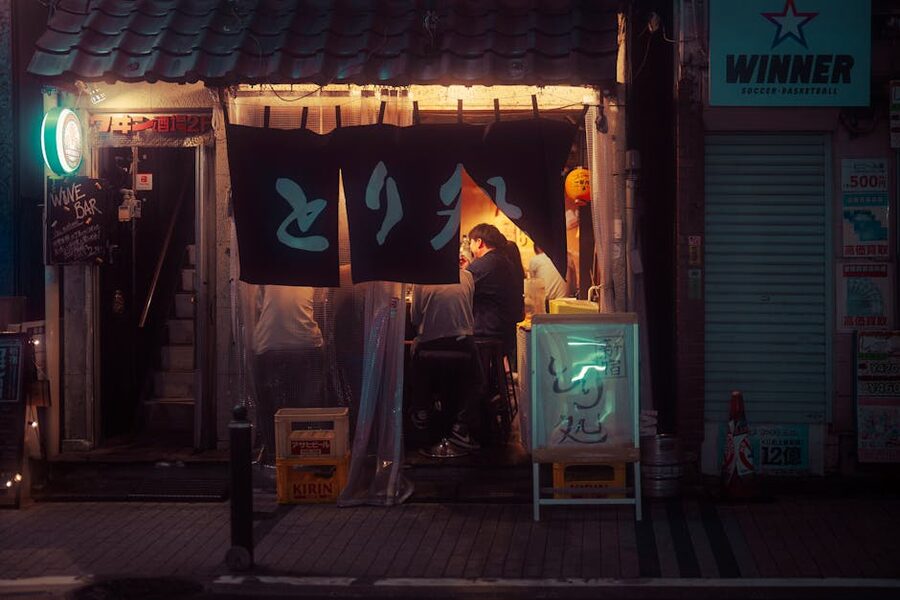
- Lunch: a ramen counter in Shinjuku or Shibuya. Ticket machine, slurp, finish the noodles, skip the broth if you can’t face it, pay with the ticket alone.
- Afternoon snack: a conveyor-belt sushi in Akihabara at Kura or Hamazushi. Try the iPad, get the same plate twice, stack your plates visibly, leave with the chit.
- Dinner: a small izakaya in the yokocho alleys near Shinjuku’s Omoide Yokocho or Ebisu Yokocho. Get comfortable with otoshi, pour for each other, finish the last yakitori stick.
- Final course: on your last night, a kaiseki dinner at a ryokan if you’re doing a Hakone or Kyoto overnight. That’s where the formal rules actually show up, and that’s where all of this etiquette clicks into place.
If you want more reading on how the venues connect to each other, my guide to Tokyo restaurant reservations covers when you actually need one, and my general Japan do’s and don’ts covers the non-dining stuff – shoes, trains, shrines – that sits alongside all this.
The official Japan National Tourism Organisation page on Japanese etiquette and Tokyo’s own Go Tokyo manners guide are both short, sensible, and blessedly free of the panic that most English-language etiquette blogs specialise in. Start there if you want a second opinion on anything I’ve said above.