
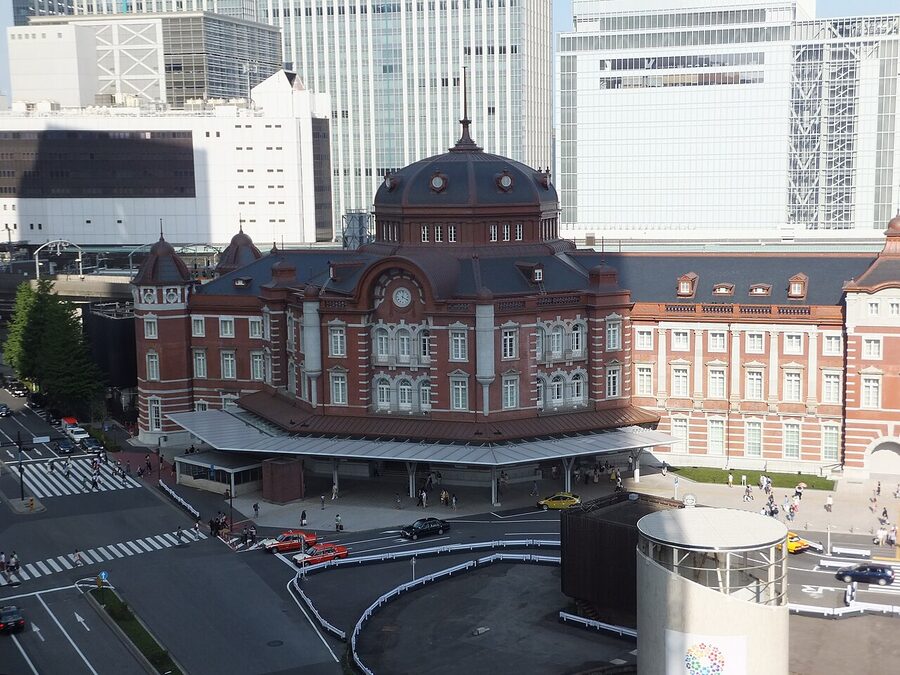
The Marunouchi facade of Tokyo Station was completed on 20 December 1914. It survived the 1923 Great Kantō earthquake that flattened most of what you see around it today, and it survived the 1945 firebombing that the rest of the third floor and both rooftop domes did not. When you stand in front of it now, you’re looking at one of the only prewar buildings left in central Tokyo. That’s the reason this station doesn’t feel like any other station in Japan. It feels like a small European city that somehow ended up on the Marunouchi side of the Yamanote Line.
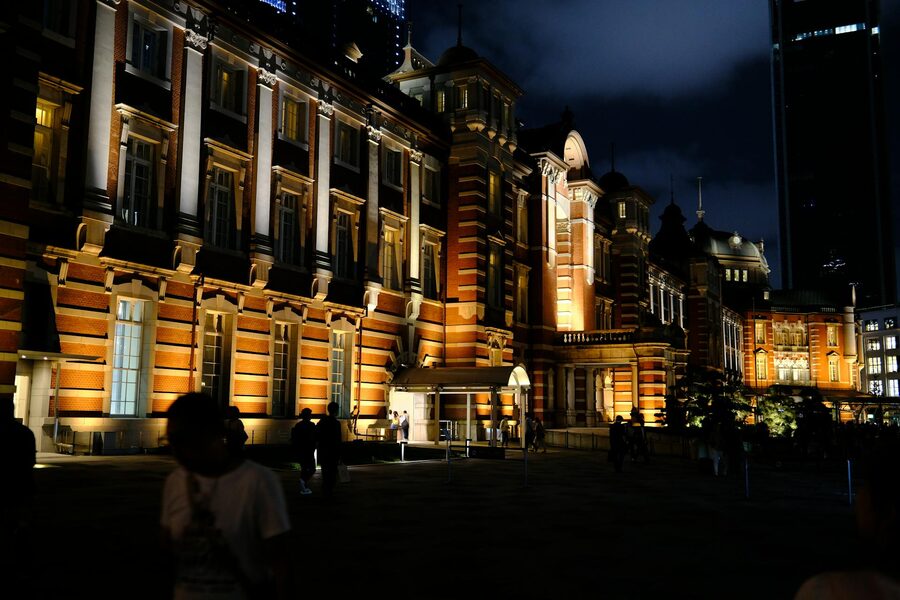
I’ve walked through Tokyo Station maybe thirty times and for the first five or six visits I treated it as exactly what it looks like on a map: a big transfer node to swap trains at on the way to Kyoto or Sendai. The brick building was pretty, but I didn’t really stop. Then one afternoon I was early for a Shinkansen, wandered the wrong way out of a ticket gate, and ended up under the north dome looking up at a ceiling with twelve zodiac reliefs staring back at me. I stood there for about ten minutes. Then I missed my train.
That’s the thing no one quite warns you about with Tokyo Station. It looks like a transit hub. It is, in the most literal sense — it’s the zero-mile point of Japan’s railway network, the terminus for five of the country’s Shinkansen lines, and roughly 434,500 people board JR East trains here every day. But underneath and around the brick building is a second station that isn’t a station at all. It’s a small city of 200-plus restaurants and 300-plus shops, and most tourists walk straight through it to catch a bullet train and never notice.
In This Article
- A very short history of the building you’re looking at
- The domes are the reason to stop
- Marunouchi side vs Yaesu side
- Marunouchi (west side)
- Yaesu (east side)
- Tokyo Ichibangai and the city under the city
- Tokyo Character Street
- Tokyo Ramen Street
- Tokyo Gourmet Zone and Gransta
- Daimaru and the depachika
- The Shinkansen, in one page
- KITTE Marunouchi and the Tokyo Station Hotel
- Practical info
- How I’d spend 90 minutes in Tokyo Station
- If you’re here, also consider
A very short history of the building you’re looking at
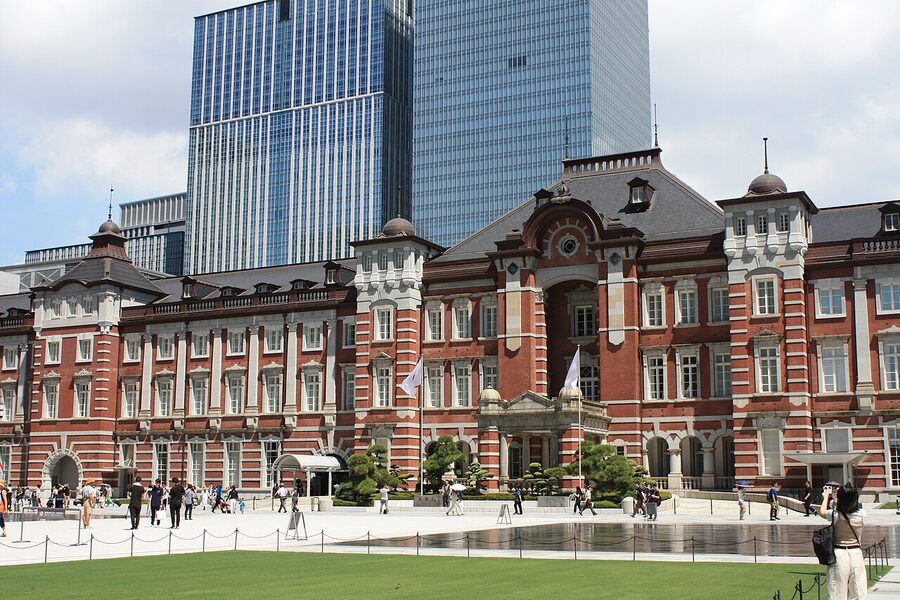
The building was designed by Tatsuno Kingo, a pioneer of modern Japanese architecture and the same man who designed the Bank of Japan headquarters across town. Construction started in 1908. It opened on 20 December 1914 as a three-storey brick station with two octagonal domes — one at the north entrance, one at the south — and a central wing in between. It was, at the time, the most ambitious railway building in Asia.
You’ll read in a lot of guidebooks that it was “modelled on Amsterdam Centraal.” That’s a long-running rumour based on a superficial resemblance; actual architecture historians, including Terunobu Fujimori who studied Tatsuno’s body of work, dispute it. What it is, genuinely, is a sister station to Amsterdam Centraal, Grand Central Terminal in New York, Beijing railway station, and Frankfurt Hauptbahnhof — a formal twinning agreement signed decades after the fact. A nice bit of trivia to drop while you’re queueing for a ticket gate.
Then two things tried to destroy it:
- The Great Kantō earthquake of 1 September 1923, which flattened most of central Tokyo and killed somewhere north of 100,000 people. Tokyo Station sustained very little damage. By 3 September, 7,925 evacuees had taken shelter inside it.
- A B-29 firebombing raid on 25 May 1945, which destroyed both rooftop domes, most of the third floor, and nearly all of the interior. The brick walls and concrete floors mostly survived.
Reconstruction finished in 1947, but they didn’t rebuild the domes. Engineers worried the weight would bring the structure down, so the station was restored as two storeys with flat angular roofs. It sat like that for sixty years. A whole generation of Tokyoites grew up thinking of Tokyo Station as a stumpy two-storey building and not the grand three-storey thing in their grandparents’ photographs.
The full restoration finally happened between 2007 and 2012. A five-year project rebuilt the third floor, recreated both octagonal domes to Tatsuno’s original design, added seismic isolation work underground, and restored the brick façade to its pre-war colour scheme. The rebuilt station reopened in October 2012. If you’re standing in front of it now and thinking “wow, this looks like a Meiji-era building that got preserved,” that’s half right — the walls are, the roof and the third floor are all fourteen years old.
The domes are the reason to stop
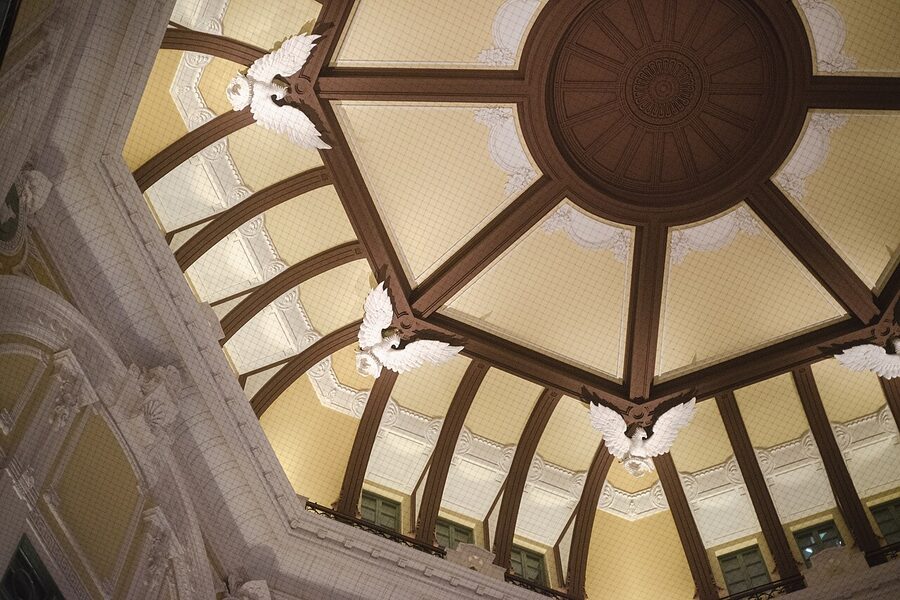
The north and south domes are genuinely the thing to see if you only have fifteen minutes inside the station. They’re open to the public, free, and accessible from both the Marunouchi North and Marunouchi South exits. You don’t need a ticket to any platform — just walk in through the main Marunouchi doors.
Each dome sits directly over the ticket gates. Look up and you’ll see:
- Eight of the twelve zodiac animal reliefs around the base of the dome, one per compass direction. The four missing animals (rat, rabbit, horse, rooster) correspond to the cardinal directions already marked elsewhere in the structure — it’s an original Tatsuno detail that got faithfully reproduced in the 2012 restoration
- Eagle reliefs at each of the four cardinal corners, holding garlands in their claws
- A honeycomb pattern radiating upward to the dome’s peak
- Restored original colours — warm off-white plaster with pale gold highlights, not the clean bright white the postwar interior used
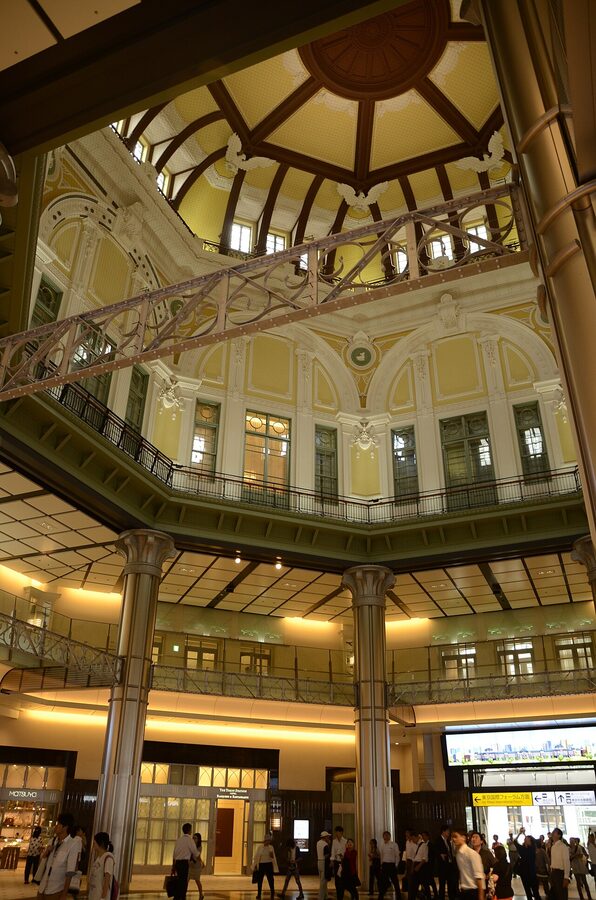
Most people walking through don’t look up. I think about one in fifty does, and they always stop mid-stride and cause a little pedestrian traffic jam. Be the one who stops.
Marunouchi side vs Yaesu side
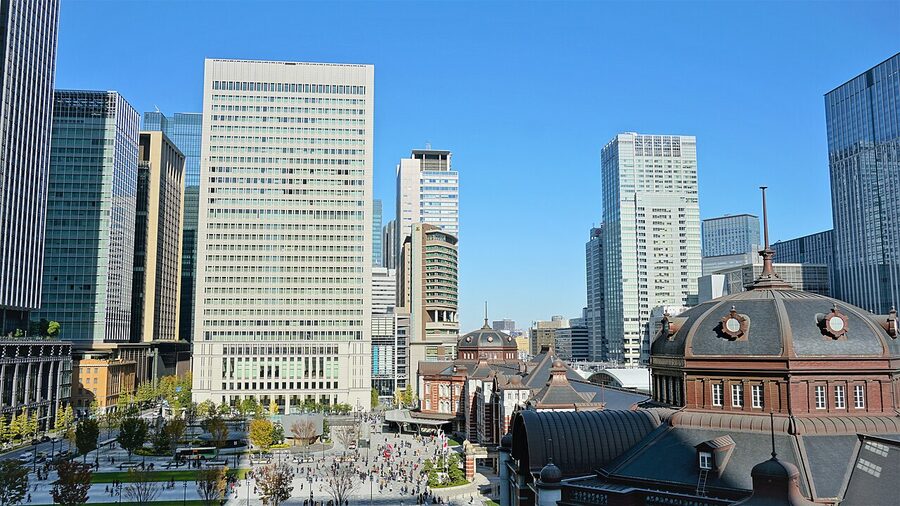
Tokyo Station has two completely different personalities and it helps to know which side you need before you commit to an exit. The station runs east-west and the two sides face completely different Tokyos.
Marunouchi (west side)
The historic, formal, Imperial-Palace side. The red-brick façade is on this side, and straight out from the central Marunouchi exit there’s a deliberate processional avenue running west to the Imperial Palace — this was the Emperor’s ceremonial route when the station opened, and during state visits today foreign heads of state are still driven along it in open carriages. Stand at the central exit and you can see the Palace moat in the distance; the trees on either side of the avenue are the grounds of the financial district.
What’s on this side:
- The Marunouchi Building (Maru Biru) and Shin-Marunouchi Building — premium dining and shopping, big brand retail
- KITTE Marunouchi — converted from the old Tokyo Central Post Office, more interesting than most shopping complexes because the outer shell is historic
- The Tokyo Station Hotel, tucked inside the brick building itself
- Tokyo Station Gallery at the north dome, a small but good modern art gallery
- The Imperial Palace East Gardens, a 15-minute walk straight ahead
Yaesu (east side)
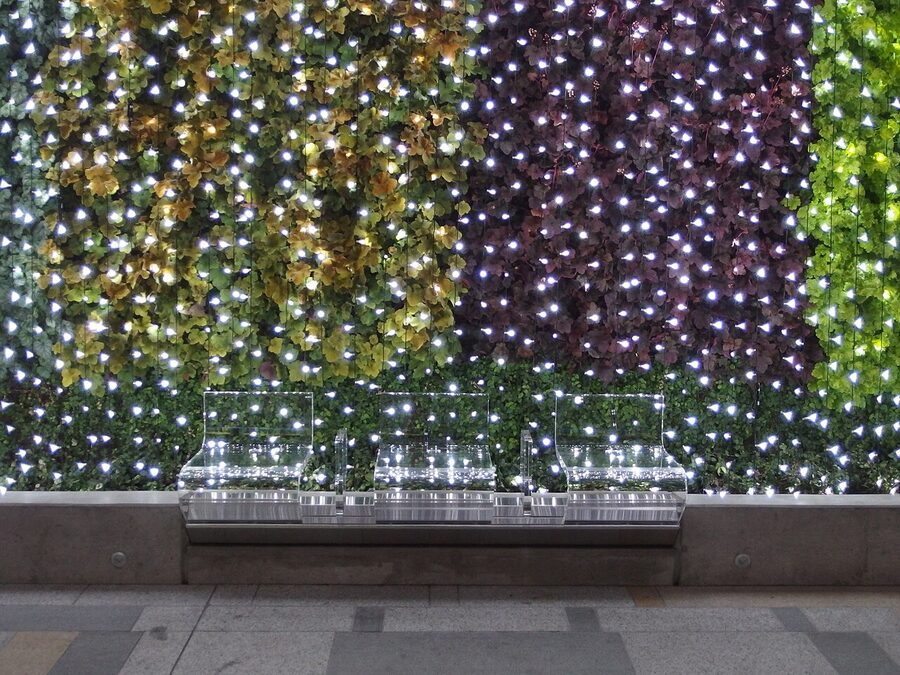
The commercial, modern, everyday-Tokyo side. The architecture flips completely: two glass towers (the GranTokyo North and South towers) connected by a curving white canopy called the Granroof, built in 2013. Underneath is a giant bus terminal, Bus Terminal Tokyo Yaesu, which opened in 2022 and handles roughly 600 highway bus departures a day to every corner of Japan.
What’s on this side:
- Daimaru Tokyo — a 13-storey department store directly connected to the Yaesu exit
- Tokyo Ichibangai — the basement shopping arcade that contains Character Street, Ramen Street and the Tokyo Gourmet Zone
- The Shinkansen platforms (they’re between the two sides but their main ticket gates are more accessible from Yaesu)
- Bus Terminal Tokyo Yaesu for long-distance buses
If your hotel is near the station and you’re coming to shop or catch a Shinkansen, head for Yaesu. If you’re coming to look at the building or walk to the Palace, head for Marunouchi. The two sides are connected by underground passageways that run the full width of the station — no one ever goes outside if they can help it, because the walk above ground between sides is 500 metres of construction hoardings and drop-offs.
Tokyo Ichibangai and the city under the city
The entire area beneath and east of the station platforms is an underground shopping grid called Tokyo Ichibangai (東京一番街, “Tokyo First Avenue”). It sits on the Yaesu basement level. The three things tourists actually come for are Character Street, Ramen Street and the Gourmet Zone, and they’re all within three minutes’ walk of each other.
Tokyo Character Street
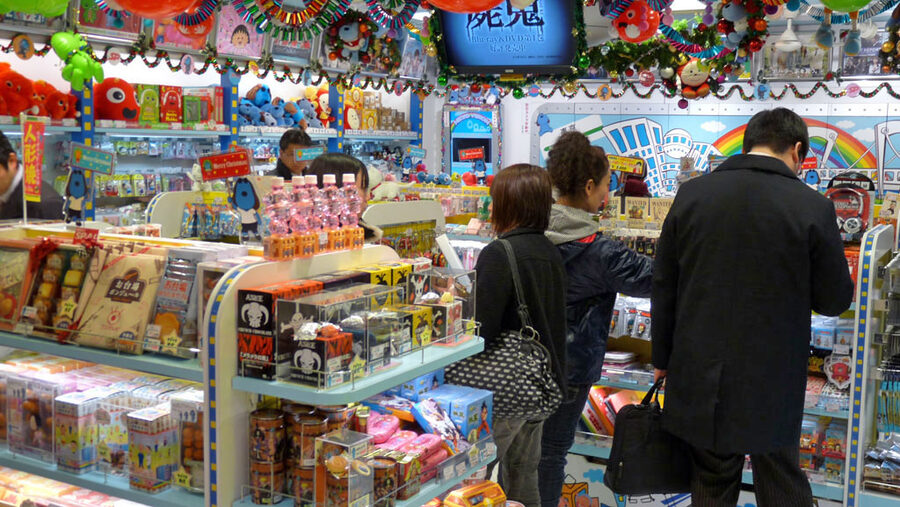
A corridor of around 30 licensed-character shops — one per major Japanese pop-culture brand. Standard opening hours are 10:00 to 20:30 for most shops. The highlights, if you have someone in your group who’s into this:
- Pokémon Store — smaller than a full Pokémon Center but does the job for a last-minute gift
- Hello Kitty Shop Tokyo Station — the one with the huge Kitty statue inside
- Donguri Kyowakoku — the official Studio Ghibli store, Totoro plushies all the way up
- Ultraman Shop and Shonen Jump Shop for the classic-anime crowd
- TV station shops — TV Tokyo, TBS, NHK each have their own shop with their mascot merch
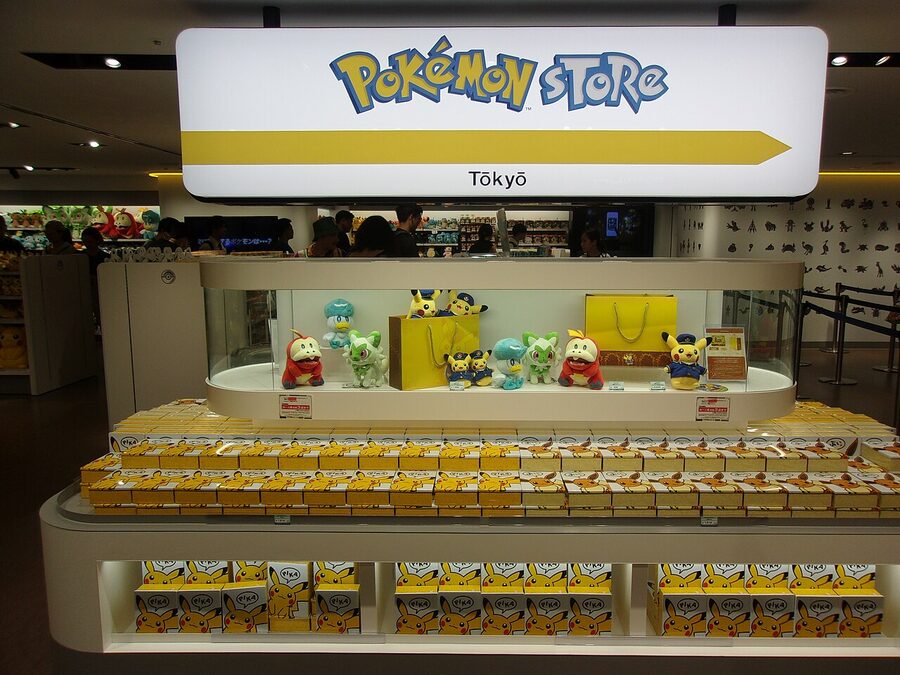
Honest opinion: if you aren’t already a fan of the specific brands on offer, skip it. Fifteen minutes of wandering and you’ll have seen the novelty. It isn’t a place to linger.
Tokyo Ramen Street
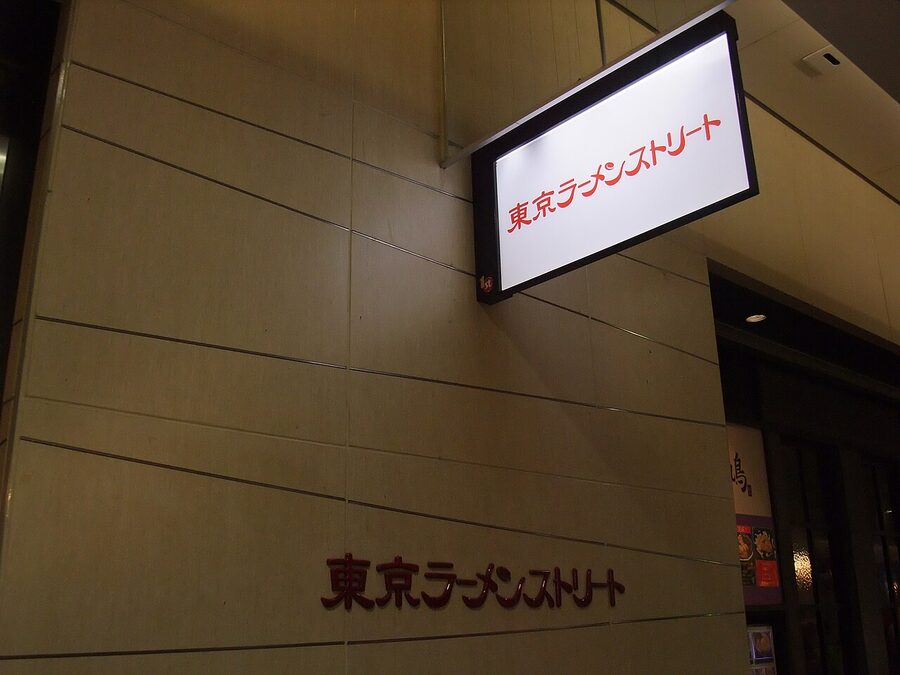
Eight ramen shops chosen to represent different regional styles, all in one corridor. The lineup changes occasionally but usually includes:
- Rokurinsha (六厘舎) — tsukemen (dipping ramen) with a thick pork-and-fish broth. This is the queue you will see from down the corridor. Rokurinsha’s main shop in Tokyo’s Onarimon is where they opened in 2005, and this branch is the reason 90-minute lines exist here
- Tokyo-style shoyu ramen — usually represented by shops like Ikaruga or Shichisai
- Sapporo-style miso — a Hokkaido-flavour option
- Tonkotsu (pork bone) — a Kyushu-style white broth
- Tantanmen — the spicy Sichuan-derived Tokyo interpretation
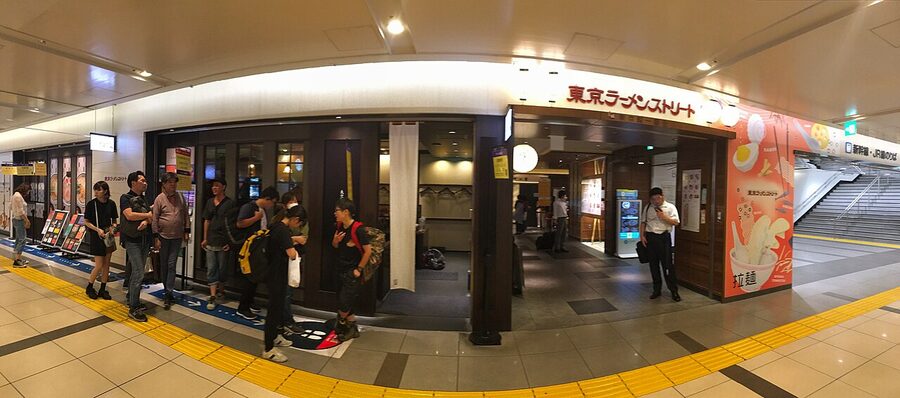
Bowls are typically ¥1,000–¥1,500. Most shops only take cash or IC card at the ticket machine — you punch the button for your bowl, get a paper ticket, hand it to the counter staff when a seat opens up. Seating is counter-only. It is fast and very Japanese in the best way.
Tokyo Gourmet Zone and Gransta
The Gourmet Zone is the rest of the Ichibangai basement beyond the themed streets — roughly 40 restaurants covering everything from sushi to conveyor-belt yakitori to matcha parfaits. Less of a destination, more of a “you could eat here for a week and not repeat.”
Gransta (グランスタ) is the big JR East-run shopping complex inside the ticket gates — this is the one you can only access if you have a valid JR ticket through the gates. It’s genuinely enormous: multiple floors, hundreds of shops, a specific section for ekiben (station bento boxes) that’s one of the best in Japan. If you’re catching a Shinkansen, go through the gates 30 minutes early on purpose and spend it in Gransta. The ekiben shop Ekibenya Matsuri carries 170+ types of bento from across Japan — that’s lunch sorted for the ride.
Daimaru and the depachika
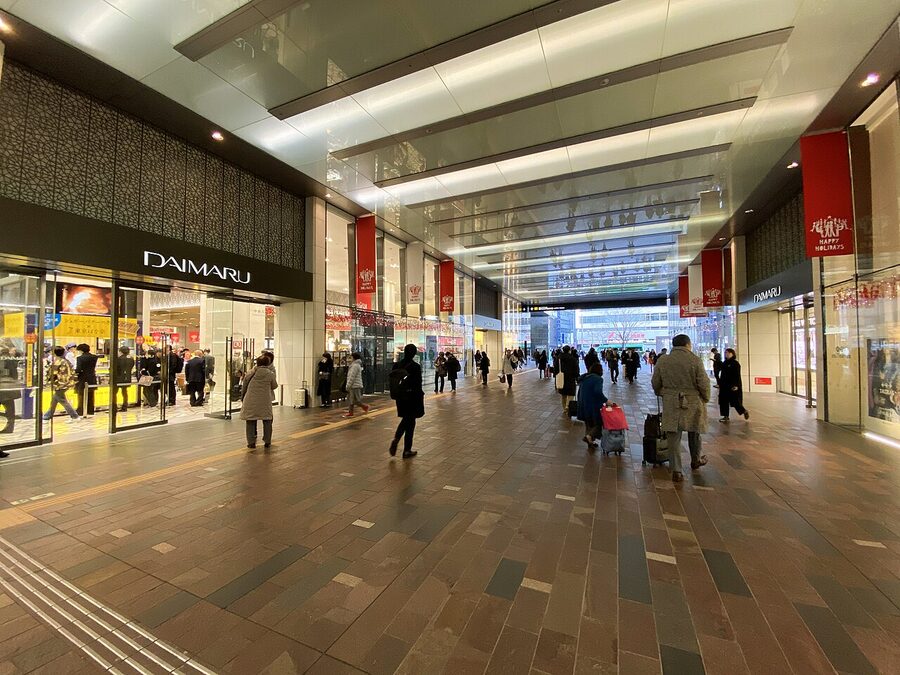
Daimaru Tokyo connects directly to the Yaesu exit and runs over 13 floors. The basement-level food hall (depachika) is the destination — imagine Harrods Food Halls but denser, more Japanese, and mostly aimed at end-of-day commuters grabbing something for dinner. From about 19:00 the bento and prepared-food counters start marking down; you can get a ¥2,000 bento for ¥800 if you’re willing to stand in the queue.
The Shinkansen, in one page
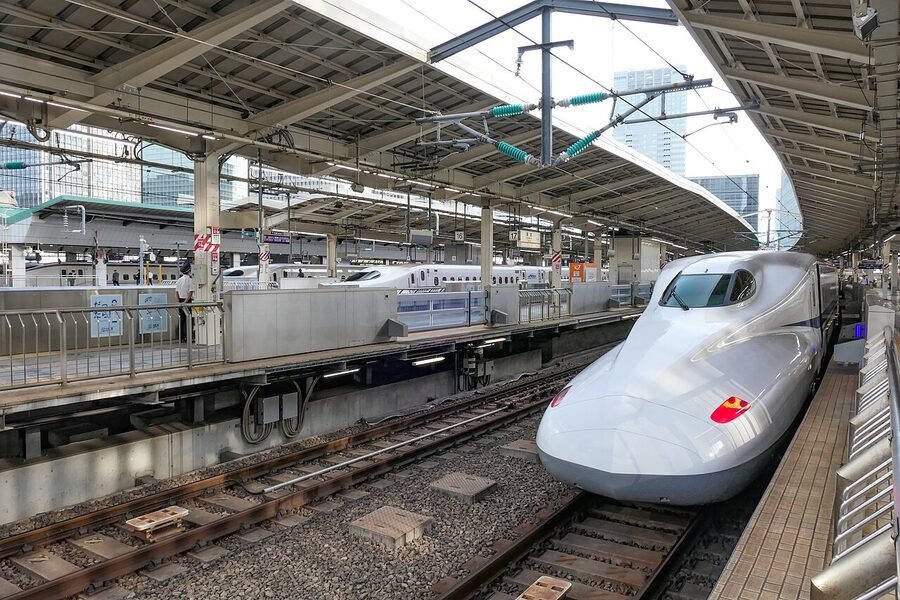
Tokyo Station is the terminus for five Shinkansen lines covering basically all of Honshu:
- Tōkaidō Shinkansen (JR Central, platforms 14–19) — runs south-west to Nagoya, Kyoto, Osaka, Okayama, Hiroshima, all the way to Hakata in Kyushu. The Nozomi is the fastest, Hikari is next, Kodama stops everywhere. For a Tokyo–Kyoto trip you want a Nozomi, about 2h 15m
- Tōhoku Shinkansen (JR East, platforms 20–23) — runs north to Sendai, Morioka, Aomori, eventually Shin-Aomori and onward by Hokkaido Shinkansen to Hakodate and Sapporo
- Jōetsu Shinkansen (JR East) — runs to Niigata on the Sea of Japan coast
- Hokuriku Shinkansen (JR East) — runs to Kanazawa and Tsuruga via Nagano
- Yamagata and Akita Shinkansen (JR East) — mini-shinkansen lines that branch off the Tōhoku line; they use the same platforms at Tokyo Station
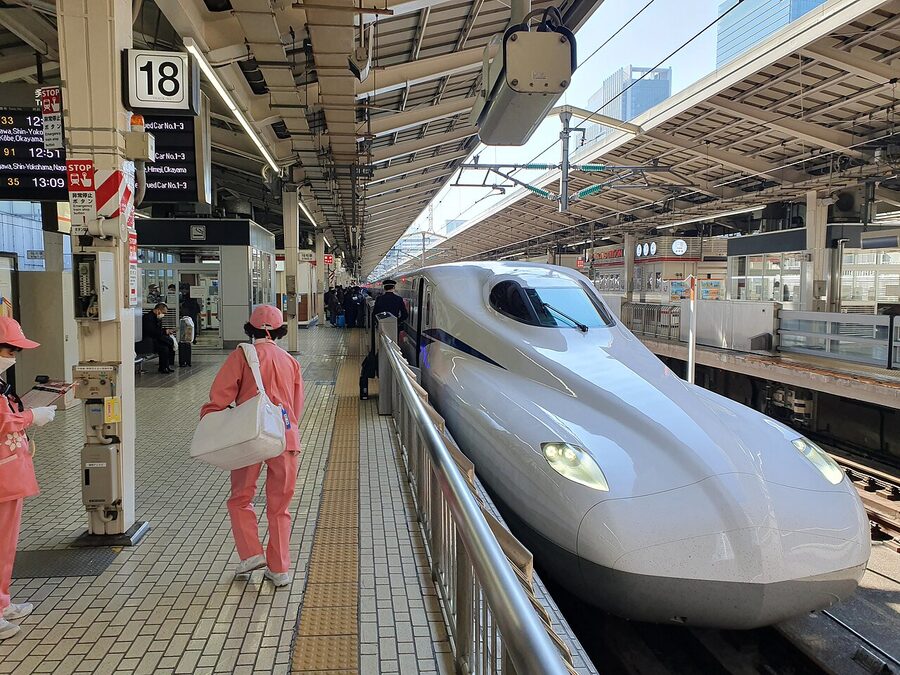
If you’ve got a JR East Pass or a JR Pass, you activate or exchange it at the JR East Travel Service Center inside the Marunouchi North building — the queues here are reasonable on weekday mornings but can hit 40 minutes on Sunday evenings when international arrivals pile up.
Buying a Shinkansen ticket at the machines, if you don’t have a pass:
- Touch the English button on the ticket machine screen
- Select “Reserved Seat” (指定席) unless you really want to save ¥320 and sit on a fold-down seat in the unreserved carriages
- Pick destination — Kyoto, Osaka, etc. — from the on-screen list
- Pick the train time. The machine shows the next four or five departures
- Pay by IC card, credit card, or cash — all three work
- You get two tickets out of the machine: the base fare ticket and the Shinkansen supplement ticket. Insert both into the gate at the same time, side by side
The Narita Express (N’EX) also terminates here — platforms are on the Sobu Line underground level. About 53 minutes to Narita Airport. If you’re heading back out of Japan with a JR Pass, the N’EX is covered and it’s the single best way to the airport. To Haneda, the JR + Tokyo Monorail combo is about 30 minutes and also partly covered.
KITTE Marunouchi and the Tokyo Station Hotel
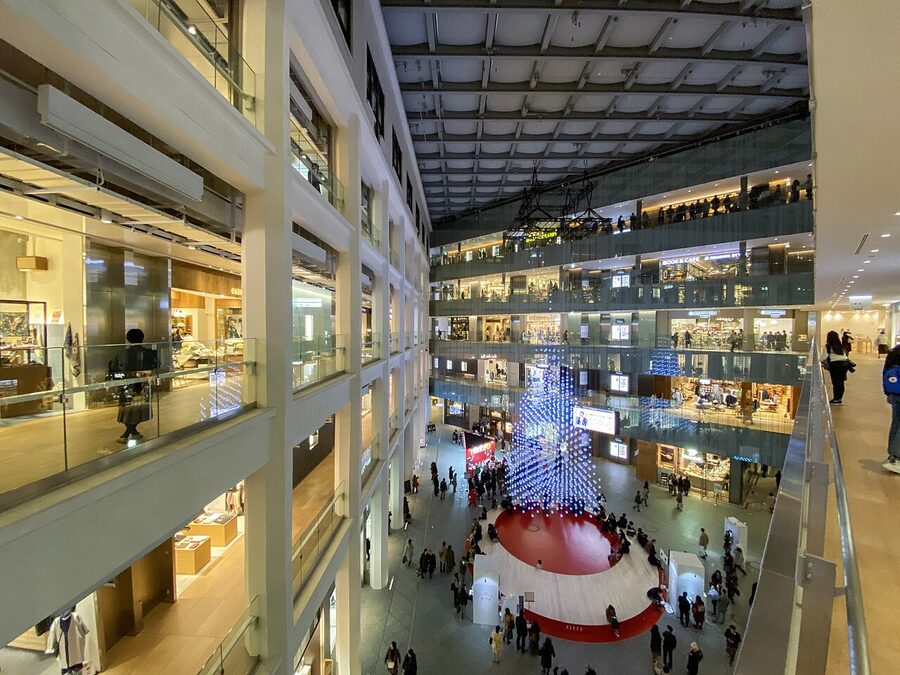
KITTE Marunouchi is a shopping complex in the renovated Tokyo Central Post Office building, directly opposite the Marunouchi façade. The name is a pun — kitte means postage stamp. The interior architecture of the atrium is genuinely striking: a six-storey triangular glass atrium inside a 1931 modernist shell. There are around 100 shops across seven floors, mostly Japanese brands and crafts, a lot of them hard to find elsewhere in Tokyo.
The single reason to come here as a traveller isn’t the shopping. It’s the sixth-floor KITTE Garden rooftop. Free entry, open until 23:00 most nights, and it’s at the exact height and angle to look straight across at the Tokyo Station Marunouchi façade. Come at dusk. Watch the warm lights come on. Walk back to the Palace or down to Ginza after.
The Tokyo Station Hotel is inside the brick building itself — the lobby is open to non-guests and worth fifteen minutes. The interior of the south dome opens into a hotel hallway you can walk through. Rates if you’re staying are from around ¥55,000 a night, which is a lot, but not unreasonable for sleeping inside a national cultural property. If you can’t justify the room, walk into the lobby lounge and order a tea. The room with the framed Emperor Showa photograph is the one.
Practical info
- Address: 1 Marunouchi, Chiyoda, Tokyo 100-0005
- JR lines: Yamanote, Keihin-Tōhoku, Chūō, Sōbu Rapid, Yokosuka, Keiyō, and five Shinkansen lines
- Tokyo Metro: Marunouchi Line (M17, directly under the Marunouchi side)
- Narita Express: terminates here (Sobu Line platforms, basement 5)
- Main exits: Marunouchi North, Central, South (west side); Yaesu North, Central, South (east side); Nihonbashi (northeast)
- Character Street: 10:00–20:30 daily
- Ramen Street: 07:30–23:00 daily (individual shops vary; peak queues 12:00–14:00 and 18:00–20:00)
- KITTE Marunouchi: shops 11:00–20:00, restaurants 11:00–22:30
- Tokyo Station Gallery: 10:00–18:00, closed Mondays except public holidays, ¥1,300 adult admission
- Luggage storage: coin lockers everywhere, plus the JR EAST Travel Service Center Baggage Storage at the Marunouchi North exit for large items
- Platform ticket: ¥140 adult, ¥70 child — if you just want to go inside the gates to see the domes from the platform level without riding a train
Official site for the whole complex: tokyostationcity.com. Tokyo tourist board entry: gotokyo.org. JR East’s station guide with full platform maps: jreast.co.jp.
How I’d spend 90 minutes in Tokyo Station
The setup: you’ve got a Shinkansen to catch in about an hour and a half. Here’s the route I actually walk when I’m early.
- 00:00–00:10 — Walk through the north dome. Enter from the Marunouchi North exit if you’re outside, or come up from the Marunouchi Line if you took the Metro. Look up. Spot your zodiac animal
- 00:10–00:25 — Cross over to KITTE. Out the Marunouchi Central exit, across the plaza, into KITTE. Take the lift to the sixth-floor KITTE Garden. Look back at the station. Take one photo and then stop taking photos
- 00:25–00:45 — Back through the central underground passage to Yaesu. Pick up a souvenir at Daimaru depachika or a sweet at Kyougashi Morihachi. Or grab an ekiben for the ride if you’ve already got your Shinkansen ticket
- 00:45–01:00 — Tokyo Ramen Street if there’s room. Pick whichever shop has a queue of under ten. Ticket, seat, bowl, eat. Fifteen minutes if you don’t linger
- 01:00–01:15 — Gransta if you have a Shinkansen. Go through the Shinkansen gate. Ekibenya Matsuri for a bento and a bottle of tea, then walk to your platform
- 01:15 — Train
That’s enough of Tokyo Station for most first visits. If you’ve got more time, the Imperial Palace East Gardens are 15 minutes’ walk west, and if you want to stay in the area try a budget-conscious hotel like Hamacho Hotel — it’s in the next neighbourhood over and a 10-minute subway ride back to Tokyo Station.
If you’re here, also consider
Ginza is a 10-minute walk south from the Yaesu exit — if you’ve got an hour to kill and want luxury department stores or the Sony Building, go. Asakusa is 25 minutes on the Ginza Line from Nihonbashi (one stop east of Tokyo Station on the Ginza Line) — old Tokyo, the Sensō-ji temple, and a completely different energy from the Marunouchi business district. The Meiji Shrine is further out — Yamanote Line to Harajuku, about 25 minutes — but if you want “green Tokyo” as a contrast to the station’s chrome-and-brick formality, that’s the one.
One last thing. On the Shinkansen platforms there’s a small metal post marking the zero-kilometre point of Japan’s railway network. Every distance on every JR timetable — every “X km from Tokyo” sign on every Shinkansen station across the country — is measured from that one post. Platform 18, approximately two-thirds of the way along, next to where the first car stops. Most people walk past without noticing. I didn’t notice it for six visits. Now I pat it on my way through.