
Reviewed · TOKYO
Tokyo Local Tattoo Friendly Public Bath Experience
Tokyo’s public baths are a great place to experience daily Japanese life, but tattoos can make entry difficult. This tattoo-friendly sento near Nippori removes that worry and gives you a clear introduction to bathing customs before you step inside.
I like the practical setup: your admission, bath towels, hand towel, shampoo, and body soap are covered. I also like the personal guidance from English-speaking hosts such as Annie and Anna, who help first-timers handle the awkward part, getting comfortable with a communal bath.
The main drawback is simple but important: you must be comfortable bathing without clothes. The experience is also short, usually one to two hours, so it is focused on the bath rather than a full neighborhood tour.
In This Review
- Key points at a glance
- Why a tattoo-friendly sento matters in Tokyo
- Meeting at Nippori Station
- Getting comfortable with Japanese bathing etiquette
- Inside the local bath
- The guide makes the biggest difference
- What the $39.02 price buys you
- Timing, clothing, and personal comfort
- Who will enjoy this experience most
- Cancellation and simple planning advice
- Should you book the Tokyo tattoo-friendly bath experience?
- FAQ
- Is the public bath tattoo-friendly?
- Where does the experience begin?
- Where does the experience end?
- How long does the activity last?
- What is included in the price?
- Are food and drinks included?
- How many people can join the activity?
- Is the experience suitable for first-time bathers?
- Can I join during my period?
- What is the cancellation policy?
Key points at a glance
- Tattoo-friendly access: A useful choice if tattoo rules have blocked you from other Japanese baths.
- Meet at Nippori Station: The starting point is at 2-chōme-19-4 Nishinippori, close to public transportation.
- Guidance before bathing: An English-speaking guide explains Japanese bathing etiquette and helps you get settled.
- Towels and soap included: You receive a bath towel, hand towel, shampoo, and body soap.
- Small group size: The experience allows a maximum of 10 people, keeping the introduction fairly personal.
- Optional drink or snack afterward: You can unwind locally after the bath, though food and drinks cost extra.
Why a tattoo-friendly sento matters in Tokyo
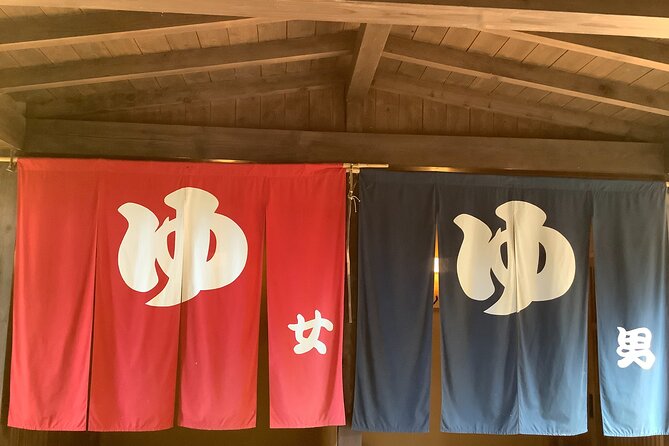
Japanese bathing culture is easy to misunderstand from the outside. A sento is a public bath used by local residents, while an onsen traditionally refers to a bath fed by natural hot spring water. The supplied details describe this experience as a local sento, although the accompanying descriptions also use the word onsen.
The key point for you is access. Many Japanese hot springs and public baths restrict visible tattoos, even when the tattoo is small or fully healed. This experience takes place at a bath that welcomes tattooed bathers, so you can focus on the customs and the quiet soak instead of worrying at the entrance.
That makes the tour useful for more than tattoo access. If you are new to Japan, the guide gives you a cultural framework for something that can otherwise feel confusing. You learn what to do before entering the bath, how to behave once inside, and how to enjoy the water respectfully.
I also like that the setting is described as retro and local rather than polished for international tourism. You are not simply visiting a spa built around foreign expectations. You are being shown a familiar part of Tokyo life, with the guide acting as your bridge into it.
If you're still narrowing it down, here are other tours in Tokyo we've reviewed.
Meeting at Nippori Station
The experience begins at Nippori Station, with the meeting location listed as 2-chōme-19-4 Nishinippori, Arakawa City, Tokyo 116-0013. The ticket redemption point is also given as Nippori Station, so check the exact instructions sent with your booking before setting out.
Nippori is a useful starting point because it is near public transportation. You do not need to arrange a separate hotel pickup, and the activity ends back at the meeting point. That makes it easier to fit the bath into a day of sightseeing without being left in an unfamiliar part of Tokyo afterward.
Allow enough time to find the meeting point. A station in Tokyo can have several exits and a steady flow of people, so arriving early is sensible. The listed stop at Nippori is only five minutes for the meeting portion, which suggests that the main activity begins promptly after everyone gathers.
The group can include up to 10 people. That is small enough for questions and basic personal help, though it is not a private bath booking. If you want total privacy, this is not the right format. If you want guidance without joining a large bus tour, the group limit is a fair compromise.
Getting comfortable with Japanese bathing etiquette
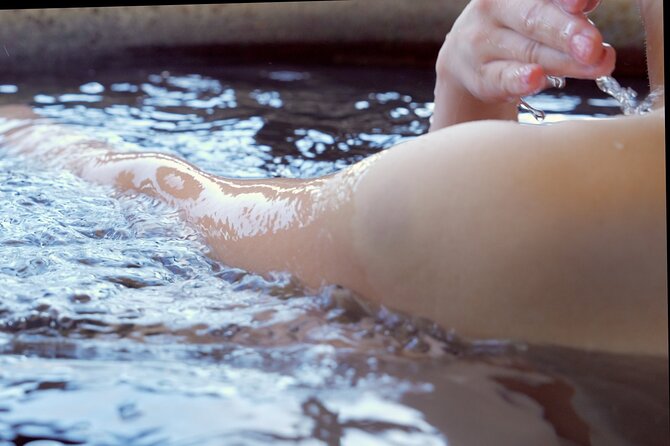
For many first-timers, the hardest part comes before the relaxing part. The idea of changing clothes and bathing in a shared space can feel exposed, especially if you do not know what is expected.
Your English-speaking guide explains the process before you enter. This is one of the strongest reasons to book the experience rather than simply finding a public bath on your own. You can ask questions in English and avoid guessing about basic manners.
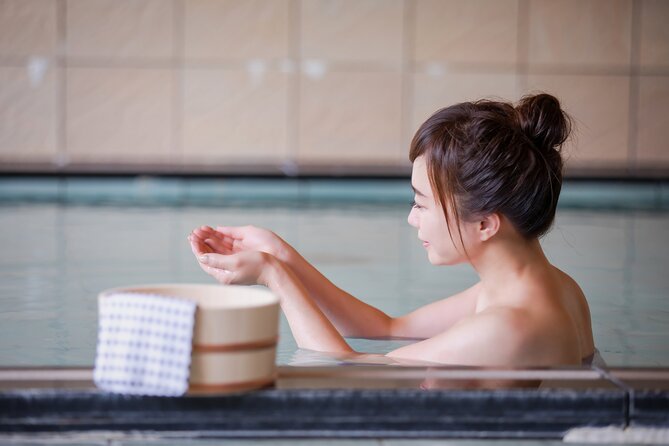
The etiquette guide is not a minor extra. In a Japanese public bath, the usual rhythm is to wash before entering the shared water, keep towels out of the bath, and avoid treating the soaking area like a swimming pool. The supplied information confirms that bathing etiquette is explained in English, but it does not list every rule, so listen closely to your guide at the venue.
A towel set is provided, including a bath towel and a hand towel. Shampoo and body soap are also included. That keeps you from having to pack a full washing kit or worry about finding the right products after you arrive.
You should still expect to remove all clothing before using the bathing area. This is the one point to consider honestly before booking. One account of the experience describes the initial nerves about being naked, followed by enjoyment of the bathing ritual and several types of baths. If that first hurdle sounds manageable, the guide should make it easier.
Inside the local bath
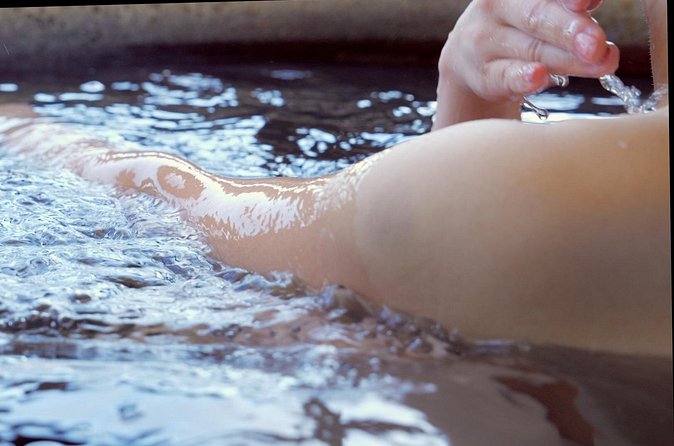
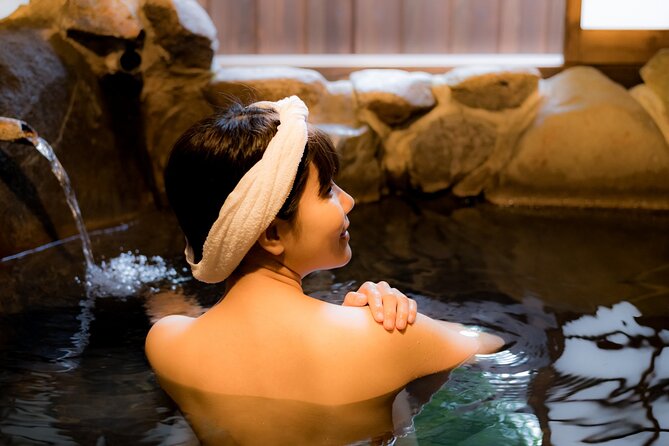
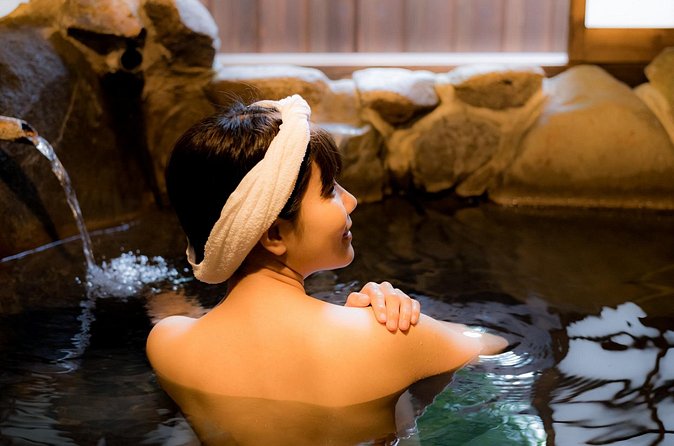
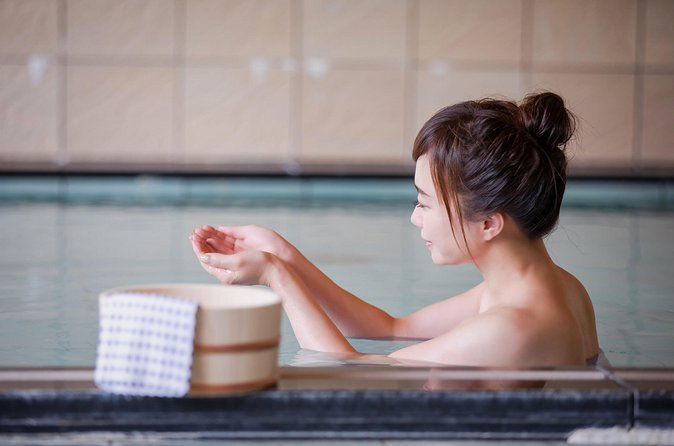
The bath itself is the heart of the outing. The setting is described as a retro, neighborhood sento with healing waters and a peaceful atmosphere. The details do not specify the exact baths, temperatures, or facilities, so you should not book expecting a particular sauna, outdoor pool, or hot spring mineral treatment.
What you can count on is a traditional communal bathing experience in a tattoo-friendly setting. The value comes from the setting and the customs, not from a long list of luxury features.
I like the pace here. You are not being hurried through a photo stop, and the duration of one to two hours gives you time to receive the explanation, bathe, and settle down afterward. At the same time, the experience is not so long that it takes over your entire day in Tokyo.
The atmosphere may suit you if you want a calm cultural break between major sights. A sento is not a sightseeing attraction in the usual sense. There may be no dramatic view or famous landmark. Instead, the interest is in doing something ordinary and local with enough guidance to understand it.
The tour description also notes a variety of baths in the experience. Since exact bath types are not specified, treat that as a general feature rather than a promise of a particular facility. Your guide can explain what is available when you arrive.
The guide makes the biggest difference
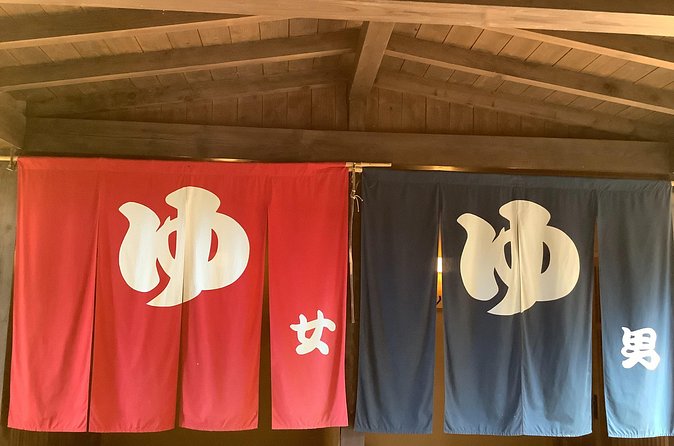
The guide is not just there to lead you from the station. For a first visit, the guide helps with the social and practical details that can otherwise create stress.
Annie is specifically praised for being kind, funny, and reassuring when a participant felt nervous. Anna is also named as a guide who led a small group through the traditional bathing experience and helped everyone become comfortable. Guide assignments can vary, so you should not assume one particular person will lead your booking, but these names show the warm, hands-on style the experience aims for.
That personal tone matters. A written etiquette sheet can tell you what to do, but it cannot reassure you when you are standing outside the changing room wondering if you have missed a rule. An English-speaking guide can explain the process in plain language and help you move through it without embarrassment.
After bathing, you can optionally enjoy a local drink or snack and receive suggestions for lesser-known Tokyo spots. Food and drinks are not included, and the supplied information does not promise a particular snack or venue. Think of this as an informal add-on, not a meal or a second tour.


What the $39.02 price buys you
At $39.02 per person, this is not the cheapest way to enter a public bath. The bath admission alone would likely be less than the full tour price, but the fee includes several useful items: entrance, towel rental, shampoo, body soap, etiquette instruction, and an English-speaking guide.
The real value is the reduction in uncertainty. If you already speak Japanese, understand sento customs, and know a tattoo-friendly bath to visit, you may prefer to go independently. You would then avoid paying for instruction and accompaniment.
For a first visit, I think the price is easier to justify. You are paying for access, equipment, translation, and cultural context in one short outing. The small maximum group also helps. You are not paying for a large coach, a full-day itinerary, or a string of unrelated stops.
The experience is booked an average of 20 days ahead, which suggests that planning early is wise, particularly if your Tokyo schedule is fixed. Confirmation normally arrives when you book. If you reserve within one day of the activity, confirmation comes as soon as possible and depends on availability.
Timing, clothing, and personal comfort
The listed duration is approximately one to two hours. That estimate includes the guided portion and the bath, but the exact pace may vary with the group and the time spent soaking.
You should plan this as a compact activity rather than a full evening program. It can fit between sightseeing plans near Nippori, but leave breathing room around it. Bathing is more enjoyable when you are not watching the clock.
The experience is not suitable for participants during their period. This is stated as a firm restriction, so factor it into your plans before booking.
The most important personal question is comfort with communal nudity. You will not be bathing in a swimsuit based on the traditional format described. If you are unsure, remember that the guide is there to explain the process, but no guide can remove the basic nature of a public bath.
Who will enjoy this experience most
I would recommend it most strongly to:
- Tattooed visitors who want a Japanese bath without spending time checking individual tattoo policies.
- First-time visitors who feel unsure about bathing etiquette.
- Solo visitors who want an organized cultural activity with a small group.
- Couples or small groups who want to share a distinctly Japanese experience.
- People who prefer ordinary neighborhood culture to major sightseeing stops.
It may be less suitable if you want complete privacy, a luxury spa, a long massage, or a detailed tour of Nippori. It is also not ideal if you cannot take part in communal bathing or do not want to bathe without clothing.
The activity is open to most people, and its location is near public transportation. The supplied information does not give detailed accessibility specifications, so contact the provider if you have mobility needs that require a precise answer.
Cancellation and simple planning advice
You can cancel for a full refund up to 24 hours before the local start time. Cancellations made within 24 hours are not refunded, and changes during that period are not accepted.
For planning, wear something easy to change out of and bring only what you need. The tour provides towels and bathing products, but the supplied details do not specify storage arrangements, changing-room amenities, or a dress code beyond the bathing format. Follow the guide’s instructions rather than assuming every detail will match a bath at home.
Meet at Nippori Station and return there at the end. Since the bath is the main event, avoid packing the schedule with a distant reservation immediately afterward.
Should you book the Tokyo tattoo-friendly bath experience?
Book this experience if you want a guided introduction to a traditional Tokyo sento and would rather not face tattoo policies or etiquette questions alone. The included towels and soap are convenient, but the English-speaking guide is the main reason to pay the extra cost.
I would especially choose it for a first Japanese bath, a solo visit, or a small group that wants a local activity with a gentle introduction. The kind, reassuring approach associated with guides such as Annie and Anna is useful when the idea of communal nudity makes you nervous.
Skip it if you want a private spa, a long wellness treatment, or complete control over the timing. For everyone else, this is a focused and practical way to experience Japanese bathing culture in Tokyo, with tattoo access and clear guidance built into the visit.
FAQ
Is the public bath tattoo-friendly?
Yes. The experience takes place at a public bath that welcomes people with tattoos.
Where does the experience begin?
It begins at Nippori Station, at 2-chōme-19-4 Nishinippori, Arakawa City, Tokyo 116-0013, Japan.
Where does the experience end?
The activity ends back at the meeting point.
How long does the activity last?
The approximate duration is one to two hours.
What is included in the price?
The price includes the entrance fee, bath admission, bath towel, hand towel, shampoo, body soap, an English bathing etiquette guide, and an English-speaking guide.
Are food and drinks included?
No. Food and drinks are not included. A local drink or snack may be available afterward as an optional expense.
How many people can join the activity?
The maximum group size is 10 people.
Is the experience suitable for first-time bathers?
Yes. The guide explains Japanese bathing etiquette in English, and the activity is designed for both first-time and experienced bathers.
Can I join during my period?
No. The experience is not suitable for participants during their period.
What is the cancellation policy?
You can cancel at least 24 hours before the local start time for a full refund. Cancellations or changes made less than 24 hours before the start time are not accepted and are not refunded.
More tours in Tokyo we've reviewed





Tokyo, compared.
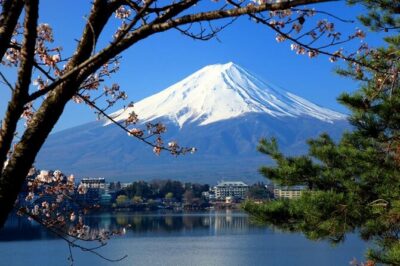 ★ 5.0Mt Fuji and Hakone 1-Day Bus Tour Return by Bullet TrainFrom $163
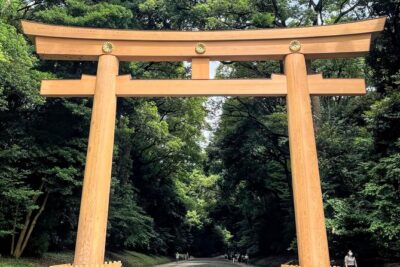 ★ 5.01-Day Tokyo Bus TourFrom $129
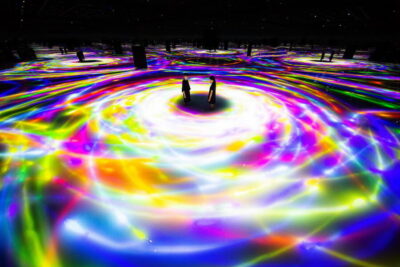 ★ 4.6Tokyo: teamLab Planets TOKYO Digital Art Museum Entry TicketFrom $251 day
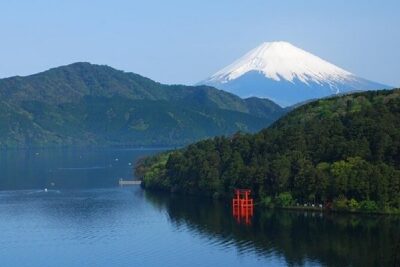 ★ 4.0Mt Fuji & Hakone Cruise, Drum Show Bullet Train 1 Day from TokyoFrom $149
 ★ 5.0Tokyo: Shinjuku Food Tour (13 Dishes at 4 Local Eateries)From $86
 ★ 4.4Tokyo Mt Fuji 5th St & Hakone Cruise Bus Tour w/Bullet TrainFrom $15410 hours