
Reviewed · TOURS
Tokyo: Spring Hitachi Seaside & Ashikaga Flower Park Tour
The real prize here is the Great Wisteria at Ashikaga Flower Park, where purple flowers hang in long curtains and an 80-meter white wisteria tunnel feels almost too pretty to be real. Before that, Hitachi Seaside Park gives you a different spring show: 5.3 million blue nemophila spread across Miharashi Hill beneath the open sky.
I like the smart pairing of two very different flower parks, and I like having bus transport and admission included for $98. The Mibu service-area stop also adds a useful taste of everyday Japanese road culture, with food counters, desserts, and Bandai characters. The catch is simple: this is a long day, and 110 minutes at Ashikaga may feel short if wisteria is your main reason for going.
In This Review
- Key points at a glance
- Why this two-park day works
- Starting in Tokyo and settling into the coach
- Miharashi Hill and the blue nemophila
- Mibu Michi no Eki, a useful lunch break
- Ashikaga Flower Park and the Great Wisteria
- Traffic, timing, and the cost of convenience
- Who will get the most from this tour
- Small details that make the day easier
- FAQ
- Where does the tour start and end?
- How long does the tour last?
- What flowers will I see at Hitachi Seaside Park?
- How much time is available at each main park?
- Are meals included in the price?
- Which languages are offered by the guide?
- Can I cancel or pay later?
- Should you book it?
Key points at a glance
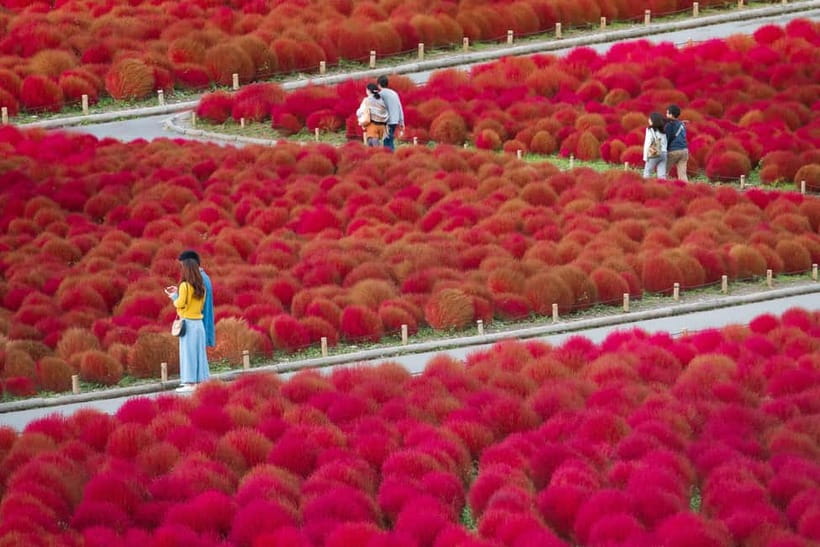
- 5.3 million nemophila at Hitachi: Walk Miharashi Hill during the spring bloom and line up blue flowers, sky, and distant ocean in one wide view.
- Ashikaga’s famous wisteria: See the Great Wisteria and walk through an elegant white wisteria tunnel about 80 meters long.
- A practical Tokyo escape: The round-trip coach removes the need to plan separate trains, buses, and park admissions.
- Mibu adds local flavor: Use the 40-minute stop for lunch, dessert, snacks, and a look at Bandai character goods.
- Helpful named guides: Gilbert received special praise for keeping groups moving during Golden Week traffic, while Miss Park and Miss Kim were also singled out for their care.
- A full 11.5 to 12.5 hours: Expect a very long day, with traffic and flower-season crowds able to delay the return.
Why this two-park day works
Spring flower trips often force you to choose one major garden and spend the day getting there. This tour makes the long ride worthwhile by combining two parks with completely different moods.
Hitachi Seaside Park is about open space and distance. At the right point in spring, Miharashi Hill becomes a broad blue sweep of nemophila. The flowers are low to the ground, so the effect comes from scale: you look across the slope and see blue running toward the horizon. The nearby ocean and open sky complete the view.
Ashikaga Flower Park is more intimate and theatrical. Its wisteria hangs above paths, trellises, and walkways. Purple blossoms form soft curtains, while white wisteria creates a tunnel that changes the feeling from wide-open panorama to enclosed garden walk.
I like that contrast. You get one stop that rewards a big, sweeping view and another that rewards slow looking at flowers overhead. You also avoid spending a full day at only one site if bloom conditions at one park are less impressive than hoped.
The timing matters, though. Nemophila and wisteria do not remain at their best for long, and the exact flower display depends on the date. The tour is seasonal for a reason. Check the available departure date carefully, and understand that the scene may be at peak bloom, near the end, or changing as spring moves on.
If you're still narrowing it down, here are other tours in Tokyo we've reviewed.


Starting in Tokyo and settling into the coach
You can begin at either Starbucks Coffee at Shinjuku L Tower or Tokyo Station, depending on the option booked. The meeting point may vary, so read the booking details closely and arrive with enough time to find the correct spot.
The first coach ride is about two and a half hours. That is a serious stretch, but it is also the main convenience of the trip. You can sit back rather than coordinate several connections into Ibaraki and Tochigi prefectures.
The tour includes an English and Korean-speaking guide, transportation, and admission tickets. Guides have included Gilbert, Miss Park, Miss Kim, and a helpful guide described by one participant as a wonderful young woman. Gilbert in particular was praised for clear information, friendly handling of the group, and keeping the departure on time during Golden Week, when Japanese holiday traffic can be rough.
This is not a private tour, so the coach schedule shapes your day. You will want to follow the guide’s instructions closely, especially when returning to the bus. A late return by even a few people can cut into the next stop.
Miharashi Hill and the blue nemophila
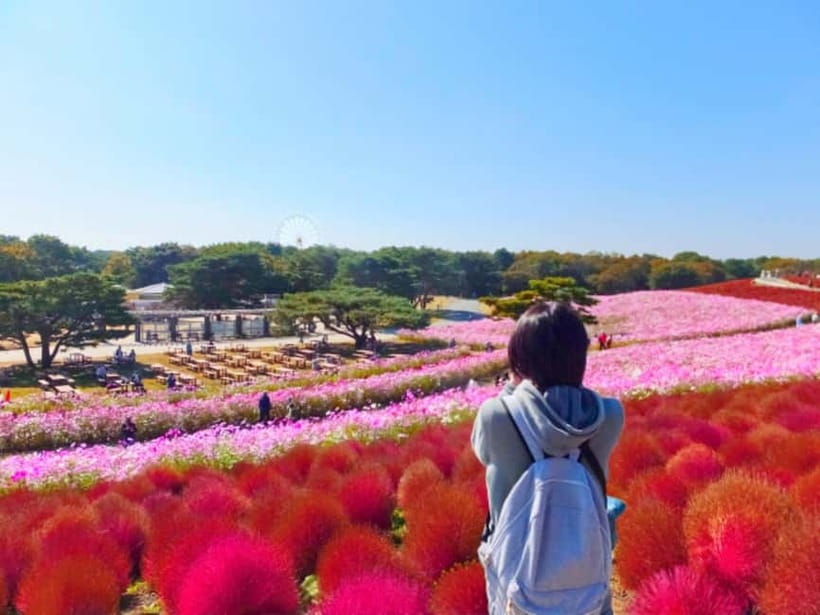
After the long first ride, you get about two hours at Hitachi Seaside Park. That gives you time for the main view, photographs, and a reasonable walk, though it is not enough to see every part of a large park at a leisurely pace.
Head toward Miharashi Hill, the key spring sight. About 5.3 million nemophila bloom across the slope, creating the blue field this tour is built around. The flowers are small, but the mass of them is powerful. From higher ground, the blue blooms appear to meet the blue of the sky, with the ocean visible in the distance.
This is one of those places where a camera can flatten the experience. Take a few wide photographs, then pause and look beyond the nearest flowers. The appeal is not only the blossoms. It is the way the hill, sky, and sea line up in one clean view.
The park is also the first place where the time limit becomes clear. Two hours sounds generous until you include walking from the bus, finding Miharashi Hill, taking photos, and returning to the meeting point. If you want a long hike or a broad exploration of the grounds, you may wish for more time.
That concern came through clearly in the feedback. One person wanted more time to walk around both the seaside park and its gardens. Another caught the last of the nemophila bloom in early May and still found the park beautiful. That is useful advice: the blue flowers can remain worth seeing late in the season, but the display may be past its fullest point.
Wear shoes you can walk in comfortably. The tour does not promise a short path from the bus to the viewpoint, and the park visit includes outdoor walking rather than a quick roadside photo stop.
Mibu Michi no Eki, a useful lunch break
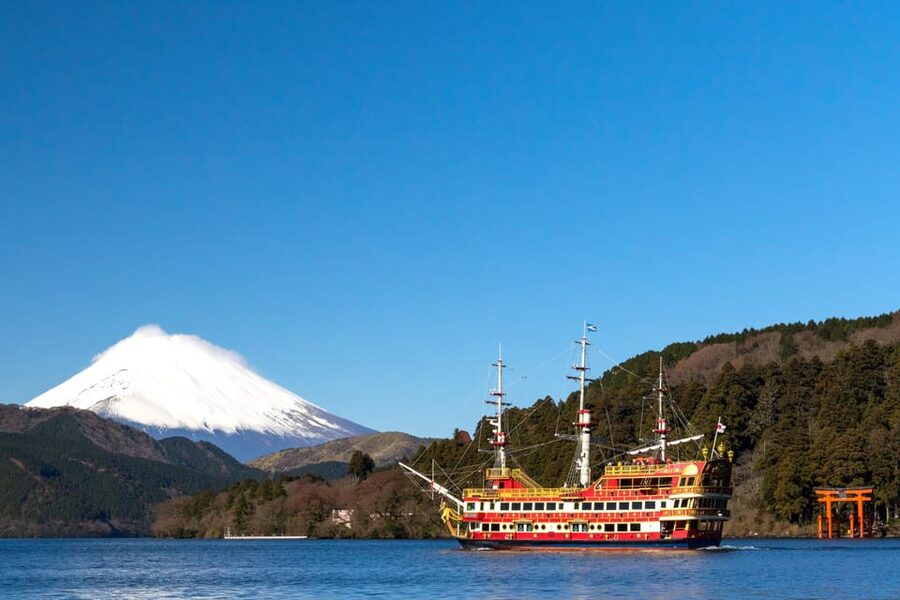
The next coach ride takes about an hour to Road Station Mibu, also called Mibu Michi no Eki. You have about 40 minutes here for a photo stop, free time, sightseeing, and food.
This is not a formal Japanese food tour. Meals are not included, so you pay for anything you choose to eat. The advantage is choice. The service area has different dishes and desserts, which lets you grab something quick instead of committing to one set menu.
You may also find Bandai characters here, an entertaining detail for fans of Japanese pop culture and families with children. The stop offers a change of pace after the flower park. Rather than another polished garden, you get a look at a busy Japanese rest stop where food, snacks, character goods, and practical travel services come together.
Forty minutes is enough for a quick meal and a look around, but not for lingering. If you are particular about lunch, decide early what you want. Waiting until the last few minutes can turn a relaxed break into a sprint back to the coach.
The stop is sometimes described as a lunch stop alongside a local restaurant, but meals remain outside the tour price. Bring a payment method you are comfortable using in Japan and keep track of the meeting time.
Ashikaga Flower Park and the Great Wisteria
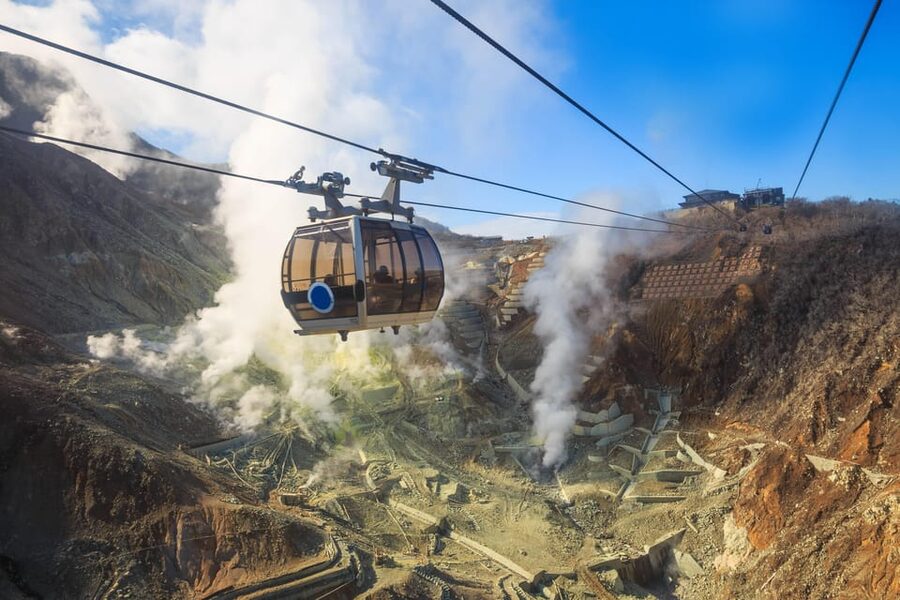
The afternoon’s final major stop is Ashikaga Flower Park, with about 110 minutes to explore. This is the visit many people will care about most, especially if you are planning your Tokyo trip around wisteria season.
The park is internationally known for its Great Wisteria, selected by CNN as one of the world’s dream destinations. The name makes sense once you see the scale. Purple blossoms hang from mature wisteria trees and overhead structures, forming thick, cascading displays along the paths.
The flowers are not simply planted in beds at eye level. Much of the pleasure comes from looking up. Purple clusters fall around you like soft curtains, and the paths become framed by flowers overhead. This gives Ashikaga a different character from Hitachi, where the best view stretches outward across a hill.
Do not miss the white wisteria tunnel, which extends about 80 meters. The tunnel is one of the park’s most memorable features because it turns a flower walk into a passage through color and shade. Purple wisteria feels dramatic; the white tunnel feels calm and almost storybook-like.
The main drawback is time. One person who visited in May said they could have spent the entire day at Ashikaga and would have preferred to trade some of the other stops for more time there. I understand that reaction. With 110 minutes, you need to choose your priorities instead of wandering every path.
I would go first to the Great Wisteria, then the white tunnel, then use any remaining time for other displays and photographs. Keep your walking pace realistic. The park can be crowded during peak bloom and Japanese holiday periods, and a popular photo spot may take longer to reach or photograph than expected.
Still, the limited time has a positive side. You get a strong first look at one of Japan’s most famous flower parks without arranging a separate day trip. If you are visiting Tokyo for a short stay, that convenience may matter more than seeing every corner.




Traffic, timing, and the cost of convenience
The tour costs $98 per person and lasts between 690 and 750 minutes, roughly 11.5 to 12.5 hours. That price is not a bargain in the narrow sense of a cheap local excursion, but it is reasonable for a full-day trip that includes transportation and admission to both parks.
You are paying for three things beyond the tickets: someone else handles the route, you do not have to drive, and you can see two distant destinations in one day. That is useful when you are staying in Tokyo and do not want to research regional trains, local buses, timed entries, and transfers.
The price does not include meals, travel insurance, or personal expenses. Plan to buy lunch and drinks at Mibu, and expect additional spending if you want snacks or souvenirs.
Traffic is the main practical risk. The tour follows Japanese law requiring vehicles to operate no more than 10 hours, so the guide may adjust the schedule based on real-time conditions. Flower season, weekends, and national holidays can slow the roads. Golden Week traffic was handled efficiently by Gilbert on one trip, but no guide can remove congestion entirely.
Your return to Shinjuku or Tokyo may be later than planned. Do not schedule a tight dinner reservation, theater booking, airport transfer, or evening train connection after the tour. The stated drop-off points are the same general starting areas, but the arrival time can shift.
Who will get the most from this tour
I would choose this tour if you want famous spring scenery with minimal planning. It suits first-time visitors who want to see beyond Tokyo, photographers who care about seasonal flowers, and couples or families who prefer a guided coach over several regional connections.
It also works well for people who want a clear day structure. You have a guide, fixed stops, admission handled in advance, and a group chat link sent the day before departure. The reminder email is scheduled for between 3:00 PM and 5:00 PM the day before, so check your spam folder if it does not appear.
I would hesitate if you dislike long coach rides or need total freedom at each park. The schedule is fixed, and the two most important visits have limited time. Ashikaga fans in particular may find the 110 minutes frustrating.
The tour can also suit families, but note that an infant rides free without a seat. If you plan to bring a stroller or wheelchair, tell the operator in advance. The information provided does not promise special vehicle arrangements, so early notice matters.
Small details that make the day easier
Bring water, a phone charger, and shoes suited to outdoor walking. Keep your guide’s meeting instructions easy to find, since the parks are large enough that a few extra minutes can matter.
If your main goal is nemophila, pay attention to the bloom date. If your main goal is wisteria, give Ashikaga first priority once you arrive and do not spend too long at the entrance areas.
You can cancel up to 24 hours before departure for a full refund, and the reserve-now, pay-later option helps if your Tokyo plans are still shifting. The available starting times depend on the date, so check the schedule before committing.
The guide language is English or Korean. Named guides such as Gilbert, Miss Park, and Miss Kim have helped make the day friendly and orderly, but the exact guide depends on the departure.
FAQ
Where does the tour start and end?
You can choose between Starbucks Coffee at Shinjuku L Tower and Tokyo Station, depending on the option booked. Drop-off is at the same two general locations, but check the meeting details for your selected option.
How long does the tour last?
The listed duration is between 690 and 750 minutes, or about 11.5 to 12.5 hours. Traffic and seasonal conditions can affect the final return time.
What flowers will I see at Hitachi Seaside Park?
At Hitachi Seaside Park, you will see about 5.3 million blue nemophila blooming around Miharashi Hill. The view includes the flowers, open sky, and distant ocean.
How much time is available at each main park?
You have about two hours at Hitachi Seaside Park and about 110 minutes at Ashikaga Flower Park. The exact time can change with weather, traffic, the season, and conditions at the sites.
Are meals included in the price?
No. Meals are not included. You have free time at Mibu Michi no Eki, where you can choose from different dishes and desserts, and you pay for your own food.
Which languages are offered by the guide?
The tour provides a live guide in English or Korean. The assigned guide can vary by departure.
Can I cancel or pay later?
You can cancel up to 24 hours before departure for a full refund. The reserve-now, pay-later option allows you to book without paying immediately.
Should you book it?
Book this tour if you want an efficient spring day outside Tokyo and your priority is seeing both Hitachi’s blue nemophila and Ashikaga’s famous wisteria. The bus, admissions, guide support, and two very different flower parks make $98 a fair price for the planning time it saves.
Skip it if you want a slow garden visit, dislike long rides, or already know you could spend half a day at Ashikaga alone. For most visitors with limited time in Tokyo, though, the pairing is strong. Just leave your evening open, accept the possibility of traffic, and save your best walking energy for the Great Wisteria and the white tunnel.
More tours in Tokyo we've reviewed





Tours, compared.
 ★ 5.0Mt Fuji and Hakone 1-Day Bus Tour Return by Bullet TrainFrom $163
 ★ 5.01-Day Tokyo Bus TourFrom $129
 ★ 5.0Tokyo: Shinjuku Food Tour (13 Dishes at 4 Local Eateries)From $86
 ★ 4.4Tokyo Mt Fuji 5th St & Hakone Cruise Bus Tour w/Bullet TrainFrom $15410 hours
 ★ 5.0Flagship 2-Hours Official Street Go-Kart Tour – Tokyo Bay ShopFrom $642 hours to 2 hours 30 minutes (approx.)
 ★ 4.7Tokyo: Mt. Fuji Tour, Hakone Ropeway, Owakudani, Lake AshiFrom $5410 hours