
Reviewed · TOKYO
Tokyo: Name Seal & Pouch or Tote Bag Making Experience
Making a Japanese name seal is the heart of this Roppongi activity. You choose Kanji or Hiragana, learn what your chosen characters mean, and take home a stamp that feels far more personal than a standard souvenir. I especially like the meaningful Kanji translation and the chance to practice calligraphy while your seal is prepared.
I also like that you receive a usable pouch or tote bag, not just a small keepsake. The main consideration is time: the full visit can take 30 to 40 minutes per person, and Kanji seals require advance choices about the design and pouch color.
In This Review
- Key points at a glance
- Your name becomes a piece of Japanese craft
- What happens during the 30 to 40 minutes
- Pick a pouch or decorate a tote
- Calligraphy makes the wait worthwhile
- Why the $29 price can make sense
- Finding RoppongiHanko near the National Art Center
- Who will enjoy this activity most
- What to arrange before you arrive
- Should you book the name seal experience?
- FAQ
- Where does the name seal activity take place?
- How long does the experience last?
- What types of name seals are available?
- Can staff translate my name into Kanji?
- What is included with the activity?
- What pouch colors are available?
- What designs can I choose for a Kanji seal bag?
- How many decorations can I add to the tote bag?
- Is the activity available in English?
- How many people can join the group?
- Is the studio wheelchair accessible?
- Can I cancel the booking?
Key points at a glance
- Choose your Japanese name style: Pick a square 24-millimeter Kanji seal or a round 12-millimeter Hiragana seal.
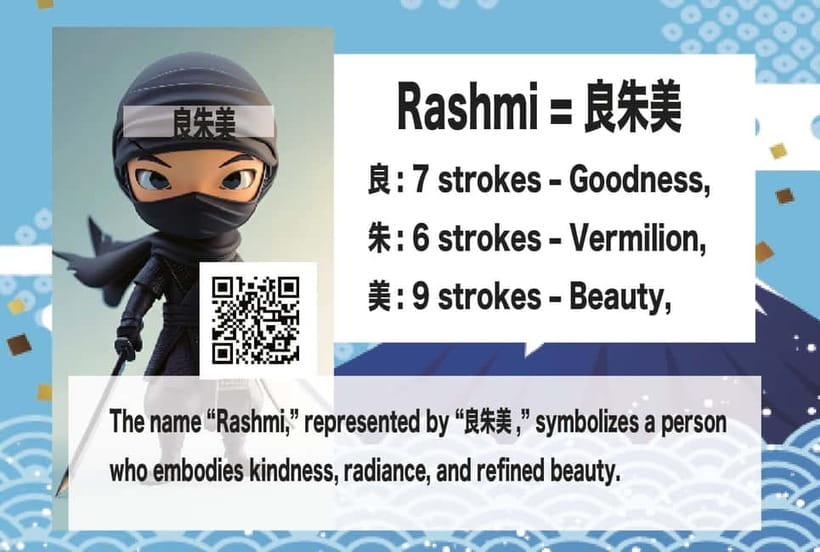
- Learn the meaning behind your characters: Staff help select Kanji based on the sound and favorable meaning of your name.
- Take home two personalized items: Your package includes a custom seal and a pouch or tote bag.
- Practice calligraphy during production: While the seal is being made, you can write your name and create a personalized postcard.
- Pick traditional Japanese designs: Kanji seal holders can select Mt. Fuji, pine tree, floral leaf, or Maiko Girl artwork.
- Small group, central setting: The English-language class is limited to five people at RoppongiHanko, near the National Art Center Tokyo.
Your name becomes a piece of Japanese craft
In Japan, an inkan is more than a decorative stamp. Seal stamps are still used in business and everyday life, so making one gives you a direct connection to a custom you will see around Japan.
You can have your name written in Kanji or Hiragana. Hiragana is the simpler option, with a round 12-millimeter stamp. Kanji gives you a larger, square 24-millimeter seal and a more interpretive result.
The Kanji version is the more distinctive choice. Your name is not simply copied letter for letter. Staff help choose characters that work with the sound of your name and carry a pleasant or auspicious meaning. That makes the final seal personal, but it also means you should allow time for the explanation and selection process.
I like this part because it gives your souvenir a story. You are not just bringing home Japanese writing. You know why those characters were chosen and what they suggest.
The seal is also practical in a modest way. You may use it on postcards, stationery, gift tags, or personal artwork. It is not meant to replace an official Japanese registered seal, but it gives you a small, authentic version of an everyday Japanese tradition.
If you're still narrowing it down, here are other tours in Tokyo we've reviewed.

What happens during the 30 to 40 minutes
The activity begins and ends at RoppongiHanko, the studio operated by Shodocafe7557, Kanji & Calligraphy Tokyo. The class is designed for a small group of no more than five people, which matters here. Name translation and custom choices are personal tasks, and a crowded room would make the process less useful.
You first provide the names for everyone taking part. Then you choose the seal style. The main options are:
- A square Kanji seal, 24 millimeters
- A round Hiragana seal, 12 millimeters
If you choose Kanji, you also select a design for the bag from four choices: Mt. Fuji, pine tree, floral leaf known as Kiri-mon, or Maiko Girl.
The staff then work on the custom seal. Production time varies, and the instructions specifically warn that it can take about 40 minutes per person when several people are present. The advertised duration is 30 to 40 minutes, so do not plan this as a five-minute stop between tightly timed sightseeing visits.
While you wait, you can practice calligraphy. You also get the chance to make a personalized postcard with calligraphy art. This waiting period is important because it turns production time into part of the class instead of dead time.
The experience ends back at the studio, with your custom name seal and personalized bag. Some people also receive small extras such as drinks and additional gifts, but the guaranteed value is the custom seal, bag, name translation, and postcard activity.
Pick a pouch or decorate a tote
You can choose between a pouch and a tote bag. The pouch comes in either gold or silver, while the tote can be decorated with your name and up to three additions, such as cherry blossoms or stars.
The pouch is the compact choice. It is easy to pack, and the gold or silver color gives it a more finished souvenir feel. It may suit you best if you want something small for cosmetics, coins, cables, or other travel odds and ends.
The tote gives you more room to personalize. You choose up to three decorations, with cherry blossoms and stars listed as examples. If you want more than three decorations, extra charges apply, so decide before adding more artwork.
If you choose the Kanji seal, the available bag designs are more traditional: Mt. Fuji, pine tree, Kiri-mon floral leaf, or Maiko Girl. These designs make the bag look tied to Japan rather than simply printed with a foreign name.
One practical point is easy to miss. For a Kanji seal, you need to provide your name, preferred design, and pouch color in advance. The instructions also ask you to choose the seal type ahead of time. Do this when booking so the studio can prepare properly.
Calligraphy makes the wait worthwhile
The calligraphy portion adds real value to the short session. You can practice writing your name and learn how the characters are formed, rather than simply watching someone produce the final items.
Past participants especially appreciated the patient instruction and the chance to practice while the stamp was being made. Families found the activity approachable, and children enjoyed learning the meaning of their names and writing them in calligraphy.
You should not expect a full calligraphy school lesson in 30 to 40 minutes. This is a short introduction tied to your souvenir. Still, it gives you something to do with your hands and helps you understand the visual structure of Japanese writing.
The postcard is another nice touch. You can design one with calligraphy art while waiting, then keep it as a second paper souvenir or give it to someone at home. Since it is made during production time, it does not require a separate part of the visit.
The English-language guide explains the activity, helps with the name translation, and provides encouragement during practice. The available comments describe the instruction as friendly and patient, which is useful if you have never held a calligraphy brush before.
Why the $29 price can make sense
At $29 per person, this is not the cheapest souvenir stop in Tokyo. It is also not simply a shopping purchase. The price includes a custom seal, name translation into Japanese characters, and either a personalized pouch or tote bag.
You are paying for the guided choice of characters, the custom production, and the short calligraphy lesson. That combination gives the activity better value than buying a generic stamp with a preselected design.
The value is strongest if you care about personal meaning. A person who wants a quick, inexpensive Tokyo gift may find the session longer than necessary. Someone who wants a souvenir made around their own name receives several connected items for the price.
The tote is likely the better value for anyone who wants a larger, more visible souvenir. The pouch is better if you prefer something compact and neat. Check the final options before confirming, especially if you want more than three tote decorations, since extra artwork costs more.
The experience has a 4.5 rating from 19 reviews, including many five-star ratings. The most consistent strengths are the kind hosts, clear English, family-friendly pace, calligraphy practice, and the quality of the finished stamp and bag.

Finding RoppongiHanko near the National Art Center
The studio is at 7-9-3 Roppongi, Minato-ku, Tokyo, on the second floor of the CREST Roppongi Building. It is near the National Art Center Tokyo, a useful landmark in an area packed with museums and galleries.
By train, take the Toei Oedo Line to Roppongi Station and use Exit 7. After leaving the station, cross toward FamilyMart and keep to the right. Walk toward the National Art Center Tokyo along the museum street.
Look for a large crane sign on the left. The studio is on the second floor of the CREST Roppongi Building. You can also search Google Maps for Shodocafe7557, which the instructions identify as the easiest search term.
If you take a taxi, show the driver the studio name and location near the National Art Center Tokyo. The exact address is useful because Roppongi has many studios, shops, and office buildings close together.
Allow a few extra minutes for finding the entrance. This is not a major attraction with a large street-facing ticket office. A map search is the sensible approach.
Who will enjoy this activity most
This is a strong choice for families. Children can learn about their names, practice calligraphy, and leave with a bag and stamp they helped choose. The short format also works well for younger attention spans, although production can take longer if several people are being served.
Couples and friends may like the shared creative element. You can compare the meanings of your Kanji, choose different bag designs, and leave with souvenirs that are related but not identical.
It also suits anyone who has already seen Tokyo’s major sights and wants a quieter hands-on activity. Roppongi makes it easy to combine this with the National Art Center Tokyo or other nearby museums.
I would be more cautious about booking it for someone who wants a highly formal cultural lesson. The activity is an accessible introduction to name translation, seal carving, and calligraphy, not an extended workshop in traditional Japanese arts.
It is also less suitable if your schedule is rigid. Although the listed duration is short, custom production takes time, and a busy session may run at about 40 minutes per person.
The studio is wheelchair accessible. Smoking is not allowed.
What to arrange before you arrive
Prepare the names for everyone in your group. If you want Kanji, send the name information ahead of time so staff can work on the character selection before your visit.
You should also choose:
- Kanji or Hiragana
- Pouch or tote
- Gold or silver pouch, if choosing a pouch
- Mt. Fuji, pine tree, Kiri-mon, or Maiko Girl, if choosing the Kanji design
- Up to three tote decorations, if choosing the tote
The Kanji choice deserves a little thought. Ask about the meaning of the characters when you arrive, and make sure you understand why they were selected. That explanation is one of the best parts of the experience.
You should also leave room in your day for the production process. The instructions say it takes 40 minutes per person when there are many people, so a group booking can take longer than the headline duration suggests.
Free cancellation is available up to 24 hours before the activity for a full refund. You can also reserve and pay later, which is useful when your Tokyo schedule is still changing.
Should you book the name seal experience?
Book it if you want a personal souvenir, enjoy short creative activities, or are visiting Tokyo with children. The combination of Kanji meaning, calligraphy practice, custom stamp, and decorated pouch or tote gives you more substance than a standard shopping stop.
I especially recommend the Kanji option if you want the strongest connection to Japanese culture. Choose Hiragana if you prefer a simpler, smaller round seal or want to avoid making several design decisions.
Before booking, make sure you can provide the names and choices in advance. Also avoid placing the activity between two reservations with no spare time.
At $29, the experience is good value for anyone who wants to leave with something made specifically for them. It is a short class, not a major cultural performance, but it gives you a useful souvenir and a story you can explain when you return home.
FAQ
Where does the name seal activity take place?
It takes place at RoppongiHanko, operated by Shodocafe7557, Kanji & Calligraphy Tokyo. The studio is on the second floor of the CREST Roppongi Building at 7-9-3 Roppongi, Minato-ku, Tokyo.
How long does the experience last?
The planned duration is 30 to 40 minutes. When several people are taking part, custom production can take about 40 minutes per person.
What types of name seals are available?
You can choose a square 24-millimeter seal with Kanji or a round 12-millimeter seal with Hiragana.
Can staff translate my name into Kanji?
Yes. The experience includes translation of your name into Japanese Kanji characters. Staff help choose characters based on the sound and meaning of your name.
What is included with the activity?
You receive a custom name seal, a custom name pouch or tote bag, translation of your name into Kanji when applicable, and the chance to create a personalized calligraphy postcard.
What pouch colors are available?
The custom pouch is available in gold or silver.
What designs can I choose for a Kanji seal bag?
You can choose Mt. Fuji, pine tree, floral leaf known as Kiri-mon, or Maiko Girl.
How many decorations can I add to the tote bag?
Your name and up to three decorations, such as cherry blossoms or stars, are included. Additional decorations cost extra.
Is the activity available in English?
Yes. The experience includes a live English-speaking guide.
How many people can join the group?
The activity is limited to five participants.
Is the studio wheelchair accessible?
Yes, the activity location is wheelchair accessible.
Can I cancel the booking?
You can cancel up to 24 hours in advance for a full refund. Reserve-now, pay-later booking is also available.
More tours in Tokyo we've reviewed


Tokyo, compared.
 ★ 5.0Mt Fuji and Hakone 1-Day Bus Tour Return by Bullet TrainFrom $163
 ★ 5.01-Day Tokyo Bus TourFrom $129
 ★ 4.6Tokyo: teamLab Planets TOKYO Digital Art Museum Entry TicketFrom $251 day
 ★ 4.0Mt Fuji & Hakone Cruise, Drum Show Bullet Train 1 Day from TokyoFrom $149
 ★ 5.0Tokyo: Shinjuku Food Tour (13 Dishes at 4 Local Eateries)From $86
 ★ 4.4Tokyo Mt Fuji 5th St & Hakone Cruise Bus Tour w/Bullet TrainFrom $15410 hours