
Reviewed · PRIVATE
Tokyo : Must-see attractions private tour
Tokyo rewards curiosity, but its size can make a first visit feel like a puzzle. This private walking tour gives you a local guide, a flexible route, and the freedom to spend more time at the places that matter to you. You might focus on temples and customs, food markets and shopping, or modern Tokyo with its anime stores and futuristic buildings.
I like the hotel pickup and the use of walking and public transport, since you begin without the fuss of finding a meeting point. I also like the relaxed pace: Fernando allowed one group to stop for photos and browse shops rather than rush through a long checklist. The main drawback is that the tour depends heavily on your guide and your chosen route. One guest found Lucas friendly but wanted more historical and cultural explanation, so clear requests at the start are important.
In This Review
- Key points to know before booking
- A flexible first day in Tokyo
- Senso-ji and the older streets of Asakusa
- Tsukiji Outer Market for food and local detail
- Meiji Shrine and Shinto customs
- Akihabara for anime, games, and electronics
- Tokyo Skytree and the city from above
- Ginza for polished shopping and dining
- Odaiba and Tokyo’s futuristic side
- Ueno Park, museums, and seasonal planning
- Roppongi Hills for art and evening views
- How much history and local advice to expect
- Price, timing, and practical value
- Who will get the most from this Tokyo walk
- Should you book this private Tokyo tour?
- FAQ
- Where does the tour begin?
- How long does the tour last?
- Is this a private tour?
- Which languages are available?
- Does the tour include public transport?
- Can I cancel the booking?
Key points to know before booking
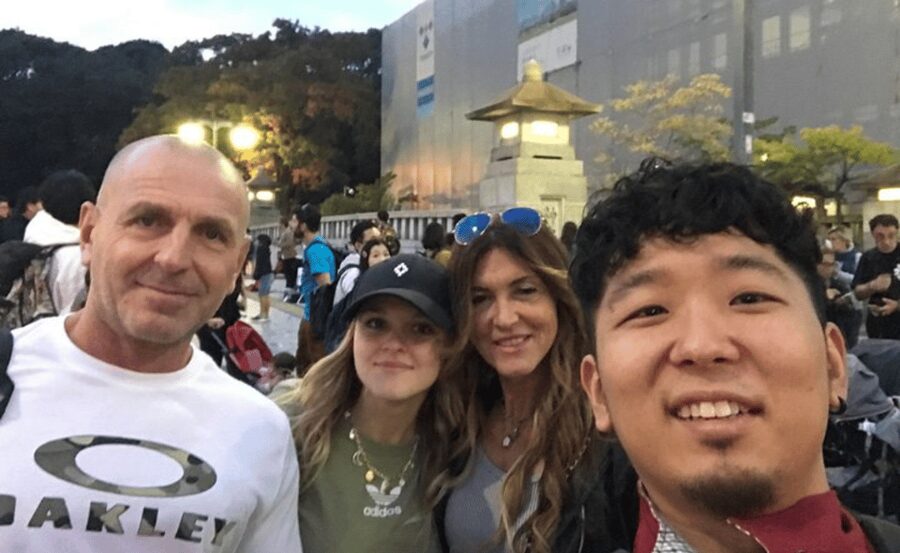
- Your route is personal: Choose major sights, local neighborhoods, food stops, shopping, or a mix of these.
- A private guide changes the pace: You can stop for photos, ask questions, and adjust the day as you go.
- Eight hours can cover a useful slice of Tokyo: Shorter options work better for one district or a quick introduction.
- Guides bring different strengths: Fernando was praised for history and traditions, while Karl focused on Japanese manners and daily customs.
- Public transport is part of the experience: The tour includes trains or other public transport unless your selected option says otherwise.
- The price is strong for a private service: At $53 per person, value improves when several people share the booking.
A flexible first day in Tokyo
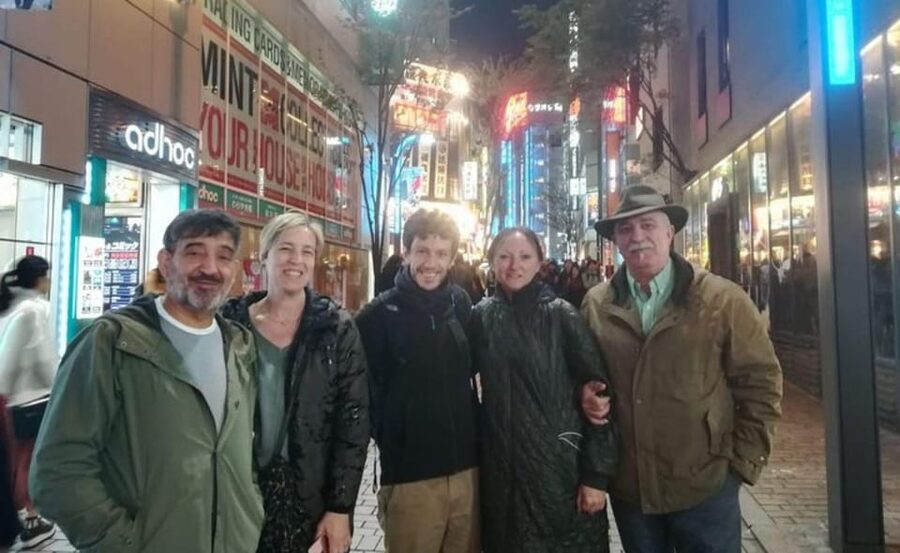
The best thing about this experience is not a fixed list of sights. It is the chance to build a Tokyo day around your interests and energy level.
Tokyo is too large to understand by simply racing from one famous place to the next. A private guide can help you connect the city’s older religious traditions with its modern shopping streets, pop culture districts, food markets, and high-rise viewpoints. You can also ask for practical advice about what to do after the tour.
The tour lasts from two to eight hours, depending on the option you select. A two-hour outing makes sense if you want help with one neighborhood or a quick orientation. The eight-hour version gives you time to combine several parts of the city, though you still should not expect to see every major sight in one day.
Your guide meets you at your hotel. From there, the route can be arranged around the areas that interest you. Walking and public transport are included, except where a selected option states otherwise. That matters in Tokyo, where moving between districts is often part of the day rather than a minor detail.
Other private tours in Tokyo


Senso-ji and the older streets of Asakusa
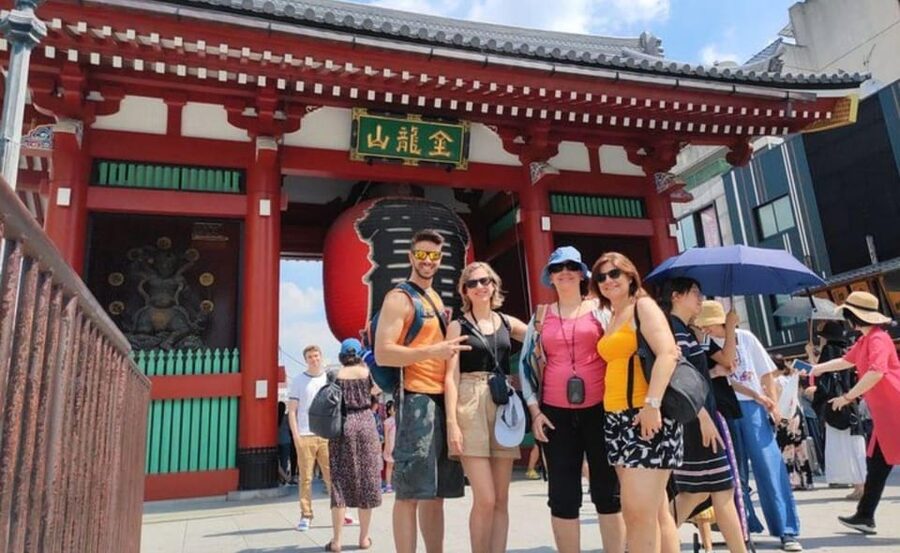
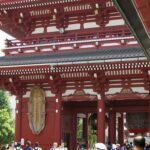
Senso-ji is one of the clearest places to begin understanding Tokyo. The approach through the Thunder Gate leads toward a historic Buddhist temple, and the surrounding Asakusa district offers a strong contrast to Tokyo’s glass towers and electronic billboards.
A guide can explain the temple’s past, the meaning of the gate, and the traditional rituals you see along the way. That extra context helps you avoid treating the temple as only a photo stop. You can ask how to behave, what the ritual steps mean, and why this area remains such an important part of Tokyo.
Asakusa also suits a slower private tour. You may want time for photos, small purchases, or a careful look at the streets around the temple. Fernando’s relaxed approach, allowing time for shops and pictures, is useful here. The point is not to tick off Senso-ji and leave at once.
The tradeoff is simple: if you spend a long time in Asakusa, you will have less time for places such as Meiji Shrine, Ginza, or Odaiba. A good guide can help you decide if the older Tokyo experience matters more to you than a wider list of stops.
Tsukiji Outer Market for food and local detail
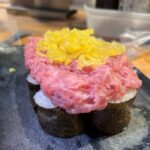
Tsukiji Outer Market is a natural choice if food is high on your list. The market is known for seafood and street food, and a guide can help you understand what you are seeing instead of wandering past unfamiliar stalls without context.
This is one of the places where local help has a practical use. Your guide can point out foods worth trying, explain the role of seafood in Japanese eating culture, and help you make sense of a busy market layout. You also get a better chance to ask questions as you go.
I would choose Tsukiji early in a longer day, especially if you want food to be part of the experience rather than an afterthought. Still, the market should not be treated as a guaranteed tasting menu. The information promises help with local delicacies, but the exact foods, purchases, and timing are not fixed.
If you prefer temples, gardens, or shopping, Tsukiji may not deserve a large portion of your limited time. Tell the guide what you want before setting out. The private format makes that adjustment possible.
Meiji Shrine and Shinto customs
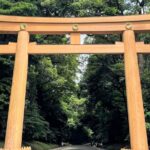
Meiji Shrine gives you a quieter side of Tokyo. The shrine sits in a forested setting, with a large torii gate and rituals that can seem unfamiliar if you have never visited a Shinto site.
This is a particularly good stop with a guide because small actions carry meaning. You can learn how the shrine’s rituals work, why the gate matters, and how the site connects to Japan’s history and religious traditions. Karl’s focus on Japanese customs and manners would be useful for this kind of visit.
The main value here is explanation, not just scenery. Without context, you might walk through, take a picture, and miss the cultural details. With a guide, you can ask questions as they arise and better understand why visitors behave in certain ways.
Meiji Shrine also requires a sensible choice about pace. If you want a long walk through the grounds, say so. If you prefer a brief visit before moving to Harajuku or another district, the private route can be shortened.
Akihabara for anime, games, and electronics
Akihabara shows Tokyo’s modern, playful side. It is the place to consider if you care about electronics, anime, gaming, or the wider culture built around those interests.
A local guide can help you sort through the district’s many stores and explain why Akihabara matters beyond its bright signs. You can ask for stores that match your interests and avoid spending your whole visit walking into places that are not right for you.
This stop works best when you arrive with a clear idea of what you want. Perhaps you are looking for anime goods, gaming-related shopping, electronics, or an introduction to the district. The tour promises guidance through less obvious places, but no exact store list is provided, so you should discuss your priorities early.
Akihabara may not suit someone who wants traditional Tokyo. That is not a flaw in the district, only a question of fit. Pair it with Senso-ji or Meiji Shrine if you want the day to show both old and new Japan.
Tokyo Skytree and the city from above
Tokyo Skytree offers a high viewpoint and a chance to see how vast the city really is. A guide can explain the tower’s construction and importance while you look across Tokyo from the observation decks.
The practical benefit is the added story. A view is more useful when you have some idea of what you are looking at and how the city has developed around you. The guide can also help connect Skytree with nearby sightseeing options.
The information does not confirm that admission to the observation decks is included, so you should check the details of your selected option. The same applies to any timed entry. This is a good place to include if you want a major landmark and broad city views, but it may take a large share of a shorter tour.
Ginza for polished shopping and dining
Ginza presents another face of Tokyo: upscale shopping, department stores, entertainment, and dining. A guide can add useful background about the district and help you find places that fit your budget and interests.
This is not only a stop for luxury shoppers. Ginza can work for architecture, window shopping, food, and a look at one of Tokyo’s most polished commercial areas. Tell your guide if you want shopping advice, a meal suggestion, or simply a walk through the district.
A private guide is especially useful when your interests are specific. You might want Japanese brands, a certain type of restaurant, or a short look at Ginza without spending the whole day there. The route can be adjusted accordingly.
The limitation is value. If you are not interested in shopping or city-center dining, Ginza may offer less than Asakusa, Ueno, or Meiji Shrine. Use your time for the areas that best match your trip.
Odaiba and Tokyo’s futuristic side
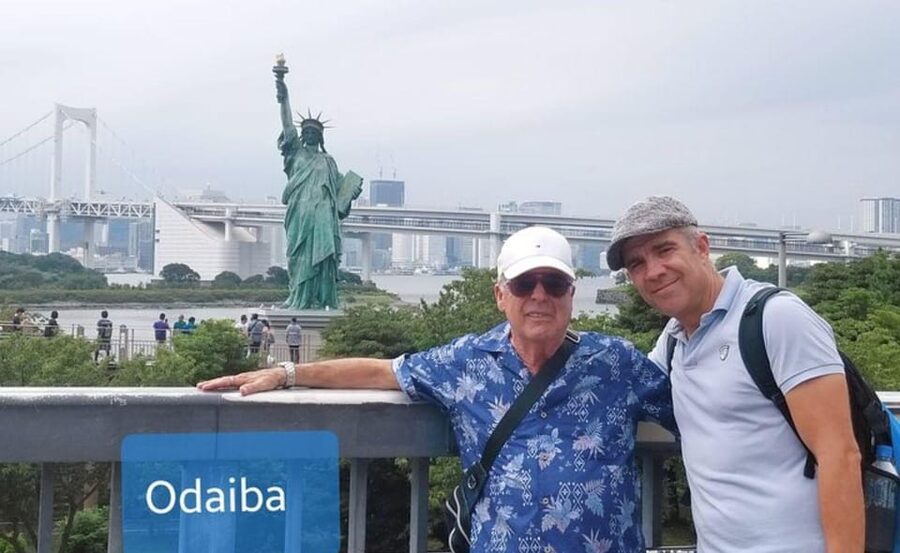
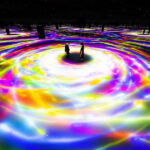
Odaiba is an artificial island with entertainment centers, modern buildings, and wide viewpoints. It offers a very different visual impression from the narrow streets around older temples.
A guide can explain how the island developed, help you move between its attractions, and point out good spots for photographs. The stop works well for families, architecture fans, and anyone who wants a more futuristic version of Tokyo.
Odaiba can also take time to reach, so it makes more sense on a longer option. On a two-hour tour, traveling there may leave too little time to enjoy it. On an eight-hour day, it can provide a strong change of pace after a temple or market visit.
As with Skytree, the exact attractions included are not fixed. Think of Odaiba as a district to shape around your interests, not as a guaranteed set of rides or exhibits.
Ueno Park, museums, and seasonal planning
Ueno Park gives you several possible stops in one area. A guide can point out museums and cultural attractions, explain the park’s importance, and help you choose where to spend your time.
The park is also known for cherry blossom viewing during the appropriate season. If your visit falls then, ask the guide about the best areas and how to structure the walk. Seasonal conditions and crowds can affect what works best, so flexibility matters.
Ueno suits you if you want culture without crossing the city for every stop. It can also provide a useful balance to shopping-heavy routes. Still, the experience depends on which museums or attractions you choose, and entry details are not specified in the tour information.
If museums are your main goal, tell the guide before the tour begins. A general city walk will not automatically provide enough time for detailed museum visits.
Roppongi Hills for art and evening views
Roppongi Hills combines art, shopping, entertainment, and modern architecture. A guide can take you toward the Mori Art Museum, explain the design of the area, and point out cultural events or places to visit.
This district is a good choice for you if you want art and city life in one stop. It also pairs well with a route that includes Ginza or Skytree, since all three show different versions of modern Tokyo.
The main consideration is focus. Roppongi Hills can be worthwhile for art lovers, but less important if your priority is traditional culture or food markets. The private format lets you skip it without losing the point of the tour.
How much history and local advice to expect
The strongest part of a private tour is the conversation. You can ask about manners on public transport, eating while walking, local customs, and places to visit after the day ends.
Karl was especially effective at explaining Japanese etiquette, including the expectation that people do not talk on public transport or eat while walking. These details may sound small, but they help you move through Tokyo with better awareness and fewer awkward moments.
Guides can also differ in how much historical detail they provide. Fernando was praised for explaining the history and traditions of the places visited. Lucas received positive feedback for his friendly manner and flexibility, but one guest wanted more basic cultural and historical information. This is useful guidance for you: ask directly for the level of explanation you want.
At the start, say something like: I want history, local customs, food advice, or practical help using Tokyo. You can also ask to slow down for photos and shops. The clearer you are, the more useful the private format becomes.
Price, timing, and practical value
At $53 per person, this is appealing for a private experience, particularly if two or more people share the booking. You are paying for personal attention, route planning, hotel pickup, and a guide who can answer questions as the day develops.
The value is less certain for one person on a very short option. A two-hour tour can still be useful, but its strength is orientation rather than a broad Tokyo visit. The eight-hour version gives the price more room to make sense because you receive a full day of guidance and transport support.
The tour is offered in English, French, Italian, Spanish, Japanese, Chinese, and Traditional Chinese. It is wheelchair accessible, and the group remains private. You can cancel up to 24 hours in advance for a full refund, and reserve now while paying later, which helps if your Tokyo plans are still shifting.
You should check the selected option carefully. Starting times, pickup details, transport arrangements, and the exact length vary by choice. Admission fees for individual attractions are not stated as included, so confirm those before booking if Skytree, museums, or other paid sites are central to your plan.
Who will get the most from this Tokyo walk
I would recommend this tour to first-time visitors who want help making sense of Tokyo’s scale. It also suits families, couples, and private groups with different interests, since one person can ask about food while another wants temples, shopping, or anime.
It is a good fit if you dislike rigid sightseeing schedules. You can set the pace, stop for photos, ask for advice, and change direction within the chosen route. It is less suitable if you want a guaranteed full tour of every major attraction or a specialist lecture at every stop.
The 4.7 rating from 53 reviews suggests a strong overall experience, but the mixed comments show why guide fit matters. Fernando and Karl brought clear strengths in history, traditions, and etiquette. Lucas was praised for planning, warmth, and flexibility, though you may need to request more cultural detail.
Should you book this private Tokyo tour?
Book it if you want a flexible first look at Tokyo, hotel pickup, and direct help choosing between districts. It is especially good value for a private group that wants a relaxed day instead of a forced march through famous sights.
Choose the eight-hour option if you want to combine places such as Tsukiji, Asakusa, Meiji Shrine, Akihabara, and Ginza. Choose a shorter option if you already know your priorities and want one focused neighborhood.
Before the guide arrives, prepare three requests: the sights you care about most, the pace you prefer, and how much history or local etiquette you want explained. That small bit of planning should make the experience more useful and help you get the Tokyo day you actually want.
FAQ
Where does the tour begin?
The guide meets you at your hotel. Pickup is optional, and the exact starting location depends on the option you select.
How long does the tour last?
The available durations range from 2 to 8 hours. You need to check availability for the starting times and length offered for your chosen option.
Is this a private tour?
Yes. The experience is for a private group, and the route can be customized around your interests.
Which languages are available?
Live guides are available in English, French, Italian, Spanish, Japanese, Chinese, and Traditional Chinese.
Does the tour include public transport?
Walking and public transport are included unless you select an option that states otherwise.
Can I cancel the booking?
You can cancel up to 24 hours in advance for a full refund. The reserve now and pay later option lets you keep your plans flexible.
More Private Tours in Tokyo

More tours in Tokyo we've reviewed




Private, compared.
 ★ 5.0Tokyo 6hr Private Tour with Government-Licensed GuideFrom $155
 ★ 5.0Private Tour to Mt. Fuji and Hakone (Fully Licenced Operator)From $497
 ★ 5.0Tokyo Customized Private Tour (Must See Places in 1 Day)From $145
 ★ 4.9Mount Fuji Full-Day Private Tour from Tokyo (Customizable)From $393
 ★ 4.8Tokyo: Private City Highlights Tour with Local GuideFrom $1064 - 8 hours
 ★ 5.0Private Custom Tour: Tokyo in a DayFrom $159