
Reviewed · MT FUJI DAY TRIPS
Tokyo: Mt Fuji Lake Kawaguchi & Yamanaka Hot Spring Day Tour
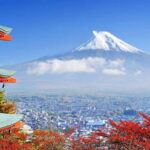
Mt. Fuji is the star here, but the best part is the variety: flower fields, postcard streets, spring-fed ponds, a lakeside stop, and a Japanese hot spring all fit into one long day. You get a broad look at the Fuji Five Lakes area without arranging several trains and buses.
I like the small group of up to nine and the optional hotel pickup, which make a busy day less awkward. I also like the late return to Tokyo, planned for around 6:30 PM. The tradeoff is clear: this is mainly a self-guided outing, so basic English from the driver-guide means little detailed explanation at each stop.
In This Review
- Key points to know before you book
- What $68 buys you around Mt. Fuji
- Leaving Tokyo early and riding toward Fuji
- Oishi Park and the seasonal face of Lake Kawaguchi
- Lawson and the famous Kawaguchiko street view
- Hikawa Clock Shop and the Heavenly Town view
- Oshino Hakkai, spring water, and a proper food break
- Lake Yamanaka brings open views and fresh air
- Benifuji no Yu adds a Japanese bathing experience
- How much guiding should you expect?
- The pace, the vehicle, and the return to Tokyo
- Who should book this Mt. Fuji day tour?
- Should you book it?
- FAQ
- How long is the Mt. Fuji Lake Kawaguchi and Yamanaka tour?
- Where does the tour depart from?
- Is hotel pickup available?
- How many people are in the group?
- Is the tour fully guided in English?
- Is the hot spring admission included?
- Can I wear a swimsuit in the hot spring?
- Does the tour run to Oishi Park in autumn?
- What happens if I am late to the meeting point?
Key points to know before you book
- Mt. Fuji views change with the season: Lavender fills Oishi Park in summer, while red Kochia and autumn maple leaves shape the cooler months.
- The hot spring admission costs extra: Benifuji no Yu is a chance to bathe with Fuji views, but the entrance fee is not part of the tour price.
- You get several photo stops in one day: Lawson near Kawaguchiko Station and Hikawa Clock Shop offer very different Fuji views.
- Oshino Hakkai provides the cultural pause: You can see traditional village scenery, taste regional food, and collect fresh spring water.
- The schedule is tight but sensible: Expect about 10 hours, including roughly 4.5 hours on the road.
- Timing matters: The vehicle leaves on time, and traffic can change both the departure and the order of stops.
What $68 buys you around Mt. Fuji
At $68 per person, this tour offers solid value if you want convenience more than independence. Your price covers round-trip transport in a Toyota Hiace or similar 10 or 14-seat vehicle, fuel, tolls, highway charges, and a driver-guide. That removes the worry of piecing together transport to several places around the lakes.
You still need to budget for food and the hot spring entrance. Attraction entry tickets are not included, although most stops are open for sightseeing without a separate admission charge. Bring money for lunch and local snacks at Oshino Hakkai, plus the bath fee if you plan to use Benifuji no Yu.
The small-group format is useful here. A compact vehicle can feel far more personal than a large coach, and the group limit is nine people. It also means you must be ready to leave when asked. This is not a hop-on, hop-off day where you can wander until you feel finished.
A few more Tokyo tours and experiences worth a look
Leaving Tokyo early and riding toward Fuji
You can meet at the Marunouchi North Exit of Tokyo Station, or choose hotel pickup if your accommodation is in one of the covered districts. The meeting point is at 1-chōme-9-1 Marunouchi, Chiyoda City. The guide sends a photo of the exact gathering place through WhatsApp, and contact comes the night before through WhatsApp or LINE.
That message matters. Download the app before your tour, check your phone, and arrive early. The vehicle departs on time, with no exception, and a late arrival or wrong meeting point may mean no refund. If your hotel falls outside the pickup zone, you may be asked to meet at Tokyo Station instead. A partial refund of 3,200 yen may apply, but confirm the pickup area before booking.
The first road section takes about two hours. Traffic can be heavy during peak periods, so the stated arrival times are targets rather than guarantees. I would avoid scheduling an important evening reservation in Tokyo immediately after the planned 6:30 PM return.
Oishi Park and the seasonal face of Lake Kawaguchi
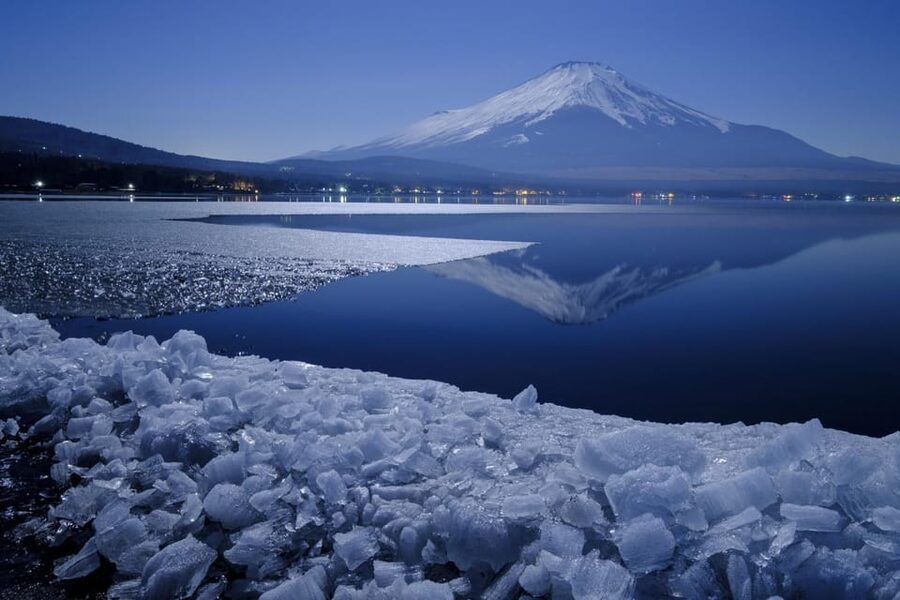
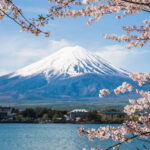
Oishi Park is one of the tour’s strongest stops for photographs. Its position beside Lake Kawaguchi gives you a wide view toward Mt. Fuji, with seasonal planting adding color in the foreground.
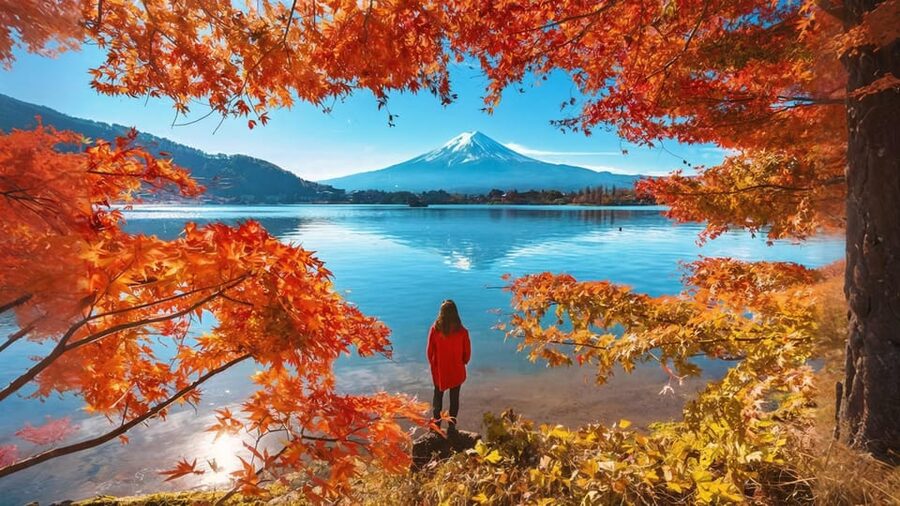
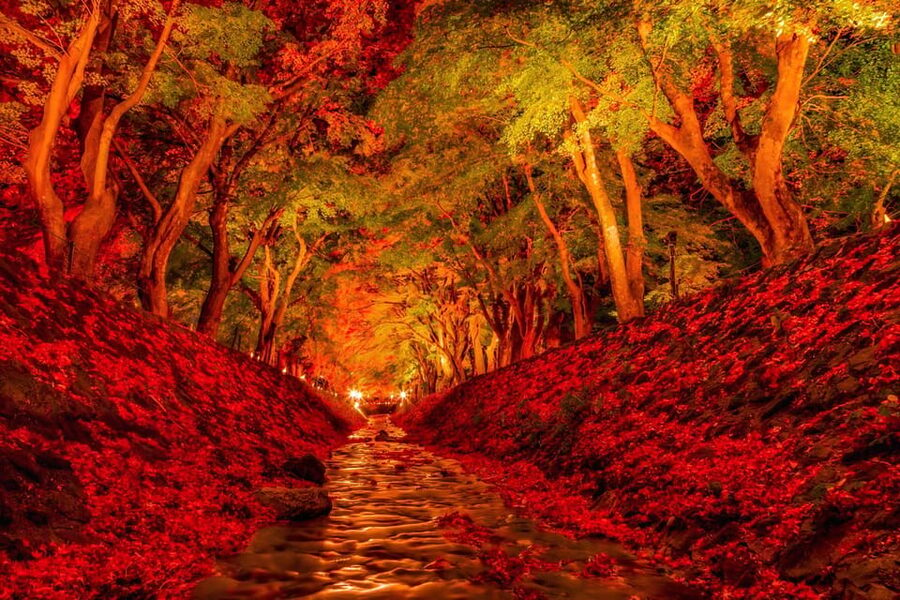
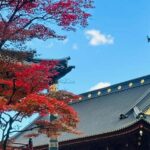
Summer brings lavender, forming a purple field between you and the mountain. In autumn, Kochia shrubs turn red and give the park a different look. From about October 30 through November 25, the tour replaces Oishi Park with the Kawaguchiko Maple Corridor so you can see the peak fall display instead.
The stop lasts about 50 minutes, enough for photographs and a short walk. It is not enough for a slow park visit, long café break, and extensive shopping, so decide what matters most before you arrive. If Fuji is hidden by cloud, the flowers and fall color still give you something worthwhile to see, but the famous mountain view is always weather-dependent.
The second 50-minute photo and sightseeing stop is described as seasonal, so the exact attraction can change. Treat this part of the day as an opportunity for another Fuji view rather than a guaranteed, detailed guided visit.
Lawson and the famous Kawaguchiko street view
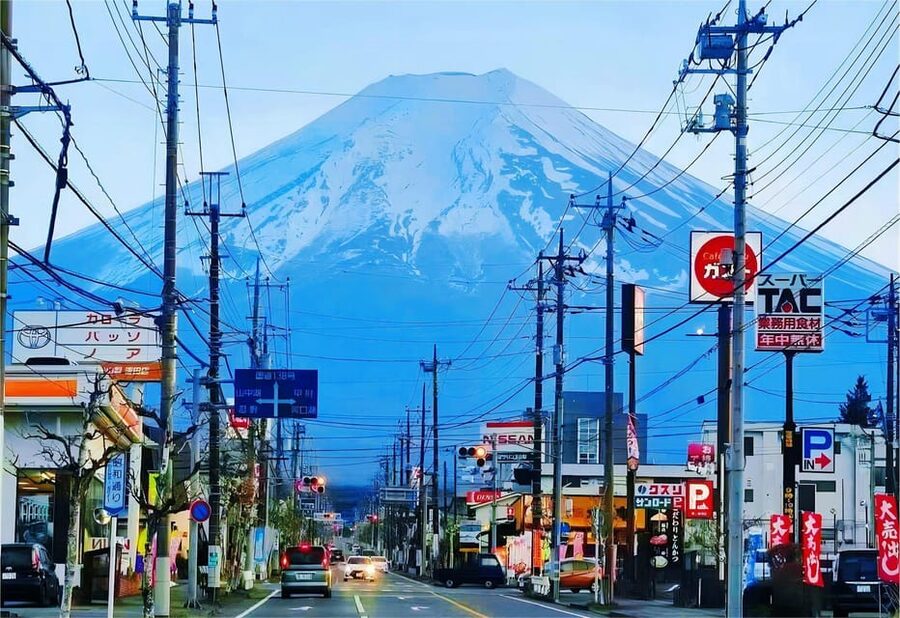
The Lawson store near Kawaguchiko Station has become a popular place for a very particular photograph: an ordinary Japanese convenience store with Mt. Fuji rising behind it. The contrast is the point. You get a familiar slice of daily Japan paired with one of the country’s most recognizable sights.
You have about 20 minutes here for photographs, local snacks, and a short break. That is plenty for the main view, but not enough for a relaxed meal or a serious shopping stop. Be mindful of traffic and other people near the roadside area, and follow the guide’s instructions about where to stand.
This stop is more about composition than culture. It works well for photographers and social media posts, but you should not mistake it for a major town tour.
Hikawa Clock Shop and the Heavenly Town view
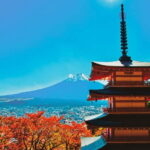
The 20-minute visit to Hikawa Clock Shop offers a more unusual Fuji photograph. You walk through a picturesque street known as Heavenly Town, where the road creates a strong line toward the mountain.
This is a quick stop, best suited to people who want a different angle from the lake and park scenes. The short time keeps the day moving, but it also limits wandering. Have your camera ready and expect a photo stop rather than a long neighborhood exploration.
Together, Lawson and Hikawa Clock Shop show how different Fuji photographs can be. One uses a convenience store and town street. The other uses a quieter urban view. If you enjoy taking pictures, these short visits add real variety.
A few more Tokyo tours and experiences worth a look
Oshino Hakkai, spring water, and a proper food break
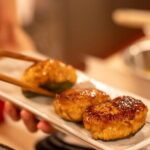
Oshino Hakkai is the day’s strongest cultural stop. This traditional village is known for clear spring-fed ponds linked to Mt. Fuji’s underground water system. You can walk around the ponds, see old-style village scenery, drink or collect fresh spring water where permitted, and sample regional food.
The 80-minute visit is longer than most other stops, and that is sensible. You need time to walk, look around, shop, and eat. It is also a useful break after the morning drive and photo stops.
Do not expect a quiet rural village with no commercial activity. Oshino Hakkai is a popular sightseeing place, and the food stalls and shops are part of the experience. I would use this stop for lunch rather than waiting until the hot spring. Meals are not included, and the tour does not promise a specific restaurant.
The village adds more than another Fuji viewpoint. It connects the mountain to water, farming, food, and older Japanese buildings. Since the driver-guide offers only basic explanations, read signs yourself and allow time to explore at your own pace.
Lake Yamanaka brings open views and fresh air
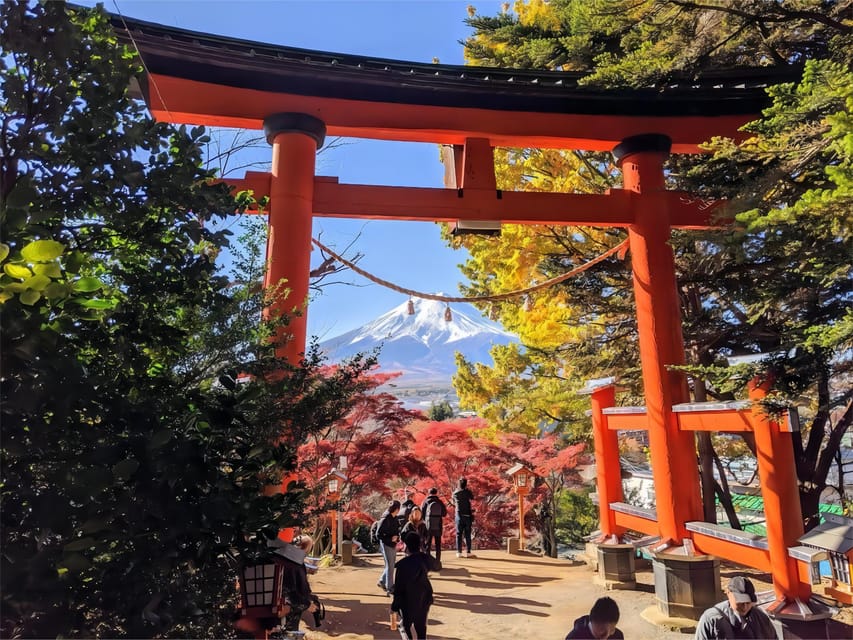
Lake Yamanaka is the largest of the Fuji Five Lakes and gives you a different setting from Kawaguchi. The tour allows about 1.5 hours for a lakeside walk, sightseeing, and photographs. The open water can make Mt. Fuji feel especially broad when the weather is clear.
This is a good place to slow down. After several short stops, you have time to walk without immediately watching the clock. The lake is also a favorite for photographers because the water, shoreline, and mountain can create clean compositions.
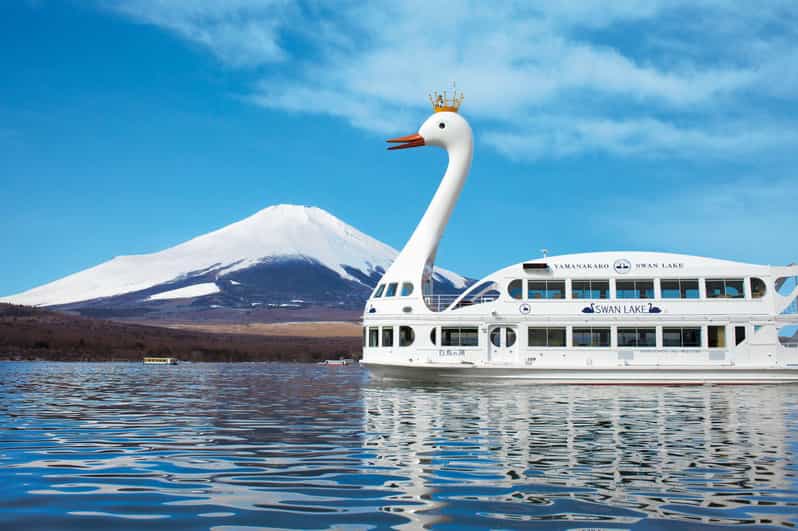
Some recent feedback highlights the family appeal of the area, including excitement over feeding swans. However, do not treat swan feeding or a boat ride as a guaranteed part of the package. They are not listed as included activities, so any optional lakeside activity would need to be handled separately.
The lake stop is also weather-sensitive. Clouds may cover Fuji, but the water and highland air still make a pleasant change from Tokyo. Wear shoes you can walk in and bring water.
Benifuji no Yu adds a Japanese bathing experience
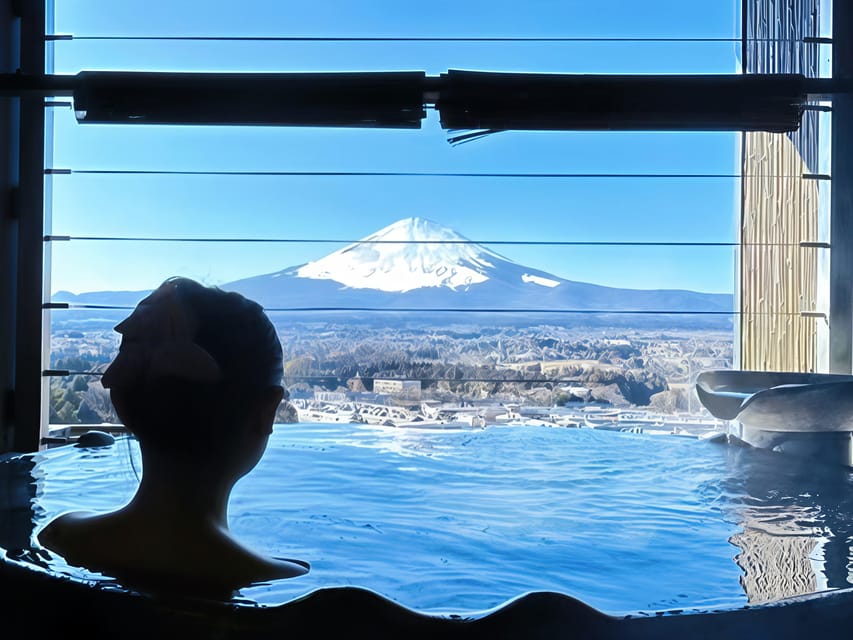
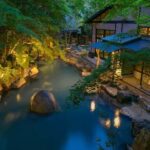
The final major stop is Yamanakako Onsen Benifuji no Yu, where you can relax for about 1.5 hours. The appeal is simple: soak in hot spring water while looking toward Mt. Fuji, if the mountain is visible.
Admission is not included, so ask about the entrance cost when planning your budget. The tour description also says swimming and bathing are self-guided, which means you are responsible for using the facility properly and returning to the vehicle on time.
Japanese hot springs are normally enjoyed without swimwear. Visible tattoos are generally not permitted, although you may cover them with bandages or pay extra for a private bath if that option is available. This is important to confirm before you go, especially if a hot spring visit is the main reason you booked.
A bath can be a fine ending after a full day of walking and driving, but it is not for everyone. If you dislike communal bathing or have a tattoo that cannot be covered, you may prefer to treat the lake portion as your main Lake Yamanaka experience.
How much guiding should you expect?
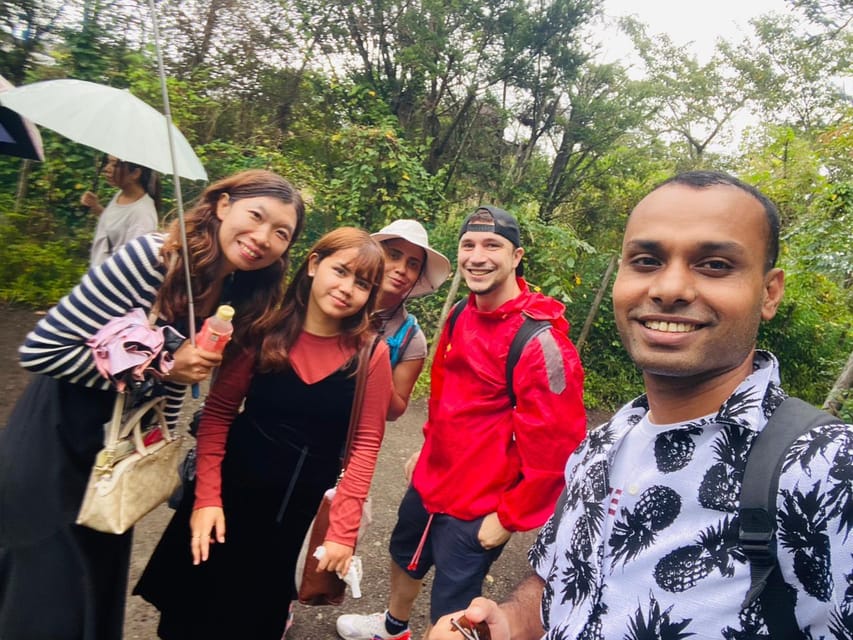
This is a bilingual, non-private tour. The guide can speak basic English, Chinese, or Japanese, but detailed explanations at every attraction are not promised. You will receive route management, timing help, and practical direction, then explore the stops independently.
That setup can work very well if you want photographs and free time. You are not tied to a long lecture, and you can focus on your own interests. Guides such as Jason and Li have been praised for being friendly and helpful, but the quality of the day still depends on communication, traffic, weather, and how much guidance you personally need.
If you want deep cultural commentary, a private guide, or a carefully narrated history of every location, this is not the right format. If you want someone else to drive while you see the main sights, it makes more sense.
The pace, the vehicle, and the return to Tokyo
The full day lasts about 10 hours. You spend roughly two hours traveling out and 2.5 hours returning, with the rest divided among parks, streets, the village, the lake, and the hot spring.
That is a lot of sitting and stopping in one day. The payoff is range: you see far more than you could comfortably cover from Tokyo without a car. The cost is time at each place. One person who enjoyed the tour still wished for longer at several stops, and that is the central compromise here.
The return is planned for Tokyo Station around 6:30 PM, with hotel drop-off available if selected. Five drop-off areas are listed: Chiyoda, Tokyo Station Marunouchi North Gate Dome, Chuo City, Taito City, and Shinjuku City. Traffic may alter the schedule.
Avoid bringing a large suitcase. Storage space is limited, and the vehicle is intended for day-trip bags. Wear comfortable shoes, carry a hat, sunscreen, and water, and remember that smoking, food, and drinks are not allowed inside the vehicle.
Who should book this Mt. Fuji day tour?
I would choose this tour if you are based in Tokyo and want one efficient day outside the city. It suits solo visitors, couples, families, photographers, and anyone who would rather not manage several rural bus connections.
It is also a good choice for repeat visitors. Some people who have lived in Japan for years still use this route to see Fuji from new angles, especially around Lake Yamanaka. The hot spring gives the day a gentle finish instead of ending with one more rushed photo stop.
Families should note that children under three can join free without occupying a seat. The tour is not suitable for people over 80, and the walking, vehicle transfers, and bathing customs should be considered before booking.
I would skip it if you want a slow day, a full mountain hike, or a guide who explains every stop in detail. The schedule is active, the road time is long, and the best views depend on clear weather.
Should you book it?
Book this $68 tour if your priorities are convenience, varied Fuji photographs, and a small group rather than a deeply narrated cultural tour. Oishi Park, Oshino Hakkai, Lake Yamanaka, and Benifuji no Yu give the day enough variety to justify the long ride.
Before paying, confirm three things: your hotel is inside the pickup zone, you are comfortable with basic English guidance and self-guided stops, and you understand that the hot spring fee is extra. If those points suit you, this is a practical way to fit several Fuji-area highlights into one well-managed day.
FAQ
How long is the Mt. Fuji Lake Kawaguchi and Yamanaka tour?
The tour lasts about 10 hours. The planned return to Tokyo is around 6:30 PM, though traffic can change the timing.
Where does the tour depart from?
The main meeting point is Tokyo Station’s Marunouchi North Exit at 1-chōme-9-1 Marunouchi, Chiyoda City, Tokyo. The guide sends a photo of the exact meeting location through WhatsApp.
Is hotel pickup available?
Yes, hotel pickup and drop-off are available if you select that option and your hotel is within the covered area. If the hotel is outside the pickup zone, you may need to meet at Tokyo Station.
How many people are in the group?
The group is limited to nine participants. Transport uses a Toyota Hiace or a similar 10 or 14-seat vehicle.
Is the tour fully guided in English?
The tour is bilingual and the driver-guide speaks basic English. The stops are mainly self-guided, so detailed explanations at each attraction are not provided.
Is the hot spring admission included?
No. Admission to Yamanakako Onsen Benifuji no Yu is not included in the tour price.
Can I wear a swimsuit in the hot spring?
Japanese hot springs are typically used without swimwear. Visible tattoos are generally not allowed, though you may cover a tattoo with bandages or choose a private bath for an additional fee if available.
Does the tour run to Oishi Park in autumn?
From approximately October 30 through November 25, the tour visits the Kawaguchiko Maple Corridor instead of Oishi Park to show the autumn colors.
What happens if I am late to the meeting point?
The vehicle departs on time, with no exception. Late arrival or going to the wrong meeting point may mean that a refund is not granted, even if you contact the guide before departure.
More Spa & Hot Springs in Tokyo
More Mt Fuji Day Trips in Tokyo
More tours in Tokyo we've reviewed


Mt Fuji Day Trips, compared.
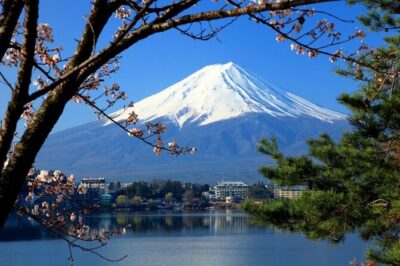 ★ 5.0Mt Fuji and Hakone 1-Day Bus Tour Return by Bullet TrainFrom $163
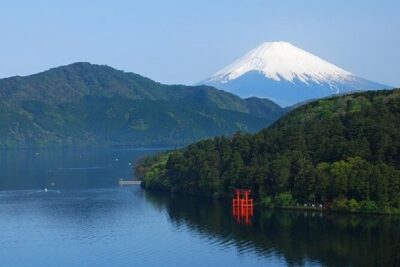 ★ 4.0Mt Fuji & Hakone Cruise, Drum Show Bullet Train 1 Day from TokyoFrom $149
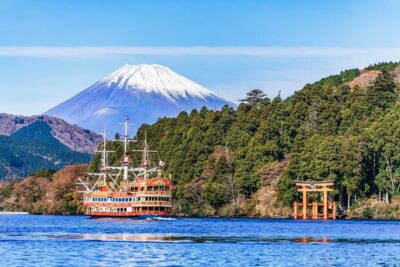 ★ 4.4Tokyo Mt Fuji 5th St & Hakone Cruise Bus Tour w/Bullet TrainFrom $15410 hours
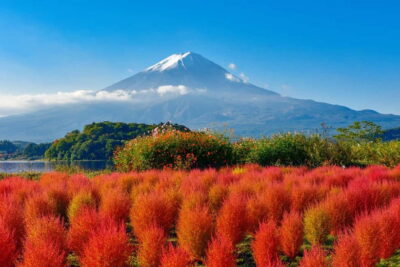 ★ 4.5From Tokyo: Mount Fuji Full-Day Sightseeing TripFrom $6810 hours
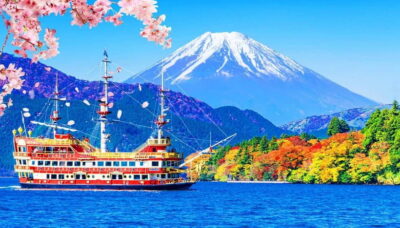 ★ 4.7Tokyo: Mt. Fuji Tour, Hakone Ropeway, Owakudani, Lake AshiFrom $5410 hours
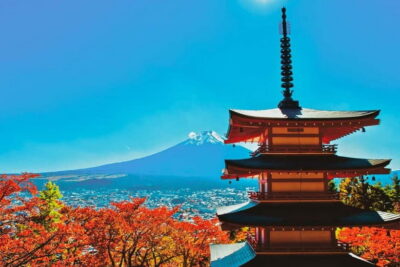 ★ 4.4Tokyo:Mt.Fuji,Kawaguchiko Oishi Park,Arakurayama Sengen ParkFrom $5410 hours