
Reviewed · TOURS
Tokyo: Horse Racing Tour with Local Fan
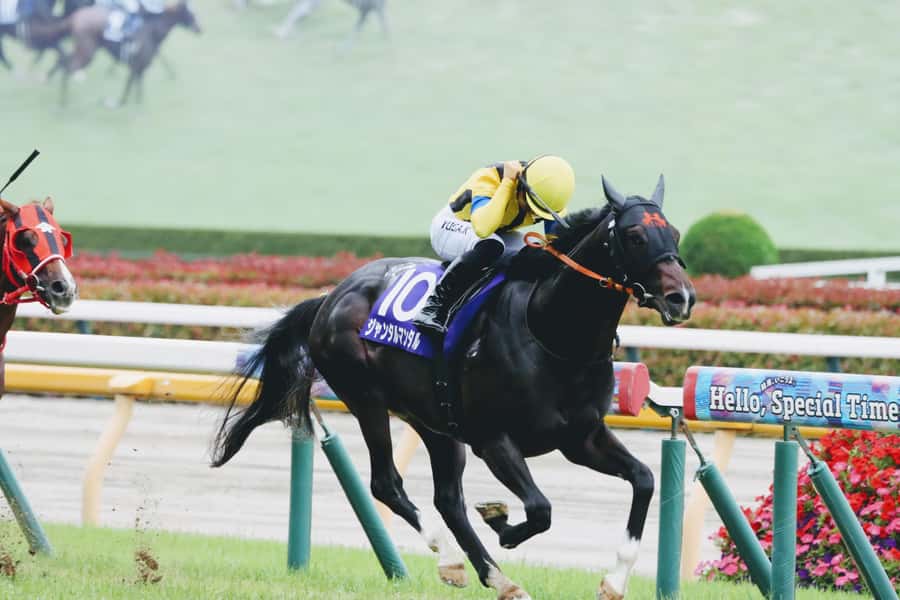
Japanese horse racing is one of Tokyo’s best local experiences, yet it rarely appears on the usual sightseeing list. At the racecourse, you’ll watch live races beside Japanese fans, learn the betting system in plain English, and see a side of city life far removed from Shinjuku’s neon streets. Guide Eito helps you get through the ticketing and betting process without needing Japanese.
I like two things here. First, you get practical help with every confusing part, from finding the racecourse to reading betting choices and learning about the horses and jockeys. Second, the tour gives you a real social setting where you can enjoy sake, beer, local cocktails, and Japanese snacks while cheering with the crowd. The main drawback is that food, drinks, bets, and train tickets cost extra, and the racecourse changes with the date.
In This Review
- Key points to know
- Why a Tokyo Race Day Feels So Different
- Choosing Between Tokyo, Nakayama, Oi, and Kawasaki
- Meeting Eito and Getting Through the Entrance
- Learning Japanese Betting Without Guessing
- Watching the Horses and Joining the Crowd
- Food, Drinks, and the Racecourse Meal
- What the $60 Tour Price Really Buys
- Who Will Enjoy This Half-Day Outing
- Practical Advice for a Smooth Race Day
- Should You Book the Japanese Horse Racing Tour?
- FAQ
- What is included in the Tokyo horse racing tour?
- Is the GetYourGuide voucher an admission ticket?
- Which racecourse will the tour visit?
- Can I join the racecourse without the guide?
- Is food included in the price?
- Are betting costs included?
- Are train tickets included?
- Can I cancel the tour for a refund?
Key points to know
- The venue depends on your date: Weekend tours usually visit Tokyo Racecourse or Nakayama Racecourse, while weekday tours go to Oi or Kawasaki Racecourse.
- Eito guides you in English: He explains racing rules, jockeys, horses, betting choices, and the racecourse layout.
- You receive your admission ticket in person: A GetYourGuide voucher alone does not provide entry.
- Betting requires Japanese yen: Bring cash for race wagers, food, and drinks.
- The atmosphere is the main event: You watch live races with local fans rather than visiting a tourist attraction built for sightseeing.
- The $60 price covers guidance and admission: Your personal spending on meals, drinks, bets, and trains is separate.
Why a Tokyo Race Day Feels So Different
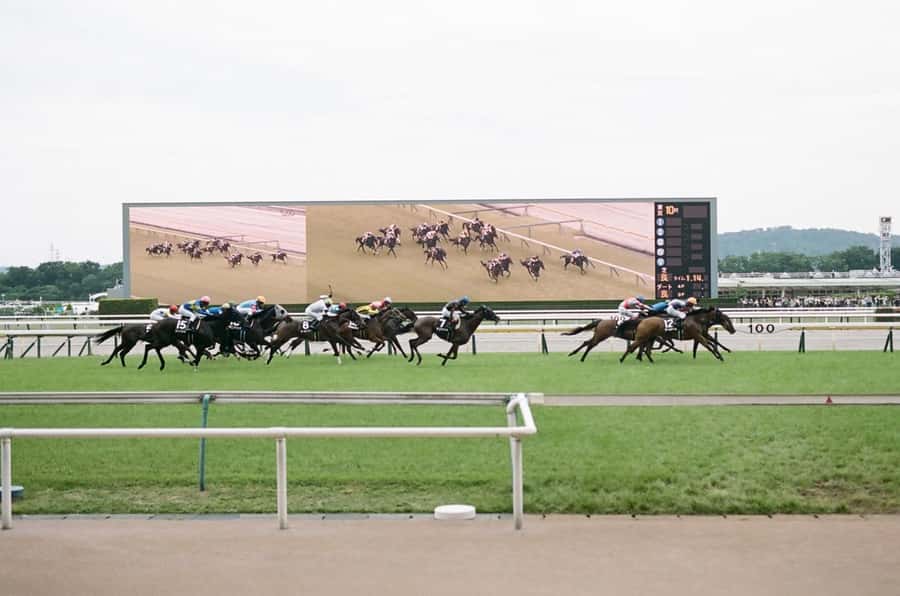
I like this tour because it takes you into a part of Japanese life that is easy to miss. Horse racing is widely enjoyed in Japan, but most first-time visitors spend their time around temples, department stores, food markets, and nightlife districts. At the track, you get a very different view of the city.
The attraction is not just the horses running. It is the full rhythm of the day: studying the race card, deciding how much to wager, watching the horses approach, hearing the crowd react, and checking the result on your ticket. Even a small bet gives you a reason to pay attention to every race.
You do not need to know anything about racing before you arrive. Eito explains the basic rules and shows you how to place a bet. That matters because much of the printed information and ticketing system is in Japanese. Without help, the process could feel like a wall of buttons and numbers.
This is also a good choice if you have already seen Tokyo’s main sights. The tour does not try to add another famous landmark to your list. Instead, it gives you an ordinary leisure activity with a local guide who can explain what is happening around you.
If you're still narrowing it down, here are other tours in Tokyo we've reviewed.

Choosing Between Tokyo, Nakayama, Oi, and Kawasaki
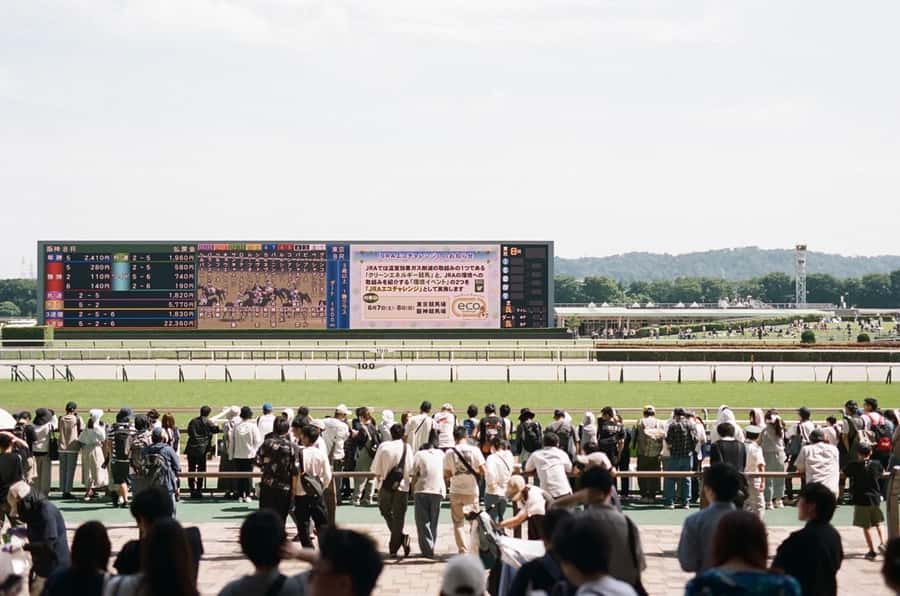
The racecourse is not fixed. On weekends, the tour generally visits Tokyo Racecourse or Nakayama Racecourse. On weekdays, the destination is usually Oi or Kawasaki Racecourse. You see the exact venue when selecting your date.
That detail matters because the character of the outing depends partly on the track you visit. You should not book this expecting one specific building or one fixed route. Book it for the race-day setting and the local guidance.
Tokyo Racecourse and Nakayama Racecourse are the usual weekend choices. Oi and Kawasaki are weekday venues. Since the schedule varies, check the date carefully before paying, especially if one location is more convenient for your plans.
Train tickets are not included. You will need to pay for your own transport to and from the meeting point or racecourse. The guide can help with the route, and one participant specifically appreciated assistance navigating the train to Tokyo Racecourse. Still, you should allow extra time for the journey and follow the meeting instructions closely.
Meeting Eito and Getting Through the Entrance
You meet the guide at the designated meeting location. He waits with a sign showing your name, and you are asked to send a text when you arrive. This is a simple arrangement, but it makes the first few minutes less stressful in a busy city.
Your GetYourGuide voucher is not an admission ticket. Eito provides the racecourse admission ticket in person, along with the reserved seat ticket when available. Entry is only possible when you are accompanied by the guide, so do not head to the gate expecting to enter alone with your phone voucher.
This arrangement is one of the tour’s practical benefits. Japanese racecourses can be difficult to navigate if you cannot read Japanese, and the ticketing process is not designed around overseas visitors. Having Eito handle the entry step lets you focus on the races instead of trying to work out which line or machine to use.
The activity ends back at the meeting point. Since the venue can vary, make sure you understand the meeting and return plan before the day begins.
Learning Japanese Betting Without Guessing
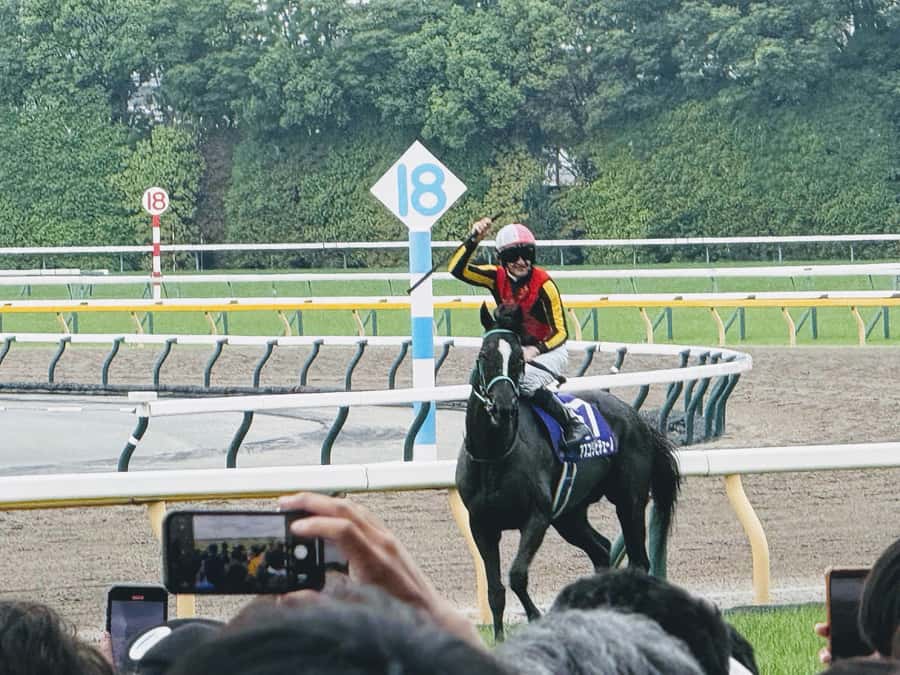
The betting lesson is the heart of the tour. Eito explains the main betting choices and helps you place bets during the races. You can ask about the horses, jockeys, and different ways to wager, rather than simply copying someone nearby.
For a first-time bettor, that support is valuable. The excitement of racing comes from having a small personal stake in the result, but the experience is much more enjoyable when you understand what you are doing. Eito’s clear English helps remove the fear of pressing the wrong button or buying the wrong ticket.
You can also use the lesson to ask questions at your own pace. Some people may arrive with no racing background. Others may already follow horse racing in places such as New Zealand, Australia, or Hong Kong. The experience can work for both groups because the guide explains the Japanese system while leaving you free to decide how much you want to bet.
Bring cash in Japanese yen. Your betting money is not included in the $60 tour price, and you pay for your wagers yourself. The same cash is useful for food and drinks at the racecourse.
I recommend treating betting as part of the entertainment, not as a way to fund your holiday. Keep your amount modest, and spend only what you are comfortable losing. The guide can explain the mechanics, but your betting decisions remain your own.
Watching the Horses and Joining the Crowd
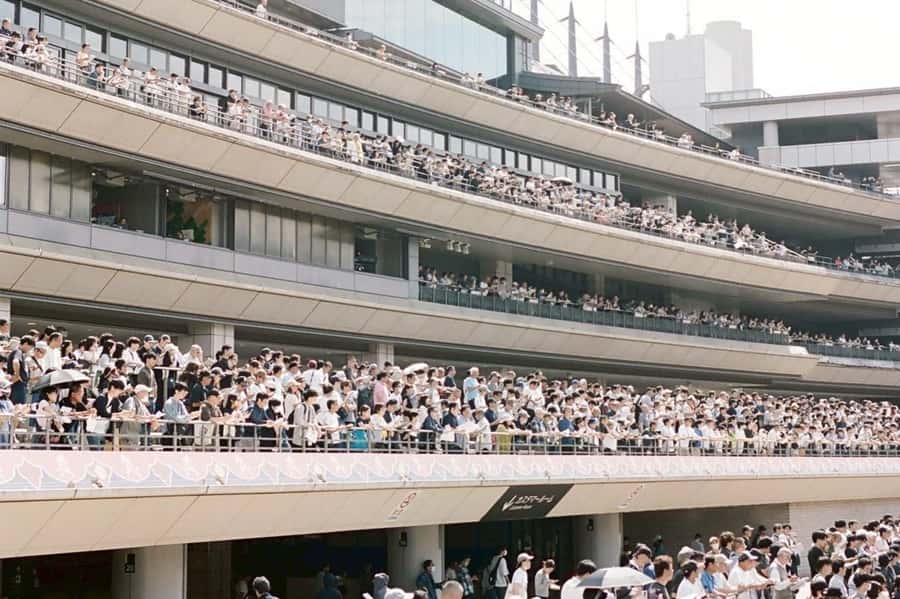
Once you understand the basics, the races become much easier to follow. You watch the horses compete live, hear the reactions around you, and share the tension of the final stretch with Japanese fans.
That shared excitement is what makes this more than a lesson about gambling. You are sitting in a real leisure setting, surrounded by people who have their own habits, opinions, and favorite ways to follow the races. You do not need to speak Japanese to feel the energy of the moment.
Reserved seats are available when possible, and the guide provides your seat ticket in person. Seating arrangements can vary with the date and venue, so do not treat a reserved seat as a guarantee of one particular location. The key advantage is having a proper place to watch rather than trying to work out the seating system alone.
You may find that the horses themselves become the focus. Even if you know little about the sport, seeing the animals before a race and then watching them compete gives the event a strong visual element. Eito can explain the racing details that are otherwise difficult to follow.
The number of races and exact pace of the day can depend on the venue and schedule. The activity has been described as a fun half-day outing, so it fits well alongside other Tokyo plans, but I would avoid booking a tight appointment immediately afterward.

Food, Drinks, and the Racecourse Meal
Food and drinks are not included, which is important when comparing the price with other guided outings. You buy your own meals and beverages at the racecourse.
The available choices can include Japanese snacks and casual race-day food such as karaage, yakitori, and seasonal items. You can also buy drinks, including beer, sake, and local cocktails. The appeal is not a formal meal. It is the pleasure of eating something simple between races while keeping one eye on the track.
This setup gives you control over your spending. You can keep the meal small, order a few snacks to share, or make food part of the outing. It also means the final cost depends on your choices. The $60 covers the guide, admission, and betting instruction, but not your personal consumption.
I like that the food is handled this way. You are not tied to a set menu, and you can decide how much time and money to put into eating. Just remember to bring enough yen for both refreshments and betting.
What the $60 Tour Price Really Buys
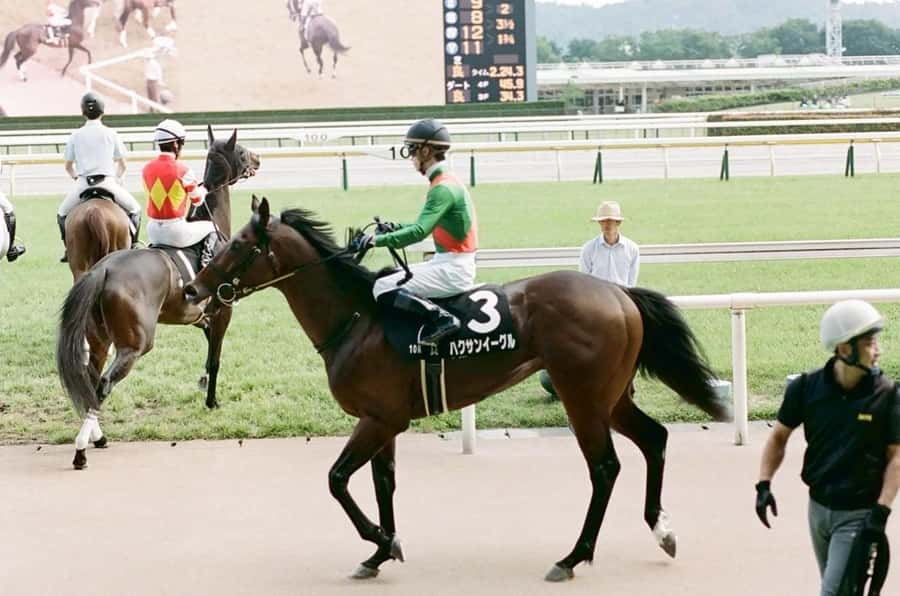
At $60 per person, this is not simply an admission ticket. You are paying for access to an unfamiliar Japanese activity, an English-speaking guide, racing instruction, betting assistance, and admission to the course.
The value is strongest if you would otherwise skip horse racing because the system feels confusing. A visitor who already reads Japanese and understands local betting may need less guidance. For most international visitors, though, the guide changes the outing from a puzzling visit into something you can actually follow.
The price also buys confidence. You can ask what a betting option means, learn how to read basic information, and get help with the racecourse itself. Several people praised Eito’s friendly manner and clear English, which is especially useful during a fast-moving race day.
Remember the extra costs:
- Train tickets are separate.
- Food and drinks are separate.
- Betting money is separate.
- The admission voucher is provided by the guide, not replaced by your booking voucher.
The tour offers reserve-and-pay-later booking and allows a full refund if you cancel at least 24 hours ahead. Those policies make it easier to fit the activity into a changing Tokyo schedule.
Who Will Enjoy This Half-Day Outing
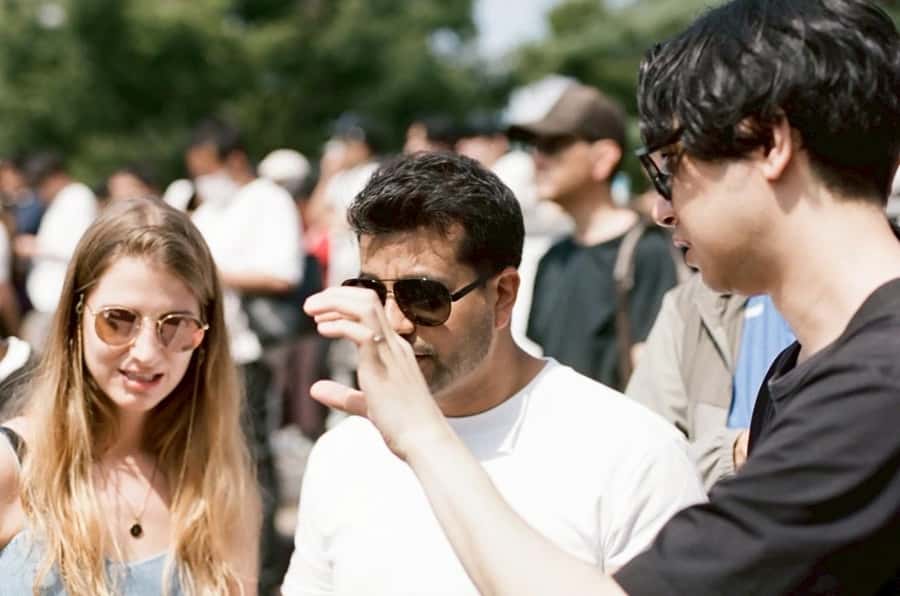
I would recommend this tour to anyone curious about everyday Japanese culture rather than only famous sights. It is particularly suitable for adults who enjoy live sport, social settings, or trying an activity they could not easily arrange alone.
It also fits regular horse-racing fans. The experience is not limited to beginners. Eito can explain Japanese rules and betting choices, while experienced racegoers can focus on the differences between Japanese racing and the systems they know from Australia, New Zealand, or Hong Kong.
You should think twice if you have no interest in horse racing, betting, or spending several hours at a sports venue. The cultural setting is interesting, but the central activity remains watching races and placing wagers. This is not a general sightseeing tour with a brief stop at a track.
It is also not ideal for anyone who wants every cost bundled into one payment. Your train fares, meals, drinks, and bets are all extra. The racecourse location can change, so flexibility helps.
Practical Advice for a Smooth Race Day
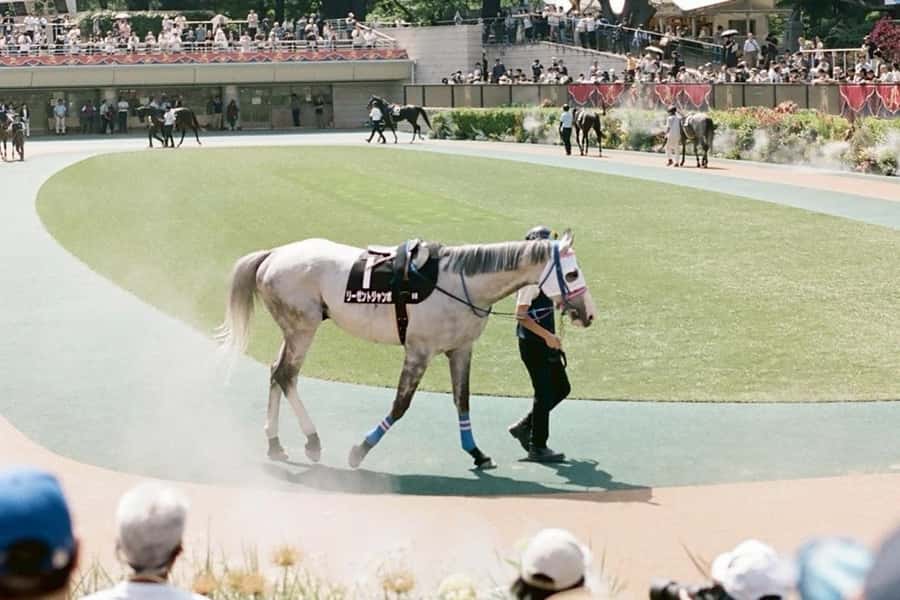
Bring cash in Japanese yen. You need it for betting, and it is also the easiest way to pay for food and drinks at the course.
Send a text when you reach the meeting point, as requested. Look for the guide holding a sign with your name. Do not rely on the booking voucher as your entry ticket, and do not try to enter the racecourse before meeting Eito.
Wear something comfortable for a half-day outing. The available information does not specify a dress code, so I would avoid assuming that formal clothing is required. The priority is comfort and being ready to move through the station and racecourse with the guide.
Check the venue before booking. Tokyo Racecourse, Nakayama Racecourse, Oi, and Kawasaki are not interchangeable in terms of travel time from your hotel. The date selection shows the exact location, so use it to judge the train journey.
Finally, decide your betting budget before the first race. That keeps the fun under control and lets you enjoy the crowd, food, and horses without chasing a result.
Should You Book the Japanese Horse Racing Tour?
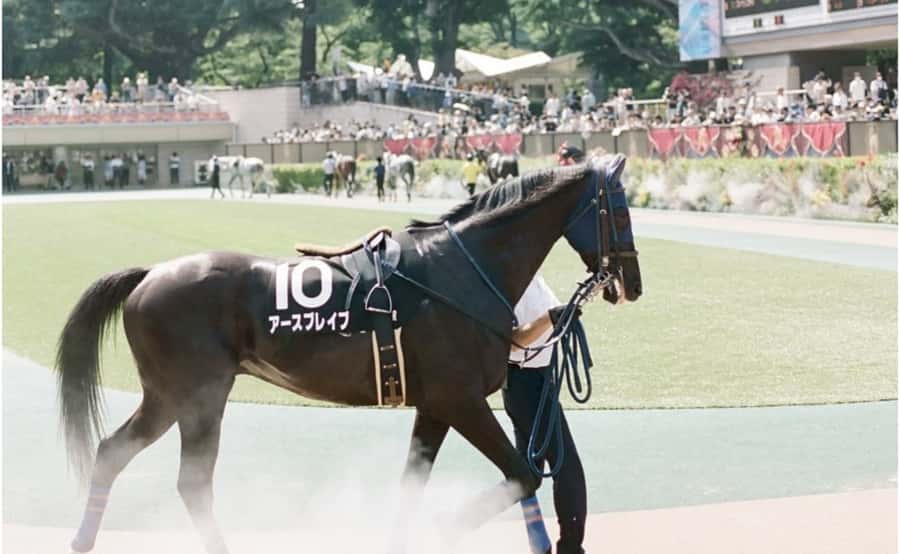
Book it if you want an unusual Tokyo activity and appreciate having a friendly local guide beside you. Eito’s help with trains, entrance, race rules, jockeys, horses, and betting solves the exact problems that make a Japanese racecourse hard to visit alone.
The tour is also a good value for people who want a genuine local setting rather than another standard city attraction. You get live sport, casual Japanese food, local drinks, and a chance to cheer with the crowd.
Skip it if horse racing does not appeal to you, or if you need a fixed venue and fully inclusive price. For everyone else, bring yen, keep your bets sensible, and let the race day unfold. This is one of the more distinctive ways to spend a half-day in Tokyo.
FAQ
What is included in the Tokyo horse racing tour?
The tour includes an English-speaking guide, an explanation of horse racing rules and betting, assistance with placing bets, and admission to the racecourse. The guide provides the admission ticket in person.
Is the GetYourGuide voucher an admission ticket?
No. The voucher is not the racecourse admission ticket. The guide meets you at the designated location and gives you the necessary ticket in person.
Which racecourse will the tour visit?
The venue depends on the date. Weekend tours typically visit Tokyo Racecourse or Nakayama Racecourse. Weekday tours typically visit Oi or Kawasaki Racecourse. The exact venue appears when you select your date.
Can I join the racecourse without the guide?
No. Entry is only possible when you are accompanied by the guide. Meet the guide at the designated location before going to the racecourse entrance.
Is food included in the price?
No. Food and drinks are paid for separately at the racecourse. You may buy items such as karaage, yakitori, seasonal snacks, beer, sake, or local cocktails.
Are betting costs included?
No. You pay for all betting yourself. Bring cash in Japanese yen if you plan to place bets.
Are train tickets included?
No. You pay for your own train tickets. The guide can assist with navigating the train route to the racecourse.
Can I cancel the tour for a refund?
Yes. You can cancel up to 24 hours in advance for a full refund. The activity also offers a reserve-and-pay-later option.
More tours in Tokyo we've reviewed


Tours, compared.
 ★ 5.0Mt Fuji and Hakone 1-Day Bus Tour Return by Bullet TrainFrom $163
 ★ 5.01-Day Tokyo Bus TourFrom $129
 ★ 5.0Tokyo: Shinjuku Food Tour (13 Dishes at 4 Local Eateries)From $86
 ★ 4.4Tokyo Mt Fuji 5th St & Hakone Cruise Bus Tour w/Bullet TrainFrom $15410 hours
 ★ 5.0Flagship 2-Hours Official Street Go-Kart Tour – Tokyo Bay ShopFrom $642 hours to 2 hours 30 minutes (approx.)
 ★ 4.7Tokyo: Mt. Fuji Tour, Hakone Ropeway, Owakudani, Lake AshiFrom $5410 hours