
Reviewed · JDM & CAR CULTURE
Tokyo: Daikoku JDM Car Culture Tour
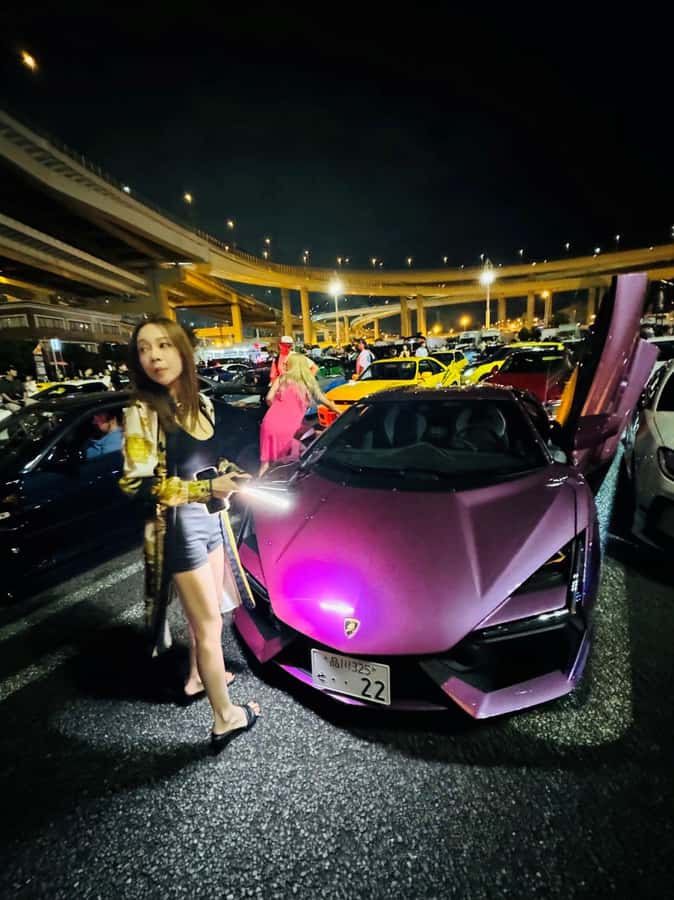
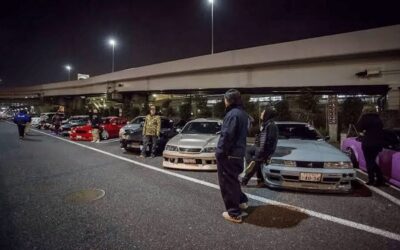
Daikoku Parking Area is not a car museum or a staged showroom. It is a real highway rest stop where Japan’s car culture may gather, from polished classics to modern performance cars. You ride there in a Toyota Vellfire, take in Tokyo’s night views, and see the roads that feature in Japanese car games and films.
I like the personal pickup and return, which makes this easy after a long day in Tokyo. I also like the mix of highway scenery, Rainbow Bridge, Tokyo Tower, and time at Daikoku, rather than a tour that only drops you at one parking lot.
The main caution is timing. This is a semi-private experience, and some pickups have run late or included other passengers. A delay can matter at Daikoku, where cars may arrive and leave before you get there.
In This Review
- Key points at a glance
- Why Daikoku is more than a parking stop
- The drive through Tokyo’s C1 Loop and Wangan highways
- Crossing Rainbow Bridge after the car meeting
- What your time at Daikoku may be like
- Mukarram’s role and the value of a local guide
- Is $115 a fair price?
- Weather, comfort, and practical limits
- Who will enjoy this Tokyo night drive?
- Should you book the Daikoku JDM tour?
- FAQ
- How much does the Tokyo Daikoku JDM Car Culture Tour cost?
- What vehicle is used for the tour?
- Is hotel pickup included?
- Is an English-speaking guide available?
- What is included in the price?
- Is food included?
- Will the tour visit Daikoku Parking Area?
- What should I bring?
- Is the tour suitable for pregnant women or people with back problems?
- Can I cancel the booking for a refund?
Key points at a glance
- Daikoku Parking Area: See a changing collection of Japanese cars at the best-known meeting point on the route.
- Toyota Vellfire transport: Travel in a roomy luxury van with highway costs and a water bottle included.
- C1 and Wangan highways: Follow major Tokyo expressways while seeing the city from a very different angle.
- Rainbow Bridge and Tokyo Tower: Add landmark views and useful photo stops to the car-focused outing.
- Guide Mukarram: Expect English and Japanese service, local stories, and a tour adjusted to your interests.
- Weather matters: Rain can change what is on display, but the guide may offer a different date when conditions are poor.
Why Daikoku is more than a parking stop
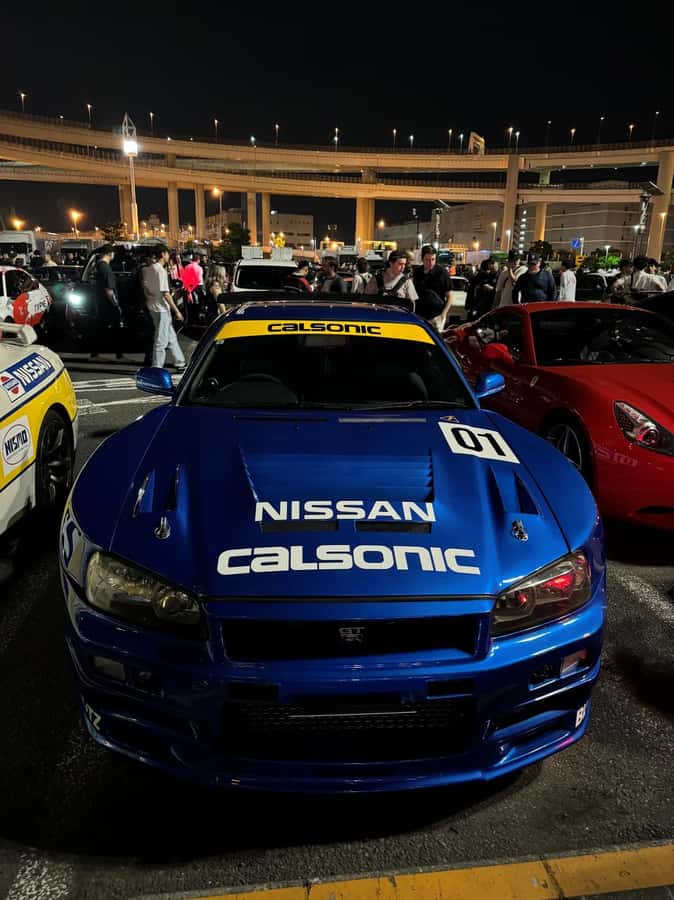
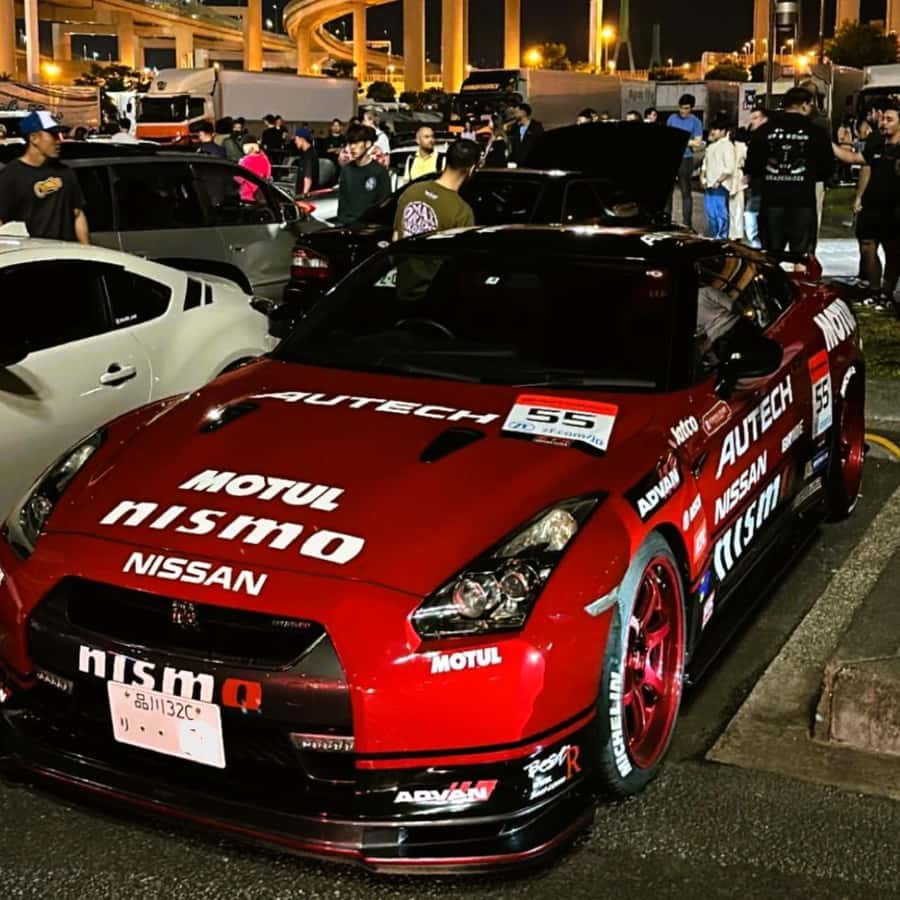
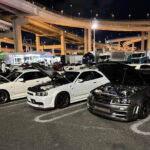
The draw here is the uncertainty. Daikoku Parking Area is a meeting point, not a permanent attraction with a fixed display. The cars you see depend on the day, weather, time, and who has decided to meet there.
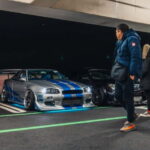
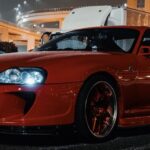
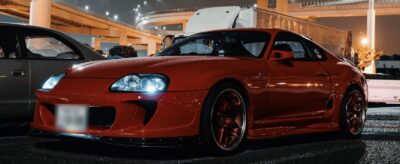
That makes the visit feel closer to watching local car culture than walking through a collection behind glass. You might find classic Japanese models, modified cars, and newer designs sharing the same space. You are there to look, take photos, and learn, not to expect a guaranteed list of particular vehicles.
The tour description uses the language of Tokyo’s street racing scene, but this is not a racing experience. You are riding on public expressways with a driver. The appeal is seeing the routes and meeting points associated with Japanese car culture, not driving at racing speeds or taking part in illegal activity.
You should also keep your expectations flexible. Cars may leave before you arrive, and the scene can change quickly. One delayed pickup meant a group missed some cars that had already departed. That is a real limitation, but it is also part of the nature of a live meeting point.
A few more Tokyo tours and experiences worth a look

The drive through Tokyo’s C1 Loop and Wangan highways
The tour begins with pickup from your hotel or accommodation. From there, your driver takes you onto the Metropolitan Expressway, including the C1 Loop and the Bay Shore Route, often called the Wangan highway.
These roads give you a view of Tokyo that you will not get from a subway platform or a standard sightseeing bus. You see the city while moving through it, with expressway curves, elevated roads, bridges, and illuminated buildings providing the setting.
The route is also useful for fans of Japanese car games and films. You can connect familiar virtual or cinematic scenes with the actual roads, bridges, and city lights around Tokyo and Yokohama.
Your driver provides information about the local area, Japanese daily life, and the history of the car scene in Tokyo. The exact amount of commentary will depend on the ride and your questions, but the experience is more than a transfer to Daikoku.
The Toyota Vellfire matters here. The van gives you a comfortable base for the drive, especially if you are sharing the experience with friends or family. Highway fees are included, so the listed $115 price is not followed by a separate expressway charge.
Crossing Rainbow Bridge after the car meeting
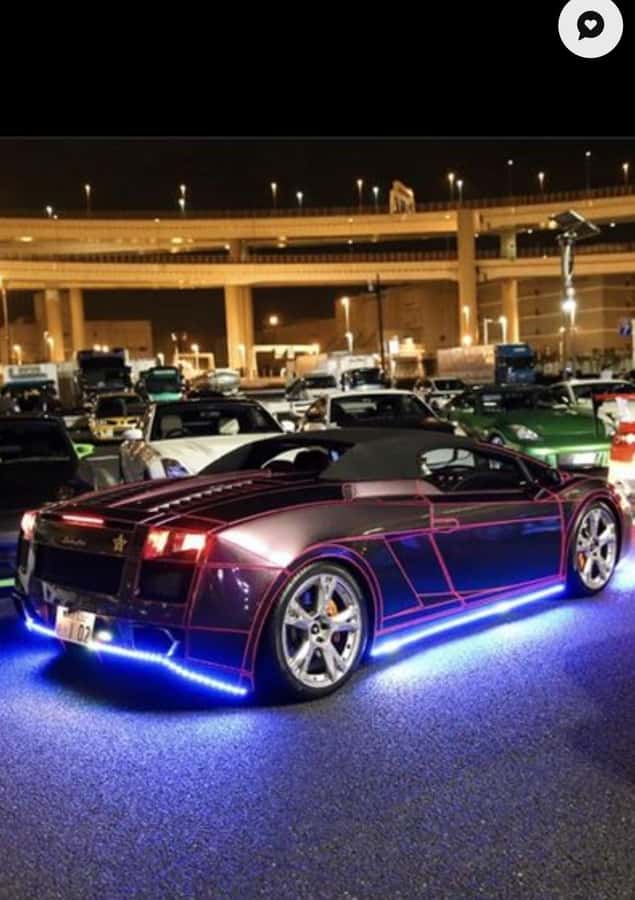
Rainbow Bridge is one of the route’s best visual moments. The bridge links Tokyo’s waterfront areas and gives you a broad view of the city as you cross by vehicle.
The bridge stop is not the main reason to book this outing, but it adds useful variety. A car-focused tour can become repetitive if every minute is spent looking at parked vehicles. The bridge, expressway views, and waterfront scenery give you a better sense of Tokyo’s size and layout.
The tour can also include Tokyo Tower on the return route. One group stopped there for photos, and another finished with a drive over Rainbow Bridge and a Tokyo Tower visit. These details show why it helps to tell the guide what matters to you.
Do not treat every optional-looking stop as guaranteed in the same order. Traffic, pickup delays, the shared nature of the ride, and the time spent at Daikoku can affect the route. The tour is described as customizable, but customization still has to fit the actual time available.
What your time at Daikoku may be like
At Daikoku, you have time to walk around the parking area and photograph the cars. Wear comfortable shoes because there may be some walking, and keep your phone charged for communication and pictures.
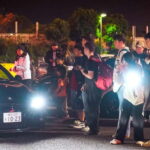
The setting is practical rather than polished. You are at a working highway rest area, so the atmosphere may include ordinary motorists alongside car enthusiasts. That is part of the appeal, but it also means you should not expect a museum-style presentation, reserved seating, or a guaranteed event schedule.
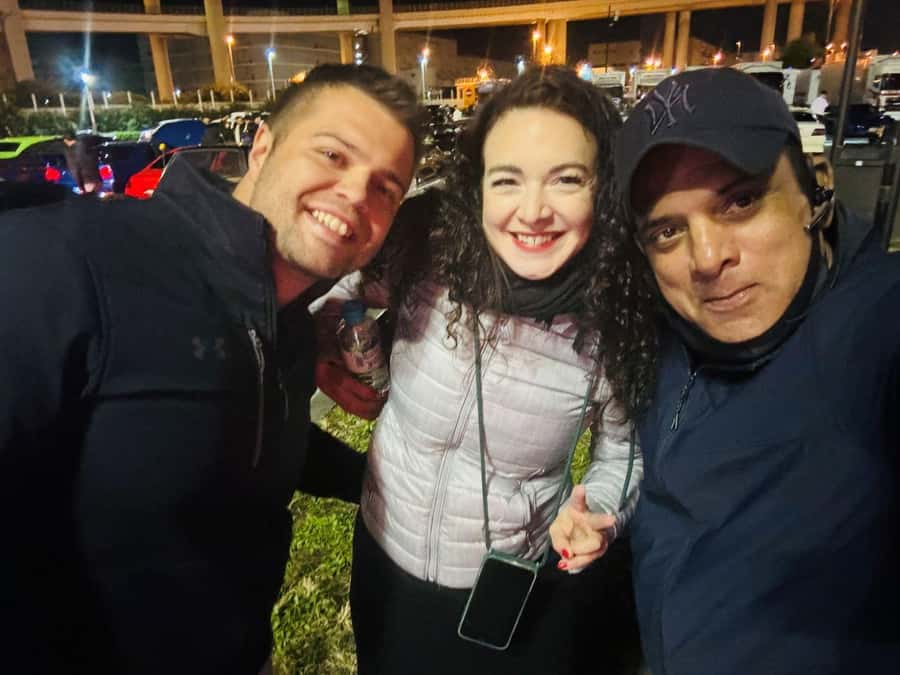
Your guide can help explain what you are seeing and may help you interact with local drivers. The experience allows for the possibility of meeting owners and even stepping into a car you admire, but that is dependent on the people present and their willingness to talk.
Use good manners here. Ask before touching a vehicle, entering a car, or taking close-up photographs of people. The most rewarding part of the visit is respectful contact with a local scene, not treating the parking area like a film set.
Daikoku is especially appealing if you already know the difference between Japanese domestic models, classic sports cars, and newer performance builds. You do not need to be an expert, though. Mukarram’s explanations can give a first-time visitor enough context to understand why the cars and meeting place matter.
Mukarram’s role and the value of a local guide

The guide named most often in the experience is Mukarram. He drives, shares information about Tokyo and Japanese life, and helps shape the outing around your interests.
That personal element is one of the tour’s strongest features. You can ask about the car scene, the routes, Tokyo landmarks, or everyday life in Japan rather than simply listening to a fixed recording. The tour is offered in English and Japanese, with English listed as the main language for booking.
A guide also makes the logistics easier. Daikoku is not simply a central Tokyo attraction that you can reach on foot. It sits on the expressway network, so having transport and someone familiar with the route is a major part of what you are paying for.
Pickup and return to your accommodation add more value. You do not need to work out a late-night route back after the expressway drive, and the guide can discuss a preferred return address. That convenience is particularly useful if you are carrying camera equipment or visiting Tokyo for only a short stay.
Still, communication about pickup time deserves attention. One experience involved a delay of about 30 minutes, although the driver kept the group updated. Another late pickup reduced the time available at Daikoku. I would confirm the meeting point, keep your phone charged, and allow some flexibility before making a tight dinner or train reservation.
Is $115 a fair price?
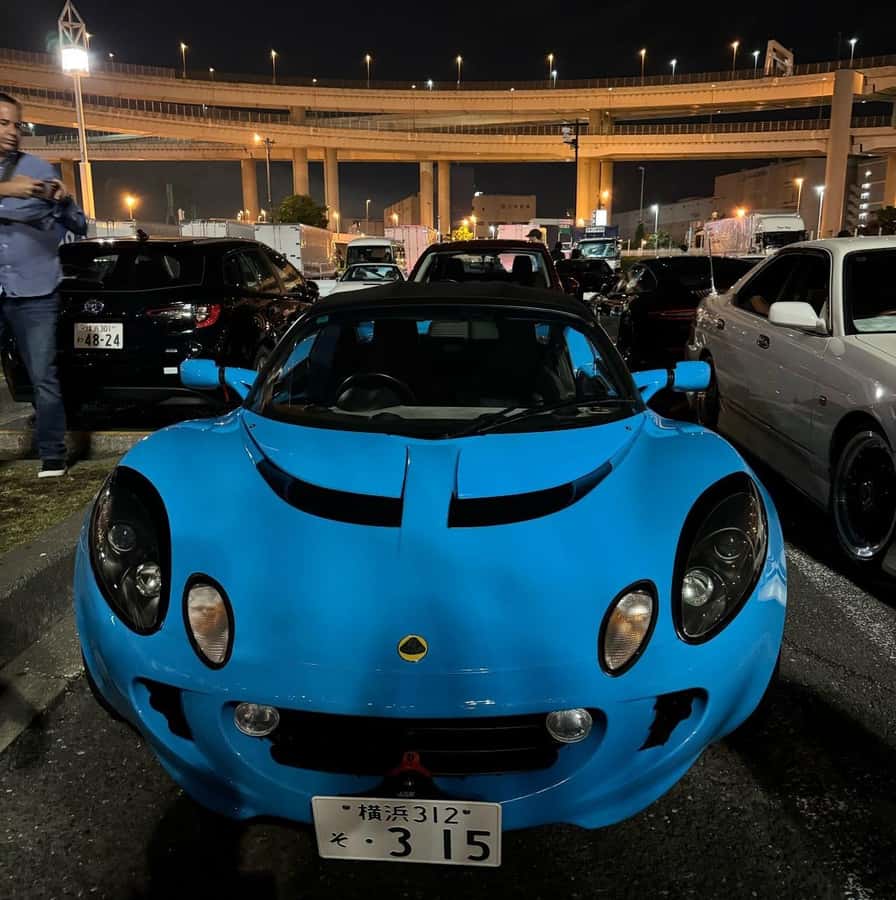
At $115 per person, this is not the cheapest way to see Tokyo at night. A train ride and a walk across a central neighborhood will cost far less.
You are paying for a different package: hotel pickup, a Toyota Vellfire, an English-speaking guide, highway tolls, the Daikoku visit, and a return ride. If you would otherwise need to arrange a rental car, pay expressway charges, and find your own way to a difficult-to-reach meeting point, the price becomes easier to justify.
The value is strongest for car fans who want access to the route and the meeting point without driving in an unfamiliar city. It also works well for small groups that want a private-feeling outing and direct conversation with a guide.
The value is weaker if you mainly want guaranteed sightseeing time at Tokyo Tower or a fixed collection of famous cars. The car display is not guaranteed, and a shared pickup can reduce the time available. You should pay for the experience as a live car-culture outing, not as a promise of a particular vehicle lineup.
Food is not included. Bring your own plan for eating before or after the tour, since the main package covers transport, guiding, highway costs, Daikoku, and water.
Weather, comfort, and practical limits
Rain can change the quality of the visit. Fewer cars may appear, photos may be less enjoyable, and walking around the parking area becomes less comfortable.
There is at least some flexibility when weather is poor. Mukarram offered to move one booking from a rainy Friday to the next day, allowing the group to see Daikoku in better conditions. That kind of adjustment can protect the experience, but you should still check the forecast before booking if the car gathering is your main reason for going.
Comfortable shoes are a simple but useful choice. You may walk around the parking area, and you will want to move between cars and viewpoints without worrying about footwear.
Bring a camera, but your smartphone is enough for most people. Keep it fully charged because you may need it to contact the guide, follow pickup updates, and take photos.
Alcohol and drugs are not allowed. The experience is also not suitable for pregnant women or people with back problems. You will spend time in a moving vehicle and may encounter road movement and walking, so those restrictions should be taken seriously.
Who will enjoy this Tokyo night drive?
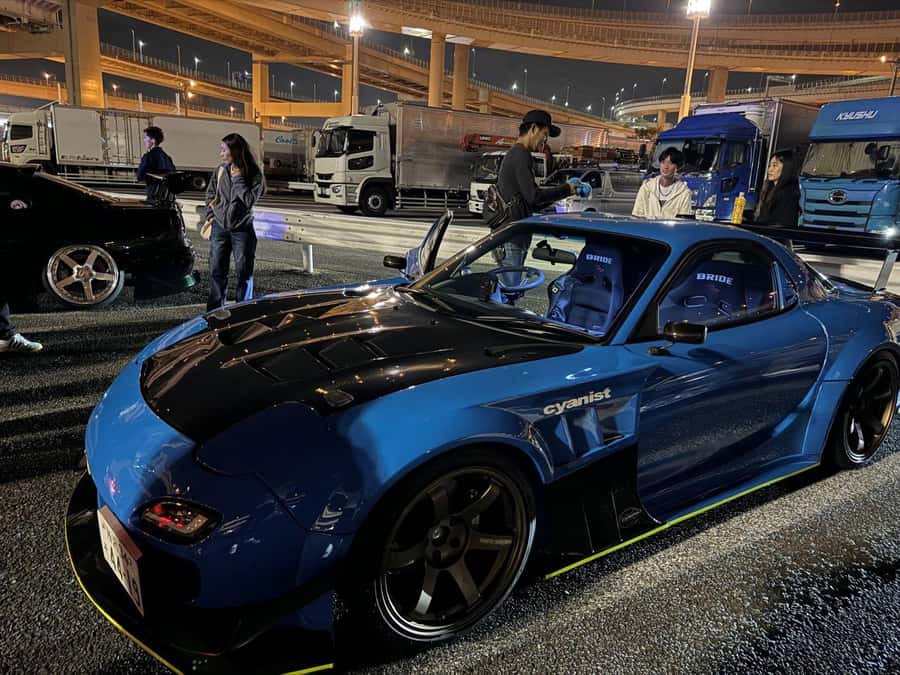
I would recommend this tour first to people who already follow Japanese car culture, enjoy car photography, or want to see the real-world setting behind Japanese racing games and films.
It also suits curious visitors who want a Tokyo experience outside the usual temples, shopping streets, and observation decks. The route gives you a moving view of the city, while Daikoku provides a social and automotive focus.
Small groups of friends should find the van and flexible format useful. Couples can enjoy it too, especially if one person likes cars and the other wants Tokyo views and landmarks. The mix of expressways, Rainbow Bridge, Tokyo Tower, and Daikoku keeps the outing from being only a technical car meet.
I would be more cautious about booking it for young children or anyone who dislikes sitting in a vehicle for a substantial part of an outing. The available information does not give a fixed duration, and the main attraction is best appreciated by people who are genuinely interested in the subject.
I would also avoid building a strict evening schedule around it. Pickup delays have happened, and cars may leave Daikoku before you arrive. Give yourself room before and after the tour.
Should you book the Daikoku JDM tour?
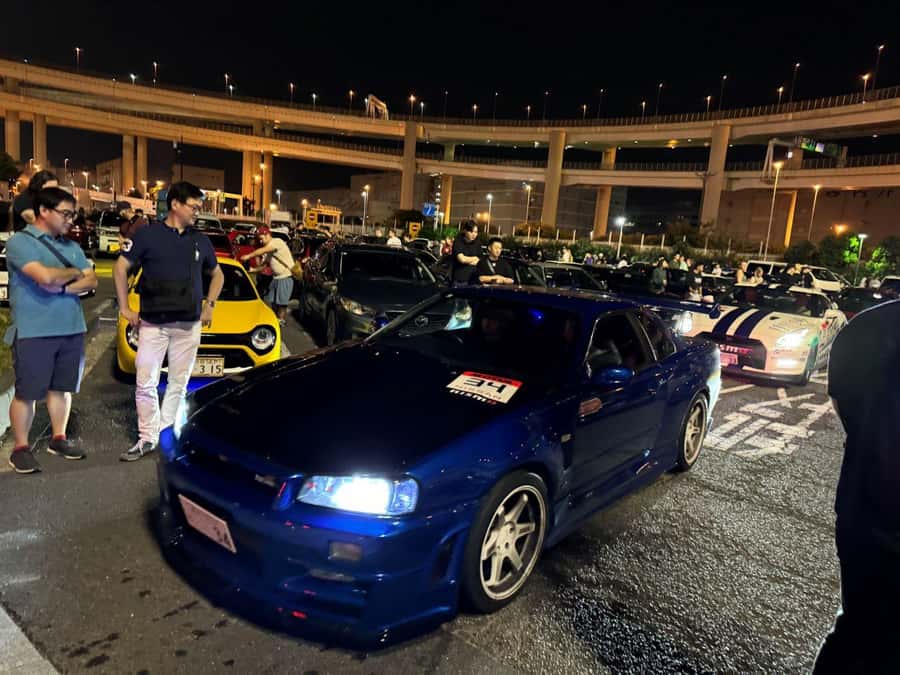
Book it if you want the real meeting-point atmosphere of Japanese car culture, comfortable transport, and a guide who can explain the roads and local scene. The combination of Daikoku, the C1 Loop, Wangan highways, Rainbow Bridge, and possible Tokyo Tower photos gives you more variety than a simple drive to a parking area.
Think twice if you need a guaranteed car lineup, a precise schedule, or a formal museum experience. The outing depends on weather, traffic, pickup timing, and which drivers happen to be at Daikoku.
For the right person, $115 is a reasonable price for access and convenience. Keep your plans flexible, arrive ready to walk and take photos, and tell Mukarram what you most want to see. That is the best way to get value from a tour built around a live, changing car scene.
FAQ
How much does the Tokyo Daikoku JDM Car Culture Tour cost?
The listed price is $115 per person.
What vehicle is used for the tour?
Transportation is provided in a Toyota Vellfire luxury van.
Is hotel pickup included?
Yes. The tour begins with pickup from your hotel or accommodation and includes return transportation.
Is an English-speaking guide available?
Yes. The guide service is listed in English and Japanese, with English available for the tour.
What is included in the price?
Transportation in the Toyota Vellfire, an English and Japanese-speaking guide, highway costs, a stop at Daikoku Parking Area, and a water bottle are included.
Is food included?
No. Food is not included in the tour.
Will the tour visit Daikoku Parking Area?
Yes. A stop at Daikoku Parking Area is included, where you can see and photograph Japanese cars.
What should I bring?
Bring a camera and make sure your smartphone is fully charged for communication and photos. Comfortable shoes are also recommended because some walking may be involved.
Is the tour suitable for pregnant women or people with back problems?
No. The experience is listed as unsuitable for pregnant women and people with back problems.
Can I cancel the booking for a refund?
You can cancel up to 24 hours in advance for a full refund.
More JDM & Car Culture in Tokyo
More tours in Tokyo we've reviewed




JDM & Car Culture, compared.
 ★ 4.7FAST&FURIOUS EXPERIENCE Tokyo Car Club membershipFrom $138
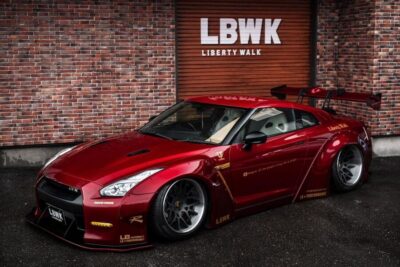 ★ 4.8GT-R35 800hp Club Membership – secret underground car meetFrom $205
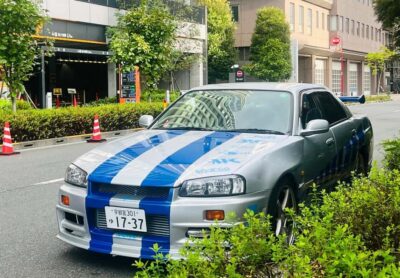 ★ 4.8Tokyo: Fast & Furious Tokyo Drift 3 Experience (Kaila Yu SP)From $157
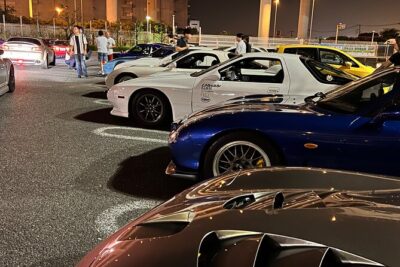 ★ 4.8Tokyo: Daikoku JDM Car Meet & Night Car Culture TourFrom $984 hours
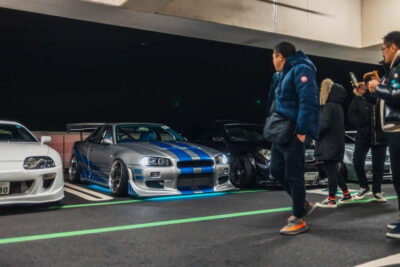 ★ 4.8Secret Car Meet: R34 Skyline Car Club MembershipFrom $236
 ★ 4.7Tokyo Drift: Daikoku PA Supreme Car Experience 大黒PAFrom $583 hours