
Reviewed · TEMPLES & MEDITATION
Sumida Riverside Walk: Garden &Temple Ritual (4 Meeting Points)
The most interesting part of this Tokyo tour is its change of pace. Instead of rushing between famous sights, you walk beside the Sumida River, enter a carefully shaped Japanese garden, and spend time at a working temple where faith appears in small daily acts. Guide Hiroyuki adds context that is easy to miss on your own, from omikuji fortunes to the meaning behind temple spaces and rituals.
I like two things here. First, the group is limited to six people, so this should feel more like a guided walk than a coach tour. Second, the route gives you both nature and religion in one morning, including the garden’s stones, water, and miniature Mount Fuji, plus the temple’s intricate details and possible fire ritual. The main consideration is that this is a walking and interpretation-focused experience, not a major sightseeing checklist. If you want Tokyo’s biggest landmarks, this is not the right morning.
In This Review
- Key points to know before booking
- A gentle start beside the Sumida River
- Fukagawa Fudōson and everyday religious practice
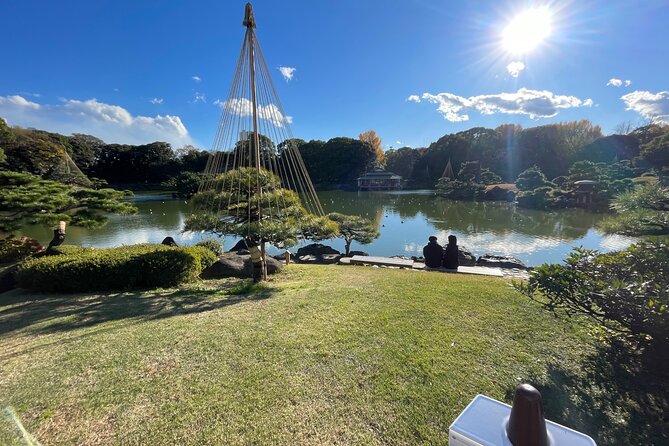
- Kiyosumi Teien, a garden built for quiet attention
- Why the guide matters on this particular route
- What $48.86 buys you
- Timing, meeting point, and the shape of the morning
- Who will get the most from this tour
- A few practical ways to enjoy the experience
- Should you book this Sumida River walk?
- FAQ
- Where does the Sumida Riverside Walk begin?
- Where does the tour end?
- What time does the tour start?
- How long does the experience last?
- How large is the group?
- Is Kiyosumi Garden admission included?
- Can I cancel for a full refund?
Key points to know before booking
- A quiet side of Tokyo: Follow the Sumida River and see a calmer urban setting away from the city’s headline attractions.
- Two very different stops: Kiyosumi Teien offers stillness, stones, ponds, and garden design, while Fukagawa Fudōson brings active religious tradition into view.
- Small group size: The tour accepts a maximum of six people, a useful advantage for questions and close guidance.
- A local guide called Hiroyuki: He explains cultural details and may add an extra stop when the timing and route allow.
- A morning schedule: The tour starts at 8:30 a.m. and lasts about three hours, leaving the rest of your day open.
- Good value for a focused outing: At $48.86 per person, the price pays for a guided cultural walk, garden admission, and personal explanation rather than a long list of entrance tickets.
A gentle start beside the Sumida River
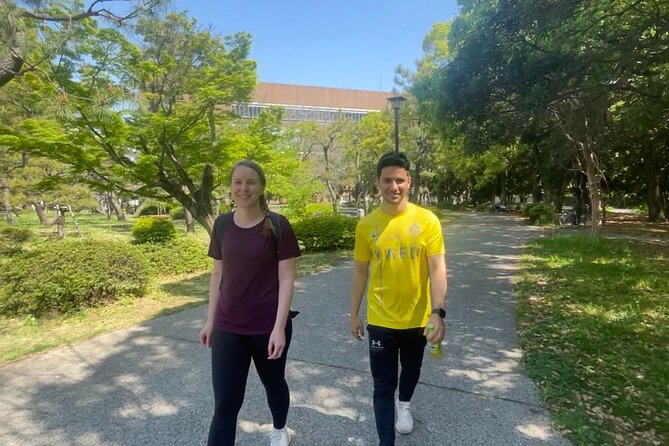
Your morning begins at Fukagawa Fudōson, also called the Naritasan Tokyo branch temple, at 1-chōme-17-13 Tomioka in Koto City. The walk then takes you toward the river and through an area that feels more local and residential than central Tokyo’s best-known districts.
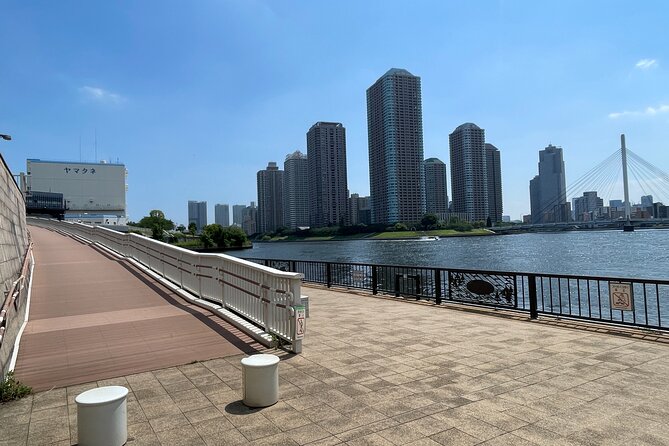
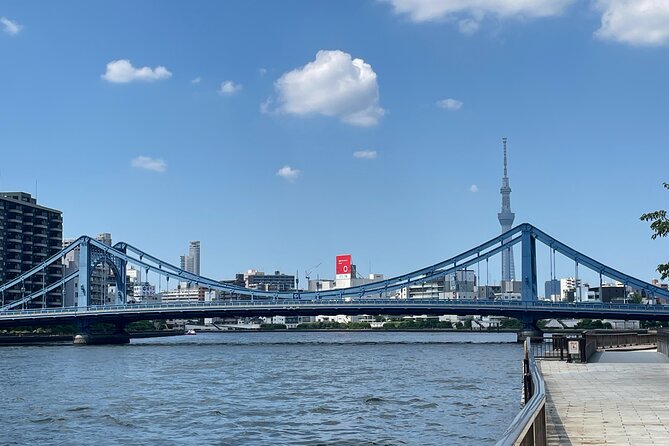
The first section lasts about 35 minutes and has no separate admission charge. It is less about covering a great distance than about setting the tone. You pass a historic iron bridge, walk along the water, and begin to connect the modern city with the older temples and garden traditions nearby.
I like this opening because it gives you time to settle into Tokyo. You are not pushed straight through a gate or into a lecture. The river walk offers a simple way to notice the city’s quieter rhythms, with Hiroyuki explaining what you are seeing as you go.
The word walk matters here. Wear comfortable shoes and expect to be outdoors. The tour information does not describe the route as strenuous, and most people can take part, but the experience is built around moving between sites rather than sitting in one place.
A few more Tokyo tours and experiences worth a look

Fukagawa Fudōson and everyday religious practice
The temple visit lasts about one hour and is the cultural heart of the outing. Fukagawa Fudōson has more than 300 years of history, and the tour focuses on how Japanese spirituality appears in ordinary actions, sacred spaces, and quiet customs.
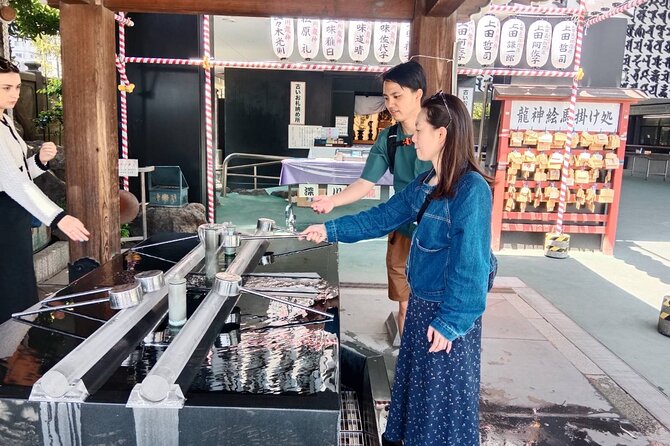
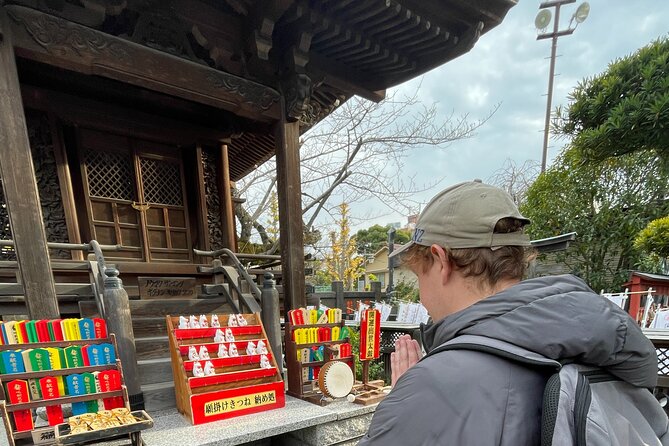
That focus is useful because a temple can be easy to misunderstand. You may notice people drawing omikuji, Japanese fortune slips, or pausing before a religious object, but without explanation, the actions can look like decoration or simple tourism. Hiroyuki helps you see the difference between looking at a temple and understanding how people use it.
The visit also gives you time to study the architecture. The experience is not presented as a loud spectacle. Instead, it looks at the small signals of belief woven into the place. That makes it a good fit if you want cultural background without a long formal history lecture.
One memorable part can be the temple’s fire ritual. A previous guest particularly enjoyed this aspect, and the tour’s emphasis on temple ritual makes it worth asking Hiroyuki about the timing and meaning of anything taking place during your visit. Do not assume a specific ceremony will always happen at the exact time you go, but the possibility adds interest to the temple stop.
The temple section is also where a small group helps most. With no more than six people, you should have a better chance to ask about omikuji, customs, or details in the building. This is a setting where your questions can shape the visit, so come prepared with one or two things you want to understand.
Kiyosumi Teien, a garden built for quiet attention
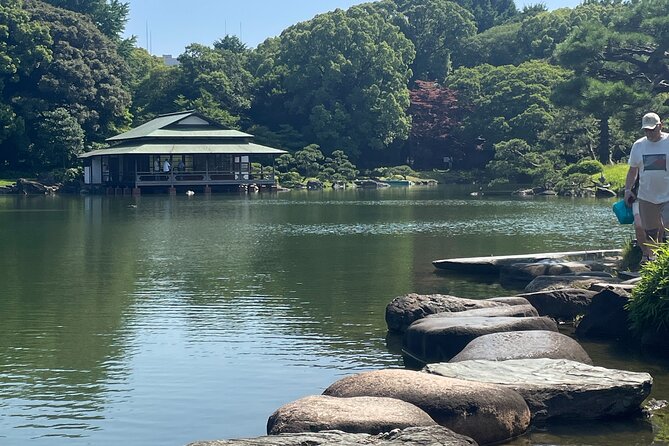
Kiyosumi Teien takes about 40 minutes, with admission included. The garden is over 100 years old and is designed around stones, water, balance, and space. It gives you a sharp change from the temple, even though both places reflect Japanese ideas about order and respect for nature.
The garden’s appeal is not a long list of monuments. It is the way each part has been placed to control what you see and how you feel as you move. You may find yourself paying attention to a stone arrangement, a pond view, or the shape of a path rather than searching for one grand centerpiece.
A miniature Mount Fuji is one detail worth watching for. It gives the garden a playful visual point, but it also shows how Japanese gardens can suggest a wider world in a compact area. You are not traveling to an actual mountain here. You are seeing how a garden can frame an idea of distance, height, and nature within the city.
Forty minutes is enough for a meaningful introduction, but it is not an all-day garden visit. If you enjoy taking dozens of photographs or sitting for a long stretch, you may want more time than the schedule allows. The tradeoff is that you get a clear, focused look and still have most of the day available for other Tokyo plans.
I especially like the balance of this stop. The river gives you open space, the temple gives you living tradition, and the garden slows your attention down. You are not simply collecting sights. You are seeing three different ways Tokyo connects city life with water, belief, and nature.
Why the guide matters on this particular route
This tour depends more on explanation than on major entrance attractions. Kiyosumi Garden and Fukagawa Fudōson are accessible places, but the meaning behind them is not always obvious to someone visiting from abroad.
Hiroyuki is described as friendly, detailed, and attentive to the people in the group. He has also taken someone to an extra museum during the outing. That should not be treated as a guaranteed part of the three-hour plan, but it suggests that the route can have some flexibility when time and circumstances permit.
The best way to use the guide is to ask direct questions. Ask why people draw omikuji, what a particular temple feature means, or how the garden’s design creates balance. You may learn more from a short exchange than from trying to photograph every detail.
This is also a useful tour early in a Tokyo visit. You can pick up cultural clues that help you read other temples and gardens later in your trip. The experience is not only about these three places. It gives you a few tools for noticing Japanese customs elsewhere.
What $48.86 buys you
The cost is $48.86 per person. For three hours, that is a reasonable price if you want a small-group guide and a cultural focus rather than simply walking through the sites alone.
Kiyosumi Garden admission is included. Fukagawa Fudōson and the Sumida River walk do not carry a separate admission charge, so the main value comes from Hiroyuki’s time, route planning, explanations, and the small group setting.
You could visit the temple and garden independently for less out-of-pocket cost, especially since the temple stop and river walk are free. The question is not simply how much the tickets cost. It is how much you value having someone explain customs that can otherwise be easy to miss.
For a first visit to Tokyo, that explanation may justify the price. For a repeat visitor who already understands Japanese temple etiquette and garden design, the value is less certain. You may prefer to spend longer in Kiyosumi Teien at your own pace.
The maximum group size of six improves the price calculation. You are not paying for a large operation with a fixed script. You are paying for a compact morning with room for questions and a quieter route through eastern Tokyo.
Other walking tours we've reviewed in Tokyo



Timing, meeting point, and the shape of the morning
The start time is 8:30 a.m. at Fukagawa Fudōson, 1-chōme-17-13 Tomioka, Koto City, Tokyo 135-0047. The experience ends at the same temple, so you do not have to work out a new meeting point at the end.
The temple is about a four-minute walk from Monzen-Nakachō Station. That makes the starting point practical if you are using public transportation, and the tour information confirms that it is near public transit.
The total duration is about three hours. Since the tour begins in the morning, you can continue to another Tokyo neighborhood afterward. Ending back at Fukagawa Fudōson also makes it easier to plan lunch or a further visit from the same general area.
The description refers to four meeting points, but the supplied details identify one start and end location. Use Fukagawa Fudōson as your confirmed meeting place and check your booking confirmation for any final instructions. A mobile ticket is provided, and confirmation arrives at booking.
The schedule is compact enough for many people, but you should arrive ready to walk. The route includes the river, the temple, and the garden, with several changes of setting. There is no indication that the tour is designed for anyone who needs a fully seated activity.
Who will get the most from this tour
I would recommend this experience to first-time visitors who want cultural orientation without spending half a day in a museum. It also suits people who prefer local streets, gardens, and religious sites to Tokyo’s most crowded attractions.
It is a strong match for curious walkers. You should enjoy asking questions, looking closely, and giving places time to speak for themselves. The group limit of six is helpful for solo visitors and couples who want personal attention without booking a private tour.
Families and older visitors may also find the pace manageable, since most people can participate, but the information provided does not give a detailed accessibility breakdown. If you have specific mobility needs, confirm the walking requirements before booking.
This is less suitable if your priority is shopping, food tasting, nightlife, or famous city views. It also may not satisfy you if you want a long garden session. Kiyosumi Teien receives about 40 minutes, so the tour offers an introduction rather than a complete study of the garden.
A few practical ways to enjoy the experience
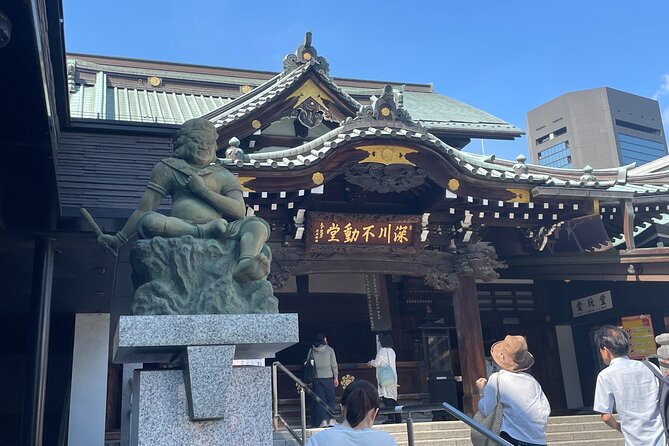
Arrive early enough to find Fukagawa Fudōson without stress. The start time is 8:30 a.m., and a calm arrival gives you time to locate the temple and prepare for the walk.
Keep your phone available for the mobile ticket, but do not let photography take over. The most useful parts of the tour are likely to be the explanations of omikuji, temple behavior, and garden design, details that will not always show clearly in a picture.
Ask about the fire ritual if it is important to you. The experience has included a fire ritual for at least one person, but ceremony timing can vary, so treat it as something to ask about rather than a fixed promise.
Plan your next activity near the end point or along the public transportation route. The tour returns to Fukagawa Fudōson, about four minutes from Monzen-Nakachō Station, so you can keep your wider Tokyo schedule flexible.
Free cancellation is available if you cancel at least 24 hours before the 8:30 a.m. start time. Cancellations or changes inside that window are not refunded, and the cut-off follows local Tokyo time.
Should you book this Sumida River walk?
Book it if you want a small, calm introduction to Tokyo’s river life, garden design, and temple customs. The combination is the real strength: a historic bridge and waterside walk, the daily spirituality of Fukagawa Fudōson, and the stillness of Kiyosumi Teien.
The tour is especially worthwhile early in your trip, when Hiroyuki’s explanations can help you make sense of other Japanese gardens and temples. At $48.86, it offers fair value for a three-hour guided outing with garden admission and a maximum of six people.
Skip it if you want major landmarks, a long garden visit, or a food-centered tour. But if your ideal Tokyo morning includes quiet paths, careful observation, and a guide who can explain what you are seeing, this is a thoughtful way to spend three hours.
FAQ
Where does the Sumida Riverside Walk begin?
The tour begins at Fukagawa Fudōson, the Naritasan Tokyo branch temple, at 1-chōme-17-13 Tomioka, Koto City, Tokyo 135-0047, Japan.
Where does the tour end?
The experience ends at Fukagawa Fudōson, the same temple where it begins.
What time does the tour start?
The start time is 8:30 a.m.
How long does the experience last?
The tour lasts approximately three hours.
How large is the group?
The tour has a maximum of six people.
Is Kiyosumi Garden admission included?
Yes. Admission to Kiyosumi Teien is included in the tour price.
Can I cancel for a full refund?
Yes, if you cancel at least 24 hours before the experience start time. Cancellations made less than 24 hours before the start are not refunded, and changes inside that period are not accepted.
More Walking Tours in Tokyo
More Temples & Meditation in Tokyo
More tours in Tokyo we've reviewed









Temples & Meditation, compared.
 ★ 4.7Tokyo: Meiji Shrine, Asakusa, Skytree Bus Tour and CruiseFrom $12210 hours
 ★ 4.8Tokyo: Asakusa Walking Tour with Sensoji Temple VisitFrom $222 hours
 ★ 4.6Nikko: Kegon Falls, Lake Chuzenji & Toshogu TempleFrom $8911 hours
 ★ 4.5Tokyo: Kamakura & Enoshima Day Trip including Temple TicketsFrom $589 hours - 570 minutes
 ★ 4.5Tokyo: Nikko Toshogu Shrine and Kegon Waterfall TourFrom $8410h 30m
 ★ 4.5Tokyo Panoramic 1 Day: Meiji Shrine, Asakusa, Odaiba and SKYTREE®From $85