
Reviewed · TOKYO FOOD TOURS
Ramen Tasting – Mini Bowl Ramen Tour
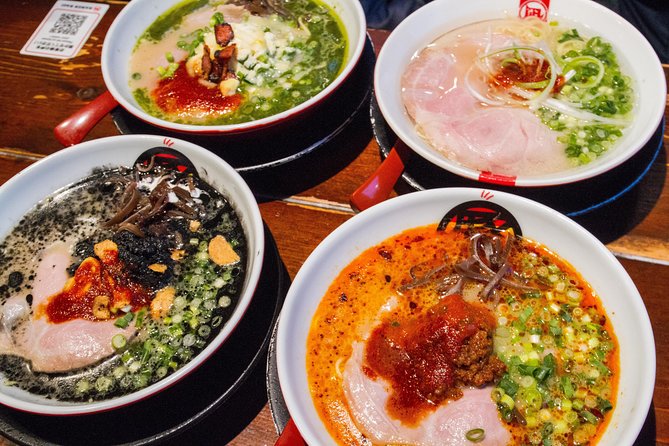
Tokyo ramen is not one dish. It is a broad family of broths, noodles, toppings, and regional traditions. This three-hour tour lets you taste six mini bowls at three shops, so you can compare styles without ordering a full serving each time. You begin near Shibuya Crossing, then walk through two more Tokyo neighborhoods known for ramen.
I like two things right away: the small portions make it easy to try unfamiliar flavors, and the guide adds context that you would miss while eating alone. Guides including Sahori, Brian, Bunga, Makayla, Daisy, and Manny have been praised for making the food easy to understand and the group easy to talk with. The main catch is the price, $118.92 per person, plus the walking between stops.
In This Review
- Key points at a glance
- Why six small bowls work better than one large ramen lunch
- Starting at Shibuya Crossing
- Three neighborhoods, three different ramen stops
- Walking between bowls
- The guide makes the difference
- What you learn about ramen
- Is $118.92 a fair price?
- Who should book this ramen tour?
- What to know before you go
- Should you book it?
- FAQ
- How long does the ramen tour last?
- How many ramen bowls are included?
- How many restaurants does the tour visit?
- Where does the tour begin?
- Is a guide included?
- Is a drink included?
- Is transportation included?
- How large is the group?
- Can I cancel for a refund?
Key points at a glance

- Six mini bowls, three ramen shops: Compare several broths and noodle styles in one outing.
- A useful first taste of Tokyo ramen: The format helps you discover what to order later in your trip.
- Starts at Shibuya Crossing: The tour uses a famous city landmark as its opening point.
- Small group setting: A maximum of 10 people keeps questions and conversation manageable.
- Food and one beverage included: The tour covers lunch, though transport to and from the attractions is not included.
- Guides shape the experience: Sahori, Brian, Bunga, Makayla, Daisy, Manny, Julija, and Deep are among the guides praised for energy and ramen know-how.
Why six small bowls work better than one large ramen lunch
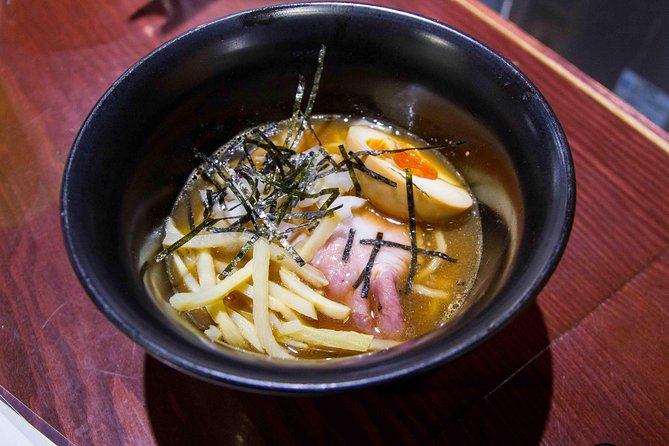
A full bowl of ramen can be filling, especially when the broth is thick or pork-based. If you eat alone, you may have room for only one style. This tour solves that problem with mini bowls, giving you a chance to compare six varieties in one sitting.
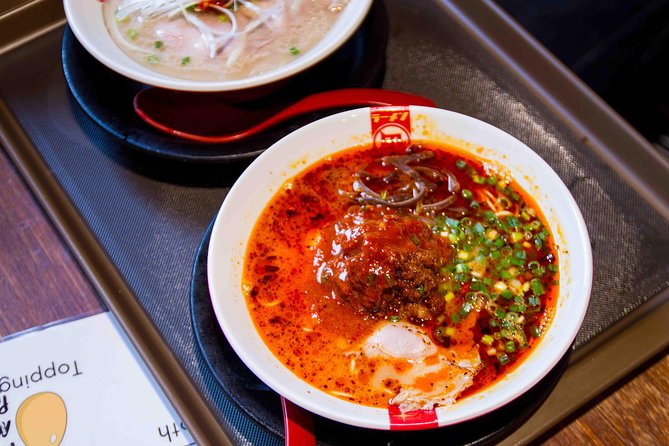
That variety is the heart of the outing. You might move from a spicy fish-based flavor to a savory pork broth, then try lighter shoyu or another regional style. The exact selection can vary, but the goal is clear: each shop offers a different specialty, and each stop gives you two small servings.
You should still arrive hungry. Several people found that the portions add up, even though each bowl is small. This is lunch, not a quick snack with a noodle sample at the end.
The mini portions also make the tour friendly to cautious eaters. You can try something outside your normal order without committing to a huge bowl. If you already know you like ramen, the benefit is different: you get a quick survey of styles and can pay closer attention to broth, noodles, toppings, and seasoning.
A few more Tokyo tours and experiences worth a look
Starting at Shibuya Crossing
The stated meeting point is Shibuya Crossing, the famous scramble where streams of people cross from every direction. The stop itself is brief, about two minutes, and admission is free. Think of it as a clear city landmark and a starting point, not a full sightseeing visit.
Shibuya Station can be confusing, especially if you are arriving with luggage or trying to find the correct exit. One guide, Bunga, was specifically praised for helping with station navigation. That is useful because the tour depends on everyone getting together promptly before the food portion begins.
From Shibuya, the outing continues on foot and by public transportation connections between ramen-focused areas. Transportation to and from the attractions is not included, so you should expect to handle those local transfers yourself. The provided details do not list every station, fare, or final meeting location, so check the current booking information before you set out.
Three neighborhoods, three different ramen stops
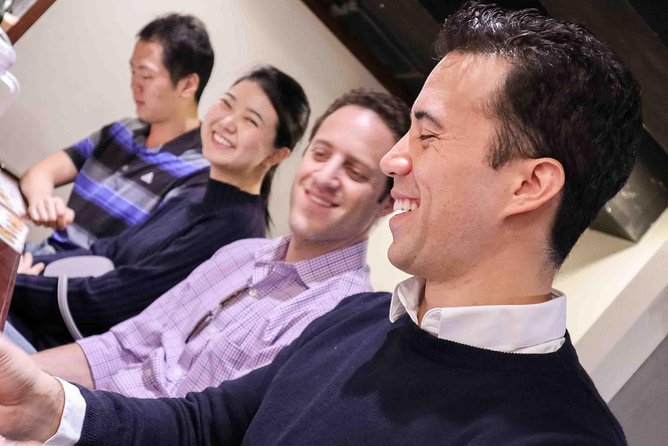
The tour visits three Tokyo neighborhoods known for ramen and three award-winning ramen shops. The appeal is not only the food. You also get a moving introduction to different parts of the city instead of spending the entire meal in one restaurant.
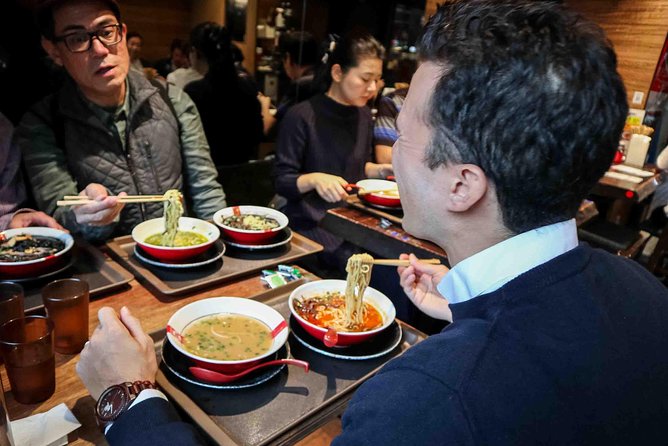
At the first ramen stop, your guide sets up the basic comparison. You may learn how the broth is made, how the noodles are selected, and what ingredients give a bowl its main character. The two mini servings here give you a first lesson in how different ramen can taste even when the format looks familiar.
The second stop adds another pair of bowls. This is where the progression becomes useful. You can compare the new flavors with the first shop while the differences are still fresh. One style may taste light and clean, while another feels thick, salty, spicy, or pork-forward.
The third stop completes the tasting with two more mini bowls. By this point, you have tried six varieties and can begin to identify your own preferences. You may discover that you prefer shoyu to tonkotsu, a fish-based broth to a creamy one, or a regional style you would never have chosen from a menu.
The exact restaurant names and ramen lineup are not provided, and they may change. That is worth noting if you want to return to one specific shop later. The tour is built around variety rather than a fixed restaurant checklist.
Walking between bowls
Walking is part of the design. The route links three neighborhoods, and the breaks help keep the meal from becoming one long stretch of sitting and eating. One account described the walking as a good amount, while another suggested that the tour involved a lot of walking. Both points can be true depending on pace, weather, and the group.
You should wear comfortable shoes and be ready for ordinary city walking. The tour requires a moderate level of physical fitness, and the activity is near public transportation. It is not presented as a difficult hike, but it is more active than a single restaurant meal.
The walking also gives your guide room to explain Tokyo, ramen culture, and local areas. A park stroll was part of one outing, with cherry blossoms visible in season. That detail cannot be promised on every departure, but it shows how the tour can add a small city break between bowls.
The guide makes the difference
Food tours rise or fall on the guide, and this one puts the guide at the center. The strongest descriptions of the experience focus on clear explanations, friendly conversation, and help with questions about both ramen and Tokyo.
Sahori is repeatedly praised for warmth, energy, fluent English, and strong ramen knowledge. She also made a point of checking that everyone was comfortable and asking for reactions to each dish. If you want to ask many questions, that personal attention is a real advantage.
Brian is described as engaging and passionate about ramen. He explains differences in styles, ingredients, and neighborhoods, and he brings a personal connection to the subject. Makayla is praised for being fun, easy to spend time with, and well informed about ramen.
Bunga has been described as patient, helpful with Shibuya Station, and good at mixing local history with food information. Daisy is praised for friendliness and for explaining the different specialties at each restaurant. Manny brings an entertaining style and helps first-time ramen eaters understand where the varieties come from.
Julija and Deep have also led well-received outings, with Deep specifically handling dietary requirements without trouble. Guide assignments can change, so you should not book on the assumption that one particular person will lead your departure. Still, the range of guide feedback suggests that the company places real weight on personable, food-focused hosts.





What you learn about ramen
This is not a cooking class, and you will not make noodles yourself. The learning happens while you eat. Your guide explains ramen’s past, its place in Japanese food culture, and the ways the dish continues to change.
You learn to notice more than the topping on your bowl. Broth flavor, noodle texture, aroma, salt level, and regional influence all matter. The tour can also show you why two restaurants serving ramen may feel like completely different meals.
The history lesson adds value because ramen is often treated as a simple comfort food. In reality, its development connects Japanese tastes with outside influences, regional habits, restaurant craft, and modern experimentation. The tour also looks toward the future of Japanese ramen, so the discussion is not limited to old traditions.
Your guide can explain how to eat ramen like a local, including the practical rhythm of tasting the broth, noodles, and toppings. You will also have a chance to ask about ordering, ingredients, and styles that appear on menus around Japan.
Is $118.92 a fair price?
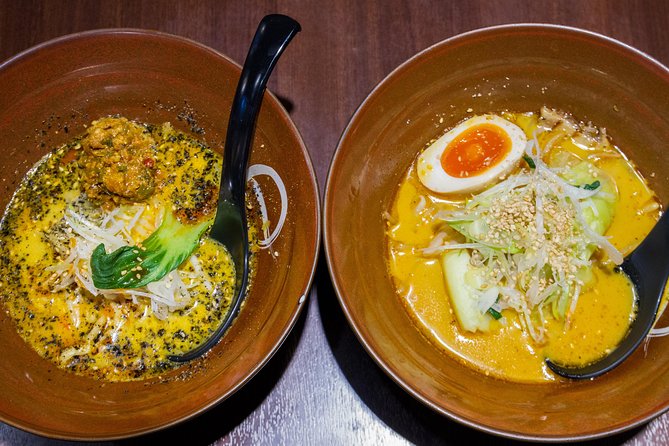
At $118.92 per person, this is not a bargain lunch. You are paying more than the cost of buying one bowl of ramen on your own. The price makes more sense when you count what is included: six mini bowls, three restaurant stops, one beverage, a local guide, neighborhood walking, and food instruction.
The strongest value comes from avoiding six full-size meals. If you tried to recreate the tasting independently, you would need to find three suitable shops, manage station transfers, order small enough portions, and hope you chose a useful range of styles. The tour removes that guesswork.
It is also a good value for a first visit to Tokyo if ramen is high on your list but you do not know where to begin. You leave with a clearer sense of what you like and a better idea of what to order later.
The value is weaker if you already have a carefully planned ramen itinerary or care mainly about eating one famous full-size bowl. You might prefer to spend the money on a single meal at a specialist shop. This tour is about breadth, guidance, and conversation rather than the cheapest possible noodles.
Who should book this ramen tour?
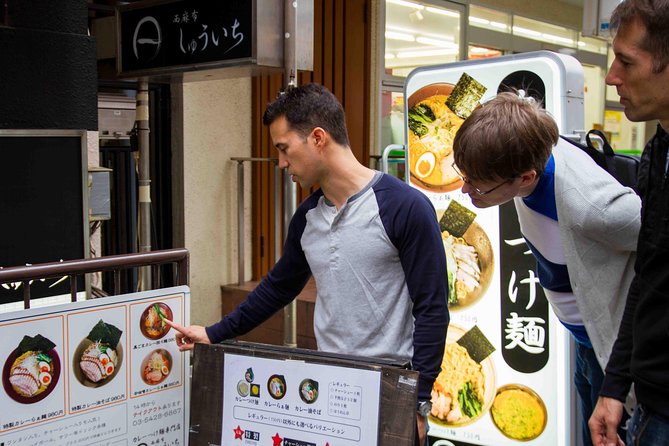
I would recommend it to first-time Tokyo visitors, food-focused couples, curious solo eaters, and families with older children or teens who enjoy trying several dishes. One small private-feeling group included two adults and two teenagers, and the format worked because everyone could sample different bowls.
It is especially useful for people who do not know the difference between ramen styles. You can make mistakes safely here. A bowl you would have skipped on a menu may turn out to be your favorite.
It also suits anyone who enjoys learning while eating. The guide explains the food, but the outing includes local history, neighborhood context, and practical tips. If you want a quiet meal with no schedule, this is not the right format.
People with a moderate fitness level should be comfortable, but you should plan for walking between the three stops. Food allergies or dietary needs should be raised when booking or with the guide early in the tour. One outing handled dietary requirements without issue, but the available information does not promise that every ramen style can be altered.
What to know before you go
The tour lasts about three hours. That is enough time to visit three areas and eat six bowls without rushing through each stop, but it is still a scheduled group activity.
The group is capped at 10 people. That is small enough for direct conversation, though the exact feel depends on the number booked. If only a few people join, you may get a more personal outing and more time for questions.
A mobile ticket is provided, and booking confirmation arrives at the time of booking. Public transportation is nearby, but getting to and from the attractions is your responsibility. Allow extra time to reach the meeting point, especially if Shibuya Station is new to you.
One beverage is included with lunch. The listing does not specify a choice of alcoholic or non-alcoholic drink, so check the current details if that matters to you.
Free cancellation is available if you cancel at least 24 hours before the start time. Cancellations or changes made within 24 hours are not refunded or accepted, and cut-off times follow Tokyo local time.
Should you book it?
Book this tour if you want to taste widely, learn how ramen styles differ, and let a guide handle the restaurant planning. The six mini bowls are the main reason to go. They give you a much better introduction than a single lunch, especially on a first Tokyo visit.
Skip it if you want the lowest-cost meal, dislike walking, or already know exactly which ramen shops you want to visit. For everyone else, the price is justified by the variety, the three-shop route, and the help of guides such as Sahori, Brian, Bunga, Makayla, Daisy, and Manny. Come hungry, wear good shoes, and treat the tour as both lunch and a practical ramen lesson.
FAQ
How long does the ramen tour last?
The tour lasts approximately three hours.
How many ramen bowls are included?
You receive six mini bowls of ramen in total, with two mini bowls served at each of three ramen shops.
How many restaurants does the tour visit?
The tour visits three award-winning ramen shops in three Tokyo neighborhoods known for ramen.
Where does the tour begin?
The itinerary begins at Shibuya Crossing. The crossing stop lasts about two minutes and has no admission fee.
Is a guide included?
Yes. A local guide is included. Guides who have led this experience include Sahori, Brian, Bunga, Makayla, Daisy, Manny, Julija, and Deep.
Is a drink included?
Yes. Lunch includes one beverage.
Is transportation included?
No. Transportation to and from the attractions is not included. The tour is near public transportation.
How large is the group?
The maximum group size is 10 people.
Can I cancel for a refund?
Yes. You can cancel for a full refund if you cancel at least 24 hours before the experience start time. Cancellations or changes made less than 24 hours before the start time are not accepted or refunded.
More Tokyo Food Tours in Tokyo


More tours in Tokyo we've reviewed









Tokyo Food Tours, compared.
 ★ 5.0Tokyo: Shinjuku Food Tour (13 Dishes at 4 Local Eateries)From $86
 ★ 4.9Tokyo: Shinjuku Food Tour (15 Dishes and 4 Eateries)From $853 hours
 ★ 5.0Best of Shinjuku: Izakaya Food Tour (4 Stops, 14+ Tastings)From $92
 ★ 5.0Tokyo Night Foodie Tour in Shinjuku – Seasonal Sushi, Wagyu BeefFrom $111
 ★ 5.0Eat and Drink Like a Local: Tokyo Ueno Food Tour-Taverns&RamenFrom $95
 ★ 5.0Tokyo: Shibuya Food Tour (13 dishes and 4 Eateries)From $77