
Reviewed · MT FUJI DAY TRIPS
Mt. Fuji 5th Station Oshino Hakkai & Gotemba, Hot Spring Day Tour
Mt. Fuji is the star here, but the real treat is seeing it without wrestling with trains, transfers, or a rental car. You’ll visit the mountain’s Fifth Station from late April through November, or Arakurayama Sengen Park in winter and early spring, then continue to Oshino Hakkai and Gotemba.
I like the seasonal route because it gives you two different ways to see Fuji. I also like having a driver handle the long ride back to Tokyo, with time for either outlet shopping or a hot spring stop. The catch is simple: this is a long group day, and clouds, traffic, and a large group can cut into your time.
In This Review
- Key points to know before booking
- Why this Mt. Fuji day trip works from Tokyo
- Choosing between the Fifth Station and Arakurayama
- Oshino Hakkai and its eight spring ponds
- Gotemba Premium Outlets and the hot spring choice
- What the guides add to a large group
- Weather is the make-or-break factor
- Timing, traffic, and the reality of a group tour
- Accessibility and family considerations
- What the $79.50 price really buys
- Who should book this Mt. Fuji tour
- FAQ
- How long does the Mt. Fuji tour take?
- Which Mt. Fuji viewpoint does the tour visit?
- How long do you spend at Oshino Hakkai?
- Is Gotemba Premium Outlets included?
- Are meals and drinks included?
- Can you cancel for a full refund?
Key points to know before booking
- Mt. Fuji changes with the season: The tour visits the Fifth Station from April 26 to November 30, then switches to Arakurayama Sengen Park from December 1 through April 25.
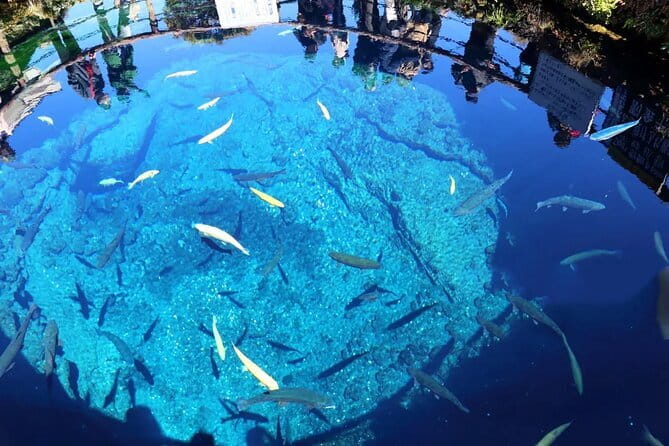
- Oshino Hakkai adds a quieter stop: You’ll see eight clear spring ponds fed by snowmelt from Mt. Fuji.
- Gotemba gives you a choice: Spend two hours at the premium outlets or finish with a soothing hot spring option, depending on the day’s schedule.
- The views depend heavily on weather: A clear day can reveal Fuji in full, while clouds may hide most of the mountain.
- Guides bring a personal touch: Anna Lau is praised for moving between English, Mandarin, and Cantonese, while Leo is also named as a helpful guide.
- The group can reach 48 people: That keeps the price low, but it also means a less personal pace than a private tour.
Why this Mt. Fuji day trip works from Tokyo
At $79.50 per person, this tour is priced as an easy, all-in-one escape from Tokyo. You are paying for the vehicle, driver, guide, and a full day of transportation across the Fuji area, not for meals, drinks, shopping, or personal expenses.
That matters because the Fuji region is spread out. You can lose much of a day trying to connect several stops by public transportation, especially when you also need to return to Tokyo. Here, you can sit back while someone else handles the roads and timing.
The tour lasts about eight to nine hours, including travel time. That makes it a full day rather than a quick mountain photo stop. You should expect a steady schedule, with about one hour at the first Fuji viewpoint, one hour at Oshino Hakkai, and two hours for Gotemba or the hot spring option.
I see this as a practical choice for a first visit to Japan. You get nature, a village setting, shopping, and the option to relax in hot water. You do not get a quiet, slow-paced Fuji retreat. The group size can reach 48, so the experience works best if you value convenience over flexibility.
A few more Tokyo tours and experiences worth a look
Choosing between the Fifth Station and Arakurayama
The most important detail is the calendar. From April 26 through November 30, the route goes to Mt. Fuji’s Fifth Station. From December 1 through April 25, it goes to Arakurayama Sengen Park instead.
At the Fifth Station, you’ll be high on the mountain and can explore nearby shrines. This adds a cultural side to the outing rather than giving you only a photo stop. You will not climb Mt. Fuji, but you’ll reach a famous access point on the volcano and get broad views when the weather cooperates.
The Fifth Station route is likely the better fit if you want to feel close to the mountain itself. It also gives you a chance to learn about local religious traditions around the shrines. The visit lasts about one hour, so keep your expectations realistic. This is an introduction to the area, not a hike or a full mountain day.
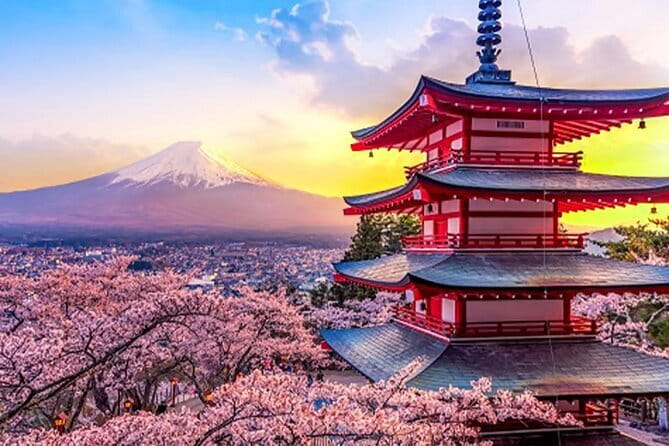
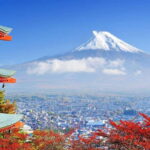
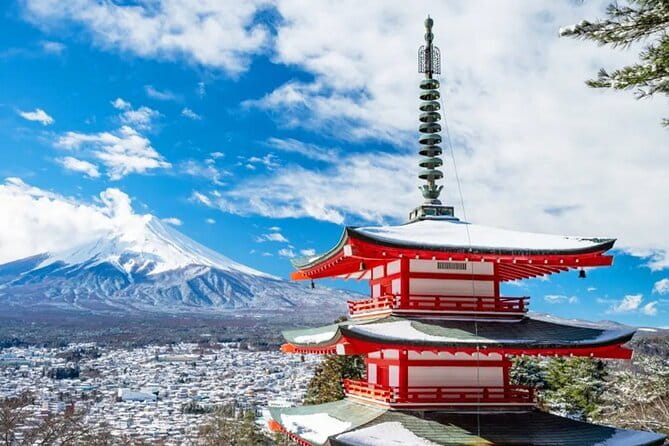
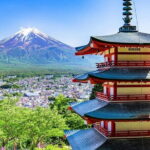
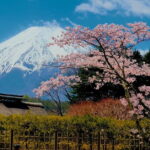
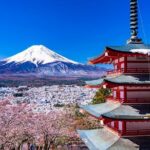
In the colder part of the year, the tour uses Arakurayama Sengen Park. The park is known for its view of Mt. Fuji and, in spring, cherry blossoms around the pagoda area. The seasonal timing means you can enjoy the cherry trees from December 1 through April 25 only if the blossoms are present during your date, so do not treat the seasonal route as a guaranteed blossom viewing.
You’ll have about one hour to explore on your own. That gives you time for the main viewpoint and a short stroll, but not an extended walk through the surrounding area. If you want the classic Fuji, pagoda, and cherry blossom image, this is the more photogenic choice. If you want shrines and a higher mountain setting, the Fifth Station is the better match.
Oshino Hakkai and its eight spring ponds
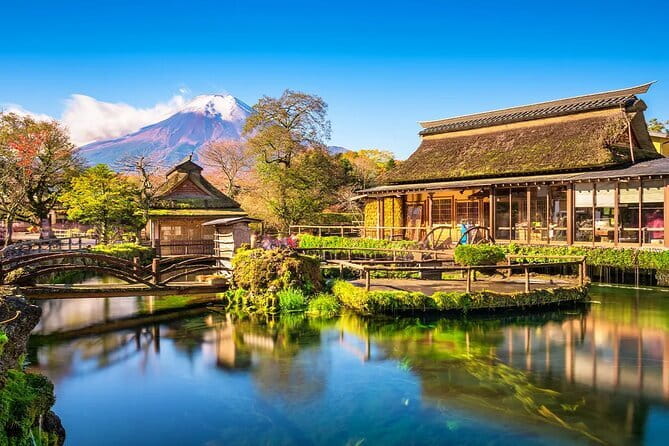
Oshino Hakkai changes the mood of the day. After the broad Fuji views, you’ll visit a serene village shaped by the mountain’s snowmelt. Eight clear ponds are fed by water from Mt. Fuji, and the setting offers a closer look at village life and local scenery.
You’ll have about one hour here. Use it to walk between the ponds, enjoy the views, and take in the traditional character of the area. The water is the main attraction, so this stop suits you if you enjoy calm places, natural details, and a slower break from city sightseeing.
The stop is also useful for understanding why Mt. Fuji matters beyond its shape in photographs. Its snow and rain feed springs, ponds, and waterways around the region. Oshino Hakkai lets you see that connection in a small, easy-to-visit setting.
There is one practical limit: one hour goes quickly. You will not have unlimited time to explore every corner or linger over a meal. Since food and drinks are not included, plan to handle those purchases yourself during the day. The schedule may also change because of traffic and weather.
Gotemba Premium Outlets and the hot spring choice

Gotemba gives the final part of the day a flexible feel. You’ll have about two hours for a self-guided stop that combines shopping and relaxation, with the exact option shaped by the schedule.
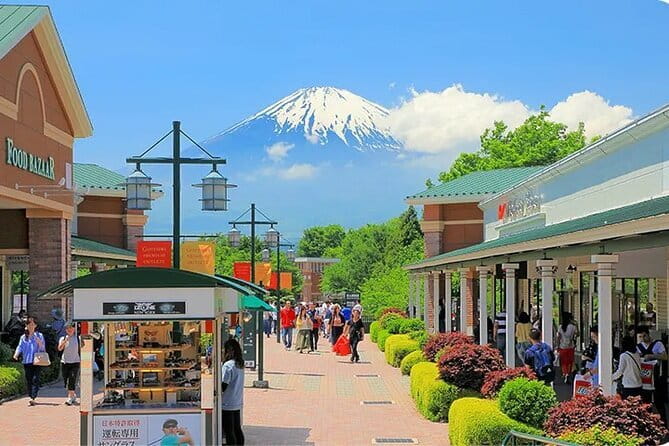
The Gotemba Premium Outlets are among Japan’s largest shopping destinations. This suits you if you want time for brand shopping, browsing, or buying gifts before returning to Tokyo. Two hours is enough to get a taste of the center and visit a few shops, but it is not enough for a determined shopper to cover everything.
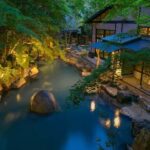
The other possibility is a nearby hot spring. After several hours on the road and on your feet, a soothing bath can be the more rewarding choice. It gives the day a calmer finish and lets you experience a familiar Japanese way to relax.
Do not assume you will receive both a full outlet visit and a leisurely hot spring session. The tour description presents these as flexible options, and the day’s timing can affect what is possible. If the hot spring matters most to you, confirm the exact arrangement before booking.
The outlets are closed once a year on the third Thursday of February, and on that regular holiday you can choose sightseeing at Lake Yamanaka or Lake Yamanaka Onsen instead. This is a useful backup, but it is still subject to the day’s schedule and conditions.
What the guides add to a large group
The tour includes an English, Chinese, Japanese, or Korean-speaking guide. That language range is helpful in a group setting, especially when the schedule changes or you need directions at a busy stop.
Anna Lau is specifically associated with this experience and is described as switching between English, Mandarin, and Cantonese. She also brought humor, stories, and local history to the day. That combination matters because a guide can turn a simple photo stop into a clearer introduction to the place.
Leo is also named as a guide, along with the driver, for making the day enjoyable. You should not expect a private guide who stays beside you every minute. Most stops are self-guided, so the main job is to explain the plan, get everyone moving, and help the group stay on schedule.
That arrangement fits the price. A guide who keeps a large group organized can be more useful than a long lecture. Still, if you prefer deep conversation, custom stops, or a slow pace, a smaller private tour would suit you better.
A few more Tokyo tours and experiences worth a look
Weather is the make-or-break factor
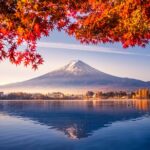
Mt. Fuji is not guaranteed to appear clearly. Clouds can cover the summit or even the whole volcano, and the mountain’s visibility can change during the day. The best photos and strongest memories depend on conditions you cannot control.
One clear day can transform the experience. With Fuji visible, the Fifth Station, Arakurayama, and Oshino Hakkai feel connected by the same huge presence. With poor visibility, the tour still offers shrines, a village, shopping, and a hot spring option, but the central reason for the trip becomes less powerful.
The operator requires good weather for the activity. If poor weather causes cancellation, you’ll be offered another date or a full refund. That policy helps, but it does not solve the more common issue of a tour running on a cloudy day.
I would book this with flexible expectations. Think of Fuji as a possible reward, not a promise. If seeing the mountain clearly is your top priority, check the forecast close to the date and keep an alternate Fuji-viewing plan in mind.
Timing, traffic, and the reality of a group tour
The drive back to Tokyo is one of the tour’s strongest practical features. You can rest instead of navigating after a long day. It is also the part most exposed to traffic, especially on holidays and busy weekends.
A previous day ran short on time at Gotemba because of holiday traffic. That detail is worth taking seriously. The tour covers several popular places, and road delays can reduce time at the final stop or force the schedule to change.
You need to arrive on time because late arrivals and no-shows are not refundable. The operator can also skip some attractions because of capacity or weather. These rules are normal for a road tour, but they make this a poor fit if you want total control over each stop.
The maximum group size is 48 people. That can mean waiting while the full group gathers, moving at the pace of the slowest participants, and having less room for spontaneous changes. On the other hand, the large vehicle and shared cost help keep the price at a reasonable level for a long day outside Tokyo.
Accessibility and family considerations
The experience is wheelchair and stroller accessible, and most people can participate. It is also near public transportation, which can make reaching the departure point easier, though the specific meeting details are not provided here.
Child seats are not available. If you are traveling with a young child, you’ll need to plan around that limitation before booking. The long duration also means you should think about how comfortably your family handles a full day of driving and scheduled stops.
The self-guided nature of the stops can help you move at your own pace within the time allowed. Still, you should not expect unlimited rest time or a custom family schedule. The tour’s value comes from covering several places in one day.
What the $79.50 price really buys
The price is strongest for you if you want transport and a simple route plan without renting a car. A private vehicle for eight to nine hours around Mt. Fuji would cost far more, while public transportation would require more planning and might not connect these stops as neatly.
Your admission to the listed stops is included, but meals, beverages, shopping, hot spring charges if applicable, and other personal costs are not. Budget extra for food and any purchases at Gotemba.
The value is less convincing if you already have a car, prefer spending half a day in one place, or want a private guide. The large group and fixed schedule are the trade-offs for the low price.
For a solo visitor, couple, or family that wants an easy Fuji sampler, I think the cost is fair. You see several sides of the region in one day and return to Tokyo without worrying about the drive.
Who should book this Mt. Fuji tour
I would point this tour toward first-time visitors staying in Tokyo who want a broad introduction to the Fuji area. It is especially useful if you want to combine mountain views with a village stop, shopping, and a hot spring option.
It also suits you if you are comfortable with a group schedule and do not want to plan regional transportation. The multilingual guide service is helpful, and the named guides Anna Lau and Leo suggest that the human side of the tour can be a real strength.
You may want another option if you are a serious photographer, a keen hiker, or someone who wants a guaranteed long visit at one viewpoint. You should also think twice if crowded transport and traffic delays frustrate you.
Book it when you want convenience, variety, and a reasonable price. Skip it when your main goal is climbing Mt. Fuji, spending hours at a single site, or controlling every minute of the day.
FAQ
How long does the Mt. Fuji tour take?
The tour lasts approximately eight to nine hours, including travel time between Tokyo and the Fuji area.
Which Mt. Fuji viewpoint does the tour visit?
From April 26 through November 30, the tour visits Mt. Fuji’s Fifth Station. From December 1 through April 25, it visits Arakurayama Sengen Park instead.
How long do you spend at Oshino Hakkai?
The scheduled visit to Oshino Hakkai lasts about one hour. You can see its eight spring ponds and walk around the village during that time.
Is Gotemba Premium Outlets included?
The itinerary includes about two hours for a self-guided Gotemba stop, with shopping and relaxation options based on the schedule. The outlets are closed on the third Thursday of February, when Lake Yamanaka or Lake Yamanaka Onsen may be offered instead.
Are meals and drinks included?
No. Meals and beverages are not included, so you need to pay for them separately.
Can you cancel for a full refund?
Yes, if you cancel at least 24 hours before the experience starts. Cancellations or changes made less than 24 hours before the start time are not accepted for a refund. If poor weather cancels the tour, you’ll be offered another date or a full refund.
More Spa & Hot Springs in Tokyo
More Mt Fuji Day Trips in Tokyo
More tours in Tokyo we've reviewed




Mt Fuji Day Trips, compared.
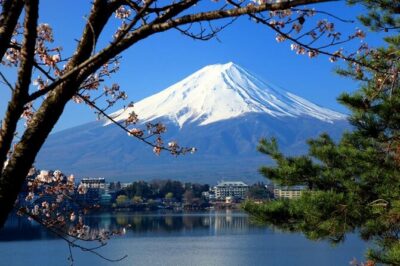 ★ 5.0Mt Fuji and Hakone 1-Day Bus Tour Return by Bullet TrainFrom $163
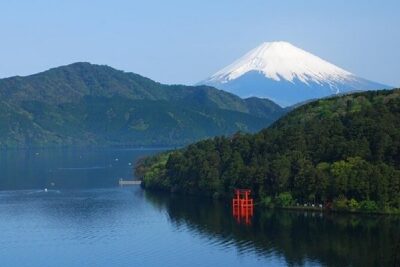 ★ 4.0Mt Fuji & Hakone Cruise, Drum Show Bullet Train 1 Day from TokyoFrom $149
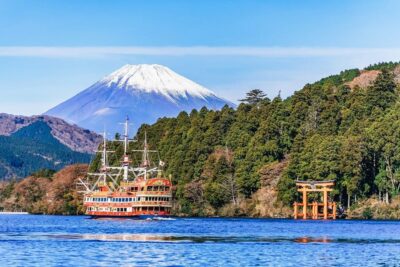 ★ 4.4Tokyo Mt Fuji 5th St & Hakone Cruise Bus Tour w/Bullet TrainFrom $15410 hours
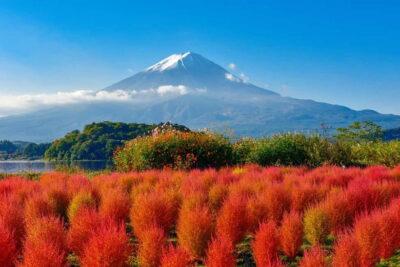 ★ 4.5From Tokyo: Mount Fuji Full-Day Sightseeing TripFrom $6810 hours
 ★ 4.7Tokyo: Mt. Fuji Tour, Hakone Ropeway, Owakudani, Lake AshiFrom $5410 hours
 ★ 4.4Tokyo:Mt.Fuji,Kawaguchiko Oishi Park,Arakurayama Sengen ParkFrom $5410 hours