
Reviewed · TOKYO
Make Your Own Bonsai with a Professional Bonsai Artist in Tokyo
A thousand-year-old bonsai, a quiet garden, and your own small tree to shape: that is the appeal of this two-hour workshop at Tokyo’s Shunkaen Bonsai Museum. You work with a bonsai artist, learn basic wiring and care, then have time to look closely at one of Tokyo’s finest bonsai collections.
I like the small group limit of six, which gives you a real chance to ask questions instead of watching a lesson from the back. I also like the personal touch: master Kunio Kobayashi may be present, while apprentices such as Joseph guide classes, explain the collection, and serve tea.
The main drawback is practical. The museum is in Edogawa City, away from Tokyo’s central sights, and transport is not included. You also pay a separate shipping fee if you want to send your finished tree home rather than carry on caring for it in Japan.
In This Review
- Key points to know before booking
- Why shaping a living tree makes this more than a museum visit
- Meeting master Kunio Kobayashi and the apprentice team
- What happens during the two-hour visit
- The museum collection deserves unhurried time
- Is $78.83 a fair price?
- Getting to Edogawa City and planning your time
- Who will get the most from this workshop?
- Small details that improve the experience
- Should you book the Shunkaen bonsai workshop?
- FAQ
- Where does the bonsai workshop take place?
- How long does the experience last?
- How many people can join the class?
- Is a translator or assistant available?
- Is museum admission included?
- Are transportation and shipping included?
- Can I cancel for a full refund?
Key points to know before booking
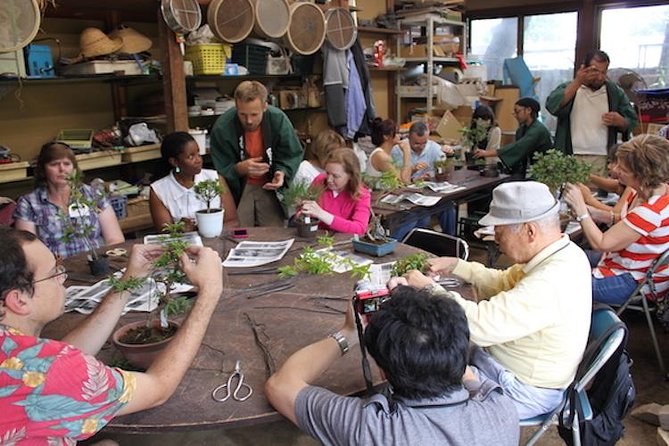
- Shape a juniper bonsai yourself: You learn basic wiring and early styling rather than simply watching a demonstration.
- Work with a very small group: The class is capped at six people, allowing for individual help.
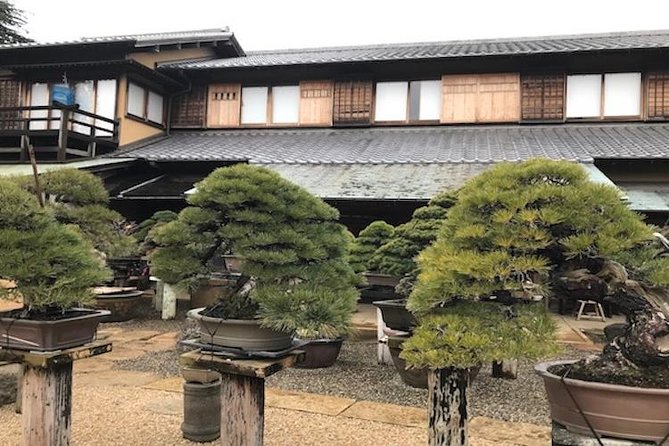
- Explore Shunkaen’s remarkable collection: The museum includes mature bonsai in courtyard and upper display areas, including a tree said to be about 1,000 years old.
- Get language support if needed: An assistant can help translate instruction, depending on the option you book.
- Plan for a suburban Tokyo trip: The museum is near public transportation, but you must arrange and pay for your own transport.
- Bring home a living souvenir carefully: Shipping is not included, so check the cost before deciding how to transport your tree.
Why shaping a living tree makes this more than a museum visit
Many Japanese cultural activities ask you to watch, taste, or practice a set movement. This one gives you a living object to work on. You make decisions about the tree’s direction, placement, and shape, then leave with a better sense of how much care bonsai requires.
The lesson centers on basic techniques. One especially useful skill is wiring a juniper, which lets you guide branches into a chosen form. You are not expected to become a master in two hours. Instead, you get a practical first lesson and a clear introduction to the patience behind the art.
That hands-on element is what makes the experience useful after your holiday. You can try bonsai at home, or at least look at one differently the next time you see a carefully shaped tree. The class makes the work visible: every bend and trimmed section reflects a long process, not a quick decoration.
The setting adds weight to the lesson. Shunkaen Bonsai Museum is not just a classroom with a few potted plants. Its courtyard and display spaces hold many examples of bonsai styles, sizes, and ages. You can compare your beginner’s tree with older specimens and see how years of care change the character of a plant.
If you're still narrowing it down, here are other tours in Tokyo we've reviewed.


Meeting master Kunio Kobayashi and the apprentice team
Kunio Kobayashi is the name connected with the museum, and meeting him, if he is present during your visit, can be a special part of the experience. He is a respected bonsai master, and the museum’s apprentices help keep the teaching side of the visit friendly and personal.
Your actual class may be led by an apprentice rather than Kobayashi himself. That is not a weakness. The apprentices handle questions, guide the hands-on work, and explain the daily care bonsai needs. Joseph is one guide specifically associated with the experience, and his warm, passionate approach has helped make the art feel approachable to first-time students.
You may also receive tea during the visit. It is a small detail, but it suits the calm pace of the museum. This is not a loud, fast-moving attraction. You have room to listen, work slowly, and examine the trees around you.
If you select the assistant option, translation support is available. That matters because bonsai instruction includes terms for branches, roots, wire, pruning, and care. A translated explanation can help you understand not just what to do, but why the artist wants you to do it.
What happens during the two-hour visit
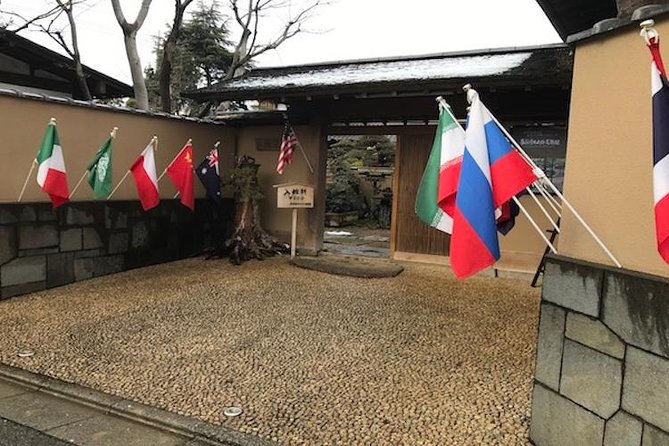
The experience begins at Shunkaen Bonsai Museum, at 1-chōme-29-16 Niihori in Edogawa City. You meet at the museum and finish there, so you do not need to arrange a second drop-off point.
The class and museum visit together take about two hours. The supplied schedule lists admission as included and identifies about an hour at the museum, but you should allow the full two-hour period for the overall activity. Timing may depend on the class pace and the amount of time spent looking around or asking questions.
You start with an introduction to bonsai and its care. The instructor explains the basic principles, then shows you how to begin shaping a tree. The workshop includes wiring a juniper, one of the clearest ways to understand how a bonsai artist guides branches without forcing them too quickly.
The best part is the personal correction. With no more than six people, the instructor can look at your work and help you adjust your technique. You can ask questions as you go, which is especially helpful if you have never handled bonsai wire before.
After or around the practical lesson, you have time to view the museum collection. Look for different bonsai styles and pay attention to the contrast between young, recently shaped trees and older specimens with thick trunks and more established forms.
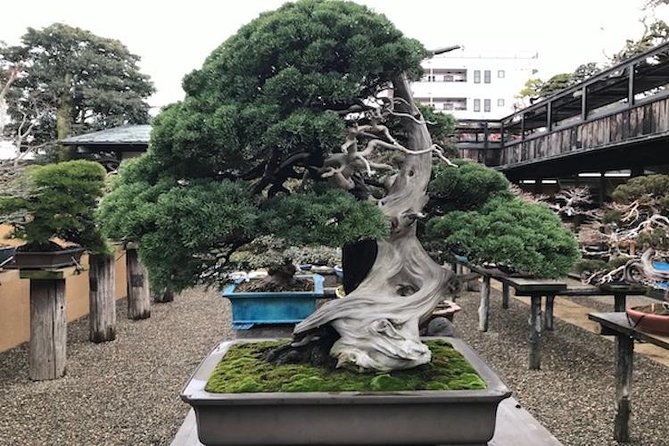
The museum includes a bonsai said to be about 1,000 years old. That tree gives the craft a useful sense of scale. Your own small juniper is a starting point, while the ancient specimen shows what patient care can produce over an extraordinary period.
The museum collection deserves unhurried time
The workshop is the reason to make the trip, but the collection is a major part of the value. The courtyard and upper display areas contain many bonsai, so you are not limited to the tree on your worktable.
I recommend slowing down here. Notice how the trunk, roots, branch structure, and container work together. Bonsai is not simply about making a plant small. The goal is to create the feeling of an old tree in nature, with balance and character shaped through careful horticulture.
You can also use the collection as a visual lesson. After wiring your own juniper, you will notice branch angles and open spaces more clearly. The museum examples help explain why an instructor may ask you to move one branch, remove visual clutter, or leave room around the trunk.
The peaceful atmosphere is part of the charm. If you want a quiet break from Tokyo’s busy districts, this offers several calm hours. It is not the right pick if you want a central attraction that fits between major sights with no travel time, but it is a good choice for a deliberate outing.
Is $78.83 a fair price?
At $78.83 per person, this is not a cheap museum admission. The price makes more sense when you consider what is included: the bonsai-making lesson, museum entry, a professional instructor or apprentice, and a small group capped at six.
You are paying for instruction, not just access to a garden. The individual help is important here. A larger class could still show you the basic steps, but it would give you less time to ask about your own tree and technique.
The value is strongest if you care about Japanese culture, plants, crafts, or practical souvenirs. It is also useful if you are considering buying a bonsai in Japan. The class explains enough about care and styling to help you decide if you are ready for the responsibility.
The price does not include transportation, food, drinks, or shipping. The last item deserves attention. If you live in Japan, you may be able to take the tree with you for a fee, but international shipping costs are separate and should be checked before booking or before you begin the class.
Think of the tree as a commitment, not a standard souvenir. It needs care after the workshop. If you are flying home soon, you may prefer to treat the class as the main purchase and ask about the best way to handle the plant before paying for anything extra.




Getting to Edogawa City and planning your time
The museum is near public transportation, but the activity does not include transport. You need to make your own way to Niihori in Edogawa City, then return from the same meeting point after the class.
The location is easily reached by train followed by a bus or taxi, according to the available directions. If you are unsure, asking locally for Shunkaen Bonsai Museum should help. Build in extra time for the journey, especially if this is your first visit to eastern Tokyo.
Because the activity lasts about two hours, it can fit into a half-day plan, but I would not squeeze it between two fixed appointments. The class itself is calm, while Tokyo connections can take longer than expected. Give yourself breathing room on both sides.
The museum is a better fit as the purpose of an outing than as a quick add-on. You will get more from the collection if you are not watching the clock. An early morning appointment is possible, and tea and the quiet setting can make that a pleasant way to begin the day.
Who will get the most from this workshop?
I would choose this for anyone who likes plants, flowers, Japanese arts, or small-group instruction. You do not need previous bonsai experience. The class is designed to show you the first steps, and the instructors make the process accessible to beginners.
It also suits couples, families with older children, and solo visitors who want a slower cultural activity. The group size means solo participants should still receive attention, while companions can compare their choices and results.
You should think twice if your schedule is packed with central Tokyo sights. The museum requires a separate journey, and the experience works best when you are willing to give it a calm block of time.
I would also be cautious if you want to bring home a plant without dealing with shipping or care. Ask about the fee and practical arrangements first. The workshop remains worthwhile without taking the tree home, but you should know what you are committing to.
Small details that improve the experience
Wear clothes that allow you to work comfortably with your hands. The provided information does not list a dress code, but bonsai shaping involves handling a plant and wire, so practical clothing is sensible.
Take your time with questions. The instructors can discuss bonsai care, styling, and the history of the craft, and the small group gives you a better chance to ask about your own tree.
Plan to spend time looking beyond the class area. The collection includes many examples, and the old trees help put your beginner’s work in context. The museum is part of the lesson, not merely the place where the lesson happens.
If language is a concern, select the assistant option when booking. Confirmation is sent within 48 hours, subject to availability, so do not leave the reservation until the last possible moment if your Tokyo dates are fixed.
Free cancellation is available until 24 hours before the experience begins. Changes or cancellations inside that period are not accepted for a refund, and the cut-off follows Tokyo local time.
Should you book the Shunkaen bonsai workshop?
Book it if you want a hands-on Japanese cultural experience with real instruction, a peaceful setting, and a museum collection far beyond a quick photo stop. The combination of wiring your own juniper, asking questions, and seeing a bonsai said to be about 1,000 years old gives the visit lasting value.
The strongest reasons to go are the six-person limit, the patient teaching, and the chance to learn from the apprentices connected with Kunio Kobayashi. The main reasons to skip it are the out-of-center location and the extra cost of transport and possible shipping.
For plant lovers and curious first-time makers, I would book it. If you want a fast, central Tokyo attraction, spend your time elsewhere. This is a quiet appointment with a living art form, and it rewards you for slowing down.
FAQ
Where does the bonsai workshop take place?
The activity begins and ends at Shunkaen Bonsai Museum, 1-chōme-29-16 Niihori, Edogawa City, Tokyo 132-0001, Japan.
How long does the experience last?
The overall activity takes approximately two hours. The schedule also identifies about one hour at Shunkaen Bonsai Museum, with admission included.
How many people can join the class?
The group is limited to a maximum of six people.
Is a translator or assistant available?
An assistant is available if you select that option when booking. The assistant can help with translation during the instruction.
Is museum admission included?
Yes. Admission to Shunkaen Bonsai Museum is included with the bonsai-making lesson.
Are transportation and shipping included?
No. You arrange and pay for your own transportation. Shipping your bonsai is also not included.
Can I cancel for a full refund?
Yes, if you cancel at least 24 hours before the experience start time. Cancellations or changes made less than 24 hours in advance are not accepted for a refund.
More tours in Tokyo we've reviewed








Tokyo, compared.
 ★ 5.0Mt Fuji and Hakone 1-Day Bus Tour Return by Bullet TrainFrom $163
 ★ 5.01-Day Tokyo Bus TourFrom $129
 ★ 4.6Tokyo: teamLab Planets TOKYO Digital Art Museum Entry TicketFrom $251 day
 ★ 4.0Mt Fuji & Hakone Cruise, Drum Show Bullet Train 1 Day from TokyoFrom $149
 ★ 5.0Tokyo: Shinjuku Food Tour (13 Dishes at 4 Local Eateries)From $86
 ★ 4.4Tokyo Mt Fuji 5th St & Hakone Cruise Bus Tour w/Bullet TrainFrom $15410 hours