
Reviewed · TOKYO
Japanese Traditional Entertainment Experience in Tokyo
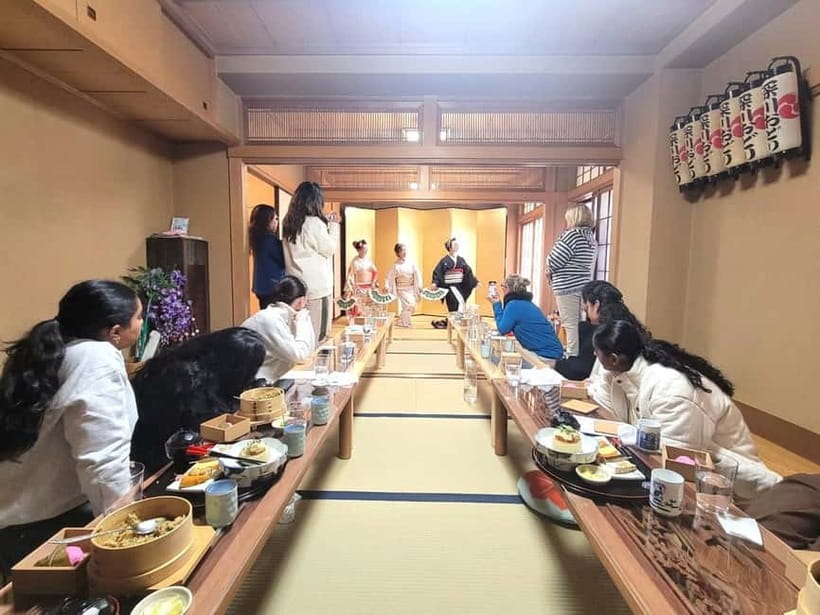
The best part of this Tokyo experience is its shift from sightseeing to participation. You dress in a kimono, walk through the temple grounds at night as an Edo townsman, then sit down for an Ozashiki party with geisha entertainment, traditional dance, and shamisen music. I like the hands-on cultural setting and the chance to enjoy Japanese sweets and matcha or a full meal, depending on your course. I also like that the evening is designed as a shared party rather than a stiff performance.
The main consideration is time. The listed duration is only 30 minutes, yet the food and entertainment vary greatly between the three courses. At $74 per person, the experience can be good value if your chosen course includes a meal and geisha entertainment, but you should check exactly what is included before booking.
In This Review
- Key details to know before you book
- Dressing as an Edo townsman in modern Tokyo
- The Ozashiki party and geisha connection
- Dance, shamisen, and the character of the show
- Choosing between UME, TAKE, and MATSU
- Is $74 good value for 30 minutes?
- Getting to Fukagawa Odori Hachiman Zashiki
- Who will enjoy this most?
- Book it or skip it?
- FAQ
- Where does the Japanese traditional entertainment experience take place?
- How long does the experience last?
- What languages are available?
- What does the UME course include?
- What does the TAKE course include?
- What does the MATSU course include?
- Is transportation included?
Key details to know before you book
- Nighttime Edo setting: Put on a kimono and walk around the temple grounds as an Edo-period townsman.
- Three course choices: UME includes sweets and matcha, TAKE adds a Fukagawa Meal Set, and MATSU includes kaiseki cuisine with Fukagawa Meshi and a drink.
- Traditional entertainment: Expect geisha interaction, dance, and shamisen music rather than a simple stage show.
- Central Tokyo location: The venue is Fukagawa Odori Hachiman Zashiki at 1-22-8 Tomioka, Koto-ku.
- Optional period-film shoot: A professional cameraman can film you in a short drama-style movie, but this costs extra.
- Short scheduled experience: The stated duration is 30 minutes, so confirm the starting time and course details carefully.
Dressing as an Edo townsman in modern Tokyo
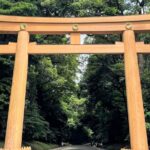
This experience begins with a change of clothing. You are dressed in a kimono and invited to walk through the temple grounds at night in an Edo-style setting. That simple shift in clothing helps make the event feel different from a museum visit or a standard cultural demonstration.
The idea is not to watch Japanese tradition from behind a barrier. You take part in the scene. Walking around as an Edo townsman gives you a physical connection to the setting, even if the attraction itself is a modern recreation rather than a preserved Edo street.
I would keep your expectations clear here. The supplied information does not specify how long the kimono fitting takes, what styles are available, or whether the clothing is formal or costume-like. Still, it gives the evening a playful start and makes the experience especially appealing if you want photographs or a cultural activity that involves more than sitting in an audience.
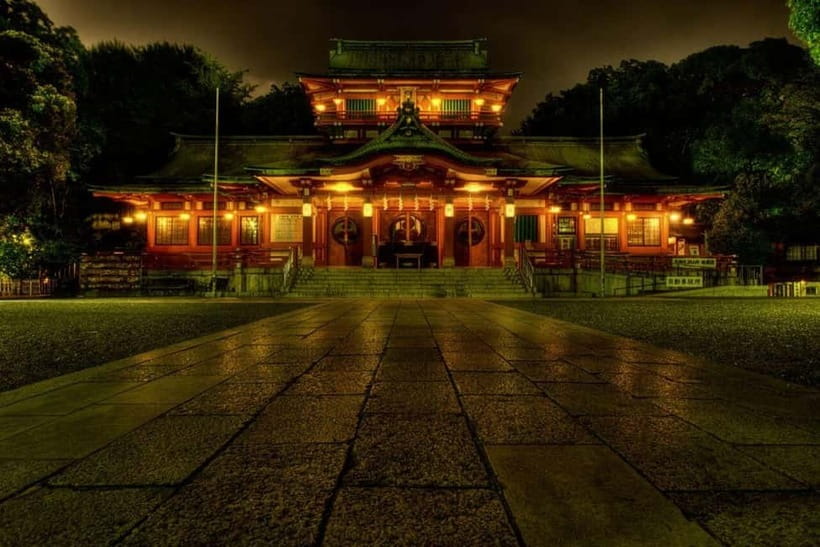
The nighttime setting matters. Temple grounds feel very different after dark, and the combination of traditional clothing, old-style atmosphere, and evening entertainment creates a stronger sense of occasion than a daytime demonstration. You may find this part more theatrical than historical, but that is also the point.
If you're still narrowing it down, here are other tours in Tokyo we've reviewed.

The Ozashiki party and geisha connection
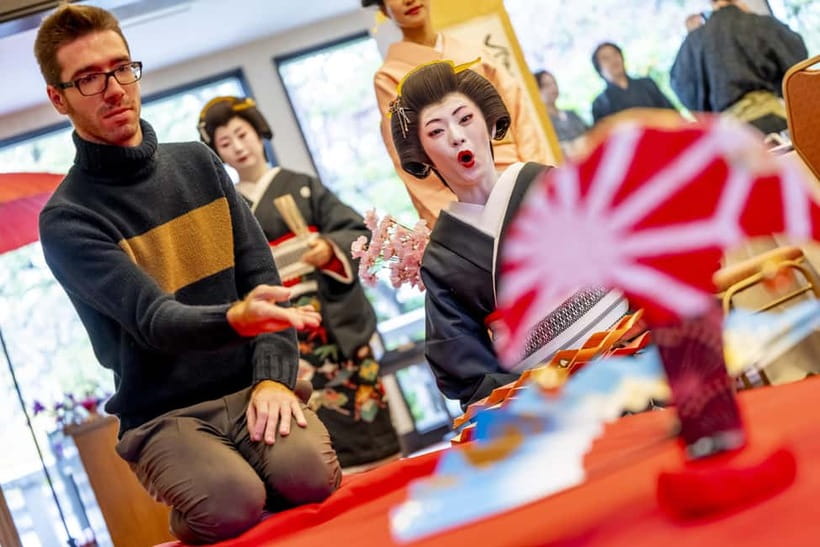
The central event is an Ozashiki experience, a traditional parlor gathering built around conversation, food, games, and performing arts. Here, you meet a geisha and take part in an entertainment program rather than simply watching a formal concert.
The hosts are described as gracious, elegant, and professional. English and Japanese are available, which is important because conversation is part of the appeal. One of the strongest features of the experience is the chance to ask about Japanese culture and history while also discussing differences between Japan and your own country.
That personal exchange gives the event more value than a short dance recital. You can see the costume, manners, and performance skills up close, then connect them to the social setting in which geisha entertainment traditionally takes place. The information does not identify the individual geisha or hosts by name, so you should not expect a named celebrity performer.
This is also presented as a big Japanese party where people who do not know each other gather and enjoy the evening together. That can be a plus if you like social activities and shared entertainment. If you prefer a quiet, private cultural appointment, the group-party format may feel less personal.
Dance, shamisen, and the character of the show
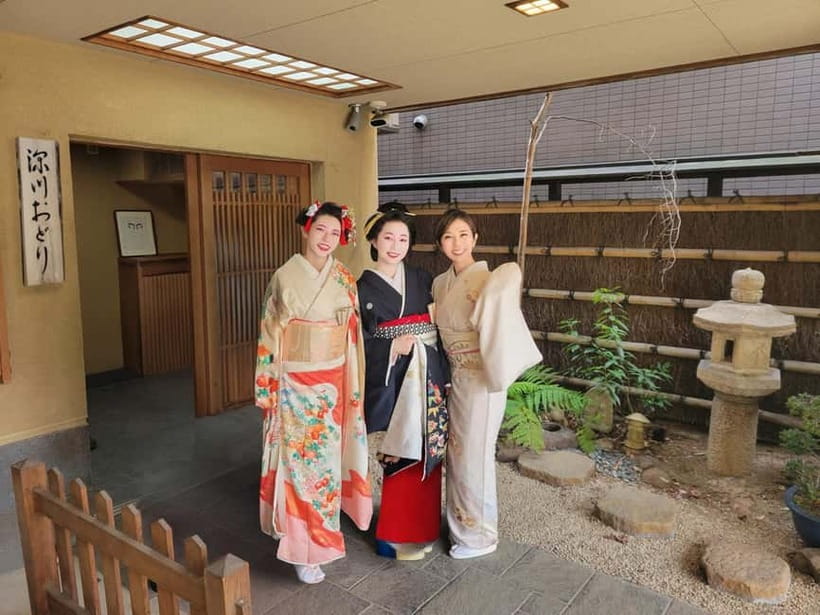
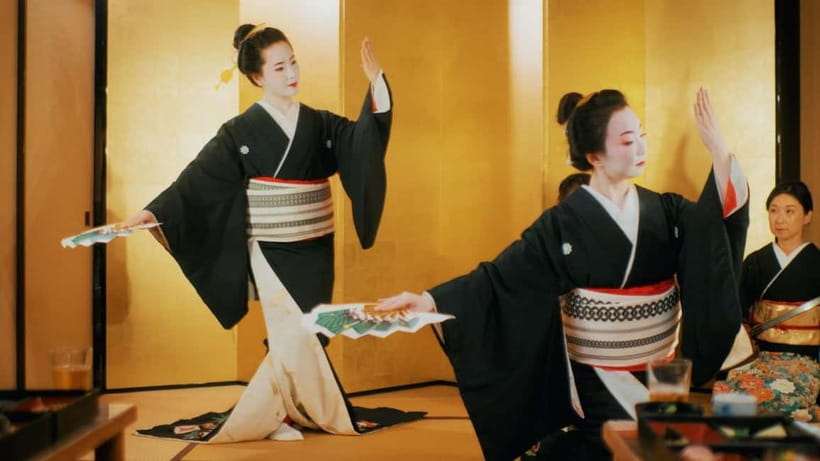
The performing arts include traditional dance and shamisen music. The shamisen is a three-stringed Japanese instrument with a distinctive, bright sound. Paired with dance, it gives the event a clear connection to classic Japanese entertainment.
The dance is a key part of the program. It has been described as charming and a fitting end to the session, while the hosts are also praised for explaining the tea ceremony and other traditional elements. You are therefore getting more than background music during dinner. The performance is one of the main reasons to choose the TAKE or MATSU options.
The tea ceremony explanation is another useful touch. The information does not give a detailed lesson plan, so I would not book this expecting a long, formal tea school class. Instead, think of it as a compact introduction folded into a wider evening of food, conversation, dance, and music.
Because the published duration is 30 minutes, the program must be tightly arranged, particularly for the meal courses. The exact order of kimono dressing, walking, dining, conversation, and performance is not stated. Check the available time before you commit, especially if you want to savor both the food and the entertainment rather than rush from one part to the next.
Choosing between UME, TAKE, and MATSU
The three course names are useful because they let you match the evening to your budget and appetite. The descriptions suggest a clear progression, although the exact price for each course is not supplied separately.
UME course: This includes the Ozashiki experience, Japanese sweets, and matcha. It is the lightest choice and likely the best fit if you want the atmosphere, kimono element, and traditional entertainment without committing to a substantial dinner.
Choose UME if you have other dinner plans or want a short cultural stop before moving on. Japanese sweets and matcha also make it a natural choice for someone more interested in tea and ceremony than in a full meal.
TAKE course: This adds a Fukagawa Meal Set to the Ozashiki geisha entertainment experience. It gives you more food while keeping the format simpler than the top course.
Fukagawa is a district in eastern Tokyo, and Fukagawa Meshi is a local rice dish associated with the area. The supplied details specifically name the meal as a Fukagawa Meal Set, so this course offers a stronger sense of place than a generic snack.
MATSU course: This includes the Ozashiki geisha entertainment, kaiseki cuisine with Fukagawa Meshi, and a drink. It is the most complete option listed and the one to consider if dinner is part of your plan.
Kaiseki is associated with carefully arranged Japanese cuisine and a sequence of small dishes, but the exact menu is not provided here. Do not book MATSU expecting a particular fish, dessert, or number of courses. What you can count on from the stated inclusions is kaiseki-style dining with Fukagawa Meshi and a drink.
The food appears to be more than a token bite. One account specifically describes the organic food as a full meal and advises arriving ready to eat. That makes MATSU potentially strong value at $74, provided the advertised price applies to that course. Confirm this point during booking, since the three courses do not include the same items.
Is $74 good value for 30 minutes?
Price needs careful handling here. At $74 per person, this is not a cheap add-on for a quick show. You are paying for a package that can include admission, performance, a souvenir, kimono participation, sweets and matcha, geisha entertainment, and either a meal set or kaiseki cuisine with a drink.
The value improves if you choose TAKE or MATSU and would otherwise pay separately for dinner and a cultural performance. MATSU is the most promising option for a complete evening because it includes both food and drink, along with the entertainment.
UME may be harder to justify if the price is the same across all courses, since it includes lighter refreshments rather than a full meal. On the other hand, it may suit you better if you want a shorter, less filling introduction or already have dinner reservations elsewhere.
The 30-minute duration is the biggest question. A short program can be ideal during a packed Tokyo itinerary, but the stated time seems brief for kimono dressing, a walk, food, tea, conversation, dance, and shamisen. The listing may be using a standard duration for one part of the event, or the schedule may be highly condensed. Check the exact start time and course description before paying.
There is also an optional period drama-style short movie filmed by a professional cameraman. It is not included, so treat it as a separate extra rather than part of the basic value calculation. It could be worthwhile if you want a keepsake video, but the supplied information does not state the additional fee, filming time, or final format.

Getting to Fukagawa Odori Hachiman Zashiki
The venue is at Fukagawa Odori Hachiman Zashiki, 1-22-8 Tomioka, Koto-ku, Tokyo. The Japanese address is 東京都江東区富岡1-22-8 深川おどり八幡座敷.
Transportation to the venue is not included. You will need to arrange your own way there, so allow enough time to reach the address before the scheduled start. Since no station, route, or pickup service is provided in the details, use the Japanese address when checking directions and do not rely only on an English map label.
The activity has Japanese and English hosts or greeters. That makes the event more accessible to English-speaking visitors, especially during the tea explanation and cultural conversation. Still, the level of English interpretation during every part of the performance is not specified.
Cancellation is flexible only up to a point. You can cancel up to seven days in advance for a full refund. After that deadline, the supplied information does not promise a refund, so check your Tokyo schedule before booking.
Who will enjoy this most?
I would recommend this for you if you want an introduction to geisha entertainment without arranging an expensive private dinner. It also suits first-time visitors who want to try a kimono, hear shamisen music, and taste Japanese food in one compact activity.
Families and mixed-age groups may appreciate the colorful, participatory format, though the data does not provide age rules. Couples may enjoy the evening atmosphere, particularly if they select the meal course and add the period-film option.
Food-focused visitors should consider MATSU first. The combination of kaiseki cuisine, Fukagawa Meshi, and a drink gives the activity more substance than the UME course.
I would be cautious if you need a long, quiet meal or a detailed academic lecture. The event is built as a lively shared party, and the stated 30-minute duration suggests a brisk schedule. You should also be comfortable with a group setting, since the concept brings strangers together.
Book it or skip it?
Book this experience if you want a short, social introduction to Japanese traditional entertainment, with the added fun of wearing a kimono and walking through an Edo-style nighttime setting. The geisha interaction, dance, and shamisen are the strongest reasons to go, while the meal options make the $74 price more appealing.
Before booking, compare the three courses carefully. UME is suitable for sweets and matcha, TAKE adds a Fukagawa Meal Set, and MATSU adds kaiseki cuisine with Fukagawa Meshi and a drink. Confirm which course matches the advertised price and ask how the 30-minute timing applies to the full program.
Skip it if you want a private geisha dinner, a long tea ceremony, or a fully explained historical tour. Choose it if you want a lively cultural snapshot with food, costume, conversation, and performance in one unusual Tokyo stop.
FAQ
Where does the Japanese traditional entertainment experience take place?
It takes place at Fukagawa Odori Hachiman Zashiki, 1-22-8 Tomioka, Koto-ku, Tokyo. The Japanese address is 東京都江東区富岡1-22-8 深川おどり八幡座敷.
How long does the experience last?
The stated duration is 30 minutes. Check the available starting times and course details when booking.
What languages are available?
The host or greeter service is available in Japanese and English.
What does the UME course include?
The UME course includes admission, the performance, a souvenir, the Ozashiki experience, Japanese sweets, and matcha.
What does the TAKE course include?
The TAKE course includes admission, the performance, a souvenir, the Ozashiki geisha entertainment experience, and a Fukagawa Meal Set.
What does the MATSU course include?
The MATSU course includes admission, the performance, a souvenir, the Ozashiki geisha entertainment experience, kaiseki cuisine with Fukagawa Meshi, and a drink.
Is transportation included?
No. Transportation to the venue is not included. A professional period drama-style short movie is also optional and costs extra.
More tours in Tokyo we've reviewed



Tokyo, compared.
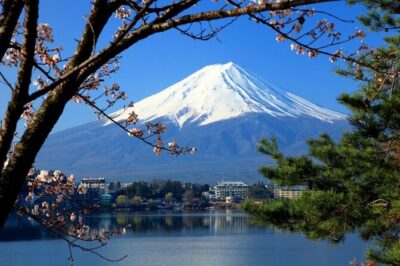 ★ 5.0Mt Fuji and Hakone 1-Day Bus Tour Return by Bullet TrainFrom $163
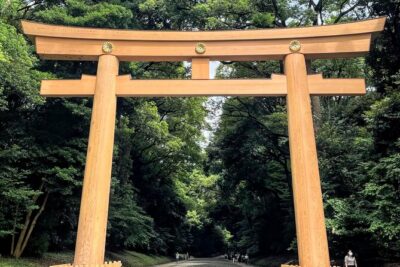 ★ 5.01-Day Tokyo Bus TourFrom $129
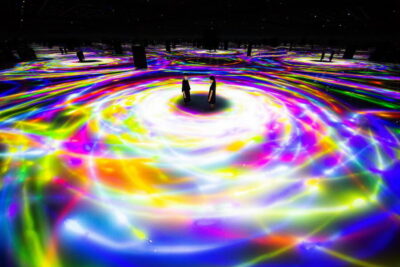 ★ 4.6Tokyo: teamLab Planets TOKYO Digital Art Museum Entry TicketFrom $251 day
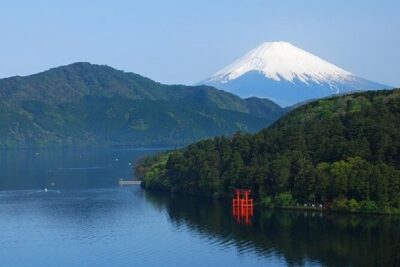 ★ 4.0Mt Fuji & Hakone Cruise, Drum Show Bullet Train 1 Day from TokyoFrom $149
 ★ 5.0Tokyo: Shinjuku Food Tour (13 Dishes at 4 Local Eateries)From $86
 ★ 4.4Tokyo Mt Fuji 5th St & Hakone Cruise Bus Tour w/Bullet TrainFrom $15410 hours