
Reviewed · TOKYO
Creative Japanese Cooking in a Beautiful Tokyo Home with Makiko
The most interesting part of this experience is not the cooking lesson alone. It is the chance to see how Japanese food fits into ordinary Tokyo life, starting with local shops and ending at Makiko’s dining table. You learn what people buy, how ingredients are handled, and how a home cook turns them into a meal.
I like the neighborhood shopping tour, which includes supermarkets, butcher shops, fruit and vegetable shops, convenience stores, and even a sweet shop. I also like the small, private setting, where Makiko can adjust the cooking to your group and answer questions about Japanese food as you work.
The main consideration is that this is a visit to a real home, not a polished commercial cooking school. That gives the experience its charm, but you should be comfortable with a more personal and informal setting. There is also a shy cat in the house, usually hiding upstairs.
In This Review
- Key points at a glance
- A Tokyo food lesson that begins at the shops
- Meeting Makiko near Komazawa
- Inside Makiko’s home kitchen
- What makes the private format useful
- The shared meal at Makiko’s dining table
- What the strongest praise tells you
- Is $89 a fair price?
- Who should book this experience?
- Timing, booking, and cancellation
- My call: book it for the connection
- FAQ
- How long does the experience last?
- What is included in the price?
- Is the experience private?
- Where do I meet Makiko?
- Does the menu stay the same?
- Can I request special dietary arrangements?
- Is hotel pickup included?
- Is there a cat in the home?
Key points at a glance
- Shop like a Tokyo local: Walk through neighborhood food shops with Makiko and learn how everyday Japanese ingredients are chosen.
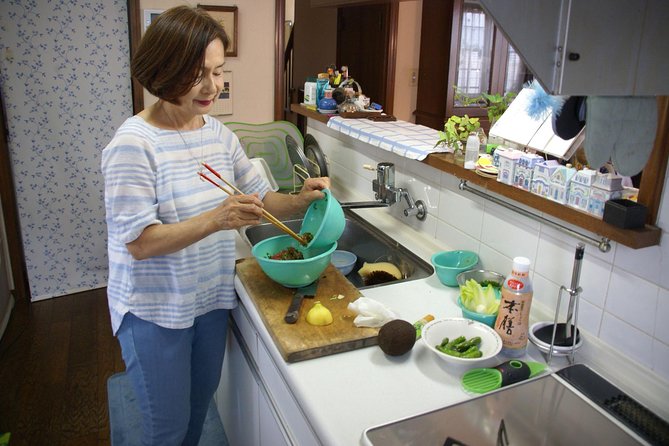
- Cook in a private home: Prepare traditional-inspired, homemade dishes in Makiko’s own kitchen.
- Expect a seasonal menu: The dishes change with the time of year, and dietary needs should be given when you book.
- Share the meal together: After cooking, you sit at the dining table and eat what you made.
- Allow about three hours: The cooking itself takes about 1.5 to 2 hours, depending on group size.
- Plan your station meeting carefully: The information names Komazawa-Daigaku and Sakurashinmachi in different places, so confirm the exact meeting point before you go.
A Tokyo food lesson that begins at the shops
Many Japanese cooking classes begin with ingredients already measured and lined up. This one begins before the kitchen, with Makiko showing you how people shop in her neighborhood.
That first walk gives you useful context. Instead of seeing Japanese food as a collection of restaurant dishes, you see the daily building blocks behind it. A supermarket visit can show you common packaged goods and household staples. A butcher shop, produce store, or fish and vegetable shop gives you another view of how food is bought locally.
Makiko has also taken groups into a sweet shop during the neighborhood walk. That small stop adds a pleasant change of pace and shows that the tour is not limited to a single supermarket aisle. You are seeing several kinds of food businesses used in daily life.
I especially like this format because shopping in Japan can feel confusing at first. Labels, package sizes, cuts of meat, and unfamiliar vegetables may leave you guessing. With a Tokyo native beside you, you can ask what an ingredient is, how it is used, and why one item might be chosen over another.
The shop tour is private, so the pace can follow your questions. If you want to ask about Japanese convenience food, produce, meat, sweets, or home cooking, this is the right moment. If you prefer a brisk walk, you can focus on the items needed for the lesson.
If you're still narrowing it down, here are other tours in Tokyo we've reviewed.


Meeting Makiko near Komazawa
Makiko meets the group at a local train station before walking through the neighborhood. The supplied details refer to Komazawa-Daigaku Station in the tour overview, while the pickup information and meeting address refer to Sakurashinmachi Station on the Tokyu Denentoshi Line.
That difference matters. Tokyo’s train network is easy to use once you know your route, but a station mix-up can waste the short time available for a three-hour activity. Check the confirmed meeting instructions carefully before setting out, especially since the listed address is in Sakurashinmachi, Setagaya City.
The neighborhood near Komazawa Olympic Park provides a more residential setting than the central shopping districts most visitors see. You are not being taken through a famous food market built for sightseeing. You are meeting a local in the area where she lives and shops.
The experience ends back at the meeting point. Hotel pickup and drop-off are not included, so you need to arrange your own transport to the station and back afterward.
Inside Makiko’s home kitchen
After shopping, Makiko takes you to her home for the cooking portion. The lesson lasts about 1.5 to 2 hours, with the exact length depending partly on the number of people in your group.
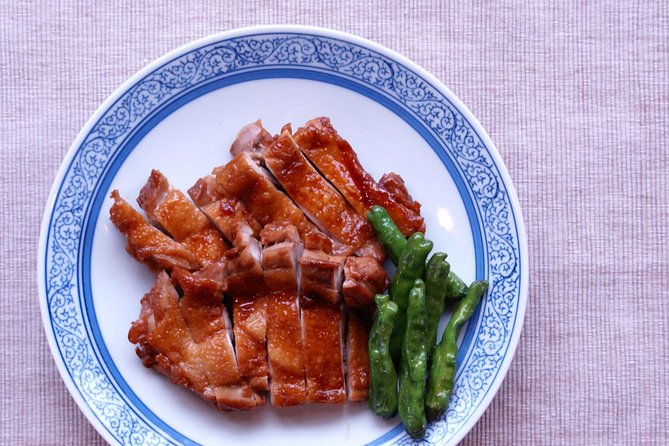
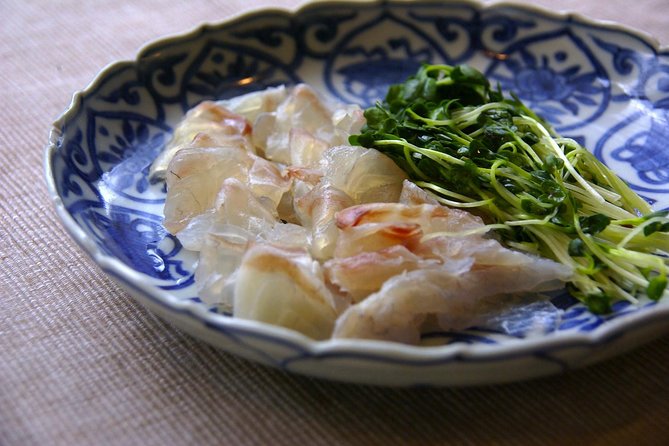
This is hands-on cooking, not a demonstration where you watch from the side. Makiko explains the process, then guides you through the preparation of traditional-inspired Japanese dishes. The menu changes with the season, which means the exact food is not fixed far in advance.
That seasonal approach is a plus. Japanese cooking depends heavily on freshness and the time of year, so a changing menu gives you a more accurate picture of how home meals work. It also keeps the lesson from becoming a rigid performance repeated in exactly the same way every day.
Makiko shares practical tips that do not always appear in cookbooks. These may include how ingredients are treated, how a process should feel as you cook, or how a dish fits into a larger meal. The supplied information does not promise a particular set of recipes, so you should book this for the method and personal guidance rather than one guaranteed menu.
The format works well for curious cooks. You can ask about ingredients, preparation, and Japanese food customs while the meal comes together. If you want a recipe-centered class with exact printed instructions and a fixed menu, ask for details before booking.
What makes the private format useful
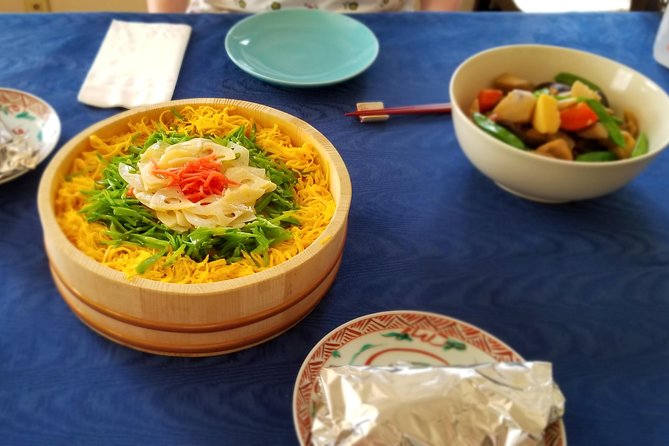
The private setup is one of the strongest reasons to choose this activity. Only your group participates, so the experience can respond to your interests and needs. One group requested particular dishes, and Makiko prepared a lesson around those requests.
That flexibility is valuable for families and mixed-age groups. Feedback also describes Makiko as comfortable with larger private groups and accommodating of different needs. Still, the experience is not a large group class, so you should provide clear information at booking if anyone in your party has allergies, dietary restrictions, or cooking preferences.
Tell the provider about those requirements in the Special Requirements box. Do not wait until you arrive at the home. Since menus vary by season, advance notice gives Makiko the best chance to plan an appropriate meal.
The private format also gives you more room for conversation. You can ask about Japanese ingredients while standing in a shop, then follow up in the kitchen as those ingredients are used. That connection between buying, preparing, and eating is the heart of the experience.
The shared meal at Makiko’s dining table
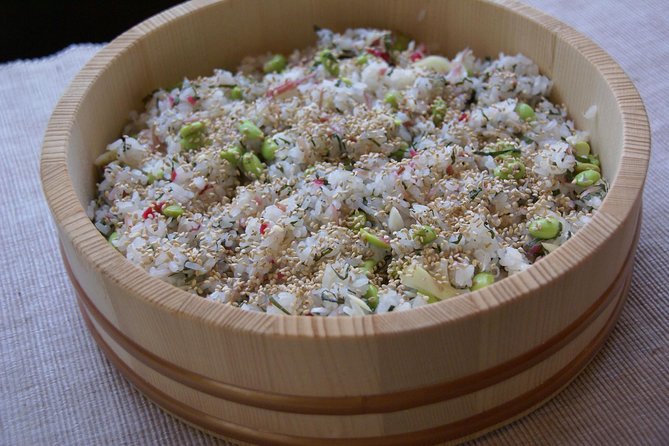
When the dishes are ready, you sit down together and eat the meal you helped prepare. This final stage turns the class into a social visit rather than a simple cooking appointment.
The dining table is where you can talk about the food at an easy pace. Ask Makiko why a dish is served in a certain way, how the ingredients are used at home, or what other Japanese foods you should try during your trip. The activity information specifically encourages questions, and the private setting makes that conversation feel natural.
I would not treat the meal as a separate restaurant experience. Its value is that you helped make it in a local home. The menu is seasonal and personal, not a restaurant tasting designed to show off a long list of dishes.
This distinction also helps set expectations. The meal is included, but the main product is the time with Makiko, the shopping lesson, and the cooking skills you take away. You are paying for access to a local home and a private host, not simply for a plate of food.



What the strongest praise tells you
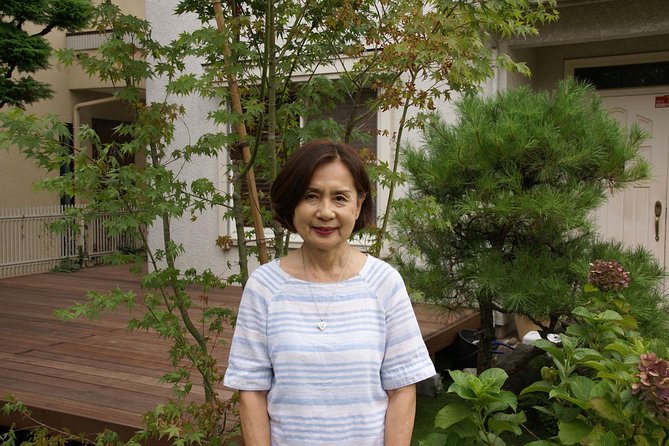
Makiko’s warmth comes through clearly in the available feedback. Groups describe spending substantial time talking with her about Japanese cuisine, not just rushing through a set lesson.
Her guidance at the shops is another repeated strength. She meets people at the station, walks them through several types of neighborhood stores, and explains where locals buy meat, produce, convenience items, and sweets. That is a practical service for anyone who wants to understand Japanese food beyond restaurant menus.
Her teaching style also earns strong marks. She explains the different cooking processes and shares stories as she works. One group specifically appreciated her ability to adapt dishes they requested, while another found her effective with a larger group.
The consistent perfect rating from seven published reviews supports the idea that this is a well-liked private experience. Still, a small review count cannot answer every question about every season, menu, or group arrangement. Treat the experience as personal and flexible, not as a standardized class with identical results for everyone.
Is $89 a fair price?
At $89 per person, this is not the cheapest way to eat Japanese food in Tokyo. You could spend far less on a supermarket lunch or a casual restaurant meal.
The price makes more sense when you count what is included: a private local shopping tour, a hands-on cooking lesson, a meal, and several hours of Makiko’s personal time. You are also getting a look at a private Tokyo home, which is not an experience most visitors can arrange on their own.
The value is strongest for people who want skills and context. If you only want to taste Japanese dishes, a restaurant or food tour may suit you better. If you want to understand ingredients, learn cooking methods, and ask an expert home cook questions face to face, the cost is easier to justify.
It is also a reasonable choice for a small private group that wants one shared activity. Because the tour is private, the price buys more personal attention than a large class usually can. The final value depends on your group size and how actively you take part in the shopping and cooking.
Who should book this experience?
I would recommend it to you if you enjoy food, local neighborhoods, and conversation. It is particularly well suited to people who want to see how Japanese meals are built at home rather than simply visit another restaurant.
It should also suit travelers who like to ask questions. Makiko is presented as an expert on Japanese cuisine, and the structure gives you several chances to ask about ingredients, shopping habits, and preparation.
Families and private groups may appreciate the adaptable format. The cooking can respond to requests when those are given ahead of time, and the activity is limited to your own party.
You may want to choose something else if you prefer a fixed menu, a formal culinary school, or a fast-paced sightseeing schedule. The shopping walk and meal conversation are central parts of the visit, so the experience works best when you are happy to slow down and take part.
The cat should not be a major issue for most people. It is shy and quiet, and it usually hides upstairs when visitors are in the home. Anyone with a serious cat allergy should still consider this detail before booking.
Timing, booking, and cancellation
The total experience lasts about three hours. The cooking section takes 1.5 to 2 hours, with the rest of the time used for meeting, shopping, walking, and sitting down for the meal.
It is often booked about 72 days ahead, so reserve early if your Tokyo dates are fixed. Confirmation arrives within 48 hours, subject to availability.
You can cancel for a full refund up to 24 hours before the start time. Cancellations or changes made less than 24 hours before the activity are not accepted for a refund, and all cut-off times use Tokyo local time.
Because the menu changes by season, do not assume the dishes shown in a description or discussed by another group will be yours. Give all food restrictions and cooking preferences when you book.
My call: book it for the connection
Book this experience if you want a personal look at Tokyo food culture and would enjoy cooking in a real home. The neighborhood shops, flexible private format, and shared meal with Makiko give you more than a standard recipe lesson.
Before paying, confirm the exact station meeting point, since Komazawa-Daigaku and Sakurashinmachi both appear in the supplied directions. Then send clear dietary details and understand that the menu will be seasonal.
For $89, the experience is worthwhile when you value time with a local and skills you can use after Japan. If you only want a guaranteed dish list or a restaurant-style meal, spend your money elsewhere. If you want to shop, cook, talk, and eat with a Tokyo native, this is a strong choice.
FAQ
How long does the experience last?
The full activity lasts approximately three hours. The cooking portion takes about 1.5 to 2 hours, depending on the number of people in your group.
What is included in the price?
The price includes a private supermarket tour with Makiko, a Japanese cooking class, and the meal you prepare together.
Is the experience private?
Yes. Only your group participates in this private activity.
Where do I meet Makiko?
The tour overview says Makiko greets you at Komazawa-Daigaku Station. The included pickup information and meeting address refer to Sakurashinmachi Station on the Tokyu Denentoshi Line. Confirm the exact meeting point after booking.
Does the menu stay the same?
No. The menu may change depending on the season.
Can I request special dietary arrangements?
Yes. You should provide allergies, dietary restrictions, and cooking preferences when booking, using the Special Requirements box.
Is hotel pickup included?
No. Hotel pickup and drop-off are not included. The activity begins and ends at the stated meeting point.
Is there a cat in the home?
Yes. There is a shy, quiet cat in the house. It is usually upstairs and hiding when people are visiting.
More tours in Tokyo we've reviewed











Tokyo, compared.
 ★ 5.0Mt Fuji and Hakone 1-Day Bus Tour Return by Bullet TrainFrom $163
 ★ 5.01-Day Tokyo Bus TourFrom $129
 ★ 4.6Tokyo: teamLab Planets TOKYO Digital Art Museum Entry TicketFrom $251 day
 ★ 4.0Mt Fuji & Hakone Cruise, Drum Show Bullet Train 1 Day from TokyoFrom $149
 ★ 5.0Tokyo: Shinjuku Food Tour (13 Dishes at 4 Local Eateries)From $86
 ★ 4.4Tokyo Mt Fuji 5th St & Hakone Cruise Bus Tour w/Bullet TrainFrom $15410 hours