
Reviewed · FOOD
Tokyo: Secret Food Walking Tour
Tokyo’s food scene comes into focus one bite at a time on this three-hour walk through Ueno. You start with sushi near JR Ueno Station, then move through local streets for gyoza, yakitori, a sweet course, matcha ice cream, and a final secret dish in a cozy setting.
I like the wide range of food and the way the tour takes you beyond the obvious tourist stops. I also like the local guidance: Shonan, Kaho, Kyoko, and Natsumi are among the guides named by guests, and each is described as friendly, easy to talk with, and fluent in English. The main consideration is that the history and neighborhood commentary may be lighter than the food. If you want a serious walking history lesson, this may feel food-first.
In This Review
- Key points to know before booking
- Starting with sushi outside JR Ueno Station
- Walking Ueno’s local streets after the station
- Gyoza brings a casual Tokyo favorite
- Yakitori in a stand-up restaurant
- Sweets, fruit, and matcha ice cream
- The secret dish finishes the route
- What $150 buys you in Tokyo
- Guides make the biggest difference
- Who should book this food walk?
- Practical tips for a smoother outing
- Should you book the Tokyo Secret Food Walking Tour?
- FAQ
- How long does the Tokyo Secret Food Walking Tour last?
- Where does the tour begin?
- How do I find the meeting point?
- What foods are included?
- Are drinks included?
- Is transportation included?
- Where does the tour finish?
- What language is the tour in?
- What should I bring?
Key points to know before booking
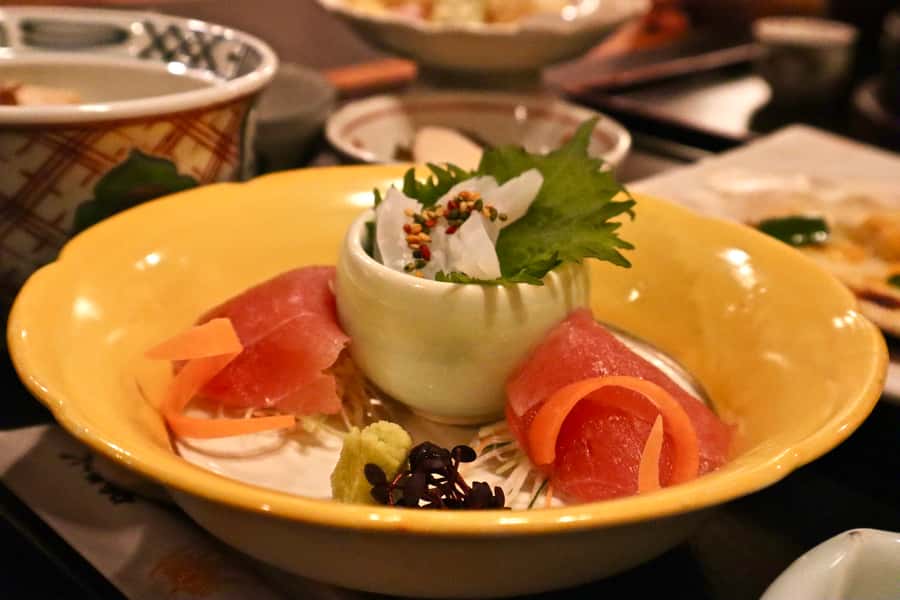
- Sushi starts the meal: You begin at a popular local sushi shop near Ueno Station, with freshly made sushi setting the tone for the tour.
- The menu keeps changing pace: Gyoza, yakitori, sweets, matcha ice cream, and a secret dish give you several styles of Japanese food in one outing.
- Ueno is your starting point: Meet outside the JR Central Gate, near the Hard Rock Cafe entrance beside Andersen bakery.
- Come very hungry: The portions and variety add up, and it is easy to feel full before the final dish.
- Drinks may cost extra: The yakitori stop includes a draft beer or flavored sawa in the described route, but drinks are not listed among the included items.
- The tour ends where it begins: You return to the Ueno meeting point, making it easy to continue sightseeing from the station.
Starting with sushi outside JR Ueno Station
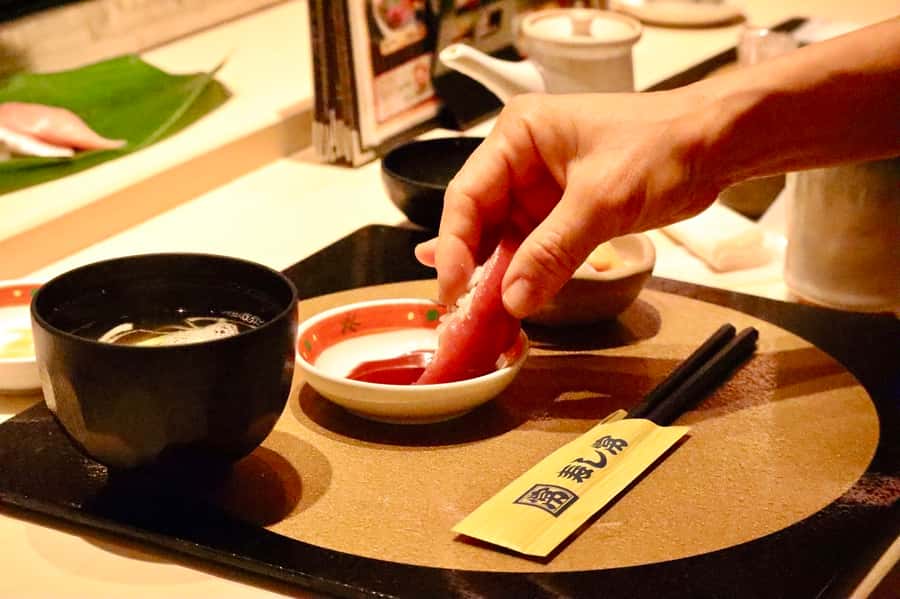
The meeting point is inside the JR Ueno Station building, outside the JR Central Gate and near the Hard Rock Cafe. This detail matters because Ueno Station has several exits and commercial areas. Look for the entrance on the other side of Andersen bakery. The guide carries an orange Secret Tours umbrella, and you can show local people the Japanese meeting-point text if you get turned around.
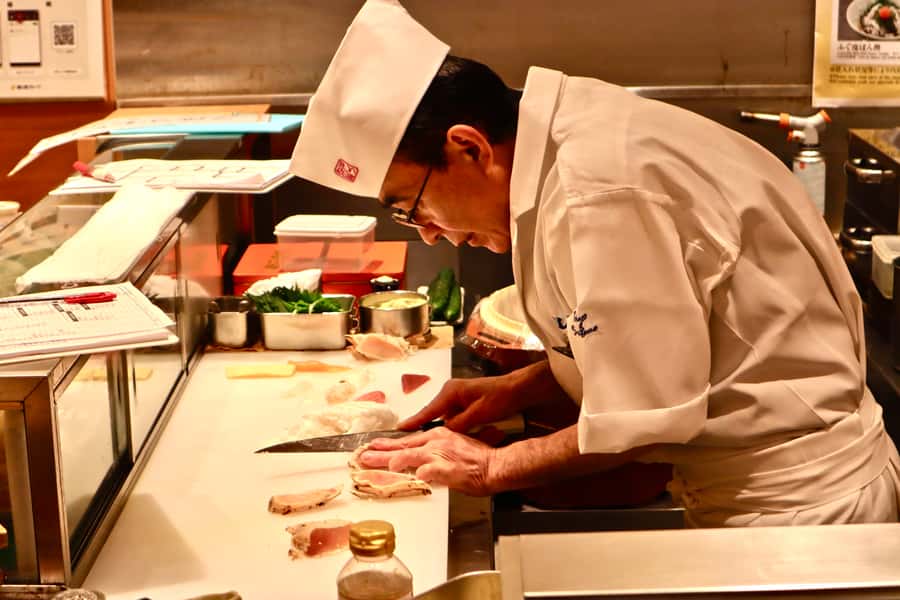
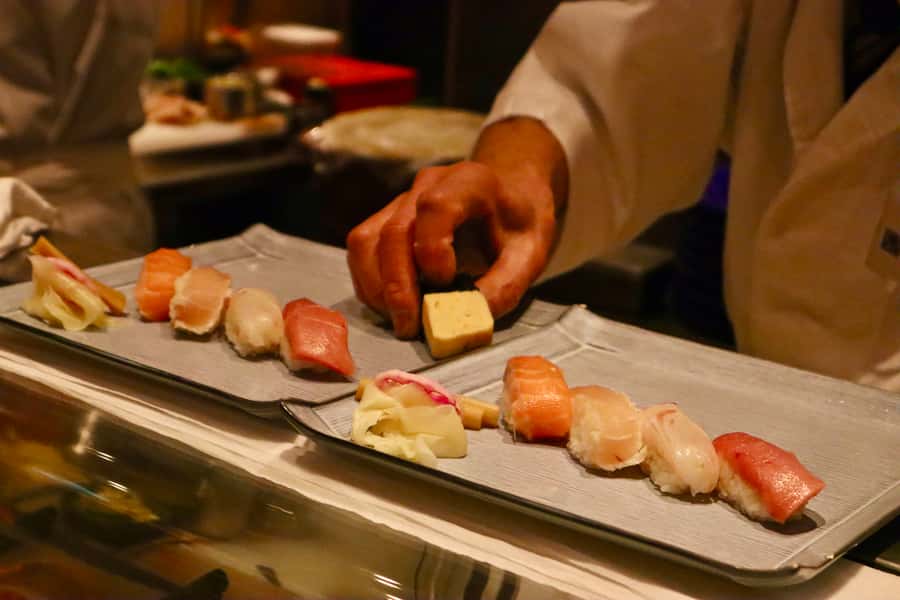
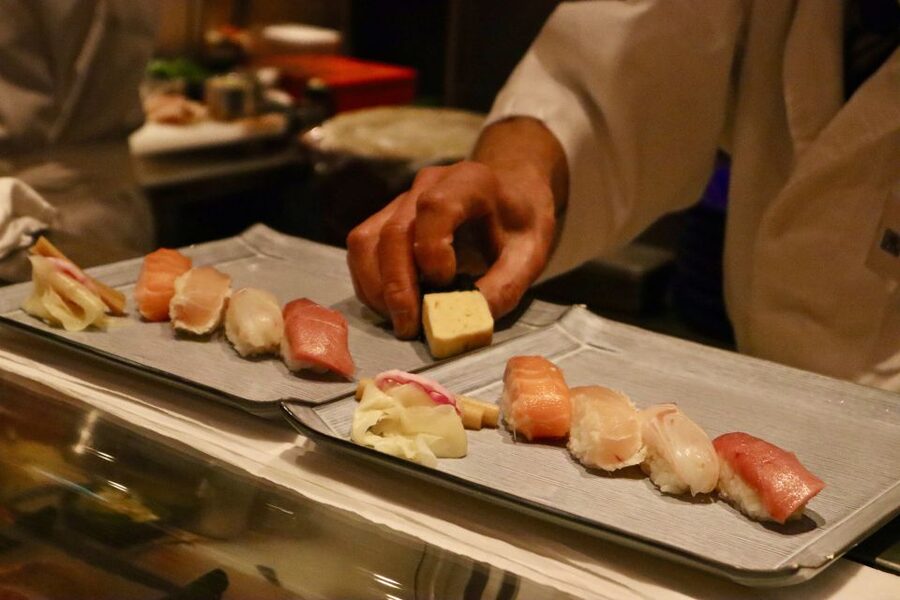
Once everyone meets, the food begins at one of the area’s popular sushi shops. Fresh sushi is a smart opening course. It gives you an immediate taste of a Japanese staple, while the guide can explain how sushi fits into everyday food culture and dining habits.
The exact sushi selection is not specified, so you should expect a guided sampling rather than a personal choice from a full menu. That is part of the appeal for first-time visitors. You do not need to know the difference between every style or piece before you arrive. You can simply ask questions and follow the guide’s lead.
The timing has one small wrinkle. One person suggested starting at 10:45 because the first restaurant opens at 11:00. That points to a practical issue: opening times can affect the rhythm of the first stop. Check the confirmed start time carefully, and do not assume the tour will begin with an immediate sit-down meal if the restaurant is not yet serving.
Other walking tours we've reviewed in Tokyo
Walking Ueno’s local streets after the station
After sushi, the route moves away from the station area and toward the downtown district. This is where the experience becomes more than a series of restaurant visits. You get a short walking tour of Ueno, with explanations about Tokyo’s food customs, local streets, and the stories behind familiar dishes.
The walk also gives your stomach a little breathing room. You are not sitting in one restaurant for three hours. You change places and food styles, which keeps the outing lively and gives you a better sense of how dining works in Tokyo.
The amount of historical detail can vary with the guide and the day. The tour promises food, culture, and local background, and some guides may add a shrine visit or more neighborhood information. Still, I would book this mainly for eating and local introductions, not as a substitute for a dedicated Ueno history tour.
That distinction is important. If you want to understand the area through its food, the tour should suit you well. If your top goal is architecture, temples, or a detailed account of Tokyo’s past, you may find the cultural commentary too brief.
Gyoza brings a casual Tokyo favorite
The next food stop focuses on gyoza, the fried or steamed dumplings filled with minced meat and vegetables. This is a useful contrast with sushi. The flavors, texture, cooking method, and setting all shift, and you begin to see how broad Japanese everyday food can be.
Gyoza is also an approachable dish for people who are still getting used to Japanese menus. You may already know dumplings from home, but the Japanese version gives you a clear point of comparison. The guide can explain how the filling and cooking style work, along with the place gyoza holds in casual dining.
The route uses local shops that you might not choose on your own. That is one of the strongest reasons to book a guided food walk in Tokyo. A visitor can easily spend a full day near a station and still miss the smaller places that locals use, especially when menus are not written in English.
You should not expect every stop to be a long, relaxed meal. The format is closer to a progressive tasting walk. You eat, listen, move on, and make room for the next course.
Yakitori in a stand-up restaurant
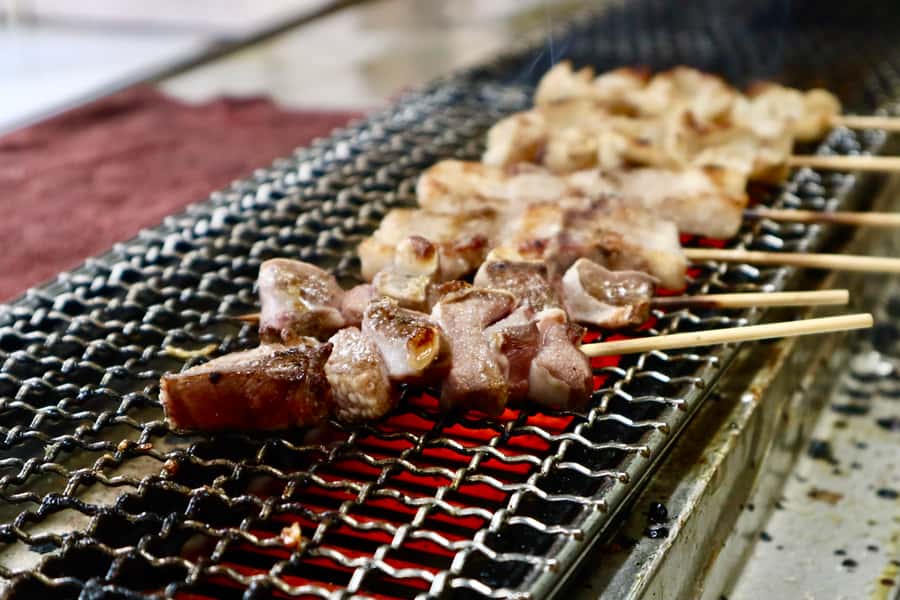
A short hop brings you to yakitori, skewered chicken cooked and served in a tachinomiya, a stand-up restaurant where people eat and drink in a casual setting. This may be the most distinctly local-feeling stop on the route because the setting is part of the experience.
Yakitori introduces another side of Japanese food culture. Instead of sushi’s careful presentation or gyoza’s dumpling format, you get small skewers and a quick social meal. The guide explains the dish and its place in Japanese dining, so you are not simply eating chicken on a stick without context.
The described drink pairing is a draft beer or flavored sawa. However, the tour inclusions list food but not transportation or drinks, and one guest specifically recommended a drink upgrade. I would check the booking details before assuming alcohol is covered. If you do order the upgrade, treat it as an optional addition rather than part of the $150 base price.
The stand-up setting may not suit everyone. It can be less comfortable than a seated restaurant, especially if you have trouble standing for part of the tour. On the other hand, it gives you a taste of a common urban dining style that is easy to miss when you stick to formal restaurants.
Sweets, fruit, and matcha ice cream
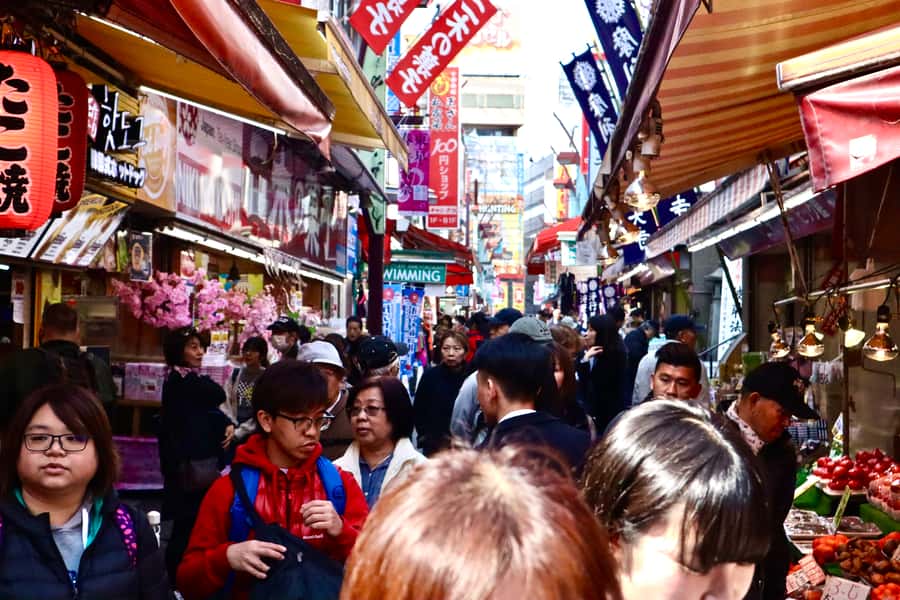
The tour then switches from savory dishes to sweets. Depending on the season, you may receive manju or freshly cut fruit. Manju is a traditional Japanese sweet, often associated with a soft outer layer and a sweet filling, while seasonal fruit offers a lighter change after several savory courses.
The seasonal choice means the exact experience can vary. That is a benefit if you like food that reflects the time of year, but it also means you should not book expecting one fixed dessert. The guide can explain what you are eating and why that item is available at that time.
Matcha ice cream follows. It is a familiar modern Japanese treat, with the green tea flavor providing a slightly bitter edge against the sweetness. After sushi, dumplings, and grilled food, a cold dessert gives the route a welcome change in temperature and texture.
Families can enjoy this section particularly well. An eight-year-old joined one tour and enjoyed the experience, though the overall amount of walking and the number of tastings still make comfortable shoes important. Children who prefer mild food may want guidance at the yakitori or gyoza stops, since individual tastes can vary.
A few more Tokyo tours and experiences worth a look

The secret dish finishes the route
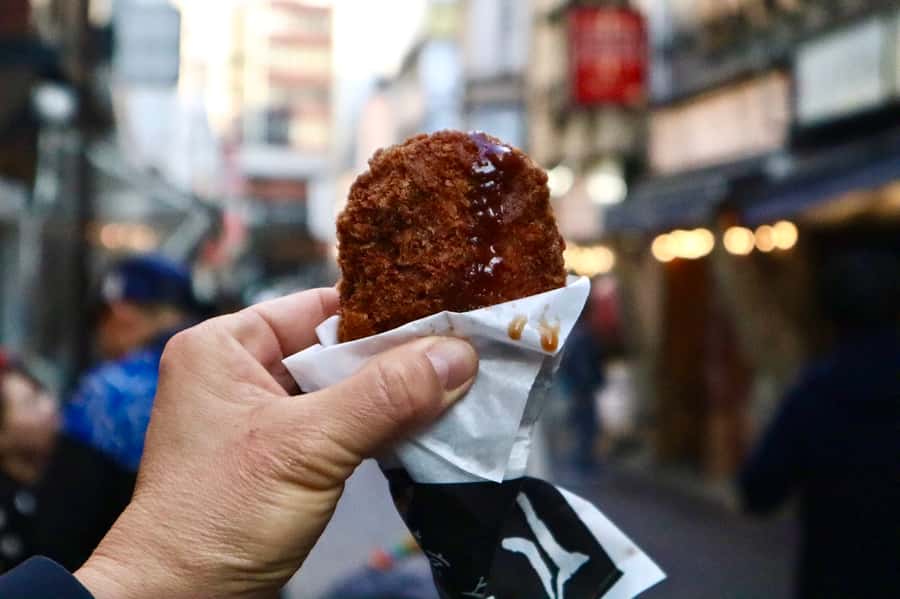
The final food moment is a secret dish served in a cozy environment. The exact dish is intentionally not disclosed, so you should treat it as a surprise rather than plan around a specific food.
This ending works because it gives the tour a sense of discovery. You have already sampled several recognizable Japanese foods, then finish with something you might not have ordered by yourself. The guide can explain what it is and why it belongs on the route.
There is also a practical side to the secret dish: pace yourself. Several people found the tour generous enough to leave them completely full. If you eat a large breakfast or lunch beforehand, the last course may be more than you want.
What $150 buys you in Tokyo
At $150 per person, this is not a cheap snack crawl. You are paying for a guided experience, several food stops, local explanations, and the convenience of having someone choose the route and handle the ordering process.
The value is strongest if you are new to Tokyo or cautious about entering small local restaurants alone. You get a structured introduction to several dishes without spending time guessing at menus or searching for suitable places. You also avoid paying for separate meals during much of the tour because food is included.
The value is weaker if you already know Ueno well and are comfortable finding sushi, gyoza, yakitori, and desserts by yourself. In that case, the guide’s local access and explanations may not justify the price unless you especially enjoy organized tastings.
Keep extra money ready for drinks. Transportation is not included, and neither are hotel pickup or drop-off services. The tour starts and ends at JR Ueno Station, so you must make your own way there and plan your onward journey.
Guides make the biggest difference
The guide is central to the experience. The route includes food that is easy to find in Tokyo, but the guide provides the useful bridge between the dish and the place. Names attached to different outings include Shonan, Natsumi, Kaho, and Kyoko.
The strongest guide qualities described are friendliness, clear English, and an ability to introduce places you might otherwise miss. Kaho was singled out as a warm host, while Shonan was praised for strong local perspective and flawless English. Natsumi was described as easy to talk with, and Kyoko led a successful outing through Ueno.
Because this is a guided food tour, the personal style may shape your day. Some guides may spend more time on food technique and culture, while others may offer more neighborhood information. I would ask questions as you walk. If you want more history, say so early instead of waiting for the guide to guess your interests.
Who should book this food walk?
I think this tour is best for first-time visitors who want a broad introduction to Japanese food without committing to one formal restaurant. It also suits repeat visitors who have seen Tokyo’s major sights but want help finding casual local places.
It is a good choice for people who like variety. You sample sushi, gyoza, yakitori, sweets, fruit, matcha ice cream, and a secret dish in one outing. That range lets you identify foods you want to seek out later.
Families can also consider it, since an eight-year-old enjoyed one outing. Still, children should be ready for walking, changing locations, and unfamiliar flavors. Picky eaters may not appreciate every stop.
Food-focused visitors will get the most from the tour. If you want detailed history at every turn, choose a dedicated cultural walk instead, or treat this as a food tour with some local context rather than a full history lesson.
Practical tips for a smoother outing
Wear comfortable shoes. You will walk between stops, and the tour lasts three to three and a half hours.
Arrive at JR Ueno Station early enough to find the correct side of the station. The Hard Rock Cafe has several entrances, so use Andersen bakery as your landmark and look for the orange umbrella.
Do not eat a full meal before meeting the guide. The amount of food is substantial, and the final secret dish comes after several courses.
Ask about drink costs before ordering beer or a flavored sawa. Food is included, but drinks are not listed in the basic inclusions.
The activity ends back at the meeting point, which is useful if you want to continue exploring Ueno afterward. You can also plan your next train journey from the same station without arranging a separate return transfer.
Booking remains fairly flexible, with payment available later and full refunds for cancellations made up to 24 hours ahead. Confirm the exact terms when booking, since the tour schedule and restaurant opening times matter.
Should you book the Tokyo Secret Food Walking Tour?
Book it if you want a filling, friendly introduction to Japanese food and would rather let a local guide choose the stops. The mix of sushi, gyoza, yakitori, sweets, matcha ice cream, and a secret dish gives you plenty of variety for one afternoon, and the English-speaking guides add confidence at small local places.
Skip it if you want a low-cost meal, a private restaurant experience, or a detailed historical tour of Ueno. At $150, the price makes sense mainly for the guidance, access, explanations, and amount of food. Come hungry, wear good shoes, and check the drink arrangement before you go.
FAQ
How long does the Tokyo Secret Food Walking Tour last?
The guided food walk lasts about three to three and a half hours.
Where does the tour begin?
It begins inside JR Ueno Station, outside the JR Central Gate, near the entrance to the Hard Rock Cafe.
How do I find the meeting point?
Look for the Hard Rock Cafe entrance on the other side of the bakery named Andersen. The guide carries a Secret Tours orange umbrella.
What foods are included?
The route includes sushi, gyoza, yakitori, manju or seasonal fruit, matcha ice cream, and a secret dish.
Are drinks included?
Drinks are not listed among the basic included items. The route describes yakitori with a draft beer or flavored sawa, and a drink upgrade may be available.
Is transportation included?
No. Transportation, hotel pickup, and drop-off are not included.
Where does the tour finish?
The activity ends back at the JR Ueno Station meeting point.
What language is the tour in?
The tour is conducted in English.
What should I bring?
Bring comfortable shoes for walking between food stops.
More Food Experiences in Tokyo
More Walking Tours in Tokyo
More tours in Tokyo we've reviewed



Food, compared.
 ★ 5.0Tokyo: Shinjuku Food Tour (13 Dishes at 4 Local Eateries)From $86
 ★ 5.0Tokyo Tsukiji Fish Market Food and Culture Walking TourFrom $99
 ★ 4.9Tokyo: Shinjuku Food Tour (15 Dishes and 4 Eateries)From $853 hours
 ★ 5.0Best of Shinjuku: Izakaya Food Tour (4 Stops, 14+ Tastings)From $92
 ★ 5.0Tokyo: Tsukiji Fish Market Food and Walking tourFrom $30
 ★ 5.0Tokyo Night Foodie Tour in Shinjuku – Seasonal Sushi, Wagyu BeefFrom $111