
Reviewed · TOKYO
Shuffle Dance in Tokyo with a TikTok Star – Intermediate Level
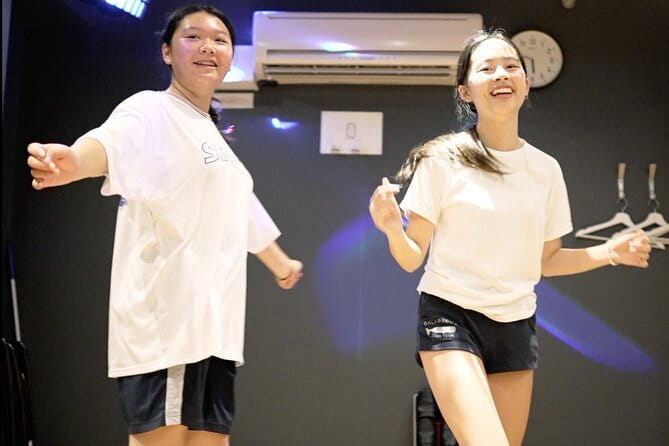
Tokyo’s TikTok dance scene comes to life in a small studio near Shinjuku, where Tomo leads an energetic intermediate shuffle class. You will learn steps, work through a short routine, and finish by recording your progress in 4K. It is a dance lesson with a built-in souvenir.
I like two things right away: the class is capped at 10 people, so you get a better chance to follow Tomo’s corrections, and the video gives you something more useful than a quick snapshot. I also like the local connection. Japanese students who have attended for more than a year may be in the room, giving you a look at how people here practice for social media and performance.
The catch is the level. This is not simply a watch-and-copy tourist activity. Some dance experience is recommended, and one hour goes quickly. If you need slow, repeated instruction from the very first shuffle step, you may find the pace demanding.
In This Review
- Key points to know before booking
- Why this Shinjuku class feels different
- Getting to Studio Worcle Shinjuku at 8 p.m.
- The 10-minute warm-up sets the pace
- Forty minutes of shuffle choreography
- The final 10 minutes create your souvenir
- Meeting local dancers after the lesson
- What you get for $35.83
- Who will enjoy this most
- Practical preparation for a smoother class
- Should you book Tomo’s shuffle class?
- FAQ
- Where does the shuffle dance class meet?
- What time and day is the activity held?
- Is this class suitable for beginners?
- What should I bring?
- Is a video included?
- How many people can join, and can I cancel?
Key points to know before booking
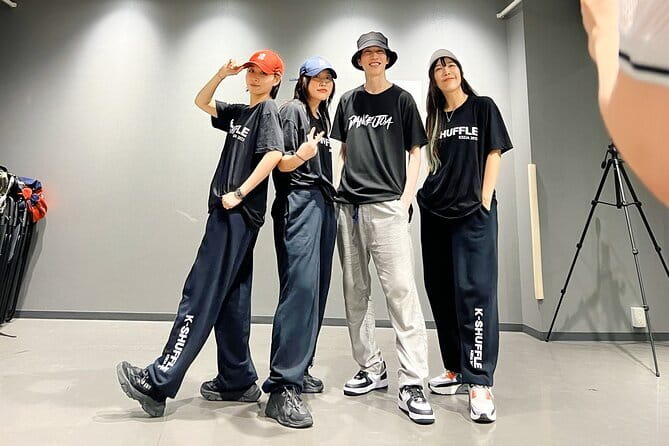
- Tomo leads the class: You learn from a Tokyo dancer known for dance videos on Instagram, YouTube, and TikTok.
- The final 10 minutes are filmed: You receive a 4K video of your progress to keep or share.
- The class meets Wednesdays at 8 p.m.: Plan for an evening activity near Shinjuku Station.
- The group is small: A maximum of 10 people keeps this more personal than a large studio session.
- Indoor shoes are required: Wear comfortable clothing and bring shoes reserved for indoor use.
- The class is intermediate: Previous dance experience helps, though beginners who enjoy a challenge can still have fun.
Why this Shinjuku class feels different
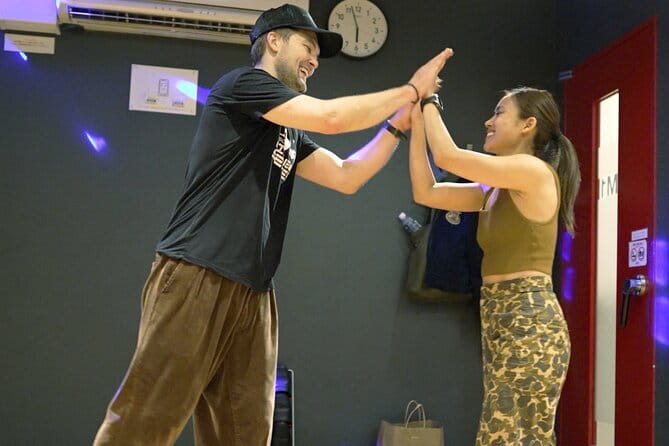
Many Tokyo activities ask you to watch, photograph, and move on. This one asks you to do something. You spend the hour learning a dance style that has become closely tied to short-form video, then you perform it for the camera yourself.
That makes the class a good fit if you want a more active evening in Tokyo. You are not only seeing a local pop-culture trend from the outside. You are practicing the footwork, trying to stay on the beat, and learning how dancers prepare a routine for a camera.
The experience is led by Tomo, a professional shuffle dancer and social-media creator. The teaching style is patient and clear, based on the feedback from people who have taken both beginner and follow-up lessons with him. One person who returned for another class found the new steps challenging but enjoyable, while another said Tomo explained everything carefully enough to stay relaxed.
That combination matters. Shuffle dancing can look effortless in a short video, but the timing and footwork take work. A teacher who breaks the routine into sections can make the difference between feeling lost and feeling able to complete a short sequence.
If you're still narrowing it down, here are other tours in Tokyo we've reviewed.


Getting to Studio Worcle Shinjuku at 8 p.m.
The meeting point is Room 501 at Studio Worcle Shinjuku, at 7-chōme 16-7 Nishishinjuku, Shinjuku City, Tokyo 160-0023. It is about a seven-minute walk from the west exit of Shinjuku Station.
Shinjuku Station can be confusing, so give yourself extra time to find the west exit and then locate the studio. You do not want to arrive breathless just before a dance class. The exact start time or studio location can change if the studio schedule shifts, so check your messages before setting out.
The 8 p.m. start works well for a day of sightseeing. It also means you should think about dinner and hydration before class. Bottled water is not included. Vending machines are directly in front of the studio, and a 7-Eleven is about one minute away.
Once inside, you can use the changing rooms to prepare. Wear clothes that allow free movement. You will need indoor shoes, not outdoor footwear, so pack a clean pair that gives you a firm grip without restricting your steps.
The 10-minute warm-up sets the pace
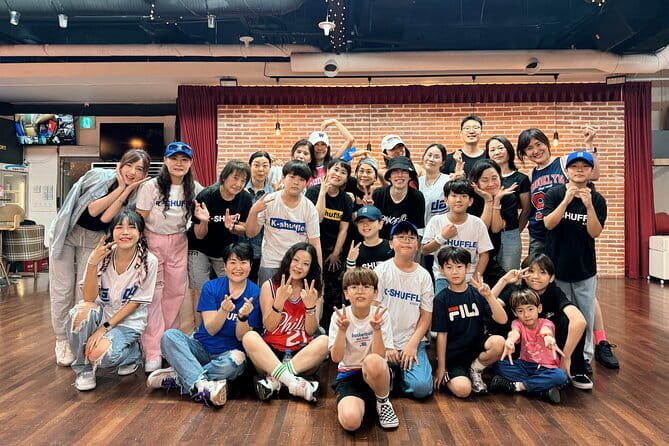
The first part of the session lasts about 10 minutes and combines stretching with rhythm training. This is not wasted time. Shuffle dance depends on quick foot changes, balance, and a steady sense of timing, so warming up helps you prepare for the choreography.
The rhythm work is especially useful if you have danced before but have not tried shuffle dance. You may know how to follow a beat, yet still need to adjust to the style’s repeated foot patterns. I would treat this opening section as a chance to watch Tomo closely and learn how he counts and demonstrates movements.
You should also use this time to judge the pace. The class is described as intermediate, and the main lesson follows soon after the warm-up. If you have only limited dance experience, focus on getting the basic motion right rather than trying to make every movement look polished at once.
Forty minutes of shuffle choreography
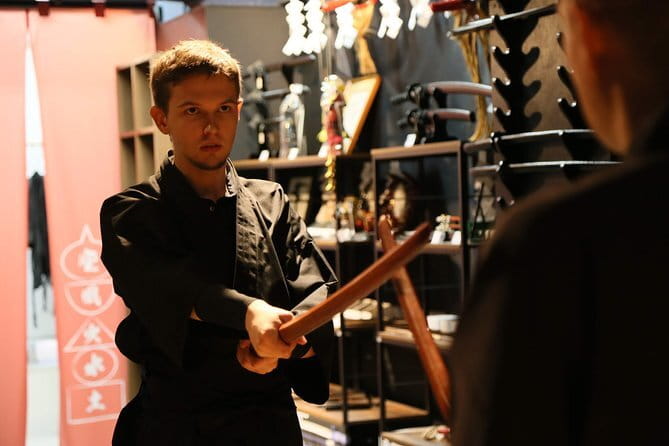
The central 40 minutes move from basic shuffle steps into intermediate choreography. That progression gives the class a clear shape. You start with the mechanics, then put them into a sequence you can perform.
The wording is important here: previous dance experience is recommended, but you do not need to be an expert shuffle dancer. People who took Tomo’s lessons for the first time found his instructions easy to follow, even when the activity was new to them. Another participant had danced a little and appreciated being guided to the next level.
You should expect repetition. A good short routine is built by learning a small section, practicing it, then adding the next part. The reward is that you can see your progress within the same hour. At first, you may be thinking about where each foot goes. By the filming period, you are trying to connect the movements and keep time.
Tomo may also let you request a favorite song. One person was able to dance to a preferred track and record a video for social media. That option adds a personal touch, though you should not assume every song request will be possible. The central value is the instruction, not a guaranteed custom performance.
The class should suit you if you like learning by doing and do not mind making mistakes in front of other people. It may be less comfortable if you want a private lesson or prefer to master each step before moving on. The maximum group size of 10 is modest, but this remains a group class.
The final 10 minutes create your souvenir
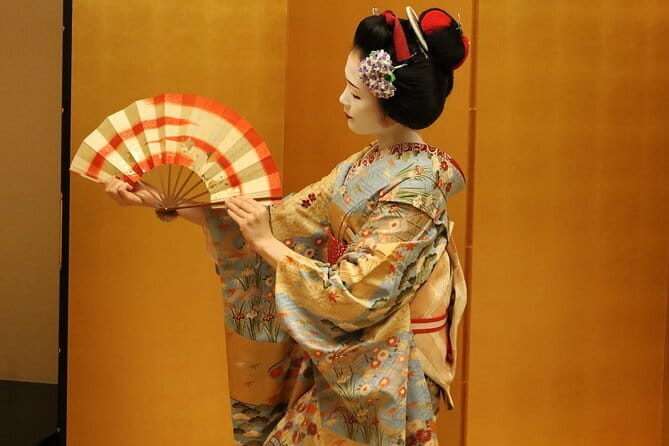
The last 10 minutes are set aside for filming. You perform the choreography you have just practiced, and your progress is captured in 4K video.
This is one of the strongest parts of the experience. A short dance clip gives you a clear record of what you learned, and it can be kept as a personal memory or shared on social media. It also changes the way you approach the class. You are not only practicing for the teacher. You are preparing to perform the routine from beginning to end.
Do not expect a full professional music video or a long edited production. The information provided promises 4K video, not a large filming crew or extensive post-production. Think of it as a crisp record of your class performance. The practical value is high because the video is included in the price, along with studio rental, fees, and taxes.
The filming may also reveal what you need to practice next. You might notice that your feet are accurate but your timing needs work, or that you remember the steps better than you expected. That makes the video more than a souvenir. It is a useful way to continue practicing at home.






Meeting local dancers after the lesson
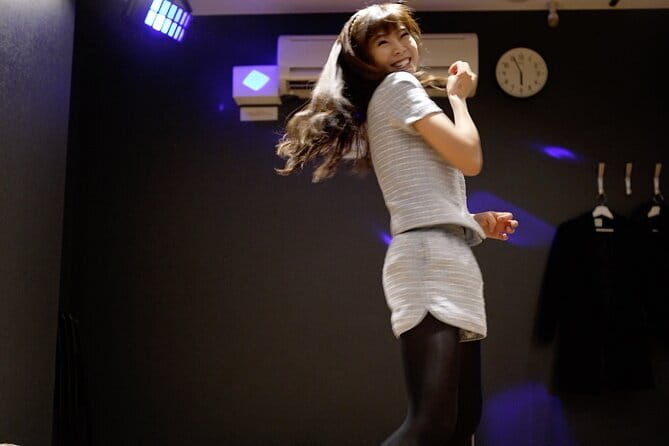
After filming, you receive the video and have time for cultural exchange in the lobby. This is a small but worthwhile part of the evening.
The class is held alongside Japanese students who have been attending for more than a year. You can meet people who have made shuffle dance a regular hobby, rather than a one-time holiday activity. The exchange gives you a glimpse into the local dance community and how people build skill over time.
Several people who returned for Tomo’s lessons treated the class as part of an ongoing practice routine. One described coming back for additional lessons and practicing at home between sessions. That is a useful clue about the experience’s real appeal: it can be a one-hour activity, but it may also introduce you to a hobby you can continue after Tokyo.
You should keep your expectations sensible. There is no promise of a formal social event, extended conversation, or a full tour of Tokyo’s dance scene. The exchange happens after the class in the lobby, and its depth will depend on the people present and how much time remains.
What you get for $35.83
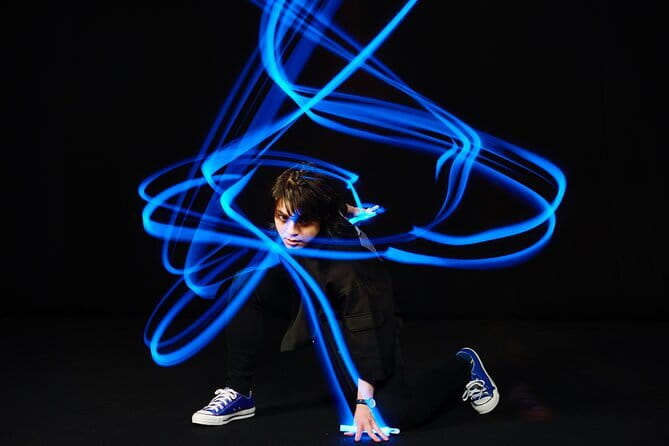
At $35.83 per person, the price is reasonable if you want instruction rather than a passive cultural show. Your fee covers the studio rental, all taxes and fees, and the 4K video. You are paying for a structured class, a professional teacher, and a finished record of your performance.
The one-hour length keeps the cost manageable, but it also limits how much choreography you can learn. You will not become an accomplished shuffle dancer in a single session. The value comes from trying a new style, learning a routine, and leaving with something you can practice later.
The small group size improves the equation. With no more than 10 participants, the session is more likely to feel like a real class than a crowded demonstration. Still, personal attention is not unlimited, especially if everyone needs help at the same time.
I would compare this price with what you want from an evening in Tokyo. If you only want sightseeing, the class takes time away from another attraction. If you want a hands-on activity and already enjoy dance or social video, the included 4K recording makes the fee easier to justify.
The activity is often booked about 36 days ahead, so do not leave it until the last minute if the Wednesday evening slot is important to your schedule.
Who will enjoy this most
This experience fits you best if you meet several of these points:
- You have some dance experience and want to try shuffle dance.
- You enjoy TikTok, Instagram, YouTube, or performance videos.
- You like learning a routine rather than watching a demonstration.
- You want an evening activity near Shinjuku.
- You are comfortable practicing in a small group.
- You would like a video of yourself to keep or share.
It can also work for a first-time shuffle dancer with a moderate level of physical fitness. The teaching begins with basic steps, and the instructor is described as patient. But the class is still labeled intermediate, so you should be ready for a quicker progression than in a beginner-only lesson.
It is less suitable if you have an injury, want a low-effort activity, or need a fully private setting. The class includes stretching, rhythm training, repeated footwork, choreography, and filming. You should be able to take part in moderate physical activity.
Practical preparation for a smoother class
Bring indoor shoes and wear comfortable clothes. You may want to carry a small drink, since water is not supplied, although vending machines and a 7-Eleven are close by.
Arrive with enough time to find Room 501 and change. The studio is near public transportation, but Shinjuku’s station exits can add time to the walk. Check any messages about changes before leaving your hotel, since the start time or studio location can shift with studio availability.
At the class, concentrate on the rhythm before worrying about style. Shuffle dancing looks best when the movement is clean and on beat. Trying to add extra flair too soon can make the routine harder to remember.
For the video, wear something you feel comfortable moving in and that allows you to see your footwork clearly. You are recording the result of a short lesson, not auditioning for a dance company. The point is to show your progress.
Should you book Tomo’s shuffle class?
Book it if you want to take part in Tokyo’s short-form dance culture instead of simply watching it online. The small group, patient instruction, local students, and included 4K video give the hour a clear purpose.
I would especially recommend it to dancers who have completed a beginner lesson and want new steps. It is also a good choice for an adventurous first-timer who accepts that the pace may be challenging.
Skip it if you are looking for a relaxed sightseeing activity, a long cultural tour, or a private lesson. At $35.83, the class offers good value for active visitors who want instruction and a video keepsake, but its short length and intermediate level are real limits. Bring indoor shoes, arrive ready to move, and you should get much more from the hour.
FAQ
Where does the shuffle dance class meet?
The meeting point is Room 501 at Studio Worcle Shinjuku, at 7-chōme 16-7 Nishishinjuku, Shinjuku City, Tokyo 160-0023. It is about a seven-minute walk from the west exit of Shinjuku Station.
What time and day is the activity held?
The class is held every Wednesday and starts at 8 p.m. The start time or location can change based on studio availability, so check messages for updates.
Is this class suitable for beginners?
Some previous dance experience is recommended because this is an intermediate-level session. The class begins with basic shuffle steps, and beginners can still enjoy it if they are ready for a challenge.
What should I bring?
Bring comfortable clothing, indoor shoes, and a drink. Bottled water is not included, but vending machines are directly in front of the studio and a 7-Eleven is about one minute away.
Is a video included?
Yes. The final 10 minutes are used to record your progress in 4K, and the video is included with the activity.
How many people can join, and can I cancel?
The activity accepts a maximum of 10 people. You can cancel for a full refund up to 24 hours before the experience starts. Cancellations or changes made less than 24 hours ahead are not refunded or accepted.
More tours in Tokyo we've reviewed











Tokyo, compared.
 ★ 5.0Mt Fuji and Hakone 1-Day Bus Tour Return by Bullet TrainFrom $163
 ★ 5.01-Day Tokyo Bus TourFrom $129
 ★ 4.6Tokyo: teamLab Planets TOKYO Digital Art Museum Entry TicketFrom $251 day
 ★ 4.0Mt Fuji & Hakone Cruise, Drum Show Bullet Train 1 Day from TokyoFrom $149
 ★ 5.0Tokyo: Shinjuku Food Tour (13 Dishes at 4 Local Eateries)From $86
 ★ 4.4Tokyo Mt Fuji 5th St & Hakone Cruise Bus Tour w/Bullet TrainFrom $15410 hours